Ambassa Travel Guide
Come between November and March , when the air is dry and the Dhalai hills are cool and clear. From June to September Tripura is one of the wettest corners of India, and that...
The best time to visit Ambassa, and the months to plan around
Come between November and March, when the air is dry and the Dhalai hills are cool and clear. From June to September Tripura is one of the wettest corners of India, and that changes every long drive to Unakoti, Longtharai and Dumboor.
- November to February, the season you wantThis is when you should come. The rain has gone, the mornings are cool and clear, and the long drives north to Unakoti and up to the Longtharai hill are comfortable instead of tiring. Carry a light jacket, because Tripura's own climate record says winter sets in from November and is coldest in January. If you are travelling with elders or children, keep the whole trip inside this window and nothing will fight you.
- March to May, warm, then stormyMarch is still pleasant, and it carries the great spring event at Unakoti, the Ashokashtami Mela. From the middle of March the heat builds, and by late May the pre-monsoon storms arrive. If you are coming for the mela, expect warmth, dust and a real crowd of pilgrims, and start your driving very early in the day so you are on the hillside before the sun is high.
- June to September, the monsoon, and it means itTripura's official climate profile says the monsoon breaks in late May or the first week of June and runs until September, and the rain here is heavy. The hill roads to Unakoti, Longtharai and Gandacherra become slow and unreliable, and a cloudy Dumboor Lake is not the mirror you came to see. Travel then only if you must, and always keep a spare day.
- October, the quiet green rewardOnce the rain eases, October is a lovely, green, uncrowded month, and the Dhalai forests are at their most beautiful. Keep a day of slack in case a late shower closes in, and you can have the carvings and the lake almost to yourself before the winter visitors arrive.
Three religious gatherings shape the year around Ambassa. The Ashokashtami Mela at Unakoti Tirtha is the biggest, held on the Chaitra Shukla Ashtami in spring, around late March to April, and it draws pilgrims from across the region. Maha Shivratri brings crowds to the Longtharai hill temple. And the Pous Sankranti Mela is held at Tirthamukh near Dumboor Lake on 14 January every year. All three are wonderful, but they are busy, so if you want a calm darshan come on an ordinary week, and if you want the mela come ready for a crowd and book your room weeks ahead.
How to reach Ambassa, and how to get around Dhalai
Ambassa sits about 82 to 85 km north of Agartala on National Highway 8, and it is a real railhead on the Lumding to Agartala line. Fly into Agartala, then come up by train, bus or a hired car.
- First reach Agartala by airMaharaja Bir Bikram Airport at Agartala, about 12 km northwest of the city, is your way into Tripura, with flights from Kolkata, Guwahati, Delhi, Mumbai and Chennai. From the airport, Ambassa is about 95 km, roughly 2.5 to 3 hours by road on National Highway 8. If you have booked with us, your driver will meet you at the gate and take you straight up.
- By train to Ambassa, station code ABSAAmbassa is a genuine railhead on the Lumding division of the Northeast Frontier Railway, with daily trains from Agartala and from Silchar in Assam. The Dhalai district administration lists the Tripura Sundari Express from Anand Vihar in Delhi on Mondays, the Humsafar Express from Bengaluru on Fridays, and the Kanchanjunga Express from Sealdah in Kolkata on Thursdays and Sundays. It is a useful way to arrive if a long-distance train suits your plan.
- By bus and car from AgartalaThe Tripura Road Transport Corporation runs daily buses to Ambassa from Agartala, and private buses and shared cars leave from the Chandrapur Motorstand in Agartala. The road is National Highway 8, the old NH-44, and the run takes about 2 to 3 hours. A hired car with a driver is the most comfortable choice if you plan to branch off to Unakoti, Longtharai and Dumboor.
- Getting around the districtWithin Ambassa, local buses, shared cars and rickshaws handle the short hops. For the sights, the distances are real, so hire a car with a driver: Unakoti is about 54 to 55 km north near Kailashahar, Longtharai about 30 km, Kamaleswari at Kamalpur about 35 km, and Dumboor Lake about 90 km. There are also helipads at Dalubari, Kamalpur, Gandacherra and Longtharai Valley, booked from Agartala, if you are travelling on official business rather than as a tourist.
Fly into Delhi or Kolkata, then take a domestic flight to Agartala, and drive about 3 hours up to Ambassa. Kolkata is the natural connecting point, and the leg to Agartala is short. Give yourself an overnight in Kolkata if your international flight lands late.
Fly into Kolkata or Delhi, then connect to Agartala and continue by road. Many NRI families pair Tripura with Kolkata and Guwahati in one Northeast loop, since all three are well connected by air.
Fly from Kolkata, Delhi, Guwahati, Mumbai or Bengaluru to Agartala, then drive up. Or take one of the long-distance trains that stop at Ambassa, the Tripura Sundari, Humsafar or Kanchanjunga express.
Unakoti from Ambassa, day trip or overnight, and where to base
The great draw of this corner of Tripura is Unakoti, the hillside of colossal Shaiva carvings. From Ambassa it is about 54 to 55 km north, so do the maths before you promise it to your family, and decide honestly whether to base at Ambassa or at Kailashahar.
- What the official numbers sayUnakoti lies about 54 to 55 km north of Ambassa and about 8 km from Kailashahar town, so from Ambassa it is roughly a 1.5 to 2 hour drive each way. The central Shiva head, Unakotiswara Kal Bhairava, stands about 30 feet high, and three huge Nandi figures lie half buried in the earth. UNESCO placed Unakoti on India's Tentative List on 13 December 2022, and the carvings are dated to the 7th to 9th centuries by Tripura Tourism and the 8th to 9th centuries by UNESCO.
- The base decision, honestlyIf Unakoti is your main goal, the closest comfortable base is Kailashahar, not Ambassa, where Tripura Tourism runs the Unakoti Tourist Lodge within about 8 km of the carvings. The closest railheads to the site are also Kumarghat, about 21 to 26 km, and Dharmanagar, about 22 to 25 km, both nearer than Ambassa. Use Ambassa as your base if you want to see Dhalai district itself, Longtharai, Kamaleswari and Dumboor, and are willing to make Unakoti a longer day.
- A day trip from Ambassa means real drivingYou can leave Ambassa at first light, be at Unakoti by mid-morning, spend two good hours among the carvings, eat at Kailashahar and be back by evening. That is about 3 to 4 hours in the car for about 2 hours at the site. It is doable, but travellers on the Unakoti forums say the same thing they say from Agartala, that an overnight near the carvings is far better and far calmer.
- The overnight, which we recommendDrive up in the afternoon, sleep at Kailashahar, and walk into Unakoti early the next morning when the light comes sideways through the trees and the site is quiet. You get the carvings at their best, you get the small waterfall that runs through them in the wet months, and you are close to Dharmanagar if you want to continue north. It turns a rushed stop into the best day of the trip.
Families arrive in Tripura with a tight plan, keep Ambassa as an overnight, and try to fit Unakoti, Longtharai and Dumboor into a single day out of Ambassa. It cannot be done well. Unakoti alone is about 55 km each way, Dumboor is about 90 km, and Longtharai is a different direction. Pick one main sight per day, give Unakoti a night at Kailashahar if you can, and do not try to see the greatest Shaiva rock art in eastern India in a rushed forty minutes.
The temples, the lake and the hills of Dhalai
Beyond Unakoti, Ambassa is the base for a hillside Shiva temple, a Kali shrine at Kamalpur, and one of the loveliest lakes in the Northeast. Here is what there is to see, and how far each really lies.
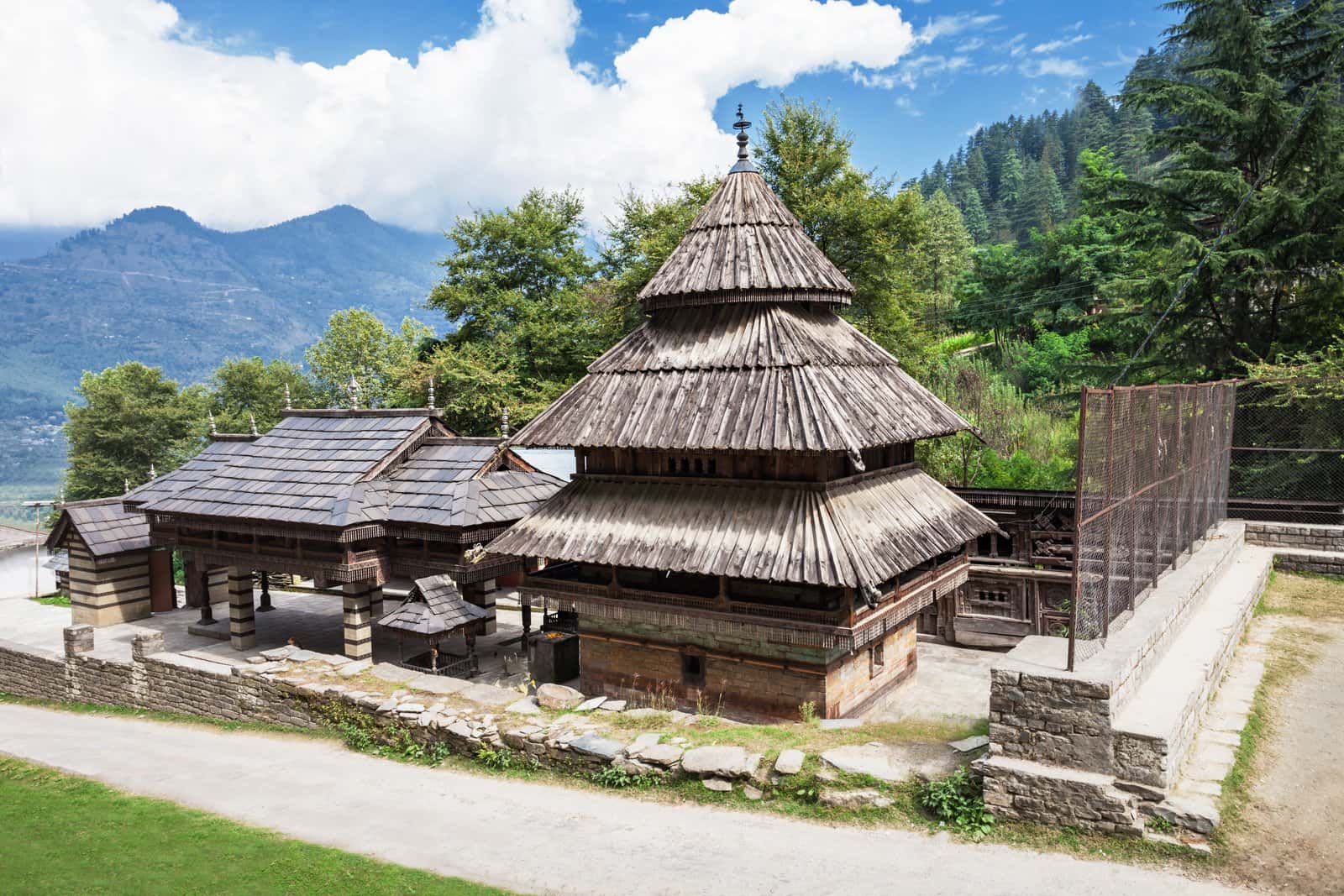
- Longtharai Mandir, the hill temple of ShivaAbout 30 km from Ambassa, in the Longtharai valley, stands one of the most loved temples in Dhalai. Longtharai is the name of Lord Shiva in the Kokborok tribal language, and it also means deep valley. The tradition is that Shiva rested on this hill on his way back from Kailash. Come here for a calm darshan among the trees, and if you are here for Maha Shivratri, expect a large and joyful gathering of pilgrims.
- Kamaleswari Mandir at KamalpurAbout 35 km from Ambassa and about 122 km from Agartala, in the sub-divisional town of Kamalpur, the Kamaleswari Mandir is a Kali temple that stands in the heart of the town and gives the town its name. Kamaleswari is another name of Goddess Kali. It is a major local pilgrimage spot, quiet on an ordinary day and worth the short drive if you are drawn to the Shakti shrines of Tripura.
- Dumboor Lake and Narikel KunjaAbout 90 km from Ambassa, on the edge of Dhalai and Gomati, Dumboor Lake spreads over about 41 sq km and holds about 48 islands. It is shaped like the damaru, the small drum of Lord Shiva, which is where the name comes from. One island, Narikel Kunja, has been developed for visitors, boating is the main pleasure, and the river Gomati rises nearby at Tirthamukh. This is a longer excursion, so give it a full day or add it to a southern loop.
- Ambassa Eco-Park and the town itselfIn Ambassa, the Eco-Park beside the railway station is a green, easy stop, and the town is a working district headquarters rather than a resort, calm and unpressured. Give it a slow evening, eat the local food, and let it be the quiet hinge of your Dhalai trip rather than a sight in itself.
Be clear with yourself about why you are here. For almost every visitor the reason is Unakoti, and everything else in Dhalai, Longtharai, Kamaleswari and Dumboor, is a bonus you add if you have the days. If your time is short, give Unakoti a proper morning and skip the rest with a clear conscience. If you have three or four days, Ambassa lets you string the temples and the lake together into a genuinely uncrowded Tripura that almost no visitor sees.
The experiences that make a Dhalai trip
This is not a place of ticketed attractions and queues. The experiences here are a hillside of gods at first light, a boat on a still lake, and a taste of tribal Tripura that most travellers never reach.
- Unakoti at first lightIf you stay the night at Kailashahar, walk into the carvings early, before the day visitors arrive. The 30 foot face of Unakotiswara Kal Bhairava and the half-buried Nandi figures are at their most powerful in the low morning light, with the forest quiet around them. Wear proper shoes, because there are steps and the stone is wet where the stream runs, and give yourself two unhurried hours.
- A boat on Dumboor LakeAt Dumboor, the pleasure is simply being on the water among the islands. Take a boat out from the developed side towards Narikel Kunja, watch for the winter birds, and let the still, green calm of the lake do its work. In the cold months migratory birds gather here, and it is one of the most peaceful places in the whole state.
- A hill darshan at LongtharaiThe drive up to Longtharai through the valley is part of the experience, and the temple itself, set among trees on the hill, rewards an unhurried visit. Do the darshan calmly, sit for a while in the quiet, and take in a Shiva shrine that carries a living tribal name for the Lord in the Kokborok tongue.
- The taste of Mui Borok TripuraDhalai is home to Tripuri, Reang, Chakma, Halam, Darlong and Uchai communities, and the food here is a real experience. If you eat everything, try the indigenous Mui Borok dishes such as gudok and chakhwi. If you are a pure vegetarian, say clearly that you want no fish and no berma, the fermented fish that flavours much of the cooking, and you will still eat well on Bengali and north Indian food.
If you do only one thing slowly, make it Unakoti at dawn. Everything about this corner of Tripura, the long roads, the quiet town, the overnight at Kailashahar, is worth it for the moment you stand alone in front of that vast carved face before the day begins. Rush it in the afternoon heat with a crowd and you will wonder what the fuss was about. Give it a still, early morning and you will understand why UNESCO is looking at this hillside at all.
Where to stay in Ambassa, and where to stay for Unakoti
Base in Ambassa for the district itself, and move up to Kailashahar if Unakoti is your main goal. Rooms are simple and inexpensive, and the state runs a tourist lodge close to the carvings.
- In Ambassa itselfAmbassa has a cluster of simple private guest houses and hotels, and Tripura Nature Trails and Resorts stands beside the Ambassa Eco-Park, about 2 km from the railway station. Budget rooms start from about 600 rupees a night on the booking sites, though no official rate card is published, so reconfirm the current price when you book. This is the base for seeing Dhalai district, Longtharai, Kamaleswari and Dumboor.
- At Kailashahar, for UnakotiIf the carvings are why you have come, stay at Kailashahar rather than Ambassa. Tripura Tourism runs the Unakoti Tourist Lodge there, which puts you within about 8 km of the site and lets you walk in at first light. Book it through Tripura Tourism and reconfirm the current rate, which the state does not print reliably online. Simple private hotels and homestays are also available in and around Kailashahar.
- How many nights, and whereFor most visitors, one night at Ambassa or Kailashahar is enough to see Unakoti properly. Add a second night if you want Longtharai and the town in comfort, and a third if you are going all the way out to Dumboor Lake. Do not try to run Unakoti, Longtharai and Dumboor out of a single Ambassa base in one day, because the distances will beat you.
- Book ahead around the fairsAround the Ashokashtami Mela at Unakoti in spring and Maha Shivratri at Longtharai, the few rooms in Kailashahar and Ambassa fill quickly and prices rise. If your dates fall on either, book weeks ahead rather than days, and tell us early so we can hold the rooms while they exist.
This is not a place of polished resorts. Ambassa and Kailashahar are working district towns, and the rooms are clean and plain rather than luxurious. Come for the carvings, the temples and the quiet, not for the hotel, and you will not be disappointed. If you want a comfortable, well-serviced base and are happy to make Unakoti a longer day, keep your good hotel in Agartala and drive up, but understand that means a full day on the road.
Ambassa costs, and the prices we refuse to invent
This is one of the cheaper corners of India to travel in. Here is what we can honestly say about costs, and where the government simply does not publish a figure.
- Rooms are inexpensiveBudget rooms in Ambassa start from about 600 rupees a night on the booking sites, and simple hotels at Kailashahar and the Unakoti Tourist Lodge are in the same modest range. These are not official rates, and they change, so treat them as a floor and reconfirm when you book. This is not an expensive place to sleep.
- The big cost is the carIn Dhalai your budget is decided by the vehicle, not by tickets. A hired car and driver for the Unakoti overnight, the Longtharai and Kamaleswari temples, and the long run to Dumboor will be the bulk of what you spend. Rates change with fuel and season, so ask us for a current quote rather than trusting a figure printed on a blog last year. Public buses from Agartala and within the district are a fraction of the cost if you have the time.
- Unakoti has no reliable published feeThere is no reliably published official entry ticket for Unakoti. It is an open, hillside heritage site. Carry small cash for local parking, a guide or offerings, and do not budget against any figure you see quoted online. We would rather tell you honestly that the government prints no rate than repeat a number we cannot stand behind.
- Cash, cards and UPIAmbassa and Kailashahar run on UPI like any Indian town, and cards work in the better hotels. Once you are out at the temples, the lake and the roadside tea stalls, it is cash. Draw enough in Agartala or Ambassa for the whole day trip, keep small notes, and you will never be stuck at a counter without change.
A trip to Ambassa and Unakoti is cheap on rooms and food and modest on entry, and almost all of your money goes on the car that carries you over the district's real distances. That is the number worth getting right before you leave, so agree the vehicle, the days and the overnight with us or your operator in advance, and the rest of the trip costs very little.
Practical logistics: language, food, connectivity and etiquette
The small things that make a Dhalai day work, from what berma is and how a vegetarian orders around it, to how a quiet district town shapes your evening.
- Language is easyBengali, Kokborok and English are spoken around Ambassa, and Bengali will carry you everywhere in the district. Hindi is widely understood, and English works in hotels and with most drivers. If you speak Bengali, Tripura will feel warm and familiar at once. If you do not, you will still manage without a moment's trouble.
- Food, and knowing what berma isTripura is not a vegetarian state, and the indigenous Mui Borok cooking of the Tripuri and other communities is built around berma, a fermented fish that flavours many dishes that look vegetarian. If you eat everything, try the local food. If you are a pure vegetarian, say clearly at every meal that you want no fish and no berma, and you will still eat well on Bengali and north Indian dishes with rice, which the locals call mai.
- Temple etiquette at Longtharai and UnakotiThese are living, deeply loved shrines and a sacred hillside, not just monuments. Dress modestly, cover your shoulders and knees, leave your shoes where asked, and switch the phone off during darshan. At Unakoti, do not climb on the carvings, do not touch the faces, and do not scratch or chalk anything, because these are 1,200 year old images of gods. Ask before photographing anyone at prayer.
- The town sleeps earlyAmbassa and Kailashahar are calm district towns, and they wind down early in the evening. Eat by about 9 in the evening rather than late, do not plan a night out, and carry a torch or use your phone light, because the streets are dark once the shops close. Plan your sightseeing for the daylight and let the evenings be for rest.
- Connectivity and cashMobile data works in Ambassa and Kailashahar and along the main road, but it thins out on the hill stretches to Longtharai and Dumboor, so download your maps before you drive. Carry enough cash from Agartala or Ambassa for the day, because ATMs are few once you leave the towns, and the tea stalls and small eateries deal only in cash.
Safety, health and the roads of Dhalai
This is one of the calmer, more relaxed corners of India. The real risks here are the monsoon hill roads, the long distances, and the heat and humidity, not crime.
- How safe it feelsTravellers describe Ambassa and the Dhalai towns as peaceful and easy, with little of the tout pressure that wears visitors down in busier places. Ordinary Indian town sense is enough. Keep your bag close in a crowded fair, use a hotel-booked or vetted car after dark, and be careful of traffic, because the roads are narrow and the district ones are busy with trucks.
- Solo womenSolo female travellers generally report Tripura as comfortable and unthreatening. The sensible precautions apply here more than in a city, because you will be on long rural drives. Dress modestly, particularly at Longtharai and Unakoti, do not take a long hill drive with a driver you have not vetted, keep someone informed of your plan for the Unakoti and Dumboor days, and be back in town before dark.
- The monsoon hill roadsFrom June to September the roads to Unakoti, Longtharai and Dumboor can become slow, slippery and occasionally blocked. If you travel in the rains, keep a spare day, do not book a tight onward flight for the evening you return from a hill trip, and let your driver decide when to turn back. Nobody wins an argument with a wet Tripura hillside.
- Health, heat and waterHumidity is high, especially in the wet months, so drink far more water than you think you need and carry an electrolyte sachet for the long drives. Drink bottled or filtered water. Mosquitoes are a real nuisance near Dumboor Lake and in the forests, so carry repellent and use it at dusk. Good hospitals are in Agartala, while Ambassa and Kailashahar have only basic facilities, so carry your regular medicines with you.
At Unakoti, the carvings are open to the sky and unfenced in places. Do not climb on them, do not touch the faces, and do not chalk or scratch anything, because they are 1,200 year old images of gods and the reason this hillside may one day be a World Heritage Site. At Dumboor Lake and in the forests, keep your voice down, do not feed the birds or animals, and carry your plastic back out with you. Leave every place exactly as you found it.
Ambassa and Unakoti for every kind of traveller, and on access
This corner of Tripura rewards different travellers in different ways. Here is the one tip that matters most for each of you, including how an older pilgrim does Unakoti without exhaustion.
- Pilgrims and devoteesYou are here for Lord Shiva, at Unakoti and at Longtharai, and both deserve an unhurried darshan rather than a rushed stop. Give Unakoti a morning, ideally after a night at Kailashahar, and add Longtharai on the way if your days allow. If you can plan around the Ashokashtami Mela in spring or Maha Shivratri, the shrines are at their most alive, but understand you will be one of a very large crowd.
- Senior travellers, and on accessibilityThis trip is very doable for older travellers if you plan the driving, not the sightseeing. Do not attempt Unakoti as a day dash from Ambassa or Agartala. Stay the night at Kailashahar and walk into the carvings fresh and early. Be realistic about steps, because both Unakoti and Longtharai involve climbing on uneven ground and there are no lifts or ramps, so take them slowly, carry water, and rest often.
- Families with childrenChildren enjoy the drama of the giant carved faces at Unakoti and the boat on Dumboor Lake, but the days are long and the distances are real. Keep one main sight per day, break the drives with food and rest, and do not try to see everything from a single Ambassa base. A slower plan makes for a much happier family.
- Photographers and heritage loversThis is a gift of a subject and it is almost unphotographed. Unakoti at first light, the still reflections of Dumboor Lake, and the forest road up to Longtharai are the three frames to plan for. The light is best early, so build your days around dawn at the carvings and late afternoon on the water.
- Solo and budget travellersAmbassa is cheap, calm and easy to move around by shared car and state bus, and the train from Agartala makes it simple to reach. The rooms are plain and good value and the food is inexpensive. It is one of the most relaxed and untouristed places in the Northeast for a solo traveller who wants to slow right down.
How many days for Ambassa and Unakoti, and a plan that works
One night sees Unakoti properly. Two or three days let you add the temples and the lake without ruining yourself on the road. Here is how to shape it.
- The one-night Unakoti planThe cleanest short version is to skip an Ambassa night altogether. Drive up from Agartala in the afternoon, sleep at Kailashahar, see Unakoti at first light, and drive back the next day. This is the plan most pilgrims should take, and it gives you the carvings at their calm best without a punishing single-day dash.
- Two to three days from AmbassaIf you want Dhalai itself, base a couple of nights around Ambassa and Kailashahar. Day one, drive up and see Longtharai on the way, sleep near the carvings. Day two, Unakoti at dawn, then back down towards Ambassa. Day three, add Kamaleswari at Kamalpur or push out to Dumboor Lake if you have started early. This is the uncrowded Tripura almost no visitor sees.
- The Dumboor add-onDumboor Lake is about 90 km from Ambassa, so it is a full day, not a quick side trip. If it matters to you, give it its own day with an early start, take the boat towards Narikel Kunja, and be back before dark. In the winter months the migratory birds make the long drive worth it.
- How it fits a wider tripMost travellers reach Ambassa and Unakoti as part of a larger Tripura plan that also takes in Agartala, the Tripura Sundari temple at Matabari and the Neermahal water palace in the south. Give the state four to six days in all, put Unakoti in the north with a Kailashahar overnight, and you will have seen Tripura as very few visitors do.
The single thing that spoils this trip is trying to do Unakoti and back from Agartala, about 178 to 186 km each way, or from Ambassa with a full day of other sights piled on top. You arrive tired in the afternoon heat, you rush the greatest rock art in the region, and you drive back exhausted. Give Unakoti a night at Kailashahar, or give it up honestly for this trip and keep it for the next. Do not do it badly.
The real questions travellers ask about Ambassa and Unakoti
Straight answers to the questions that come up again and again on traveller forums, so you arrive already knowing the score.
- Is Ambassa worth stopping at?If you judge Ambassa only as a town, it is a quiet district headquarters, not a sight in itself. But that is the wrong way to judge it. Ambassa is the base for Unakoti, the Longtharai hill temple, the Kamaleswari shrine and Dumboor Lake, in one of the least crowded corners of India. Come for the district and the carvings, and use the town.
- Should I base at Ambassa or Kailashahar for Unakoti?For the carvings, base at Kailashahar, where the Unakoti Tourist Lodge puts you within about 8 km of the site and lets you walk in at dawn. Base at Ambassa if you want to see Dhalai district itself, Longtharai, Kamaleswari and Dumboor, and are willing to make Unakoti a longer day from there, about 54 to 55 km each way.
- How far is Unakoti from Ambassa, and can I do it in a day?Unakoti is about 54 to 55 km north of Ambassa, roughly a 1.5 to 2 hour drive each way, so a day trip is possible but tiring. An overnight at Kailashahar is far better. From Agartala the carvings are about 178 to 186 km, which is why a same-day return from the capital is a real slog.
- Which is the nearest railway station to Unakoti?The closest railheads to the carvings are Kumarghat, about 21 to 26 km from Kailashahar, and Dharmanagar, about 22 to 25 km, both nearer than Ambassa. Ambassa, station code ABSA, is a useful railhead about 54 to 55 km south if you are also seeing the rest of Dhalai, but for Unakoti alone, Kumarghat and Dharmanagar are closer.
- Do I need a permit for Tripura?No. Tripura Tourism's own brochures state there is no need for an Inner Line Permit or a Restricted Area Permit to visit Tripura, and the Ministry of Home Affairs does not list Tripura among the Protected or Restricted Area states. An Indian traveller needs nothing, and a foreign traveller needs only a valid Indian visa.
- When is the Ashokashtami Mela at Unakoti?The mela falls on the Chaitra Shukla Ashtami in spring, around late March to April, and the exact date shifts each year with the Hindu calendar. It is the biggest annual gathering at Unakoti. Do not trust a fixed date copied on a blog, and reconfirm the year's date with the Tripura government before you plan around it.
- Is Ambassa safe, and can I get vegetarian food?Yes to both. Ambassa is one of the calmer places in India, comfortable for families and for solo women with ordinary precautions on the long drives. Vegetarian food is available on Bengali and north Indian menus, but Tripura's indigenous cooking uses berma, a fermented fish, so say clearly that you want no fish.
For overseas visitors: permits, access, and what is true today
Tripura needs no Inner Line Permit and no Protected Area Permit, which makes Ambassa and Unakoti among the easier Northeast destinations for a foreign passport. Here is what you actually need.
- The permit question, answered from the sourceTripura Tourism's official brochures say in print that there is no need for entry formalities like a Restricted Area Permit or an Inner Line Permit to visit Tripura. The Ministry of Home Affairs does not list Tripura among the Protected or Restricted Area states either. So you need a valid Indian visa and nothing more. Carry your passport and a photocopy, because hotels will ask, and foreign nationals are registered on the C-Form at check-in as they are everywhere in India.
- How to actually get thereFly into Kolkata or Delhi from abroad, take a short domestic flight to Agartala, and drive up to Ambassa, about 95 km, or to Kailashahar for Unakoti. There is no international airport near Ambassa and no direct foreign connection, so Agartala is your gateway. If you prefer the train, long-distance services from Delhi, Bengaluru and Kolkata stop at Ambassa on their way to Agartala.
- Unakoti is the reason to comeFor an overseas or NRI visitor drawn to India's sacred art, Unakoti is one of the great sights of the Northeast, a hillside of colossal Shaiva carvings on UNESCO's Tentative List since 13 December 2022. It is unfenced, uncrowded and deeply atmospheric. Treat it with the respect you would give any sacred site, walk in early, and do not climb on or touch the carvings.
- Set your expectations honestlyThis is remote, rural India. The towns are small, the hotels are plain, the roads are long, and the comforts are basic. If you come expecting a polished heritage circuit you will be frustrated, and if you come for one of the last genuinely uncrowded corners of India with an extraordinary site at its heart, you will be richly rewarded. Come with patience and a flexible plan.
Foreign travellers routinely leave Tripura off a Northeast plan because they assume it is restricted, hard to enter or unsafe. None of that is true. There is no permit, the calm and welcome are real, and Ambassa and Unakoti are simply far and rural, not difficult. The one honest limit is comfort, so keep your expectations modest on hotels and roads, come for Unakoti and the quiet, and you will find a part of India almost no overseas visitor ever reaches.
For overseas visitors: money, connectivity and slotting Tripura into a Northeast trip
For an NRI family or a first-time foreign visitor, Ambassa and Unakoti are a rare thing: a genuinely uncrowded piece of India with a great Shaiva pilgrimage site, and it is easy to enter.
- Fly in through KolkataKolkata is your natural gateway. Land there from London, New York, Dubai or Singapore, take the short domestic hop to Agartala, and drive up to Ambassa or Kailashahar. Delhi works too, but Kolkata is closer and the connections are easier. Give yourself an overnight in Kolkata if your international arrival is late, because the Agartala flights are mostly daytime services.
- Money and SIMBuy an Indian tourist SIM or activate an eSIM at Kolkata or Delhi airport rather than hunting for one in a small town. Data works in Agartala, Ambassa and Kailashahar and along the main road, but it thins on the hill stretches, so download your maps in advance. Carry cash, because once you leave the towns the tea stalls, temples and small eateries deal only in cash and ATMs are few.
- For an NRI family with eldersThis is a rewarding trip for parents and grandparents who want the Unakoti and Longtharai darshan without the crush of a big pilgrimage town, but plan the driving carefully. Stay the night at Kailashahar for Unakoti, keep one main sight per day, and be realistic about the steps at both shrines. Leave the long Dumboor run for a younger, fitter trip, or give it its own gentle day.
- How it fits your India planTripura is not on the usual Northeast circuit, and that is its charm. Add it as a separate flying leg through Agartala, give the state four to six days, and pair the north, Ambassa and Unakoti, with the south, the Tripura Sundari temple at Matabari and the Neermahal water palace. Or combine it with Kolkata for a week of Bengali food and a Shaiva pilgrimage. Ask us and we will build it.
If this is your first time in the Indian Northeast, let Ambassa and Unakoti be the quiet, deep chapter rather than the whole story. Pair them with Agartala's palace and temples, or with Kolkata, so you have a comfortable base at each end and the rural stretch in the middle. Come for the carvings, keep your plan flexible for the roads and the weather, and you will carry home a part of India that almost none of your friends will have seen.
One less than a crore, and the sculptor left behind
Unakoti means one less than a crore, and the hillside above Ambassa and Kailashahar holds two stories for the name. In the first, Lord Shiva was travelling to Kashi with one crore gods and goddesses and halted for the night on this hill. He told them all to rise before sunrise and go on. In the morning not one had woken, so Shiva set out alone and cursed the sleepers to become stone images, and the hill holds one less than a crore of them. The second story belongs to the people who live below. They say a sculptor named Kallu Kumhar, a devotee of Ma Parvati, begged to go with Shiva and Parvati to Kailash, and Shiva agreed on one condition, that Kallu carve a crore images of Shiva in a single night. He worked like a man possessed, but when dawn broke the count stood one short of a crore, and Shiva used that one missing image as his reason to leave Kallu behind on the hillside with his gods. Stand in front of the thirty foot face of Unakotiswara Kal Bhairava at first light and you will understand why the villagers still tell the second story. These are living oral traditions carried by the people of Unakoti and set down by Tripura's own tourism department. No single scriptural verse can be reliably cited for either, and we will not invent one.
Planning a Ambassa trip?
Our Tripura travel experts plan your full journey for you: route, hotels, darshan timings and transport. You get a free day-by-day plan and an exact quote on WhatsApp, usually within a few hours. No payment is needed to get your plan.