
Agra Travel Guide
The best months are October to March , and the best hour of any day is sunrise . One thing to fix before you book anything: the Taj Mahal is closed on Fridays.
When to visit Agra, and the Friday rule
The best months are October to March, and the best hour of any day is sunrise. One thing to fix before you book anything: the Taj Mahal is closed on Fridays.
- November to February: cool and clearThe most comfortable window, pleasant by day and genuinely cold in the early mornings, so carry a layer for a winter sunrise. This is the season for the Taj at dawn, when the light is soft, the marble glows and the day-trip crowds from Delhi have not yet arrived.
- October and March: warm but fineStill good for sightseeing with slightly thinner crowds. By late March the afternoons begin to warm up quickly, so do the Taj and the Fort early and keep the hot middle of the day for a rest or a shaded museum.
- Come at sunrise, whatever the seasonArrive for opening at sunrise, roughly 6 am in winter. The marble takes the first pink light, the air is cool, the queues are short and you beat both the heat and the buses from Delhi. Online sunrise slots sell out first, so book ahead.
- Watch the haze and the monsoonWinter mornings can bring fog that hides the Taj until the sun burns it off, and July to September brings the monsoon, when the gardens are green but rain can interrupt a visit. A clear, dry winter morning is the safest bet for photographs.
The Taj Mahal does not admit general visitors on Fridays, when it is reserved for mosque prayer. This catches a lot of people out, so never plan your Taj day on a Friday. Agra Fort, Fatehpur Sikri and the other monuments stay open, and the fast Gatimaan train from Delhi also does not run on Fridays, so a Friday day trip is doubly awkward. Also avoid the high summer of April to June, when afternoons reach about 40 to 45 degrees and the open marble platform is punishing.
How to reach Agra, and how to get around
Almost everyone reaches Agra from Delhi, and the fast train or the expressway both make it easy, even as a long day trip. Inside Agra, remember that cars cannot reach the Taj gate itself.
- By fast train from DelhiThe Gatimaan Express reaches Agra Cantt in about 100 minutes, leaving Hazrat Nizamuddin around 8:10 am daily except Fridays, with the Vande Bharat and Shatabdi services similarly quick. They leave early, which suits a sunrise visit, and the AC seating and onboard breakfast make it a comfortable way to come. Book on IRCTC ahead in season.
- By road on the Yamuna ExpresswayAbout 233 km and 3 to 3.5 hours by car from Delhi on a fast, modern expressway. From Jaipur it is about 240 km, usually with a stop at Fatehpur Sikri on the way. We can arrange a car with an experienced driver who knows the eco-zone drop-off points.
- Same day or overnightA same-day Taj trip from Delhi is popular and doable on the fast train. But an overnight in Agra lets you reach the Taj at sunrise without the early-hours rush, see the Fort and Mehtab Bagh properly, and is far gentler for families and older travellers.
- Getting around Agra, and the last 500 mPetrol and diesel vehicles are banned within about 500 m of the Taj, so the final stretch is on foot, by battery golf cart, or by electric or CNG rickshaw from the parking areas. Within Agra, prepaid taxis, app cabs and auto-rickshaws cover the Fort, Mehtab Bagh and Sikandra easily.
Fly into Delhi, the main international gateway, then take the fast train or drive down to Agra in a few hours. Agra has a small airport with limited domestic flights but no significant international service of its own.
Fly into Delhi, or into Jaipur for the wider loop, and continue by train or road. Agra sits neatly between Delhi and Jaipur on the Golden Triangle.
Agra is well linked by train and road from across the north. The Gatimaan and Vande Bharat from Delhi and the expressways from Delhi and Jaipur are the easiest routes, and Agra Cantt is the main station for fast trains.
The Taj, the Fort, Fatehpur Sikri and what you actually pay
Agra is the Taj Mahal, the great red Agra Fort, and Mughal Fatehpur Sikri on the road to Jaipur. The 2026 ticketing has a few quirks worth knowing before you queue.
- The Taj Mahal, at sunriseOpen about 30 minutes before sunrise to about 30 minutes before sunset, closed Fridays. The garden ticket is about 50 rupees for Indians and OCI cardholders (carry the card and reconfirm), about 540 rupees for SAARC and BIMSTEC visitors and about 1,100 rupees for other foreign nationals. Stepping inside the main mausoleum is a separate add-on of about 200 rupees, and children under 15 are free.
- Agra FortThe vast red-sandstone fort where Shah Jahan spent his last years as his son's prisoner, with its own lovely view across the river to the Taj. Open about 6 am to 6 pm, about 50 rupees for Indians and about 650 rupees for foreign nationals, dropping to about 600 rupees on Fridays when the ADA toll is waived.
- Fatehpur Sikri, on the Jaipur roadAkbar's perfectly preserved red-sandstone capital, about 37 km west and right on the Agra to Jaipur route, so it slots into the Golden Triangle drive. Open about sunrise to sunset, about 50 rupees for Indians and about 610 rupees for foreign nationals (about 600 on Fridays). The Buland Darwaza and the Salim Chishti tomb are the highlights.
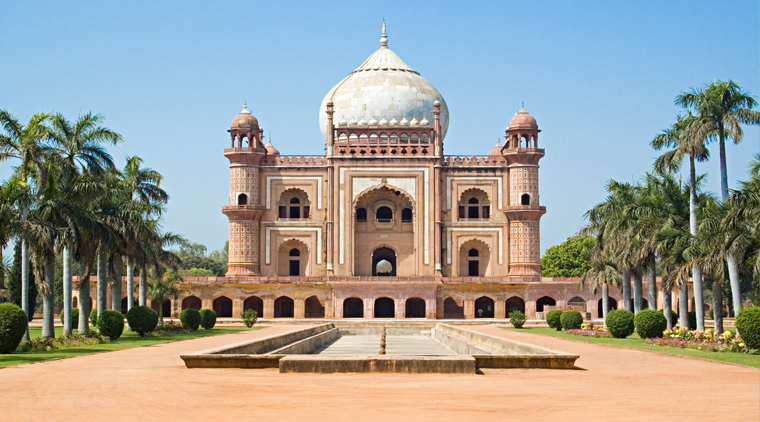
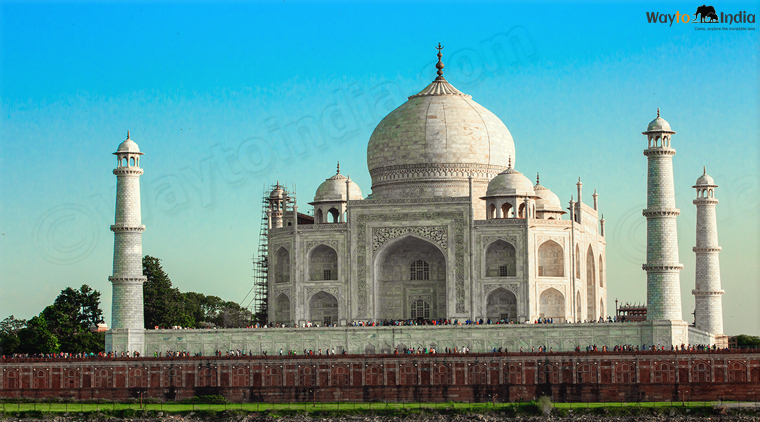
- Mehtab Bagh and the lesser Mughal gemsMehtab Bagh, the riverside garden directly across the Yamuna, gives the classic uncrowded sunset view of the Taj from behind. Itmad-ud-Daulah, the delicate Baby Taj, and Akbar's grand tomb at Sikandra are quiet and beautiful, and all are covered by the same shared ADA toll for foreign visitors.
Foreign nationals pay a small ADA (Agra Development Authority) toll of about 500 rupees, but you pay it only once a day: buy it at the Taj, Agra Fort, Fatehpur Sikri, Akbar's Tomb or Itmad-ud-Daulah and you are not charged it again at the others that day, so keep your ticket. Booking online through the official ASI portal saves a little, commonly about 5 rupees off the Indian ticket and about 50 rupees off the foreign ticket, and lets you grab a sunrise slot before it sells out. For the special full-moon night viewing, see the dedicated section below.
Seeing the Taj Mahal at night, on full-moon nights
The Taj opens for night viewing on just five nights each month, around the full moon. It is a beautiful, lesser-known experience, but the rules are strict and most websites get the price wrong. Here is the official position.
- Which nightsNight viewing runs on five nights a month: the full-moon night plus the two nights before and the two nights after it. It is closed every Friday and for the whole month of Ramzan, so in a Ramzan month there is no night viewing at all. The exact dates are fixed and published in advance by the Archaeological Survey of India (ASI) on its official Agra Circle list, which we reconfirm for your travel window.
- The timings and batchesViewing is between about 8 pm and midnight, in eight batches of up to 50 people, each batch allowed in for half an hour. You must report 30 minutes before your slot at Shilpgram, near the East Gate, for a security check, and carry your photo ID (passport for foreign nationals).
- The real ticket pricePer the official Taj Mahal website, night-viewing tickets are about 510 rupees for Indians, about 750 rupees for foreign nationals, and about 500 rupees for children aged 3 to 15. Many travel sites quote higher, wrong figures, so trust the official price and reconfirm at booking.
- How and when to bookTickets are limited and the ASI booking window opens only about 7 days before the full-moon night, so you cannot book months ahead. Book through the official ASI portal at asi.paygov.org.in, the ASI Agra Circle site, or in person at the ASI office on Mall Road in Agra, ideally a day ahead. We can arrange this for you.
- What to expectYou view the Taj from a distance at the platform, not from right up close, and you cannot enter the mausoleum at night. On a clear full-moon night the white marble glows softly, which is unforgettable, but a cloudy night can disappoint, so keep your hopes flexible and your camera settings ready for low light.
Because it is only five nights a month, never a Friday, and never in Ramzan, the full-moon viewing has to be planned around, not assumed, and the 7-day booking window means you confirm only close to the date. If a night view matters to you, tell us early and we will line up your Agra dates with the official ASI list and book the moment the window opens.
Signature experiences in Agra
Beyond the monuments, these are the experiences people remember, and how to arrange them without the commission-shop version.
- See marble inlay (pietra dura) being madeWatch artisans set tiny semi-precious stones into white marble, the very craft that decorates the Taj, some by families who trace their work to the original builders. A genuine demonstration is fascinating, but choose the workshop yourself rather than one a driver insists on, since many pay drivers a commission and price accordingly.
- A Mughal food walk and the bazaarsOld Agra is famous for its Mughlai food and its sweets, above all the local petha, a translucent ash-gourd candy. A guided food walk through Kinari Bazaar near the Jama Masjid is a tasty, lively couple of hours, and a good way to see the working city behind the monuments.
- Sunrise at the Taj, sunset at Mehtab BaghThe two best moments of the day. Soft pink light on the marble at dawn from inside the complex, then the glowing silhouette from across the river at Mehtab Bagh in the evening. Plan your day around these two and Agra rewards you far more than a rushed midday visit.
- A guided Agra Fort visit and a Yamuna viewThe Fort makes much more sense with a good guide to tell the story of Shah Jahan, his sons and the view of the Taj from his prison rooms. Arrange a licensed guide in advance, and consider a quiet walk by the river for a different angle on the monument.
- The full-moon night viewing, if your dates alignIf your trip falls on one of the five night-viewing dates, the moonlit Taj from the platform is a rare experience few visitors manage. See the night-viewing section for the rules, the official price and the 7-day booking window.
If you do only one thing slowly in Agra, make it the Taj at sunrise. Most day trippers arrive mid-morning to a hot platform and a wall of people; an unhurried dawn, with the mist lifting and the marble changing colour, is what travellers remember for years. Give it an early start and an unhurried hour, and pair it with Mehtab Bagh at dusk to bookend the day with the monument's two best lights.
Where to stay in Agra, and how many nights
Stay in Taj Ganj to walk to the gates at dawn, or in the wider Fatehabad Road and cantonment areas for more choice and space. One night is enough, two if you want the Fort and the gems unhurried.
- Taj Ganj: walk to the gatesThe lanes of Taj Ganj sit right by the South and East gates, so you can walk to the sunrise queue and back for breakfast on a rooftop with a Taj view. Rooms here run from simple guesthouses to a few smart boutique stays; it is atmospheric and convenient, though busier and with more touts.
- Fatehabad Road and the cantonmentThe main hotel strip on Fatehabad Road and around the cantonment has most of the mid-range and four and five-star hotels, a short drive from the East Gate. Better for comfort, pools and space, and the natural choice for families, seniors and anyone on a packaged tour.
- The famous Taj-view hotelsA handful of luxury hotels are built to frame the Taj from their rooms and restaurants, and a Taj-view dinner is a memorable splurge even if you sleep elsewhere. Book the actual Taj-view room category if the view is the point, as standard rooms may not have it.
- How many nightsOne night is enough to see the Taj at sunrise and the Fort the same morning before moving on. A second night lets you add Mehtab Bagh at sunset, Fatehpur Sikri, Itmad-ud-Daulah and Sikandra, and a food walk, all without rushing. A same-day trip from Delhi sees the Taj and Fort but misses the gentler edges.
Because the last 500 m to the Taj is a no-car zone and sunrise slots fill fast, a hotel near the East Gate or in Taj Ganj saves you a cold, dark scramble for a golf cart on the one morning it matters most. If a comfortable dawn visit is your priority, choose your hotel for its walking distance to a gate rather than its star rating, and book the sunrise ticket online the night before.
Agra costs and a realistic budget
The monuments are the main fixed cost and they differ sharply for Indians, OCI holders and foreign nationals. Here is what the day actually costs so you can plan and avoid being overcharged.
- The Taj, all inCounting the garden ticket plus the mausoleum add-on, a Taj visit comes to roughly 250 rupees for an Indian or OCI holder, about 740 rupees for a SAARC or BIMSTEC visitor and about 1,300 rupees for other foreign nationals, with under-15s free. Booking online shaves a little off and secures a sunrise slot.
- The other monumentsAgra Fort is about 50 rupees for Indians and about 650 rupees for foreign nationals, Fatehpur Sikri about 50 and about 610 rupees, and the foreign ADA toll of about 500 rupees is paid once and shared across them on the same day. The lesser gems are a small add-on each.
- Guides, transport and foodA licensed local guide for the Taj and Fort is a worthwhile add to understand what you are seeing; agree the fee in advance. A full-day car with driver, golf-cart and rickshaw hops to the gates, and good Mughlai meals are the rest of a comfortable Agra day's budget.
- Night viewing, if you do itAdd about 510 rupees for an Indian, about 750 rupees for a foreign national or about 500 rupees for a child for the full-moon night slot, booked through ASI. It is a modest add-on for a rare experience, but only on the five eligible nights.
For a family of overseas visitors, the single biggest saving in Agra is the OCI card: it has generally got holders the Indian rate of about 50 rupees at the Taj rather than the about 1,100 foreign garden fee, which across the Taj, the Fort and Fatehpur Sikri adds up fast. Carry the physical card with the linked passport and reconfirm at the counter, since the rule has been reviewed before.
Practical logistics: tickets, the gates, bags and bans
The small things that make an Agra day smooth, from where to buy tickets to which gate to use, what you can carry, and the 3-hour rule.
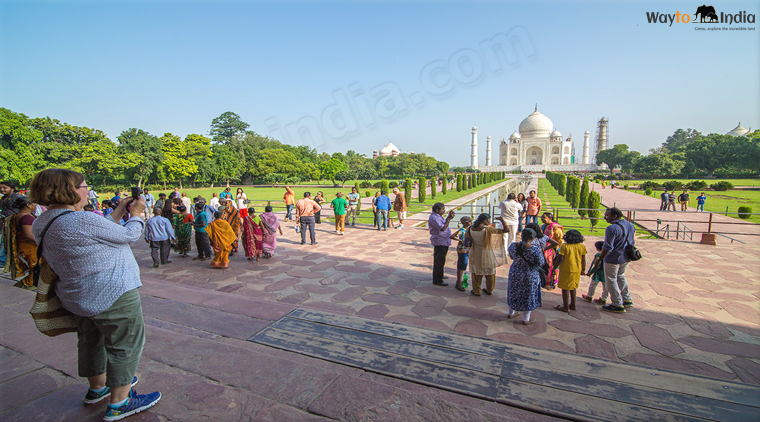
- Buy tickets online, pick the gateBook the Taj e-ticket on the official ASI portal the night before for a sunrise slot and a small discount, and show the QR at the gate. Of the three gates, the East and West gates are used for entry (South is exit only); the East Gate is usually quieter at dawn, especially for foreign visitors, while the West Gate is the most popular and busiest.
- The separate foreigner queue and shoe coversForeign nationals use a separate, generally faster line at security, and a foreign ticket includes free shoe covers to wear over your shoes inside the marble mausoleum, so you need not go barefoot. There is no true skip-the-line; the only way to save time is to book online and come at sunrise.
- What you can and cannot carryAllowed: a phone, a still camera, a small bag and a water bottle. Not allowed: food and snacks, large bags, tripods, drones, smoking items and chargers, all of which mean a long detour to the cloakroom. Travel light through security and you will breeze in.
- The 3-hour limit and the no-car zoneA standard Taj ticket allows about 3 hours inside, logged from your entry on the QR; that is ample for a normal visit, but overstaying means paying again. Remember too that cars stop about 500 m from the gate, so plan for a short golf-cart or electric-rickshaw hop from the parking.
Safety, the marble-shop scam, and staying well
Agra is wonderful but well-touristed, so a little awareness keeps the day smooth. The commission-shop steer and the fake guides at the gate are the things to watch.
- The marble-shop commission scamDrivers and touts earn commission steering you to overpriced emporiums, where cheaper soapstone is sometimes sold as antique or solid marble. Buy only if you genuinely want to, from a shop you chose, ask the stone's name, and never carry goods abroad for a stranger who promises to pay you later.
- Fake guides at the gateMen posing as official guides cluster at the entrances and quote inflated rates. Arrange a licensed guide in advance through your operator or hotel so you know who you are dealing with, and politely decline the rest. A real licensed guide carries a government photo ID card.
- Touts, photographers and small overchargingExpect offers for a paid photo, a quick blessing or a queue-jump that is not real. A friendly, firm no works. Agree any rickshaw or golf-cart fare before you set off, and use the prepaid taxi stands and app cabs to avoid the worst of the haggling.
- Heat, water and airDrink bottled or filtered water, take the usual care with street food, and in the warmer months carry sun protection and water for the open Taj platform and the Fort. Agra's winter air can be hazy or polluted, so those with breathing issues may prefer a clear, breezy day.
Agra is busy and used to visitors, and most solo and women travellers manage it comfortably with standard precautions. The friction reported on traveller forums is sales pressure, touts and the commission-shop steer rather than serious crime. Dress modestly at the monuments, be firm with touts, keep to the well-trafficked tourist routes after dark, and prefer prepaid taxis or app cabs over flagging down a rickshaw alone at night.
Agra for every kind of traveller, and on access
Agra rewards very different visitors in different ways. Here is what it offers you and the one tip that matters for each, including how a senior or a wheelchair user visits the Taj comfortably.
- Couples and honeymoonersThe world's greatest monument to love, at its most romantic at sunrise and from Mehtab Bagh at dusk. A Taj-view dinner at one of the famous hotels makes the evening unforgettable, and an overnight lets you catch both lights.
- Families with childrenEasy and memorable, with under-15s free at the Taj and golf carts to spare little legs the walk from the parking. The Fort's gateways and stories, and the petha sweets, keep children interested. Carry water and sun hats for the open platform.
- Senior travellers and on accessibilityVery doable with planning. Use the battery golf cart from the parking and the wheelchair access at the Taj, enter from the nearer gate, and stay overnight rather than rushing the same-day trip so you can take the morning gently. Wheelchairs are available, and ramps cover much of the complex, though the high mausoleum plinth has steps.
- Friends and young groupsGreat for photography, a food walk and the marble-craft workshops. Agra is quiet in the evenings, so plan a rooftop Taj-view dinner rather than a night out, or aim for a full-moon night-viewing slot if your dates work.
- Backpackers and budget travellersReach Agra cheaply by train from Delhi and stay in the Taj Ganj lanes within walking distance of the South and East gates, where rooftop cafes serve breakfast with a Taj view. The Indian-rate monuments are inexpensive; for foreign visitors the entry fees are the main cost, so prioritise the Taj and the Fort.
- PhotographersSunrise inside the complex, the silhouette from Mehtab Bagh, the Taj framed through Agra Fort, and the symmetry from the main gateway. Early winter light and a clear, fog-free morning give the cleanest shots; remember tripods and drones are banned inside the Taj.
A suggested Agra itinerary, and how long to stay
How to shape one or two days so you catch the Taj at sunrise, the Fort before the heat, and the monument's two best lights without backtracking.
- Day one, sunrise and morningBe at your chosen gate for opening at sunrise with your online ticket, and give the Taj an unhurried hour as the light changes. Breakfast on a Taj Ganj rooftop, then take Agra Fort while it is still cool and the story of Shah Jahan's last years is fresh in your mind.
- Day one, afternoon and sunsetRest through the hot middle of the day, then in the late afternoon visit Itmad-ud-Daulah, the Baby Taj, and end at Mehtab Bagh across the river for the glowing sunset view of the Taj from behind, the calmest and least crowded angle of all.
- Day two, if you have itDrive out to Fatehpur Sikri, an easy half day, especially if you are continuing to Jaipur, or add Akbar's Tomb at Sikandra and a Kinari Bazaar food walk. A second night turns a tick-the-box stop into a proper taste of Mughal Agra.
- The same-day version from DelhiTake the early Gatimaan, taxi to the Taj for mid-morning, see the Taj and the Fort, lunch, and return on an afternoon train. You will see the two great monuments but miss sunrise, Mehtab Bagh and the gentler edges, so an overnight is better if you can spare it.
The two things that break a tight Agra plan are landing on a Friday, when the Taj and the fast Gatimaan both rest, and arriving mid-morning to a hot, crowded platform. Fix the Taj for a non-Friday sunrise first, then arrange the Fort, Mehtab Bagh and Fatehpur Sikri around it, and the rest of the day falls into place.
The real questions travellers ask about Agra
Straight answers to the questions that come up again and again on TripAdvisor and IndiaMike, so you arrive already knowing the score.
- Which gate should I use, and is sunrise worth it?Use the East or West gate; South is exit only. The East Gate is usually quieter at dawn, the West Gate the most popular. Sunrise is absolutely worth the early start: thin crowds, a fast queue, cool air and the best light of the day on the marble.
- Is there really a skip-the-line option?No true skip-the-line exists; even tour tickets join the same security queue. The only real time-savers are booking online and arriving at sunrise. Foreign nationals do use a separate, generally faster line at the gate.
- Do I have to take my shoes off?Not if you use shoe covers. Foreign tickets include free covers to wear over your shoes inside the mausoleum, and they are handed out near the ticket counter. Otherwise you remove shoes at the plinth, which is fine in the cool morning but hot by midday.
- Should I hire a guide?A licensed guide adds a lot at the Fort and helps you read the Taj, but arrange one in advance through your hotel or operator, not at the gate where fake guides quote inflated rates. A genuine guide carries a government ID card.
- Same-day from Delhi or overnight?A same-day trip on the fast train works and is popular, but you miss sunrise and Mehtab Bagh. An overnight lets you do the Taj at dawn and the Fort and gems unhurried, and is much gentler for families and seniors.
- Is it worth seeing the Taj at night?If your dates fall on one of the five full-moon nights, yes, it is a rare and atmospheric experience, but you view from a distance and not on a Friday or in Ramzan. Book through ASI within the 7-day window and keep your expectations flexible for cloud.
Planning Agra from abroad
Agra is the heart of the Golden Triangle and the reason most first-time visitors come to India. A little planning, and one card, make it smoother and cheaper.
- Carry your OCI cardIf you hold an OCI (Overseas Citizen of India) card you have generally been given the Indian rate, about 50 rupees at the Taj garden rather than the about 1,100 foreign fee, because government rules charge OCI holders at par with Indians for monument entry. Carry the physical card with the linked passport and reconfirm at the counter, as the position has been reviewed before. For a family it is a real saving.
- Arrive through Delhi, expect a separate queueFly into Delhi, then reach Agra in about 100 minutes on the Gatimaan train (not Fridays) or 3 to 3.5 hours by road. At the Taj, foreign nationals use a separate, generally faster line and get free shoe covers, and the foreign ticket bundles the shared ADA toll. Agra has no significant international flights of its own.
- Do the Golden TriangleAgra joins Delhi and Jaipur in the classic Golden Triangle, an easy 5 to 6 day loop with Fatehpur Sikri on the Agra to Jaipur leg. It is the most rewarding first taste of India, and we build it around a non-Friday Taj sunrise.
- Gentle and senior-friendlyWith the golf cart from the parking, wheelchair access at the Taj and an overnight stay rather than a rushed day trip, Agra is comfortable for parents and grandparents. Just remember the Friday closure and the no-car zone in the last 500 m, and choose a hotel near a gate.
Money, connectivity and timing for foreign visitors
The practical basics an overseas traveller needs in Agra: tickets and cash, a SIM, photo ID, and how many days to give the city on a wider India trip.
- Tickets online, cash for the restBook monument e-tickets on the ASI portal by card or UPI, which also gives the small online discount. Carry some cash for golf carts, rickshaws, tips, guides and the bazaar, where cards are not always taken. ATMs are easy to find on Fatehabad Road and in the cantonment.
- Carry your passportForeign nationals need photo ID, the passport, at the Taj security check and especially for night viewing. Keep it on you, not in the hotel, on monument days, and have the linked passport with you if you are claiming the OCI rate.
- Get a SIM on arrivalPick up an Indian tourist SIM or an eSIM when you land in Delhi rather than hunting for one in Agra. Coverage in the city is fine for maps, ride-hailing and booking the next day's sunrise ticket online.
- How long to give Agra on a bigger tripOn a first India trip, one night in Agra is the right weight between Delhi and Jaipur for the Taj and the Fort, or two nights if you want Fatehpur Sikri, Mehtab Bagh and the gems unhurried. Time the Taj for a clear, non-Friday winter sunrise and you will see it at its very best.
Agra is the emotional centrepiece of most first trips to India, and the small preparations, a non-Friday sunrise ticket booked online, the OCI card if you have one, a passport on you, and a hotel near a gate, are what turn a hot, crowded scramble into the calm, golden hour people travel across the world for. Slot it between Delhi and Jaipur, give it a night or two, and let the dawn Taj be the chapter you remember most.
Why the Taj Mahal was built, and why Shah Jahan died looking at it
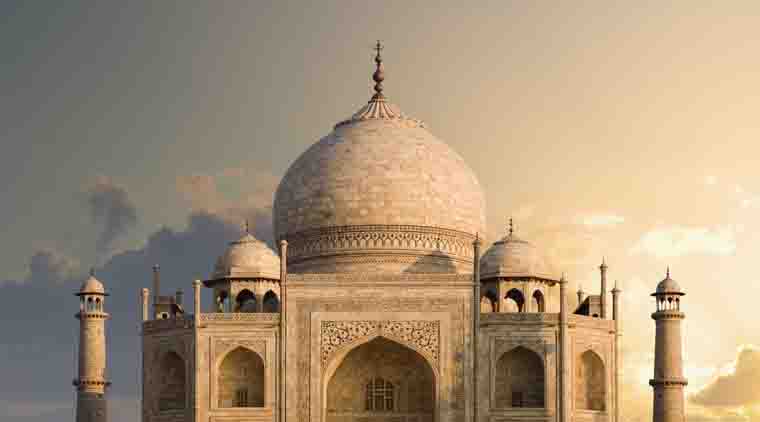
The Taj Mahal is a mausoleum, not a palace. The Mughal emperor Shah Jahan raised it for his beloved wife Mumtaz Mahal, who died in 1631 giving birth to their fourteenth child. Grief-stricken, he summoned the finest architects, calligraphers and stone-inlayers of the age and set them to work on the riverbank, and the white-marble tomb with its perfect symmetry and its pietra dura flowers took around two decades to finish, by about 1653. The story does not end happily for its builder: late in life Shah Jahan was deposed and imprisoned by his own son Aurangzeb in Agra Fort, just upriver, where tradition holds he spent his final years gazing across the Yamuna at the monument to his lost queen. When he died he was laid beside her inside the Taj, the one break in its otherwise flawless symmetry. The popular legend that he planned a black-marble twin across the river, or that he blinded the craftsmen, is romantic but not supported by reliable historical evidence, so we tell it only as legend.
Planning a Agra trip?
Our Uttar Pradesh travel experts plan your full journey for you: route, hotels, darshan timings and transport. You get a free day-by-day plan and an exact quote on WhatsApp, usually within a few hours. No payment is needed to get your plan.
Tour packages that visit Agra
Every journey below is private, hand-crafted and fully customizable. Tell us your dates and we tailor the itinerary, the pace and the priests or guides around you.
 4D / 3N
Agra Mathura Vrindavan Tour from Delhi
- Temples of Mathura
- Temples of Vrindavan
 2D / 1N
Agra Overnight Tour
- Visit Sikandra Fort
- Visit Taj Mahal
 2D / 1N2.0
Agra Jaipur Tour
- Visit Taj Mahal
- Visit Fatehpur Sikri
 1D
1DAgra Fatehpur Sikri Tour
- Visit Taj Mahal
- Visit Agra fort
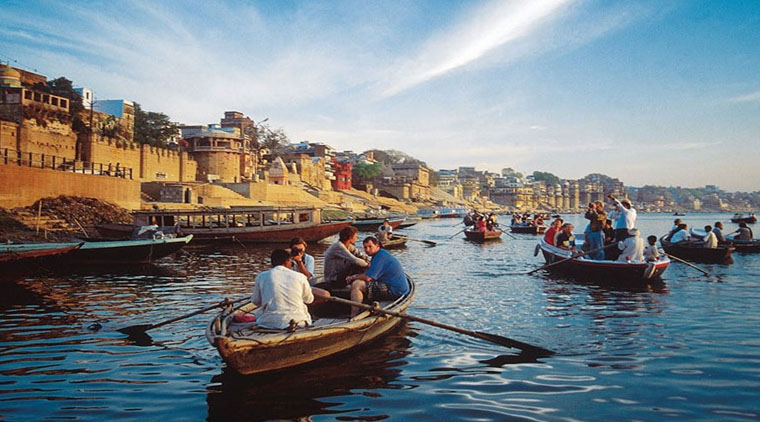 9D / 8N
Golden Triangle Tour With Varanasi
- Enjoy street food in Chandni Chowk
- Visit pink city of Jaipur
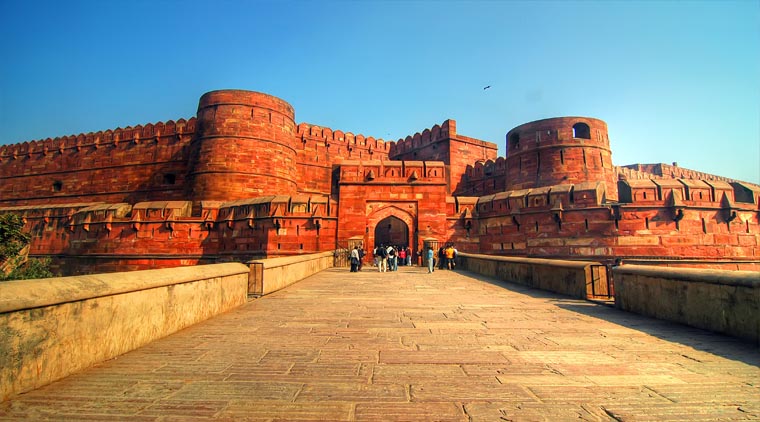 6D / 5N
Golden Triangle Tour
- Sunrise at the Taj Mahal, the white marble mausoleum Shah Jahan built for Mumtaz Mahal
- Amber Fort and its Sheesh Mahal mirror hall above Maota Lake in Jaipur
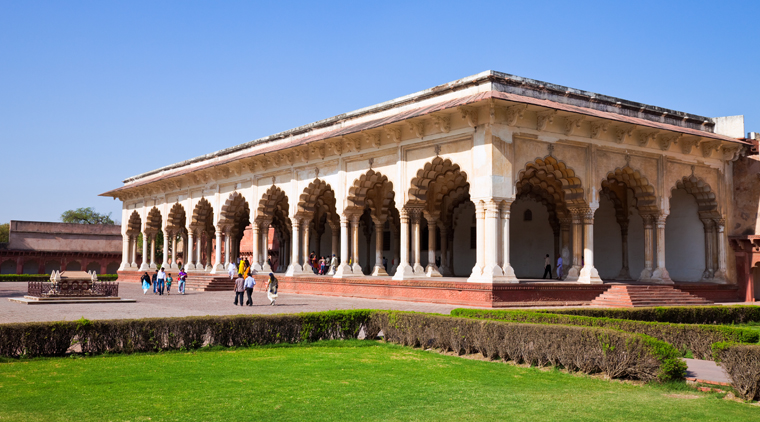 10D / 9N
Classic India Tour
- Visit Qutub Minar & Humayun's Tomb
- Visit Hawa Mahal
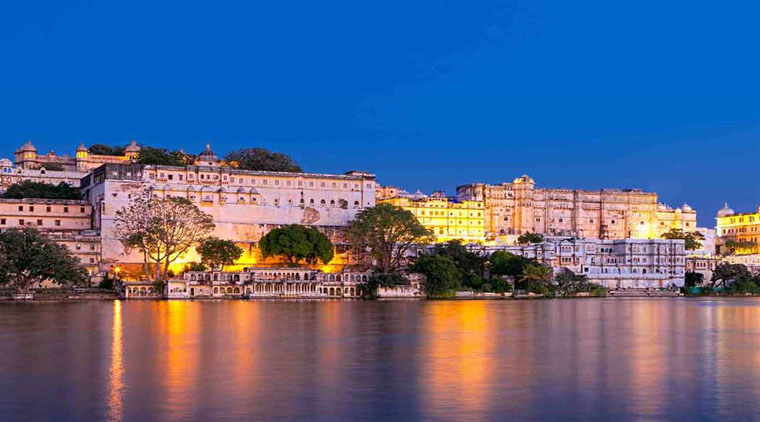 7D / 6N
Golden Triangle Tour With Udaipur
- Sightseeing in Delhi
- Visit Taj Mahal & Agra Fort
 12D / 11N
Rajasthan Tour Package
- Visit Lotus Temple
- Visit world famous Taj Mahal