
Ayodhya Travel Guide
The best months are October to March , when the weather is pleasant for the temple queues and the Saryu aarti. The great festivals, Ram Navami and the Diwali Deepotsav, bring...
When to visit Ayodhya
The best months are October to March, when the weather is pleasant for the temple queues and the Saryu aarti. The great festivals, Ram Navami and the Diwali Deepotsav, bring enormous crowds, so decide early whether you want the spectacle or a calm visit.
- October to March: the comfortable monthsPleasant, cool weather, ideal for the long darshan queues, the climb to Hanuman Garhi and the evening Saryu aarti. Comfortable for seniors and families, though weekends, holidays and any festival date are very busy, so book your stay and your darshan slot ahead.
- April to June: very hotThe north Indian summer is fierce, and the open ghats and the queues are tiring. If you must come then, visit early and late in the day, rest through the afternoon, and carry water and a hat. The free shaded waiting areas help, but the heat is real.
- July to September: the monsoonWarm with rain and softer crowds. The Saryu runs high and the ghat steps can be slippery, so step carefully near the river and keep an eye on children. Rooms are easier to find and quieter outside festival dates.
- Fair-weather window, or festival spectacleA normal winter weekday is the calmest way to see Ayodhya. If you want the great set-pieces instead, plan around Ram Navami in late March or the Deepotsav at Diwali, and accept the crowds, the heavy security and the booked-out hotels that come with them.
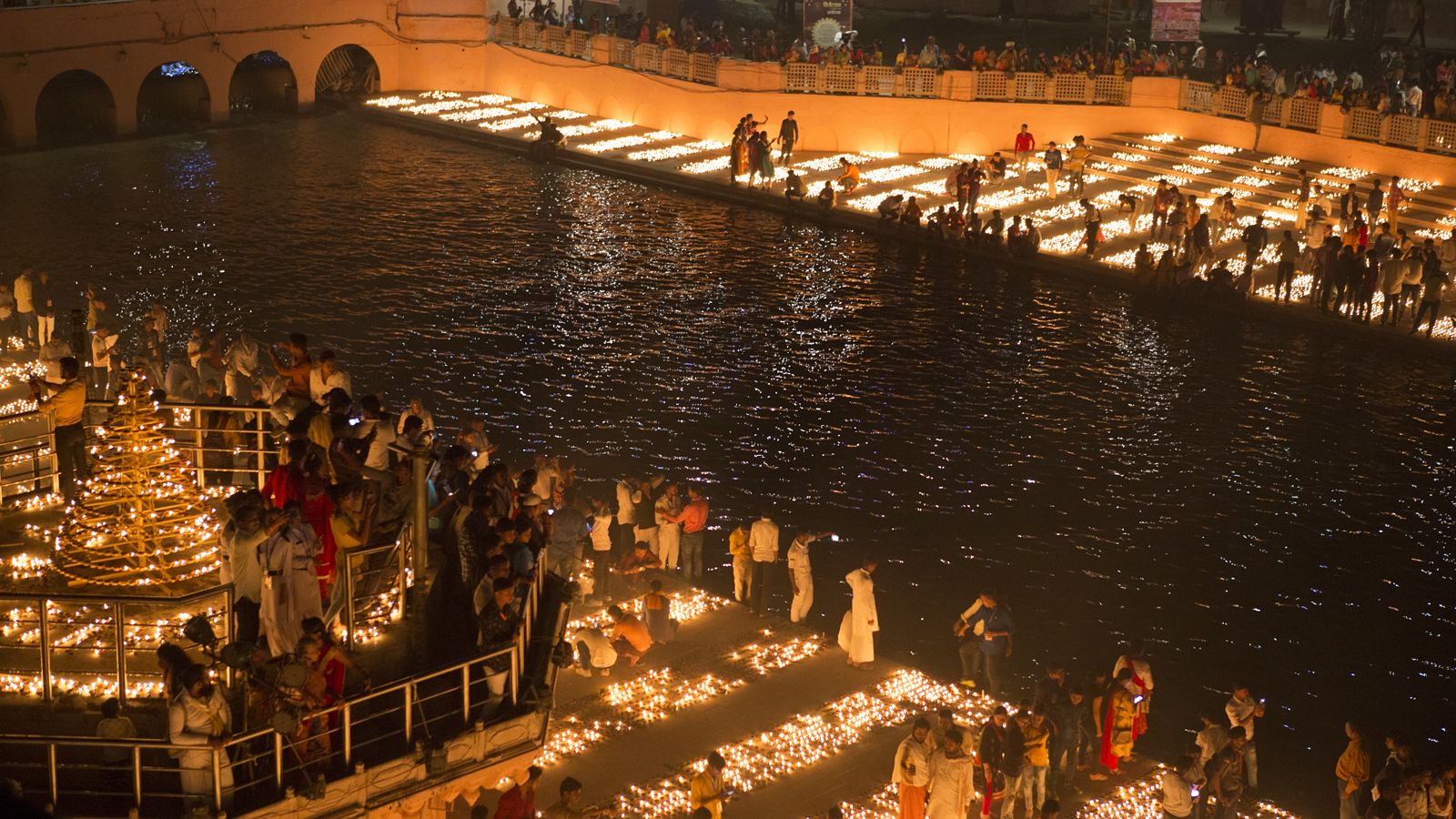
Ram Navami (on about 27 March in 2026), the Diwali Deepotsav and other festivals draw vast crowds to Ayodhya. The Deepotsav lit a record of more than 26 lakh lamps along the Saryu ghats in October 2025, and it is extraordinary to witness, but expect very long queues, heavy security and full hotels. Book your stay and your darshan slot well in advance, or come on a quieter winter weekday for a calmer visit, and reconfirm the exact festival dates as they shift each year.
How to reach Ayodhya and get around
Ayodhya now has its own airport and two railway stations, with Lucknow the nearest big-city gateway and Varanasi an easy pairing. In town, autos, e-rickshaws and short walks cover everything.
- By airThe new Maharishi Valmiki International Airport, Ayodhya Dham (AYJ), inaugurated in late December 2023, is about 10 km from the temple. As of early 2026 it handles domestic flights only, with around 4 airlines on roughly 7 routes, so confirm current flights before you rely on it. Lucknow airport, about 2 to 2.5 hours away, is the larger and more reliable alternative.
- By trainThe Ayodhya Dham Junction and Ayodhya Junction stations handle the pilgrim traffic. Rail journeys run roughly 2 hours from Lucknow, about 5 hours from Varanasi (around 188 km), about 3.5 hours from Kanpur, about 6 hours from Prayagraj and about 6 to 8 hours from Delhi. Book on IRCTC well ahead in season, as pilgrim trains fill up.
- By road and as a pilgrimage loopAyodhya pairs with Varanasi (about 200 km by road) and Prayagraj for a wider Uttar Pradesh pilgrimage, with Lucknow the closest big city. The roads are good and we can arrange the car and the transfers so you are not changing trains with luggage and elderly travellers.
- Getting around townThe temple core and the old shrines are close together, walkable for the fit, with autos, app cabs and cheap shared e-rickshaws for the short hops. Near the Ram Mandir an e-rickshaw round to the entry costs only about 100 rupees for two people, and that small spend saves a long hot walk.
Fly into Delhi or Lucknow and connect to Ayodhya (AYJ) or take a train, since the Ayodhya airport is domestic only for now. Ayodhya is the new heart of a Ram Janmabhoomi pilgrimage and pairs naturally with Varanasi.
Connect via Delhi or Lucknow to Ayodhya. A meaningful pilgrimage for the diaspora, most often combined with Varanasi and Prayagraj on a wider Uttar Pradesh circuit.
The new airport, the two railway stations and good roads from Lucknow and across Uttar Pradesh make Ayodhya easy to reach. Many domestic pilgrims take a train to one of the Ayodhya stations, or drive over from Lucknow in about 2 to 2.5 hours.
The Ram Mandir, the darshan and the booking
The Ram Mandir is the heart of every Ayodhya visit. Darshan is free, the smartest move is a booked Sugam Darshan slot on the official portal, and a few firm rules at the gate are worth knowing first.
- The Ram Mandir (Shri Ram Janmabhoomi)The grand new temple where Ram Lalla is enshrined, consecrated in January 2024 and completed in phases since, is the reason most pilgrims come. Darshan is completely free, and the calmest way in is a free Sugam Darshan time-slot booked ahead on the official portal.
- Darshan timingsGeneral darshan typically runs from about 7 am to 11:30 am and again from about 2 pm to 7 pm, with the sanctum resting in the middle of the day; some reports give a wider window of about 6 am to 10 pm. Timings shift a little by season and on festival days, so confirm the current timing on the official portal before you travel.
- Book a Sugam Darshan slotSlots commonly open about 15 days ahead on the official portal and can fill within minutes, so set a reminder and book the moment your date opens. Carry your Aadhaar (Indians) or passport (foreign visitors), and arrive a little early. It makes for a far calmer darshan than the open queue.
- Expect a short, moving darshanBe ready for the reality that the sanctum darshan itself is often only a brief moment, as security keeps the crowd moving steadily forward. It is still deeply moving; go in with realistic expectations rather than imagining a long, still pause at the front.
Ram Mandir darshan is completely free, and the Sugam Darshan and aarti passes are free time-slots, not paid VIP entry. The only genuine booking site is the official trust portal, online.srjbtkshetra.org. The temple trust has said plainly that any demand for payment for darshan is likely a scam, so ignore any website, app or agent that charges a fee for darshan or promises a paid fast-track.
The aartis, the no-phones rule and the free locker
Attending an aarti needs a separate free pass booked ahead, and the gate has firm rules: no phones inside, and a free government locker for your things. Knowing both before you arrive saves a wasted trip.
- The daily aartisThere are several aartis through the day, commonly Mangala around 4 am, Shringar around 6:30 am, Bhog around noon and Sandhya in the evening around 7:30 pm. Attending one is a quieter, more intimate experience than a daytime darshan, well worth the extra planning.
- The aarti pass is free, but limitedEach aarti needs a separate free pass, limited in number and booked in advance on the same official portal, with Aadhaar or passport required and a common limit of about 8 passes per mobile number. Like the darshan slots, they open roughly 15 days ahead and go fast, so book early.
- No phones, cameras or electronics insideMobile phones, cameras, large bags and electronic items are not allowed inside the main complex. Carry as little as possible, keep your ID handy, and accept that you will not be photographing the sanctum; it keeps the focus where it should be.
- Use the free government lockerThere is a free government locker and cloakroom near the entry for your phone and valuables, and travellers advise using it rather than the private paid lockers nearby. Travel light, leave the rest at your hotel, and you will move through security quickly.
The Ram Mandir is a working place of worship, so dress modestly. Traditional Indian wear is preferred: women commonly wear a saree, salwar-kameez or churidar with a dupatta, and many cover the head in the sanctum, while revealing or tight clothing is discouraged. Comfortable footwear you can slip off easily helps, as shoes are left outside the temple.
Hanuman Garhi, the old temples and the Saryu ghats
Ayodhya is far more than the Ram Mandir. Hanuman Garhi on its little hill, the old living temples and the Saryu river with its evening aarti are what turn a quick stop into a real pilgrimage.
- Hanuman GarhiA much-loved hilltop temple reached by a flight of about 76 steps, traditionally visited before the Ram Mandir. Go early in the morning when it is cooler and calmer. The steps are the one real climb in town, so seniors should pace it or skip it if stairs are hard.
- Kanak Bhawan and the old templesKanak Bhawan, the Dashrath Mahal and the Nageshwarnath temple are the older, living heart of Ayodhya, an easy and atmospheric circuit on foot or by cycle-rickshaw. They are quieter than the Ram Mandir and give the town its centuries-deep character.
- The Saryu ghats and Ram ki PaidiThe Ram ki Paidi ghats on the Saryu river, where the evening aarti is performed, are the serene, beautiful heart of riverside Ayodhya, loveliest at sunset. The evening Saryu aarti runs a calm 20 to 30 minutes; arrive 30 to 45 minutes early to find a good spot near the water.
- A Saryu boat and the riverside walkA short boat on the Saryu and a slow walk along the ghats at dawn or dusk are gentle, free pleasures away from the temple crowds. Step carefully on wet steps and keep children close near the water.
By long custom, pilgrims climb to Hanuman Garhi first, then take darshan at the Ram Mandir, then end the day with the Saryu aarti. Following that order is not only traditional, it also paces the day well: the climb while it is cool, the temple on your booked slot, and the river at sunset when the light and the lamps are at their best.
A booked darshan and the Saryu aarti at sunset
The defining Ayodhya experience is an unhurried Ram Mandir darshan on a booked slot, bookended by Hanuman Garhi at dawn and the lamp-lit Saryu aarti at sunset.
- Start at Hanuman Garhi at dawnBegin the day with the climb of about 76 steps to Hanuman Garhi, traditionally visited first, when the air is cool and the crowds are thin. It sets the tone for the day and clears the one real climb before the heat builds.
- Take your booked Ram Mandir darshanArrive a little early for your Sugam Darshan slot, with your Aadhaar or passport and as little else as possible. Leave your phone in the free government locker, move with the queue, and let the moment at the sanctum, brief as it is, be the still centre of the day.
- Walk the old temple circuitThrough the warm middle of the day, drift between Kanak Bhawan, the Dashrath Mahal and the Nageshwarnath temple, the quieter, older shrines, on foot or by cycle-rickshaw. Break for a thali and a rest before the evening.
- End with the Saryu aartiAt sunset, join the river aarti at the Ram ki Paidi ghats, a calm and moving 20 to 30 minutes, with many lingering quietly by the water afterwards. Arrive 30 to 45 minutes early for a good spot, and let the lamps on the Saryu close the day.
Hanuman Garhi at dawn, the Ram Mandir on your booked slot, the old temples through the heat, and the Saryu aarti at dusk is the rhythm that lets you see everything without rushing or queueing in the worst of the day. Build the plan around your darshan slot time and the sunset aarti, and the rest falls into place.
Where to stay in Ayodhya, and how long
Stay near the temple to walk to the darshan and the river, or in nearby Faizabad and Lucknow for more choice. One to two nights is the sweet spot for most pilgrims.
- Near the Ram Mandir and the ghatsStaying close to the temple and the Saryu lets you walk to the early darshan and the evening aarti, and to slip back to rest in the afternoon. It is the most convenient base for pilgrims and for seniors who want to limit transfers, though it is busiest around festival dates.
- Dharamshalas, budget rooms and hotelsAyodhya runs from simple dharamshalas and budget rooms from about 500 to 2,000 rupees a night, through mid-range hotels of roughly 2,500 to 6,000 rupees, to a small but growing set of upscale stays above that. Choose by how much comfort and quiet you want around a busy pilgrimage.
- Faizabad and Lucknow as alternativesIf Ayodhya is full or you want more hotel choice, nearby Faizabad and the city of Lucknow, about 2 to 2.5 hours away, give you more options, and Lucknow makes a comfortable gateway with its airport and its food. Many wider tours base a night there.
- How many nightsOne full day and night covers the essentials: Hanuman Garhi, a booked Ram Mandir darshan, the old temples and the Saryu aarti. Add a second night for a calmer pace, an aarti pass, or to fold in Varanasi and Prayagraj on a wider loop.
Around Ram Navami, the Deepotsav and other peaks, hotels and dharamshalas fill months in advance and prices rise steeply. If your dates fall on a festival, book well ahead, or base yourself in Faizabad or Lucknow and travel in for the darshan.
Ayodhya costs and a realistic budget
Ayodhya is gentle on the wallet: darshan is free, the temples cost nothing to enter, and the main spends are your room, transport and food. Here is what to plan for.
- The free thingsDarshan at the Ram Mandir is completely free, the Sugam Darshan and aarti passes are free, and the old temples and the Saryu aarti cost nothing to attend. The single biggest worry pilgrims carry, paying for darshan, simply does not apply; only scams charge for it.
- Rooms and foodPlan on simple rooms and dharamshalas from about 500 to 2,000 rupees a night, mid-range hotels of roughly 2,500 to 6,000 rupees, and good vegetarian thalis and street food for a modest daily food spend. Festival dates push all of this up, so budget more for those.
- Local transportShared e-rickshaws and autos are cheap; near the Ram Mandir an e-rickshaw round to the entry is only about 100 rupees for two people. A hired car for the day, useful for seniors and for pairing with Varanasi or Prayagraj, is the main transport cost.
- Cash, cards and the lockerCarry cash for autos, dharamshalas, small eateries and offerings, as not everyone takes cards or UPI; ATMs are in town. Money is allowed inside the temple, but phones are not, so use the free government locker for your phone and keep only a little cash and your ID on you.
The most important cost fact in Ayodhya is that the darshan costs nothing. Anyone quoting a price for Ram Mandir darshan or a paid fast-track is running a scam. Budget for your room, your transport and your food, book the free passes on the official portal, and the trip is far cheaper than the package pages suggest.
Safety, scams, practical tips and staying well in the crowds
Ayodhya is welcoming and heavily policed, so violent crime is not the worry. The real risks are paid-darshan scams, the crush and the heat, and a little care keeps the visit smooth.
- The paid-darshan scamThe one scam to guard against is anyone, online or in person, charging for darshan or a paid VIP fast-track. Darshan and the aarti passes are free, and only the official trust portal is genuine. Never pay a website, app or agent for darshan; the trust itself warns that any such demand is likely a scam.
- Mind the crowds and the securityQueues are long but well marshalled by police and staff, and the crowd is kept moving. Keep your group together, hold children's hands in the press, watch your belongings, and follow the security instructions; on festival dates the crowds are very heavy, so allow far more time.
- Heat, water and the stepsIn the warmer months carry water and sun protection, use the shaded waiting areas, and pace the 76 steps at Hanuman Garhi. Drink bottled or filtered water, take the usual care with street food, and rest through the hottest part of the day.
- Around the river and the wider loopThe Saryu ghat steps can be slippery, especially in the monsoon, so step carefully and keep children close at the water. On the wider Uttar Pradesh loop, be ready for pushy pandits at the Prayagraj sangam; a polite, firm no is enough, and you owe no one a donation.
Ayodhya is a busy, family-heavy pilgrimage town with a strong police presence, and most solo and women travellers find it straightforward with normal precautions. Dress modestly in keeping with the temples, keep to the well-lit, busy lanes after dark, and note that markets close fairly early, by around 9 pm, so plan to be back at your stay in good time.
Ayodhya for every kind of traveller
Ayodhya is a living pilgrimage and a fast-changing new destination, and suits very different visitors. Here is what it offers you, and the one tip that matters for each, including how a senior visits comfortably.
- Pilgrims and devoteesBook a darshan slot, climb Hanuman Garhi first, and end with the Saryu aarti. Consider an aarti pass for a quieter, more intimate experience. Move slowly, follow the temple rules, and let the devotion of the place carry you.
- Families with childrenThe temple, the ghats and a Saryu boat ride engage children. Keep them close in the crowds and at the river, prepare them for the security and the no-phones rule, and use the free locker so you are not juggling devices and little hands.
- Senior travellers and on accessibilityThe Ram Mandir has ramps and facilities, and wheelchair users with one companion are generally given priority help, which often means a quicker, calmer darshan. Book a slot, go at a quiet hour, let a car handle the transfers, and skip the 76 steps at Hanuman Garhi if stairs are hard.
- First-time visitorsOne to two calm days cover it: a booked Ram Mandir darshan, Hanuman Garhi and the old temples, and the Saryu aarti. Book on the official portal, carry ID, travel light, and use the free locker; that handles every common first-timer worry.
- Budget travellersDarshan is free, the old temple circuit is walkable, dharamshalas and simple rooms keep costs low, and the food is cheap and good. Avoid the peak festival weeks when rooms spike, and you can do Ayodhya very affordably.
- Heritage and history travellersAyodhya's older temples, the river and the wider Uttar Pradesh pilgrimage reward a guide and an unhurried pace, paired with Varanasi and Prayagraj for the full sweep of the Ganga and Saryu sacred geography.
A suggested Ayodhya itinerary
How to shape one or two unhurried days around your darshan slot and the sunset aarti, and how Ayodhya folds into a wider Uttar Pradesh pilgrimage.
- Day one, morningClimb Hanuman Garhi at dawn while it is cool, then take your booked Ram Mandir darshan, leaving your phone in the free government locker. Break for a thali afterwards and rest before the heat builds.
- Day one, afternoon and eveningWalk the old temple circuit, Kanak Bhawan, the Dashrath Mahal and the Nageshwarnath temple, through the warm afternoon, then reach the Ram ki Paidi ghats 30 to 45 minutes before sunset for the Saryu aarti.
- Day two, if you have itBook a morning aarti pass for a quieter temple moment, take a gentle Saryu boat ride, and revisit any shrine you rushed. A second night turns a tick-the-box darshan into a calmer, fuller pilgrimage.
- The wider loopAyodhya pairs naturally with Varanasi (about 200 km) and Prayagraj. A common plan is Lucknow or Ayodhya, then Prayagraj and Varanasi, ending with the Ganga aarti; we can build the whole route with the transfers and the timings worked out.
Two things anchor a smooth Ayodhya day: your booked darshan slot and the sunset Saryu aarti. Build everything else around them, do the Hanuman Garhi climb early and the old temples in the heat of the afternoon, and you will see the whole town without queueing in the worst of the day or missing the river at its best.
The real questions travellers ask about Ayodhya
Straight answers to the questions that come up again and again on traveller forums, so you arrive already knowing the score.
- Is darshan really free, or is there a paid VIP pass?Darshan is completely free, and so are the Sugam Darshan and aarti passes. There is no official paid VIP fast-track; the trust warns that any demand for payment is likely a scam. Book only on the official portal, online.srjbtkshetra.org.
- How do I book, and how far ahead do slots open?Book the free Sugam Darshan slot, and any aarti pass, on the official portal, with Aadhaar or passport. Slots commonly open about 15 days ahead and fill within minutes, so set a reminder and book the moment your date opens.
- Can I carry my phone, and where do I leave it?No. Phones, cameras and electronics are not allowed inside the main complex. Use the free government locker near the entry rather than a private paid one, carry only your ID and a little cash, and you will move through security quickly.
- How long is the queue and how much time do I get?Queues can be long but are well marshalled, and a booked slot is far calmer than the open line. Be ready for the sanctum darshan itself to be a short, moving moment rather than a long pause; it is still deeply moving.
- How many days do I need, and what else is there?One to two days suit most visitors. Beyond the Ram Mandir, see Hanuman Garhi (about 76 steps), Kanak Bhawan, the Dashrath Mahal, the Nageshwarnath temple and the Saryu aarti at Ram ki Paidi at sunset.
- Can I pair Ayodhya with Varanasi and Prayagraj?Yes, and it is the classic plan. Varanasi is about 200 km away and Prayagraj sits between them. Be ready for pushy pandits at the Prayagraj sangam; a polite, firm no is enough, and you owe no one a donation.
Planning Ayodhya from abroad
Ayodhya is the new heart of a Ram Janmabhoomi pilgrimage, with its own airport, a deeply meaningful trip for overseas and NRI families, planned clearly, paced gently and protected from scams.
- Fly in via Delhi or LucknowThe Ayodhya airport (AYJ) is domestic only for now, so connect through Delhi or Lucknow, or fly to Lucknow, about 2 to 2.5 hours away, and drive in. The new airport is about 10 km from the temple once you are on a domestic leg.
- Book darshan on the official portal onlyDarshan is free, and the Sugam Darshan and aarti passes are free time-slots booked only on the official trust portal, online.srjbtkshetra.org. Carry your passport as ID, and never pay a third-party site or agent for darshan, however convincing it looks.
- Know the gate rules before you goPhones, cameras and electronics are not allowed inside, so plan to use the free government locker and travel light. Dress modestly in traditional or covered clothing, and follow the staff; volunteers help visitors of every background.
- Pair it with Varanasi for a fuller pilgrimageMost diaspora families fold Ayodhya into a wider Uttar Pradesh trip with Varanasi (about 200 km) and Prayagraj. It is the trip that takes you from the Saryu at Ayodhya to the Ganga at Varanasi, and we can plan the route and the transfers end to end.
Senior pilgrims and a comfortable overseas visit
For older NRI pilgrims and first-time overseas visitors, a little planning, a booked slot, a car and the right season, makes Ayodhya gentle and rewarding rather than tiring.
- Time it for the cool monthsCome between about October and March for comfortable weather, and avoid the festival peaks of Ram Navami and Deepotsav if calm matters more than spectacle. The heat from April to June is hard on older travellers in the open queues.
- Use the slot, the ramps and priority helpA booked Sugam Darshan slot keeps the wait short, the Ram Mandir has ramps and facilities, and wheelchair users with a companion are generally given priority help and a calmer, quicker darshan. Ask the staff for assistance; they are used to elderly pilgrims.
- Let a car carry the dayHire a car with a driver for the transfers, the airport or station runs and the short hops between temples, so no one is walking long stretches in the heat or changing trains with luggage. Skip the 76 steps at Hanuman Garhi if stairs are difficult.
- Keep it to a gentle paceTwo unhurried nights beat one rushed day for an older pilgrim: a booked darshan, the old temples at a stroll, the Saryu aarti at sunset, and time to rest in the afternoon. That pace is what makes the pilgrimage a joy rather than an ordeal.
The birthplace of Ram, on the banks of the Saryu
Ayodhya, the ancient Kosala capital on the Saryu river, is revered across the Hindu world as the janmabhoomi, the birthplace, of Lord Ram, the seventh avatar of Vishnu and the hero of the Ramayana. In the epic, Ram is born here as the eldest son of King Dashrath, is exiled for fourteen years, defeats the demon king Ravana, and returns at last to Ayodhya, his homecoming lit by rows of lamps that the city still re-enacts every Diwali as the Deepotsav. After a long and contested history, the grand Shri Ram Janmabhoomi Mandir on the site was consecrated in January 2024, and Ayodhya has become, almost overnight, one of India's most visited living pilgrimages. The town keeps its older soul too, in Hanuman Garhi on its little hill, the gilded Kanak Bhawan, and the evening lamps drifting on the Saryu at Ram ki Paidi.
Planning a Ayodhya trip?
Our Uttar Pradesh travel experts plan your full journey for you: route, hotels, darshan timings and transport. You get a free day-by-day plan and an exact quote on WhatsApp, usually within a few hours. No payment is needed to get your plan.
Tour packages that visit Ayodhya
Every journey below is private, hand-crafted and fully customizable. Tell us your dates and we tailor the itinerary, the pace and the priests or guides around you.
 3D / 2N
Ayodhya Tour Package
- Visit Shri Ram Janmabhoomi Temple (Shri Ram Mandir)
- Visit Hanuman Garhi
 11D / 10N
North India Divya Desam Tour Package: 7 Vada Naadu Temples in 11 Days
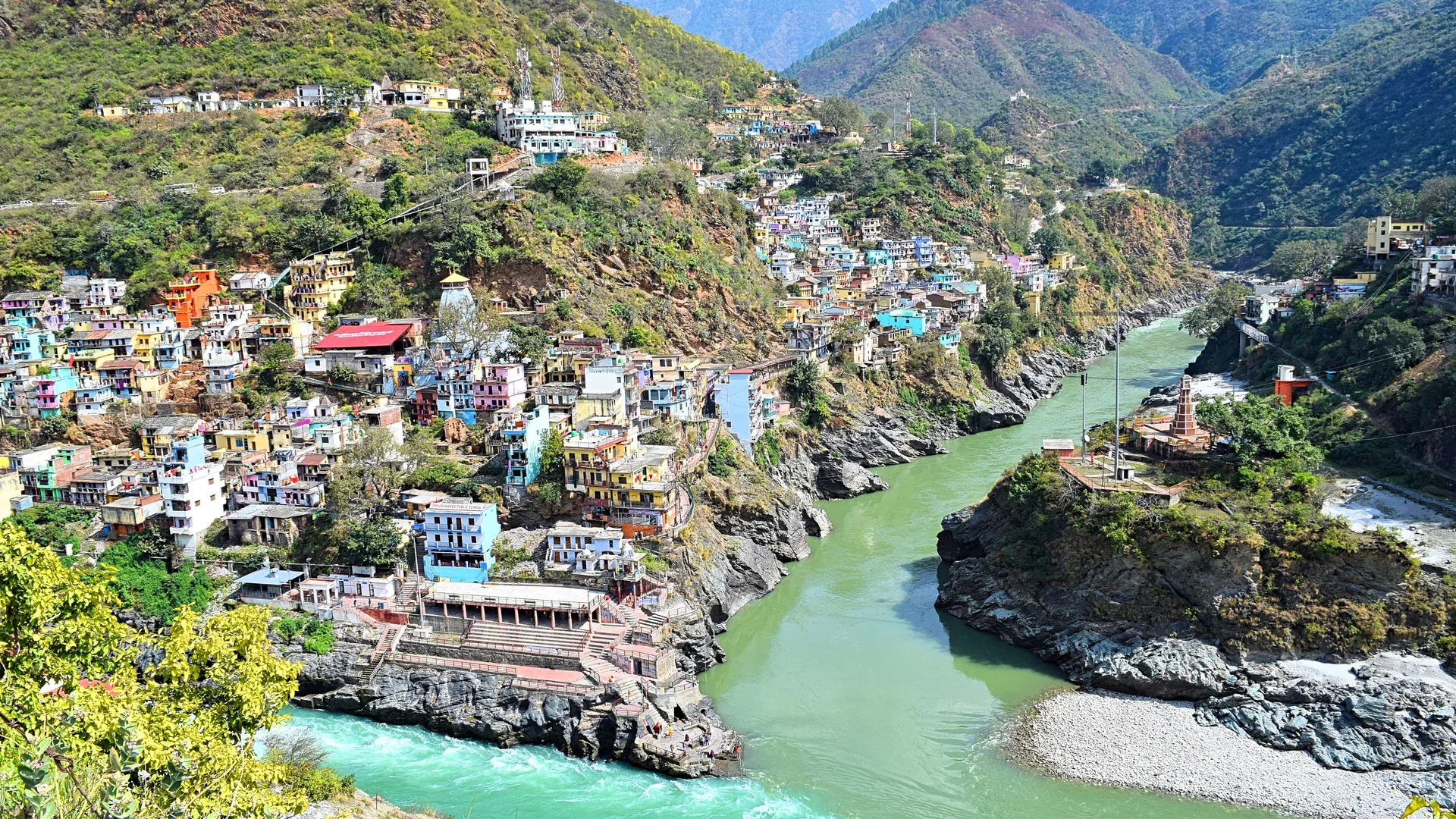
- All 7 North India Divya Desams in one 11 day circle: Mathura, Gokul, Naimisharanya, Ayodhya, Devprayag, Joshimath and Badrinath
- Built around the Badrinath opening window, with assistance and guidance for your mandatory Uttarakhand yatra e-registration
 4D / 3N
Varanasi Ayodhya Tour Package
- Kashi Vishwanath Jyotirlinga Temple
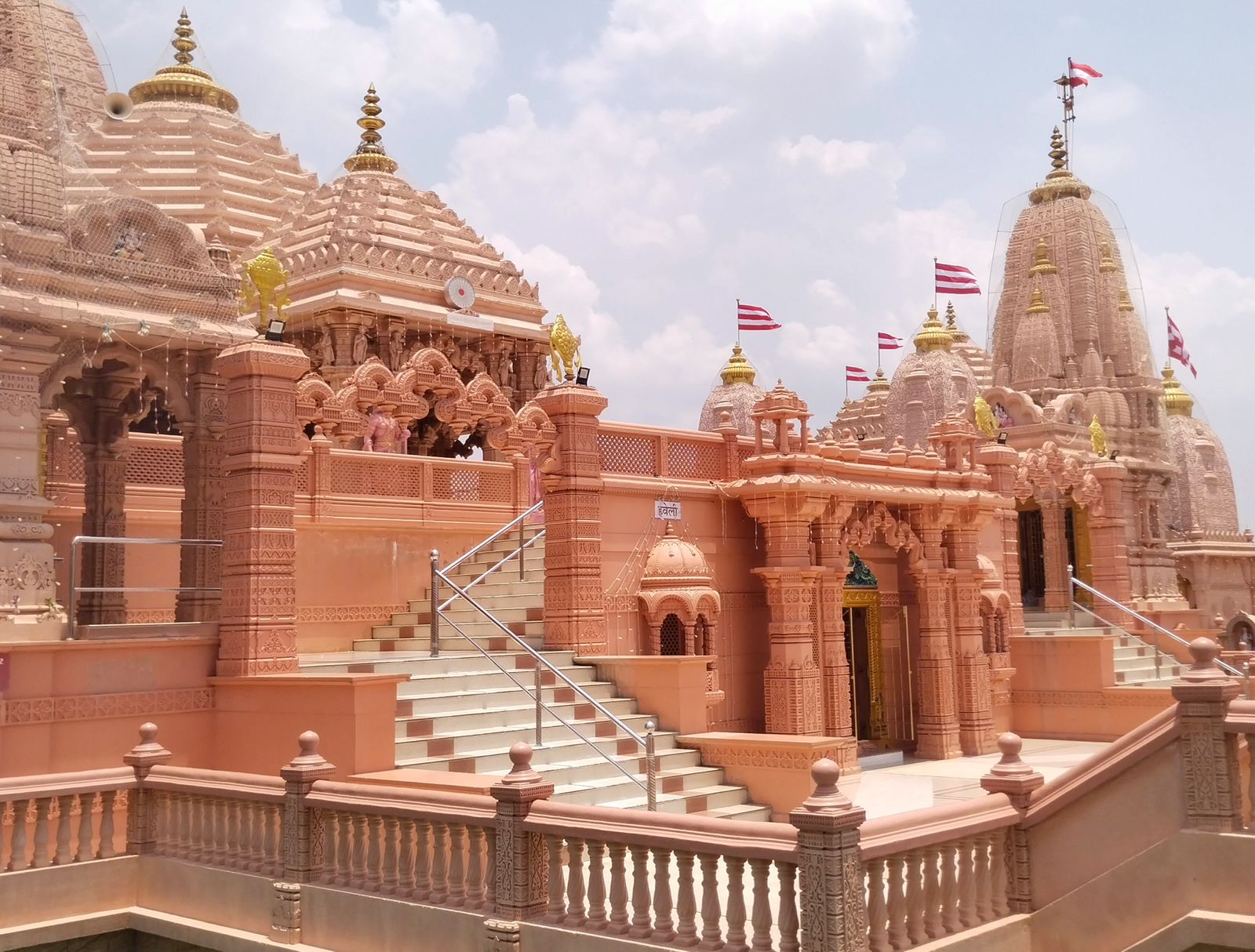
- Ram Mandir