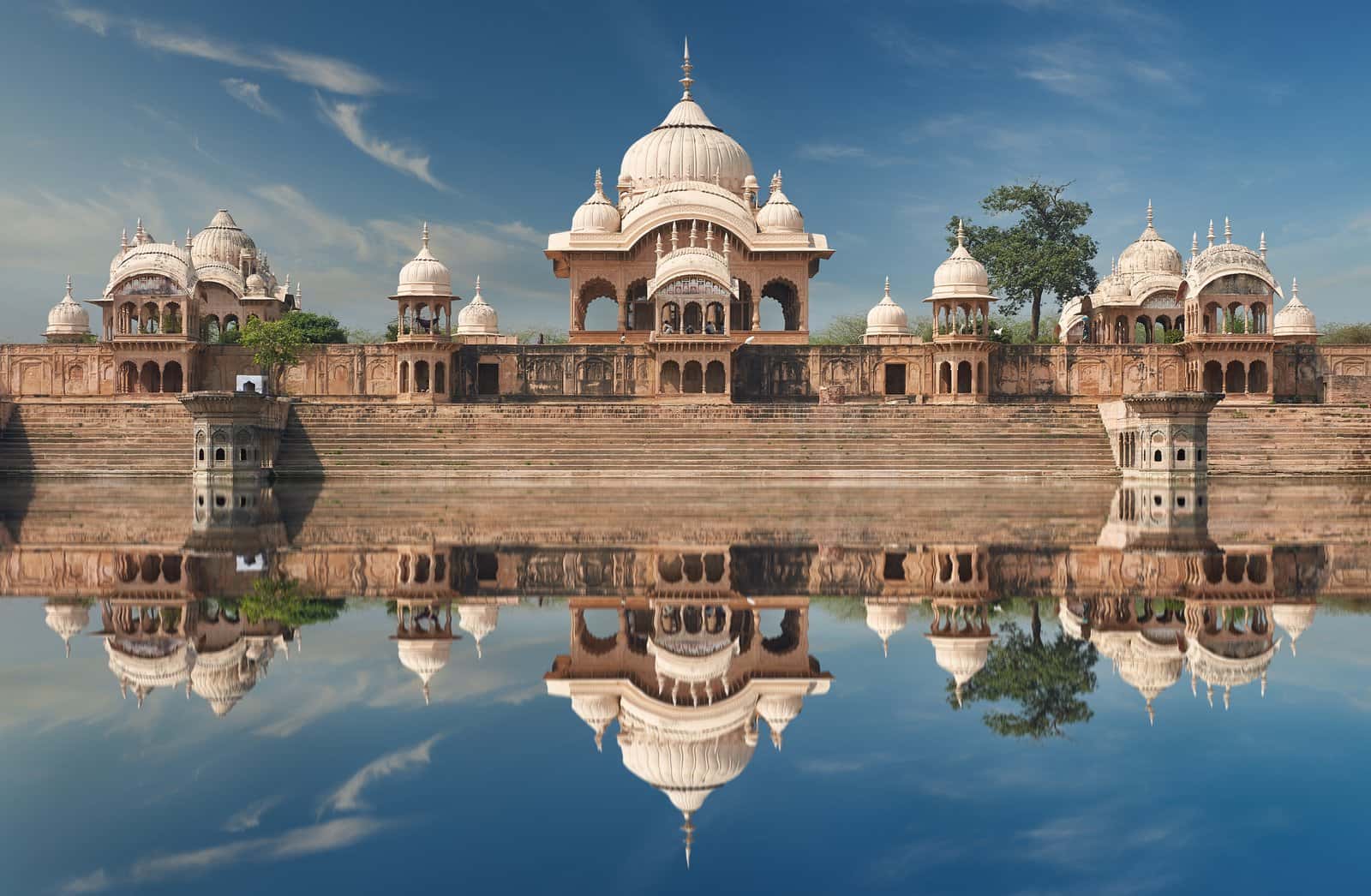
Mathura Travel Guide
The comfortable months are October to March , and the two great set-pieces are Braj Holi in late February or early March and Janmashtami in late summer. Decide early whether you...
When to visit Mathura, and the festivals to plan around
The comfortable months are October to March, and the two great set-pieces are Braj Holi in late February or early March and Janmashtami in late summer. Decide early whether you want a festival or a calmer darshan.
- October to March: cool and clearThe most comfortable window, pleasant by day and cold at night in December and January, so carry a layer. This is the easy season for the temples, the ghat aarti and the museum, and it builds to the colour and crowds of Braj Holi at the very end of it.
- Braj Holi, late February to early MarchHoli in the Braj country is a ten-day spectacle, not a single day, spread across Mathura, Vrindavan, Barsana and Nandgaon. It is joyful, wet, colourful and very crowded, and rooms vanish months ahead. Wonderful if you want the experience, intense if you do not, so decide before you book.
- April to June, and the monsoonHigh summer on the plains is fierce and tiring for queues and open ghats, and July to September brings the monsoon. The redeeming draw in this window is Janmashtami, usually late August or September, the single biggest day in Krishna's birthplace.
- Festival or calm, choose firstHoli and Janmashtami are once-in-a-lifetime in Mathura but the crowds, the queues and the prices are real. A normal winter weekend gives you the same temples, the same aarti and a far gentler darshan. Both are worth doing, so pick the experience you want.
Braj Holi follows the Hindu calendar, so the dates move every year and are widely copied wrong. For 2026 the expected sequence is Laddu Holi at Barsana on about 24 February, the famous Lathmar Holi at Barsana on about 25 February and at Nandgaon on about 26 February, Phoolon ki Holi (flower Holi) around about 27 February, and the main Rangwali Holi (Dhulandi) on about 4 March with Holika Dahan the evening of about 3 March. Treat these as expected, reconfirm them against the official panchang and the UP Tourism calendar before you book, and beware any page that quotes a single fixed date as fact.
How to reach Mathura
Mathura sits on the Delhi-Agra line, easy by train or by the Yamuna Expressway, and is most often combined with Vrindavan next door and Agra down the road.
- By train via Mathura JunctionMathura Junction is a major railhead well served from Delhi and Agra. Fast services like the Taj Express and Shatabdi run through, and the Gatimaan Express, India's semi-high-speed train on the Delhi-Agra line, also halts here, so the train is often the quickest and least tiring way in. The station is about 3 km from the Janmabhoomi.
- From Delhi by roadDelhi is about 150 to 185 km away by road, roughly 3 to 4 hours by car, usually on the Yamuna Expressway. Many travellers do Mathura and Vrindavan as a long day trip from Delhi, but it is tight, so start very early, and a car with a driver is the easiest way to link the temples.
- From Agra, and the Golden TriangleAgra is only about 50 to 60 km away, roughly 1 to 1.5 hours, which is why Mathura slots so naturally onto the Delhi-Agra-Jaipur Golden Triangle as a half-day or full-day add-on. We can arrange the car and a guide for the temple run.
- Vrindavan and the local hopsVrindavan is only about 12 to 15 km from Mathura, roughly 30 to 45 minutes, and most visitors do the two together. Autos, e-rickshaws, shared transport and hired cars cover the short hops between the temples, the ghat and Vrindavan.
Fly into Delhi, the main international gateway, then reach Mathura by train or by road down the Yamuna Expressway, or fold it into a Golden Triangle trip via Agra. There are no international flights to Mathura itself.
Fly into Delhi, then take a fast train or drive about 3 to 4 hours to Mathura. It pairs easily with Agra and the Taj Mahal, about an hour further on.
Take a train to Mathura Junction from Delhi or Agra, or drive the Yamuna Expressway. The nearest airport for most domestic visitors is Agra or Delhi, then road or rail in.
The Janmabhoomi, Dwarkadhish, the ghats and the museum
Mathura is the birthplace of Krishna, its great temples, its Yamuna ghats and the museum that holds the Mathura school of art. A few entry rules, above all the temple security, are worth knowing first.
- Sri Krishna Janmabhoomi (Janmasthan)The birthplace of Lord Krishna and the reason most pilgrims come, near Deeg Gate Chowraha. Entry to the temple is free, but security is airport-grade: phones, cameras, bags, pens and all electronics are banned inside, so use the cloak room or lockers outside first. Open roughly about 6:30 am to about 9:00 pm in summer and about 6:30 am to about 8:00 pm in winter, with a midday darshan break, so come morning or evening.
- Dwarkadhish Temple, Chatta BazaarThe grand nineteenth-century temple in the old bazaar, near Vishram Ghat, with vivid daily aartis. It opens in two windows, roughly about 6:30 am to about 10:30 am, then about 4:00 pm to about 7:00 pm in summer and about 3:30 pm to about 6:00 pm in winter, and closes through the middle of the day, so do not arrive at lunchtime.
- Vishram Ghat and the Yamuna ghatsVishram Ghat is the central and most sacred of Mathura's riverfront ghats, where Krishna is said to have rested. The evening Yamuna aarti here is the city's signature ritual. A short boat ride past the ghats at dusk is a gentle classic; agree the fare first.
- The Government Museum and Kans QilaThe Government (Mathura) Museum holds the world's finest Mathura-school sculpture, including the famous red-sandstone Kushana Buddha. It is open roughly about 10:30 am to about 4:30 pm and closed on Mondays, second Saturdays and national holidays. Kans Qila, the old riverside fort tied to the Kansa legend, is a quieter, ruined stop.
Mathura is a deeply religious place. Cover shoulders and knees near the temples and ghats, remove shoes where asked, and keep public displays of affection for elsewhere, as they are frowned on in much of the temple zone. At the Janmabhoomi follow every security instruction, do not film, and treat the site simply as a place of worship.
Signature experiences in Mathura
Beyond the darshan queue, these are the experiences people remember, and how to time them so you catch the aarti, the temple and the festivals at their best.
- The evening Yamuna aarti at Vishram GhatThe lamp-lit dusk aarti on the river steps is the emotional heart of a Mathura visit. It usually begins around 7:00 pm in summer and around 6:45 pm in winter and runs about 25 to 30 minutes. Arrive 15 to 20 minutes early for a spot on the steps, and there is a morning aarti near sunrise too.
- Darshan at the Janmabhoomi, done rightPlan this for early morning or evening to dodge the midday break and the worst queues. Leave your phone and bag in the cloak room first, carry only cash, and allow time for the security line. Even when busy, the inner shrine and the underground prison cell that marks the birthplace are what people remember.
- A boat ride and a ghat walk at duskA slow rowing boat past the Mathura ghats as the light fades, ending near Vishram Ghat for the aarti, is a quiet highlight. Fares are negotiable and quoted high to visitors, so agree the price and the length before you step in.
- Braj Holi, if your dates matchIf you visit in the Holi window you can see Lathmar Holi at Barsana and Nandgaon, where women playfully drive off the men with sticks, the flower Holi in the temples, and the riot of colour on Dhulandi. Wear clothes you will throw away, protect your phone, and go early in the day.
- The Mathura school of art at the museumIf you care about history, the Government Museum is unmissable: the serene red-sandstone Buddhas and the early Krishna imagery that gave the Mathura school its name. Time it for late morning or afternoon, and remember it is shut on Mondays and second Saturdays.
- Day-trip to Govardhan, Gokul and BarsanaWith a second day you can add the Govardhan Hill parikrama, Gokul where Krishna was raised, and Barsana, Radha's village. These spread the Braj story across the countryside and are an easy car circuit from Mathura.
If you do only one thing slowly, make it the evening Yamuna aarti at Vishram Ghat. Get there before it starts, sit on the steps as the lamps are lit and the bells begin, and let the river and the chanting carry the evening. It costs nothing, it is the image of Mathura people keep, and it rewards an unhurried hour far more than a rushed tick-the-temples dash.
Where to stay in Mathura, and how many nights
Stay in Mathura city to be near the Janmabhoomi and the aarti, on the highway for cleaner hotels, or over in Vrindavan for the bigger ashram-and-hotel cluster. One to two nights is the sweet spot.
- Mathura city: nearest the templesHotels and dharamshalas near the Janmabhoomi and Vishram Ghat put you walking distance from the darshan and the aarti, but the old-city streets are busy, narrow and basic. Best for pilgrims who want to be in the thick of it and do early-morning darshan.
- Highway and bus-stand hotels: cleaner and easierThe newer hotels along the highway and near the bus stand are cleaner and better for families and drivers, with parking and easier access by car, at the cost of a short ride into the old city for the temples and the ghat.
- Vrindavan as a baseVrindavan, about 12 to 15 km away, has a larger cluster of ashrams, guesthouses and hotels and its own temples. Many visitors base there and day-trip into Mathura, especially during festivals when Mathura city fills up first.
- Room budgets and how many nightsBudget rooms run roughly about 800 to 1,800 rupees, mid-range about 1,800 to 4,500 rupees, and better hotels about 4,500 to 12,000 rupees, all rising sharply for Holi and Janmashtami. One full day covers Mathura's core; one to two nights lets you add Vrindavan and the Braj countryside without rushing.
For Braj Holi in late February or early March and for Janmashtami in late summer, rooms across Mathura and Vrindavan are scarce and sell months in advance at several times the normal price. If your dates fall on a festival, book well ahead, or be ready to base further out and commute in.
Mathura costs and a realistic daily budget
Mathura is gentle on the wallet outside festivals, with the big temples free to enter. Here is what the main things cost, so you can plan and avoid being overcharged.
- A rough daily budgetExcluding your room and the Delhi or Agra transfer, plan on about 1,200 to 2,000 rupees a day for a simple visit, and about 3,000 to 5,000 rupees for a comfortable day with a car and a guide linking the temples, Vrindavan and the ghat.
- The free and the fixed thingsEntry to the Janmabhoomi and Dwarkadhish temples is free. The Government Museum is a nominal fee of about 5 rupees for Indians and about 25 rupees for foreign nationals. The cloak room at the Janmabhoomi is a small charge per item. These fixed costs are a useful anchor in a city where most else is negotiable.
- The negotiable thingsA boat ride at the ghat, an auto or e-rickshaw, prasad, flowers and bazaar goods are all quoted high to visitors. Agree the boat fare and any ride before you commit, and settle any priest donation and its amount yourself in advance. Do that and the city's only common friction disappears.
- Cash, cards and the cloak roomCarry cash. The temples, the cloak room, the boat and small vendors run on cash, and you cannot take a card or a phone wallet into the Janmabhoomi anyway. There are ATMs in the city, but draw what you need for the day before you head to the temple.
Because the big temples are free and most other costs are negotiable, the single habit that keeps a Mathura visit smooth is to agree every price before anything begins, whether that is a boat at the ghat, an auto across town or a priest's puja. Quotes to visitors start high and come down without drama, and a sum settled in advance turns the only friction in town into a non-event.
Practical logistics: the cloak room, food, money and getting around
The small things that make a Mathura day smooth, from the all-important temple cloak room to food, ATMs, walking and local transport.
- The cloak room is step oneAt the Janmabhoomi, phones, cameras, bags, pens and all electronics are banned inside. Plan to leave them at your hotel or in the paid cloak room and lockers outside the gate before you join the security line. Carry only a little cash. This one habit saves the most common first-time frustration.
- Food and the local flavourMathura is famous for its pedas (milk sweets), chaat and Braj vegetarian food. The temple zone is largely vegetarian, so lean into the sweets and the thalis. Eat at busy, popular places, take the usual care with street food and water, and try the pedas fresh.
- Getting around townThe old city around the Janmabhoomi, Dwarkadhish and Vishram Ghat is compact but congested, with narrow lanes best done on foot or by cycle-rickshaw. Autos, e-rickshaws and hired cars handle the hops to the museum, the station and Vrindavan.
- Money, SIM and languageCarry cash for the temples, the cloak room and the ghat. ATMs are in the city. Mobile coverage is fine for maps and calls. Hindi is the main language, with Braj Bhasha locally, and basic English is understood in the hotel and tourist trade.
Safety, crowds, touts and staying well
Mathura is welcoming, but the crowds, the temple security and a few touts catch first-timers off guard. A little awareness keeps the visit happy.
- Pickpockets in the crowdsThe temple lanes and the festival crowds are dense, and unwary visitors are easy targets for thieves. Keep your wallet and valuables secure and to the front, travel light, and be especially watchful in the crush around the Janmabhoomi and on festival days.
- Priest and donation pressureNear the ghats and temples, someone may offer a quick puja or a blessing, then press for a large donation, sometimes a fixed high sum. You are never required to pay to enter the temples or to visit a ghat. If you want a puja, choose the priest and agree the amount yourself, first, and a polite, firm no is enough otherwise.
- The Janmabhoomi security drillBecause of the site's significance and the ongoing legal dispute beside the Shahi Idgah, security at the Janmabhoomi is heavy and strict. Follow every instruction, do not film or photograph, do not argue about the dispute on site, and leave all electronics in the cloak room. Treat it simply as a place of worship and you will have no trouble.
- Heat, water and healthDrink bottled or filtered water, take the usual care with street food, and in the warmer months carry sun protection and water for the queues and the open ghats. Carry a small medical kit with the basics, as old-city pharmacies can be a walk from where you are.
Most solo women find Mathura manageable with standard precautions. The friction is the crowds, the staring and sales pressure rather than violent crime, so dress modestly in the temple zone, keep to the busier lanes after dark, and be firm with touts. Travelling with a hired car and a known driver makes linking the temples and the ghat after the evening aarti easier and calmer.
Mathura for every kind of traveller, and on access
Mathura suits very different visitors in different ways. Here is what it offers you, and the one tip that matters for each, including how a senior does the darshan and the aarti comfortably.
- Families with childrenColourful and meaningful, with the temples, the boat ride and the festivals. The security line and the crowds can be hard on small children, so go early, keep them close, leave phones and bags in the cloak room before you queue, and carry water and snacks for the wait.
- Senior travellers and on accessibilityVery doable with planning. Use a hired car to limit walking, do the darshan in the cooler morning when queues are shorter, sit on the upper steps for the Vishram Ghat aarti, and skip the festival crush if you prefer calm. The old-city lanes are uneven and busy and there are steps at the ghats, so take them slowly and consider help for the boat.
- Couples and first-time pilgrimsAn overnight rather than a day trip lets you catch the evening aarti and an unhurried morning darshan. Keep public displays of affection for elsewhere, as they are frowned on in the temple zone, and let the dusk on the river be the slow, shared part of the trip.
- Solo female travellersGenerally manageable with standard precautions. Dress modestly, keep to the busier lanes after dark, be firm with touts, and a hired car with a known driver makes the temple-and-aarti circuit easier and calmer.
- PhotographersThe ghats at the evening aarti, the colour of Braj Holi and the museum sculpture are the rewards. Remember you cannot take a camera or phone into the Janmabhoomi at all, ask before photographing people at prayer, and respect the no-filming rule around the temple.
- History and culture loversThe Government Museum and the Mathura school of art make this more than a temple stop. Pair the museum with Kans Qila and the old city, and read the keepsake below for the founding story that sits behind every shrine.
A suggested Mathura itinerary
How to shape one or two days so you catch the darshan at the right hours, the museum when it is open, and the river at its best light.
- Day one, morningStart early at the Krishna Janmabhoomi before the midday break and the worst queues, leaving phone and bag in the cloak room first. Walk to Dwarkadhish for the morning darshan and the bazaar, then break for pedas and a thali before the temples close for lunch.
- Day one, afternoon and eveningRest through the heat, then time the Government Museum for the afternoon (closed Mondays and second Saturdays). Head to Vishram Ghat for a dusk boat ride and settle on the steps for the evening Yamuna aarti, around 7:00 pm in summer and 6:45 pm in winter.
- Day two, if you have itGive the second day to Vrindavan, only 12 to 15 km away, with its Banke Bihari and ISKCON temples, or to the Braj countryside: the Govardhan parikrama, Gokul and Barsana. A second night turns a rushed pilgrimage into an unhurried one.
- The one-day version from DelhiA day trip from Delhi can cover the Janmabhoomi, a quick Vrindavan temple and the ghat, but it is tight at 3 to 4 hours each way. Start before dawn, accept you will miss the museum or the relaxed pace, and keep the evening aarti as the reward at the end.
Two things break a tight Mathura plan: arriving at the Janmabhoomi or Dwarkadhish during the early-afternoon darshan break, and turning up at the Government Museum on a Monday or a second Saturday when it is shut. Build the temples into the morning and the evening, keep the hot middle of the day for the museum or a rest, and check the museum day before you commit to it, and you will not find yourself at a closed gate with the clock running.
Mathura versus Vrindavan: which is which, and do you need both
Travellers constantly blur the two. Mathura is the birthplace city with the heavy temple security and the ghat aarti; Vrindavan, next door, is where Krishna grew up, full of temples and ashrams. Most people do both.
- Mathura: the birthplace and the riverMathura is the larger, older city and the birthplace of Krishna. Its defining experiences are the high-security Janmabhoomi darshan, the Dwarkadhish temple, the Vishram Ghat Yamuna aarti and the Government Museum. It is the place for the river, the ghats and the museum.
- Vrindavan: where Krishna grew upVrindavan, about 12 to 15 km away, is the town of Krishna's childhood, packed with temples and ashrams, the famous Banke Bihari, the Prem Mandir and the big ISKCON temple. It is more about temple-hopping and devotional life than ghats and a river aarti.
- Do you need both?Most visitors do both, because they are so close and tell two halves of the same story: born in Mathura, raised in Vrindavan. If you have only a few hours, Mathura for the birthplace and the aarti, or Vrindavan for the temple atmosphere, each stands on its own.
- How to split your timeWith one full day, do Mathura's core in the morning and the aarti at dusk, and dip into one or two Vrindavan temples in between. With two days, give a full day to each. We cover Vrindavan in depth on its own page, so use this page for Mathura and cross over for the Vrindavan temple detail.
The real questions travellers ask about Mathura
Straight answers to the questions that come up again and again on traveller forums, so you arrive already knowing the score.
- Can I take my phone into the Janmabhoomi?No. Phones, cameras, bags, pens and all electronics are banned inside the Krishna Janmabhoomi complex. Leave them at your hotel or use the paid cloak room and lockers outside the gate, carry only a little cash, and allow time for the security line.
- Is one day enough for Mathura and Vrindavan?One full day, started early, covers Mathura's core and a taste of Vrindavan, but it is rushed. One to two nights is far better and lets you add the museum, the Braj countryside and a relaxed evening aarti. A day trip from Delhi works but is tight at 3 to 4 hours each way.
- When is the Vishram Ghat aarti and how do I watch it?The evening Yamuna aarti at Vishram Ghat usually starts around 7:00 pm in summer and around 6:45 pm in winter and lasts about 25 to 30 minutes. Arrive 15 to 20 minutes early for a spot on the steps, sit quietly, and keep an eye on your belongings in the crowd.
- What are the temple darshan timings?The Janmabhoomi is open roughly about 6:30 am to about 9:00 pm in summer and about 6:30 am to about 8:00 pm in winter, with a midday break. Dwarkadhish opens about 6:30 am to about 10:30 am, then about 4:00 pm to about 7:00 pm in summer or about 3:30 pm to about 6:00 pm in winter. Reconfirm locally, as timings shift seasonally.
- How crowded is it at Holi and Janmashtami?Extremely. Braj Holi and Janmashtami draw huge crowds, rooms sell out months ahead, and the security queues are long. They are unforgettable if you want the spectacle; if you want a calm darshan, come on a normal winter weekend instead.
- What about the Janmabhoomi-Shahi Idgah situation?The Janmabhoomi stands beside the Shahi Idgah mosque and the site is subject to an ongoing legal dispute heard in the courts, which is why security is heavy. As a visitor you simply follow the security rules, do not film, and treat it as a place of worship. It does not stop you visiting and darshan continues as normal.
Planning Mathura from abroad
Mathura is the living birthplace of Krishna and an easy, meaningful detour off the Golden Triangle. A little preparation makes the temple security and the holy-city rules simple to handle.
- Know the temple security before you goThe single thing to prepare for is the Janmabhoomi security: no phones, cameras, bags or electronics inside, so you use a cloak room first and carry only cash. It catches every first-timer. Plan for it and the visit is smooth and deeply atmospheric.
- Dress modestly and mind the etiquetteCover shoulders and knees in the temple zone, remove shoes where asked, and keep public displays of affection for elsewhere, as they are frowned on in much of Mathura. Photography is restricted at the temples and banned inside the Janmabhoomi, so ask before you shoot.
- Slot it onto the Golden TriangleFly into Delhi, then take Mathura on the way to or from Agra, about an hour from the Taj Mahal and 3 to 4 hours from Delhi. It pairs naturally with Vrindavan next door and adds a genuine pilgrimage chapter to a Delhi-Agra-Jaipur trip.
- Handle the dispute context calmlyYou may read about the Janmabhoomi-Shahi Idgah legal dispute. On the ground it means heavy security and a no-filming rule, nothing more for a visitor. Follow the instructions, treat it as a place of worship, and you will be welcomed like any other pilgrim.
Money, connectivity and timing for foreign visitors
The practical basics an overseas traveller needs for a busy temple city: cash, the cloak room, a SIM, and how many days to give it on a wider India trip.
- Carry cash, expect to bargainCards work in bigger hotels, but the temples, the cloak room, the boat, the autos and small vendors run on cash, and you cannot take a card or phone wallet into the Janmabhoomi anyway. Draw cash at city ATMs and keep small notes for rides, the cloak room and tips.
- Get a SIM in DelhiPick up an Indian tourist SIM or an eSIM when you land in Delhi rather than hunting for one in Mathura. Coverage in the city is fine for maps, calls and ride-hailing, though you will be leaving the phone in the cloak room for the main temple anyway.
- How long to give it on a bigger tripOn a first India trip, half a day to one day in Mathura is the right weight as a detour between Delhi and Agra, or one to two nights if you want Vrindavan and the Braj countryside as well. It is the spiritual chapter between the Taj Mahal and the forts.
- Time your visit to your comfortOctober to March is the comfortable window. If you want the spectacle of Braj Holi or Janmashtami, plan around the festival dates and book far ahead; if you want calm, come in the quieter winter weeks and the darshan and the aarti are far gentler.
Mathura is a vivid, authentic introduction to living Hindu pilgrimage, not a polished tourist set-piece. The crowds, the security and the bazaar are part of it, so come prepared, leave the phone in the cloak room, and let the river aarti and the birthplace shrine be the still centre of it. Slot it beside Agra, give it half a day to two days, and many overseas visitors find it the most genuinely moving stop on a Golden Triangle trip.
Why Krishna's birthplace is a prison cell
Mathura's holiest spot is not a soaring tower but an underground cell. In the old story the tyrant Kansa, king of Mathura, was warned that the eighth child of his sister Devaki would kill him, so he imprisoned Devaki and her husband Vasudeva and killed each child as it was born. On a stormy midnight in the prison, the eighth child, Krishna, was born; the guards fell asleep, the chains opened, and Vasudeva carried the baby across the flooding Yamuna to safety in Gokul, returning with another infant in his place. Krishna grew up in the cowherd country of Gokul, Vrindavan and Govardhan, returned years later to slay Kansa, and Mathura has been revered as his Janmabhoomi, his birthplace, ever since. Today pilgrims file down into the small underground chamber that marks the prison cell, the still heart of the great temple complex above. The tale is told across the Bhagavata Purana and the Braj devotional tradition; no single scriptural verse is the sole source, and the living retelling is part of why Braj keeps the story so vividly alive.
Planning a Mathura trip?
Our Uttar Pradesh travel experts plan your full journey for you: route, hotels, darshan timings and transport. You get a free day-by-day plan and an exact quote on WhatsApp, usually within a few hours. No payment is needed to get your plan.
Tour packages that visit Mathura
Every journey below is private, hand-crafted and fully customizable. Tell us your dates and we tailor the itinerary, the pace and the priests or guides around you.
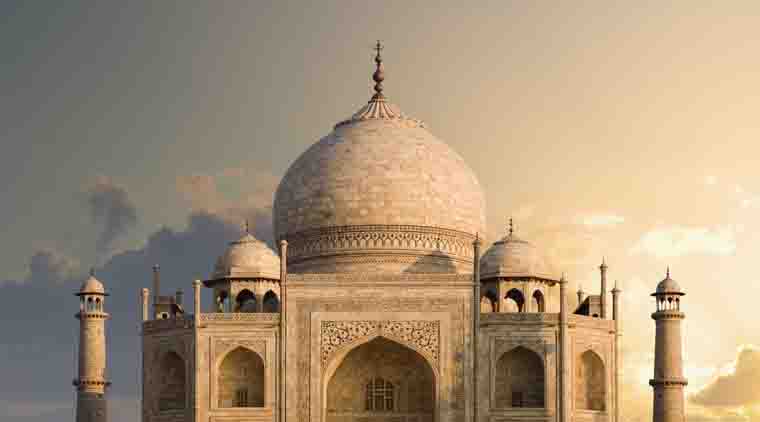 4D / 3N
Agra Mathura Vrindavan Tour from Delhi
- Temples of Mathura
- Temples of Vrindavan
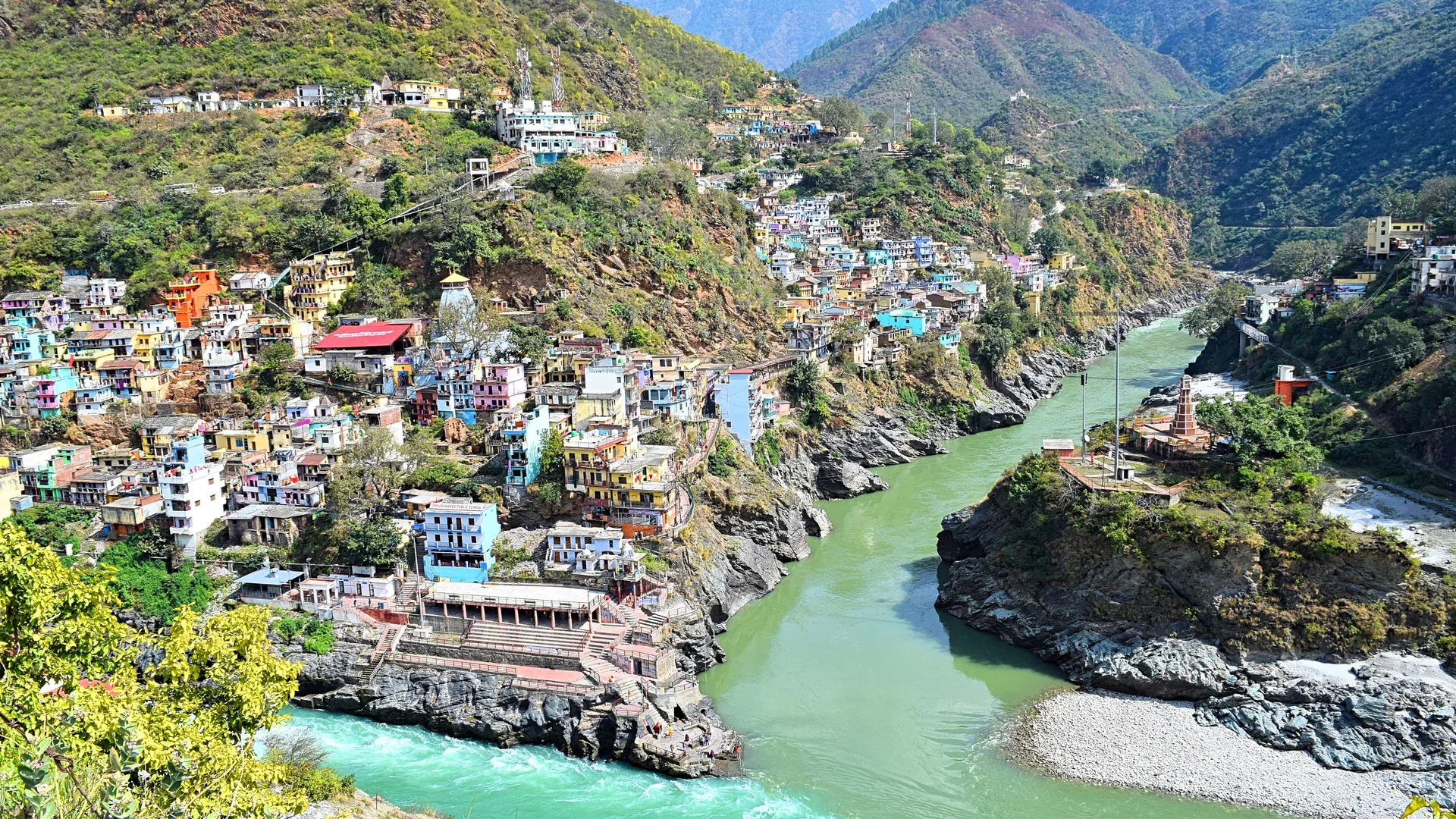 11D / 10N
North India Divya Desam Tour Package: 7 Vada Naadu Temples in 11 Days
- All 7 North India Divya Desams in one 11 day circle: Mathura, Gokul, Naimisharanya, Ayodhya, Devprayag, Joshimath and Badrinath
- Built around the Badrinath opening window, with assistance and guidance for your mandatory Uttarakhand yatra e-registration