
Varanasi Travel Guide
The best months are October to March , cool and clear over the ghats. The thing to plan around is the river: in the monsoon it rises and the boating stops. The great night to aim...
When to visit Varanasi, and the river's moods
The best months are October to March, cool and clear over the ghats. The thing to plan around is the river: in the monsoon it rises and the boating stops. The great night to aim for is Dev Deepawali in November.
- October to March: cool and clearThe pleasant season, roughly about 10 to 25 degrees, ideal for the early-morning boat ride and long days on the ghats. Mornings can be genuinely cold and misty by the river, so carry a warm layer for the dawn boat and the pre-sunrise temple queue. This is when most pilgrims and photographers come.
- April to June: very hotHigh summer on the Gangetic plain is fierce, often 40 degrees or more, and draining on the open, shadeless ghats. If you must come then, do the river and the temple at dawn, rest through the middle of the day, and step out again only in the cool of the evening for the aarti.
- The monsoon and the floodingFrom about July to September the Ganga rises, the lower ghats and steps go under water, and boating is suspended for safety when the river is high. If a boat ride matters to you, do not plan it for the monsoon, and keep the rest of the itinerary flexible if you visit then.
- Dev Deepawali, the night of lampsDev Deepawali, on the Kartik full moon about a fortnight after Diwali, lights every ghat with rows of earthen lamps and is the most spectacular night of the Varanasi year. In 2026 it is expected on about 24 November, though you should reconfirm the date, and rooms and boats sell out months ahead for it.
The sunrise boat and the boat view of the evening aarti are the highlights of Kashi, but in heavy monsoon rain and high water the boats simply do not run, and the lower ghats can be flooded for weeks. If a boat ride is the reason you are coming, plan it for the dry season, October to March, and keep a flexible morning so you can take the river on the calmest, clearest day of your stay.
How to reach Varanasi, and getting around the old town
Varanasi is well connected by air and rail and is an easy add-on to the Golden Triangle or an Ayodhya pilgrimage. The catch is the last mile: the old-town gullies are too narrow for cars, so the final stretch to the ghats is on foot.
- By air, to BabatpurLal Bahadur Shastri International airport (code VNS, at Babatpur) is about 25 to 26 km from the ghats, with wide domestic flights from Delhi, Mumbai and other cities and a few limited, changeable international routes. Reckon on about 45 to 60 minutes by road to the riverfront, more in heavy old-town traffic, so allow a generous buffer for an early flight out.
- By train, to Cantt or BanarasVaranasi Cantt, also called Varanasi Junction, is a major railway station, and the Banaras station, formerly Manduadih, also serves the city. A Vande Bharat Express links New Delhi and Varanasi in roughly 8 hours, and many overnight trains run from across the north. Rail is a comfortable and scenic way to arrive.
- The narrow-gully last mileThe heart of the old town is a maze of lanes too narrow for cars. Vehicles drop you at the edge, and the final stretch to many ghats and guesthouses is on foot, sometimes a ten to fifteen minute walk through busy, uneven gullies. Travel light, wear shoes you can slip off at temples, and let a guesthouse send someone to meet you the first time.
- Getting around the cityAutos and e-rickshaws cover the wider city and the run out to Sarnath, and cycle-rickshaws handle the shorter hops near the ghats. Agree the fare before you set off, as meters are rare. We can arrange a car with an experienced local driver and a licensed guide who know the gullies and the etiquette.
Fly into Delhi, the main international gateway, then take a short domestic flight or the Vande Bharat train to Varanasi, or add it to a Golden Triangle trip. It is the spiritual high point of a northern India journey.
Fly into Delhi, or check the limited direct international routes into Varanasi, then continue to the ghats. Varanasi pairs naturally with Ayodhya for a diaspora pilgrimage.
Frequent flights and fast trains from Delhi and across the north, the Vande Bharat from New Delhi, and good roads from Prayagraj, Lucknow and Ayodhya make Varanasi straightforward to reach.
Kashi Vishwanath: darshan, tickets and the rules that matter
The Jyotirlinga and its new riverside corridor are the heart of Kashi. A few ticket choices, the mobile-phone rule and one common myth are worth knowing before you go.
- The temple and the corridorThe Kashi Vishwanath Dham corridor, inaugurated about December 2021, is a broad new complex of roughly five lakh square feet that links the Jyotirlinga directly to the Ganga along an open walkway. Darshan runs from the small hours of the morning to late evening, with a short break around midday, so the early morning and the evening are the calmest times to go.
- Free or Sugam darshanGeneral darshan is free but can be slow on busy days and festivals. A fast-track Sugam Darshan ticket, commonly about 250 to 300 rupees a person, shortens the queue, and various sevas and a touch (Sparsh) darshan can be booked through the official temple portal. Book Sugam and any special darshan online in advance to avoid the touts at the gate.
- The Mangala Aarti at dawnThe pre-dawn Mangala Aarti, around 3 am, when the deity is ceremonially woken, is the most intimate ritual of the day and needs a separate ticket, commonly cited at about 500 rupees, booked ahead on the official site. Carry the same photo ID you booked with, as it is checked at entry.
- The mobile-phone ban and the dress codeMobile phones, cameras, electronics, leather items and lighters are not allowed inside the sanctum complex; free lockers and cloakrooms sit at the main gates, with a small charge of about 10 to 20 rupees for shoes. Dress modestly, covering shoulders and knees, and leave plenty of time for the security check, which is thorough given the Gyanvapi mosque next door.
A claim copied across the web says the temple is closed to all non-Hindus. In practice foreign and non-Hindu visitors are admitted for darshan, usually guided through a designated gate, and foreign footfall has climbed sharply since the corridor opened, so the blanket ban is misleading. The honest caveat is the sanctum itself: on the busiest days the management restricts entry to the innermost shrine and touching the deity (Sparsh darshan) for everyone for crowd control, and some sources still describe a non-Hindu sanctum restriction. Dress modestly, follow the queue and the mobile-phone rule, and reconfirm the current access rule, timings and ticket prices on the official portal before you travel.
The river: the sunrise boat ride and the Ganga Aarti
Kashi is its river. Two experiences above all define a visit, the boat at dawn and the aarti at dusk, and a little know-how on rates and where to sit makes both far better.
- The sunrise boat rideTake a boat from around 5:30 am for about 1 to 1.5 hours to watch the city wake, the bathers and the rituals along the ghats in the golden light. A shared boat is commonly about 150 to 400 rupees a person and a small private boat about 800 to 1,500 rupees in 2026. Keep a rowboat to about six people, carry a warm layer for the cool morning, and agree the price and the route before you push off.
- The evening Ganga Aarti at DashashwamedhAt dusk a row of young priests perform the great fire ritual at Dashashwamedh Ghat, roughly about 6:30 pm to 7:15 pm in winter and about 7 pm to 7:45 pm in summer. It is free to watch from the steps; arrive 30 to 45 minutes early for a good place, or watch from a boat for roughly 200 to 300 rupees a person on a shared boat or about 1,200 to 2,500 rupees for a small private boat held at the front.
- Subah-e-Banaras at Assi GhatFor a gentler, far less crowded ritual, the daily Subah-e-Banaras at Assi Ghat, a sunrise aarti with Vedic chanting, classical music and a free yoga session, begins around dawn, roughly about 5 am to 5:30 am depending on the season. It is free to attend and much easier to reach than the packed Dashashwamedh, a lovely soft start to a Kashi day.
- Walk the long sweep of ghatsBetween the rituals, simply walk the ghats, from Assi in the south up past Dashashwamedh towards Manikarnika, watching the life of the river: yoga, laundry, cricket, prayer and pyres all at once. A licensed guide brings the stories and the etiquette alive, and knows which ghats are calm and which are working cremation grounds.
The most common boat complaint on traveller forums is the boatman who agrees a low price, then stops in the middle of the river and demands far more to bring you back, sometimes ten times the quote. Defeat it by agreeing the full price and the route out loud before you step in, paying only at the end, and ideally booking through your hotel or operator. Never feel you must pay a sudden mid-river demand; a calm, firm refusal and a request to return to the ghat almost always settles it.
Manikarnika and Harishchandra: the cremation ghats, with respect
The fires that never go out at Manikarnika and Harishchandra are central to why pilgrims come to Kashi to die and be cremated. They are working funeral grounds, not a sight, and they ask for quiet respect and one firm rule.
- What you are looking atManikarnika is the main cremation ghat and Harishchandra the other, both open-air grounds where bodies are cremated around the clock. Many Hindus believe that to be cremated at Kashi and have the ashes given to the Ganga grants moksha, release from the cycle of rebirth, so families bring their dead here from across India. You are witnessing the most intimate moment of strangers' lives, so behave as you would at any funeral.
- Photography is strictly prohibitedDo not photograph or film the pyres or the mourners, ever. It is both forbidden and deeply hurtful, and locals will rightly object. Put the camera and the phone away well before you reach the burning ghats, watch quietly from a respectful distance or from a boat a little out on the river, and do not climb over the wood piles or get in the way of a procession.
- The donation and wood scamsA common trap near Manikarnika is a friendly man who walks you to a viewpoint or a so-called hospice, tells a moving story about a poor family or the dying, and then presses you for a large donation, often quoted as a price per kilo of cremation wood, sometimes thousands of rupees. The cremations do not need your money. Decline politely but firmly, do not follow anyone to an upstairs room, and walk on.
- Going with a guideIf you want to understand what you are seeing, a licensed, respectful guide is worth far more than a self-appointed one at the ghat. They will explain the rituals, keep you at the right distance, and steer you clear of the touts. First-timers who find the burning ghats intense often feel steadier with someone who can quietly explain the meaning of it all.
Sarnath, the silk and the flavours of Banaras
Around the river are the Buddhist calm of Sarnath, the famous Banarasi silk with its GI tag, and a street-food scene worth planning a morning around.
- Sarnath, where the Buddha taughtAbout 10 to 11 km from the city, Sarnath is where the Buddha gave his first sermon, marked by the great Dhamek Stupa. The site is open daily about 6 am to 6 pm, with entry about 25 rupees for Indian and SAARC nationals and about 300 rupees for foreign nationals. It is a calm, green half-day away from the intensity of the ghats, an easy auto or taxi ride out.
- The Sarnath museum and the Ashoka lionsThe Sarnath Archaeological Museum holds the Lion Capital of Ashoka, the four-lion sculpture that is India's national emblem. It is open about 10 am to 5 pm and closed on Fridays, so do not plan your Sarnath trip for a Friday if the museum is the reason you are going. Allow an hour for it, and check the current entry fee at the counter.
- Buy genuine Banarasi silkBanaras is famous for handwoven silk sarees and brocade, protected since about 2009 by the Banaras Brocades and Sarees Geographical Indication, which means a true piece is woven within six named Uttar Pradesh districts. Powerloom and polyester fakes are widely sold as pure silk, so look for the GI tag and the Silk Mark label, buy from a government emporium or an established weaver, and do not let a rickshaw or guide steer you to a commission shop.
- Eat BanarasBreakfast on kachori-sabzi and jalebi, try a thick Banarasi lassi in a clay cup, taste the winter sweet malaiyo if you visit in the cold months, and finish with a Banarasi paan. Eat at busy, popular places where the turnover is high, drink only bottled or filtered water, and ease into the street food rather than diving in on your first day.
- Ramnagar Fort across the riverThe old riverside fort of the Maharaja of Banaras, with its dusty, characterful museum of vintage cars, palanquins and an astronomical clock, is a pleasant half-day excursion across the Ganga, especially in the late afternoon. Check the current opening hours locally, as they can change.
Where to stay in Varanasi: ghat-side or Cantonment
Stay in the atmospheric ghat-side lanes to be in the thick of the river life, or in the calmer Cantonment for comfort and easy transport. The choice shapes your whole visit.
- Ghat-side: in the heart of itGuesthouses and boutique stays around Assi Ghat and near Dashashwamedh put you steps from the boats, the aarti and the morning rituals, with rooftop cafes over the river. The trade-off is the narrow gullies, no vehicle access to the door, the noise, and steeper, uneven walking. Best for first-timers and younger travellers who want to step straight into the scene. Rooms run roughly about 800 to 5,000 rupees, more for boutique.
- The Cantonment: comfort and calmThe Cantonment, near Varanasi Junction, has modern, air-conditioned hotels with parking, lifts and quiet, a drive away from the ghats. It is the easier base for families, older travellers and anyone who wants a reliable, comfortable room after intense days by the river. Hotels run roughly about 3,000 to 20,000 rupees and up, with the city's main international-standard properties here.
- How to chooseIf atmosphere is everything and you can manage stairs and lanes, stay ghat-side and walk to the dawn boat. If comfort, accessibility or travelling with parents and small children matters more, base in the Cantonment and take a car to the ghats for the aarti and the early boat. Some travellers split it, a night each, to get both.
- Book early around the festivalsRooms and rates spike sharply around Dev Deepawali in November and the big bathing days, and the best ghat-side stays sell out months ahead. If your dates fall on a festival, book early or be ready to stay in the Cantonment and commute in.
A ghat-side stay is magical but physical: expect to climb steep stone steps from the river, pick your way through narrow, sometimes slippery lanes, and walk the last stretch with your bags. If anyone in your group struggles with stairs or uneven ground, the Cantonment is the kinder base, and you can still do the river fully by arriving by car for the boat and the aarti. There is no shame in choosing comfort in a city this intense.
Varanasi costs and a realistic daily budget
Kashi is gentle on the wallet if you know the real rates. Here is what the main things cost, so you can plan and sidestep the common overcharges.
- The fixed-ish pricesGeneral darshan at Kashi Vishwanath is free; the Sugam fast-track is commonly about 250 to 300 rupees and the pre-dawn Mangala Aarti about 500 rupees, both booked online. Sarnath entry is about 25 rupees for Indian and SAARC visitors and about 300 for foreign nationals. These published prices are your anchor against inflated quotes elsewhere.
- The negotiable thingsA shared sunrise boat is commonly about 150 to 400 rupees a person and a small private boat about 800 to 1,500 rupees; a shared aarti boat about 200 to 300 rupees a person. Silk, autos and cycle-rickshaws are all negotiable and quoted high to visitors. Agree every boat, ride and ritual price before it begins and the city's only real friction disappears.
- A rough daily budgetExcluding your room and long-distance transport, plan on roughly about 1,000 to 2,000 rupees a day as a backpacker, about 3,000 to 6,000 rupees mid-range, and about 7,000 rupees and up for a comfortable day with a private boat, a car and some silk shopping. Street food keeps eating cheap; a private guide and boat are where the money goes.
- Cash, cards and UPIHotels, bigger shops and many cafes take cards or UPI, but boats, rickshaws, small eateries and the bazaar run on cash. There are bank ATMs across the city and the Cantonment, so carry enough small notes for rides, tips and the ghats to keep the day smooth.
Almost everything except the temple and museum tickets is negotiable in Varanasi, so the single habit that keeps your trip cheap and calm is to agree the price out loud before anything begins, whether that is a boat, a cycle-rickshaw, a silk purchase or a ritual. Quotes to visitors start high and come down without drama. A sum agreed in advance, and paid only at the end, turns the city's touts and price-hikes into a non-event.
Practical logistics: the corridor, the gullies, water and etiquette
The small things that make a Kashi day smooth, from the temple mobile-phone rule to drinking water, the gullies and holy-site etiquette.
- Plan the temple visit around the rulesLeave your phone, camera, leather and lighter at the hotel or the free temple cloakroom before you join the Kashi Vishwanath queue, dress modestly, and allow time for the security check. Book Sugam or the Mangala aarti online ahead, and go early morning or evening to dodge the midday gap and the worst crowds.
- Water, food and healthDrink only bottled or filtered water, including for brushing teeth, and ease into the street food rather than starting with the richest dishes. The Ganga is sacred but not clean; many pilgrims bathe in it, but as a visitor avoid swallowing the water, and wash and sanitise your hands after touching the river or the ghats.
- Navigating the gulliesThe old-town lanes are a maze and your map app will struggle. Note a landmark near your stay, keep its name and a photo handy, and do not be shy about asking shopkeepers for directions. Watch your step for cow dung, motorbikes and uneven stone, and keep bags zipped and to the front in crowds.
- Holy-site etiquetteCover shoulders and knees near temples and ghats, remove shoes where asked, ask before photographing people at prayer, and never photograph the cremations. Walk around pilgrims at ritual rather than through them, and accept that Kashi is a place of devotion first and a sight second.
Safety, scams and staying well in Varanasi
Kashi is intense and well-touristed but broadly safe, and a little awareness of the specific scams keeps the visit smooth and respectful.
- The boat and the priest scamsAgree the full boat price and route before you step in and pay only at the end, to beat the mid-river price hike. Be wary of self-appointed priests and guides at the ghats who start a ritual or a blessing and then demand a large sum; if you want a puja, arrange a known priest through your hotel or operator and settle the offering first.
- The cremation-ghat toutsNear Manikarnika, ignore anyone who offers a paid viewing, a hospice tour or a donation for wood or for the poor. It is a long-running scam. Do not follow strangers to an upstairs room, keep your camera away, and watch quietly from a distance or a boat.
- Silk, touts and pickpocketsBuy silk only from a government emporium or an established shop and look for the GI tag and Silk Mark, never from a tout or a commission shop a rickshaw insists on. In the crowds at the aarti and in the gullies keep wallets and phones zipped and to the front, and be firm and unbothered with persistent touts, who move on quickly.
- Heat, water and the riverCarry water and sun protection on the shadeless ghats, especially in summer, and pace the early starts. Drink only bottled or filtered water, avoid swallowing the Ganga, and sanitise your hands after the river. Take the usual care with rich street food, building up slowly.
Most solo women find Varanasi manageable with standard precautions. The persistent friction reported on traveller forums is sales pressure, staring and the boat and ghat touts rather than violent crime. Dress modestly, be firm and confident with touts, prefer the busier ghats and lanes after dark, and take a known guide or operator boat for the dawn ride and the aarti. Trusting your instinct and walking on settles almost every awkward moment in Kashi.
Varanasi for every kind of traveller, and on access
Kashi moves very different visitors in different ways. Here is what it offers you, and the one tip that matters for each, including how a senior pilgrim visits comfortably.
- Pilgrims and spiritual seekersThe holiest of cities, the place of the Jyotirlinga and of last rites. Book the Mangala aarti and Sugam darshan ahead, take the dawn boat, attend the gentle Subah-e-Banaras at Assi, and let a good guide explain the rituals and the ghats so the meaning, not just the spectacle, comes through.
- Senior travellers and on accessibilityDeeply rewarding with care. The ghat steps are steep and the gullies uneven, so consider basing in the Cantonment, use Sugam darshan to cut the temple queue, take a gentle boat with help boarding, and choose the calmer Assi Ghat for the morning aarti. Go slowly in the cool of the day and skip the festival crush if you prefer calm.
- Families with childrenThe sunrise boat and Sarnath are easy and memorable. Keep children close in the crowded lanes and at the ghats, keep them well away from the cremation grounds, plan around the midday temple gap, and carry water and snacks. A Cantonment base makes nap times and early nights far easier.
- PhotographersSunrise from the boat, the aarti lamps at Dashashwamedh, the layered life of the ghats and the calm of Sarnath are the shots. Never photograph the cremations or the mourners, ask before photographing people at prayer, and remember cameras are banned inside the Kashi Vishwanath complex.
- Backpackers and budget travellersStay in the old-town guesthouses near the ghats, share a sunrise boat, eat the famous street food, and watch the free aarti from the steps. Kashi rewards the slow traveller who walks the ghats at dawn and lingers on a rooftop at dusk, all on a small budget.
- Overseas and NRI pilgrimsFor ancestral rituals, pind daan and ash immersion, arrange a known, reputable priest through your operator rather than a ghat tout. Remember that foreign and non-Hindu visitors are in practice admitted to the temple for darshan through a designated gate, the cremation ghats ask for quiet respect and no photos, and Varanasi pairs naturally with Ayodhya and Prayagraj for a fuller pilgrimage.
A suggested Varanasi itinerary, and how long to stay
How to shape two unhurried days and nights so you catch the river at both ends of the light, the temple at the right hours, and Sarnath without rushing.
- Day one: arrive and the evening aartiArrive, settle in, and walk a stretch of the ghats in the late afternoon to get your bearings. As dusk falls, take your place at Dashashwamedh for the evening Ganga Aarti, arriving 30 to 45 minutes early for a good spot, or watch from a shared boat. Eat a Banarasi dinner and turn in early for the dawn start.
- Day two: the dawn boat and the templeRise before sunrise for the boat ride along the ghats, then have an early Kashi Vishwanath darshan, Sugam if the queue is long, mindful of the mobile-phone rule and the midday gap. Spend the late morning in the silk shops or a rooftop cafe, rest through the heat, and return to the river or the Subah-e-Banaras the next morning.
- Day three, if you have it: SarnathGive a calm half-day to Sarnath and its museum, remembering the Friday closure, then a second dawn boat or the Assi Ghat aarti, and an afternoon for Ramnagar Fort across the river. A third night turns a rushed stop into the slow, layered visit that Kashi deserves.
- How long to stayTwo nights is the realistic minimum to catch one evening aarti and one sunrise boat without rushing; three nights lets you add Sarnath, a second river morning and the silk and food at a human pace. A single night only scratches the surface of a city this deep.
Two timing traps break a tight Kashi plan: the short midday break in Kashi Vishwanath darshan, and the Sarnath Archaeological Museum being closed on Fridays. Build the temple into your early morning or evening, and do not schedule Sarnath for a Friday if the Ashoka-lion museum is the reason you are going. Reconfirm both the darshan timings and the museum hours locally, as they can shift around festivals.
The real questions travellers ask about Varanasi
Straight answers to the questions that come up again and again on traveller forums, so you arrive already knowing the score.
- How many days do I need?Two nights is the realistic minimum, enough for one evening aarti and one sunrise boat without rushing. Three nights lets you add Sarnath, a second river morning and the silk and food slowly. A single night barely scratches the surface.
- Is Varanasi too intense?It can be, on day one: the crowds, the cremations, the smells and the sheer life of it overwhelm some first-timers. Give yourself an easy arrival, take the river at dawn when it is calm and beautiful, and let a guide explain the burning ghats. Most people who push past the first few hours come to love it deeply.
- Is the cheap boat ride a scam?The boat ride itself is genuine and unmissable; the scam is the boatman who agrees a low price then demands far more mid-river. Agree the full price and route out loud before you board, pay only at the end, keep a rowboat to about six people, or book through your hotel, and it is a non-issue.
- Can I photograph the cremation ghats?No. Photography at Manikarnika and Harishchandra is strictly prohibited and deeply disrespectful. Put the camera away, watch quietly from a distance or a boat, and ignore anyone offering a paid viewing or a donation for wood, which is a scam.
- Are non-Hindus allowed in the temple?In practice yes. Foreign and non-Hindu visitors are admitted to Kashi Vishwanath for darshan, usually guided through a designated gate, so the blanket online claim that all non-Hindus are barred is misleading. The caveat is the innermost sanctum: on the busiest days entry to the shrine and touching the deity is restricted for everyone for crowd control, and some sources still describe a non-Hindu sanctum rule, so reconfirm before you go. Dress modestly and follow the mobile-phone rule and the queue.
- Ghat-side or Cantonment to stay?Stay ghat-side around Assi for atmosphere and to walk to the dawn boat if you can manage stairs and lanes. Choose the Cantonment near the station for comfort, air-conditioning and easy transport, especially with parents or small children, and drive in for the river.
Planning Varanasi from abroad
Kashi is the spiritual heart of the Ganga and, for many overseas Indians, the place of ancestral rituals and a once-in-a-lifetime pilgrimage. A little planning and the right etiquette make it smooth.
- Arrange the rituals properlyFor ash immersion, pind daan or a special puja, arrange a known, reputable priest through your operator rather than a ghat tout, and settle the offering in advance. This avoids the donation scams and ensures the rites are done with care and the right sankalp. We can connect diaspora families with established priests at the ghats.
- You are admitted, with rules and one caveatDo not believe the blunt online claim that Kashi Vishwanath bars all non-Hindus: foreign and non-Hindu devotees are in practice admitted for darshan, usually guided through a designated gate. The honest caveat is that innermost-sanctum entry and touching the deity can be restricted for all devotees on the busiest days, so reconfirm the current access rule on the official portal. Dress modestly, leave phones and leather at the free cloakroom, and book Sugam darshan or the Mangala aarti online ahead to save the queue.
- Pair Kashi with Ayodhya and PrayagrajMany overseas pilgrims now combine Varanasi with the Ram temple at Ayodhya and the Sangam at Prayagraj, both an easy add-on by road or rail. Both reward an early start to beat the crowds, and together they make a fuller northern pilgrimage.
- Gentle and senior-friendly with planningFor older parents, base in the Cantonment, use Sugam darshan to cut the queue, take a private boat with help boarding, choose the quieter Assi Ghat aarti, and come in the cool season. Photograph the river and the aarti freely, but never the cremation ghats.
Varanasi is the deepest, most intense introduction to spiritual India, and it rewards a little preparation. Read the cremation-ghat etiquette and the boat and silk scams before you arrive, give the city two or three nights rather than a rushed overnight, and let the dawn river and the Subah-e-Banaras be your gentle way in before the fuller intensity of the burning ghats and the evening aarti. Many diaspora travellers say Kashi is the part of India that stays with them longest.
Money, connectivity and timing for foreign visitors
The practical basics an overseas traveller needs for an intense river city: cash, cards, a SIM, and how many days to give it on a wider India trip.
- Carry cash, expect to bargainCards and UPI work in hotels, bigger shops and many cafes, but boats, rickshaws, small eateries and the bazaar are cash places, and most of those prices are negotiable. Draw cash at the city or Cantonment ATMs and keep small notes for rides, boats, tips and the ghats.
- Get a SIM at the airportPick up an Indian tourist SIM or an eSIM when you land in Delhi or on arrival at Varanasi rather than hunting for one in the gullies. Coverage in the city is fine for maps, calls and ride-hailing, though your map app will still struggle in the tightest old-town lanes.
- How long to give it on a bigger tripOn a northern India trip, two to three nights in Varanasi is the right weight: enough for the temple, a sunrise boat, an evening aarti and Sarnath, without letting one intense city swallow the whole itinerary. It slots naturally after Delhi and Agra, or onward to Ayodhya and Prayagraj.
- Time your visit to your comfortOctober to March is the comfortable window. For the spectacle of Dev Deepawali, plan around the Kartik full moon, about 24 November in 2026, and book far ahead. Avoid the fierce April-to-June heat and the monsoon flooding that stops the boats.
Darshan timings and Sugam and Mangala aarti prices, boat rates, Sarnath fees and even festival dates can all shift year to year. Before you travel, reconfirm the Kashi Vishwanath darshan and aarti tickets on the official temple portal, the Sarnath hours and Friday closure with the museum, and the Dev Deepawali date, so the few hard numbers on this page match the day you arrive.
Kashi, the city of light where Shiva never leaves
In the Hindu tradition Kashi is the city of light, founded by Shiva himself and never abandoned by him, a place said to stand on his trident above the ordinary earth so that even the great dissolution of the world cannot touch it. Pilgrims have come for thousands of years to bathe in the Ganga, to worship the Vishwanath Jyotirlinga, and above all to die here, for it is believed that to leave the body at Kashi and be cremated at Manikarnika grants moksha, release from the endless cycle of birth and death, as Shiva whispers the taraka mantra into the ear of the dying. This is why the fires at the burning ghats never go out and why Banaras is called one of the oldest continuously living cities on earth. These are matters of living faith and tradition rather than dated history, and we record them as the tradition tells them, with respect, and with the reminder that the cremation ghats are funeral grounds for real families, to be witnessed only in silence and never photographed.
Planning a Varanasi trip?
Our Uttar Pradesh travel experts plan your full journey for you: route, hotels, darshan timings and transport. You get a free day-by-day plan and an exact quote on WhatsApp, usually within a few hours. No payment is needed to get your plan.
Tour packages that visit Varanasi
Every journey below is private, hand-crafted and fully customizable. Tell us your dates and we tailor the itinerary, the pace and the priests or guides around you.
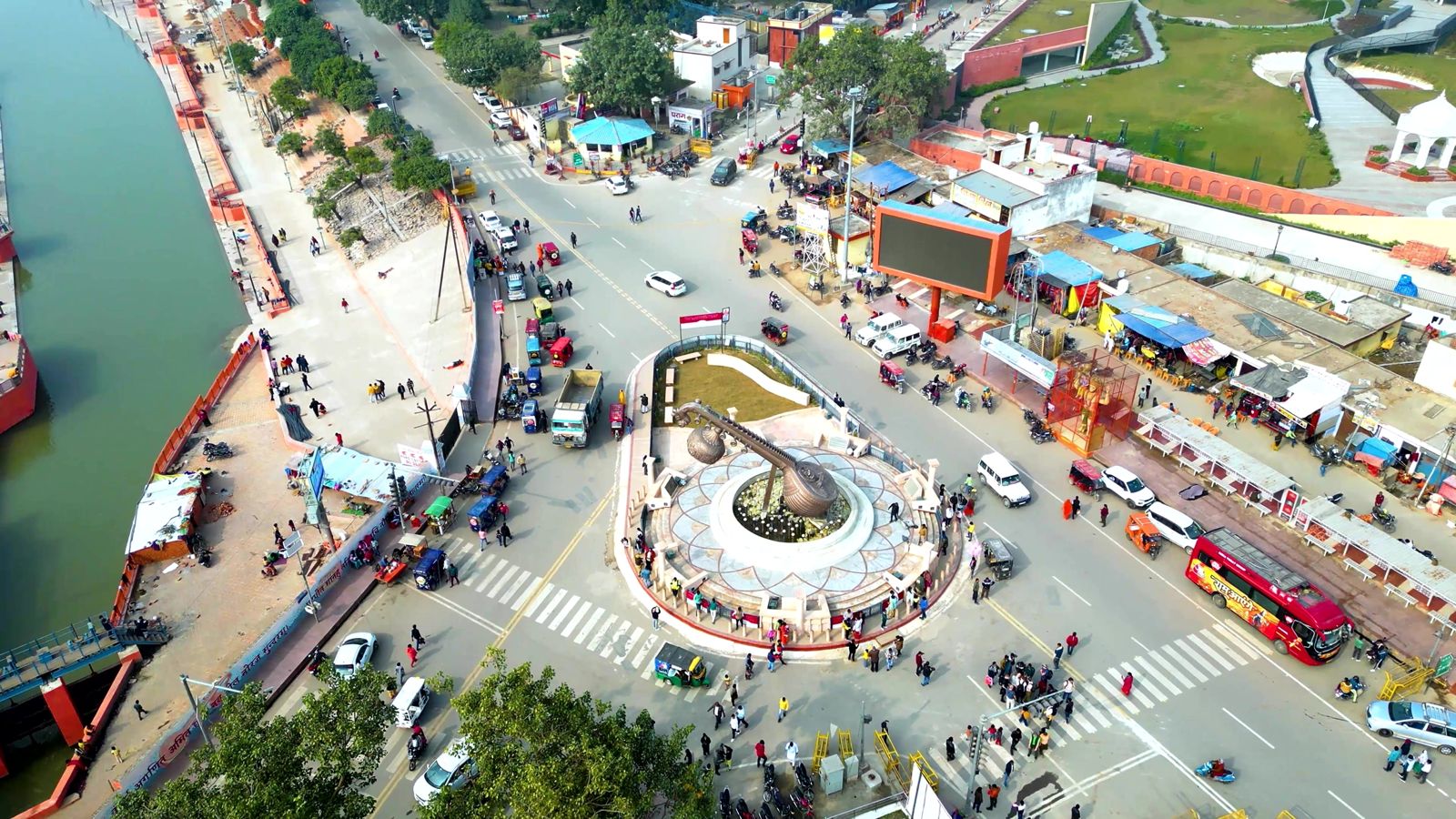 7D / 6N
Lucknow Ayodhya Allahabad Varanasi Tour
- Enjoy Ganga Boat Ride
- Visit Bara Imambara
 19D / 18N
12 Jyotirlinga Tour Package from Delhi
- All Jyotirlinga darshans
- Ganga Aarti experiences
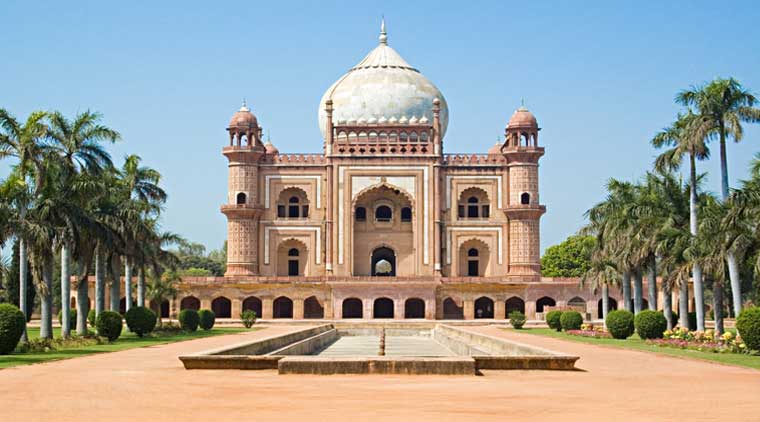 4D / 3N
Delhi Agra Varanasi Tour Package
- Visit Taj Mahal
- Visit Fatehpur Sikri
 18D / 17N
12 Jyotirlinga Tour Package from Mumbai
- Transparent and Customizable Pricing
- Smart, Time-Saving Logistics
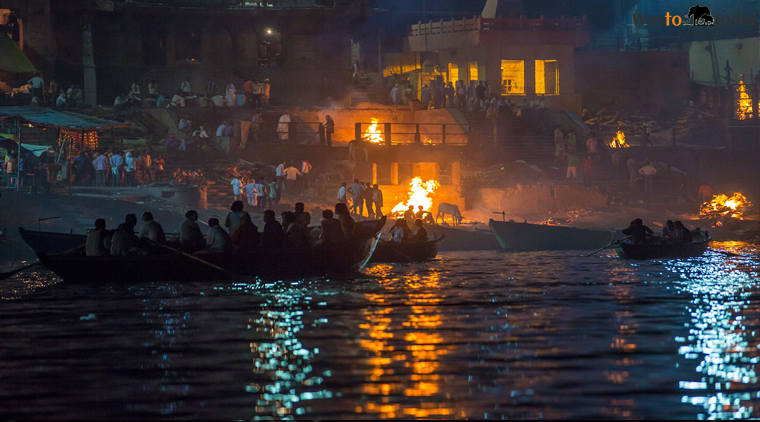 3D / 2N
Kashi Vishwanath Jyotirlinga Tour Package
- Visit Manikarnika Ghat
- Visit Kaal Bhairav Temple
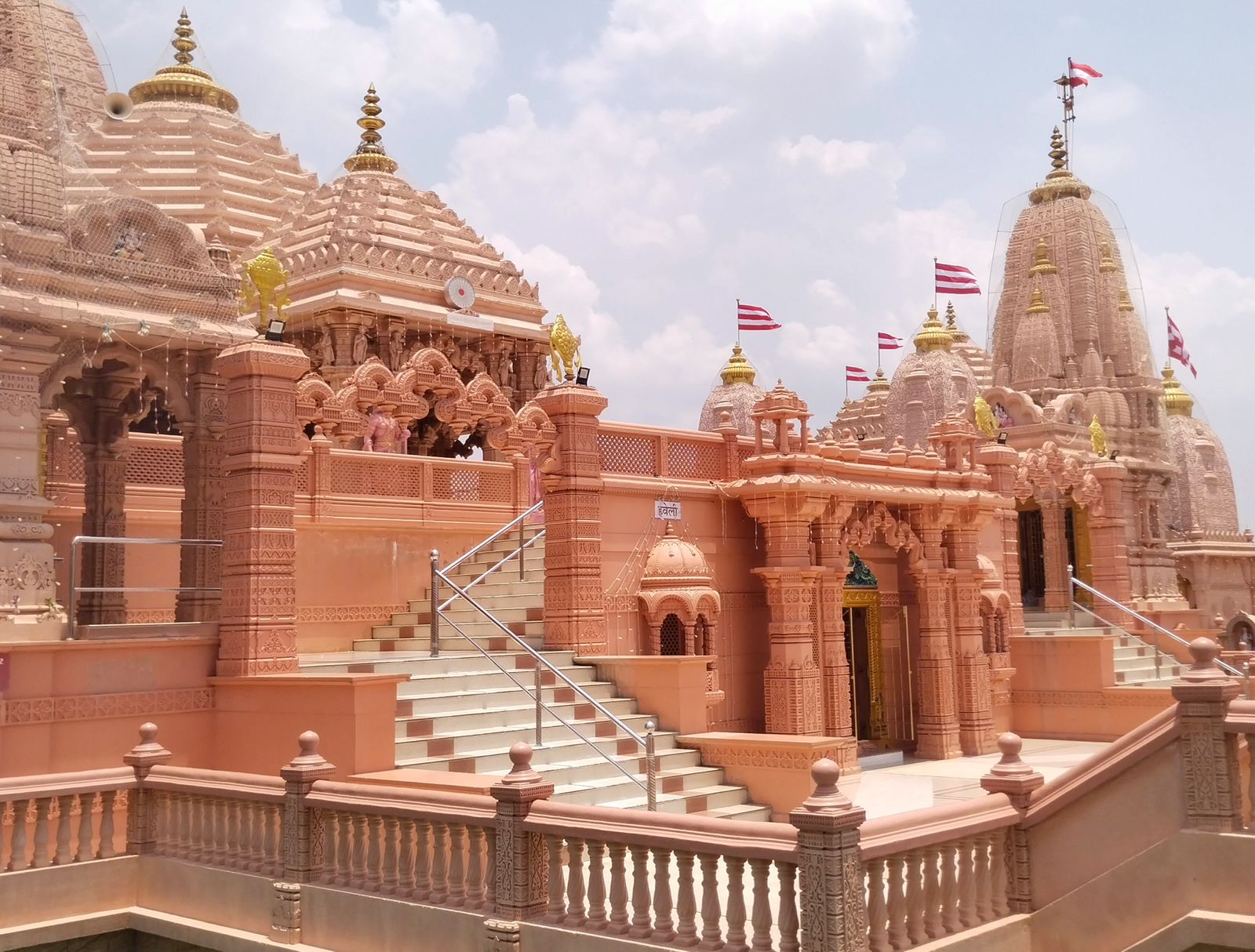 4D / 3N
Varanasi Ayodhya Tour Package
- Kashi Vishwanath Jyotirlinga Temple
- Ram Mandir