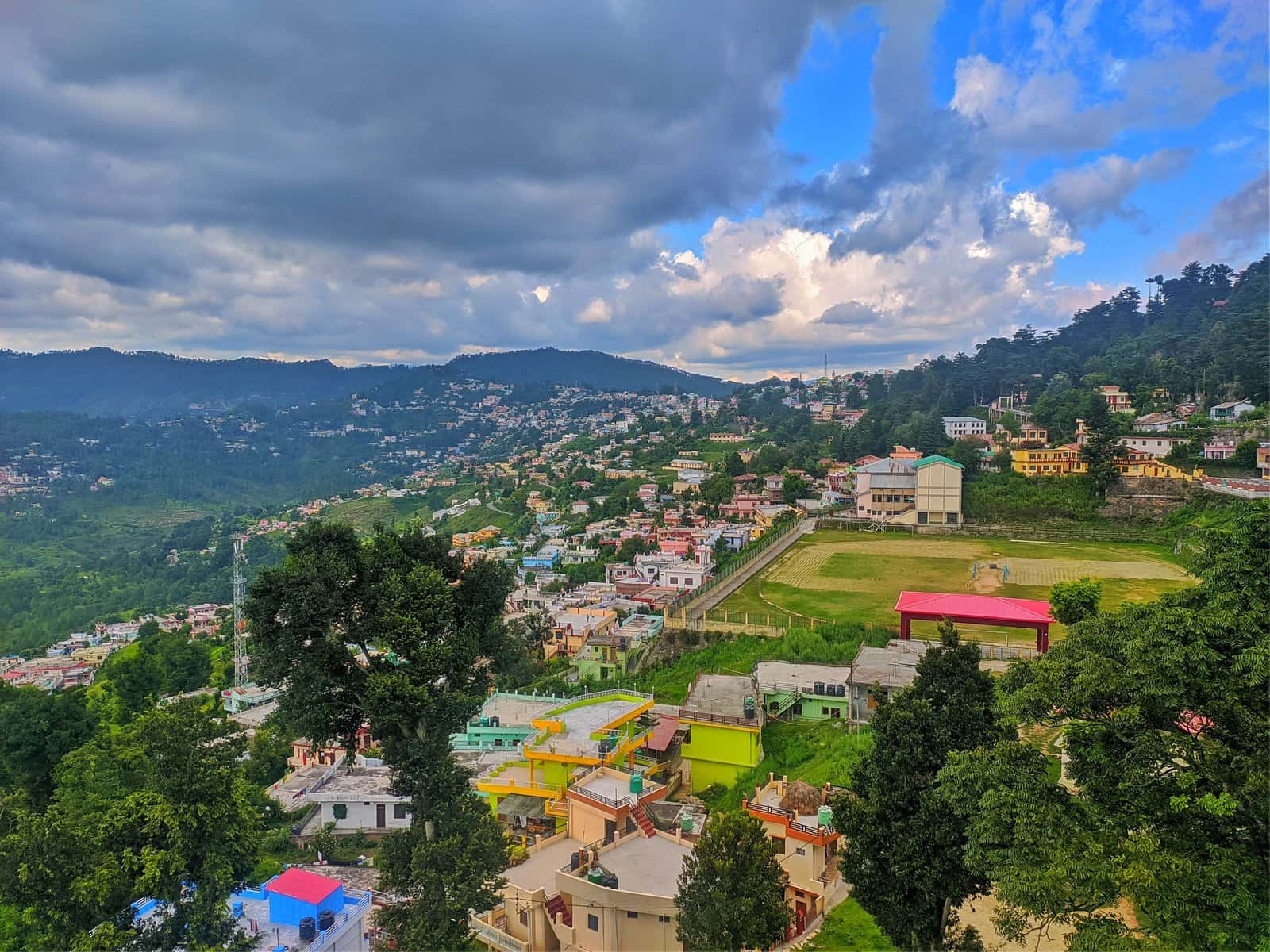
Almora Travel Guide
The comfortable windows are March to June and September to November . Spring and autumn are loveliest, winter brings cold and the odd snowfall, and the one season to plan...
When to visit Almora, and the monsoon to plan around
The comfortable windows are March to June and September to November. Spring and autumn are loveliest, winter brings cold and the odd snowfall, and the one season to plan carefully around is the monsoon.
- March to June: spring into early summerThe most popular window, with mild days, clear ridge views and the rhododendron and fruit blossom in the surrounding hills. The town and the Kasar Devi ridge are at their gentlest then, and the air is warm enough for the temple walks and the Jageshwar and Binsar day trips without the high-summer haze of the plains far below. Carry a light layer, as Almora's evenings stay cool even in May.
- September to November: the clear autumnAfter the monsoon clears, late September into November gives the sharpest, cloud-free Himalayan panoramas from Kasar Devi, Binsar and Kausani nearby, which is why many seasoned travellers prefer autumn. September also brings the Nanda Devi Mela in town. It cools fast as November arrives, so go earlier in the window if you want warmth and later if you want the crystal post-monsoon views.
- November to February: cold and the odd snowWinter in Almora is cold, with frosty nights and occasional snowfall around late December and January that draws a few visitors for the white-ridge views. It is quiet and atmospheric, but you should pack heavy woollens, expect short days, and accept that some camps and ridge cafes slow down. The Himalayan peaks are often at their clearest on a crisp winter morning.
- July and August: monsoon, plan with careThe monsoon brings heavy rain to the Kumaon hills, and with it a real risk of landslides and road blockages on the approach routes from Kathgodam. The hills are lush and quiet then, and prices soft, but if you travel in this window build in buffer time, avoid night driving on the hill roads, and check current road conditions before you set out.
From about July to August the Kumaon hills see heavy monsoon rain, and the winding approach roads up from Kathgodam and Haldwani are vulnerable to landslides and blockages in this window. If you travel then, give yourself extra buffer days, never drive the hill roads after dark or in heavy rain, and check the latest road status before you leave the plains. Almora is beautiful and uncrowded in the rains, but the risk on the roads is real and worth respecting, especially with parents or young children in the car.
How to reach Almora, and getting around Kumaon
Almora has no airport or railway of its own. Almost everyone arrives by road from Kathgodam, the nearest railhead about 90 km away, or drives up from Delhi. Pantnagar is the nearest, but limited, airport.
- By train to Kathgodam, then roadKathgodam is the nearest broad-gauge railhead, about 90 km from Almora by the district administration's figure, a winding drive of roughly 2.5 to 3.5 hours up through the hills. From Delhi, the New Delhi to Kathgodam Shatabdi is the fastest daytime train and the Ranikhet Express runs overnight from Old Delhi, reaching Kathgodam early in the morning. Reconfirm current timings on IRCTC, as schedules change. We arrange the car and driver from the station.
- By road from DelhiDelhi is about 360 to 377 km by road, roughly 8 to 9 hours, via Moradabad, Haldwani and the hill climb past Bhowali. A private car with an experienced hill driver is the most comfortable option, and we can arrange it. The last stretch is a slow, winding ascent, so it is not a road to rush after dark or in the rain, and most travellers prefer to start early.
- By air via PantnagarPantnagar is the nearest airport, about 127 km from Almora, with limited and changeable flights, so check current routes before relying on it. There are no flights into Almora itself, and Delhi, about 360 to 377 km away, is the practical and reliable airport for most travellers and the main international onward hub. A small helipad at Tatic, about 9 km from town, sees occasional Pawan Hans services.
- Getting around Kumaon from AlmoraAlmora is the natural hub for the wider circuit: Nainital is about 66 km away by the official figure, Kausani about 46 to 52 km, Ranikhet about 45 km, Jageshwar about 36 km and Binsar about 30 km. Shared jeeps and taxis run the main routes from the Almora taxi stand, and a hired car for the day is the simplest way to fold in the temples and the forest, since shared transport thins out on the side roads.
Fly into Delhi, the main international gateway, then reach Almora by the Kathgodam Shatabdi or an overnight train and a taxi up, or by road. Almora has no direct international flights, and Pantnagar's limited flights are best left out of a tight international plan.
Fly into Delhi and continue by train to Kathgodam or by road. The Kathgodam Shatabdi is the fastest daytime train, and the overnight Ranikhet Express is comfortable for those who want to wake near the hills before the drive up to Almora.
Take a direct train to Kathgodam from Delhi and beyond, then a 2.5 to 3.5 hour taxi up to Almora, or self-drive from Delhi. Shared jeeps and state buses run from Kathgodam and Haldwani up to Almora for the budget traveller.
The bell temple, the Kasar Devi ridge, and the ancient shrines
Almora's sights are its temples and its ridge: the bell-hung Chitai Golu Devta, the bohemian Kasar Devi, the Nanda Devi temple in the bazaar, and the ASI temple clusters at Jageshwar and Katarmal nearby.
- Chitai Golu Devta, the temple of bells and justiceAbout 8 km from town on the Pithoragarh road, this is Almora's most distinctive sight. The district administration's own page describes it as easily recognised by the sheer number of copper bells hung across its premises. Devotees come to Golu Devta, revered as a god of justice and a form of Bhairav, to leave written petitions and letters seeking a fair outcome, then hang a bell when a wish is granted. Read it as a living tradition, walk quietly, and ask before photographing people at prayer.
- Kasar Devi and the Crank's RidgeOn a ridge about 8 km by hike or roughly 10 km by road above Almora, the small Kasar Devi temple sits amid pine where Swami Vivekananda is documented to have meditated in the 1890s. The ridge later drew Tibetologists, mystics and, in 1961, the Beat poets, earning the nickname Crank's Ridge. The honest story, and the famous Van Allen belt claim, is in the keepsake and the experiences section below; for most visitors it is the calm walk, the sunset and the cafes that make it.
- Nanda Devi temple in the bazaarIn the heart of the old town near Lal Bazaar, the Nanda Devi temple honours Nanda, the patron goddess of the Chand dynasty that ruled Kumaon from Almora. It is the focus of the Nanda Devi Mela each September around Nanda Ashtami, one of the region's biggest fairs, and is an easy, level walk from anywhere central, well worth pairing with a wander through the stone-paved bazaar.
- Jageshwar and Katarmal, the ASI templesTwo ancient temple groups near Almora are protected by the Archaeological Survey of India. Jageshwar Dham, about 36 km out in a deodar forest, is a cluster of over a hundred stone temples dated to around the 8th century onward. Katarmal Sun Temple, about 12 to 17 km away, is a stone sun temple the ASI dates to the 12th to 13th century. Both are covered in detail in the experiences and itinerary sections.
Almora's temples are working places of worship, not museum pieces. Remove shoes where asked, dress modestly with shoulders and knees covered at the shrines, keep your voice low, and ask before photographing priests or worshippers, particularly at Chitai and in the bazaar. At Chitai, if you want to leave a petition, do so respectfully and follow what local devotees do. A little courtesy turns a quick stop into a genuine encounter with Kumaoni faith, which is the real reason to come.
Signature experiences in and around Almora
Beyond the temples, these are the experiences people remember in Almora, and how to do each one well rather than the rushed, photo-stop version.
- Sunset on the Kasar Devi ridgeThe signature Almora experience: a slow late-afternoon walk along the Kasar Devi ridge, a chai or coffee at one of the small cafes, and the long Himalayan horizon turning gold as the light drops. The pine-scented ridge is quiet and unhurried, and many travellers stay a night or two up here just for the mornings and evenings. Carry a warm layer, as the ridge cools fast once the sun is down.
- The Chitai bells, done respectfullyAt Chitai Golu Devta, the experience is the atmosphere: thousands of copper bells, the written petitions tied up around the shrine, and the quiet faith of the people leaving them. Walk slowly, take in the scale of it, and if you wish to leave a petition or a bell follow what the local devotees do. It is one of the most distinctive temple experiences in the Kumaon hills and costs nothing to witness.
- A Jageshwar deodar-forest temple dayAbout 36 km out, the Jageshwar Dham cluster of over a hundred ancient stone temples sits in a cool, dim deodar forest in the Jataganga valley, an ASI-protected site of real antiquity. Give it a half to full day, walk the Jageshwar and Dandeshwar groups, and let the forest and the carved stone do their work. It is the single best reason to base in Almora rather than treat it as a one-night stop.
- A forest morning at BinsarBinsar Wildlife Sanctuary, about 30 km from Almora and managed by the Uttarakhand Forest Department, is oak and rhododendron forest with the Zero Point viewpoint, a short walk that on a clear day frames Nanda Devi, Trisul and a long sweep of the high Himalaya. Entry and vehicle fees are charged at the gate and vary, so confirm the current rates with the forest department, and go on a clear early morning for the peaks.
- Tasting Almora's sweets in Lal BazaarAlmora is famous for Bal Mithai, the brown roasted-khoya fudge studded with tiny white sugar balls, born here in Lal Bazaar in the early 20th century. Buy it from the well-known Kheem Singh Mohan Singh Rautela or Joga Lal Sah shops and carry a box home. Try the cone-shaped singori too, sweet khoya wrapped in a fragrant malu leaf, but eat that one fresh in town, as it does not keep.
- The Katarmal Sun TempleAbout 12 to 17 km from Almora, the ASI-protected Katarmal Sun Temple, locally Bara Aditya, is a stone sun temple the ASI dates to the 12th to 13th century, ringed by around 44 smaller shrines on a raised platform. It is quieter and less visited than Jageshwar, reached by a short walk up from the road, and rewards anyone who likes old stone and a view without a crowd.
If you do only one thing slowly, make it the Kasar Devi ridge at either end of the day. The sunrise and sunset light over the Himalayan horizon, with the pines and the small temple and a cup of something warm, is what people remember long after the bazaar and the drive fade, and it costs nothing. Give yourself an unhurried morning and evening up here, and Almora opens up as the calm, soulful heart of Kumaon in a way a single rushed night never allows.
Where to stay in Almora, and how many nights
Stay in the town near the bazaar for convenience and the temples, up on the Kasar Devi ridge for calm and the Himalayan horizon, or inside the Binsar forest for the wild night. Two to three nights is the sweet spot.
- Almora town: convenient and centralStaying in or near the town puts you a walk from Lal Bazaar, the Nanda Devi temple and the sweet shops, with the taxi stand for the day trips close by. The government KMVN Tourist Rest House on Mall Road is a dependable mid-range base with a dormitory option. The town is the practical choice for a short stay or for seniors who want the temples and the bazaar within easy reach, though it is busier and less scenic than the ridge.
- Kasar Devi ridge: calm, bohemian, with the viewAbout 8 to 10 km up, the Kasar Devi ridge is the traveller's choice: quiet guesthouses, eco-lodges and bohemian cafes strung along a pine ridge with the long Himalayan horizon. It is calmer and cooler than town and the natural place for a longer, slower stay, but you will need transport down to the bazaar and the signal can be patchy. Best for couples, long-stay travellers and anyone who wants the sunsets.
- Binsar forest: the wild nightFor a night inside the trees, the KMVN Tourist Rest House within Binsar Wildlife Sanctuary, and a handful of upscale forest lodges, put you among the oaks with the Himalayan view at dawn. It is remote and basic-to-boutique depending on the property, with the sanctuary gate and its fees to factor in, so it suits travellers who want the forest morning more than the convenience of town.
- How many nightsTwo to three nights is the right length: one for the town, the bell temple and the bazaar, one for the Kasar Devi ridge and a Jageshwar or Binsar day, and a third to slow down or add the other day trip. A single rushed night, the way most Kumaon packages do it, lets you see the town but misses the temples, the forest and the ridge that are the real Almora.
The single decision that shapes an Almora trip is town versus Kasar Devi ridge. Pick the town if you want the temples, the bazaar and the sweet shops on your doorstep, a short stay, or easy access for older travellers. Pick the ridge if you want calm, pine air, the Himalayan horizon and a slower few days, and do not mind a short drive down for the bazaar and a patchier phone signal. Many travellers split the difference with a night in each, which gives you both the culture and the quiet.
Almora costs and a realistic daily budget
Almora is gentle on the wallet apart from the drive in and the day-trip car. Here is what the main things cost, so you can plan and confirm the figures that move.
- Stays across the rangeBudget guesthouses on the Kasar Devi ridge run from roughly 500 to 1,500 rupees a night as an estimate, hostels and dorms from about 600 to 800 rupees, and mid-range and boutique stays from about 3,000 rupees upward, with the forest lodges at Binsar higher again. These are seasonal estimates that rise on long weekends and in peak season, so book ahead and reconfirm the current rate when you reserve.
- The temples are mostly freeThe town's headline sights cost little: the Nanda Devi temple, the Chitai bell temple and the Kasar Devi ridge are free to visit, and the ASI temples at Jageshwar and Katarmal are low-cost or free. The one paid line among the sights is Binsar, where the Uttarakhand Forest Department charges entry and a vehicle fee at the gate; these vary between sources, so confirm the current rates at the gate rather than trusting an old figure online.
- The day-trip car is the big lineBecause the best of Almora is the temples and forest around it, a hired car or shared jeep for the Jageshwar, Binsar and Kausani runs is usually the largest single cost. Shared jeeps from the taxi stand are the budget way on the main routes; a private car for the day is more comfortable for the temple loop. Agree the route and the day rate before you set off and the only friction disappears.
- Cash, cards and the sweetsCafes, hotels and bigger shops in town take cards or UPI, but the bazaar, the sweet shops, the shared jeeps and small eateries run largely on cash, and the Kasar Devi ridge is more cash-based still. There are bank ATMs in Almora town, so draw enough before heading up to the ridge or out to the forest, and keep small notes for the Bal Mithai and the tea stalls.
The one figure that genuinely moves is the Binsar Wildlife Sanctuary entry and vehicle fee, which the Uttarakhand Forest Department sets and which different websites quote differently. Do not trust an old rupee figure copied across blogs; confirm the current entry and vehicle rates at the sanctuary gate or with your operator before you go. Everything else in Almora is modest and largely cash-based, so draw cash in town, agree your car day rate first, and the budget side of the trip holds no surprises.
Practical logistics: money, signal, transport and the sweets to carry
The small things that make an Almora day smooth, from ATMs and the patchy ridge signal to shared jeeps, the bazaar, and which sweet keeps and which does not.
- Money and ATMsBank ATMs are in Almora town, and cards and UPI work in hotels, cafes and bigger shops. The bazaar, the sweet shops, the shared jeeps and the Kasar Devi ridge run largely on cash, though, so draw what you need in town before heading up to the ridge or out to Binsar and Jageshwar, where ATMs are scarce or absent.
- Phone signal, especially on the ridgeCoverage in Almora town is generally fine for calls, maps and data, but it thins out on the Kasar Devi ridge and inside the Binsar forest, where signal can be patchy or absent. Download offline maps before you head up, tell someone your plan for a forest or temple day, and do not count on a strong signal once you are off the main town.
- Getting around: shared jeeps and taxisShared jeeps and taxis run from the Almora taxi stand to Kasar Devi, Jageshwar, Binsar, Ranikhet and Kausani, and are the local way to move. They are cheap but run to their own rhythm and thin out on side routes, so for the temple-and-forest day trips a hired car for the day is more reliable. The town core and the bazaar are best explored on foot.
- The sweets: what keeps and what does notBal Mithai keeps for several days and travels well, so it is the box to carry home, bought from the Kheem Singh Mohan Singh Rautela or Joga Lal Sah shops in the bazaar. Singori, the khoya cone wrapped in a malu leaf, is meant to be eaten fresh within a day or two, so enjoy that one in town rather than packing it for a long journey, when it will not survive the trip.
Safety on the roads, the cold, and staying well
Almora is a gentle, welcoming hill town, but winding roads, the monsoon, the cold and the altitude ask for a little care. A few habits keep the trip happy and safe.
- The hill roads, in rain and at nightThe approach from Kathgodam and the day-trip roads to Jageshwar, Binsar and Kausani are winding mountain roads, and from about July to August they are prone to landslides and blockages. Avoid night driving on them, build buffer time in the monsoon, prefer a local experienced driver to a tiring self-drive, and check road conditions before you set out in the rains.
- The cold, the sun and the altitudeAt roughly 1,638 to 1,651 metres the air is cooler and the sun stronger than the plains, so use sun protection on the open ridges and carry water on the temple walks. Evenings are cool even in the warm months and genuinely cold in winter, so pack layers and heavy woollens for a November to February visit. The altitude is gentle, but take the steep bazaar steps slowly if you are not used to hills.
- Leeches and the forest in the monsoonIn the monsoon the forest trails around Binsar and Jageshwar can have leeches, and the paths are slippery. Wear closed shoes, carry a little salt or repellent if you are walking in the wet months, stay on the marked trails in the sanctuary, and respect the wildlife and the forest department's rules. In any season, keep an eye on the weather before a forest walk.
- Everyday care and respectAlmora is largely trouble-free, and the usual friction is the winding roads and the weather rather than crime. Take the usual care with belongings in the busy bazaar, agree taxi and jeep rates in advance, drink bottled or filtered water and take care with street food to keep stomachs settled, and treat the temples and the people leaving petitions at Chitai with quiet respect.
Almora is one of the gentler North India hill towns for solo and women travellers, with a long history of long-stay visitors on the Kasar Devi ridge and a calm, small-town feel. Standard precautions apply: prefer the busier lanes and the main bazaar after dark, keep someone informed of plans for a forest or temple day where the signal is poor, and use registered taxis and shared jeeps from the stand. The main thing to manage here is the roads and the weather, not personal safety.
Almora for every kind of traveller, and on access
Almora rewards very different visitors in different ways. Here is what it offers you, and the one tip that matters for each, including how a senior visits the temples comfortably.
- CouplesSlow, soulful and unspoilt: the Kasar Devi ridge at sunset, the cafes, the pine air and the deodar forest at Jageshwar. An overnight on the ridge rather than a day trip lets you catch both the sunset and the early-morning Himalayan horizon, which is the heart of an Almora trip for two.
- Families with childrenEasy and cultural, with the bell temple at Chitai, the bazaar and the sweets, and a gentle forest morning at Binsar. The walks to the temples and viewpoints are short, and the Bal Mithai and singori are a hit with children. Keep little ones close on the bazaar steps and the forest trails, and build in a slow pace rather than racing the day trips.
- Senior travellers and on accessibilityVery doable with planning. Stay central in town to keep the temples and bazaar within an easy, flat walk, use a hired car for the day trips rather than the shared jeeps, and take the steep bazaar steps slowly. Chitai and Kasar Devi involve some short walking and steps, so go at a gentle pace in the cool of morning, and skip the steepest viewpoints if comfort matters. The pace of Almora suits older travellers well.
- Backpackers and long-stay travellersThe Kasar Devi ridge is a long-loved budget base, full of cafes, hostels and guesthouses, a slow-travel scene and the calm to settle for days or weeks. Easy to reach by train to Kathgodam and a shared jeep up, it is one of the gentlest places in Kumaon to slow right down, write, walk and watch the mountains.
- Solo female travellersGenerally relaxed and well used to independent and long-stay travellers, especially on the Kasar Devi ridge. Dress modestly at the temples, prefer the busier bazaar lanes after dark, keep someone informed of forest and temple-day plans where the signal is poor, and use registered taxis and shared jeeps. One of the easier Kumaon towns to travel alone.
- PhotographersThe Himalayan horizon from Kasar Devi and Binsar at dawn, the copper bells and petitions at Chitai, the carved stone and deodar forest at Jageshwar, and the old bazaar all reward a good lens. October and November give the clearest post-monsoon light, and dawn on the ridge is the quiet hour. Ask before photographing people at prayer.
A suggested Almora itinerary
How to shape two or three unhurried days around the town, the ridge and the temples, and how to grow it into a five-to-seven-day Kumaon trip with Nainital and Kausani.
- Day one: the town and the bell templeSettle in, then walk Lal Bazaar and the Nanda Devi temple, buy a box of Bal Mithai, and drive out to Chitai Golu Devta in the afternoon for the bells and the petitions. End the day up on the Kasar Devi ridge for the sunset over the Himalayan horizon, with a chai at one of the cafes.
- Day two: Jageshwar in the deodar forestGive the day to Jageshwar Dham, about 36 km out, walking the cluster of over a hundred ancient stone temples in the cool deodar forest, with a stop at the Katarmal Sun Temple on the way back if time allows. It is the day that justifies basing in Almora rather than passing through, so do not rush it.
- Day three: a forest morning at BinsarDrive the 30 km to Binsar Wildlife Sanctuary for an early forest morning and the Zero Point viewpoint, with its long sweep of the high Himalaya on a clear day. Confirm the gate fees first, go early for the peaks, and come back for a slow afternoon on the Kasar Devi ridge or in the bazaar.
- The five-to-seven-day Kumaon versionFold Almora into the wider circuit: pair it with Nainital, about 66 km away, for the lake and the ropeway, and Kausani, about 46 to 52 km, for one of the finest Himalayan panoramas in India. Add Ranikhet for its calm cantonment and golf course. This is the trip that justifies coming all the way from Delhi or from abroad, rather than a single rushed night.
The single mistake most Kumaon itineraries make is giving Almora one night between Nainital and Kausani, which sees the town but misses everything that makes it special. The temples at Jageshwar and Katarmal, the forest at Binsar, the bell temple at Chitai and the Kasar Devi ridge are all day trips or short hops from here, so plan Almora as the cultural base of your Kumaon trip and give it two to three nights. You will come away with the part of Kumaon that the package tours drive straight past.
The real questions travellers ask about Almora
Straight answers to the questions that come up again and again on traveller forums, so you arrive already knowing the score on the town, the ridge and the famous Kasar Devi legend.
- Is Almora worth it, or just go to Nainital?They are different trips. Nainital is the lake-and-ropeway hill station; Almora is the quieter, cultural heart of Kumaon, with the temples, the bazaar, the Kasar Devi ridge and the deodar shrines at Jageshwar. If you want bustle and boating, go to Nainital; if you want calm, culture and the Himalayan horizon, Almora rewards you, and the best trips do both, about 66 km apart.
- Town or Kasar Devi, and how many days?Stay in town for the temples, the bazaar and easy day trips, or up on the Kasar Devi ridge for calm, cafes and the sunset, or split a night in each. Give Almora two to three nights to take in the town, the bell temple, a Jageshwar or Katarmal temple day and a Binsar forest morning, rather than the single night most packages allow.
- Is the Bob Dylan and NASA Van Allen story true?Be honest with yourself here. Kasar Devi genuinely drew Vivekananda, Tibetologists, mystics and the 1961 Beat poets, and Timothy Leary is credited with the Crank's Ridge name. But the claim that NASA confirmed a rare Van Allen belt dip here, one of three on earth, has no scientific source, and the Bob Dylan and similar visits are widely-repeated lore rather than documented fact. Enjoy the ridge for its calm and its history, and take the cosmic claims with a smile.
- Can I do Jageshwar as a day trip?Yes, easily. Jageshwar Dham is about 36 km from Almora, a half to full day with the drive, and the cluster of over a hundred ancient stone temples in the deodar forest is the best single day trip from town. Pair it with the Katarmal Sun Temple on the way if you have time, and go in the morning for the cool, quiet forest before any crowds.
- Can I use Almora as a base for Binsar?Yes. Binsar Wildlife Sanctuary is about 30 km away, an easy day trip for the Zero Point view and a forest morning, so many travellers base in Almora and visit for the day. If you want the dawn Himalayan view and a night among the trees, sleep inside the sanctuary at the forest rest house or a lodge instead, factoring in the gate fees.
- Where do I buy the original Bal Mithai?Bal Mithai was born in Lal Bazaar in Almora, and the names most associated with it are the Kheem Singh Mohan Singh Rautela shop and the older Joga Lal Sah shop, both in the bazaar area and still going. Buy a box to carry home, since Bal Mithai keeps for days, and try the fresh singori in its malu leaf while you are in town.
Planning Almora from abroad
Almora is the cultural, unhurried heart of Kumaon and a long-loved retreat for overseas seekers at Kasar Devi. The Kathgodam train approach and the town-versus-ridge choice are the two things to plan from home.
- Fly to Delhi, then train or roadDelhi is the main international gateway. From there the most comfortable approach is the Kathgodam Shatabdi (daytime) or an overnight train to Kathgodam, about 90 km from Almora, then a 2.5 to 3.5 hour taxi up the hill. Pantnagar airport, about 127 km out, is close but its flights are limited and changeable, so do not build a tight plan around it. We arrange the full transfer.
- Choose the ridge for a long, slow stayThe Kasar Devi ridge has drawn overseas seekers, writers and artists for decades, and remains a calm, bohemian base of cafes, guesthouses and yoga, with the Himalayan horizon and pine air. If you want an unhurried week rather than a quick stop, base up here; if you want the temples and bazaar on your doorstep, stay in town. Note the signal is patchier on the ridge.
- The temples and the honest Kasar Devi storyAlmora's draw is its culture: the bell-hung Chitai justice temple, the ancient ASI stone temples at Jageshwar in the deodar forest, and the Kasar Devi ridge with its genuine history of Vivekananda and the 1961 Beat poets. Enjoy the Crank's Ridge lore, but know the Van Allen belt and Bob Dylan claims are popular legend rather than documented fact, told honestly in our keepsake below.
- Slot it onto a Kumaon loopAlmora pairs naturally with Nainital, about 66 km away, for the lake and ropeway, and Kausani, about 46 to 52 km, for one of the finest Himalayan panoramas in India, with Jageshwar and Binsar as day trips. Fly into Delhi, train or drive up, and weave Almora in as the cultural, temple-and-ridge chapter of a five-to-seven-day Kumaon trip. We can design the full circuit end to end.
Money, connectivity and timing for foreign visitors
The practical basics an overseas traveller needs for a small hill town: cash over cards on the ridge, a SIM that thins out in the forest, and how many days to give Almora on a wider India trip.
- Carry cash, draw it in townCards and UPI work in hotels, cafes and bigger shops, but the bazaar, the sweet shops, the shared jeeps and especially the Kasar Devi ridge run largely on cash. Draw enough at the town ATMs before you head up to the ridge or out to Binsar and Jageshwar, where ATMs are scarce, and keep small notes for the sweets, the tea stalls and tips.
- Get a SIM in the city, expect gaps on the ridgePick up an Indian tourist SIM or an eSIM when you land in Delhi rather than hunting for one in a hill town. Coverage in Almora town is fine for maps, calls and booking taxis, but it thins on the Kasar Devi ridge and in the Binsar forest, so download offline maps before you head up and treat the ridge and the forest as semi-off-grid.
- How long to give it on a bigger tripOn a first Uttarakhand trip, give Almora two to three nights if it is a stop, and five to seven days if it anchors a Kumaon loop with Nainital, Kausani, Jageshwar and Binsar. A single night only really lets you see the town and the bell temple before moving on, and misses the ridge and the forest that are the reason to come.
- Time your visit to your comfortMarch to June and September to November are the pleasant windows, with autumn the clearest for the Himalayan views from Kasar Devi and Binsar. Winter brings cold and occasional snow if that is the draw; the monsoon of July and August is green but carries a landslide risk on the roads, so plan it carefully or avoid it for an easy trip.
Almora is an unusually rich introduction to the Indian hills: a walkable old bazaar, a bell temple unlike anywhere else, ancient ASI stone temples in a deodar forest, and a ridge with a real counterculture history and the long Himalayan horizon, all reached by a comfortable train and a hill drive. Slot it as the cultural heart of a Kumaon trip, give it the days it deserves rather than a single rushed night, and pair it with Nainital and Kausani for a journey worth crossing the world for.
Why a Kumaon ridge became a seekers' magnet, and what is true
Above Almora runs the Kasar Devi ridge, known to travellers as Crank's Ridge or Hippie Hill. The thread that is well documented runs back to Swami Vivekananda, who is recorded to have meditated here in the 1890s; in the decades that followed the ridge drew the Tibetologist Walter Evans-Wentz, the Danish mystic Sunyata Baba, the Lama Anagarika Govinda, and, in 1961, the Beat poets Allen Ginsberg, Peter Orlovsky and Gary Snyder, with Timothy Leary credited as the source of the Crank's Ridge name. That much is real, and it is reason enough to walk the pine ridge at sunset. The famous extra claim, that Kasar Devi sits over a rare dip in the Van Allen radiation belt, one of only three such places on earth with Machu Picchu and Stonehenge, supposedly confirmed by NASA, is where honesty matters: there is no NASA paper or primary scientific source for it, the genuine near-surface dip of the inner Van Allen belt is the South Atlantic Anomaly far out over the South Atlantic Ocean, and the often-repeated visits of figures like Bob Dylan are lore rather than documented fact. So take the ridge for what it truly is, a calm, beautiful, genuinely storied place, and let the cosmic legend be the campfire tale it has always been.
Planning a Almora trip?
Our Uttarakhand travel experts plan your full journey for you: route, hotels, darshan timings and transport. You get a free day-by-day plan and an exact quote on WhatsApp, usually within a few hours. No payment is needed to get your plan.
Tour packages that visit Almora
Every journey below is private, hand-crafted and fully customizable. Tell us your dates and we tailor the itinerary, the pace and the priests or guides around you.
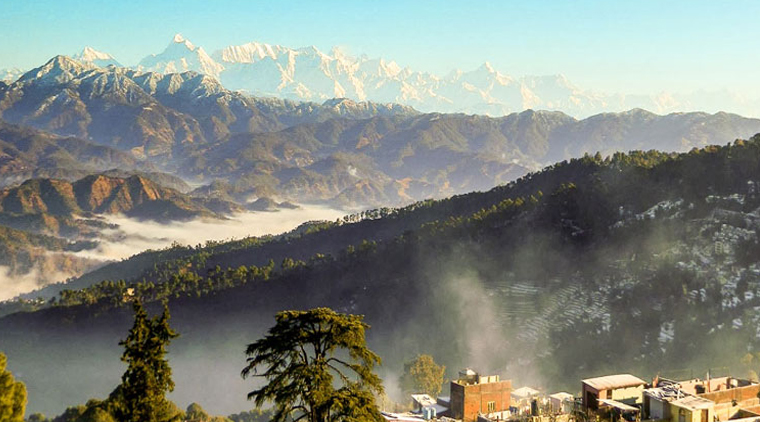 5D / 4N
Nainital Almora Kausani Tour
- Visit Naukuchiatal & Sataal
- Visit Kausani
 7D / 6N
Best of Kumaon Hill Tour
- Enjoy the Boat Ride at Naini Lake
- Visit Chaukhotia Apple Orchid
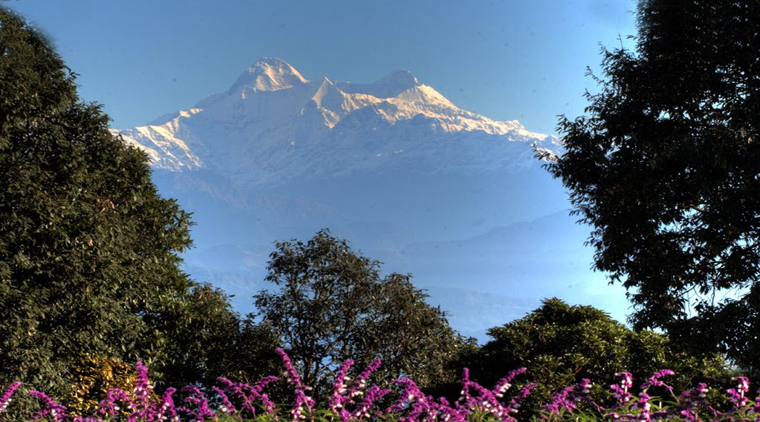 3D / 2N
Ranikhet Hill Tour
- Visit Hairakhan Temple
- Visit Kalika Tarikhet