Lansdowne Travel Guide
Lansdowne is open all year, and it is beautiful in almost every season. The months you must think hardest about are July to mid-September , when the monsoon can block the hill...
The best time to visit Lansdowne, month by month
Lansdowne is open all year, and it is beautiful in almost every season. The months you must think hardest about are July to mid-September, when the monsoon can block the hill roads.
- March to June: the classic seasonThis is when most families come. The days are warm and pleasant, the pine forest smells wonderful in the afternoon sun, and the evenings need a light shawl. If you are escaping the heat of Delhi, Haryana or western Uttar Pradesh, this is your window. Weekends fill up quickly in May and June, so book your room early.
- October and November: the clearest viewsOnce the rain has washed the sky, the Himalaya shows itself. This is the best time to stand at Tip-in-Top in the early morning and actually see the snow peaks, which is the one view that stays with you. The town is quieter than in summer and the light is lovely for photographs.
- December to February: cold, quiet and sometimes whiteNights get close to freezing and many hotels feel cold, so ask for a room heater and extra quilts before you book. Snow is possible in late December and January but it is never guaranteed at this height. Do not travel here expecting snow. Come for the empty roads, the bonfire and the silence, and treat a snowfall as a gift.
- July to mid-September: think twiceThe forest is at its greenest and the hills are full of waterfalls, but this is landslide season on the Kotdwar climb. If you still want to come, travel by day only, keep a spare day in hand, and check the weather warning on the morning you leave.
This is not a theory. On 9 July 2026 the India Meteorological Department placed seven Uttarakhand districts under a red alert, and the State Emergency Operation Centre reported traffic disrupted on 107 routes across the state after landslides and rockfalls, with Kotdwar recording about 160 mm of rain in 24 hours. If your dates fall in the monsoon, do three things on the morning you travel: check the IMD district warning for Pauri Garhwal, check the state road status, and telephone your hotel to ask what the Kotdwar to Lansdowne road is like today. A local hotel owner will always tell you the truth about the road, because he does not want you stuck on it.
How to reach Lansdowne from Delhi, Kotdwar and Dehradun
There is no airport and no railway in Lansdowne. Everybody arrives through Kotdwar, the little railhead at the foot of the hill, or drives up from Delhi.
- By train to Kotdwar, then up the hillKotdwar, station code KTW, is the nearest railhead and it is the main entry point for this side of Garhwal. Two daily trains serve it from the Delhi side, and they leave from two different stations, so please read your ticket carefully. The 12038 Siddhabali Jan Shatabdi leaves Old Delhi (station code DLI, not New Delhi) at about 7 am and reaches Kotdwar at about 1:50 pm, a run of roughly 238 km. This is the ideal train, because it puts you on the hill road in good daylight. The 14089 express leaves Anand Vihar Terminal at about 9:45 pm and reaches Kotdwar at about 4 am, which means sitting at a dark station until light. Book on IRCTC and reconfirm the timings and the running days before you travel.
- Kotdwar to Lansdowne: the last 40 kmThe climb is about 39 to 45 km and takes roughly 1 to 1.5 hours through Dugadda and Jaiharikhal. A shared jeep or Sumo is commonly reported at about 150 to 200 rupees per person and a private taxi at roughly 1,500 to 2,200 rupees. Buses run through the day. The service thins out badly after dusk, so plan to be at Kotdwar by mid-afternoon if you do not have your own car.
- By road from DelhiIt is roughly 250 to 280 km and, on a good day with an early start, about 6 to 7 hours by car via Meerut, Bijnor and Kotdwar. Leave Delhi before sunrise. The last stretch is a winding hill road with blind curves, so it is far better to arrive in daylight than to save an hour by starting late.
- By airThe nearest airport is Jolly Grant at Dehradun, but it is roughly 150 km away by road and the drive is long, so most travellers from abroad fly into Delhi instead and then drive or take the train. There are no flights to Lansdowne itself and no helicopter service.
Fly into Delhi, rest a night, then take the morning Jan Shatabdi to Kotdwar or hire a car with a driver for the day. Lansdowne pairs beautifully with Rishikesh and Haridwar on a first Himalayan foothills trip.
Fly into Delhi or Dehradun (Jolly Grant). From Dehradun you can loop Rishikesh, then come across to Lansdowne, then drop down to Kotdwar for the train back to Delhi.
Take a train to Kotdwar and a shared jeep or taxi up the hill, or drive from Delhi, Meerut or Chandigarh. Weekend traffic is heaviest on Friday evening and Sunday afternoon.
The regimental sights, the churches and the viewpoints
Lansdowne is small, so you can see everything in a day. The two sights you must time correctly are the Darwan Singh Museum and the Garhwal Rifles War Memorial.
- Darwan Singh Museum, the pride of the townThe regimental museum, also called the Garhwali Museum, is run by the Garhwal Rifles Regimental Centre near the Parade Ground. Inside you will see old uniforms, weapons, photographs and the citations of the regiment's bravest men. The Ministry of Tourism listing gives the hours as about 8 am to 1 pm and again about 3 pm to 6 pm, so it shuts in the middle of the day. Please read the honesty note below before you fix your day around it. The ticket is nominal, photography inside is generally not allowed, and you should leave your camera and phone in your bag.
- The Garhwal Rifles Regimental War MemorialIn the Parade Ground stands the memorial raised in 1923 by Lord Rawlinson, then Commander-in-Chief in India, carrying the names of the men of the regiment who did not come home. The listed hours are about 9 am to 12 noon and about 3 pm to 6 pm, and it is closed on Sundays and public holidays. Stand quietly, do not treat it as a photo stop, and let the children read a name or two.
- Bhulla Tal, the Army's little lakeA small artificial lake made and looked after by the Indian Army, about 2 km from the market, named for the younger brother, the bhulla, of Garhwali speech. There is boating on duck-shaped boats, a children's park and a simple cafe. It is a gentle, happy hour, especially with small children, and the money you pay supports Army welfare.
- Tip-in-Top and the churchesTip-in-Top, also written Tiffin Top, is the viewpoint everybody climbs for the sunrise and the far snow line. On the way stands St Mary's Church, maintained by the Army, and down on Mall Road is St John's Church, a Roman Catholic church established in 1936. Together they give Lansdowne its old-world, colonial air, which is exactly why it feels different from every other hill station.
- Bhim Pakora and Santoshi Mata TempleBhim Pakora is a big rock resting on a smaller one, about 1.5 to 2 km on foot below the main market, and the local belief is that Bhima of the Mahabharata balanced it there. Push it and it seems to move. Santoshi Mata Temple, a short walk from the market, is the best place to sit at sunset with a quiet mind.
Take the war memorial first, because this one is firm. The Ministry of Tourism listing states the opening time as about 9 am to 12 noon and about 3 pm to 6 pm, and it says in plain words that the memorial is closed on holidays and Sundays. If you drive up on a Sunday morning for a day trip, which is exactly what most Delhi weekenders do, you will find the memorial gate shut. Now the museum, and here we will be honest with you rather than confident. The same Ministry of Tourism listing gives about 8 am to 1 pm and about 3 pm to 6 pm, so it closes for the middle of the day. But several travel websites state something quite different, that the museum runs about 9 am to 5 pm and is closed on Wednesday, and one or two also say that children below the age of 10 are not admitted. We could not find any Army, regimental or Cantonment Board page that publishes an official timing board or a holiday list, so nobody on the internet can honestly settle this for you, and any page that sounds certain has not checked. Do this instead: build your trip so that you reach Lansdowne on Saturday, keep a working morning free for both sights, and telephone your hotel the evening before to ask whether the museum is open tomorrow. A local hotel owner knows, and it costs you one phone call to save a wasted morning.
Signature experiences: darshan, deodar forests and doing nothing
Lansdowne does not have adventure parks or a mall. What it gives you is silence, forest air, a great darshan and the story of a regiment. Slow down and it becomes unforgettable.
- Darshan at Tarkeshwar MahadevThis is the experience of the region. An ancient temple of Lord Shiva, described by the Pauri Garhwal district administration as about 36 km from Lansdowne, standing inside a deep forest of deodar and pine. The drive takes roughly 1.5 to 2 hours each way on a narrow hill road. Go early, sit for a while in the cool shade of those old trees, offer your prayer without hurrying, and start back with plenty of daylight left. A special worship is held on Mahashivratri, and the temple committee runs a dharamshala if you wish to stay the night.
- Sunrise at Tip-in-TopWrap up warm, walk or take a short taxi up past St Mary's Church, and wait. On a clear morning, particularly in October and November, the Garhwal snow peaks come up out of the mist. There is no ropeway and no lift, so the last part is a walk and some steps. Take it slowly and it is easy enough for most people.
- The morning at the museum, with your familyIf you are travelling with your parents or your children, give the Darwan Singh Museum a proper hour, not ten minutes. Read the citation of Darwan Singh Negi, who was among the first Indian soldiers to receive the Victoria Cross, for his bravery at the Battle of Festubert. Many Garhwali families in this town have a son or a father in the regiment, and you will feel it.
- Walk the forest lanes and do nothingThe best hours in Lansdowne are the ones with no plan. Walk the quiet cantonment roads under the oak and pine, listen for birds, stop for a cup of tea and a plate of hot pakoras in the small market, and let the day pass. Travellers who arrive with a checklist leave disappointed. Travellers who arrive tired leave repaired.
- Boating at Bhulla Tal with the childrenHalf an hour on the water, a walk around the little lake, a cold drink at the cafe, and the children are happy. It is not a grand lake. It is a well-kept, friendly one, made by soldiers, and there is something rather moving about that.
- A short trek to Bhim PakoraAbout 1.5 to 2 km down from the market and back up again, through a forest path, ending at the famous balanced rock. Go in the cool of the morning. Remember that the return leg is all uphill, so carry water and do not attempt it in the afternoon heat of May and June.
If you do only one thing slowly in Lansdowne, make it the drive to Tarkeshwar Mahadev. Do not treat it as a tick on a list squeezed in after lunch. Leave by about 8 am, take a packed breakfast, drive gently through the deodar forest, have your darshan without a crowd pressing behind you, and sit for ten minutes on the temple steps afterwards. You will come back down the hill quieter than you went up, and that is the whole reason people love this little town.
Where to stay in Lansdowne, and how many nights to book
Stay near the market and the Mall for convenience, or take a forest-edge resort for quiet and views. Two nights is the sweet spot.
- Near the market and Mall RoadBest if you have come without a car. From here you can walk to the museum, the memorial, the churches and the little bazaar, and taxis are easy to find. Rooms are simpler and the views are limited, but you are in the middle of everything and you will not be stranded.
- Forest-edge hotels and resortsThe better resorts sit a little outside the town centre, among the pines, with valley views and bonfires in the evening. Lovely for couples and for families who want to slow down, but you will need a car or a taxi for every trip into town, and taxis are not always available late at night.
- What rooms costA simple guesthouse room runs roughly 1,000 to 2,000 rupees a night, a decent mid-range hotel about 2,500 to 5,000 rupees, and the better resorts about 6,000 to 12,000 rupees, all going up on weekends, long weekends and in May and June. These are ranges from current listings, not fixed rates, so always confirm with the property directly.
- How many nightsTwo nights is the honest answer. One night lets you see the museum, the memorial, Bhulla Tal and a viewpoint, but you will be rushing. Two nights gives you a full unhurried day in town plus a half day for Tarkeshwar Mahadev. Three nights suits anyone who has come simply to rest and read, which is what Lansdowne is really for.
The Cantonment Board runs one guest house, the Nagarjun, near the Board office, and almost no travel page will tell you it exists. The Directorate General Defence Estates, which sits under the Ministry of Defence, publishes the tariff openly: about 1,500 rupees a day for a normal double-bedded suite and about 2,000 rupees a day for a family normal suite, with much cheaper concessional rates for Cantonment Board staff, Board pensioners and elected members of the Board. We want to be careful here, because this is where other pages would overclaim. Nothing on that page says a tourist may not stay. But it is a very small house, official guests naturally come first, and there is no online booking. So do not build your trip around it. Book a regular hotel, and if you are curious, telephone the number printed on the Defence Estates page and simply ask.
Lansdowne costs, and the prices nobody can tell you honestly
Lansdowne is a cheap hill station by Indian standards. The catch is that some of the ticket prices you read online are simply not reliable.
- A rough daily budget for twoExcluding your room and the long journey up, plan on about 1,200 to 2,000 rupees a day for simple food and a little local travel, about 2,500 to 4,000 rupees for a comfortable day with a hired car for sightseeing, and about 6,000 rupees and up on the day you take a full-day taxi to Tarkeshwar Mahadev. Food is homely and inexpensive, and there is very little to shop for, which keeps the bill down.
- Getting up the hillThe train to Kotdwar is the cheapest way from Delhi and should be booked on IRCTC. From Kotdwar, a seat in a shared jeep is commonly reported at about 150 to 200 rupees, and a private taxi at roughly 1,500 to 2,200 rupees. If two families travel together, one taxi split between you is comfortable and not much dearer per head.
- Tickets in townThe regimental museum charges a nominal ticket. Different travel sites quote anything from about 10 to 50 rupees and no official rate is published anywhere, so carry small change and pay whatever the counter asks. The war memorial and the churches do not charge a tourist ticket. There is nothing expensive to buy in Lansdowne, and that is part of its charm.
- Carry cashThis is a small cantonment town, not a city. There are only a few ATMs and travellers regularly report finding them out of cash on a busy weekend. Draw what you need in Kotdwar or before you leave home, keep small notes for tickets, tea and taxis, and do not assume that a card or a QR code will work everywhere.
Look up Bhulla Tal and you will be told the entry costs about 10 rupees, or about 20 rupees, or about 100 rupees, or about 250 rupees including boating. The pages contradict each other because the lake is run by the Army for welfare purposes and no rate card is published online for anyone to check. We will not add one more invented number to that pile, so here is the honest position. The older pages, which are the ones you will find first, say entry is about 10 or 20 rupees with a boat ride about 50 to 80 rupees. The most recent reports say entry is about 100 rupees per person, about 250 rupees per person if you take the boat, about 50 rupees for defence personnel, and about 100 rupees for extras such as archery. Two things follow. First, budget on the higher side, not the lower. Second, and this is where families are caught out, these figures are per person and not per family, so four of you taking the boat is a very different bill from what the old pages promise. Carry cash and pay at the counter. If a page gives you the exact price with total confidence, it has not checked it either.
Practical logistics: cantonment rules, food, signal and getting around
Lansdowne runs on Army discipline. Understand a few simple rules and everything about the town becomes easy and pleasant.
- Carry a photo ID and expect checksLansdowne is administered by the Lansdowne Cantonment Board under the Ministry of Defence, and the Station Commander of the Army is the President of the Board. This is a live military station. Carry a government photo ID for every adult, keep your vehicle papers in order, and be ready for a check at the entry to the cantonment. It is routine, it is polite, and it takes a minute.
- Do not photograph military areasPhotograph the churches, the lake, the forest and the view as much as you like. Do not photograph sentries, gates, barracks, the training centre or any military installation, and do not fly a drone. Inside the regimental museum, photography is generally not allowed. This is the one rule that visitors break out of innocence, so please tell your children too.
- Getting around townThe core of Lansdowne is small and walking is the pleasure of the place, though the lanes are steep. For Bhulla Tal, Tip-in-Top and the temples, hire a taxi for a few hours or for the full day. Do not count on finding a taxi late at night. Fix the rate before you set off, and if you plan to visit Tarkeshwar Mahadev, book the car the previous evening.
- Food and drinkExpect simple, warm Garhwali and north Indian food: hot parathas, dal, rajma, chowmein at a roadside stall, and very good tea. There are a few cafes and the hotel restaurants, and that is all. This is not a place for late-night dining, so eat by about 9 pm. Vegetarian food is easy everywhere. Carry your own snacks for the drive to Tarkeshwar Mahadev.
- Signal, power and the early nightMobile signal is generally fine in the town and weak on the forest roads and at the viewpoints. Carry a power bank. The town sleeps early: shutters come down and the roads empty by about 9 pm, which is exactly the quiet that people come here to find. Plan your evening around a hot dinner and an early night, not around going out.
The Cantonment Board is responsible for sanitation, water, roads and parks here, and it does the job better than most Indian hill stations, which is exactly why Lansdowne feels the way it does. Carry your own water bottle, take your plastic back down the hill with you, do not play loud music in the forest or at the lake, and do not pluck flowers in the cantonment gardens. You are a guest of a regiment that keeps its home very well.
Safety in Lansdowne: the road, the weather and the honest risks
Lansdowne is one of the safest towns you can visit in India. Almost every real risk here is about the road, the weather and the altitude, not about people.
- The hill road is the real riskThe Kotdwar to Lansdowne climb is a narrow road with sharp curves and steep drops. Do not drive it at night if you can help it, do not overtake on a blind bend, and if it is raining hard, wait. In the monsoon, landslides and rockfalls block roads in this district. On 9 July 2026 the state authorities reported traffic disrupted on 107 routes across Uttarakhand. Nothing on your holiday is worth being on a hill road in a cloudburst.
- Travel by day, and do not get strandedBuses and shared jeeps up from Kotdwar become scarce after dusk. Travellers on the TripAdvisor Lansdowne forum ask again and again whether they can get transport late, and the honest answer is that you may not. If your train arrives at Kotdwar in the small hours, wait at the station for daylight rather than negotiating with whoever is awake outside.
- Health, cold and altitudeAt roughly 1,700 to 1,780 metres, altitude sickness is not a concern, but the cold is real from December to February and the sun is strong in May and June. Carry warm layers, a light rain jacket in the monsoon, sun cream, and your regular medicines. The town has a small hospital and dispensary, but for anything serious you are looking at a long drive down to Kotdwar, so travel with your prescriptions in hand.
- Wildlife and the forestThese are real Himalayan foothill forests, on the edge of the Corbett and Kalagarh landscape. Leopards do move through this country. Do not walk the forest roads alone after dark, do not let children run ahead on a trail, and do not feed monkeys, which will snatch food from your hand near the lake and the market.
Lansdowne is a small Army town where everyone knows everyone, and both Indian and foreign visitors consistently report it as calm, respectful and easy. There is no tout culture, no scam industry, and no pressure to buy anything, which makes it one of the gentlest hill stations in the country for a solo woman traveller or an elderly couple. Take the standard precautions you would anywhere: stay in a proper hotel, avoid the unlit forest lanes at night, and keep your hotel's number saved on your phone.
Lansdowne for every kind of traveller, and a word on accessibility
Lansdowne suits some travellers wonderfully and disappoints others. Be honest with yourself about what you want from a holiday, and you will not be sorry.
- CouplesThis is one of the most romantic quiet breaks near Delhi. Pine forest walks, a bonfire in the evening, no crowds and no noise. If you want cafes, nightlife and shopping, you will be bored, and you should go to Mussoorie instead. If you want each other's company and a silent hillside, come here.
- Families with childrenExcellent, and better than most hill stations. Bhulla Tal with the boats and the park, the museum with its guns and medals, an easy walk in the forest, and a town where children can be children. Keep them away from the edges of the viewpoints and away from the monkeys, and you will have an easy holiday.
- Senior travellers, and on accessibilityPlease plan honestly. There is no ropeway in Lansdowne and no shortcut to any viewpoint. The lanes are steep and the last stretch to Tip-in-Top is a walk with steps. If your parents cannot manage slopes, take a hotel close to the Mall Road, hire a taxi for the whole day rather than walking, do the museum, the memorial and Bhulla Tal, which are all manageable, and enjoy the view from the hotel lawn instead of climbing for it. Nobody needs to feel they have missed Lansdowne because of that.
- Solo travellers and workation guestsVery safe, very quiet and very cheap. Many people now come for a week simply to work, read and walk. Check the internet speed with the hotel before you book, because signal is uneven, and carry a backup connection if your work depends on it.
- Pilgrims and devoteesTarkeshwar Mahadev is the reason many Indian families come, and Mahashivratri is the great day here. The temple committee runs a dharamshala, so an overnight stay near the temple is possible if you wish to be there for the early morning worship.
- Photographers and birdwatchersCome in October or November for the clear snow line at sunrise, and walk the forest roads in the early morning for the birds. Remember the rule that matters more than any picture: no photography of military areas, and no drones anywhere in the cantonment.
We would rather tell you the truth than sell you a wrong holiday. If you want a mall road with shops and lights, a big lake with a boat club, adventure activities, or a long list of famous sights, Lansdowne will feel small and empty to you, and you will spend the weekend complaining. Nainital, Mussoorie or Rishikesh will suit you better. Lansdowne is for people who want to hear nothing but wind in the pines, and for people who want to stand in front of a regiment's memorial and feel something.
A tested two-night Lansdowne itinerary
Here is how to shape two nights so that the museum and the memorial are open when you reach them, and so that Tarkeshwar Mahadev does not leave you driving in the dark.
- Day one: arrive and settleLeave Delhi very early by road, or take the morning Jan Shatabdi to Kotdwar and drive up. Reach Lansdowne by afternoon, check in, and simply walk. Tea and pakoras in the market, a look at St John's Church on Mall Road, and an early dinner. Do not plan anything else. You have had a long day and the town closes by about 9 pm.
- Day two, morning: the regimentThis is the working-day morning, so use it well. Reach the Darwan Singh Museum soon after it opens, at about 8 am, and give it a full hour. Walk across to the war memorial in the Parade Ground, which opens at about 9 am. Both keep split hours and the memorial is closed on Sundays and public holidays, so this morning is the one appointment in your whole trip that cannot move. Telephone your hotel the previous evening and ask them to confirm that the museum is open tomorrow, because the timings published online do not all agree.
- Day two, afternoon and eveningAfter lunch and a rest, take a taxi to Bhulla Tal for the boats and the little park, then go up to Tip-in-Top for the late afternoon light, or to Santoshi Mata Temple for sunset. Come back for a bonfire if your hotel has one. If you are fit and it is a cool morning instead, swap this for the walk down to Bhim Pakora.
- Day three: darshan, then homeLeave by about 8 am for Tarkeshwar Mahadev, roughly 36 km and about 1.5 to 2 hours each way through the deodar forest. Have your darshan without hurrying, sit a while, and start back by midday. You can then drive straight down to Kotdwar and on to Delhi, reaching home in the evening. Alternatively keep this for a third night and travel home the next morning, which is far more relaxed.
- The one-night versionArrive Saturday afternoon. Sunday morning do Bhulla Tal and Tip-in-Top, and remember the war memorial will be closed and the museum shuts at about 1 pm. Drive home Sunday afternoon. It works, but you will not see the regiment's story, which is the soul of the town, and you will wish you had stayed longer.
The single mistake that spoils a Lansdowne trip is leaving for Tarkeshwar Mahadev after lunch. It is roughly 36 km each way on a narrow forest road, so a late start means you will be coming back down in the dark, on a hill road, possibly in mist, with tired children in the car. Leave by about 8 am, or leave it for your next visit. There is no shame in dropping a sight. There is real risk in rushing this one.
The real questions travellers ask about Lansdowne
These are the questions that come up again and again on the TripAdvisor Lansdowne forum and on IndiaMike. Here are straight answers, so you arrive already knowing the score.
- Is Lansdowne worth it, or is it boring?It depends entirely on what you want. There is no shopping, no nightlife and no big attraction. There is silence, clean air, forest, an Army town's discipline and a very moving regimental museum. If that sounds like a holiday to you, it is one of the best short breaks from Delhi. If it does not, be honest and choose somewhere else.
- Is one night enough?One night is enough only to see the town. Two nights is right, because it gives you the museum and the memorial on a working morning plus a proper half day for Tarkeshwar Mahadev. Travellers on the forums say the same thing repeatedly: come for two nights or you will spend the whole trip in the car.
- Can I do it as a day trip from Delhi?You can, and we would gently advise against it. It is roughly 250 to 280 km each way and about 6 to 7 hours of driving in each direction, and the museum closes for a couple of hours in the middle of the day. You would spend twelve hours driving to spend three hours in a town whose whole gift is that it slows you down.
- Can I travel up from Kotdwar after dark?You may not find transport. Buses and shared jeeps thin out badly after dusk. If your train reaches Kotdwar in the small hours, the safest plan is to wait at the station until it is light and travel up in the morning, or to book a hotel taxi in advance to collect you.
- Why do some websites call it Jaswantgarh?Because the Cantonment Board has passed a resolution to rename the town Jaswantgarh, honouring Rifleman Jaswant Singh Rawat, Maha Vir Chakra, the hero of the 1962 battle of Nuranang. The resolution was first passed in 2023 and was forwarded again to the Ministry of Defence in 2026, with public feedback and objections invited. It is being argued about locally as well, and a BJP MLA has written to the Defence Minister asking for the change to be reconsidered, because Lansdowne is the name the world knows and books. The plain practical answer for you is this: as of July 2026 the Centre has taken no final decision, nothing has been notified, and every official website still says Lansdowne. So book your train, your taxi and your hotel under the name Lansdowne.
- Does it snow, and how is it in mid June?Snow is possible in late December and January but it is never certain at this height, so do not come for snow alone. Mid June is pleasant and green, warm in the sun and cool at night, and is one of the nicest times to be here, although it is also one of the busiest weekends for Delhi families.
- Can I combine Lansdowne with Jim Corbett?Yes, and it is a sensible route. The Sonanadi and Pakhro side of the Corbett and Kalagarh landscape lies on the Kotdwar side, safaris are booked through the official Corbett online portal run by the Uttarakhand forest department, and the two make a good four-night trip: forest and tiger country below, silence and pine forest above.
Day trips: Tarkeshwar Mahadev, Kotdwar and the Corbett forests
Lansdowne is small, so the days you add are spent around it. Here is what is genuinely worth the drive and what it costs you in hours.
- Tarkeshwar Mahadev, about 36 kmThe great temple of Lord Shiva in the deodar forest, and the finest half day you can spend from Lansdowne. Roughly 1.5 to 2 hours each way. Leave by about 8 am, carry water and a packed breakfast, and be back before the light goes. Mahashivratri is the biggest day of the year here.
- Kotdwar and Sidhbali BabaMost people rush through Kotdwar, but if you have an evening train there, keep an hour for the well-loved Sidhbali temple on the hillside above the town. The morning Jan Shatabdi from Delhi is even named the Siddhabali, after this shrine, which tells you how much it means to the people of this region.
- The Corbett and Kalagarh forestsThe Sonanadi and Pakhro side of the Corbett landscape lies on the Kotdwar approach, and safaris there are booked through the official Corbett online portal of the Uttarakhand forest department. This is quieter, wilder and far less crowded than the famous Dhikala side. Book well ahead, and note that safari zones can close in the monsoon.
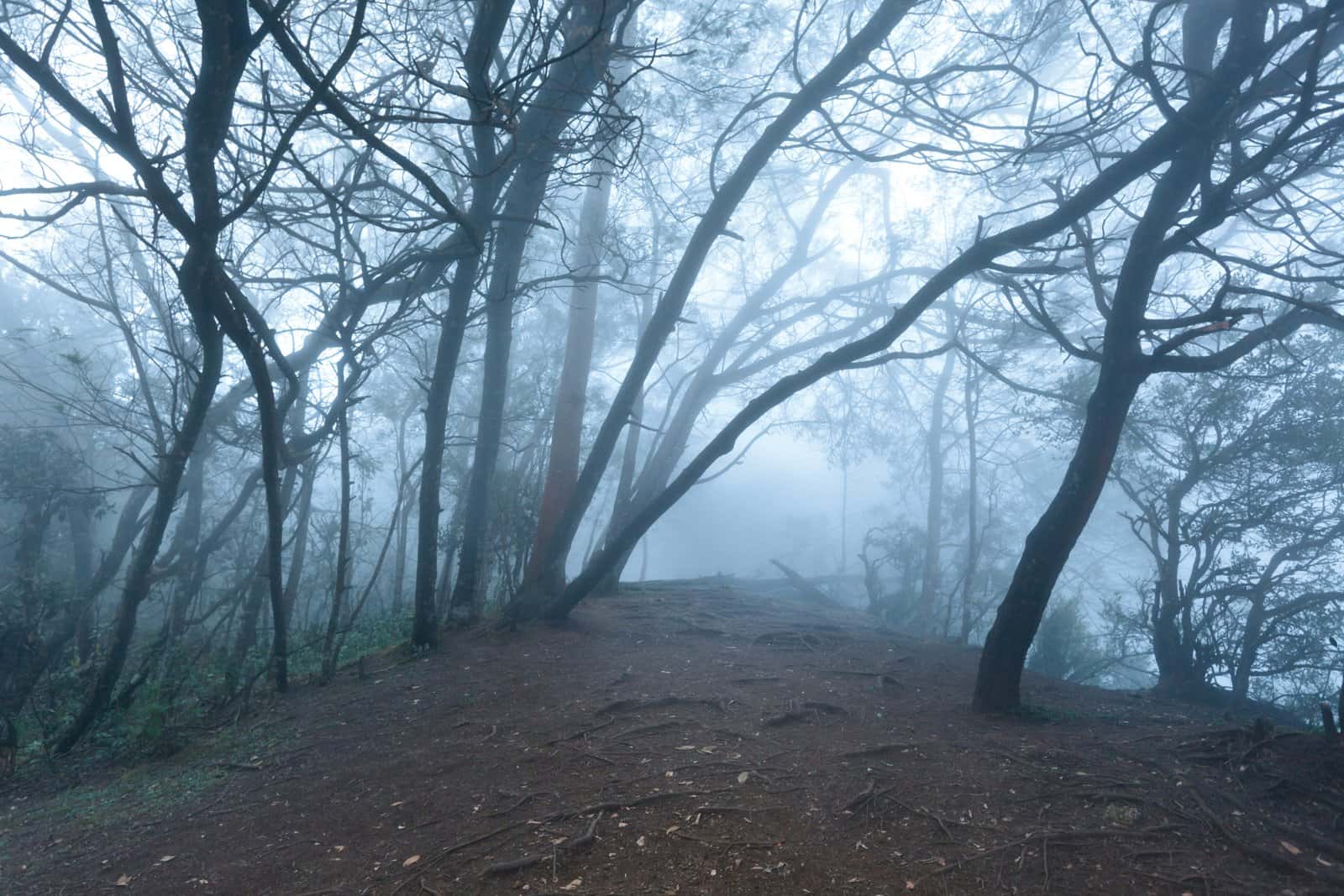
- The forest roads themselvesHonestly, the drive is the day trip. The road from Lansdowne through the oak and pine, with the valley falling away and the mist coming up, is worth more than any single viewpoint. Ask your driver to stop where the view opens, and give yourself twenty minutes of standing still.
The Cantonment Board's own history page makes the point neatly: Lansdowne lies on the route to Badrinath, Kedarnath, Hemkund Sahib, the Valley of Flowers and Corbett. It is not a destination you fly to, but it is a beautiful, restful first or last stop on a Garhwal journey. Many families now use it as a gentle acclimatising night before the long climb to the Char Dham, and as a quiet place to unwind on the way back down.
Planning Lansdowne from abroad: the cantonment questions answered
Lansdowne is one of the calmest and safest introductions to the Indian Himalaya. The one thing that confuses visitors from abroad is that it is a working military town.
- Do you need a special permit?Normally, no, and here is exactly why. The Ministry of Home Affairs FAQ on the Protected Area Permit explains that under the Foreigners (Protected Areas) Order, 1958, a Protected Area is the land lying between the Inner Line and the International Border, and it lists Uttarakhand as one of the states where only parts are covered. Those parts are the high border belt far to the north. Lansdowne sits in Pauri Garhwal at roughly 1,700 metres, nowhere near that line, so it is not a Protected Area and a foreign national holding a valid Indian visa can normally visit the town like any other tourist. What is out of bounds, to Indians and foreigners alike, is the military area itself. Carry your passport, and if your visa carries any restriction, or if you hold a passport of a country subject to special conditions, reconfirm with the Foreigners Regional Registration Office or your tour operator before you book. We would rather you make one phone call than be turned back at a checkpost.
- What a cantonment means in daily practiceIt means a checkpost at the entrance to the town, a polite look at your ID, a very clean and orderly hill station, and one firm rule: no photography of sentries, gates, barracks or the training centre, and no drones. It also means the town is quiet, sober and completely free of the tout culture you may have been warned about elsewhere in India.
- How Lansdowne fits into a bigger India tripFly into Delhi, spend a day or two there, then take the morning train to Kotdwar or hire a car with a driver. Give Lansdowne two nights, then continue to Rishikesh and Haridwar for the Ganga aarti before returning to Delhi. It is a wonderfully gentle Himalayan foothills loop for a first trip to India, and it is far less tiring than a rush to the high mountains.
- For NRI families bringing parents or childrenThis is one of the best choices in north India for an older parent or a small child: no altitude problem at roughly 1,700 to 1,780 metres, clean air, safe streets, simple vegetarian food, and a hotel lawn to sit on. Take a taxi for the full day rather than walking the steep lanes, and everybody in the family will enjoy it.
If your family has any connection to Garhwal, and thousands of NRI families do, the Darwan Singh Museum is not a tourist stop, it is a homecoming. The Garhwal Rifles recruit from the Garhwal districts of Uttarakhand, and the walls hold the names of men from villages your grandparents may have known. Even without that connection, standing before the citation of Darwan Singh Negi, among the first Indian soldiers to receive the Victoria Cross, is a quiet and powerful hour, and it explains more about this part of India than any fort or palace can.
Money, connectivity and timing for foreign visitors
The practical basics for a small hill town: cash, cards, a working SIM, and how many days Lansdowne deserves on a wider India itinerary.
- Carry cash from the cityThere are only a few ATMs in Lansdowne and they can run dry on a busy weekend. Draw enough cash in Delhi or Dehradun, or at Kotdwar on the way up, and keep small notes. Bigger hotels take cards, but the taxi, the tea shop, the museum ticket and the boat ride at Bhulla Tal are cash matters. Budget roughly 1,200 to 2,000 rupees a day for simple day-to-day spending, more if you hire a car.
- Get your Indian SIM at the airportBuy a tourist SIM or activate an eSIM when you land in Delhi. Do not plan to buy one in a small cantonment town, because it needs paperwork and time. Signal in Lansdowne town is generally fine and it weakens on the forest roads, so download your maps before you leave the city.
- How many days to give itTwo nights on a two-week India itinerary is the right weight. That is enough for the museum, the memorial, the lake, a viewpoint and the darshan at Tarkeshwar Mahadev, without slowing the rest of your trip. Anyone who wants to write, walk or simply rest can happily give it four or five nights.
- Best months for a visitor from abroadOctober and November for the clearest Himalayan views and comfortable days, or March to early June for warm weather and green forest. Avoid July to mid-September if you can, because the monsoon brings landslide risk on the hill road, and avoid the peak of winter unless you are prepared for cold rooms and near-freezing nights.
Travellers on IndiaMike have long reported a practical headache on this route: the road up from Haridwar to Kotdwar runs through Najibabad in Uttar Pradesh, and drivers are often reluctant to cross the state boundary because of taxes and paperwork, while the shorter jungle road through the Rajaji forest is one many taxis simply will not take. The result is that people get dropped at Najibabad or at the border and have to hire a second car. Avoid all of it: book a single car through your hotel or a proper operator for the whole journey, agree the route and the price in writing before you start, and confirm that the driver is willing to go all the way to Lansdowne.
Kalundanda, Lansdowne, and the name still waiting to be written
This hill has been called three things. The Garhwalis who knew it first called it Kalundanda, from kalu meaning black and danda meaning hill, because the oak and rhododendron forest looked dark and heavy when you saw it from far away in the grey weather that hangs about here. Then the Army came. The 1st Battalion of the Garhwal Rifles marched in on 4 November 1887, and on 21 September 1890 the ridge was renamed Lansdowne after Lord Henry Lansdowne, the Viceroy of India of that day, and a viceroy's name has sat on a Garhwali hill for more than a century. Now the town wants a third name, and it is not an Englishman's. The Cantonment Board has resolved to call this place Jaswantgarh, after Rifleman Jaswant Singh Rawat of the Garhwal Rifles, Maha Vir Chakra, who held his post at Nuranang in 1962 and did not come back. The proposal sits with the Ministry of Defence. It has not yet been notified, so every signboard, every ticket and every official website still says Lansdowne. But walk into the Parade Ground and look at the memorial, and you will understand what the town is asking for: that the hill should carry the name of the boy who was born to it, and not the name of the man who ruled it.
Planning a Lansdowne trip?
Our Uttarakhand travel experts plan your full journey for you: route, hotels, darshan timings and transport. You get a free day-by-day plan and an exact quote on WhatsApp, usually within a few hours. No payment is needed to get your plan.