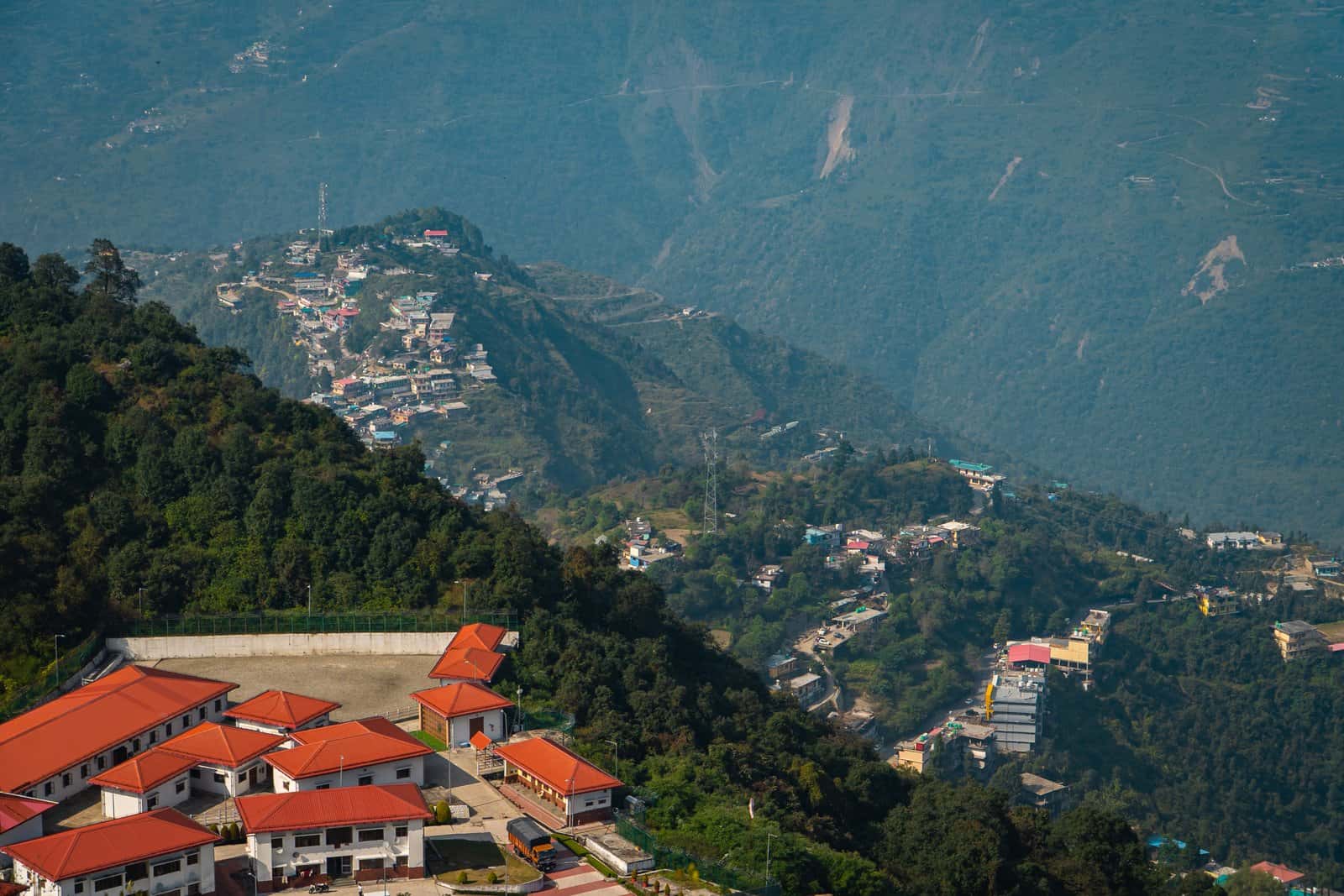
Mussoorie Travel Guide
The best months are March to June for the summer escape and September to November for clear air. One thing to sort before you set off: from 2025 every visitor must register...
When to visit Mussoorie, and the one rule to fix first
The best months are March to June for the summer escape and September to November for clear air. One thing to sort before you set off: from 2025 every visitor must register online first.
- March to June: the summer escapeThe classic season, when families flee the heat of the plains for cool hill air. Days are pleasant and evenings cool. It is also the busiest time, so weekends bring crowds and traffic on the climb up from Dehradun, and rooms cost the most.
- September to November: clear and calmAfter the monsoon the air is washed clean and the Himalayan views are at their sharpest, with thinner crowds. A lovely, gentle time to walk Landour and Camel's Back Road, and the best window for sharp photos from Lal Tibba and Gun Hill.
- Winter and occasional snowDecember to February is cold and quiet, and Mussoorie sometimes gets a light snowfall that draws a festive crowd, especially around Christmas and New Year when rooms spike again. Pack proper warm layers if you come then, and expect the odd road closure after heavy snow.
From August 2025, on National Green Tribunal directions, every tourist must complete a free online registration before visiting Mussoorie and carry the QR code (more on this in the next section). Separately, avoid the peak monsoon of July to September if you can: the views are lush but the hill roads carry a real landslide and roadblock risk, and a wet day on the open Kempty rocks is no fun.
How to reach Mussoorie
Almost everyone reaches Mussoorie through Dehradun, and the new Delhi to Dehradun Expressway has made the drive from Delhi far quicker.
- By the new expressway from DelhiThe Delhi to Dehradun Expressway opened fully in April 2026 and cuts Delhi to Dehradun to about 2.5 hours over roughly 210 km. Mussoorie is then about 1 to 1.5 hours further up the hill, so Delhi to Mussoorie is now around 3.5 to 4 hours of driving, with a one-way car toll of about 670 rupees. We arrange a car with an experienced hill driver.
- By air to Jolly Grant (Dehradun)The nearest airport is Jolly Grant at Dehradun, about 60 km from Mussoorie, with frequent flights from Delhi, Mumbai and other cities. From the airport it is roughly a 1.5 to 2 hour drive up to Mussoorie. There are no flights into Mussoorie itself.
- By train to DehradunThe nearest railway station is Dehradun, about 35 km away and well connected to Delhi. From Dehradun the winding climb to Mussoorie is about 33 to 35 km and takes roughly 1 to 1.5 hours. Note there is no railway station in Mussoorie itself, and no toy train (that is the separate Shimla line).
Fly into Delhi, the main international gateway, then take a short domestic hop to Dehradun (Jolly Grant) or drive up on the new expressway in about 3.5 to 4 hours. Mussoorie pairs naturally with Rishikesh, Haridwar or the Golden Triangle.
Fly into Delhi and continue by the domestic flight to Dehradun or by road. Mussoorie is one of the easiest Himalayan add-ons to a north India trip.
Reach Dehradun by flight or train, or drive from Delhi on the new expressway, then climb the last stretch by car. The hill road is winding, so allow time and travel by daylight.
The new entry rules: registration, the eco tax and Mall Road
Three current rules shape a Mussoorie trip in 2026: the mandatory online registration, the green or eco tax on outside vehicles, and the evening vehicle ban on Mall Road. Sorting these first makes everything smoother.
- Register online and carry the QR codeFrom August 2025, on National Green Tribunal directions, every tourist must register free on the official Uttarakhand portal (registrationandtouristcare.uk.gov.in) before visiting. You give your name, dates, party size and stay details and receive a QR code to show at entry checkpoints such as Kimadi, Kuthal Gate and Kempty. Indians verify by mobile and OTP, foreign tourists by email. It is a data exercise, not a paid permit, with no entry cap and no registration fee, and it is enforced mainly on peak summer and winter holidays and long weekends.
- The green tax (eco tax) on outside vehiclesA vehicle registered outside Uttarakhand pays a green tax (eco tax) of about 100 to 200 rupees at the entry barrier near Kuthal Gate on the way up. It is charged per vehicle, not per person, and if you travel with our car and driver it is usually handled for you. Local Uttarakhand-registered taxis are not charged this, which is one reason a local car-and-driver can be simpler.
- Mall Road closes to vehicles in the eveningIn the main season Mall Road is closed to vehicles for several evening hours, commonly reported as roughly 4 pm to about 11 pm, so it becomes a pedestrian promenade. The exact window is set by the municipality and changes seasonally, so plan to park and walk in the evening and reconfirm the current hours locally. Staying near the Library or Picture Palace ends of the Mall means you can stroll out without needing a vehicle at all.
Quieter Landour has its own rule: from 1 April 2026 the Landour Cantonment Board caps tourist vehicles at about 500 per day and asks for prior online vehicle registration to drive up. Walkers coming up on foot from Mussoorie do not need it, and on foot is the nicer way to see Landour anyway, past the deodars and the old cottages with the valley falling away below.
The ropeways, the viewpoints and the falls
Mussoorie is Gun Hill and its ropeway, Lal Tibba at the top, easy Camel's Back Road, the Company Garden and Mussoorie Lake, and the much-photographed (and very crowded) Kempty Falls.
- Gun Hill by ropewayThe second-highest point at about 2,020 metres, reached by a short cable car from Jhula Ghar on Mall Road, a ride of about 5 to 10 minutes over roughly 400 metres above the serpentine road and the Doon Valley. The ropeway runs roughly 10 am to 6 pm (seasonal), and the round-trip ropeway ticket has recently been about 220 rupees. Go early or late to dodge the queue.
- Lal Tibba, the highest pointAt about 2,286 metres in the quieter Landour area, Lal Tibba is the highest point in Mussoorie, with a telescope and wide Himalayan views on a clear day. The drive and walk up are a calm contrast to the Mall Road bustle, and a clear post-monsoon morning gives the best chance of the snow peaks.
- Camel's Back Road and the gardensCamel's Back Road is a flat, easy 3 km walk or pony ride with valley views and a sunset point, ideal for all ages. The Company Garden and Mussoorie Lake are gentle, family-friendly stops with boating and gardens, though both get busy on summer weekends.
- Kempty Falls, brieflyThe oldest and most famous waterfall here, and also the most crowded, especially on summer weekends. Visitors widely report it is best before about 9 am, while 10 am to 4 pm is the busiest and noisiest. A ropeway runs down to the pool but queues are long. Many take a quick look and spend their real time in Landour instead.
Mussoorie is hilly and many spots involve steep steps or slopes. The Gun Hill ropeway saves the toughest climb, and flat Camel's Back Road and gentle Landour are the easiest on the legs, which matters for families with small children and for older travellers. Carry water and take the slopes slowly at altitude, especially in the first day.
Landour, Char Dukan and meeting Ruskin Bond
Above the crowds of Mussoorie sits Landour, the calm, leafy twin town that many travellers end up loving most, home to chai at Char Dukan and the writer Ruskin Bond.
- Walk the Landour loopA gentle circuit past colonial cottages, old churches and deodar forest, with far fewer people than Mall Road. Coming up on foot from Mussoorie is the calmest way to arrive and avoids the Landour vehicle cap entirely. Allow a couple of unhurried hours and good shoes for the slopes.
- Chai and breakfast at Char DukanChar Dukan, literally the 'four shops', is the social heart of Landour, famous for hot chai, pancakes, maggi and bun-omelette with a view. A relaxed half hour here is the real Landour experience, and it gets busy mid-morning, so come early.
- Meet Ruskin Bond on a SaturdayIndia's beloved writer Ruskin Bond, who lives in Landour, famously comes down most Saturdays (commonly around 3:30 to 5:30 pm) to the Cambridge Book Depot on Mall Road to sign books and meet readers. It depends on his health, so treat it as a lovely bonus rather than a certainty and reconfirm locally before you build a day around it.
- Lal Tibba and the heritage trailCombine Landour with Lal Tibba's viewpoint and the old St Paul's church and Sister's Bazaar, where the Landour bakehouse and a few quiet cafes sit among the deodars. It is the literary, lived-in side of Mussoorie that the day-trippers miss.
If Mall Road feels too busy, Landour is the cure. It sits a few hundred metres higher, the air is cooler and pine-scented, and the pace drops the moment you leave the bazaar behind. Many returning visitors now base themselves up here and treat the Mall as a place to dip into, not stay in.
Where to stay in Mussoorie, by area
The Mall Road core is convenient but busy, the Library end is calmer with views, and Landour up top is the quiet, leafy choice. Where you sleep decides how your evenings feel.
- Mall Road and Picture Palace: in the thick of itRight on the action, walkable to the shops, the Gun Hill ropeway and the evening promenade once the road closes to vehicles. Convenient for a short first visit, but it is the busiest and noisiest part of town, parking is tight, and rooms can be small. Best if you want to step straight into the scene.
- Library (Gandhi Chowk) end: calmer, with viewsThe quieter western end of the Mall, near Camel's Back Road and the valley sunset points, with more space and better views than the central bazaar. A good middle ground for couples and families who want to walk the Mall in the evening without sleeping over it.
- Landour and the heights: peace and pineUp above the town, cooler and far quieter, among deodars, old cottages and a few characterful homestays and heritage stays. Better for slow trips, writers and anyone after calm, but you will want a car or be ready to walk, and remember the Landour vehicle cap if you drive up.
- What rooms costRates run roughly 1,500 to 3,000 rupees a night for a simple guesthouse, about 3,000 to 7,000 rupees for a comfortable mid-range hotel, and about 8,000 to 25,000 rupees and up for a heritage or top resort. All of these climb steeply on summer weekends and over Christmas to New Year, so book ahead in season.
Mussoorie is a weekend magnet from Delhi, so Friday and Saturday nights in summer, and the Christmas to New Year stretch, sell out early at the best rates. If your dates are fixed on a peak weekend, reserve weeks ahead, and consider arriving and leaving midweek to dodge the worst of the climb-up traffic as well as the price spike.
Mussoorie costs and a realistic budget
Mussoorie is mid-priced for a hill station: the rooms and the drive up cost the most, while the sights themselves are cheap. Here is what to plan for so nothing surprises you.
- Getting there and the entry chargesA one-way car toll on the Delhi to Dehradun Expressway is about 670 rupees, and an outside-state vehicle pays a green or eco tax of about 100 to 200 rupees per vehicle at the Kuthal Gate barrier. The online tourist registration itself is free. Budget the most for the car or flight up and the room, not for the rules.
- The fixed-price thingsMost sights are inexpensive: the Gun Hill ropeway round trip has recently been about 220 rupees, Camel's Back Road and Landour walks are free, and the gardens and lake charge only small entry and boating fees. These are the rare prices in town that are not negotiable, which makes them easy to plan around.
- A rough daily budgetExcluding your room and the long-distance car or flight, plan on roughly 1,500 to 2,500 rupees a day for a careful traveller, and about 4,000 rupees and up for a comfortable day with sit-down meals, the ropeway, a pony ride and some shopping. A two-night couple's trip from Delhi, all in with a mid-range hotel and a car, commonly lands in the broad region of 15,000 to 30,000 rupees depending on season and choices.
- Where the money goes in seasonRoom rates roughly 1,500 to 25,000 rupees a night are the big variable and spike on summer weekends and over Christmas to New Year. Local taxis for sightseeing loops are negotiable, so agree the route and price before you set off. Cafes and bigger hotels take cards and UPI, but keep cash for small shops, the ropeway and pony rides.
In Mussoorie the season decides the cost far more than the choices. The same hotel and the same car can cost two or three times as much on a peak summer Saturday as on a quiet midweek October day. If your dates are flexible, travelling midweek and outside the summer and Christmas peaks is the single biggest saving, and it buys you thinner crowds and easier traffic at the same time.
Practical logistics: getting around, money and the small stuff
The small things that make a Mussoorie day smooth, from how to get around the steep town to money, signal and the traffic you should plan around.
- Getting around the townThe Mall and the central sights are best on foot once you are up, helped by the Gun Hill ropeway for the steepest climb. For the spread-out spots like Kempty, Lal Tibba and Company Garden, hire a local taxi for a half-day or full-day sightseeing loop and agree the route and price first. Remember the Mall closes to vehicles in the evening.
- Traffic and timingThe climb up from Dehradun and parking near Mall Road can choke for hours on summer and long-weekend afternoons, the natural result of visitor numbers passing 2.1 million a year. Set off early, travel midweek if you can, and let the driver handle parking. Carry the online registration QR on your phone so you are not scrambling for signal at the barrier.
- Money and connectivityThere are ATMs and card or UPI acceptance in the main bazaar and bigger hotels, but carry some cash for small shops, the ropeway, pony rides and Char Dukan. Mobile signal is generally fine in town and patchier on the hill roads and in deep Landour, so download maps and your QR before you climb.
- Altitude, clothing and the walksAt about 1,880 metres Mussoorie is cool even in summer and genuinely cold at night in winter, so carry a layer year round. The slopes are steep, so comfortable shoes matter, and the gentlest options are flat Camel's Back Road, the ropeways and a slow Landour stroll rather than the staircase climbs.
Safety, the monsoon roads and staying well
Mussoorie is an easy, safe hill station, but the monsoon roads, the steep slopes and the peak-season crush are the things to plan around. A little care keeps a weekend happy.
- The monsoon and the hill roadsFrom July to September the Garhwal hill roads carry a genuine landslide and roadblock risk, and the Kempty rocks turn slippery. If you travel then, keep the schedule flexible, avoid night driving, check the road and weather before you set off, and never wade into a swollen stream or waterfall pool. This is the one real seasonal hazard here.
- Steep slopes, steps and altitudeMost mishaps are simple slips on steep, sometimes wet steps and slopes. Wear shoes with grip, take the climbs slowly, and use the Gun Hill ropeway and flat Camel's Back Road if the legs or the lungs prefer it. The altitude is mild but enough to leave you breathless on the first day, so go gently and drink water.
- Crowds, traffic and your registrationThe peak-season risk is less crime than chaos: jammed roads, packed Kempty and full car parks. Travel midweek and early, keep children close in the Mall crowds, and carry the registration QR so the barrier is a formality. Mussoorie is generally a safe, family-friendly town, including for solo and women travellers, with normal city-level caution after dark.
- Water, food and the basicsDrink bottled or filtered water, take the usual care with street food, and carry any personal medicines as the small-town pharmacies may not stock everything. There are clinics and hospitals in Mussoorie and a wider choice down in Dehradun, about 35 km away, which is the place for anything serious.
Two honest warnings. First, the online tourist registration is now mandatory and you may be turned back at the barrier without the QR code, so do it before you set off rather than scrambling for signal on the hill. Second, the July to September monsoon really can close roads and trigger landslides in Garhwal, so if you must travel then, keep your plans flexible and avoid driving the hill at night.
Mussoorie for every kind of traveller
Mussoorie rewards very different visitors in different ways. Here is what it offers you, and the one tip that matters for each, including how a senior enjoys it without the steep slog.
- Couples and honeymoonersA classic hill honeymoon, romantic at the Gun Hill sunset and on a quiet Landour walk. Stay a little away from the Mall Road crowds, at the Library end or up in Landour, for the views and the calm.
- Families with childrenEasy and fun, with the Gun Hill cable car, boating at the lake, the Company Garden and ponies on Camel's Back Road. The ropeways save little legs the steepest climbs, and the pedestrian evening Mall is safe for a stroll.
- Senior travellersVery doable with gentle pacing. Use the Gun Hill ropeway rather than walking up, choose flat Camel's Back Road and quiet Landour over crowded Kempty, stay central so evenings on the pedestrian Mall Road are an easy stroll, and travel midweek to avoid the worst climb-up traffic.
- Solo travellers and writersLandour is made for this, with its bookshops, cafes, the Ruskin Bond connection and long forest walks. Safe, friendly and easy to get around on foot, and one of the gentler Himalayan towns for travelling alone.
- Friends and young groupsCafes and adventure activities by day, the lively pedestrian Mall Road by evening. Add a Dhanaulti or Kanatal day trip for ziplining and pine forests nearby if you have a third day.
- Nature loversThe post-monsoon September to November air gives the sharpest Himalayan views, and the deodar walks of Landour and the Jabarkhet nature reserve, just outside town, are quiet and beautiful, with birds and the odd Himalayan mammal.
How long to spend, and a suggested Mussoorie plan
One to two nights suits a first visit, three if you add Dhanaulti or slow Landour. Here is how to shape the days so you catch the views and dodge the crowds.
- How many nightsTwo nights is the sweet spot for a first visit: a full day for the Mall, Gun Hill and Camel's Back Road, and a full day for Landour, Lal Tibba and a brief Kempty stop. One night works for a quick weekend escape from Delhi, and a third night lets you add Dhanaulti, Kanatal or a slow, unhurried Landour.
- Day one: the town and the viewsArrive by late morning, settle in, then walk flat Camel's Back Road and ride the Gun Hill ropeway for the Doon Valley view, going early or late to dodge the queue. Spend the evening on the pedestrian Mall once it closes to vehicles, with the lights coming on along the ridge.
- Day two: Landour and a quick KemptyHead up to Landour early, walk the loop, take chai at Char Dukan and the view from Lal Tibba, and if it is a Saturday try the Cambridge Book Depot for Ruskin Bond. See Kempty Falls before about 9 am if you want it at all, then keep your afternoon for the quiet heights rather than the crowds.
- The one-night versionIf you only have a night, skip Kempty entirely, do Gun Hill and Camel's Back Road on arrival, the Mall in the evening, and Landour the next morning before you drive down. It is a lot less rushed than trying to tick every box, and it leaves you with the best of the town.
The single thing that makes or breaks a Mussoorie day is timing your moves against the crowds. Do Kempty before about 9 am or not at all, ride Gun Hill early or late, travel up midweek if you can, and save Landour for when the day-trippers are still down at the falls. Plan around the crush and Mussoorie feels like the calm Queen of the Hills it once was, not a traffic jam with a view.
The real questions travellers ask about Mussoorie
Straight answers to the questions that come up again and again on traveller forums, so you arrive already knowing the score.
- Is Mussoorie worth it, and how many days?Yes, for the views, the cool air, Landour and the easy weekend pace, as long as you avoid the peak-season crush. Two nights is ideal, one works for a quick escape, and three lets you add Dhanaulti. Treat it as a relaxed hill break, not a tick-list of attractions.
- Is Kempty Falls worth it or too crowded?It is the most crowded spot in the area, jammed and noisy from about 10 am to 4 pm. Go before about 9 am if at all, take a quick look, and spend your real time in quieter Landour and Lal Tibba. Many visitors happily skip it and do not feel they missed much.
- Do foreign tourists really need to register?Yes. The free online registration is mandatory for everyone in peak periods, and foreign tourists verify by email rather than an Indian mobile number. Complete it before you travel, save the QR on your phone, and show it at the barrier. It is data collection, not a paid permit.
- Can elderly parents manage Mussoorie?Comfortably, with planning. Use the Gun Hill ropeway instead of the climb, choose flat Camel's Back Road and gentle Landour over the staircases at Kempty, stay central for the easy evening Mall, and travel midweek to avoid the traffic. Go slowly the first day for the mild altitude.
- Is it safe in the monsoon?It is lush but riskier: July to September brings landslides and roadblocks in Garhwal. If you go then, keep plans flexible, avoid night driving, check the roads, and stay back from swollen pools. For a safe, easy trip, prefer March to June or September to November.
- Can you really meet Ruskin Bond?Often, but not guaranteed. He has long appeared most Saturdays, commonly around 3:30 to 5:30 pm, at the Cambridge Book Depot on Mall Road to sign books. It depends on his health, so treat it as a happy bonus and reconfirm locally rather than building the trip around it.
Planning Mussoorie from abroad
Mussoorie is the easiest Himalayan add-on for an overseas visitor, especially now the new expressway and the Dehradun flight make it a quick hop. A little planning around the new rules makes it smooth.
- Register before you travel (email verification for foreign tourists)The mandatory free registration on the official Uttarakhand portal verifies foreign tourists by email rather than an Indian mobile number, so complete it before you leave the city and save the QR code on your phone. You may be asked for it at the entry barriers, and it is enforced in the busy seasons.
- Arrive through Delhi, then DehradunFly into Delhi, then take the short domestic flight to Dehradun (Jolly Grant) or drive up on the new Delhi to Dehradun Expressway in about 3.5 to 4 hours. Mussoorie is a 1 to 1.5 hour climb beyond Dehradun, so even from Delhi it is an easy half-day's travel.
- Pair it with Rishikesh or the Golden TriangleMussoorie sits neatly above Dehradun, close to Rishikesh and Haridwar, and is an easy 2 to 3 night hill extension to a wider north India trip. It is one of the gentlest first tastes of the Himalaya, all colonial walks and tea rather than hard trekking.
- Gentle and senior-friendly, with the ropewaysFor older parents, use the Gun Hill ropeway instead of the climb, favour flat Camel's Back Road and quiet Landour over crowded Kempty Falls, and stay central so the evening Mall Road is an easy walk. Travel by daylight on the winding hill road, and allow a slow first day for the altitude.
Money, connectivity and timing for foreign visitors
The practical basics an overseas traveller needs for a small hill town: cash and cards, a SIM, the season to pick, and how many days to give Mussoorie on a wider India trip.
- Carry cash, but cards work for the big thingsBigger hotels, cafes and the main shops take cards and UPI, but keep cash for the ropeway, pony rides, Char Dukan and small vendors. Draw rupees at an airport or city ATM before you climb, and keep small notes handy, as change can be scarce in the bazaar.
- Get a SIM or eSIM on arrivalPick up an Indian tourist SIM or an eSIM when you land in Delhi rather than hunting for one in the hills. Signal in Mussoorie town is generally fine for maps and calls and patchier on the hill roads and deep in Landour, so download your maps and the registration QR before the drive up.
- Pick the season for comfortMarch to June is the pleasant summer escape but the busiest, and September to November gives the clearest air and thinnest crowds, the nicest window for an overseas visitor. Avoid the July to September monsoon for the landslide risk on the hill roads, and pack warm layers any time of year.
- How long to give it on a bigger tripTwo nights is the right weight for Mussoorie on a wider north India itinerary: enough for the views, the Mall, Gun Hill and a Landour day, without slowing the whole trip. Slot it after Rishikesh or before the Golden Triangle and it becomes the cool, gentle Himalayan chapter of the journey.
Mussoorie is an unusually easy introduction to the Indian Himalaya: cool, walkable, full of colonial-era charm and reached in a half-day from Delhi, with no trekking required. Give it a couple of nights, lean into the Landour calm rather than the Mall crush, and many overseas visitors find it the most restful, photogenic part of a north India trip.
From a shikar camp to the Queen of the Hills
Mussoorie was not an ancient town but a discovery. In the 1820s a young British officer, Captain Frederick Young, and a colleague climbed the ridge above the Doon Valley on a shooting trip and were struck by the cool air, the deodar forest and the long views to the snows. A first hut went up soon after, and within a generation the ridge had become a summer retreat of cottages, churches, a library and a Mall, a place the British called the Queen of the Hills for the way it sat crowned above the plains. The name has long depended on the wild mansoor shrub that once covered the slopes, which many say gave the town its name. Two centuries on, the deodars and the views are still the reason people climb, even as the crowds have grown, and the quiet heights of Landour above keep something of that first, hushed discovery alive.
Planning a Mussoorie trip?
Our Uttarakhand travel experts plan your full journey for you: route, hotels, darshan timings and transport. You get a free day-by-day plan and an exact quote on WhatsApp, usually within a few hours. No payment is needed to get your plan.
Tour packages that visit Mussoorie
Every journey below is private, hand-crafted and fully customizable. Tell us your dates and we tailor the itinerary, the pace and the priests or guides around you.
 4D / 3N
Mussoorie Tour Package for Couples
- Lal Tibba
- Kempty Falls
 7D / 6N
Hills of Uttarakhand Package
- Visit Tapkeshwar Temple & Dakpatthar
- Visit Mussoorie Lake
 4D / 3N
Haridwar Mussoorie Tour Package
- Visit Chamunda Devi
- Visit Queen of Hills
 3D / 2N
Mussoorie Hill Station Tour
- Visit Mussoorie
- Visit Kempty Falls