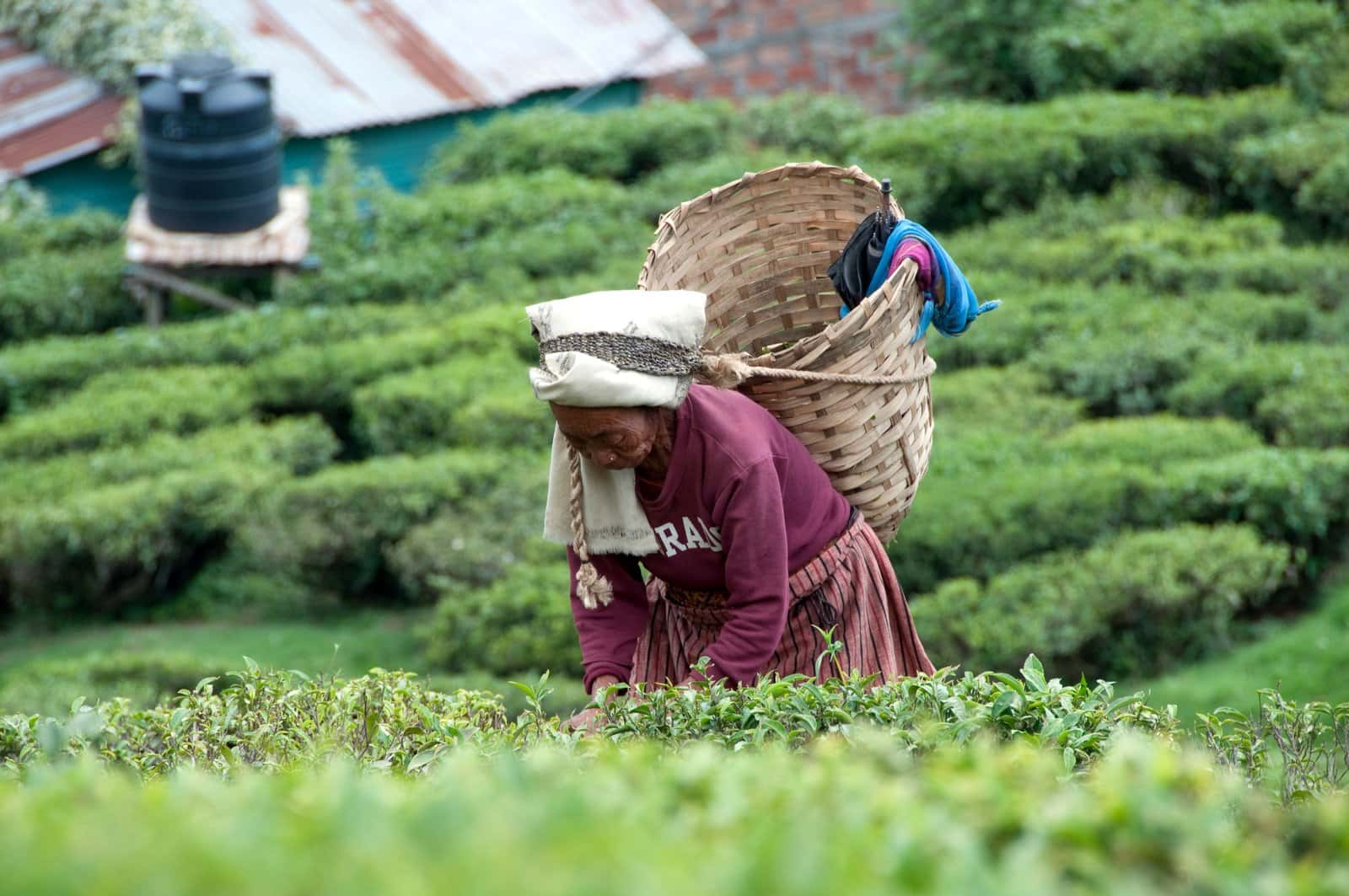
Bagdogra Travel Guide
Bagdogra is the year-round gateway, but the region it serves has clear seasons. The best windows are October to early December and March to May , with the monsoon best avoided...
When to fly into Bagdogra for the hills and Sikkim
Bagdogra is the year-round gateway, but the region it serves has clear seasons. The best windows are October to early December and March to May, with the monsoon best avoided for hill roads.
- October to early December: clear viewsThe most reliable window for clear Himalayan views and pleasant days, after the monsoon has washed the air and before deep winter. This is when Kanchenjunga shows itself from Darjeeling and Gangtok, so it is the prime season and the busiest, especially around the Durga Puja and Diwali holidays.
- March to May: spring and rhododendronsWarm, green and colourful, with rhododendrons in bloom on the higher slopes and generally settled weather. A lovely time for the tea gardens and the hill stations, though afternoons can cloud over, so do your viewpoints early in the morning.
- June to September: monsoon, take careHeavy rain, leeches on forest trails and a real risk of landslides on the hill roads to Darjeeling and Gangtok, when routes can be blocked or one-way for hours. The plains around Bagdogra stay hot and humid. Travel is possible but build in buffer days and do not count on tight connections.
- December to February: cold and crispCold and clear in the hills, with the chance of snow at the higher stations and frosty mornings. Bring proper winter layers. The plains around Bagdogra and Siliguri stay mild, but the hill towns get genuinely cold at night.
From about June to September the hill roads from Bagdogra are prone to landslides, and stretches of the Darjeeling and Gangtok routes can close or run one-way at short notice. If you must travel in the monsoon, keep your plan loose, start every transfer early in the day, never attempt the hill roads after dark, and treat the helicopter and tight flight connections as bonuses rather than fixed parts of the plan. Reconfirm road conditions locally before you set off.
Reaching Bagdogra: the airport, the railhead and the road
Most travellers fly into Bagdogra (IXB) from Delhi or Kolkata. New Jalpaiguri (NJP) is the region's main railhead, and Siliguri is the road and bus hub.
- By air into Bagdogra (IXB)Bagdogra is the region's airport, about 12 to 16 km from Siliguri, with frequent domestic flights from Delhi, Kolkata, Bengaluru, Mumbai, Guwahati and more on IndiGo, Air India Express, Akasa and SpiceJet. It is a customs airport inside an Air Force base, so it is busy and basic, with a new terminal still under construction through 2026.
- Nearest railhead: New Jalpaiguri (NJP)NJP, about 23 km from the airport, is the main railway gateway for the whole hills region, with trains from Kolkata, Delhi and across India. Siliguri town is only about 8 km from NJP. Many travellers arrive by train and start their hill journey from NJP or Siliguri rather than the airport.
- By road and the toy trainSiliguri is the road and bus hub for North Bengal, with buses to the hills and across the region. The famous Darjeeling Himalayan Railway toy train runs in the hills from NJP and Siliguri up towards Darjeeling, a heritage joy ride best booked well ahead as seats are very limited.
- Limited international flightsBagdogra has limited international service: Bhutan's Drukair flies to Paro and on to Bangkok, commonly about twice a week. Most overseas visitors instead arrive via Delhi or Kolkata and connect on a domestic flight. Reconfirm the current international schedule before relying on it.
Fly into Delhi or Kolkata, the practical international gateways, then take a short domestic flight to Bagdogra. There are limited direct international flights into Bagdogra, mainly Drukair to and from Bhutan and Bangkok.
Fly into Kolkata or Delhi and connect to Bagdogra, or, from Bangkok, look at the Drukair link via Paro into Bagdogra, which runs about twice a week and changes seasonally.
Fly direct to Bagdogra from most metros, or take a train to New Jalpaiguri (NJP), the main railhead, and start the hill transfer from there. Siliguri, near NJP, is the regional bus hub.
Getting from Bagdogra to Darjeeling, Gangtok and the hills
This is the real reason most people land at Bagdogra. Here is the honest transfer matrix, the distances and times, and why there are no shared taxis at the airport itself.
- Prepaid reserved taxi, the simplest wayUse the prepaid taxi counter in arrivals for a fixed printed fare and a private car. Indicative quotes were roughly 950 to 1,400 rupees to Siliguri, roughly 3,800 to 4,800 rupees to Darjeeling, and roughly 3,000 to 5,200 rupees to Gangtok depending on car or SUV, so treat these as guides and reconfirm at the counter.
- There are no conventional shared taxis at the airportThe local taxi association protects the reserved fleet, so you will not find the cheap shared sumos at the arrivals hall. Your budget options are a pre-booked luxury shared cab, such as Wizzride, that you reserve online in advance, or travelling to Siliguri or NJP to catch a conventional shared sumo from the stands there.
- Conventional shared sumos from NJP and SiliguriFrom the NJP and Siliguri stands, conventional shared sumos run to Darjeeling and Gangtok, packing in up to ten people and leaving when full, generally only between about 7 am and 3 pm. Indicative per-seat fares were about 300 rupees to Darjeeling and about 400 rupees to Gangtok. They are cheap and characterful but cramped, with luggage on the roof, so reconfirm current rates and timings.
- The distance and time matrixFrom Bagdogra, Darjeeling is about 70 km and roughly 3 to 3.5 hours, Gangtok about 125 km and roughly 4 to 5 hours, Kalimpong about 70 to 80 km, Mirik about 52 km and roughly 2.5 hours, and the Dooars gateway of Lataguri near Gorumara about 70 km. These are winding hill or forest roads, so plan for the time, not the kilometres.
The Sikkim Tourism Development Corporation runs a helicopter between Bagdogra and Gangtok that takes about 35 minutes against 4 to 5 hours by road, recently revised to about 3,100 rupees per person with about 7 kg of free baggage. It is a wonderful shortcut on a clear day, but it is entirely weather dependent and can be grounded by cloud or rain, especially in the monsoon, so never build a tight onward plan around it and always keep a road plan in reserve. Reconfirm the current fare and schedule with STDC before you count on it.
The onward destinations Bagdogra unlocks
Bagdogra itself has little to see. The reward is everything it opens up: Darjeeling, Gangtok and Sikkim, Kalimpong, Mirik and the Dooars. Here is how to choose.
- Darjeeling, the classic hill stationAbout 70 km and 3 to 3.5 hours up, Darjeeling is the famous tea-and-toy-train hill station, with Tiger Hill sunrises over Kanchenjunga, the Himalayan Railway and colonial-era charm. The most popular first choice from Bagdogra, and easily paired with Gangtok.
- Gangtok and SikkimAbout 125 km and 4 to 5 hours, Gangtok is the gateway to Sikkim, a clean, orderly Himalayan capital and the base for Tsomgo Lake, Nathu La and the high North Sikkim valleys. Remember the permit rules, covered in their own section below, differ for foreigners and Indians.
- Kalimpong and Mirik, the quieter hillsKalimpong, about 70 to 80 km, is a relaxed hill town of monasteries, nurseries and viewpoints, less crowded than Darjeeling. Mirik, about 52 km and 2.5 hours through the tea gardens, is a small, gentle lake town that suits families and travellers who want calm over sightseeing.
- The Dooars, for wildlifeThe Dooars forest belt, with Gorumara and Jaldapara national parks, begins around Lataguri about 70 km from Bagdogra. This is the wildlife and tea-and-river side of the region, with elephants, rhinos and quiet forest lodges, a completely different trip from the high hill stations.
Bagdogra is an airport town with almost nothing to see, and Siliguri is a busy commercial city useful mainly for an overnight, an ATM, a SIM and a meal. The genuine scenery starts once you climb into the tea gardens. So treat your time here as transit, get your practicalities done, and aim to move on to the hills or the Dooars rather than sightseeing in Siliguri itself.
Airport practicalities: terminal, prepaid taxi, ATMs and SIM
What to expect when you actually land at Bagdogra, from the prepaid taxi counter to ATMs, a SIM card and the new terminal still being built.
- A basic terminal, a new one comingThrough 2026 Bagdogra runs from its older, often crowded terminal while a large new terminal is built alongside, widely reported as due around March 2027. Expect queues at security and arrivals, limited seating and basic food, so arrive with time in hand for departures and patience on arrival.
- The prepaid taxi counterHead to the prepaid taxi counter in the arrivals area for a fixed, printed fare to your onward destination. This is the cleanest way to avoid haggling, and it locks in the price before you get in the car. Keep the receipt until you arrive.
- ATMs and cashDraw cash at the airport or in Siliguri before heading into the hills, as ATMs thin out and can be empty or offline in smaller hill towns. Carry enough cash for tolls, tips, small eateries and any shared transport, since cards and UPI are not accepted everywhere up in the hills.
- SIM card and connectivityIf you need an Indian SIM, it is easiest to buy one at a metro airport on arrival in India, as a tourist SIM needs documents and activation time. Mobile coverage is good around Bagdogra and Siliguri but gets patchy in the high hills and North Sikkim, so download offline maps before you climb.
Because Bagdogra shares its single runway with an Air Force base, the airport can occasionally close for military or maintenance reasons, as it did for about 14 days in April 2022 for runway repairs. Such closures are rare and announced in advance, but if you are travelling around a known closure window or in the monsoon, keep your itinerary flexible and your connections loose, and reconfirm your flight status before heading to the airport.
Where to stay near Bagdogra, Siliguri and NJP
Most people move straight on to the hills, but a late arrival or an early departure can mean a night near the airport. Here is where to base, and how long the whole trip needs.
- Siliguri town, the practical overnightHotel choice immediately around the airport is limited, so Siliguri, about 30 minutes away, is the practical place for an overnight, with a wide range of budget to mid-range hotels, restaurants and ATMs. It is a workmanlike commercial city, not a scenic one, but it does the job for a night before an early hill transfer.
- Near NJP for an early trainIf your onward leg is a train rather than a hill drive, a hotel near New Jalpaiguri station saves a scramble, and NJP and Siliguri are only about 8 km apart. Handy for catching an early toy train connection or an onward train across the region.
- Push on to the hills if you canIf you land by early afternoon, most travellers skip Siliguri entirely and drive straight up to Darjeeling, Mirik or Kalimpong, or on to Gangtok, to wake up in the hills. Only overnight in the plains if a late arrival or an early flight or train makes it sensible.
- How many days for the whole tripAs a rough guide, give Darjeeling two to three nights, Gangtok and Sikkim three to five nights, and a Darjeeling-plus-Gangtok combination about six to eight nights including the Bagdogra transfer days. The Dooars deserves two to three nights of its own. Do not try to do everything in a short trip, as the transfers eat time.
Transfer fares and a realistic budget from Bagdogra
The big cost from Bagdogra is the onward transfer. Here is what the main options cost so you can plan and avoid being overcharged at arrivals.
- Reserved taxi, the main expenseA private reserved taxi is the simplest and the priciest: indicative quotes were roughly 950 to 1,400 rupees to Siliguri, roughly 3,800 to 4,800 rupees to Darjeeling, and roughly 3,000 to 5,200 rupees to Gangtok depending on vehicle. Use the prepaid counter for a fixed fare, and these ranges as your sense-check.
- Shared options, far cheaperA pre-booked luxury shared cab is the budget sweet spot from the airport; indicative Wizzride per-seat fares were about 618 rupees to Darjeeling and about 856 rupees to Gangtok. Conventional shared sumos from NJP and Siliguri were cheaper still, about 300 rupees to Darjeeling and about 400 rupees to Gangtok per seat. Reconfirm all of these as they change.
- The helicopter, for time not moneyThe Bagdogra to Gangtok helicopter was about 3,100 rupees per person, buying you about 35 minutes against a 4 to 5 hour drive. It is about the time and the views, not saving money, and it is weather dependent, so budget a road fallback as well.
- Cash for the hillsBeyond the transfer, carry cash for tolls, tips, permits, small eateries and entry fees, as cards and UPI are unreliable in the higher hills and North Sikkim. Draw what you need in Siliguri, where ATMs are plentiful, before you head up.
Decide your transfer style before you land. If you are on a budget, pre-book a luxury shared cab online or plan to reach Siliguri or NJP for a conventional shared sumo, because the airport itself only offers reserved taxis and there is no haggling your way into a cheap shared seat at arrivals. Booking the share in advance, or knowing exactly which stand you are heading to, turns the most expensive part of the trip into the most predictable.
Safety on the hill roads, altitude and health
The region is welcoming and broadly safe, but the hill roads, the altitude and the monsoon need respect. A little planning keeps the transfer and the trip smooth.
- Do not drive the hill roads after darkThe single most important safety rule here: avoid the winding hill roads to Darjeeling and Gangtok after dark. Drops are steep, lighting is poor, and fog and rain reduce visibility fast. If you land in the evening, the safe choice is usually to overnight in Siliguri and start fresh in the morning rather than push on in the dark.
- Monsoon landslides and buffer timeFrom about June to September, landslides can block or restrict the hill routes for hours. Build buffer days into a monsoon trip, start every transfer early, and reconfirm road conditions locally. Never plan to make a tight onward flight or train the same day you cross the hills in the rains.
- Altitude and motion sicknessThe climb from the plains is long and winding, and children and some adults feel motion sickness or ear discomfort, so carry medication and take it before you start. At higher altitudes in North Sikkim, ascend gradually, keep hydrated, and watch for headaches or breathlessness that signal altitude sickness.
- Everyday careDrink bottled or filtered water, carry basic medicines for cold, cough and stomach upsets, and pack warm layers and rain protection, as hill weather turns quickly. The region is generally safe for travellers, including solo women, with standard precautions and the usual care after dark.
If your flight lands after about 4 pm, think hard before committing to a long hill drive. Bagdogra to Darjeeling can still be doable on the busier, faster route in the early evening, but Gangtok means arriving very late on dark mountain roads, which is not advisable, especially on a first visit. When in doubt, overnight in Siliguri and drive up in daylight. No view is worth a night-time hill-road risk.
Choosing your onward trip by traveller type
Bagdogra serves very different travellers heading very different ways. Here is which onward destination and style suits each, and the one tip that matters for each.
- CouplesDarjeeling for the classic romance of toy trains and sunrise over Kanchenjunga, or quieter Kalimpong and Mirik for calm. Pre-book a comfortable reserved car for the transfer, and plan the hill drive in daylight so you arrive relaxed rather than rattled.
- Families with childrenGangtok and Darjeeling both work well, but the long winding transfer is the catch, so carry motion-sickness medication and break the drive. The Dooars, with its wildlife safaris and gentler forest roads, is an easy, exciting option for families with younger children.
- Senior travellers and on accessibilityThe long hill transfers are the main challenge, so choose a reserved car with a steady driver, break the journey, and consider the helicopter to Gangtok on a clear day to avoid hours of winding road. Mirik and lower hill stations are gentler than the high North Sikkim valleys. The airport and hill towns are not very wheelchair-friendly, so plan assistance ahead.
- Families and groups for wildlifeThe Dooars belt around Gorumara and Jaldapara, about 70 km from Bagdogra on easier roads, is the pick for wildlife without the altitude, with elephant and rhino sightings and quiet forest lodges. A good change of pace from the hill stations and easy on travellers who dislike heights.
- Solo travellers and backpackersReach Siliguri or NJP and use the conventional shared sumos to keep costs down, remembering they run only until mid-afternoon. The region is broadly safe and well used to independent travellers, but plan to be off the hill roads before dark.
- PhotographersThe tea-garden route to Mirik, sunrise from Tiger Hill near Darjeeling and the high lakes of Sikkim are the standout frames. Light is best soon after dawn before the cloud builds, so plan early starts and keep weather buffers, as the mountains hide for days in the monsoon.
How long to plan, and a sample route from Bagdogra
How to shape a trip around the Bagdogra arrival so the transfers do not swallow your holiday, with a classic Darjeeling-and-Sikkim route.
- Arrival day: land and transferAim to land by early afternoon, clear the prepaid taxi or your pre-booked shared cab, and drive straight up to Darjeeling, Mirik or Kalimpong in daylight. If you land late, overnight in Siliguri and start the hill drive at first light rather than risking the roads after dark.
- The classic Darjeeling and Gangtok loopBagdogra to Darjeeling for two to three nights, across to Gangtok for three to four nights with a day trip to Tsomgo Lake, then back down to Bagdogra. Allow about six to eight nights in all, including the transfer days, and arrange the Sikkim permit in advance.
- A Dooars add-on or alternativeFor wildlife, swap a hill leg for two to three nights in the Dooars around Lataguri, Gorumara and Jaldapara, an easy 70 km from Bagdogra on gentler roads. It pairs well with Kalimpong, or stands alone as a relaxed forest-and-tea trip.
- Departure day: leave timeOn your way out, leave the hills with plenty of buffer for the long winding descent and possible monsoon delays, and aim to reach Bagdogra well before your flight. Do not plan to cross the hills and catch a flight on the same tight schedule, especially in the rains.
The most common way a North Bengal or Sikkim trip goes wrong is underestimating the transfer days. A 70 to 125 km hill drive is a half-day, not an hour, and a landslide or a closed road can add hours. Treat your arrival and departure days as travel days in their own right, not as days you can also pack with sightseeing, and you will arrive and leave without stress.
The real questions travellers ask about landing at Bagdogra
Straight answers to the questions that come up again and again on TripAdvisor, Reddit and Quora, so you arrive already knowing the score.
- Are there shared taxis at the airport?Not the cheap conventional sumos, no. The airport offers prepaid reserved taxis only. For a shared seat you either pre-book a luxury shared cab online or travel to Siliguri or NJP for a conventional shared sumo from the stands there, which run roughly 7 am to 3 pm.
- My flight lands in the evening, what do I do?If you can reach Darjeeling on the faster route before it gets fully dark it can be doable, but Gangtok means a long after-dark mountain drive, which is best avoided. The safe answer for a late arrival is usually to overnight in Siliguri and drive up in the morning.
- Do I need a permit for Sikkim?Foreigners need a Restricted Area Permit for Sikkim and a separate Protected Area Permit, arranged through a registered agent, for Tsomgo Lake, Nathu La and North Sikkim. Indians need no permit for Gangtok but do need a protected-area permit, arranged by an agent, for those same restricted spots. See the permit sections below.
- Is the helicopter to Gangtok reliable?It is quick, about 35 minutes, and was about 3,100 rupees per person, but it is weather dependent and can be grounded by cloud or rain. Treat it as a lovely bonus on a clear day, never as a fixed part of a tight plan, and always keep a road option in reserve.
- Is there anything to see in Bagdogra or Siliguri?Honestly, very little. Bagdogra is an airport town, and Siliguri is a commercial city useful for an overnight, an ATM and a SIM. The scenery begins in the tea gardens on the climb, so plan to move on rather than sightsee here.
- Should I fly into Bagdogra or take a train to NJP?Flying to Bagdogra is fastest. The train to NJP, about 23 km away, suits those coming from Kolkata or wanting a cheaper, scenic arrival, and NJP and Siliguri are the better starting points for conventional shared sumos. Both reach the same hills.
Sikkim permits for foreign tourists arriving via Bagdogra
If you are a foreign national heading into Sikkim, the permit system is the one thing to get right, and it appears to be moving online in 2026. Here is the honest current picture.
- RAP for the main townsForeign nationals need a Restricted Area Permit (RAP) to enter Sikkim, covering Gangtok and the main towns. It is issued free of charge. Historically it has been available at counters including one at Bagdogra and at Rangpo and Melli on the border, on production of your passport, visa and a photo.
- PAP for Tsomgo, Nathu La and North SikkimFor Tsomgo Lake and the Nathu La area in East Sikkim, and for the Lachen, Lachung, Yumthang and Thangu valleys in North Sikkim, foreigners need a separate Protected Area Permit (PAP), which can only be arranged through a registered Sikkim travel agent and usually requires travelling in a group with a guide.
- The apparent 2026 move onlineSeveral reports say that from about 12 January 2026, paper permits stopped being issued at border checkpoints and were replaced by online clearance through the central e-FRRO portal, applied for after you reach India. The official Sikkim Tourism page still lists offline counters, so the rule appears to be in flux. Apply early and reconfirm directly with Sikkim Tourism before you travel.
- Practical permit tipsCarry several passport photos and clear copies of your passport and visa. Note that nationals of a few countries, including Pakistan, Afghanistan and China, need prior clearance from the Ministry of Home Affairs. Foreigners may stay in Sikkim for up to about 30 days on the permit, extendable within limits. Nathu La itself is open to Indians only, not foreigners.
Because the permit system appears to be shifting from on-arrival counters to online e-FRRO clearance in early 2026, do not assume you can simply pick up a permit at Bagdogra or Rangpo as older guides suggest. Check the official Sikkim Tourism site and, if you are booking through an agent, have them confirm exactly how and when your RAP and any PAP will be issued. Build a buffer, as online clearance can take time, and never travel towards a restricted area without the permit in hand.
Money, connectivity and a smooth arrival for foreign visitors
The practical basics an overseas traveller needs on landing at a busy gateway airport, from cash and a SIM to the safe-transfer plan into the hills.
- Carry cash beyond the plainsCards and UPI work in Siliguri and bigger hotels, but the hills and North Sikkim run largely on cash for tolls, permits, tips and small eateries. Draw rupees at the airport or in Siliguri, where ATMs are reliable, and carry small notes, as change is scarce up in the hills.
- Buy a SIM at your entry airportAn Indian tourist SIM needs documents and activation time, so pick one up when you first land in India, at Delhi or Kolkata, rather than hunting for one at Bagdogra. Coverage is fine around Bagdogra and Siliguri but patchy in the high hills, so download offline maps in advance.
- Plan the transfer for daylightTry to book a flight that lands by early afternoon so you can do the hill drive in daylight. If you arrive late, overnight in Siliguri rather than attempt the mountain roads after dark. Pre-book your onward car or shared cab so you are not negotiating at a tired arrivals hall.
- Time your trip to the clear seasonsOctober to early December and March to May give the best Himalayan views and the safest roads. Avoid the June to September monsoon for the hills if you can, as landslides and cloud can swallow both the views and your schedule. Build buffer days whenever you travel.
Bagdogra is the single doorway to one of India's most rewarding mountain regions, but it is a doorway, not a destination. The trick for an overseas first-timer is to treat the arrival simply: land, sort cash and a SIM, take a fixed prepaid or pre-booked car, and climb into the hills in daylight. Get the permit and the transfer right and Darjeeling, Sikkim and the Dooars open up as one of the most memorable trips in the country.
Why a small airport in the plains opens up so much
Bagdogra is one of those places that is famous for what lies beyond it rather than for itself. Sat on the hot North Bengal plain a few kilometres from Siliguri, it is a modest customs airport sharing its runway with an Air Force base, with little to detain a visitor. Yet step out of the arrivals hall and a remarkable map unfolds: the tea gardens climbing towards Mirik, the toy train winding up to Darjeeling and the sunrise over Kanchenjunga, the orderly Himalayan capital of Gangtok and the high lakes and passes of Sikkim, the quiet monasteries of Kalimpong, and the elephant-and-rhino forests of the Dooars. Almost every traveller to this corner of the Eastern Himalaya passes through Bagdogra, which is why getting the arrival right, the transfer, the timing, the permit, matters more here than the airport's own modest size suggests. Treat it as the doorway it is, and the whole of North Bengal and Sikkim opens up behind it.
Planning a Bagdogra trip?
Our West Bengal travel experts plan your full journey for you: route, hotels, darshan timings and transport. You get a free day-by-day plan and an exact quote on WhatsApp, usually within a few hours. No payment is needed to get your plan.
Tour packages that visit Bagdogra
Every journey below is private, hand-crafted and fully customizable. Tell us your dates and we tailor the itinerary, the pace and the priests or guides around you.
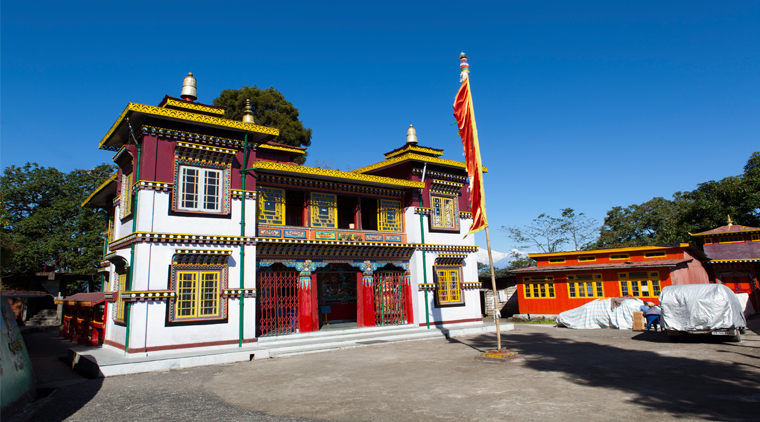 10D / 9N
Darjeeling Sikkim Tour Package
- Visit Darjeeling is one of most cool hill stations of India.
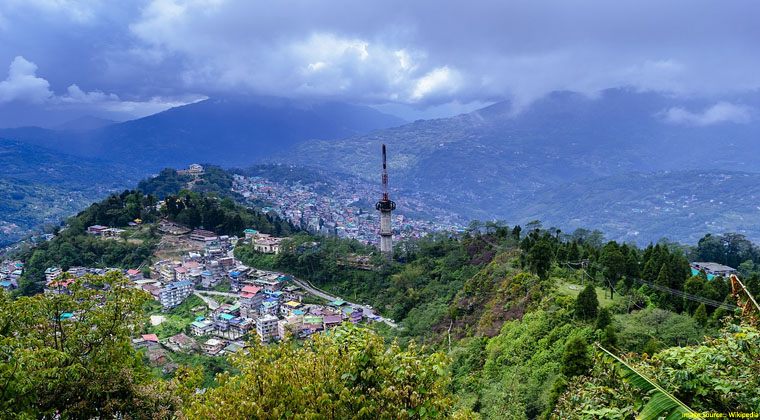 6D / 5N
Darjeeling Tour Package for Couple
- Visit the Lal Bazaar
- Visit the Rumtek Monastery