All Sacred Circuits
Char Dham · Jagannath
Jagannath Puri Dham
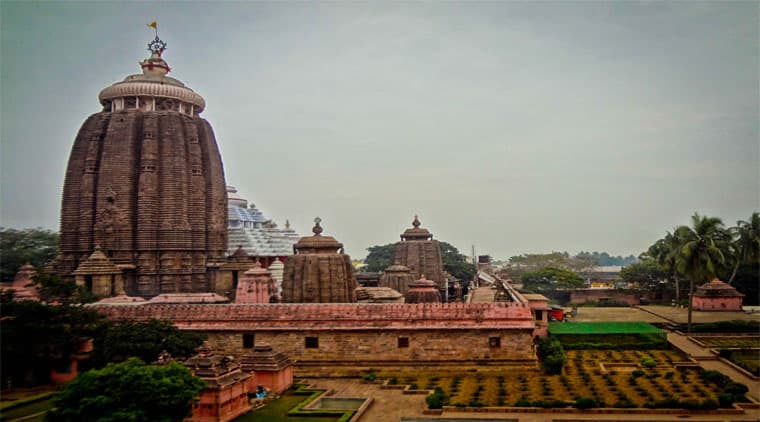
Puri is one of the four great dhams of India, and Lord Jagannatha, the Lord of the Universe, has been worshipped here for close to nine hundred years in the present temple. The moment you step onto the Grand Road and see the temple tower rising above the town, you will feel why devotees call this place Shreekshetra. Come with time in hand, because Puri is not a place you rush through.
The story of this place
The old texts call Puri Purusottama Kshetra, the abode of the Supreme Lord, and also Nilachala. The great temple you see today was raised in the 12th century by Anantavarman Chodaganga Deva of the Eastern Ganga dynasty. One of the kings after him, Anangabhima III, dedicated his whole kingdom to Lord Jagannatha and called himself only a servant of the Lord.
Inside the sanctum, Lord Jagannatha is worshipped along with his elder brother Lord Balabhadra, his sister Devi Subhadra, and Lord Sudarshana. The deities are made of sacred neem wood, and in a rare ceremony called Nabakalebara, held in special years, the old forms are replaced with newly carved ones.
Puri is counted among the Char Dham, the four great abodes of the country, along with Badrinath, Dwarka and Rameswaram. The tradition holds that a yatra to these four dhams completes a Hindu's pilgrimage of Bharat, and Puri is its eastern gate.
What you will see
The temple stands inside two rings of high walls, and its main tower rises to about 65 metres, crowned by the Nilachakra, the sacred wheel of the Lord. You enter through the Singhadwara, the Lion Gate on the east, facing the Bada Danda, the Grand Road. Just inside the gate is the Patitapabana, an image of Lord Jagannatha placed so that even those who cannot enter the temple may still have his darshan from outside.
Keep time for a slow parikrama of the many smaller shrines inside. But the living heart of the temple is its kitchen, the Rosaghara, counted among the largest temple kitchens in the world. Hundreds of cooks prepare the food every day in new earthen pots over wood fires, and the tradition holds that the offering becomes Mahaprasad only after it is offered to Lord Jagannatha and then to Goddess Bimala inside the compound.
You receive this Mahaprasad at the Ananda Bazar, the open food market inside the temple complex. Devotees of every background sit and share it side by side, with no distinction of caste or rank, and for many pilgrims this simple meal becomes the memory of Puri they carry longest.
Rath Yatra, the festival of chariots
Once a year, on the second day of the bright fortnight of Ashadha, in June or July, the Lord comes out of his temple to meet everyone. This is the Rath Yatra, described in the Skanda Purana as the greatest of his festivals. Three towering wooden chariots are built new every year. Lord Jagannatha rides the Nandighosha, Lord Balabhadra the Taladhwaja, and Devi Subhadra has her own chariot between her brothers.
Before the chariots move, the Gajapati Maharaja of Puri sweeps their floors with a golden broom in the Chhera Panhara ritual, a king serving as a sweeper before the Lord. Then lakhs of hands pull the ropes down the Grand Road to the Gundicha Temple, about 3 km away, where the deities stay for a week. The return journey is the Bahuda Yatra, and soon after it the deities are adorned in gold ornaments on the chariots, the famous Suna Besha.
During Rath Yatra the Lord is on the open road, so everyone, of every faith and country, can have his darshan on the chariots. If you can bear big crowds, it is an experience of a lifetime.
Darshan, timings and temple etiquette
The temple opens very early in the morning with the Mangala Alati and stays open until late in the night, but darshan is not continuous. The sanctum closes several times a day while the food offerings and rituals are performed, so it helps to plan. Early morning and the hours after sunset are usually the calmest for darshan. The temple administration posts the day's schedule on its official website, shreejagannatha.in, so check it before you go.
One rule must be said clearly and with respect. The temple administration itself states that entry into the temple is for Hindus only, and this old rule is followed at all four gates without exception. If someone in your group is not Hindu, they can see the temple tower and the Nilachakra from the rooftop of the Raghunandan Library, which stands across the Grand Road near the Singhadwara, and they can have full darshan of the deities during Rath Yatra.
Mobile phones, cameras, leather items and footwear are not allowed inside, so leave them at the counters near the gate. Dress modestly. Inside, sevakas may offer to guide you; be polite, keep your own pace, and keep your attention on the Lord.
Best time to visit
October to February is the kindest season, when the sea air is pleasant and the town is easy to walk. Summer, from April to June, is hot and humid, though the temple remains open every day of the year.
Rath Yatra in June or July is the biggest occasion, and the town swells with lakhs of pilgrims. If you plan for those days, book your rooms months ahead. For a quiet, unhurried darshan, the winter months are the ones we suggest to families and elders.
How to reach
Bhubaneswar has the nearest airport, about 60 km from Puri, and the drive takes around one and a half to two hours on a good road. Puri also has its own railway station, well connected to Howrah, Delhi and many other cities, and from the station the temple area is only a short ride away.
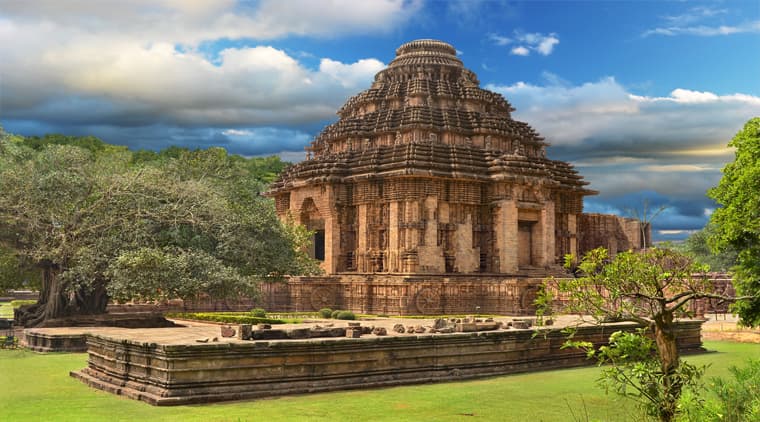
Most of our Odisha journeys join Puri with the Sun Temple at Konark, about 35 km away along the coastal road, and with Bhubaneswar's old temples. Two nights in Puri lets you do all this without rushing, with the temple visit kept for the calm early morning.
Tips from our travel experts
Go for darshan early in the morning, keep at least half a day for the temple, and eat Mahaprasad at the Ananda Bazar; it is the soul of a Puri visit.
A caution from the temple administration itself: fake websites have cheated pilgrims booking the temple guest houses. Book Bhakta Niwas rooms only through the official sites, shreejagannatha.in and stayatpurijagannatha.in, or let us arrange your stay.
Keep your footwear token and belongings receipt safely. And after darshan, walk down to the sea; an evening on the Puri beach settles the whole day beautifully.
For our NRI and OCI travellers
Hindu travellers from overseas do darshan at Puri every day, so come without worry, and carry your OCI card or passport as ID for your hotel and travel. If your spouse or friends are of another faith, plan their time kindly: the Raghunandan Library rooftop view, the Grand Road, Konark and the beach give them a full day while you are inside the temple, and Rath Yatra days give everyone darshan together.
Keep two nights in Puri, and if your dates are near Rath Yatra, tell us early, because rooms are booked out well in advance for those days.
Questions travellers ask us
Can non-Hindus enter the Jagannath temple at Puri?
No. The temple administration states that entry is for Hindus only, and the rule is followed at all four gates. Non-Hindu visitors can see the temple tower from the rooftop of the Raghunandan Library across the Grand Road, and during Rath Yatra everyone can have darshan of the deities on the chariots in the open.
When is the Rath Yatra held?
On the second day of the bright fortnight of the month of Ashadha, which falls in June or July. The deities travel by chariot to the Gundicha Temple, stay there for a week, and return in the Bahuda Yatra. The exact dates change each year with the Hindu calendar, so check the official temple calendar when you plan.
What is Mahaprasad and where do I get it?
Mahaprasad is the food cooked in the temple's great kitchen in earthen pots over wood fire and offered to Lord Jagannatha. You receive and eat it at the Ananda Bazar inside the temple complex. Devotees of every background eat it together, and sharing it is considered a great blessing.
Can I take my mobile phone inside the temple?
No. Mobile phones, cameras, leather items and footwear must be left at the counters outside. Fix a meeting point with your group before entering, and keep your deposit tokens safely.
What are the darshan timings?
The temple opens very early in the morning and closes late at night, but the sanctum closes several times a day during food offerings and rituals. Early morning and the hours after sunset are usually calmer. Check the current schedule on shreejagannatha.in or ask your consultant.
How do I reach Puri from Delhi or abroad?
Fly to Bhubaneswar, which is about 60 km from Puri, and drive down in under two hours. Puri also has its own railway station with direct trains from many major cities. For overseas guests, Delhi or Kolkata are the usual gateways to Bhubaneswar.
A note on the tours below. These packages travel close to Jagannath Puri Dham, but a package may not include a guided visit to the site itself. If you would like this place added to your journey, please tell your Way to India travel consultant and they will happily build it into your itinerary for you.
Yatras where you stay right by the temple
Yatras with the temple an easy day trip away
 4D / 3N
About 53 km from your stay at Bhubaneshwar