 18D / 17N 5
Yatra & darshan
Sacred Temple Circuits of India
India’s holiest journeys, in one place: the twelve Jyotirlingas of Lord Shiva, the Char Dham and the Himalayan Chota Char Dham, the six abodes of Lord Murugan, the Navagraha temples, the Shakti Peethas and the Divya Desams. Choose a circuit, and we will plan your yatra with time for a calm darshan at every temple.
Choose your yatra
The great pilgrimage circuits
Jyotirlinga
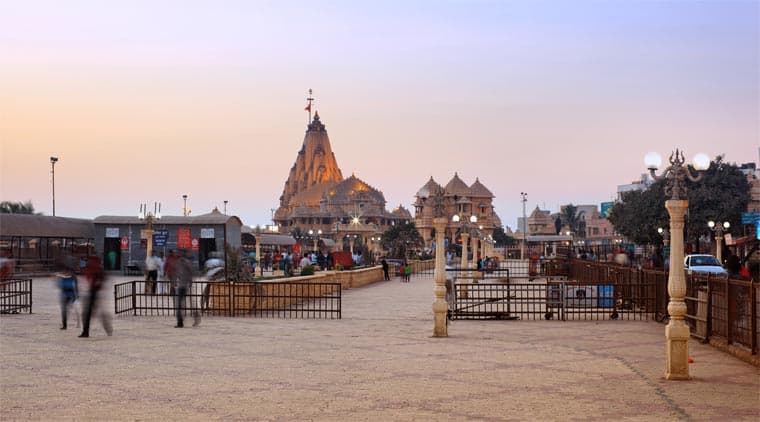
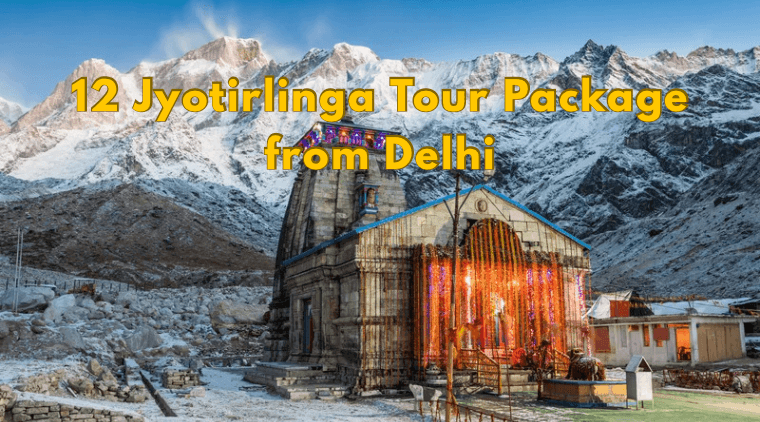
The Jyotirlingas are the twelve holiest shrines of Lord Shiva in our country. The tradition, recorded in the Shiva Purana, says that the Lord revealed himself at these places as a column of divine light, and that is why each linga here is called a Jyotirlinga, a linga of light. Somnath on the Gujarat coast is counted as the first. The other eleven are Mallikarjuna at Srisailam in Andhra Pradesh, Mahakaleshwar at Ujjain and Omkareshwar on the Narmada in Madhya Pradesh, Kedarnath high in the Uttarakhand Himalaya, Bhimashankar, Trimbakeshwar and Grishneshwar in Maharashtra, Kashi Vishwanath in Varanasi, Baidyanath at Deoghar in Jharkhand, Nageshwar near Dwarka in Gujarat, and Ramanathaswamy at Rameswaram in Tamil Nadu. Devotees believe that darshan of the Jyotirlingas frees the mind of fear and lightens the weight of past karma. Many families keep this yatra as a goal of a lifetime, completing a few shrines every year, and elders often say that Lord Shiva himself calls you when your time is right. Each temple also shows you a different face of India: the sea at Somnath and Rameswaram, the ghats of Kashi, the quiet forests of Bhimashankar, and the snow peaks behind Kedarnath. One practical word from us: do not try to finish all twelve in a single journey. Group them by region, keep Kedarnath for May, June, September or October when that temple is open, and give each darshan the unhurried time it deserves.
59 yatras available
Kedarnath JyotirlingaUttarakhand · 24 yatrasKashi Vishwanath JyotirlingaUttar Pradesh · 15 yatrasNageshwar JyotirlingaGujarat · 10 yatrasRamanathaswamy JyotirlingaTamil Nadu · 8 yatrasMahakaleshwar JyotirlingaMadhya Pradesh · 7 yatrasOmkareshwar JyotirlingaMadhya Pradesh · 7 yatrasBhimashankar JyotirlingaMaharashtra · 5 yatrasMallikarjuna JyotirlingaAndhra Pradesh · 5 yatrasGrishneshwar JyotirlingaMaharashtra · 4 yatrasVaidyanath (Baidyanath) JyotirlingaJharkhand · 4 yatrasTrimbakeshwar JyotirlingaMaharashtra · 2 yatrasSomnath JyotirlingaGujarat · 1 yatra
Char Dham
The Char Dham are the four great dhams of India, one in each direction of the land. Badrinath in the Uttarakhand Himalaya is the northern dham, where Lord Vishnu is worshipped as Badrinarayan. Dwarka on the Gujarat coast is the western dham, the city of Lord Krishna. Puri in Odisha is the eastern dham, the home of Lord Jagannath. Rameswaram in Tamil Nadu is the southern dham, where Lord Shiva is worshipped as Ramanathaswamy, and the tradition says Lord Rama himself worshipped the Lord here before crossing over to Lanka. The tradition connects these four dhams to Adi Shankaracharya, who in the 8th century established his four mathas in the four corners of the country and gave Hindus one spiritual map of the whole of Bharat. Devotees believe that a yatra to all four dhams cleanses the soul and opens the path to moksha. Three of the dhams are shrines of Lord Vishnu and one, Rameswaram, is a shrine of Lord Shiva, which is also counted among the twelve Jyotirlingas, so this one yatra brings you to the feet of both Hari and Hara. It is also a beautiful way to see India itself, from the snows of the Himalaya to the southern sea. A comfortable plan is to complete one dham at a time over two or three years. Remember that Badrinath is open only from late April or early May until just after Diwali, so fix the northern leg around those dates first.
38 yatras available
Chota Char Dham
The Chota Char Dham is the beloved Himalayan yatra of Uttarakhand, the land devotees call Dev Bhoomi. It joins four shrines in the Garhwal Himalaya: Yamunotri, the seat of Goddess Yamuna; Gangotri, the seat of Goddess Ganga near the source of the holy river; Kedarnath, the highest of the twelve Jyotirlingas of Lord Shiva; and Badrinath, the abode of Lord Vishnu, which is also the northern dham of the all India Char Dham. The tradition is to travel from west to east, so you begin at Yamunotri and end your yatra at the feet of Badri Vishal. Devotees believe this journey washes away sins and brings the soul closer to moksha, and for many Indian families it is the one yatra they dream of for years. The rivers you worship at home, Ganga and Yamuna, are met here as young mountain streams, and that alone moves many yatris to tears. All four temples are seasonal. They open around Akshaya Tritiya, in late April or early May, and close around Diwali, after which the deities are worshipped at winter seats in lower villages. Registration on the Uttarakhand government portal, registrationandtouristcare.uk.gov.in, is compulsory for every yatri, and the QR code is checked on the route. For planning, keep 9 to 12 days from Haridwar or Rishikesh for all four dhams, and always keep one buffer day for mountain weather.
24 yatras available
Arupadai Veedu
The Arupadai Veedu are the six sacred abodes of Lord Murugan, and all six are in Tamil Nadu. The name means the six battle camps of the Lord, and these shrines were sung by the poet Nakkeerar in the Thirumurugatrupadai, a work of the ancient Sangam age, and later by Arunagirinathar in the Thiruppugazh. So when you take this yatra, you are following a path that Tamil devotion has walked for many centuries. The six abodes are Thiruparankundram near Madurai, where the tradition says the Lord married Deivanai; Thiruchendur, the only abode on the seashore, where he defeated the demon Surapadman; Palani, where he appears as Dandayudhapani, the young renunciate with his staff; Swamimalai near Kumbakonam, where he taught the meaning of the Pranava, Om, to his own father, Lord Shiva, and earned the name Swaminatha; Thiruthani, where he rested in peace after battle; and Pazhamudircholai, a green hill of fruit and forest near Madurai, where he blesses devotees with his consorts Valli and Deivanai. Devotees take this yatra to receive the grace of Lord Murugan at each chapter of his divine story, for good health, for the removal of obstacles, and for the joy of singing his names on the road. For planning, all six temples can be covered comfortably by road in about 5 to 7 days, and Madurai makes a natural base, with Thiruparankundram and Pazhamudircholai close by.
45 yatras available
Navagraha
The Navagraha yatra takes you to nine temples in the green Cauvery delta of Tamil Nadu, around the towns of Kumbakonam and Mayiladuthurai. Each temple is the special seat of one of the nine grahas, the celestial bodies that Hindu astrology says shape our lives. Suryanar Kovil is the temple of Surya, the Sun. Thingalur is for Chandra, the Moon. Vaitheeswaran Koil is for Angaraka, Mars. Thiruvenkadu is for Budha, Mercury. Alangudi is for Guru, Jupiter. Kanjanur is for Sukra, Venus. Thirunallar, which lies in Karaikal, is for Shani, Saturn. Thirunageswaram is for Rahu and Keezhaperumpallam is for Ketu. Most of these are ancient temples of Lord Shiva from the Chola age, and the graha is worshipped at a special shrine within the temple. Devotees come here for pariharam, the prayers that seek relief from graha doshas in the horoscope. Families pray for a delayed marriage, for health, for peace at home, or simply to thank the grahas at the start of a new chapter of life. Many devotees choose to visit each temple on the weekday of its graha, so Thingalur on a Monday and Thirunallar on a Saturday see the largest crowds. For planning, all nine temples sit within a comfortable drive of Kumbakonam and are usually covered in two unhurried days. Start early each morning, dress traditionally, and keep the afternoon closing hours of village temples in mind.
2 yatras available
Shakti Peetha
The Shakti Peethas are the seats of the Divine Mother, and their story is one of the most moving in our tradition. The Puranas say that Sati, the daughter of Daksha, gave up her body when her father insulted Lord Shiva at his great yagna. The grieving Lord carried her body across the universe, and the places where parts of her sacred form came to rest became the Shakti Peethas. At each peetha the Goddess is worshipped in a local form, and beside her stands her Bhairava, a form of Lord Shiva who guards the seat. The tradition counts 51 Shakti Peethas, and texts like the Pithanirnaya Tantra place them across India and the neighbouring lands, including present day Nepal, Bangladesh, Pakistan and Sri Lanka. Among the most visited are Kamakhya on the Nilachal hill in Assam, Kalighat in Kolkata, Tara Tarini in Odisha, and Vimala, who sits within the Jagannath temple complex at Puri. Devotees undertake this yatra to sit in the presence of the Mother, to seek her protection and strength, and many time their visits to Navaratri, when every peetha glows with lamps and song. No one attempts all 51 in one journey. A practical way is to take them region by region, and the peethas of the east, around Kolkata, Odisha and Assam, make a natural and deeply rewarding first circuit.
32 yatras available
Vindhyavasini Shakti PeethaUttar Pradesh · 15 yatrasVishalakshi Shakti PeethaUttar Pradesh · 15 yatrasBhagavathy Amman (Kanyakumari) Shakti PeethaTamil Nadu · 8 yatrasMahakali (Ujjaini) Shakti PeethaMadhya Pradesh · 7 yatrasKamakhya Shakti PeethaAssam · 5 yatrasKalighat Shakti PeethaWest Bengal · 2 yatras
Divya Desam
The Divya Desams are the 108 shrines of Lord Vishnu praised in the songs of the Alvars, the twelve Tamil poet saints whose 4,000 verses form the Nalayira Divya Prabandham. A temple becomes a Divya Desam only because an Alvar sang of the Lord there, so this circuit is really a garland of poetry laid across the land. Of the 108, 105 are in India. One more, Muktinath, called Thiru Saligramam in the tradition, is in Nepal. The last two, Thirupparkadal, the ocean of milk, and Sri Vaikuntham, the eternal abode, are not on this earth at all; the tradition says the soul reaches them beyond this life. Within India, Tamil Nadu holds 84 Divya Desams and Kerala 11, and the rest are spread across Andhra Pradesh, Gujarat, Uttar Pradesh and Uttarakhand, so Tirumala and Badrinath also belong to this holy list. Srirangam, the vast island temple of Lord Ranganatha near Trichy, is honoured as the first and foremost among them. Sri Vaishnava devotees take this yatra to walk in the footsteps of the Alvars, and there is no feeling like hearing a pasuram sung in the very sanctum it describes. Completing all 105 in India is the devotion of a lifetime, so begin simply. Start at Srirangam, add the temples around Trichy and Kumbakonam, and then take the Kanchipuram cluster, where many Divya Desams sit close together.
25 yatras available
Sri Padmanabhaswamy (Thiruvananthapuram) Divya DesamKerala · 15 yatrasVaradaraja Perumal (Kanchipuram) Divya DesamTamil Nadu · 6 yatrasTirumala Venkateswara Divya DesamAndhra Pradesh · 3 yatrasSarangapani (Kumbakonam) Divya DesamTamil Nadu · 2 yatrasSri Ranganathaswamy (Srirangam) Divya DesamTamil Nadu
Most darshan in one trip
Yatras that cover the most temples
These journeys take you to many holy temples in a single trip, a blessing if you wish to have darshan at as many shrines as your days allow.
18D / 17N 5Darshan at 18 temples
 19D / 18N
12 Jyotirlinga Tour Package from Delhi
● Starts Delhi
From₹85,000* / person
Explore →EMI from ₹4,162/mo
Darshan at 16 temples
 18D / 17N
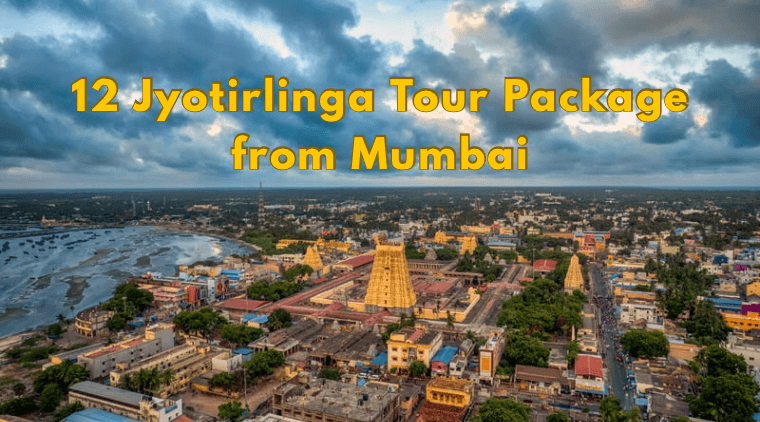
12 Jyotirlinga Tour Package from Mumbai
● Starts Mumbai
From₹90,000* / person
Explore →EMI from ₹4,407/mo
Darshan at 16 temples
 13D / 12N
Darshan at 10 temples
Darshan at 7 temples
 7D / 6N
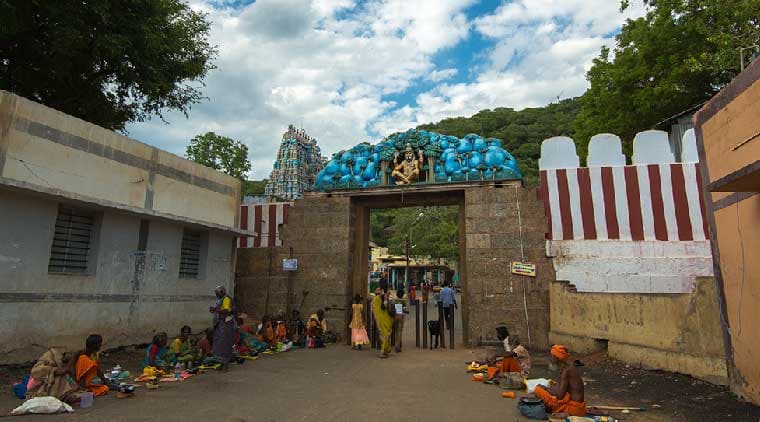
Tirupati Madurai Rameshwaram Kanyakumari Tour Package
● Starts Chennai
From₹20,500* / person
Explore →EMI from ₹1,004/mo
Darshan at 6 temples
Explore more of sacred India
See India’s World Heritage Sites, or open the living map of every destination.