 13D / 12N
 All Sacred Circuits
Divya Desam · Vishnu
Varadaraja Perumal (Kanchipuram) Divya Desam
Kanchipuram is counted among the seven mukti cities of our tradition, and the Varadaraja Perumal temple is its greatest Vishnu shrine. Among the 108 Divya Desams, Srirangam is called Koil, Tirupati is called Malai, and this temple is honoured simply as Perumal Koil. Come here for the darshan of Lord Varadaraja, and stay a little longer for the silk that has made this town famous for centuries.
The story of this place
The tradition says that Lord Brahma performed a great yagna at this spot, on the small elephant-shaped hillock called Hastagiri. From that yagna, Lord Vishnu rose with the brilliance of a thousand suns as Varadaraja, the king who grants boons, appearing from the sacred athi, the fig tree. That is why the temple is also called Attigiri, the hill of the athi tree.
History has left its own record here. The temple was renovated by the Cholas in 1053 and expanded under the great kings Kulottunga Chola I and Vikrama Chola. Later, the Vijayanagara kings added halls and towers, including the famous hundred pillared hall. Around 350 inscriptions on these walls speak of gifts from Chola, Pandya, Hoysala and Vijayanagara rulers. When invasions threatened the town in 1688, the deity was carried away to Udayarpalayam for safety and brought back years later, an event the temple still remembers as a festival.
For Sri Vaishnavas, this temple has one more glory. The great acharya Ramanuja lived here, and the tradition says the Lord himself answered his six questions through the devotee Thirukkachi Nambi, who fanned the deity every day and heard him speak. When you stand in the sanctum, remember that you are standing where that conversation is believed to have taken place.
The Athi Varadar tradition
The original deity of this temple was made from the wood of the athi tree. The tradition says that in troubled times centuries ago, this deity was hidden in a secret underground chamber inside the temple tank, the Anantha Sarovaram. In 1709, when the tank was emptied, the deity was found again, and from then a unique practice was established. Athi Varadar rests under the water of the tank and is brought out for worship only once in 40 years, for exactly 48 days.
This last happened from 1 July to 17 August 2019, when lakhs of devotees from India and abroad stood in queue for this once-in-a-lifetime darshan. For the first 24 days the Lord gave darshan in a reclining posture, and for the next 24 days in a standing posture. Then he returned to his chamber under the tank. As per the temple tradition, the next Athi Varadar darshan is expected in 2059. If you were blessed to see him in 2019, you carry a rare punya. If not, tell your children and grandchildren to keep 2059 in mind.
What you will see
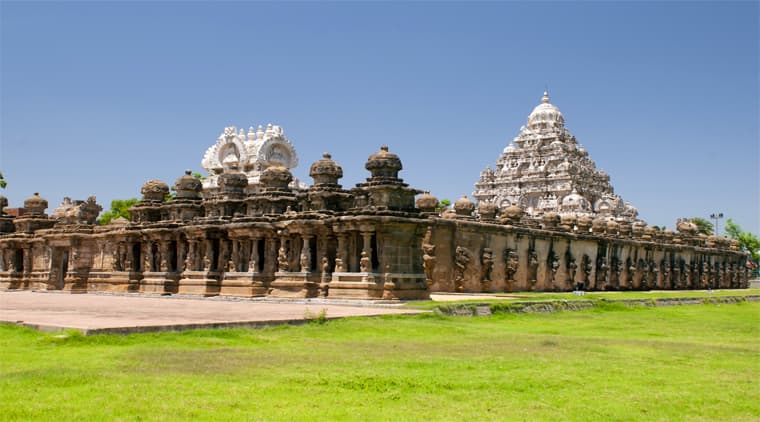
The temple spreads over about 23 acres in Chinna Kanchipuram, the Vishnu Kanchi side of the town, with tall gopurams on the east and west. Inside, the main sanctum sits on the Hastagiri hillock, and you climb a short flight of steps for the darshan of Lord Varadaraja, a tall and majestic form. The custom here is to first worship Goddess Perundevi Thayar in her shrine, and only then go to the Lord, so follow the flow of devotees.
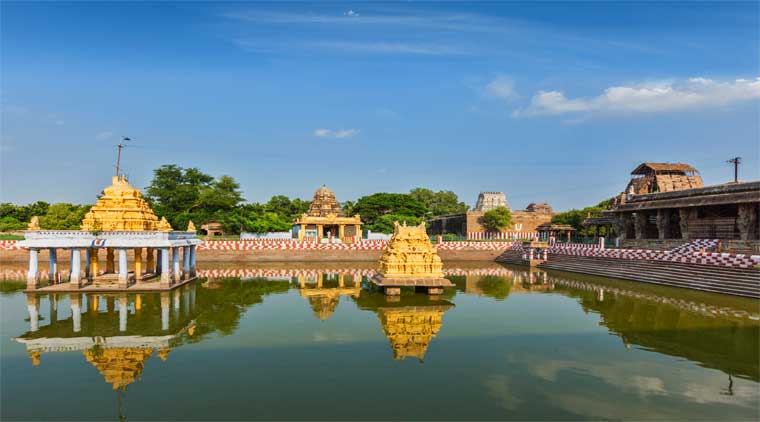
Give time to the hundred pillared hall, a masterpiece of Vijayanagara craftsmanship. Its pillars carry riders on rearing horses, scenes from the Ramayana and Mahabharata, and a stone chain carved from a single rock that visitors still touch in wonder. On the ceiling near the sanctum, look for the famous golden and silver lizards. The tradition says they are linked to an old curse and its release, and devotees touch them as a mark of blessing. The temple tank, Anantha Theertham, holds the hidden chamber of Athi Varadar below its calm water.
Darshan, timings and temple etiquette
As per the temple's official HR&CE information, the temple is open in the morning from about 7.30 am to 12.30 pm and in the evening from about 3.30 pm to 8 pm. Like most Tamil temples, it stays closed in the afternoon, so plan your darshan for the morning or the evening. Timings change on festival days, so please check the official temple website or ask your consultant before you go.
Dress modestly, as you would for any large South Indian temple. Traditional wear is appreciated, and shorts and sleeveless clothes are best avoided. Leave your footwear at the stand, keep your phone silent, and remember the custom of visiting the Thayar shrine first. There are paid darshan and seva options at certain hours; the details keep changing, so check at the temple counter.
Best time to visit
November to February is the most comfortable season, when Kanchipuram is cool enough to walk through the long corridors at ease. Summer, from April to June, is very hot, so keep darshan for the early morning if you come then.
The grandest festival is the Vaikasi Brahmotsavam in May and June, when the Garuda Sevai draws enormous crowds. It is a wonderful sight, but if you want a quiet darshan, choose an ordinary weekday morning instead.
How to reach
Kanchipuram is about 70 to 75 km from Chennai, and the drive takes around 2 hours. Chennai airport is the practical gateway for travellers coming from other cities or from abroad. Kanchipuram has its own railway station with limited trains, so most of our guests come by road.
The town works beautifully as a day trip from Chennai, and many travellers combine it with Mahabalipuram, which is about 65 km away, for one full day of temples and shore heritage. Within Kanchipuram, autos and taxis connect Varadaraja Perumal temple with the Kamakshi Amman and Ekambareswarar temples on the Shiva Kanchi side.
Tips from our travel experts
Plan one full day for Kanchipuram. Do Varadaraja Perumal in the morning, take lunch, and keep the afternoon closure hours for silk shopping before the temples reopen. Kanchipuram silk sarees are woven here by generations of weaver families, and a wedding saree from this town is a treasure in any Indian home. Buy only from government-run or well-established weaver showrooms, ask for the silk mark, and take your time.
Inside the temple, hire one of the local guides if you want the stories behind the hundred pillared hall; the carvings come alive with a good storyteller. And do not miss touching the golden and silver lizards on the ceiling; for devotees, this small act completes the Kanchi darshan.
For our NRI and OCI travellers
Kanchipuram is one of the easiest sacred towns to add to an India trip, since it sits just 2 hours from Chennai airport. Many of our overseas guests land in Chennai, do Kanchipuram and Mahabalipuram over two days, and then fly onward.
If there is a wedding in your family, plan half a day extra for the silk showrooms; sarees bought at the weaving town itself carry a special meaning. And if your parents saw Athi Varadar in 2019, bring them back to show where the Lord rests beneath the tank; the pride on their faces will be worth the trip.
Questions travellers ask us
What is special about Athi Varadar?
Athi Varadar is the original fig-wood deity of the temple. He rests in an underground chamber inside the temple tank and is brought out for darshan only once in 40 years, for 48 days. This last happened from 1 July to 17 August 2019, and as per the temple tradition the next darshan is expected in 2059.
What are the temple timings?
As per the temple's official information, the temple is open from about 7.30 am to 12.30 pm and again from about 3.30 pm to 8 pm. It remains closed in the afternoon, and timings change on festival days, so check the official HR&CE temple website before you plan.
Which shrine should I visit first?
The custom here is to first take the darshan of Goddess Perundevi Thayar in her shrine and then go up the Hastagiri steps for the darshan of Lord Varadaraja. Follow the flow of devotees and the temple staff will guide you.
Is there an entry fee?
Entry to the temple is free. There are paid darshan and seva options at certain hours, and the rates change from time to time, so please check at the temple counter or on the official temple website.
Can I combine the temple visit with silk shopping?
Yes, and you should. The temple closes in the afternoon, and those hours are perfect for the silk showrooms. Buy from government-run or well-established weaver shops and ask for the silk mark for genuine Kanchipuram silk.
How do I plan Kanchipuram from Chennai?
Kanchipuram is about a 2 hour drive from Chennai. Leave early, reach the temple by 8 am for a calm darshan, cover Kamakshi Amman and Ekambareswarar the same day, and return to Chennai by evening. Many travellers add Mahabalipuram for a second day.
A note on the tours below. These packages travel close to Varadaraja Perumal (Kanchipuram) Divya Desam, but a package may not include a guided visit to the site itself. If you would like this place added to your journey, please tell your Way to India travel consultant and they will happily build it into your itinerary for you.