All Sacred Circuits
Char Dham · Chota Char Dham · Vishnu
Badrinath Dham
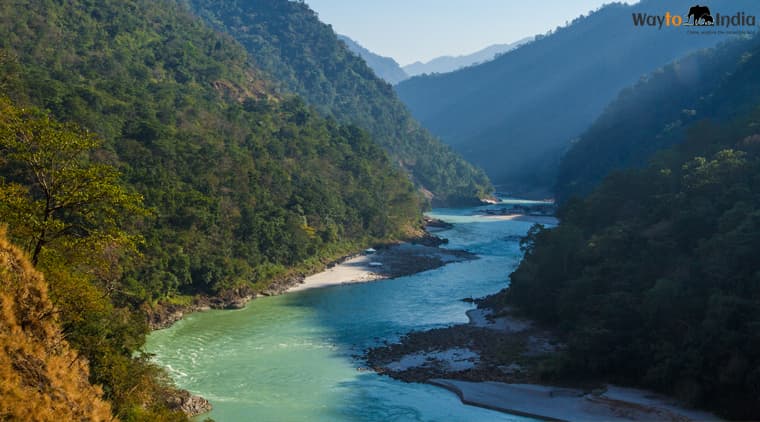
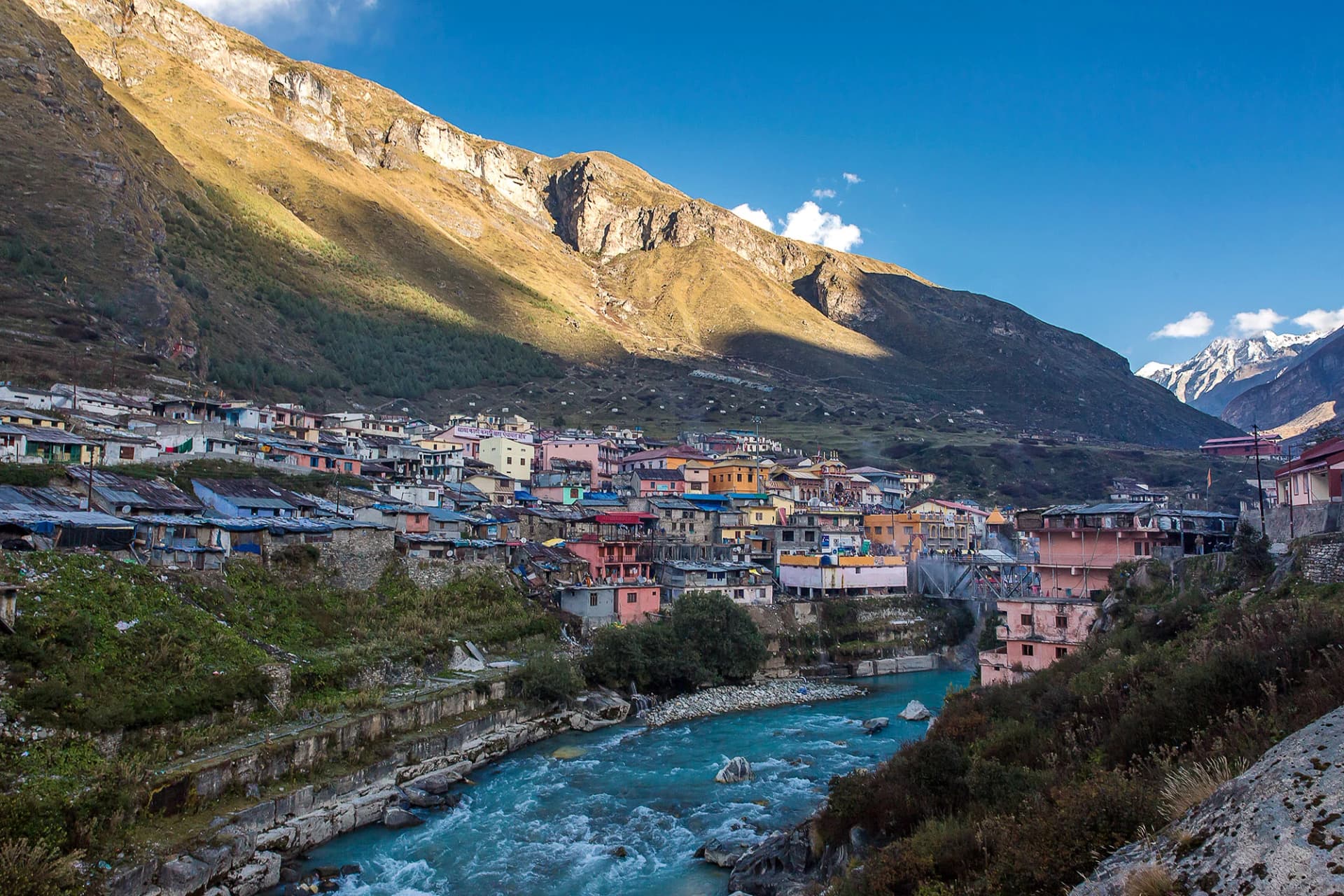
Badrinath Dham sits at about 3,133 metres in the Garhwal Himalaya, on the bank of the Alaknanda river, with the snow peak of Neelkanth rising behind it. This is the abode of Lord Vishnu as Badri Vishal, and it is counted in both the all India Char Dham and the Chota Char Dham of Uttarakhand. The road reaches right up to the town, so this great darshan is possible even for your elderly parents.
The story of this place
The tradition says that Lord Vishnu sat in deep tapasya at this spot, and Goddess Lakshmi took the form of a badri tree, a wild berry tree, to shelter him from the harsh mountain weather. Moved by her love, the Lord took the name Badri Vishal, the Lord of the Badri grove. The twin peaks that rise on either side of the valley are called Nar and Narayan, after the two forms in which the Lord did penance here.
Adi Shankaracharya came to this valley in the 8th century and gave the dham the form of worship that continues today. The tradition holds that he recovered the black shaligram image of the Lord from the waters of Narad Kund and installed it in the temple. Badrinath is the only dham that is part of both the great yatras of our tradition: the all India Char Dham along with Dwarka, Puri and Rameswaram, and the Chota Char Dham of Uttarakhand along with Yamunotri, Gangotri and Kedarnath.
Today the temple is managed by the Shri Badarinath Kedarnath Temple Committee, formed under a law of 1939, which also looks after dozens of smaller temples along the yatra route.
What you will see
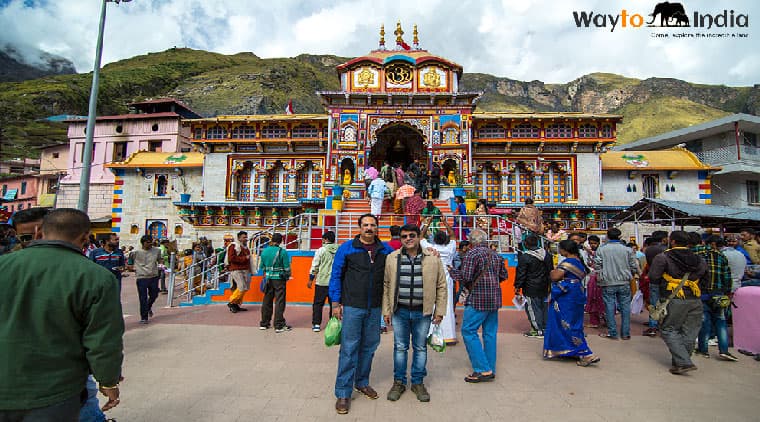
The temple rises above the Alaknanda with a brightly painted facade that looks almost joyful against the grey and white mountains. You enter through the Singh Dwara, and inside the sanctum sits the black stone image of Lord Badrinarayan in padmasana, in deep meditation. Devotees say that one calm look at this form settles the mind like nothing else.
Just below the temple is Tapt Kund, a natural hot water spring. Even when the air outside is freezing, this water stays hot, and pilgrims bathe here before darshan. A short walk away on the riverbank is Brahma Kapal, where families offer pind daan for their ancestors; the tradition holds that an offering made here brings lasting peace to the departed.
About 3 km beyond the temple is Mana, the last Indian village before the Tibet border. Here you can see Vyas Gufa, the cave where tradition says Ved Vyas composed the Mahabharata, the Ganesh Gufa nearby, and Bhim Pul, a huge rock bridge over the roaring Saraswati river. The signboard at Mana calling it the first village of India makes a happy photograph for every yatri.
Darshan, timings and temple etiquette
Badrinath is a seasonal temple. The doors open each year around Akshaya Tritiya, in late April or early May; in 2026 they opened on 23 April. The closing date is declared around Vijayadashami, and the doors close in November. Through the winter, an akhand jyoti of ghee is left burning inside the closed temple, and the worship continues at the Narasimha temple in Joshimath, so a winter traveller can still have darshan there.
The temple day begins before dawn with the Maha Abhishek, darshan continues through the morning, there is a break in the afternoon, and the evening ends with the Shayan Aarti. Timings shift with the season and the crowd, so please check the current schedule on the official website, badrinath-kedarnath.gov.in, or ask your consultant.
Registration for the Char Dham Yatra on the Uttarakhand government portal, registrationandtouristcare.uk.gov.in, is compulsory for every yatri, and the QR code is checked on the route. Many pilgrims bathe at Tapt Kund before entering the temple; if the water feels too hot, sprinkling a little on the head is accepted. Dress warmly and modestly, keep your phone away inside the temple, and keep patience in the queue during May and June.
Best time to visit
May and June are the main season, when the doors have just opened and the whole valley is full of yatris. The weather is at its kindest, but rooms and darshan queues are at their fullest.
September and October are the months we quietly suggest to our guests. The monsoon has washed the mountains clean, the skies are often clear, and the crowds are much smaller. Early November, just before the closing, is cold but very peaceful.
July and August are the monsoon months, when landslides can block the mountain roads. We do not suggest these months for elders or families with small children. From late November to April the temple is closed and the deity is worshipped at Joshimath.
How to reach
The nearest airport is Jolly Grant, Dehradun, about 315 km away, and the nearest railheads are Rishikesh and Haridwar. From Rishikesh the road climbs about 295 km through the holy prayags, Devprayag, Rudraprayag, Karnaprayag and Nandprayag, and then through Joshimath to Badrinath. It is a full day of mountain driving, so most of our journeys keep a night halt at Rudraprayag, Karnaprayag or Joshimath and reach Badrinath fresh the next day.
The great comfort of Badrinath is that the road goes right up to the town, and the temple is a short walk from where the vehicle stops. There is no trek. This is why we often plan Badrinath as the gentlest of the four dhams for senior citizens.
If you are combining Badrinath with Kedarnath, the routes separate at Rudraprayag, and we plan the nights so that no driving day becomes too long.
Tips from our travel experts
Keep one buffer day in your plan. Mountain weather changes quickly, and a spare day protects the whole yatra. Carry proper woollens even in June, your regular medicines, an ID and your registration QR code.
Badrinath is above 3,000 metres, so walk slowly on your first day and drink water often. Elders should take a doctor's advice before travelling. Book your rooms well in advance for May and June; the town is small and fills up fast.
Keep one late afternoon free for Mana village and one evening for the aarti at the temple. And if there has been a birth or a death in the family in the past year, ask your family pandit about the rites at Brahma Kapal before you travel, so that you go prepared.
For our NRI and OCI travellers
The Uttarakhand registration portal accepts passport details, so you can complete the compulsory registration from abroad before you fly; we do this for all our guests when they book. Because there is no trek, Badrinath is the dham our overseas guests most often choose for travelling with parents.
Keep at least 5 days from Delhi for a comfortable Badrinath darshan, or 10 to 12 days if you wish to do the full Chota Char Dham. Roads in the higher valley can close for short spells after heavy rain, so build your international return flight with a clear buffer. Many of our NRI yatris tell us that standing at Bhim Pul in Mana, with the Saraswati thundering below, felt like touching the oldest memory of India.
Questions travellers ask us
When is Badrinath temple open?
The temple opens around Akshaya Tritiya, in late April or early May, and closes in November; the closing date is declared around Vijayadashami each year. In 2026 the doors opened on 23 April. In winter the worship continues at the Narasimha temple in Joshimath.
Is there any trek to reach Badrinath?
No. The motor road goes right up to Badrinath town, and the temple is a short walk from the parking area. This makes Badrinath the most comfortable of the four Uttarakhand dhams for elders.
Is registration compulsory for the Badrinath yatra?
Yes. Every yatri must register on the Uttarakhand government portal, registrationandtouristcare.uk.gov.in, and the QR code is checked on the route. We complete this registration for all our guests as part of the package.
What is Tapt Kund?
Tapt Kund is a natural hot water spring just below the temple. Pilgrims traditionally bathe in it before darshan. The water stays hot through the year, which itself feels like a small wonder at this altitude.
Can I visit Mana village on the same trip?
Yes, and you should. Mana is only about 3 km from Badrinath, the last Indian village before the Tibet border. Keep two to three hours for Vyas Gufa, Ganesh Gufa and Bhim Pul over the Saraswati river.
Can I combine Badrinath with Kedarnath?
Yes. The two routes separate at Rudraprayag. A combined yatra usually needs 6 to 7 days from Haridwar or Rishikesh, and we plan the night halts so that no day on the mountain roads becomes too long.
A note on the tours below. These packages travel close to Badrinath Dham, but a package may not include a guided visit to the site itself. If you would like this place added to your journey, please tell your Way to India travel consultant and they will happily build it into your itinerary for you.
Yatras where you stay right by the temple
Yatras with the temple a short drive away
About 16 km from your stay at Govindghat
Valley of Flowers Uttarakhand Package
From₹41,357* / person
Explore →EMI from ₹2,025/mo
About 16 km from your stay at Govindghat
 7D / 6N
About 16 km from your stay at Govindghat
 6D / 5N
Valley of Flowers Trekking Tour
From₹30,490* / person
Explore →EMI from ₹1,493/mo
About 16 km from your stay at Govindghat
 6D / 5N
About 22 km from your stay at Joshimath
 16D / 15N
About 22 km from your stay at Joshimath
Yatras with the temple an easy day trip away
 6D / 5N
About 41 km from your stay at Kedarnath
 5D / 4N
Rafting in Rishikesh with trekking in Himalayas
● Starts Haridwar
From₹25,056* / person
Explore →EMI from ₹1,227/mo
About 45 km from your stay at Deoria Tal
 4D / 3N
About 46 km from your stay at Guptkashi
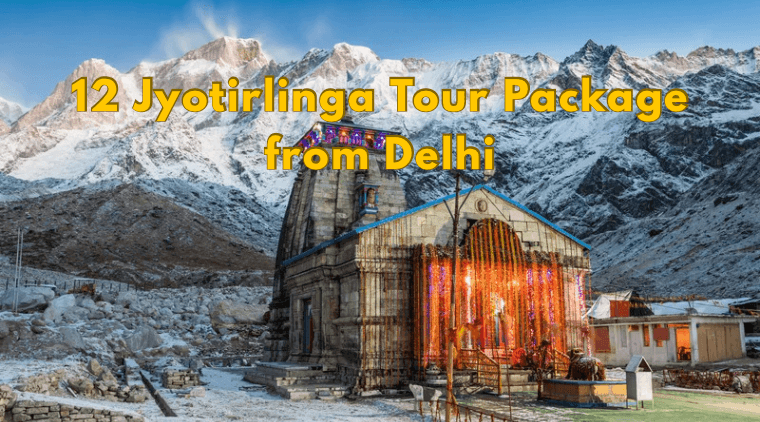 19D / 18N
12 Jyotirlinga Tour Package from Delhi
● Starts Delhi
From₹85,000* / person
Explore →EMI from ₹4,162/mo
About 46 km from your stay at Guptkashi
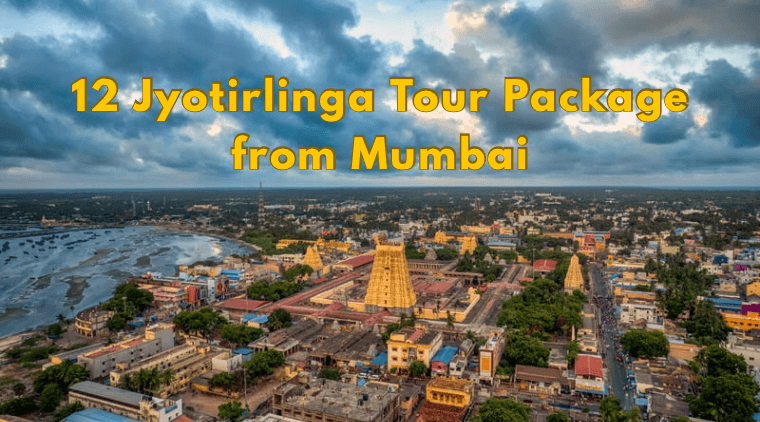 18D / 17N
12 Jyotirlinga Tour Package from Mumbai
● Starts Mumbai
From₹90,000* / person
Explore →EMI from ₹4,407/mo
About 46 km from your stay at Guptkashi
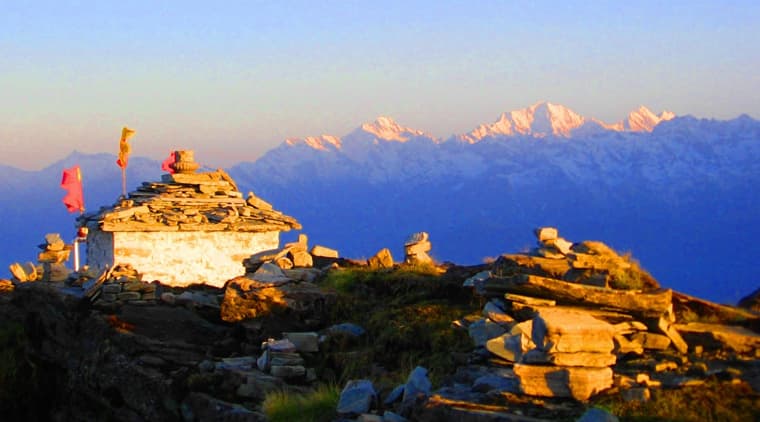 4D / 3N
About 46 km from your stay at Ukhimath
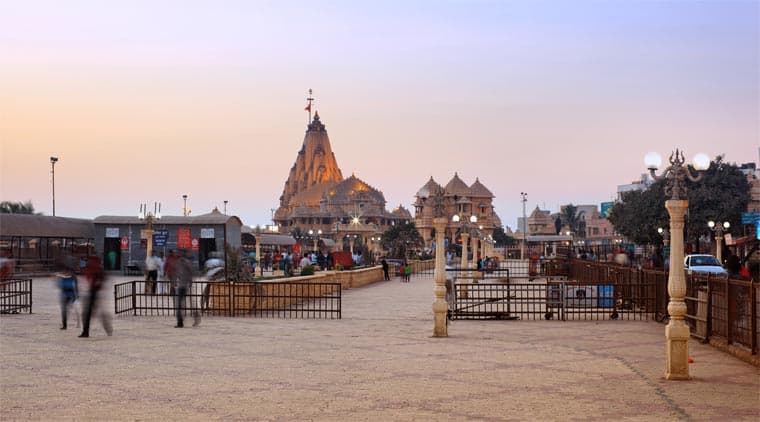 18D / 17N 5
About 46 km from your stay at Guptkashi
 7D / 6N
About 60 km from your stay at Gangotri
 6D / 5N
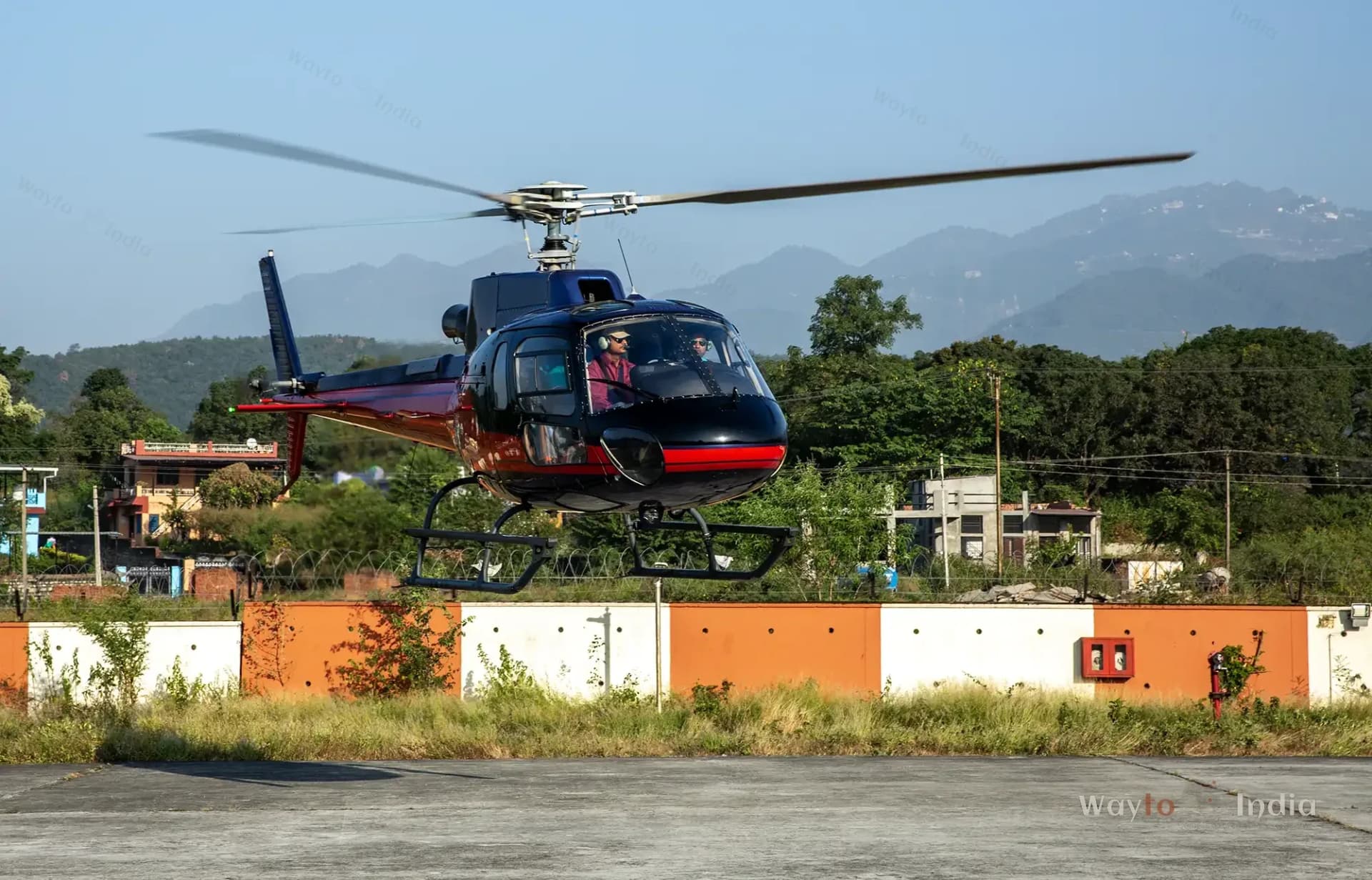
Char Dham Yatra By Helicopter From Dehradun
● Starts Dehradun
From₹2,45,000* / person
Explore →EMI from ₹11,996/mo
About 60 km from your stay at Gangotri
 8D / 7N
About 64 km from your stay at Chopta