 11D / 10N 5
8 days
7 nights
Delhi
start point
May–June & Sep–Oct
best season
16+ yearscrafting India journeys · since 2010
Trustedby travellers worldwide
Local repsIndia + overseas support
No prepayfree customisation · GST invoice
Overview
Tour overview
The Badrinath–Kedarnath Yatra invites you on a sacred journey to the divine abodes of Lord Vishnu and Lord Shiva, nestled in the majestic Himalayas of Uttarakhand. Experience faith, serenity, and spiritual awakening in two of Hinduism’s holiest pilgrimage destinations.
Badrinath Kedarnath Yatra is one amongst the most pious of the Hindu Pilgrimage tours in Uttarakhand state of India. Badrinath Kedarnath Yatra commences from Delhi, the capital city of India and proceeds to Haridwar. Next leg of the Badrinath Kedarnath Yatra also known as Do Dham Yatra takes the pilgrims to Guptkashi, a small hill town which is considered as the gateway to Shri Kedarnath Shrine.Guptkashi is also important as most of the Helipads for Shri Kedarnath are located either in Guptkashi or in Phata which is just about 15 Kms ahead on the road head from Guptkashi. Pilgrims on the Badrinath Kedarnath Yatra, may take a helicopter ride from Guptkashi / Phata to Kedarnath (for which pre-booking of helicopter tickets is required and can be arranged by Waytoindia.com) , or trek to Shri Kedarnath Shrine from Gaurikund. After Darshan at Shri Kedarnath Shrine, the Badrinath Kedarnath Yatra proceeds to Badrinath Dham, which is one of the four Hindu pilgrimage centres established by Adi Guru Shankracharya, others being Dwarkadhish, Jagannath & Rameshwaram in western India, eastern India and southern India respectively.
Badrinath Kedarnath Yatra is one amongst the most pious of the Hindu Pilgrimage tours in Uttarakhand state of India. Badrinath Kedarnath Yatra commences from Delhi, the capital city of India and proceeds to Haridwar.
Importance & Short Story of the Badrinath–Kedarnath Yatra
The Badrinath–Kedarnath Yatra is highly sacred as it unites the divine energies of Lord Vishnu and Lord Shiva, making it a complete spiritual pilgrimage. It is believed that performing this yatra cleanses past karmas, removes sins, and brings peace, prosperity, and spiritual growth. According to legend, Lord Shiva manifested at Kedarnath to bless the Pandavas after the Mahabharata, while Lord Vishnu meditated at Badrinath for the welfare of mankind, protected by Goddess Lakshmi in the form of a Badri tree. Together, these holy shrines form the revered Do Dham Yatra, offering devotees divine blessings amidst the serene Himalayas.
En route Prayags:
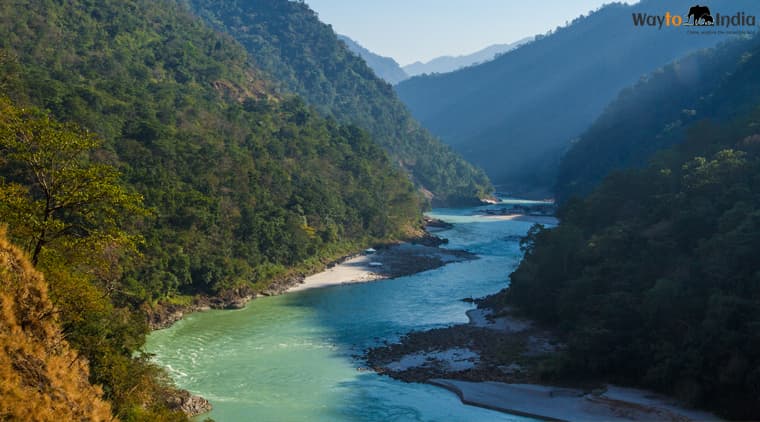
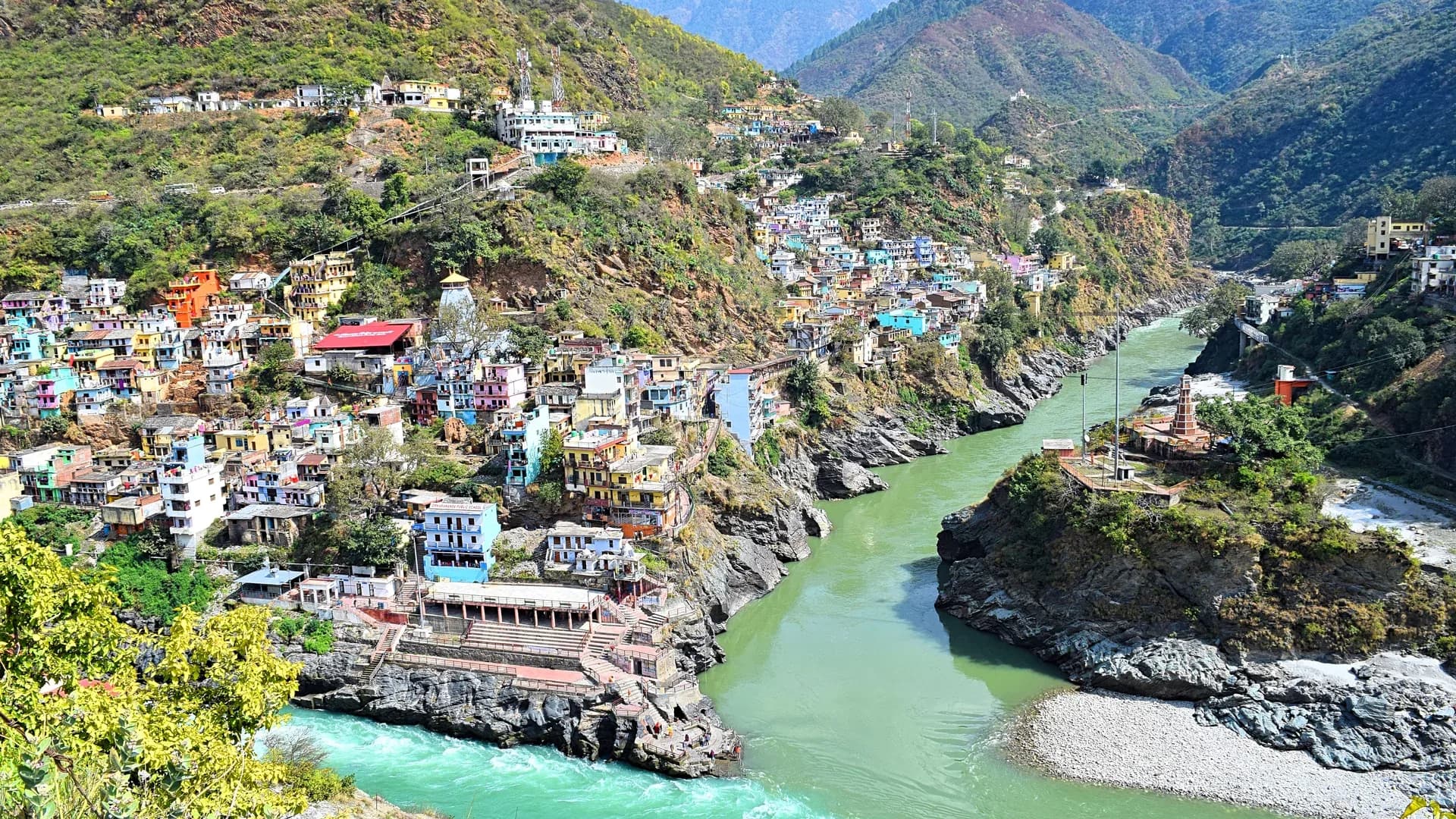
• Devprayag – The sacred confluence of Alaknanda and Bhagirathi rivers, where River Ganga is officially formed.
• Rudraprayag – The holy meeting point of Alaknanda and Mandakini rivers, deeply associated with Lord Shiva.
• Karnaprayag – The confluence of Alaknanda and Pindar rivers, believed to be the place where Karna meditated to please the Sun God.
• Nandaprayag – The serene confluence of Alaknanda and Nandakini rivers, named after King Nanda, foster father of Lord Krishna.
Tour highlights
Visit Special Pooja at Shri Kedarnath Temple
Visit Devprayag
Visit Laxman Jhula
Badrinath Dham
Karanprayag
Nandprayag
Guptkashi
Rudraprayag
Destinations covered
Best Time
May–June & Sep–Oct
Ideal For
Pilgrims/Devotees, Families, Seniors (with assistance)
Difficulty
Moderate
Day by day
Day-by-day itinerary
A carefully paced plan, day by day. Tap any day for the stay, meals and altitude detail.
On the first day, we will pick you up from Delhi Airport or Railway Station and proceed towards Haridwar or Rishikesh, marking the auspicious beginning of your sacred Badrinath–Kedarnath Yatra.
The National Capital Region (NCR) of Delhi is the starting point of your sacred Badrinath–Kedarnath Yatra.
Haridwar & Rishikesh
Haridwar, known as the Gateway to Lord Vishnu and Lord Shiva, is one of the holiest cities on the banks of River Ganga. Along with nearby Rishikesh, it marks the sacred point where the Ganga descends from the Himalayas onto the plains.
Rishikesh, revered as the Yoga Capital of the World, is known for its peaceful ashrams, ancient temples, and iconic landmarks like Laxman Jhula and Ram Jhula. It offers a serene spiritual atmosphere, perfect for meditation and inner reflection, and is closely associated with yoga and penance.
Together, Haridwar and Rishikesh provide an auspicious and spiritually enriching beginning to the Badrinath–Kedarnath Yatra.
Over-night stay at pre booked hotel.
After an early breakfast, leave for Guptkashi by road from Haridwar, covering a distance of approximately 207 km in about 8 hours.
Guptkashi is a sacred town in the Mandakini Valley, believed to be the place where Lord Shiva hid to avoid the Pandavas. Home to the ancient Vishwanath and Ardhanarishwar Temples, it offers serene surroundings and majestic views of the Chaukhamba peaks.
You would be driving through the scenic towns of Devprayag, Srinagar and Rudraprayag, unveiling some heavenly vistas like river confluences, thick forests and mesmerizing views of the Himalayas. About Guptkashi: As per the legend, it is the town where Shiva disappeared into the ground to avoid meeting the Pandavas after the bloodshed of Mahabharata. Located in the beautiful Mandakini Valley within the Kedar Khand (region which is home to five Shiva shrines, including Kedarnath), the place has its atmosphere filled with sweet fragrances of magnolia trees. The visitors are rendered speechless by the hypnotic views of Chaukhamba Peak from here.
On arrival, check in at the booked hotel and take rest. Later, you can visit the top attractions like Vishwanath Temple which resembles the world-famous temple by the same name in Varanasi. It is believed to be the place where Shiva proposed Parvati for wedding. Marnikarnika Kund, which is believed to be fed by two springs representing the holy rivers Ganga and Yamuna, is another attraction. Ardhanareeshwara Temple where Lord Shiva is worshipped in the half-man half-woman form along with Parvati is yet another must-visit place during Badrinath Kedarnath Yatra. Finally return to your hotel for overnight stay.
After an early breakfast, drive from Guptkashi to Phata Helipad (approx. 11 km). From here, take a helicopter ride to Kedarnath (about 8 minutes), offering stunning aerial views of the Mandakini Valley, dense forests, and snow-capped Himalayan peaks.
Upon arrival in Kedarnath, you can perform darshan and poojas at the holy shrine. After darshan, fly back to Phata, and then drive back to Guptkashi for overnight stay.
About Kedarnath:
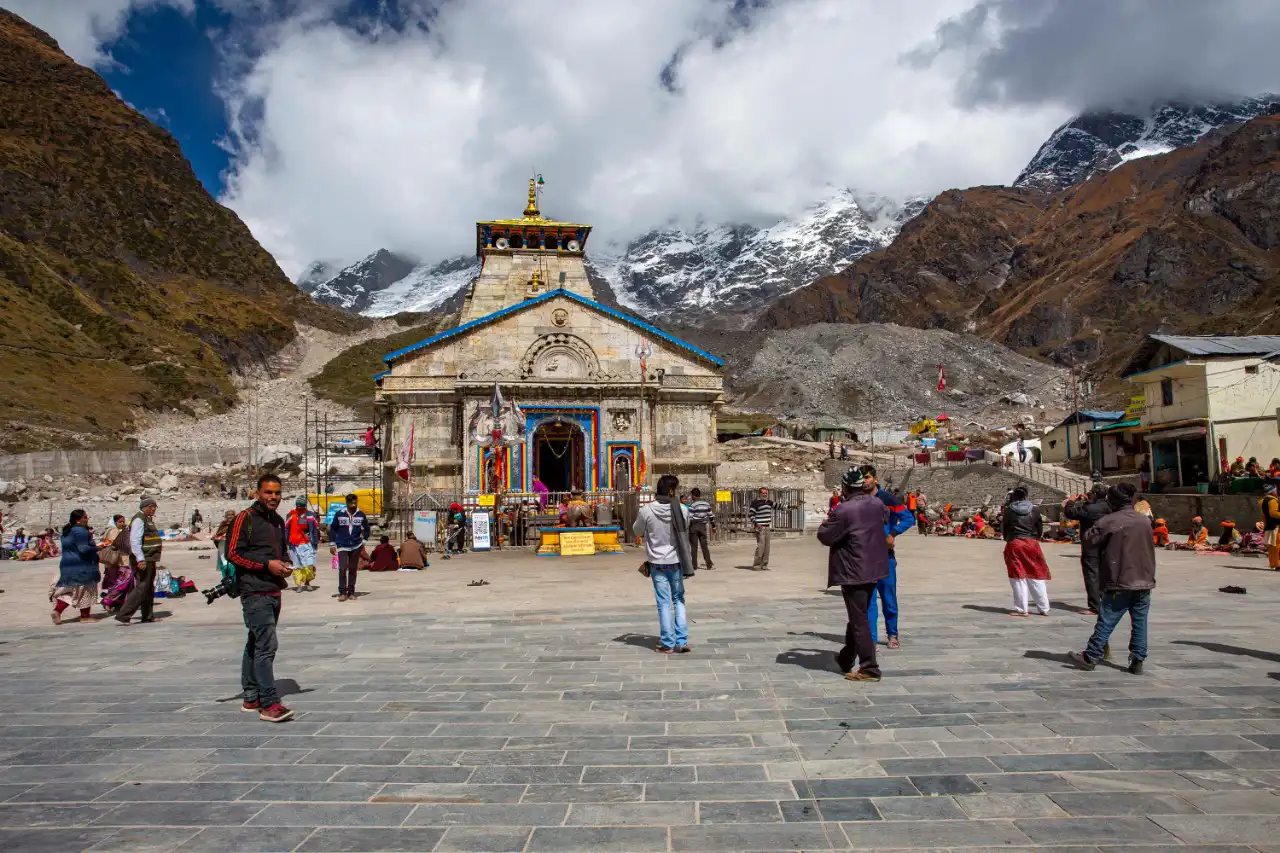
Kedarnath is the sacred site where the hump of Lord Shiva (disguised as a bull) appeared after he eloped to Guptkashi, avoiding the Pandavas. It is also believed that Lord Shiva married Parvati here. Situated at an altitude of approximately 11,660 ft, Kedarnath is surrounded by glaciers, sparkling lakes, roaring cascades, and meadows, creating a divine Himalayan panorama.
Visit the Kedarnath Temple, which houses an ancient conical Shiva Lingam (one of the 12 Jyotirlingas) along with idols of several Hindu deities, with the holy Mandakini River flowing nearby. If time allows (or if you plan to stay overnight), you may also visit Bhairavnath Temple, dedicated to the fierce form of Shiva who protects the main shrine.
From the Kedarnath Helipad, the main temple is about 1 km away, and it usually takes around 10–15 minutes to walk along a paved path.
The path is well-maintained but uphill, so light walking shoes are recommended.
There are resting points and railings along the way.
Weather & Travel Notes:
The Kedarnath region is at high altitude, and weather conditions can change rapidly. Early morning flights are usually smooth, with clearer skies and less wind. Afternoon flights may be affected by clouds, strong winds, or mist. Pilgrims are advised to wear warm clothing, carry light rain protection, and follow the crew’s safety instructions.
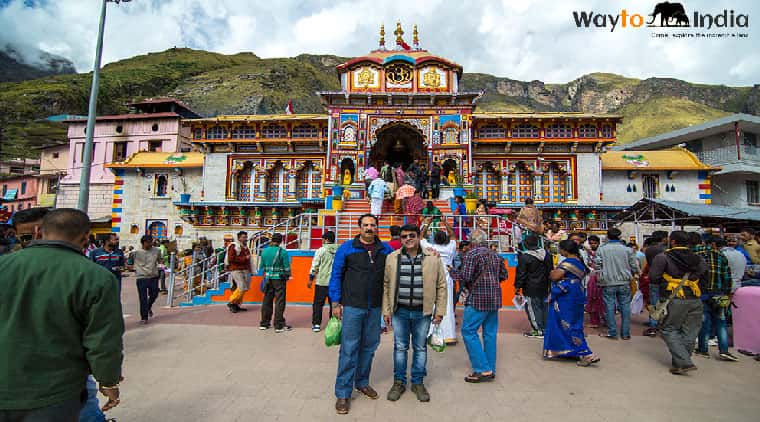
After an early breakfast, depart from Guptkashi and drive towards Badrinath, covering a distance of approximately 180 km. The journey takes around 7–8 hours, passing through scenic mountain roads and the important town of Joshimath, which serves as the base for Badrinath. Starting early in the morning is recommended to ensure a safe and comfortable journey. Upon arrival in Badrinath, check in at the hotel and take some rest before visiting the holy shrine.
You would be driving through the beautiful and thrilling ghat roads, with extraordinary visual treat unveiling at every inch.
About Joshimath:
Joshimath, the spiritual gateway to Badrinath, is home to several important temples. The Shankaracharya Math is one of the four cardinal mathas established by Adi Shankaracharya and serves as a center of learning and meditation. The Narsingh Temple, dedicated to Lord Vishnu’s incarnation, is visited by pilgrims seeking blessings before continuing to Badrinath. Nearby, the Kalpeshwar Temple, one of the Panch Kedar shrines, offers a serene and tranquil pilgrimage experience amidst the Himalayan valleys.
About Badrinath:
Situated at an altitude of approximately 10,300 ft, Badrinath is believed to be the place where Lord Vishnu meditates in the form of Nara and Narayana since time immemorial. According to legend, the Pandavas also spent some time here on their journey to heaven. Nestled along the divine Alaknanda River, the Badrinath Temple houses a black idol of Lord Vishnu, believed to be carved from the sacred Shaligram stone found in the river. Pilgrims can spend hours admiring the stunning Himalayan surroundings, including the Neelkantha and other majestic peaks that seem to touch the sky. Later, visit the temple for darshan and feel blessed. Overnight stay at Badrinath.
Tips for Pilgrims
Early morning Maha Abhishek bookings are highly sought after—book in advance.
Tapt Kund holy dip before puja enhances spiritual merit.
Evening aartis are beautiful and devotional—arrive at least 15–30 min early, especially on festive days.
Puja / Darshan Timing Summary
Temple rituals begin: ~4:30 AM
Public darshan: ~7:00–8:00 AM to ~1:00 PM
Afternoon break: ~1:00 PM–4:00 PM
Evening darshan & Aartis: ~4:00–9:00 PM
Temple closes: After Shayan Aarti (~9:00 PM)
Daily Ritual Schedule & Puja Types- Early Morning (approx. 4:30 AM – 6:30 AM)
These are usually ticketed special pujas performed before the general public darshan begins:
Maha Abhishek Puja – Sacred bathing of the Lord with holy water and offerings.
Abhishek Puja – Traditional ritual bath and worship of the deity.
Both usually occur in the brahma muhurta and are followed by morning decoration and rituals.
Daytime (approx. 6:30 AM – 12:00 noon & 3:00 PM – 6:00 PM)-During general darshan hours, several sacred paths/recitals and pujas are offered:
Evening (approx. 6:00 PM – 9:00 PM) -Evening aartis and recitals take place, usually before temple closure:
Ashtotri & Vishnu Sahasranamam Paths – Chanting of 108/1000 names of Vishnu.
Shayan Aarti (Geet Govind) – Night aarti before the temple closes.
📌 Darshan hours for devotees generally start around 7:00–8:00 AM and go until about 1:00 PM, then resume in the late afternoon until about 8:00–9:00 PM (with a break around 1–4 PM)
Special Note: "Waytoindia can arrange for you to connect with the temple priest, who will help you make advance puja bookings, ensuring a seamless and sacred experience, on a payable basis."
In the morning of the fifth day of Badrinath Kedarnath Yatra, After an early breakfast or before that, you may visit the main temple once again and you also attend the various rituals. After darshan drive or walk from Badrinath to Mana Village, the last inhabited village near the Indo-Tibetan border, known for its scenic beauty and spiritual significance. Mana Village is believed to be where Goddess Ganga descended on Earth, and it is home to several small temples and ancient shrines, including Vishnu Temple, Ganesh Temple, and Bhima’s Cave.
For trekking enthusiasts, the Vasudhara Falls Trek is a popular option. This moderate trek begins near Mana Village and leads to the stunning Vasudhara Waterfall, surrounded by alpine meadows and snow-capped peaks. The trek typically takes 4–5 hours (round trip), depending on pace, and is recommended only for those in good health and carrying appropriate trekking gear.
Vasudhara Waterfall – Story & Significance
Vasudhara Waterfall is believed to have originated from the tears of Goddess Parvati. According to local lore, when Lord Shiva left to meditate at Kedarnath or during the time of her penance at Mana, Parvati’s tears fell onto the earth, forming this cascading waterfall. Another belief is that the water is blessed and has divine healing powers, capable of purifying the soul and cleansing sins.
Spiritual Significance:
The water of Vasudhara is considered sacred, and it is said that even a single drop falling on a devotee purifies their soul, washes away past karmas, and brings spiritual up-liftment. It is often visited by pilgrims as part of the Badrinath yatra, especially those who undertake the Vasudhara Trek, as it combines physical effort with spiritual merit. The surrounding meadows and snow-clad peaks add to the feeling of divine presence and meditation, making it a place where nature and spirituality meet.
Cultural Importance:
The waterfall is also associated with Vasudhara Devi, an aspect of Mother Earth, symbolizing fertility, prosperity, and divine grace. Pilgrims often offer prayers or meditate near the waterfall, believing that its waters enhance devotion and mental clarity.
After exploration and darshan, return to Badrinath for overnight stay. Return to the hotel for the night stay.
After an early breakfast, depart from Badrinath and drive towards Rudraprayag, covering a distance of approximately 220 km in around 8–9 hours. Early morning departure is recommended to ensure a safe and comfortable journey, as mountain roads can be challenging, especially during the monsoon or winter season. On arrival in Rudraprayag, check in at the hotel and rest for the night.
The journey winds through the picturesque Himalayan valleys, passing Joshimath, river confluences, and lush green landscapes. Along the way, enjoy stunning views of the Alaknanda and Mandakini rivers, majestic mountains, and serene meadows.
About Rudraprayag:
Rudraprayag is one of the sacred Panch Prayags of Uttarakhand, where the Alaknanda and Mandakini rivers meet. According to legend, the holy confluence is associated with Lord Shiva, and devotees believe that taking a moment here to offer prayers brings spiritual merit and purification. The town also hosts several small temples along the riverbanks, adding to its devotional charm.
Later, you may visit the sacred places like Rudranath Temple. It is believed to be the place where Narada learnt music from Rudra (a form of Lord Shiva). Koteshwar Mahadev Temple is yet another Shiva Temple. The interesting natural cave temple is believed to be the place where Shiva meditated for years. Finally, get back to the hotel for night stay.
After breakfast, drive from Rudraprayag to Rishikesh, covering approximately 140 km in around 5–6 hours via scenic Himalayan roads. Upon arrival, check in at the hotel and rest briefly before exploring the spiritual town of Rishikesh.
Rishikesh Sightseeing:
Laxman Jhula and Ram Jhula – Iconic suspension bridges over the Ganga, surrounded by temples and ashrams.
Triveni Ghat – Take part in the evening Ganga Aarti, a mesmerizing spiritual experience.
Neelkanth Mahadev Temple – Located a short drive from town, this temple is dedicated to Lord Shiva and set amidst serene hills.
Parmarth Niketan and Swargashram Ashrams – Centers for yoga, meditation, and spiritual learning.
Optional activities include rafting on the Ganga and exploring local markets for souvenirs and devotional items.
The Badrinath Kedarnath Yatra reaches its final day as we drive you back to Delhi. The tour ends and you are free to plan further at your will. At WaytoIndia, we promise you the highest standards of quality service and unparalleled comfort that exceeds your expectations.
Visit for Badrinath Kedarnath Yatra Guide
Our Tours are tailor-made to your needs and designed to offer the most enchanting discovery of the India’s travel gems. You can also book package for Helicopter service to Badrinath by sending us a query on info@waytoindia.com
Temples on the way
Sacred temples you can visit
On this journey you come close to 3 holy temples of India, from the Char Dham, Chota Char Dham, Jyotirlinga circuits. Below you can see each temple and how far it is from where you stay, so you can plan your darshan with a calm mind and enough time.
Where you stay
Badrinath Dham
Char Dham · Chota Char Dham · Vishnu · Uttarakhand
While you stay at Badrinath, you can have darshan at Badrinath Dham.
A short drive from your stay
Kedarnath Jyotirlinga
Jyotirlinga · Chota Char Dham · Shiva · Uttarakhand
Kedarnath Jyotirlinga is a short drive from your stay at Guptkashi (about 23 km). You can go for darshan and come back the same day.
An easy day trip from your stay
Gangotri Dham
Chota Char Dham · Ganga · Uttarakhand
Gangotri Dham is an easy day trip from your stay at Guptkashi (about 53 km).
UNESCO World Heritage
World Heritage Sites on this journey
This tour takes you close to 1 UNESCO World Heritage Site of India. These are places the world has recognised as our shared treasure. Below you can see each one and how far it is from where you stay, so you can plan your darshan and sightseeing with time to spare.
A short drive from your stay
Nanda Devi and Valley of Flowers National Parks
Natural · Inscribed 1988 · Uttarakhand
Nanda Devi and Valley of Flowers National Parks is a short drive from your stay at Badrinath (about 22 km). You can see it as a half-day trip.
Want to plan your trip around India’s World Heritage Sites? See all UNESCO World Heritage Sites of India.
Travel tips
Travel Tips
Travel Tips For Badrinath Kedarnath Yatra
Best Time to Visit:
The shrines of Badrinath and Kedarnath generally open from late April or early May and remain accessible until October or early November, depending on weather conditions. During the monsoon months (July to September), the region receives heavy rainfall, which may cause landslides and road blockages. Travelers are advised to monitor weather updates closely and carry adequate rain protection.
Things to Pack:
During the summer months (April to June), the weather is cool and pleasant during the day but can turn cold at night. Pack light woolens along with comfortable clothing. In the post-monsoon and early winter months (September to November), heavy woolens, thermal wear, gloves, mufflers, and caps are essential.
Other important items include sturdy walking or trekking shoes, raincoats or ponchos, umbrellas, identity proofs, personal medications, sunscreen, moisturizers, caps, torches, power banks, and reusable water bottles.
Health & Fitness:
Light physical preparation such as brisk walking, breathing exercises, or yoga before the yatra helps the body adjust to high altitude and reduces fatigue and the risk of altitude sickness.
Food & Energy:
Carry energy-boosting snacks such as dry fruits, chocolates, glucose tablets, and biscuits to maintain stamina during travel and trekking.
Food & Water Safety:
Avoid eating from roadside stalls and do not consume tap water. Always prefer packaged drinking water and meals from hygienic and reputable establishments.
Pilgrimage Discipline:
Consumption of non-vegetarian food, alcohol, and smoking is strictly prohibited during the pilgrimage.
Environmental Responsibility:
Help preserve the sanctity of the region by avoiding littering. Do not use plastic or polythene bags and follow eco-friendly practices.
Mobile Connectivity:
BSNL and Jio generally offer better mobile network coverage in most parts of the yatra route, though connectivity may be limited in high-altitude areas.
Pooja Bookings:
If you wish to perform special poojas at the shrines, advance booking is recommended. Pooja charges may range approximately from INR 300 to INR 25,000, depending on the ritual. WayToIndia can assist with authorized pooja bookings.
Stay at Kedarnath:
If you plan to stay overnight at Kedarnath, please inform us well in advance so that accommodation and helicopter return arrangements can be made accordingly.
Daily Travel Advisory:
Due to hilly terrain and the possibility of landslides, travel time between destinations may increase. It is strongly advised to start each day’s journey early in the morning.
Trekking Opportunities:
For trekking enthusiasts, the region offers several scenic trails. Near Kedarnath, popular treks include Chorbari Glacier, Gandhi Sarovar, and Vasuki Tal. Near Badrinath, Satopanth Lake and Alkapuri Glacier are among the well-known trekking destinations.
Special Note: "Waytoindia can arrange for you to connect with the temple priest, who will help you make advance puja bookings, ensuring a seamless and sacred experience, on a payable basis."
What's included
What's included
Included
- ✓• 07 Nights accommodation in the hotel on twin sharing basis.
- ✓• Daily breakfast & dinner in the hotel.
- ✓• Transport services by an exclusive Car with a tourist driver as per above itinerary.
- ✓• All state taxes, toll tax, parking, driver allowance, fuel charges.
- ✓• All present applicable taxes.
Not included
- ✕• Any train / air fare.
- ✕• Tips, Camera fees, Laundry and other items of a personal nature.
- ✕• Any other expenses not mentioned above.
- ✕• Any guide charges.
What travellers say
What travellers say
4.7
Way to India · rated 4.7★ on Google across 46 reviews
Y
Yashvind Kumar Poteeram★★★★★
“A big thanks to Way To India for organising such a truly memorable and spiritually fulfilling experience during our 12 Jyotirlinga Darshan pilgrimage from 1st May to 18th May. They organized the entire journey exceptionally well, ensuring that every aspect of the trip was smooth, comfortable, and hassle-free. From transportation and hotel arrangements to darshan planning and coordination, everything was managed professionally. Despite the extensive travel across multiple destinations, the itinerary was well-structured, allowing us to complete all the Jyotirlinga darshans comfortably. Thanks to staff of Way To India, especially, Ms Neha, who was supportive, responsive, and attentive throughout the journey, always ready to assist whenever needed. Her dedication and careful planning made this sacred pilgrimage stress-free and enjoyable. I sincerely appreciate their excellent service, commitment, and hospitality. Highly recommend Way To India to anyone planning a spiritual tour, especially for the 12 Jyotirlinga Yatra. Thank you for making this divine journey so special and memorable.”3 months ago · Google
A
Aruna Persand★★★★★
“We have successfully completed the 12 Jyotirlinga Yatra, with Waytoindia and it was a truly blessed and unforgettable journey. Every aspect of the tour was well planned and professionally organized, from transportation and accommodations to temple visits and sightseeing. Visiting all twelve sacred Jyotirlingas was a deeply spiritual experience. The itinerary was designed efficiently, allowing us to have darshan at each shrine comfortably while enjoying the cultural and religious significance of every destination. We sincerely appreciate the excellent support and coordination throughout the trip. The team was always available to assist, ensuring a smooth and stress-free pilgrimage. Thank you Waytoindia for making our dream of completing the 12 Jyotirlinga Yatra a reality. We highly recommend this tour to anyone seeking a well-organized and spiritually enriching pilgrimage experience. Har Har Mahadev! 🙏🕉️”3 months ago · Google
Y
Yash Bhargava★★★★★
“We recently entrusted our honeymoon planning to 'Way to India', and it turned out to be one of the best decisions we made. From itinerary finalization to on-ground execution, everything was handled with remarkable professionalism, warmth, and attention to detail. Every aspect of our trip — flights, hotels, transfers, experiences, and even the small thoughtful touches — was perfectly curated. The itinerary was balanced, well-planned, and tailored exactly to what we wanted. We never had to worry about a single thing; all arrangements were seamless and absolutely hassle-free. What truly stood out was their responsiveness and genuine care. They were always available, always patient, and consistently went the extra mile to ensure our journey was special. Special thanks to Neha Ma'am for planning everything. We are incredibly grateful and wholeheartedly recommend their services to anyone looking for a stress-free, personalised, and delightful travel experience. Thank you for making our honeymoon truly magical!”6 months ago · Google
Travelled with Way to India?
Share your experience on Google — it takes a minute and helps fellow travellers plan with confidence.
FAQ
Frequently asked questions
For the Badrinath Kedarnath Yatra, no special permits are required for Indian citizens. However, foreign nationals may need to check with local authorities for any specific regulations. It's advisable to carry valid identification and any necessary travel documents.
The best time to visit Badrinath and Kedarnath is from late April to early November. The weather is pleasant during the summer months, while the monsoon season (July to September) can bring heavy rainfall, leading to landslides. It's crucial to check weather forecasts before planning your trip.
To prepare for the altitude and trekking, it's advisable to engage in regular physical activity prior to your trip. Stay hydrated, and consider acclimatization days if you're sensitive to altitude changes. Good trekking shoes and warm clothing are essential for comfort.
Pack light cotton clothes for summer and heavy woolens for winter. Essential items include good walking shoes, rain gear, sun protection, moisturizers, and personal medications. Don't forget your identity proofs and a torch for nighttime use.
Traveling during the monsoon can be risky due to heavy rainfall leading to landslides and road closures. If you must travel during this season, stay updated on weather conditions and road safety advisories, and consider postponing your trip if severe weather is forecasted.
Yes, it's important to maintain decorum at the temples. Dress modestly, remove shoes before entering sacred areas, and maintain silence in prayer halls. Respect local customs and traditions, and be mindful of the spiritual significance of the sites.
Transportation for the Yatra typically includes private cars or shared taxis. Helicopter services are also available from Phata to Kedarnath, significantly reducing travel time. Ensure to book your transport in advance, especially during peak pilgrimage season.
The Badrinath Kedarnath Yatra typically takes about 7 to 8 days, depending on your itinerary. This includes travel time between destinations and time spent at each shrine for worship and sightseeing.
Accommodation options range from budget lodges to mid-range hotels in Haridwar, Guptkashi, Badrinath, and Kedarnath. It's advisable to book your stay in advance, especially during peak pilgrimage months, to ensure availability.
Mobile connectivity can be limited in Badrinath and Kedarnath due to the mountainous terrain. Some networks may work intermittently, but it's best to inform family and friends about potential connectivity issues during your trip.
Consult your doctor before the trip, especially if you have pre-existing health conditions. Carry necessary medications, and consider altitude sickness remedies. Staying hydrated and consuming light meals can also help maintain your health during the Yatra.
You may also like
Similar journeys
11D / 10N 5 18D / 17N 5
 12D / 11N
Panch Kedar Tour Package: Five Shiva Temples of Garhwal in 12 Days
● Starts Rishikesh
₹45,000
From₹35,000* / personEMI from ₹1,714/mo
 4D / 3N
 11D / 10N
North India Divya Desam Tour Package: 7 Vada Naadu Temples in 11 Days
● Starts Delhi
From₹85,000* / person
Explore →EMI from ₹4,162/mo
 7D / 6N
Ready to plan your Badrinath Kedarnath Yatra?
Tell us your dates and group size. A WayToIndia travel expert replies within a few hours with a plan you can customise freely. Planning India journeys since 2010.
✓ No payment now✓ Free customisation✓ GST invoice✓ India + overseas support