 18D / 17N 5
6 days
5 nights
Delhi
start point
May–June & Sep–Oct
best season
16+ yearscrafting India journeys · since 2010
Trustedby travellers worldwide
Local repsIndia + overseas support
No prepayfree customisation · GST invoice
Overview
Tour overview
The Badrinath Yatra is a sacred pilgrimage to one of Hinduism’s holiest shrines, the Badrinath Temple, situated at a breathtaking altitude of 11,268 ft on the banks of the Alaknanda River. Nestled between the snow-capped Nar and Narayan peaks of the Himalayas, the temple radiates spiritual serenity and awe-inspiring natural beauty.
2026 Opening & Closing Dates
Opening Date: 24 April 2026 (Tentative) — the sacred Kapat opening ceremony marks the start of the pilgrimage season.
Closing Date: 13 November 2026 (Tentative) — the temple closes for the winter season after Vijayadashami / Dussera rituals.
Note: Final dates are confirmed by the Badri‑Kedar Temple Committee based on traditional astrological considerations and may vary slightly each year.
Kapat Opening Ceremony (Temple Opening)
On the opening day (around late April), a grand traditional ceremony is held — the idol of Lord Badri Vishal is brought back from its winter abode in Narasimha Temple (Joshimath) with Vedic chants, devotional processions, and rituals. Following this, Maha Abhishek, Akhand Jyoti puja, Alankara darshan, and Vishnu Sahasranama Path take place before the temple opens for general devotees.
It is believed that Adi Shankaracharya (8th century) established the temple and installed the idol of Lord Vishnu, making it a center of devotion and divine energy. Surrounding the temple are several thermal springs such as Tapta Kund, Narad Kund, and Surya Kund, renowned for their religious and remedial significance.
The Badrinath Yatra is not only a journey of devotion to Lord Vishnu but also a spiritual opportunity for pilgrims to perform Pitra Tarpan – offering oblations to departed ancestors, thereby seeking their blessings. This sacred expedition combines devotion, mythology, and the tranquil Himalayan landscape, making it a life-transforming experience for every devotee.
DhamDirectionSpiritual Meaning / Purpose
Badrinath- North- Moksha / Wisdom – guides the soul toward liberation and ultimate truth.
Rameshwaram - South - Karma & Bhakti / Action & Devotion – path of selfless service and surrender to God.
Dwarka - West - Dharma / Righteous Living – represents balance, duty, and moral life.
Puri - East - Life Journey & Awakening – symbolizes new beginnings, consciousness, and spiritual awakening.
The Badrinath Yatra is a spiritually enriching pilgrimage to one of Hinduism’s most revered shrines, the Badrinath Temple, nestled in the majestic Garhwal Himalayas. Perched at an altitude of 11,268 feet on the pristine banks of the Alaknanda River, it is considered the holiest among the Char Dham sites.
This yatra offers devotees not only the sacred darshan of Lord Vishnu as Badrinarayan but also an immersive experience of snow-capped peaks, serene valleys, and the tranquil Himalayan landscape. Blending devotion, natural beauty, and inner reflection, it is a journey that touches the soul and leaves every pilgrim with lasting spiritual memories.
1. The Idol Was Discovered, Not Carved -The black granite idol of Lord Badrinarayan wasn’t man‑made — it was found in the Alaknanda River by Adi Shankaracharya and installed in the temple. This idol is believed to be svayambhu (self‑manifested), and it has remained unchanged for over a thousand years.
2. The Eternal Lamp (Akhand Jyoti) -Before the temple closes for winter (usually November–April), a lamp (Akhand Jyoti) is lit inside the sanctum. Miraculously, this lamp is said to remain continuously burning even though no one enters the temple during the winter closure.
3. Temple Architecture Has Ancient Roots -The temple’s structural style — with its colorful facade and stone carvings — resembles Buddhist vihara (monastery) architecture, suggesting that the site might have been a Buddhist shrine before Shankaracharya revived it as a Vaishnava temple in the 8th–9th century.
4. Unique Priestly Tradition - The head priest (Rawal) of Badrinath is traditionally a Namboodiri Brahmin from South India (Kerala) — a practice linked to the lineage of Adi Shankaracharya. The Rawal historically remained celibate and traditionally avoided marriage.
5. Hot Springs in a Frozen Land -Right near the temple are natural thermal springs like Tapt Kund, Narad Kund, and Surya Kund — remarkable because they flow hot even when the Himalayan surroundings are freezing cold. Pilgrims often bathe in the Tapt Kund’s hot water before darshan, as it’s believed to purify both body and soul.
6. The Origin of the Saraswati and Charan Paduka -Near Mana Village, you can witness the mystical origin point of the Saraswati River, where it briefly emerges before disappearing underground in a rare geological phenomenon. Also nearby is Charan Paduka, a rock formation believed to show the footprints of Lord Vishnu, set against stunning Himalayan views.
7. Connection With Vyas and the Mahabharata -The Vyas Gufa (Vyasa Cave) in Mana village is believed to be the place where sage Veda Vyasa composed or dictated the Mahabharata. This makes the region not just a pilgrimage destination, but also a site of deep mythological and literary heritage.
8. Historical and Scriptural Mentions -Badrinath isn’t just a medieval shrine — it’s mentioned in ancient Hindu scriptures like the Vishnu Purana, Skanda Purana, and Mahabharata. The area was known as Badari or Badarikaashram, sacred for Vishnu’s penance under the berry (Badri) tree — a reason for the name Badrinath.
9. Pandavas and Swargarohini Link- According to local legend, the Pandavas passed through Badrinath and nearby Mana on their way to Swargarohini, the mythical peak associated with their ascent to heaven.
Tour highlights
Visit Har ki pauri for Famous Aarti of Holy Ganges
Visit Mana Village,
Visit Saraswati River
Ganesh Gufa
Beas Gufa
Vasudhara Falls
Saraswati Temple
Bheem Pul
Mana Village, India's last village
Rudraprayag
Mata Mansa Devi Temple
Mata Chamunda Devi Temple
Karnaprayag
Devprayag
Narsingh (Nrisimha) Temple
Destinations covered
Best Time
May–June & Sep–Oct
Ideal For
Pilgrims/Devotees, Families, Seniors (with assistance)
Difficulty
Challenging
Day by day
Day-by-day itinerary
A carefully paced plan, day by day. Tap any day for the stay, meals and altitude detail.
Welcome to Haridwar- Start your spiritual journey with a warm welcome at Delhi Airport/Railway Station. Our representative will assist you on a comfortable drive to Haridwar.
Check into your hotel and unwind before exploring the city’s sacred charm. In the afternoon, visit the renowned temples and ashrams – including Mata Mansa Devi, Mata Chamunda Devi, and Mata Vaishno Devi – each radiating devotion and serenity.
As the sun sets, witness the magical Ganga Aarti at Har Ki Pauri, where the holy river comes alive with lights, chants, and prayers. Return to your hotel for a delicious dinner and overnight stay, soaking in the spiritual vibes of Haridwar.
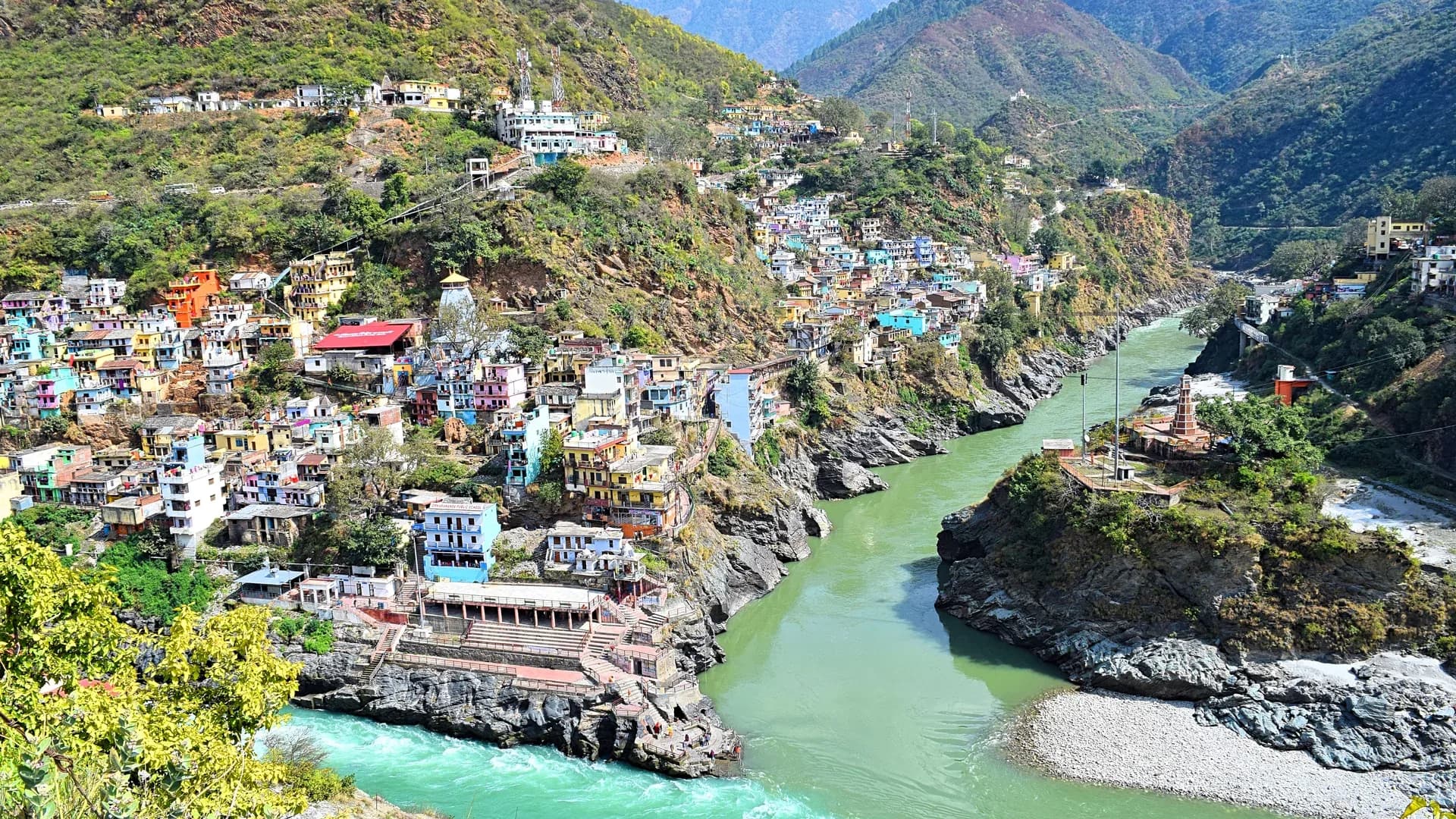
After an early breakfast at your hotel, embark on a scenic drive to Joshimath, passing through the spiritual town of Devprayag, where the holy rivers Alaknanda and Bhagirathi merge to form the mighty Ganga.
Continue your journey via Srinagar (Garhwal) with a lunch stop, followed by picturesque drives through Rudraprayag, Karnaprayag, Chamoli, and Pipalkoti. Soak in the breathtaking Himalayan vistas and serene landscapes along the way.
Narsingh (Nrisimha) Temple is very close to the Badrinath Yatra route and is often visited by pilgrims, especially when you are passing through Joshimath on the way to or from Badrinath. The Narsingh Temple (also spelled Nrisimha temple) is located in Joshimath, which is a major stopover town on the Badrinath Yatra route between Rudraprayag / Karnaprayag and Badrinath.
The temple is dedicated to Lord Narsingh (an avatar of Lord Vishnu) and holds religious significance for devotees before they proceed further to Badrinath. The temple houses an ancient idol of Lord Narsingh, and there is a traditional belief associated with its slowly diminishing arm — symbolizing deep mythological importance in the Badrinath context.
Arrive at Joshimath by late evening, check into your hotel, and enjoy dinner and overnight stay amidst the tranquil mountain surroundings.
After an early breakfast, drive to the sacred town of Badrinath. Upon arrival, check into your hotel and get ready for a spiritual experience.
Visit the renowned Badrinath Temple for the darshan of Lord Badrinath, one of the most revered forms of Lord Vishnu. In the evening, explore the charming Mana Village – the last Indian village on the Indo-Tibetan border – and visit Byas Gufa, Ganesh Gufa, Saraswati River, Saraswati Temple, and Bheem Pul, each steeped in mythology and legend.
Return to your hotel for dinner and overnight stay in Badrinath.
Start your day with an early morning visit to Badrinath Temple for the divine darshan of Lord Badrinath Ji.
Optional: Devotees who wish can take a short trek to the mesmerizing Vasudhara Falls, located about 6–7 km from Badrinath. Surrounded by snow-capped peaks and lush greenery, this natural wonder offers a serene and refreshing experience before returning to the hotel.
*If you are planing to visit Vasudhara Falls, then there are a few important points to note:
Timing & Distance:
Vasudhara Falls is about 6–7 km from Badrinath, roughly 2–2.5 hours one way for a trek.
The trek is moderate, so you should start early morning immediately after darshan to have enough time to return for breakfast and continue your drive.
Physical Consideration:-The trek involves a gradual climb; be prepared with comfortable shoes and light gear. Suitable for devotees who are reasonably fit.
Seasonal Consideration:-The trek is generally open from May to October, depending on weather and snow conditions. During early or late season, paths may be slippery due to snow or water flow.
Travel Plan Adjustment:-If you plan Vasudhara trek, it’s best to start immediately after darshan, have a packed breakfast or early snack, and leave Badrinath by late morning to reach Rudraprayag comfortably.
After returning, enjoy breakfast at the hotel and begin your scenic drive to Rudraprayag, passing through Joshimath and Karnaprayag, witnessing the beauty of the Garhwal Himalayas along the way.
On arrival at Rudraprayag, check into your hotel, relax, and enjoy dinner and overnight stay, cherishing the spiritual and natural beauty experienced on this journey.
After a hearty breakfast at the hotel, begin your drive towards the spiritual town of Rishikesh. On the way, make a stop at Devprayag to witness the sacred confluence of the Bhagirathi and Alaknanda rivers, where these mighty streams merge to form the holy Ganga.
Continue your scenic journey through the picturesque Garhwal valleys, and upon arrival at Rishikesh, check into your hotel. Spend the evening at leisure, enjoying dinner and overnight stay amidst the peaceful ambiance of this yoga and meditation hub.
After breakfast, check out from your hotel and embark on the drive back to Delhi. On arrival, transfer to Delhi Airport or Railway Station for your onward journey, taking with you the blessings and memories of this sacred pilgrimage.
At WaytoIndia, we are committed to providing the highest standards of service and unparalleled comfort, ensuring your journey exceeds expectations. Each tour is tailor-made to your needs, designed to offer an enchanting discovery of India’s spiritual and scenic gems.
Optional: Devotees wishing for a quicker journey can book a helicopter service to Badrinath by sending a query to info@waytoindia.com. or call us on 8527255995 to book this tour.
Temples on the way
Sacred temples you can visit
On this journey you come close to 3 holy temples of India, from the Char Dham, Chota Char Dham, Jyotirlinga circuits. Below you can see each temple and how far it is from where you stay, so you can plan your darshan with a calm mind and enough time.
Where you stay
Badrinath Dham
Char Dham · Chota Char Dham · Vishnu · Uttarakhand
While you stay at Badrinath, you can have darshan at Badrinath Dham.
An easy day trip from your stay
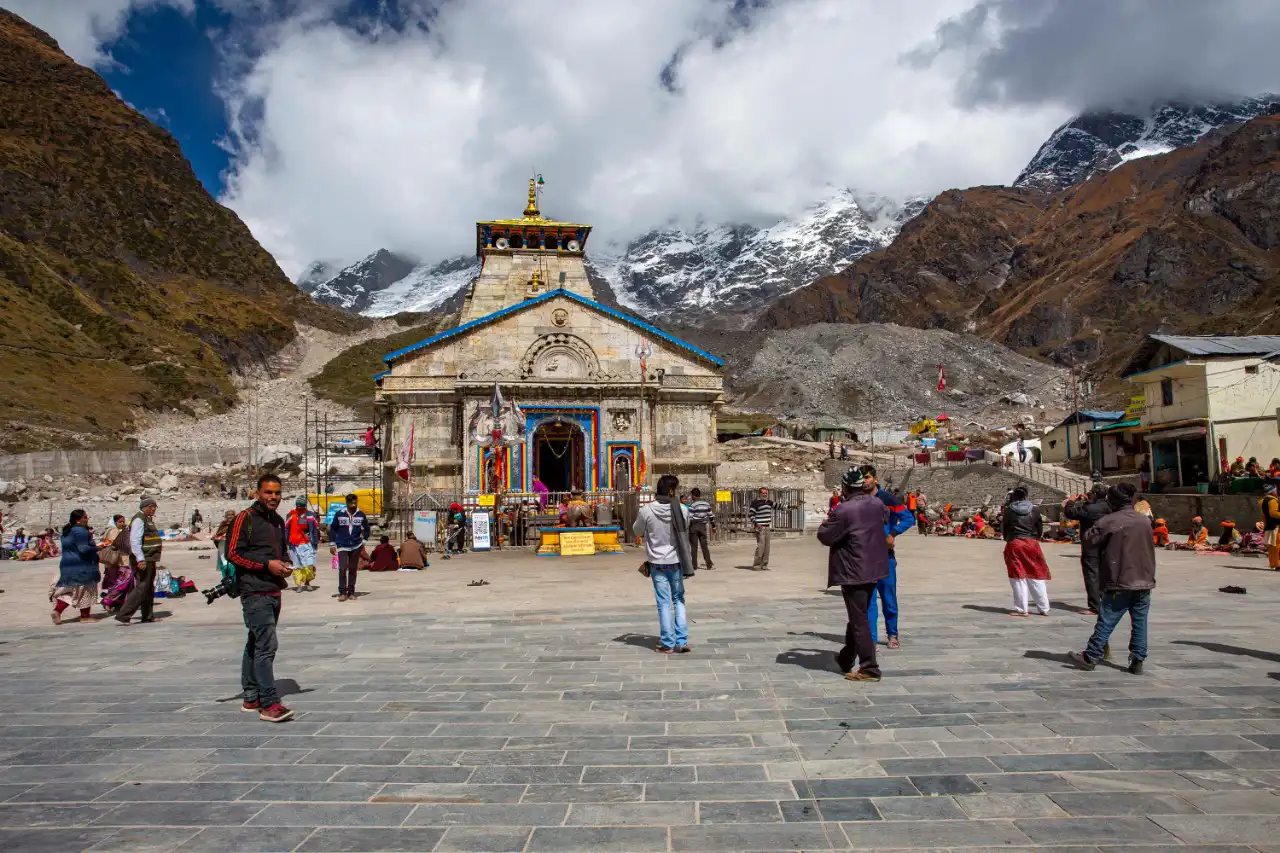
Kedarnath Jyotirlinga
Jyotirlinga · Chota Char Dham · Shiva · Uttarakhand
Kedarnath Jyotirlinga is an easy day trip from your stay at Badrinath (about 41 km).
Gangotri Dham
Chota Char Dham · Ganga · Uttarakhand
Gangotri Dham is an easy day trip from your stay at Badrinath (about 60 km).
UNESCO World Heritage
World Heritage Sites on this journey
This tour takes you close to 1 UNESCO World Heritage Site of India. These are places the world has recognised as our shared treasure. Below you can see each one and how far it is from where you stay, so you can plan your darshan and sightseeing with time to spare.
Right where you stay
Nanda Devi and Valley of Flowers National Parks
Natural · Inscribed 1988 · Uttarakhand
While you stay at Joshimath, you can visit Nanda Devi and Valley of Flowers National Parks, a UNESCO World Heritage Site.
Want to plan your trip around India’s World Heritage Sites? See all UNESCO World Heritage Sites of India.
Travel tips
Travel Tips
Badrinath Yatra – Quick Travel Tips
Best Time: May–June & Sept–Oct. Temple closed Nov–Apr.
Health: Stay hydrated, eat light, and watch for altitude sickness.
Clothing: Warm layered clothes, comfortable shoes, sunglasses, sunscreen.
Accommodation: Book in advance; stay near temple for early darshan.
Temple Etiquette: Carry ID, no photography inside sanctum, respect rituals.
Travel: Prefer private cabs; roads are winding; helicopter option available.
Food & Water: Bottled water; light vegetarian meals.
Sightseeing Enroute: Har Ki Pauri, Devprayag, Rudraprayag, Joshimath, Mana Village, Vasudhara Falls.
Safety: Keep cash, stay connected, avoid isolated areas alone.
Spiritual: Maintain devotion, follow customs, take time for reflection.
Daily Timings (During Open Season)- Morning
Kapat (Temple gates) opens: ~4:30 AM
Morning Aarti: ~4:30 AM – 6:30 AM
Darshan: ~6:00 AM – 1:00 PM
Afternoon Break
Temple typically remains closed 1:00 PM – 4:00 PM for rituals and rest.
Evening Darshan: ~4:00 PM – 7:00 PM
Evening Aarti: ~7:00 PM – 8:30 PM
Timings may vary slightly on festivals or special occasions.
What's included
What's included
Included
- ✓• 05 Nights accommodation in the hotel on twin sharing basis.
- ✓• Daily breakfast & dinner in the hotel.
- ✓• Transport services by an exclusive Car with a tourist driver as per above itinerary.
- ✓• All state taxes, toll tax, parking, driver allowance, fuel charges.
- ✓• All present applicable taxes.
Not included
- ✕• Any train / air fare.
- ✕• Tips, Camera fees, Laundry and other items of a personal nature.
- ✕• Any other expenses not mentioned above.
- ✕• Any guide charges.
What travellers say
What travellers say
4.7
Way to India · rated 4.7★ on Google across 46 reviews
Y
Yashvind Kumar Poteeram★★★★★
“A big thanks to Way To India for organising such a truly memorable and spiritually fulfilling experience during our 12 Jyotirlinga Darshan pilgrimage from 1st May to 18th May. They organized the entire journey exceptionally well, ensuring that every aspect of the trip was smooth, comfortable, and hassle-free. From transportation and hotel arrangements to darshan planning and coordination, everything was managed professionally. Despite the extensive travel across multiple destinations, the itinerary was well-structured, allowing us to complete all the Jyotirlinga darshans comfortably. Thanks to staff of Way To India, especially, Ms Neha, who was supportive, responsive, and attentive throughout the journey, always ready to assist whenever needed. Her dedication and careful planning made this sacred pilgrimage stress-free and enjoyable. I sincerely appreciate their excellent service, commitment, and hospitality. Highly recommend Way To India to anyone planning a spiritual tour, especially for the 12 Jyotirlinga Yatra. Thank you for making this divine journey so special and memorable.”3 months ago · Google
A
Aruna Persand★★★★★
“We have successfully completed the 12 Jyotirlinga Yatra, with Waytoindia and it was a truly blessed and unforgettable journey. Every aspect of the tour was well planned and professionally organized, from transportation and accommodations to temple visits and sightseeing. Visiting all twelve sacred Jyotirlingas was a deeply spiritual experience. The itinerary was designed efficiently, allowing us to have darshan at each shrine comfortably while enjoying the cultural and religious significance of every destination. We sincerely appreciate the excellent support and coordination throughout the trip. The team was always available to assist, ensuring a smooth and stress-free pilgrimage. Thank you Waytoindia for making our dream of completing the 12 Jyotirlinga Yatra a reality. We highly recommend this tour to anyone seeking a well-organized and spiritually enriching pilgrimage experience. Har Har Mahadev! 🙏🕉️”3 months ago · Google
Y
Yash Bhargava★★★★★
“We recently entrusted our honeymoon planning to 'Way to India', and it turned out to be one of the best decisions we made. From itinerary finalization to on-ground execution, everything was handled with remarkable professionalism, warmth, and attention to detail. Every aspect of our trip — flights, hotels, transfers, experiences, and even the small thoughtful touches — was perfectly curated. The itinerary was balanced, well-planned, and tailored exactly to what we wanted. We never had to worry about a single thing; all arrangements were seamless and absolutely hassle-free. What truly stood out was their responsiveness and genuine care. They were always available, always patient, and consistently went the extra mile to ensure our journey was special. Special thanks to Neha Ma'am for planning everything. We are incredibly grateful and wholeheartedly recommend their services to anyone looking for a stress-free, personalised, and delightful travel experience. Thank you for making our honeymoon truly magical!”6 months ago · Google
Travelled with Way to India?
Share your experience on Google — it takes a minute and helps fellow travellers plan with confidence.
FAQ
Frequently asked questions
For the Badrinath Yatra, no special permits are required for Indian citizens. However, foreign nationals may need to check visa requirements and ensure they have the necessary documentation to travel in Uttarakhand. It's advisable to carry a valid ID proof for verification at checkpoints.
The best time to visit Badrinath is from May to October, as the temple remains open during these months. The peak pilgrimage season is in June, coinciding with the annual Char Dham Yatra. Avoid visiting during the monsoon season (July-August) due to heavy rainfall and landslides.
To reach Badrinath from Delhi, you can take a train or flight to Haridwar or Dehradun, followed by a road trip to Joshimath. From Joshimath, you can hire a taxi or take a local bus to Badrinath. The total journey can take around 12-15 hours depending on traffic and road conditions.
Pack warm clothing, as temperatures can drop significantly, especially at night. Include comfortable walking shoes, a raincoat, and personal items like toiletries and medications. Don't forget to carry a small backpack for day trips and a water bottle to stay hydrated.
Yes, traveling to Badrinath is generally safe. However, it's important to stay updated on weather conditions and road status, especially during the monsoon season. Always follow local guidelines and avoid traveling alone in remote areas.
Before embarking on the Badrinath Yatra, consult your doctor, especially if you have pre-existing health conditions. Carry essential medications, and consider altitude sickness medication if you're not acclimatized. Stay hydrated and avoid strenuous activities if you feel unwell.
Accommodation in Badrinath ranges from budget guesthouses to mid-range hotels. Most places offer basic amenities, and it's advisable to book in advance during peak pilgrimage season. Ensure your accommodation has hot water and heating facilities, as temperatures can be low.
When visiting Badrinath, dress modestly, especially when entering the temple. Remove shoes before entering sacred areas and maintain silence during prayers. It's respectful to greet locals with 'Namaste' and to ask for permission before taking photographs of people.
Badrinath has limited connectivity. Mobile networks may be unreliable, so inform family or friends about your travel plans in advance. Internet access is also limited, so download maps and important information beforehand. Local shops may have Wi-Fi, but it's not guaranteed.
In Badrinath, local taxis and shared jeeps are available for transportation. Walking is common for short distances, especially around the temple area. Ensure that you negotiate fares beforehand, as there are no metered taxis.
You may also like
Similar journeys
18D / 17N 5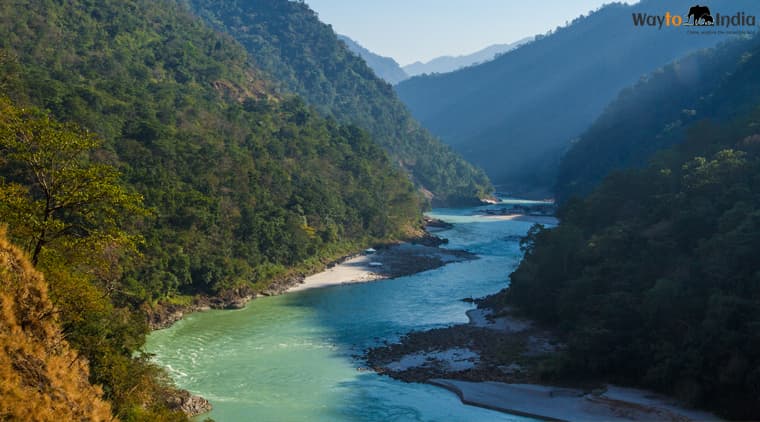 11D / 10N 5
 12D / 11N
Panch Kedar Tour Package: Five Shiva Temples of Garhwal in 12 Days
● Starts Rishikesh
₹45,000
From₹35,000* / personEMI from ₹1,714/mo
 11D / 10N
North India Divya Desam Tour Package: 7 Vada Naadu Temples in 11 Days
● Starts Delhi
From₹85,000* / person
Explore →EMI from ₹4,162/mo
 4D / 3N
Ready to plan your Badrinath Yatra?
Tell us your dates and group size. A WayToIndia travel expert replies within a few hours with a plan you can customise freely. Planning India journeys since 2010.
✓ No payment now✓ Free customisation✓ GST invoice✓ India + overseas support