 6D / 5N
7 days
6 nights
Govindghat
start point
N/AMay -June & Sep-Oct
best season
16+ yearscrafting India journeys · since 2010
5 / 51 traveller reviews
Local repsIndia + overseas support
No prepayfree customisation · GST invoice
Overview
Tour overview
Kagbhushudi Lake trek has lately garnered a lot of attention among the famous trekking sites. The lake is located in the Garhwal Himalayas of Uttarakhand (Dev Bhoomi), near Mana village, close to Badrinath.”
Kagbhushundi Ji is one of the most profound and mystical figures in the Ramcharitmanas. He represents timeless devotion (bhakti) and is deeply associated with Lord Shiva and the eternal narration of the Ram Katha.
In Uttarkand of the Ramcharitmanas, after Doha 61, the subsequent chaupais describe the dialogue between Sage Kakbhushundi and Garuda. These verses narrate:
"उत्तर दिसि सुंदर गिरि नीला। तहँ रह काकभुसुण्डि सुसीला॥"
According to the Ramcharitmanas, Lord Shiva directed Garuda to Sage Kakbhushundi and said that he continuously narrates the sacred story of Lord Shri Ramachandra. Birds of many noble kinds listen to this divine narration with deep reverence. By hearing it, the sorrow born of delusion would be removed. Following Lord Shiva’s guidance, Garuda went to the place where Sage Kakbhushundi lived, endowed with unwavering wisdom and perfect devotion. On beholding that mountain, Garuda’s heart was filled with joy, and all illusion, attachment, and anxiety vanished merely by its sight. There, aged birds had gathered to listen to the beautiful deeds of Lord Rama. On seeing that supremely pure hermitage itself, all of Garuda’s delusion, doubts, and various confusions were completely dispelled.
This section of Uttarkand forms the scriptural basis for the spiritual significance of the Kakbhushundi region and trek in the Garhwal Himalayas.
The Kagbhushundi Lake Trek is not only an adventure but also a spiritual journey. It is associated with Kakbhushundi Ji, the immortal crow-form devotee of Lord Rama, who resides on Neelkanth Mountain and has narrated the Ram Katha to Garuda Ji. Pilgrims and trekkers alike visit this sacred site to experience the divine energy, devotion, and serene Himalayan surroundings.
Kakbhushundi Parvat (also known as Neelkanth Parvat) appears in the Uttarkand of Shri Ramcharitmanas. It comes in the context of the dialogue between Garuda ji and Kakbhushundi ji.
Kagbhushundi Lake Trek is a mesmerizing high-altitude Himalayan trail located in the Badrinath region of Garhwal, at an elevation of 4,345 m. The trek leads to a stunning emerald-green, triangular alpine lake, surrounded by blooming wildflowers during summer, creating a truly magical landscape.
Kagbhushundi Ji – Spiritual & Ramayanic Significance- Story
According to the Ramcharitmanas, Lord Shiva sent Garuda to Sage Kakbhushundi, who constantly narrates the divine story of Lord Rama. Revered birds listen to it with devotion, and by hearing it, sorrow born of delusion is removed. When Garuda reached the sacred mountain where Kakbhushundi lived in perfect wisdom and devotion, merely seeing the place dispelled all illusion, doubt, and attachment from his mind.
According to the Ramcharitmanas (Uttarkand, Doha 55–57), to the north of Mount Sumeru lies the sacred Neel Parvat. This beautiful mountain has four splendid peaks, and upon these peaks stand four sacred trees—Banyan, Peepal, Pakar, and Mango. At this holy place there is a divine lake adorned with jewel-studded steps. Its water is pure, cool, and sweet, and within it bloom vibrant, multicolored lotuses, known as Brahma Kamal.
Sage Kakbhushundi resides on this sacred mountain, and his existence does not end even at the close of a cosmic cycle. On this divine peak, the qualities born of Maya—virtue and vice, delusion, desire, attachment, and ignorance—cannot even approach, because Kakbhushundi is constantly absorbed in the devotional chanting of the Lord’s name.
He meditates beneath the Peepal tree, performs japa and sacred rites under the Pakar tree, engages in mental worship beneath the Mango tree, and narrates the Hari Katha beneath the Banyan tree.
In that sacred lake dwell pure-hearted beings, likened to swans, who remain absorbed in listening to the divine story of Lord Rama. Lord Shiva himself assumed the form of a swan and resided in that lake to listen to the Ram Katha.
Kagbhushundi Parvat / Tal (Sacred Geography)
Kagbhushundi Parvat and Kagbhushundi Tal are traditionally linked with the Garhwal Himalayan region and are often associated with the Neelkanth Mahadev area near Rishikesh in Uttarakhand, India. While Neelkanth Mahadev Temple itself is at about 900–1,300 m above sea level near Rishikesh, the high-altitude Kagbhushundi region lies deep in the mountains of Chamoli district.
Kagbhushundi Tal (Lake) is a glacial lake in the lap of the mighty Garhwal Himalayas and sits at an approximate elevation of about 4,360 m to 5,230 m above sea level, depending on the source and measurement point near Kankul Pass. The surrounding peaks, including Hathi Parbat (≈6,727 m) and other giants like Chaukhamba and Nar-Narayan, rise even higher above the valley.
According to spiritual lore, this sacred landscape is where Sage Kagbhushundi performed intense penance and where he narrated the divine Ram Katha to Garuda Ji, blending devotion to both Lord Shiva and Lord Rama. The place is revered as a powerful spiritual landscape and is considered an important destination for seekers and devotees who trek into the high Himalayas to experience its beauty and sanctity.
The Kagbhushundi Lake Trek holds deep spiritual, mythological, and experiential relevance, making it much more than a high-altitude Himalayan trek. Located in the sacred Neelkanth region, the trek symbolizes the union of Shiva Bhakti and Rama Bhakti. Beyond adventure, it is considered an inner journey of devotion, humility, and self-reflection amidst the serene Himalayas.
Tour highlights
Kagbhusandi Lake Trek
Roop Dhungi
Rajkharak
Gouncha Udiyar
Govindghat.
Brahma Kamal
Ghodi Parvat
Chaukhamba
Nar-Narayan Peaks
Nanda Devi Biosphere Reserve
Bhyundar Village
Destinations covered
Best Time
N/AMay -June & Sep-Oct
Ideal For
group
Difficulty
Difficult
Day by day
Day-by-day itinerary
A carefully paced plan, day by day. Tap any day for the stay, meals and altitude detail.
The Kagbhusandi Lake Trek begins at Govindghat, situated at an altitude of 1,828 meters in the Chamoli district of Uttarakhand. Govindghat serves as a base point for several trekking routes and campsites in the region.
The nearest airport is Jolly Grant Airport, Dehradun, located approximately 292 km away, while Rishikesh Railway Station is the closest railhead at a distance of about 273 km. Govindghat is also well connected by road and can be easily reached from Joshimath, which is around 22 km away via NH-58.
Govindghat is a sacred town in Uttarakhand, located at the holy confluence of the Alaknanda and Lakshman Ganga rivers. It is the gateway to Hemkund Sahib, one of the most important Sikh pilgrimage sites, and also lies on the route to the Badrinath region. Spiritually, Govindghat is considered a place of purification and preparation, where pilgrims pause for prayer before beginning higher Himalayan journeys such as the Kagbhushundi Lake Trek.
Upon arrival at Govindghat, you will be met by our team, who will assist you with your pre-arranged accommodation for an overnight stay and provide a briefing for the trek ahead.
After breakfast, begin the trek towards Bhyundar Village, the starting point of the Kagbhusandi Lake Trek. The trail is relatively long but has a gentle gradient overall. There is a steep ascent during the first hour, after which the trek becomes easier and more gradual. A scenic trek of approximately 12–14 km, taking around 6–7 hours, ascending through lush forests and traditional Himalayan villages before reaching the peaceful campsite of Roop Dhungi.
While trekking from Bhyundar Village to Roop Dhungi, you will pass through rocky stretches, shrubs, river crossings, glaciers, and glacial moraines, walking over boulders as you approach the higher terrain. Enjoy the soothing sound of the Alaknanda River flowing alongside parts of the trail.
Roop Dhungi is a high-altitude campsite on the Kagbhushundi Lake Trek, surrounded by rocky terrain, glaciers, and panoramic Himalayan views. It serves as a rest and acclimatization point before ascending to the sacred lake.
The route passes through dense forests known for wildlife, including bears, and offers beautiful views of rhododendron forests and Haathi Parvat along the way. After a long trekking day, arrive at Roop Dhungi, where you will enjoy an overnight stay in makeshift tents amidst the serene Himalayan surroundings.
After an early breakfast at Raj Kharak, the trek continues toward the sacred Kagbhushundi Lake, covering a distance of approximately 10–12 km. The trail gradually ascends through alpine meadows, rocky paths, and glacial moraines, offering breathtaking views of snow-clad peaks and the surrounding Himalayan landscape. Along the way, trekkers pass by small shepherd settlements and grazing pastures, and are treated to the vibrant colors of wildflowers and rhododendron forests. The route also provides clear views of Hathi Parvat and other nearby mountains. Upon reaching the Kagbhushundi Lake, trekkers can explore the serene and spiritually significant site before settling in for an overnight stay in makeshift tents amidst the tranquil high-altitude surroundings.
Hathi Parvat
Hathi Parvat is a prominent peak in Chamoli, Uttarakhand, named for its elephant-like shape. Located near the Kagbhushundi Lake Trek route, it offers panoramic Himalayan views and passes through glaciers, alpine meadows, and rocky terrain. The peak is part of the Nanda Devi Biosphere Reserve and holds both scenic and spiritual significance for trekkers and pilgrims.
Your wait culminates on Day 4, the most exciting day of the Kagbhushandi Lake Trek, as you ascend from Raj Kharak to the sacred Kagbhushandi Lake over a distance of approximately 8 km. The trek begins through green valleys and alpine meadows, gradually leading to rocky boulder climbs. The thought of the mesmerizing lake motivates trekkers through the challenging sections. Along the route, wildlife such as Himalayan bears may be encountered, and you are treated to spectacular views of Neelkanth (6,596 m), Hathi Parvat (6,727 m), Ghodi Parvat (6,590 m), Chaukhamba, and Nar-Narayan Peaks.
Neelkanth Parvat – Neelkanth Parvat is located in the Chamoli district of Uttarakhand, in the Garhwal Himalayas, near the trekking routes to Kagbhushandi Lake and other high-altitude valleys. The peak is named after Lord Shiva (Neelkanth), who drank the poison during the Samudra Manthan, turning his throat blue. The area around the peak is considered sacred, and trekking here offers divine energy, meditation, and spiritual reflection, making it not just a scenic landmark but also a place of spiritual significance for pilgrims and trekkers alike.
The valley is rich in Himalayan flora, including Brahma Kamal, Myriad, Fen Kamal, and other high-altitude flowers. Upon arrival, the lake reveals its stunning beauty, measuring approximately 500 m in length and 250 m in width, nestled amid towering snow-clad peaks. Between July and September, the lake is adorned with vibrant wildflowers, adding to its charm. After a fulfilling day of trekking and sightseeing, settle in for an overnight stay in a makeshift tent at Kagbhushandi Lake, soaking in the serene high-altitude atmosphere.
Brahma Kamal is a rare high-altitude Himalayan flower that blooms between 3,000–5,000 meters, typically from July to September. Named after Lord Brahma, it is considered divine and auspicious, symbolizing purity, spiritual awakening, and devotion. Found in remote, rugged regions near sacred peaks and lakes, spotting this flower on the Kagbhushandi Lake Trek is regarded as a blessing and a sign of good fortune, adding a deeply spiritual dimension to the journey.
We continue our trek from Kagbhusandi (~4,400 m) to Gounchha Udiyar (~4,200 m), covering an 8 km trail through lush green meadows, gushing streams, alpine forests, and breathtaking panoramic views. This stretch is a visual delight, so be sure to capture memorable moments along the way.
Along the route, you will encounter nomadic tribal communities, offering a glimpse into their unique culture and mountain lifestyle. Sharing a meal with them provides an authentic experience of the region. After a rewarding day, relax and unwind at a makeshift campsite in Gounchha Udiyar.
After breakfast, prepare for the trek from Gouncha Udiyar (~4,200 m) to Painka (~3,900 m), followed by a 7 km drive to Govindghat (~1,800 m). The trek covers 10 km through rocky, narrow trails and dense alpine forests. Along the way, trekkers will encounter a spring originating from Barmal Peak (~5,000 m).
Painka is a charming village nestled in the Garhwal Himalayas, and the scenery along the trek is breathtaking. The journey concludes at Govindghat, where you will check in at a guest house. Enjoy a hot dinner and relax after a rewarding day in the mountains.
Final Day:
The Kagbhusandi Lake trek concludes today. After a hearty breakfast, check out from the guest house and proceed for your onward journey to Haridwar, Rishikesh, or Dehradun.
Altitudes:
Kagbhusandi Lake: ~4,360 m
Govindghat (starting point for onward travel): ~1,800 m
Temples on the way
Sacred temples you can visit
On this journey you come close to 2 holy temples of India, from the Char Dham, Chota Char Dham, Jyotirlinga circuits. Below you can see each temple and how far it is from where you stay, so you can plan your darshan with a calm mind and enough time.
A short drive from your stay
Badrinath Dham
Char Dham · Chota Char Dham · Vishnu · Uttarakhand
Badrinath Dham is a short drive from your stay at Govindghat (about 16 km). You can go for darshan and come back the same day.
An easy day trip from your stay
Kedarnath Jyotirlinga
Jyotirlinga · Chota Char Dham · Shiva · Uttarakhand
Kedarnath Jyotirlinga is an easy day trip from your stay at Govindghat (about 50 km).
UNESCO World Heritage
World Heritage Sites on this journey
This tour takes you close to 1 UNESCO World Heritage Site of India. These are places the world has recognised as our shared treasure. Below you can see each one and how far it is from where you stay, so you can plan your darshan and sightseeing with time to spare.
Right where you stay
Nanda Devi and Valley of Flowers National Parks
Natural · Inscribed 1988 · Uttarakhand
While you stay at Govindghat, you can visit Nanda Devi and Valley of Flowers National Parks, a UNESCO World Heritage Site.
Want to plan your trip around India’s World Heritage Sites? See all UNESCO World Heritage Sites of India.
Travel tips
Travel Tips
Travel Tips For Kagbhusandi Lake Trek Trip
Total Trekking Distance
Gouncha Udiyar → Kagbhusandi Lake → Gouncha Udiyar: 10 km + 10 km = 20 km
Gouncha Udiyar → Painka: 10 km
Gouncha Udiyar → Kagbhusandi Lake + return to Govindghat = combined with above
✅ Approximate total trekking distance: ~38 km (excluding short walks in villages and lakeside loops)
Heights:
Gouncha Udiyar: ~4,200 m
Kagbhusandi Lake: ~4,360 m
Painka: ~3,900 m
Govindghat: ~1,800 m
Best Time to Do Kagbhushundi (Kagbhusandi) Lake Trek
Spiritual Significance & Purpose of the Trek
Sage Kagbhushundi teaches that pure devotion is greater than intellectual knowledge, and that the Ram Katha is eternal, beyond time and dissolution. Through the Garuda–Kagbhushundi dialogue, the Ramcharitmanas reveals that true wisdom arises when knowledge is united with bhakti. Kagbhushundi Parvat and Tal symbolize humility, surrender, and constant remembrance of the Divine. This trek is undertaken not only for its Himalayan beauty, but to walk a sacred path of devotion, inner silence, and spiritual awakening.
The best time to do the Kagbhushundi Lake Trek is May to June and September to early October.
May–June: Snow starts melting, weather is stable, and mountain views are clear.
September–October: Post-monsoon season with crisp air, clear skies, and excellent visibility.
⛔ Avoid July–August due to heavy monsoon rains and landslide risk, and winter months because the trail and lake remain snowbound.
These months offer the safest conditions and the most spiritually immersive experience.
Important Tips for Kagbhushundi (Kagbhusandi) Lake Trek
Physical fitness is essential: This is a high-altitude and demanding trek; prepare with regular walking, breathing exercises, and stamina training.
Acclimatize properly: Ascend slowly to avoid altitude sickness; never rush the trek.
Choose the right season: Prefer May–June or September–early October only.
Go with a local guide: The trail is remote and spiritually sensitive; experienced local guidance is highly recommended.
Pack wisely: Carry warm layers, rain protection, sturdy trekking shoes, basic medicines, and enough water.
Respect the sacred site: Maintain silence near the lake, avoid littering, and treat it as a place of tapasya, not tourism.
Check weather and permits: Weather can change suddenly; always confirm local conditions before starting.
This trek rewards discipline, humility, and patience, both physically and spiritually
During your Kagbhusandi Lake Trek, wear comfortable running shoes, which are made for long wear and rough use. These shoes will keep you comfortable throughout the journey, as the terrain is steep and uneven.
You should be prepared for an adventurous journey of a lifetime, one that will find yourself coming back to again and again.
Kagbhusandi Lake Trek will satisfy those who seek an adventure laden with risks and need an adrenaline rush.
On this journey, you must take food and water supplies with you.
Pack a supply of medicines and pain relief creams and patches in cases of fevers, colds or diarrhoea.
Pack mosquito nets, torches, extra batteries and chargers.
This trek is not recommended during the monsoons or at the onset of monsoons as it becomes riskier with slippery slopes and landslides. During this time, the scenic beauty is eclipsed by the thick monsoon clouds, the drizzle and the downpours make it hazier and difficult to trek.
What travellers say
What travellers say
4.7
Way to India · rated 4.7★ on Google across 46 reviews
Y
Yashvind Kumar Poteeram★★★★★
“A big thanks to Way To India for organising such a truly memorable and spiritually fulfilling experience during our 12 Jyotirlinga Darshan pilgrimage from 1st May to 18th May. They organized the entire journey exceptionally well, ensuring that every aspect of the trip was smooth, comfortable, and hassle-free. From transportation and hotel arrangements to darshan planning and coordination, everything was managed professionally. Despite the extensive travel across multiple destinations, the itinerary was well-structured, allowing us to complete all the Jyotirlinga darshans comfortably. Thanks to staff of Way To India, especially, Ms Neha, who was supportive, responsive, and attentive throughout the journey, always ready to assist whenever needed. Her dedication and careful planning made this sacred pilgrimage stress-free and enjoyable. I sincerely appreciate their excellent service, commitment, and hospitality. Highly recommend Way To India to anyone planning a spiritual tour, especially for the 12 Jyotirlinga Yatra. Thank you for making this divine journey so special and memorable.”3 months ago · Google
A
Aruna Persand★★★★★
“We have successfully completed the 12 Jyotirlinga Yatra, with Waytoindia and it was a truly blessed and unforgettable journey. Every aspect of the tour was well planned and professionally organized, from transportation and accommodations to temple visits and sightseeing. Visiting all twelve sacred Jyotirlingas was a deeply spiritual experience. The itinerary was designed efficiently, allowing us to have darshan at each shrine comfortably while enjoying the cultural and religious significance of every destination. We sincerely appreciate the excellent support and coordination throughout the trip. The team was always available to assist, ensuring a smooth and stress-free pilgrimage. Thank you Waytoindia for making our dream of completing the 12 Jyotirlinga Yatra a reality. We highly recommend this tour to anyone seeking a well-organized and spiritually enriching pilgrimage experience. Har Har Mahadev! 🙏🕉️”3 months ago · Google
Y
Yash Bhargava★★★★★
“We recently entrusted our honeymoon planning to 'Way to India', and it turned out to be one of the best decisions we made. From itinerary finalization to on-ground execution, everything was handled with remarkable professionalism, warmth, and attention to detail. Every aspect of our trip — flights, hotels, transfers, experiences, and even the small thoughtful touches — was perfectly curated. The itinerary was balanced, well-planned, and tailored exactly to what we wanted. We never had to worry about a single thing; all arrangements were seamless and absolutely hassle-free. What truly stood out was their responsiveness and genuine care. They were always available, always patient, and consistently went the extra mile to ensure our journey was special. Special thanks to Neha Ma'am for planning everything. We are incredibly grateful and wholeheartedly recommend their services to anyone looking for a stress-free, personalised, and delightful travel experience. Thank you for making our honeymoon truly magical!”6 months ago · Google
Travelled with Way to India?
Share your experience on Google — it takes a minute and helps fellow travellers plan with confidence.
FAQ
Frequently asked questions
The best time for the Kagbhusandi Lake Trek is from late May to early October. During this period, the weather is generally stable, and the trails are more accessible. However, avoid the monsoon season (July to early September) due to the risk of landslides and slippery paths.
Kagbhushundi Ji is one of the most mystical and spiritually elevated figures in the Ramcharitmanas. He is a realized saint who appears in the form of a crow and is regarded as a Chiranjivi (immortal being). Endowed with divine vision, he has witnessed the Ram Leela across multiple cosmic cycles and serves as a timeless narrator of the Ram Katha. In the epic, he imparts this sacred knowledge to Garuda Ji, making him a symbol of experiential wisdom rooted in devotion.
No special permits are required for the Kagbhusandi Lake Trek, but you must register at the local forest office in Govindghat. It's advisable to carry identification and any necessary medical documents.
Pack lightweight trekking shoes, warm clothing, a waterproof jacket, a first-aid kit, and personal medications. Don't forget to bring enough food and water supplies, as well as a portable charger for your devices.
The Kagbhusandi Lake Trek is challenging and not recommended for beginners without prior trekking experience. It involves steep ascents and high altitudes, which can be strenuous.
The trek starts from Govindghat, which is accessible by road from major towns like Haridwar and Rishikesh. You can take a bus or hire a taxi to reach Govindghat.
Kagbhusandi Lake is situated at an altitude of approximately 5,300 meters (17,388 feet) above sea level. This high altitude can pose acclimatization challenges, so it's essential to be prepared.
Yes, safety is a priority. Be cautious of slippery paths, especially during the rainy season. It's advisable to trek with a guide and inform someone about your itinerary for safety.
Food options are limited along the trek. It's best to carry energy-rich snacks like nuts, energy bars, and dried fruits. Some camps may offer basic meals, but it's wise to be self-sufficient.
The Kagbhusandi Lake Trek typically takes 6 nights and 7 days, covering various terrains and altitudes. Each day's trek varies in distance and difficulty, so plan accordingly.
A good level of physical fitness is required for the Kagbhusandi Lake Trek. Regular cardiovascular and strength training exercises are recommended to prepare for the trek's demands.
Mobile connectivity is limited in the higher altitudes of the trek. You may find signal in Govindghat and some lower areas, but expect to be offline for most of the trek.
If you experience symptoms of altitude sickness, such as headaches or nausea, it's crucial to descend to a lower altitude immediately. Stay hydrated and rest, and consult a guide or medical professional if symptoms persist.
While solo trekking is possible, it's highly recommended to join a group or hire a guide for safety and navigation, especially in challenging terrains like Kagbhusandi Lake.
Kagbhushundi Ji is a supreme devotee of Lord Shiva. It is believed that he received the profound and eternal knowledge of the Ram Katha directly from Shiva himself. Pleased with his unwavering devotion, Lord Shiva granted him the boon to witness and remember the divine play of Lord Rama in every Kalpa. This blessing places Kagbhushundi Ji beyond the limitations of time, birth, and death, embodying eternal bhakti.
Uttarakhand is called “Dev Bhoomi” (Land of the Gods) because it has been regarded as a sacred land since ancient times, closely associated with Hindu mythology, sages, and pilgrimage traditions.
You may also like
Similar journeys
6D / 5N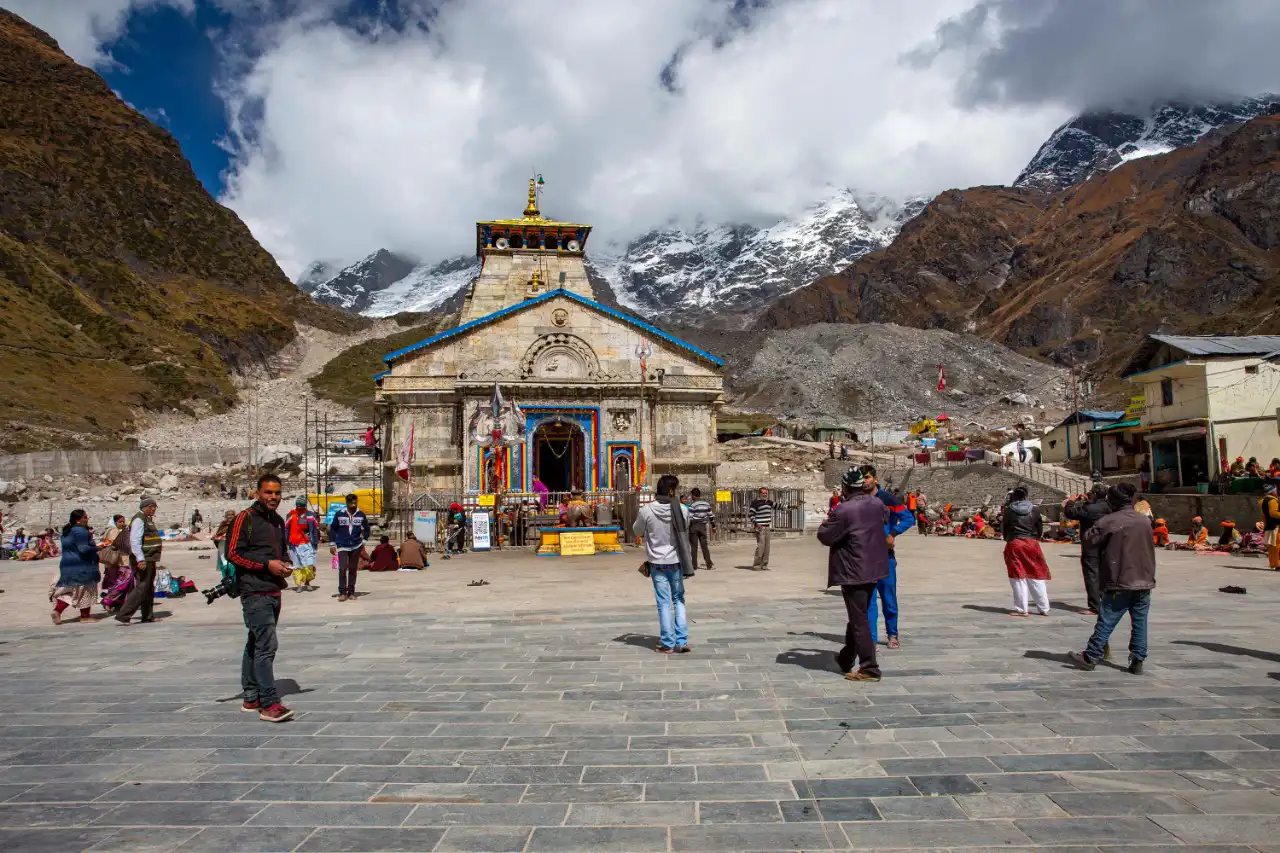 12D / 11N
Panch Kedar Tour Package: Five Shiva Temples of Garhwal in 12 Days
● Starts Rishikesh
₹45,000
From₹35,000* / personEMI from ₹1,714/mo
 11D / 10N
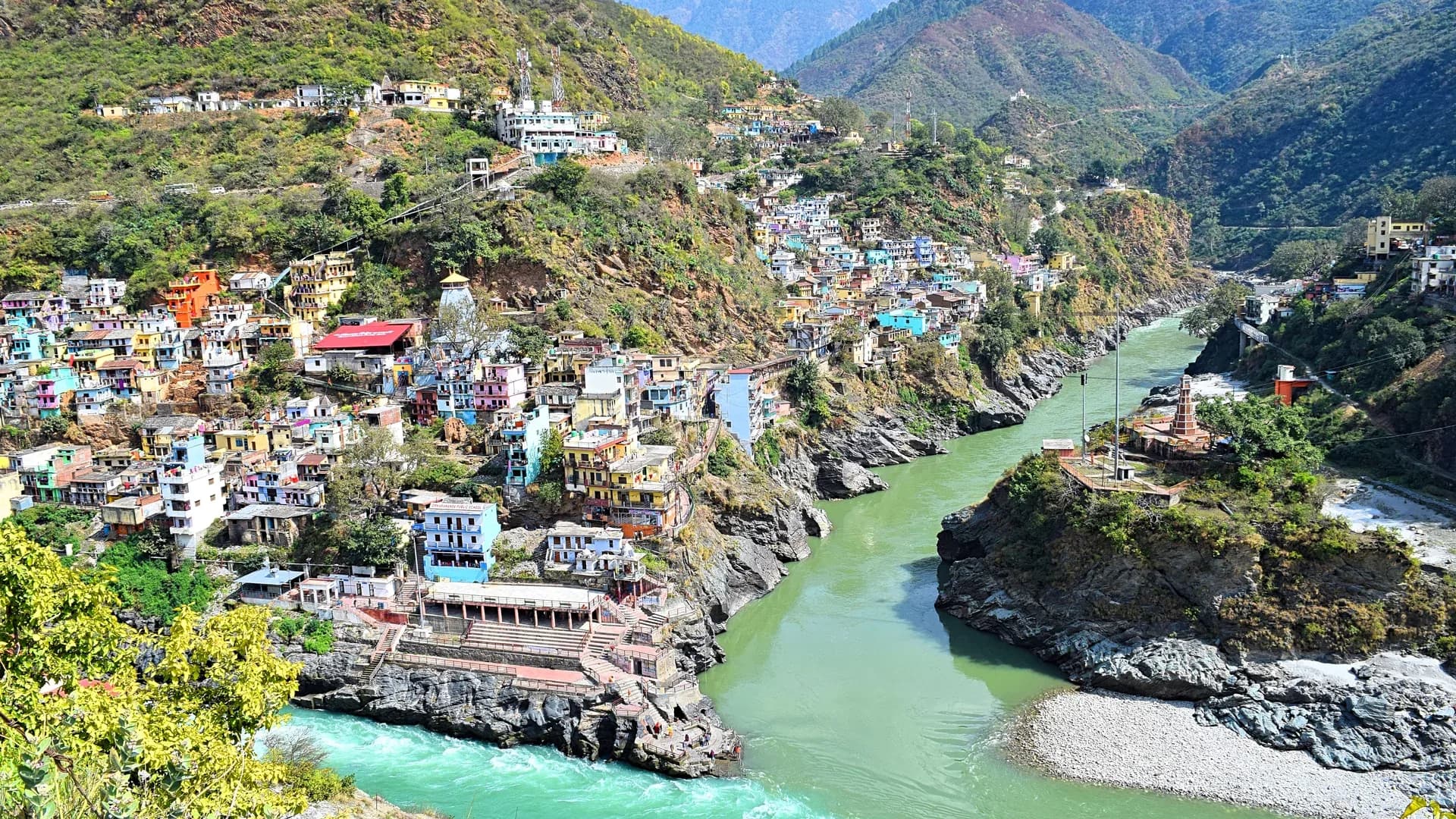
North India Divya Desam Tour Package: 7 Vada Naadu Temples in 11 Days
● Starts Delhi
From₹85,000* / person
Explore →EMI from ₹4,162/mo
 16D / 15N
 6D / 5N
Ready to plan your Kagbhusandi Lake Trek?
Tell us your dates and group size. A WayToIndia travel expert replies within a few hours with a plan you can customise freely. Planning India journeys since 2010.
✓ No payment now✓ Free customisation✓ GST invoice✓ India + overseas support