 8D / 7N
7 days
6 nights
Delhi
start point
Oct–Mar
best season
16+ yearscrafting India journeys · since 2010
Trustedby travellers worldwide
Local repsIndia + overseas support
No prepayfree customisation · GST invoice
Overview
Tour overview
Punjab, the land of the Sikh Gurus, is dotted with historic Gurudwaras that reflect devotion, history, and architecture. A Gurudwara tour here is both a spiritual and cultural journey.
Gurudwara in Punjab tour takes you to some of the holiest of the Gurudwaras in India. This spiritual tour begins in Delhi, visiting Gurudwara Bangla Sahib, known for its holy Sarovar and Langar serving thousands daily; Gurudwara Sis Ganj Sahib, the site of Guru Tegh Bahadur Ji’s martyrdom; and Gurudwara Rakab Ganj Sahib, marking the cremation site of Guru Tegh Bahadur Ji.
From Delhi, the journey proceeds to Patiala, where you visit Gurudwara Dukhniwaran Sahib, revered as the “Reliever of Suffering”, and explore Motibagh Palace (Durbar Hall Museum), Baradari Gardens, and Patiala Bazaar. On the way to Chandigarh, pilgrims can stop at Gurudwara Amb Sahib, a serene city shrine linked to Guru Har Rai Ji, and Gurudwara Nada Sahib in Panchkula, where Guru Gobind Singh Ji stayed during his travels.
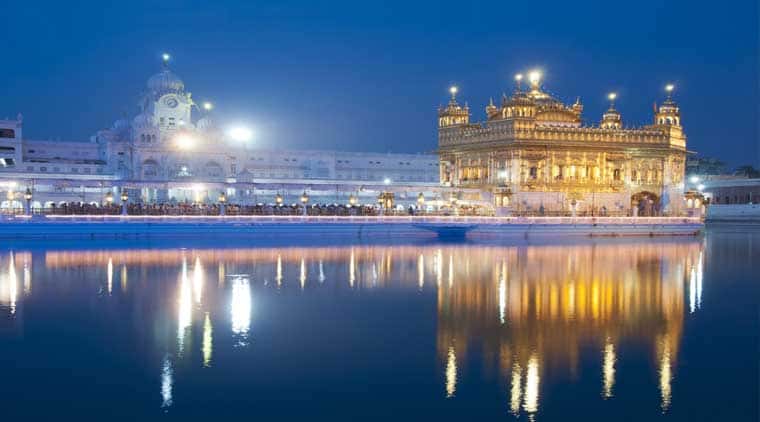
In Chandigarh city, Gurdwara Koohni Sahib and other local Gurudwaras offer devotion and meditation. The tour then continues to Amritsar, visiting Tarn Taran Sahib, known for its holy tank believed to have healing powers, Gobindwal Sahib, associated with Guru Amar Das Ji, Hazoor Sahib, housing the Samadhi of Guru Angad Dev Ji, and the Golden Temple, the holiest Sikh shrine with its gold-covered dome and sacred Sarovar.
Additional sites include Baba Budha Sahib Ji Gurudwara, honoring the wise Sikh saint who guided five Gurus, Jallianwala Bagh, a historic site of the 1919 massacre, and Baba Bakala, linked to Guru Tegh Bahadur Ji and famous for the annual fair on Raksha Bandhan. This itinerary beautifully blends spiritual devotion, history, and cultural heritage across Delhi, Punjab, and Chandigarh, giving pilgrims a complete Sikh pilgrimage experience.
A Gurudwara tour in Punjab takes you to some of the most sacred Sikh shrines in India. Among these, the Golden Temple in Amritsar stands out as the holiest. Named for its magnificent golden dome, the temple is not only a place of worship but also a symbol of peace and devotion.
Join our week-long Gurudwara tour in Punjab to explore these revered pilgrimage sites and immerse yourself in the teachings and values of Sikhism. This journey promises not just sightseeing, but a deeply spiritual experience.
1. Gurudwara Bangla Sahib (Delhi)
Located in central Delhi, this Gurudwara is famous for its holy Sarovar (tank) and community Langar. Associated with Guru Har Krishan Ji, it is believed that the waters of the Sarovar can heal illnesses. Devotees visit to seek blessings, participate in prayers, and experience the spiritual peace of the temple.
2. Gurudwara Sis Ganj Sahib (Delhi)
This historic Gurudwara marks the site where Guru Tegh Bahadur Ji was martyred in 1675 by Mughal ruler Aurangzeb. Devotees visit to honor his sacrifice for religious freedom and participate in daily prayers and remembrance rituals.
3. Gurudwara Rakab Ganj Sahib (Delhi)
Located near India Gate, this Gurudwara commemorates the cremation site of Guru Tegh Bahadur Ji. It is an important place of reverence, where visitors pay respects and witness traditional Sikh rituals.
4. Gurudwara Dukhniwaran Sahib (Patiala, Punjab)
Known as the “Reliever of Suffering,” this Gurudwara is visited by devotees seeking spiritual comfort and blessings. It is a serene and peaceful shrine, central to Patiala’s religious life.
5. Gurudwara Amb Sahib (Chandigarh)
A calm and sacred Gurudwara in the heart of Chandigarh, linked to Guru Har Rai Ji. Devotees come here to meditate, participate in Langar, and seek spiritual guidance in a tranquil environment.
6. Gurudwara Nada Sahib (Panchkula, near Chandigarh)
Historically significant as the site where Guru Gobind Singh Ji stayed during his travels, Nada Sahib is surrounded by scenic beauty along a river. It is an important pilgrimage site where devotees offer prayers and partake in community Langar.
7. Gurdwara Koohni Sahib (Chandigarh, Manimajra)
A smaller but historic Gurudwara, it marks the place where Guru Gobind Singh Ji meditated and blessed devotees. It is cherished for its spiritual ambiance and historical association.
8. Tarn Taran Sahib (Amritsar, Punjab)
Famous for its holy Sarovar, believed to have healing powers, this Gurudwara was established by Guru Arjan Dev Ji. Pilgrims visit to bathe in the Sarovar and seek spiritual blessings.
9. Gobindwal Sahib (Punjab)
Associated with Guru Amar Das Ji, this Gurudwara is a historic site where the Guru lived and guided devotees. Visitors come to pay homage and reflect on the Guru’s teachings.
10. Hazoor Sahib (Amritsar, Punjab)
Not to be confused with Nanded, the Hazoor Sahib in Punjab is historically linked with Maharaja Ranjit Singh’s patronage. It preserves the legacy and memorial of Guru Angad Dev Ji. Pilgrims visit to witness rituals and receive spiritual blessings.
11. Golden Temple / Harmandir Sahib (Amritsar, Punjab)
The holiest Sikh shrine, built in the middle of a sacred Sarovar by Maharaja Ranjit Singh, with its gold-covered dome. Adjoining the temple is the Akal Takht, the supreme authority of Sikhism. Devotees come for worship, meditation, and Langar.
12. Baba Budha Sahib Ji (Amritsar, Punjab)
Dedicated to Baba Budha Ji, a revered saint who served five Sikh Gurus and performed the first coronation of Guru Hargobind Ji. Devotees visit for spiritual inspiration, blessings, and family welfare, inspired by legends associated with the Guru.
13. Jallianwala Bagh (Amritsar, Punjab)
A historic memorial marking the site of the 1919 massacre by British General Dyer. Devotees and tourists visit to honor the martyrs and reflect on India’s struggle for freedom.
14. Baba Bakala (Punjab)
Associated with Guru Tegh Bahadur Ji, it houses a magnificent Gurudwara where thousands gather, especially during the Raksha Bandhan fair. Pilgrims come to seek blessings and commemorate Sikh heritage.
Tour highlights
Visit Gurdwara Sisganjji
Visit Gurdwara Bangla Sahibji
Visit Famous Golden Temple
Visit to JalianwalaBagh
Gurudwara Dukhniwaran Sahibji
Gurdwara Bangla Sahibji
Gurudwara Amb Sahib ji
Nada Sahibji
Patiala Bazaar
Amritsar
Chandigarh
Baba Budha Sahib Ji
Hazoor Sahibji
Gobindwal Sahibji
Tarn Taran Sahibji
Gurdwara Koohni Sahibji
Jallianwala Bagh
Destinations covered
Best Time
Oct–Mar
Ideal For
Pilgrims/Devotees, Families, Seniors, Culture Lovers
Difficulty
Easy
Day by day
Day-by-day itinerary
A carefully paced plan, day by day. Tap any day for the stay, meals and altitude detail.
"On arrival at Indira Gandhi International Airport or New Delhi Railway Station, you will be warmly received and transferred to your hotel. After a short rest to refresh yourself, the half-day Gurudwara tour will commence."
The first destination is Gurdwara Bangla Sahib, located in central Delhi. The distance from your hotel near the airport to Bangla Sahib is approximately 20 km, which takes around 45–60 minutes by car depending on traffic. Bangla Sahib is one of Delhi’s most famous Gurudwaras, associated with Guru Har Krishan Ji. It is renowned for its holy Sarovar (water tank), believed to have healing properties, and the Langar, serving free meals to thousands of devotees daily. A visit here typically takes about 1 to 1.5 hours, giving you time to meditate, explore the temple complex, and participate in the Langar if you wish.
From Bangla Sahib, the next stop is Gurdwara Sis Ganj Sahib in Chandni Chowk, approximately 5 km away, which is about 15–20 minutes by car. This historic Gurudwara marks the site where Guru Tegh Bahadur Ji was martyred in 1675, symbolizing his courage and sacrifice for religious freedom. Visitors usually spend around 1 to 1.5 hours here, exploring the temple and learning about its historical significance.
The final stop of the day is Gurdwara Bangla Sahib, situated near the Indian Parliament. It is about 3 km from Sis Ganj Sahib, taking roughly 10–15 minutes by car. This Gurudwara commemorates the cremation site of Guru Tegh Bahadur Ji and is an important landmark reflecting his supreme sacrifice for protecting the oppressed. A short visit of 45 minutes to 1 hour is sufficient to pay respects and view the memorial.
After completing the visits, you will be transferred back to your hotel near the airport, a journey of around 20–25 minutes, depending on traffic. This plan allows for a smooth, route-wise Gurudwara tour from your airport-side hotel, giving you enough time at each site without rushing, while experiencing Delhi’s rich Sikh heritage.
After early breakfast at the hotel, depart for Patiala, approximately 250 km from Delhi, taking around 5–6 hours including stops. On the way, you can visit Gurudwara Amb Sahib near Mohali/Chandigarh, about 230 km from Delhi, taking roughly 4.5–5 hours including breaks. This Gurudwara is associated with Guru Har Rai Ji and offers a serene environment for prayer and reflection; a visit of 45–60 minutes is recommended.
Next, stop at Gurudwara Nada Sahib, about 15–20 km from Amb Sahib, or 20–25 minutes by car. Historically significant, this Gurudwara marks the place where Guru Gobind Singh Ji stayed while traveling to Anandpur Sahib. A short visit of 30–45 minutes is sufficient.
After the en route visits, continue to Patiala, around 15 km from Nada Sahib (30 minutes). Check into your hotel and relax. In the afternoon, visit Gurudwara Dukhniwaran Sahib, known as the “Reliever of Suffering,” spending 1–1.5 hours exploring its serene complex. Then explore Motibagh Palace (Durbar Hall Museum), about 5–10 minutes from the Gurudwara, to view royal artifacts and history of Patiala rulers. Continue to Baradari Gardens (10 minutes from Motibagh Palace) for a peaceful stroll, and finally visit Patiala Bazaar (5–10 minutes from the gardens) to experience local crafts, textiles, and traditional Punjabi juttis. Enjoy dinner in the evening and stay overnight in Patiala.
After breakfast, drive toward Chandigarh, approximately 70 km (2 hours), with optional brief visits to Gurudwara Amb Sahib or Nada Sahib if missed earlier. Then proceed to Anandpur Sahib, about 80 km (~2 hours) from Chandigarh, the sacred city where Guru Gobind Singh Ji established the Khalsa Panth in 1699. Key sites include Takht Keshgarh Sahib and nearby forts. Spend 3–4 hours exploring and soaking in the spiritual history.
Continue the journey to Amritsar, around 220 km (~5–6 hours) from Anandpur Sahib. Check into the hotel and rest for the evening.
After breakfast at the hotel in Chandigarh, start your day with a visit to Gurudwara Amb Sahib, located in the heart of the city. Spend about 45–60 minutes here enjoying the calm atmosphere, partaking in the morning prayers, and experiencing the community Langar. From Amb Sahib, drive approximately 15 km (30–40 minutes) to Gurudwara Nada Sahib in Panchkula, a revered Sikh pilgrimage site where Guru Gobind Singh Ji stayed on his travels; devotees seek blessings and enjoy the serene lawns and holy premises over the next 1–1.5 hours.
Afterwards, return to Chandigarh and visit Gurdwara Koohni Sahib in the Manimajra area (about 10–15 minutes from the city center), historically significant for its association with Guru Gobind Singh Ji’s meditation and blessings. You can then explore a few local Gurudwaras such as Guru Singh Sabha (Sector 46D), Gurudwara Nanaksar (Sector 28B), or Gurudwara Shri Guru Tegh Bahadur Sahib (Sector 34D) based on your interest and time, each just a short drive apart within Chandigarh sectors.
If you wish, after completing the Gurudwara visits in Chandigarh and nearby Panchkula, you can continue your journey towards Amritsar or your next destination with peaceful memories of the city’s spiritual and cultural heritage.
After breakfast at the hotel, drive to Tarn Taran, approximately 25 km away (around 1 hour). This Gurudwara is famous for its location beside a large tank and was built in honor of Guru Arjan Dev Ji. The holy tank is believed to have healing powers, and devotees, including lepers from far-off places, come here to take a sacred dip.
After spending some time at Tarn Taran, proceed to Gobindwal, a short drive of 22 km (approximately 45 minutes). This town is historically connected with Guru Amar Das Ji, and the Gurudwara built by the Guru still stands as a place of devotion and remembrance.
Next, continue to Hazoor Sahib, about 10 km (20 minutes) from Gobindwal. This Gurudwara houses the Samadhi (memorial) of Guru Angad Dev Ji, the second Sikh Guru, and was built by Maharaja Ranjit Singh in 1815.
After paying respects here, return to Amritsar for lunch, and then visit the Golden Temple, also known as Darbar Sahib or Harmandir Sahib. Built in the midst of the holy Sarovar by Maharaja Ranjit Singh in 1803, the temple’s dome is adorned with approximately 400 kg of gold leaf, giving it the name “Golden Temple.” The interiors are exquisitely decorated with floral patterns inlaid with semi-precious stones. Adjoining the pool is the Akal Takht, established by Guru Hargobind Ji, which serves as the seat of the supreme authority of Sikhism.
Enjoy the Langar at the temple, and in the evening, return to your hotel in Amritsar for overnight stay.
After breakfast at the hotel, you can first drive to Baba Budha Sahib Ji Gurudwara, which is approximately 15 km from central Amritsar (around 30–40 minutes by car). This Gurudwara is dedicated to Baba Budha Ji, one of the earliest and most respected Sikh saints, who served and guided many Gurus including Guru Tegh Bahadur Ji and Guru Gobind Singh Ji. Devotees visit to seek blessings, spiritual guidance, and inspiration, and a visit typically takes 45 minutes to 1 hour.
Baba Budha Sahib Ji Gurudwara, near Amritsar, is dedicated to Baba Budha Ji, a revered Sikh saint who served five successive Gurus and performed the first coronation of Guru Hargobind Ji. He lived over 120 years, guiding early Sikh history. A rare and popular belief is that devotees seeking blessings for children or family welfare come here, inspired by the story of Mata Ganga, who prayed to Baba Budha Ji before the birth of Guru Hargobind Ji. The Gurudwara is also a place of spiritual peace, devotion, and kirtan, making it an important pilgrimage site for Sikhs.
From Baba Budha Sahib Ji, you can continue to Jallianwala Bagh (24 km / 1 hour from Amritsar city), followed by Baba Bakala (21 km / 45 minutes from Amritsar), as per your original plan. Returning to Amritsar for the evening, you can enjoy dinner and stay overnight at the hotel.
After breakfast at the hotel, drive to Delhi and transfer to the railway station for your onward journey. On arrival in Delhi, you will be transferred to the airport for your flight, taking with you happy memories of the tour.
WAYTOINDIA customize tours as per each client’s requirements and also cover all major Gurudwaras across India, including Hemkund Sahib Ji and Hazur Sahib Ji, with flexible and adjustable tour packages.
UNESCO World Heritage
World Heritage Sites on this journey
This tour takes you close to 4 UNESCO World Heritage Sites of India. These are places the world has recognised as our shared treasure. Below you can see each one and how far it is from where you stay, so you can plan your darshan and sightseeing with time to spare.
Right where you stay
Qutb Minar and its Monuments, Delhi
Cultural · Inscribed 1993 · Delhi
While you stay at Delhi, you can visit Qutb Minar and its Monuments, Delhi, a UNESCO World Heritage Site.
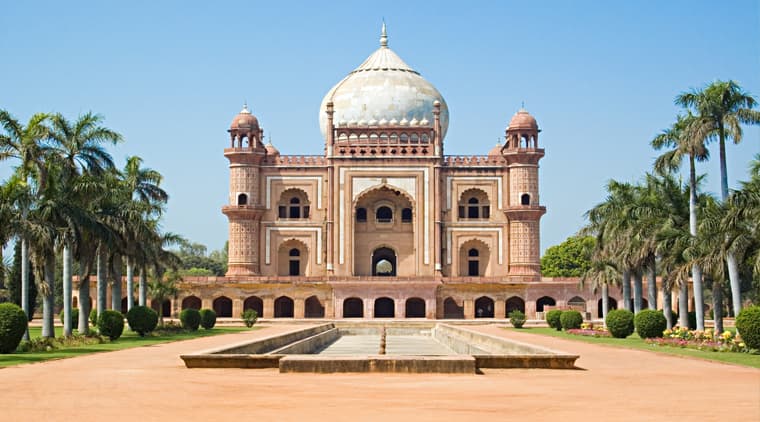
Humayun's Tomb, Delhi
Cultural · Inscribed 1993 · Delhi
While you stay at Delhi, you can visit Humayun's Tomb, Delhi, a UNESCO World Heritage Site.
Red Fort Complex
Cultural · Inscribed 2007 · Delhi
While you stay at Delhi, you can visit Red Fort Complex, a UNESCO World Heritage Site.
The Architectural Work of Le Corbusier (Capitol Complex)
Cultural · Inscribed 2016 · Chandigarh
While you stay at Chandigarh, you can visit The Architectural Work of Le Corbusier (Capitol Complex), a UNESCO World Heritage Site.
Want to plan your trip around India’s World Heritage Sites? See all UNESCO World Heritage Sites of India.
Travel tips
Travel Tips
Travel Tips For Gurudwara In Punjab Tour
Best Time: October to March- This is the most comfortable and recommended season.
Pleasant weather for temple visits and road travel,Ideal for early morning and evening prayers
Suitable for all age groups, including children and seniors
Festive Best Time (Very Special)- November – Guru Nanak Jayanti (high spiritual energy, but crowded)
April – Vaisakhi (important Sikh festival, vibrant celebrations)
Avoid If Possible- May to June – Very hot summers in Punjab & July to September – Monsoon season; travel may be slow due to rains
Conclusion:
For a peaceful, comfortable, and spiritually enriching experience, November to February is considered the best overall time for this trip.
Rules for Visiting a Gurudwara
Cover Your Head – Both men and women must cover their head with a scarf, dupatta, or turban before entering the Gurudwara.
Remove Footwear – Shoes and socks must be removed before entering the prayer hall. Most Gurudwaras provide racks for shoes.
Dress Modestly – Wear conservative clothing that covers shoulders and legs. Avoid revealing attire.
Maintain Silence & Respect – Speak softly, avoid loud conversations, and refrain from disturbing prayers or Kirtan.
Clean Hands and Feet – Wash hands and feet if needed; personal hygiene is important.
No Smoking, Alcohol, or Meat – Gurudwaras are sacred places, so avoid alcohol, tobacco, or non-vegetarian food inside and near the premises.
Photography Guidelines – Usually allowed outside the sanctum; avoid clicking photos in prayer halls unless permitted.
Participate Respectfully – You are welcome to sit, listen, or partake in Langar (community meal), but follow the rules and etiquette.
Keep Belongings Minimal – Large bags may not be allowed in the main hall; keep essentials only.
Respect the Sarovar – If the Gurudwara has a holy water tank, do not throw waste or step inside except in designated areas.
What's included
What's included
Included
- ✓Assistance on arrival in Delhi.
- ✓06 Nights accommodation in hotel.
- ✓Daily Breakfast in the hotel.
- ✓Transport services by an exclusive A/C Car with an English speaking driver as per itinerary.
- ✓All present applicable taxes.
Not included
- ✕Any personal expenses such as tips, drink, laundry, and which is not mentioned above.
- ✕Anymonument entry & camera fees.
- ✕Any train / air fare
What travellers say
What travellers say
4.7
Way to India · rated 4.7★ on Google across 46 reviews
Y
Yashvind Kumar Poteeram★★★★★
“A big thanks to Way To India for organising such a truly memorable and spiritually fulfilling experience during our 12 Jyotirlinga Darshan pilgrimage from 1st May to 18th May. They organized the entire journey exceptionally well, ensuring that every aspect of the trip was smooth, comfortable, and hassle-free. From transportation and hotel arrangements to darshan planning and coordination, everything was managed professionally. Despite the extensive travel across multiple destinations, the itinerary was well-structured, allowing us to complete all the Jyotirlinga darshans comfortably. Thanks to staff of Way To India, especially, Ms Neha, who was supportive, responsive, and attentive throughout the journey, always ready to assist whenever needed. Her dedication and careful planning made this sacred pilgrimage stress-free and enjoyable. I sincerely appreciate their excellent service, commitment, and hospitality. Highly recommend Way To India to anyone planning a spiritual tour, especially for the 12 Jyotirlinga Yatra. Thank you for making this divine journey so special and memorable.”2 months ago · Google
A
Aruna Persand★★★★★
“We have successfully completed the 12 Jyotirlinga Yatra, with Waytoindia and it was a truly blessed and unforgettable journey. Every aspect of the tour was well planned and professionally organized, from transportation and accommodations to temple visits and sightseeing. Visiting all twelve sacred Jyotirlingas was a deeply spiritual experience. The itinerary was designed efficiently, allowing us to have darshan at each shrine comfortably while enjoying the cultural and religious significance of every destination. We sincerely appreciate the excellent support and coordination throughout the trip. The team was always available to assist, ensuring a smooth and stress-free pilgrimage. Thank you Waytoindia for making our dream of completing the 12 Jyotirlinga Yatra a reality. We highly recommend this tour to anyone seeking a well-organized and spiritually enriching pilgrimage experience. Har Har Mahadev! 🙏🕉️”3 months ago · Google
Y
Yash Bhargava★★★★★
“We recently entrusted our honeymoon planning to 'Way to India', and it turned out to be one of the best decisions we made. From itinerary finalization to on-ground execution, everything was handled with remarkable professionalism, warmth, and attention to detail. Every aspect of our trip — flights, hotels, transfers, experiences, and even the small thoughtful touches — was perfectly curated. The itinerary was balanced, well-planned, and tailored exactly to what we wanted. We never had to worry about a single thing; all arrangements were seamless and absolutely hassle-free. What truly stood out was their responsiveness and genuine care. They were always available, always patient, and consistently went the extra mile to ensure our journey was special. Special thanks to Neha Ma'am for planning everything. We are incredibly grateful and wholeheartedly recommend their services to anyone looking for a stress-free, personalised, and delightful travel experience. Thank you for making our honeymoon truly magical!”6 months ago · Google
Travelled with Way to India?
Share your experience on Google — it takes a minute and helps fellow travellers plan with confidence.
FAQ
Frequently asked questions
When visiting Gurudwaras, it is essential to dress modestly. Men should wear long pants and shirts with sleeves, while women should wear long skirts or pants and tops that cover their shoulders. A head covering is mandatory for both genders; you can use a scarf or a turban. It's advisable to avoid tight or revealing clothing.
No special permits are required for visiting Gurudwaras in Punjab. However, some Gurudwaras may have specific entry rules or timings, especially during festivals or special events. It's best to check in advance if you plan to visit during such times.
The ideal time to visit Gurudwaras in Punjab is from October to March when the weather is pleasant and cool. Summers can be extremely hot, while monsoons may cause travel disruptions. Festivals like Gurpurab can also be a vibrant time to visit, but expect larger crowds.
Punjab is generally safe for tourists, but it's wise to take standard precautions. Avoid traveling alone at night, keep your belongings secure, and be cautious in crowded places. Always follow local customs and respect the cultural norms of the Sikh community.
The tour includes transport services by an exclusive A/C car with an English-speaking driver. This allows for comfortable travel between destinations like Delhi, Patiala, Chandigarh, and Amritsar. Public transport options are also available, but may not be as convenient.
Pack lightweight, modest clothing suitable for the weather. Include a headscarf for visiting Gurudwaras, comfortable walking shoes, and a reusable water bottle. Don't forget essentials like sunscreen, a hat, and any personal medications you may need.
Yes, it is advisable to book accommodations in advance, especially during peak tourist seasons or festivals. This ensures you have a place to stay that meets your preferences and budget, as popular areas can fill up quickly.
Yes, when visiting Gurudwaras, always remove your shoes and wash your hands before entering. Speak softly, and avoid using your phone inside. It's also respectful to participate in community service, such as helping in the Langar (community kitchen).
The tour includes visits to significant Gurudwaras such as the Golden Temple in Amritsar, Gurudwara Baba Bakala, and Hazoor Sahib. Each site holds historical and spiritual significance, offering a deep insight into Sikh culture and heritage.
Most urban areas in Punjab have good mobile network coverage. Consider purchasing a local SIM card for better connectivity. Wi-Fi is available in many hotels and some Gurudwaras, but it may be limited in rural areas.
You may also like
Similar journeys
8D / 7N 11D / 10N
North India Divya Desam Tour Package: 7 Vada Naadu Temples in 11 Days
● Starts Delhi
From₹85,000* / person
Explore →EMI from ₹4,162/mo
 4D / 3N
 6D / 5N
 2D / 1N 2
 9D / 8N
Golden Triangle with Ranthambore & Bharatpur Luxury Group Tour
● Starts Delhi
From₹46,791* / person
Explore →EMI from ₹2,291/mo
Ready to plan your Gurudwara In Punjab Tour?
Tell us your dates and group size. A WayToIndia travel expert replies within a few hours with a plan you can customise freely. Planning India journeys since 2010.
✓ No payment now✓ Free customisation✓ GST invoice✓ India + overseas support