 18D / 17N 5
6 days
5 nights
July to September
best season
16+ yearscrafting India journeys · since 2010
Trustedby travellers worldwide
Local repsIndia + overseas support
No prepayfree customisation · GST invoice
Overview
Tour overview
The Valley of Flowers trek starts from Govindghat in Uttarakhand (Dev Bhoomi) and is considered an easy to moderate trekking route. The trek reaches a maximum altitude of around 12,000 feet (3,658 meters) above sea level.
The total trekking distance is approximately 38–40 kilometers (round trip), which includes about 13 km from Govindghat to Ghangaria and around 4 km from Ghangaria to the Valley of Flowers (one way). This trek is usually completed comfortably in 4 to 6 days. The best time to visit is from July to September, when the valley is in full bloom with colorful alpine flowers, offering stunning views of snow-covered Himalayan peaks, waterfalls, and lush green landscapes.
Valley of Flowers Trekking Touris an adventurous trek that starts from Govindghat in the Uttarakhand state of India. Govindghat is situated at a height of 1828 meters, and the trek progresses to Ghangariya a beautiful hamlet nestled in higher Himalayas at a height of 3048 meters.
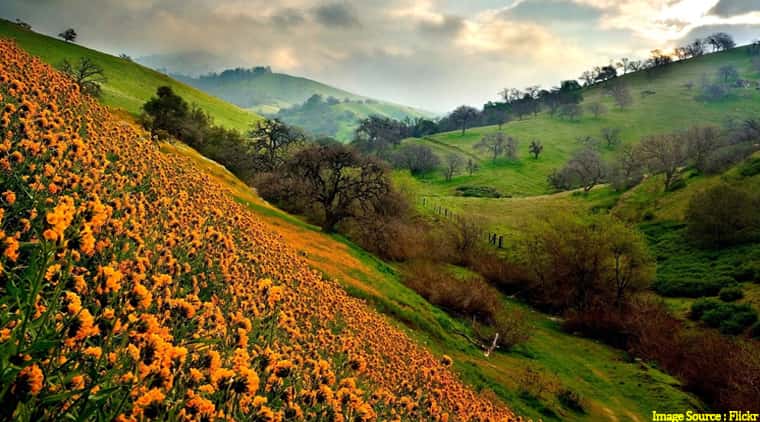
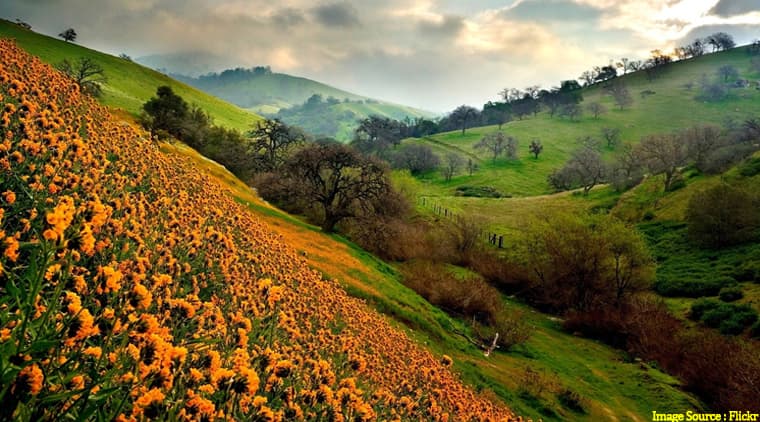
As you walk through this UNESCO World Heritage Site, you are rewarded with breathtaking views of snow-clad Himalayan peaks, cascading waterfalls, lush green meadows, and crystal-clear streams. The tranquil atmosphere and natural beauty of the valley make this trek a perfect blend of adventure, serenity, and visual delight—an experience that truly captivates the soul. Valley of Flowers is a lifetime experience that one must not miss.
The valley remains covered under snow for nearly 7–8 months every year and opens only during the monsoon, which is why the flowers bloom in such dramatic abundance. More than 600 species of alpine flowers grow here, many of which are rare, endangered, and found nowhere else in the world. There is beautiful scenic view on the way to the valley of flowers and the cold weather further adds to the charm. The best time for the trek is summers around the month of July to September, as the flowers blossom and there is luxuriant lush vegetation during this period.
The beauty of the place is at its peak during summers. You come across waterfalls, rivers, beautiful mountain ranges, steep valleys and many other breath-taking views during the trek. The Govindghat to Ghangariya trek level is easy to moderate. If you are passionate traveler and nature lover then this trek should be on your travel list. The Valley of Flowers trek can be further customized to take the travelers to Shri Hemkund Sahib also.
Tour highlights
Ghangariya
Auli
Kunth Khal Top
Swargarohini
Valley of Flowers
Best Time
July to September
Difficulty
Moderate
Day by day
Day-by-day itinerary
A carefully paced plan, day by day. Tap any day for the stay, meals and altitude detail.
Your Valley of flowers trek starts from Govindghat Arrive at Govindghat and have an overnight stay at the hotel. Govindghat is located in Chamoli district of Uttarakhand, India. Jolly Grant Airport in Dehradun is the nearest airport to Govindghat which is situated at a distance of approximately 292 km.
The nearest railway station to Govind ghat is Rishikesh on NH 58 at a height of around 5,500 feet. Govindghat is visited by many pilgrims on Chardham Yatra, so it is a major place for the accommodation of the pilgrims. The place offers natural beauty and escapes from chaotic urban life.
We shall start the second day of your valley of flowers trek by beginning our trek from Govindghat to Ghangariya. The distance between these places is about 14 km. which takes around 5 to 6 hours to reach.The uphill trek begins with steep valleys. The steep valleys last for first 3 km. of the trek and again come towards the last 3 km. If you are not able to cope up with the trek, then you can take a pony or a helicopter.
What makes this place even more special is that the colors of the valley change every few weeks as different flowers blossom, giving visitors a new experience each time. Rediscovered in 1931 by British mountaineer Frank S. Smythe, the valley has remained largely untouched, with no permanent human settlements allowed inside to protect its fragile ecosystem. It is also home to rare Himalayan wildlife such as the snow leopard and Himalayan monal, though they are seldom seen. Located near the sacred Hemkund Sahib, the Valley of Flowers beautifully blends untouched natural beauty with spiritual significance, making it a truly unique and unforgettable destination.
On the way, you come across Pulma and Bhyuandar, both of these villages were heavily damaged during 2013 floods in Uttarakhand but are now rehabilitated.
After reaching Ghangariya, there is an overnight stay before we begin our next day of Valley of flowers trek.
Valley of flowers trek starts with early morning breakfast. Trek to Valley of Flowers about 10 km. which takes about 6 to 7 hours to reach. The 50 percent of trek towards the valley of flowers is steep uphill while the remaining part is not so steep. The landscapes of the valley are a feast to eyes. You come across vibrant flowers, beautiful mountain ranges, many species of birds, insects, butterflies, etc. The sight of thousands of flowers blooming astonishes trekkers.
The Valley of Flowers Trek is not only a place of extraordinary natural beauty but also holds deep religious and spiritual significance. According to ancient Hindu beliefs, this sacred valley is associated with Lord Vishnu and is believed to be part of the celestial landscapes mentioned in the Puranas. It is said that sages, rishis, and yogis once meditated here, drawn by the valley’s silence, purity, and powerful spiritual energy.
The region lies close to Hemkund Sahib, one of the holiest Sikh shrines, where Guru Gobind Singh Ji is believed to have meditated in his previous life, as mentioned in Sikh scriptures. Many locals also believe that the valley is protected by divine forces, which is why it remains untouched and serene. The rare flowers blooming in this high-altitude valley are often considered offerings to the gods, symbolizing devotion, purity, and divine blessings, making the Valley of Flowers a sacred meeting point of nature, faith, and spirituality.
Many streams flow through the valley which further adds to the soulful beauty of nature. On the right side of the valley is the snowy Ratban Parvat (6,125m.) and on the left side is the Nar Parvat. Also, relish the beautiful mountain ranges of Nilgiri Parvat (6,479m.) and Ghori Parbat (6,950m.). Head back to the camp/hotel for overnight stay at Ghangariya.
After early morning breakfast begins the trek from Ghangariya to Kunth khal Top which is approximately 3,700 m. to 4,430 m. The total distance of the trek is about 9km. The route is moderately easy and not much steep valleys come along the way.
Kunth Khal Top is a high-altitude mountain pass in the Garhwal Himalayas of Uttarakhand, located near the Valley of Flowers region. At an elevation of around 15,200 feet, it is known for its untouched beauty and spiritual significance.
Local beliefs connect Kunth Khal with the Pandavas’ final journey to heaven, giving the place a sacred and mystical aura. From the top, visitors are rewarded with breathtaking panoramic views of the surrounding Himalayan peaks and alpine landscapes, making it a perfect blend of adventure and spirituality.
From the Kunthkhal top, the trekkers get an incredible view of the valley. The snow-capped mountains and the vegetation with a cold windy breeze are lifetime time experience. The way to Kunthkhal top diverts from a point named BamniDhaur. The trek route will introduce you to rivers, streams, and glaciers.
The trek route is a visual treat as a lot of flora and fauna can be seen in this scenic place. Spend some time on the Kunthkhal top and if you are physically fit enough you can take a tour until the end of the valley at Tipra Khark. Later head back to Ghangariya for an overnight stay in the hotel.
After morning breakfast, this 5th day of your Valley of flowers trek, head back to Govind ghat. It is purely a downhill trek as opposed to the day 2 trek where it was uphill.
After reaching Auli, the vehicle shall take you to Chairlift Point where you have to climb the stairs. Auli is a scenic hill station in Uttarakhand, situated at 8,000–10,000 feet. Famous for its snow-capped peaks, skiing, and panoramic Himalayan views, it offers adventure sports in winter and serene natural beauty year-round. The Auli ropeway, one of Asia’s longest, adds to its charm, making it a must-visit for nature and adventure lovers
From the chairlift point, you shall take the chairlift up to the tower number 10 where you can indulge in adventure activities. You can drive mountain scooters; visit the artificial lake and much more. You can visit the highest peak of Uttrakhand, Nanda Devi from where you can enjoy the magnificent view.
At the day end, you have to come to the parking bay by chairlift and drive back to Joshimath to head towards the hotel for an overnight stay.
Your Valley of Flowers trek concludes here. After enjoying a hearty breakfast, check out from your hotel and proceed to your onward destination, taking with you the unforgettable memories of the valley’s vibrant blooms, majestic peaks, and serene landscapes.
Temples on the way
Sacred temples you can visit
On this journey you come close to 2 holy temples of India, from the Char Dham, Chota Char Dham, Jyotirlinga circuits. Below you can see each temple and how far it is from where you stay, so you can plan your darshan with a calm mind and enough time.
A short drive from your stay
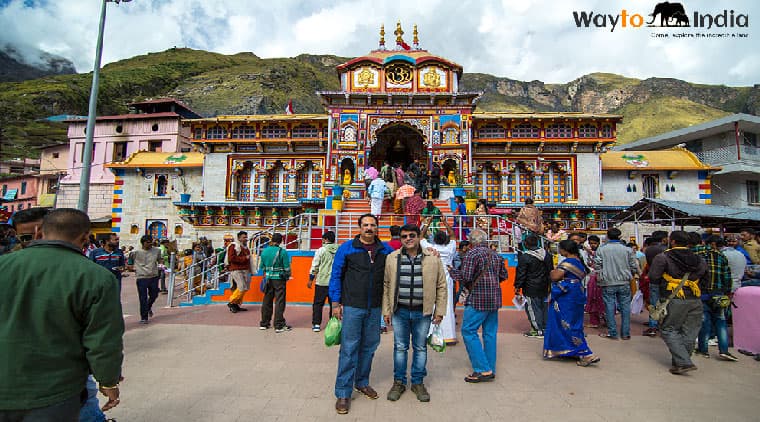
Badrinath Dham
Char Dham · Chota Char Dham · Vishnu · Uttarakhand
Badrinath Dham is a short drive from your stay at Govindghat (about 16 km). You can go for darshan and come back the same day.
An easy day trip from your stay
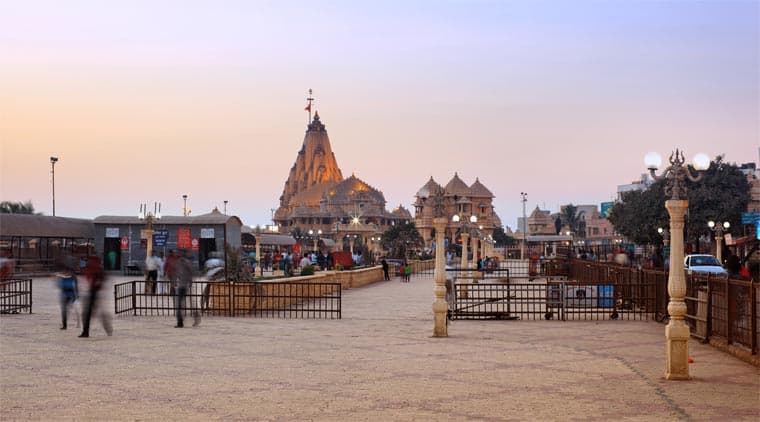
Kedarnath Jyotirlinga
Jyotirlinga · Chota Char Dham · Shiva · Uttarakhand
Kedarnath Jyotirlinga is an easy day trip from your stay at Govindghat (about 50 km).
UNESCO World Heritage
World Heritage Sites on this journey
This tour takes you close to 1 UNESCO World Heritage Site of India. These are places the world has recognised as our shared treasure. Below you can see each one and how far it is from where you stay, so you can plan your darshan and sightseeing with time to spare.
Right where you stay
Nanda Devi and Valley of Flowers National Parks
Natural · Inscribed 1988 · Uttarakhand
While you stay at Govindghat, you can visit Nanda Devi and Valley of Flowers National Parks, a UNESCO World Heritage Site.
Want to plan your trip around India’s World Heritage Sites? See all UNESCO World Heritage Sites of India.
Travel tips
Travel Tips
1. Sturdy trekking shoes with good grip — trails can be muddy and slippery.
2. Waterproof gear — rain jacket/poncho & backpack cover (monsoon rains are common).
3. Layered clothes, thermals, fleece, and gloves — temperatures drop at night.
4. Acclimatize at Ghangaria or Govindghat to avoid altitude issues.
5. Start early — afternoon rains and fog can reduce visibility and make trails slippery.
6. Hydrate frequently and go slow if you feel breathless.
Permits & Entry
1. A forest entry permit is required for the Valley of Flowers. Fees vary by nationality (INR.150 for Indians, INR. 600+ for foreigners).
2. Carry ID proof and additional passport photos (permits are usually handled by tour operators).
Altitude & Safety
1. Acclimatize at Ghangaria or Govindghat to avoid altitude issues.
2. Start early — afternoon rains and fog can reduce visibility and make trails slippery.
3. Hydrate frequently and go slow if you feel breathless.
What's included
What's included
Included
- ✓Accommodation on double/twin-sharing basis in the hotels.
- ✓Meals, as mentioned in the detailed itinerary and costing that, shall be shared with you.
- ✓All transfers and sightseeing as per itinerary by Vehicle as per the number of persons (Only land transfers).
- ✓Driver allowance, parking, toll, interstate taxes.
Not included
- ✕Items of personal nature like drinks, laundry, telephone calls, tips etc.
- ✕Any other meals not mentioned in the itinerary or inclusions.
- ✕Any guide fee, entrances, camera fee etc.
- ✕Liability for change in itinerary due to reasons beyond our control.
- ✕Any other item not specifically mentioned above in 'Prices Include'
- ✕Any air/rail/coach/ferry fares.
- ✕Any change in package price due to hike in fuel prices and government taxes.
- ✕Any surcharges for super peak season.
What travellers say
What travellers say
4.7
Way to India · rated 4.7★ on Google across 46 reviews
Y
Yashvind Kumar Poteeram★★★★★
“A big thanks to Way To India for organising such a truly memorable and spiritually fulfilling experience during our 12 Jyotirlinga Darshan pilgrimage from 1st May to 18th May. They organized the entire journey exceptionally well, ensuring that every aspect of the trip was smooth, comfortable, and hassle-free. From transportation and hotel arrangements to darshan planning and coordination, everything was managed professionally. Despite the extensive travel across multiple destinations, the itinerary was well-structured, allowing us to complete all the Jyotirlinga darshans comfortably. Thanks to staff of Way To India, especially, Ms Neha, who was supportive, responsive, and attentive throughout the journey, always ready to assist whenever needed. Her dedication and careful planning made this sacred pilgrimage stress-free and enjoyable. I sincerely appreciate their excellent service, commitment, and hospitality. Highly recommend Way To India to anyone planning a spiritual tour, especially for the 12 Jyotirlinga Yatra. Thank you for making this divine journey so special and memorable.”2 months ago · Google
A
Aruna Persand★★★★★
“We have successfully completed the 12 Jyotirlinga Yatra, with Waytoindia and it was a truly blessed and unforgettable journey. Every aspect of the tour was well planned and professionally organized, from transportation and accommodations to temple visits and sightseeing. Visiting all twelve sacred Jyotirlingas was a deeply spiritual experience. The itinerary was designed efficiently, allowing us to have darshan at each shrine comfortably while enjoying the cultural and religious significance of every destination. We sincerely appreciate the excellent support and coordination throughout the trip. The team was always available to assist, ensuring a smooth and stress-free pilgrimage. Thank you Waytoindia for making our dream of completing the 12 Jyotirlinga Yatra a reality. We highly recommend this tour to anyone seeking a well-organized and spiritually enriching pilgrimage experience. Har Har Mahadev! 🙏🕉️”3 months ago · Google
Y
Yash Bhargava★★★★★
“We recently entrusted our honeymoon planning to 'Way to India', and it turned out to be one of the best decisions we made. From itinerary finalization to on-ground execution, everything was handled with remarkable professionalism, warmth, and attention to detail. Every aspect of our trip — flights, hotels, transfers, experiences, and even the small thoughtful touches — was perfectly curated. The itinerary was balanced, well-planned, and tailored exactly to what we wanted. We never had to worry about a single thing; all arrangements were seamless and absolutely hassle-free. What truly stood out was their responsiveness and genuine care. They were always available, always patient, and consistently went the extra mile to ensure our journey was special. Special thanks to Neha Ma'am for planning everything. We are incredibly grateful and wholeheartedly recommend their services to anyone looking for a stress-free, personalised, and delightful travel experience. Thank you for making our honeymoon truly magical!”6 months ago · Google
Travelled with Way to India?
Share your experience on Google — it takes a minute and helps fellow travellers plan with confidence.
FAQ
Frequently asked questions
The best time to visit is from July to September, when the valley is in full bloom. August is considered the peak flowering season.
The Valley of Flowers trek reaches a maximum altitude of around 12,000 feet (3,658 meters) above sea level.
The trek is rated easy to moderate and is suitable for beginners with basic fitness.
Yes, an entry permit for Valley of Flowers National Park is mandatory and can be obtained at Govindghat or Ghangaria.
Yes, children and senior citizens in good health can undertake the trek. A medical consultation is recommended before planning the trip.
Essential items include good trekking shoes, warm clothing, rain gear, basic medicines, a water bottle, and valid ID proof.
You may also like
Similar journeys
Ready to plan your Valley of Flowers Trekking Tour?
Tell us your dates and group size. A WayToIndia travel expert replies within a few hours with a plan you can customise freely. Planning India journeys since 2010.
✓ No payment now✓ Free customisation✓ GST invoice✓ India + overseas support