 6D / 5N
 All Sacred Circuits
Jyotirlinga · Chota Char Dham · Shiva
Kedarnath Jyotirlinga
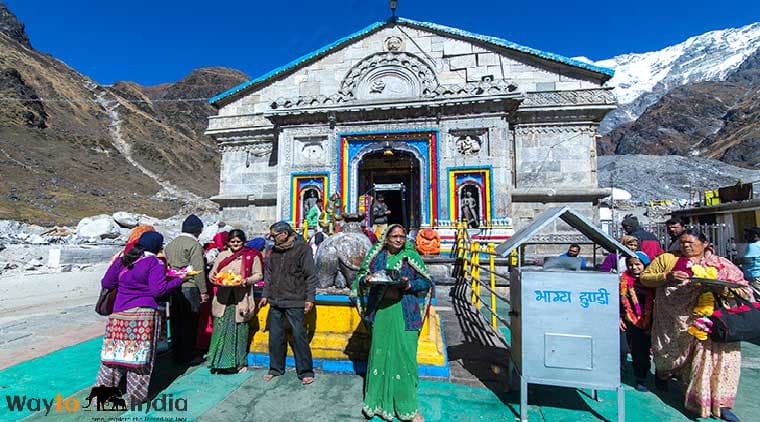
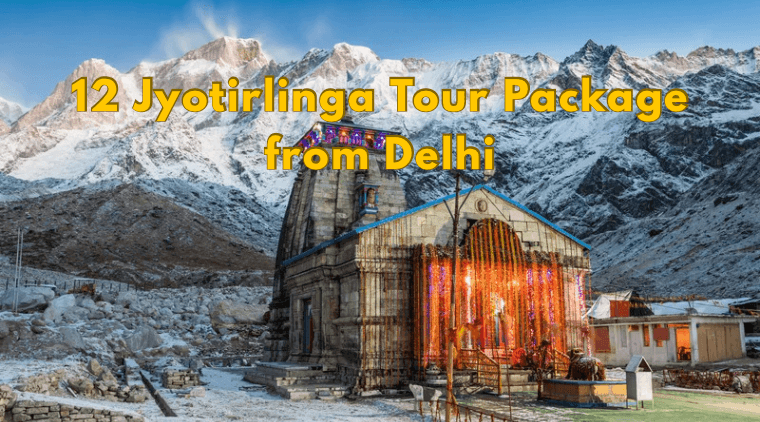
Kedarnath is the highest of the twelve Jyotirlingas, standing at about 3,583 metres in the Garhwal Himalaya, with snow peaks rising straight behind the temple. The yatra asks something of you, a 16 km climb on foot or a short helicopter ride, and it gives back a darshan you will carry in your heart for the rest of your life.
The story of this place
The tradition of the Panch Kedar says that after the war of Kurukshetra, the Pandavas came to the Himalaya seeking Lord Shiva, to be freed of the sin of killing their own kin. The Lord did not wish to meet them easily and took the form of a bull. When Bhima recognised him, the bull sank into the earth, and its hump remained at Kedarnath. That hump of rock is worshipped here as the Jyotirlinga. The other parts of the divine form appeared at four more places, and together these five shrines are the Panch Kedar.
The temple as we see it is centuries old, built of massive stone slabs on a high plateau beside the Mandakini river. Adi Shankaracharya came here in the 8th century, and the tradition holds that he took samadhi at Kedarnath; his samadhi sthal stands just behind the temple, rebuilt beautifully after the floods of 2013.
In those terrible floods of June 2013, the town around suffered greatly, yet the temple itself stood firm. Devotees see in this the grace of the Lord, and the darshan today feels even more precious for it. Kedarnath is both a Jyotirlinga and one of the four dhams of the Chota Char Dham of Uttarakhand, so it is the meeting point of two great yatras.
Darshan, timings and temple etiquette
Kedarnath is a seasonal temple. The doors open each year on the auspicious day of Akshaya Tritiya, in late April or early May, and close after Bhai Dooj, two days after Diwali, in October or November. The exact dates are declared by the temple committee on Maha Shivaratri. Through the winter, the deity is worshipped at the Omkareshwar temple in Ukhimath, so if you travel in winter, you can still have darshan there.
At Kedarnath, the day begins with the morning abhishekam and darshan continues through the day, with a break in the afternoon, and the evening aarti is deeply moving in the cold mountain air. Timings shift with the season and the crowd, so ask your consultant for the current schedule.
Dress warmly and modestly; it is cold here even in June. The queue can be long in May and June, so keep patience and keep chanting. Inside the sanctum, pujaris guide you; you may touch the Jyotirlinga during certain hours, which is a rare blessing among the twelve.
The yatra: how you go up
The motor road ends at Gaurikund. From there it is a 16 km climb on a well made path to the temple, which most pilgrims cover in 6 to 8 hours. Ponies, palanquins and porters are available at Gaurikund if you cannot walk the whole way. Start early in the morning, walk at your own pace, and stop for tea and Maggi at the small stalls on the way; this walk itself becomes one of the sweetest memories of the yatra.
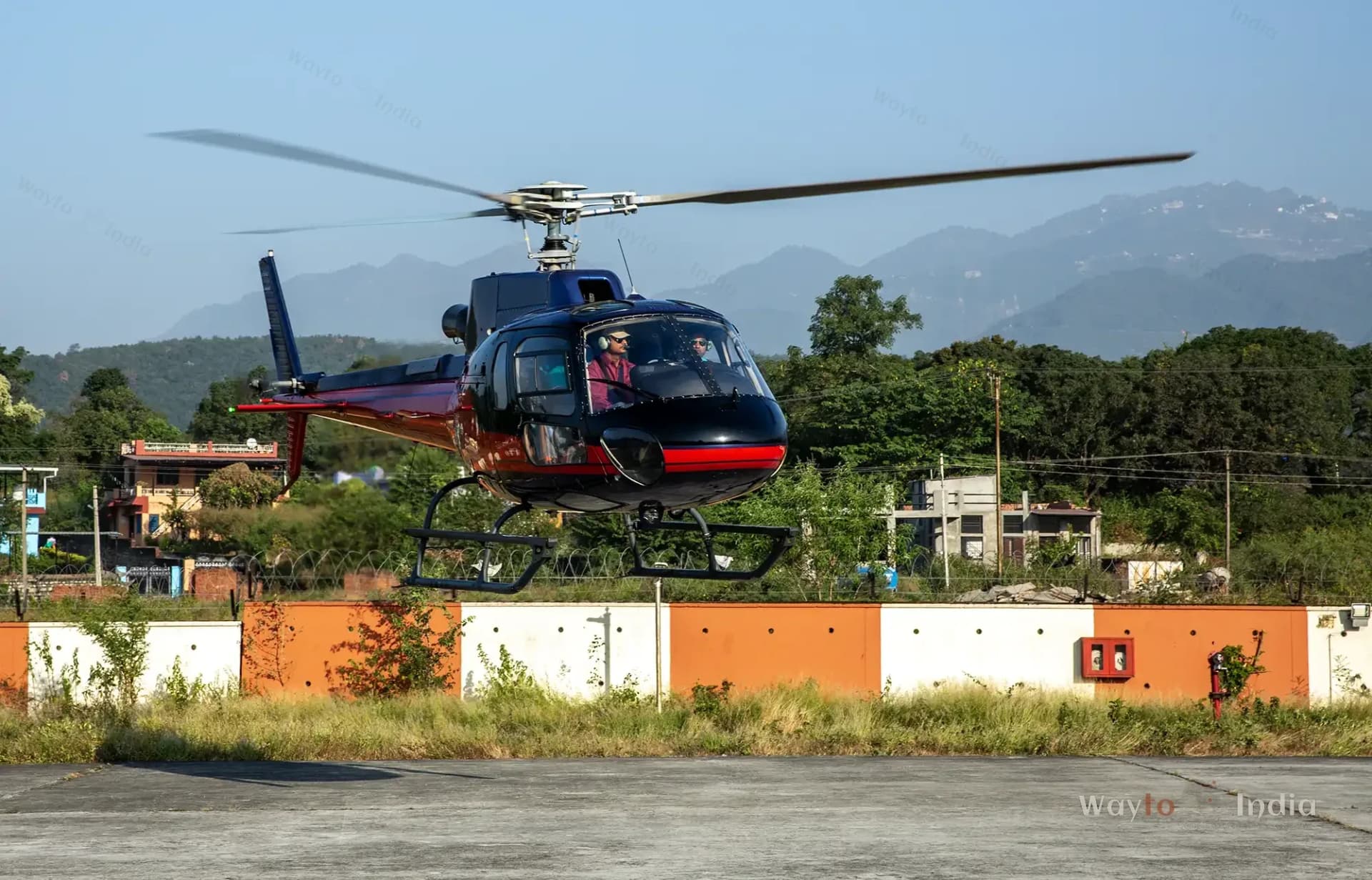
If the climb is not possible for you, helicopter services fly to Kedarnath from helipads at Phata, Sirsi and Guptkashi. Book only on the official IRCTC Heli Yatra website, heliyatra.irctc.co.in. Please do not pay any agent who promises confirmed helicopter tickets outside the official portal; every season pilgrims lose money to such promises. Even by helicopter, there is a short walk from the helipad to the temple.
One rule is compulsory for everyone: registration for the Char Dham Yatra on the Uttarakhand government portal, registrationandtouristcare.uk.gov.in. Your registration QR code is checked on the way. We complete this registration for all our yatris as part of the package.
Best time to visit
May and June are the main season, when the doors have just opened and the weather is at its kindest, though the crowds are at their largest. September and October are quieter and the skies are often clearer after the rains, a lovely time for darshan.
July and August are the monsoon months. The mountains are green and beautiful, but landslides can block the road and the trek becomes risky, so we do not suggest these months for elders or families with children. From November to April the temple is closed and the deity is at Ukhimath.
How to reach
The nearest railway stations are Rishikesh and Haridwar, and the nearest airport is Jolly Grant, Dehradun. From Rishikesh, the road runs up the holy valley through Devprayag and Rudraprayag to Sonprayag, about 210 to 220 km, a full day of mountain driving. Private vehicles park at Sonprayag, and local jeeps take you the last stretch to Gaurikund, where the trek begins.
Most of our Kedarnath and Chota Char Dham journeys keep a night at Guptkashi, Sirsi or Sonprayag before the climb, so that you start fresh in the morning. If you are combining Kedarnath with Badrinath, the road route goes back through Rudraprayag, and we plan the nights so that no day becomes too long.
Tips from our travel experts
We suggest you keep one buffer day in your plan. Mountain weather changes quickly, helicopters get grounded, and a spare day saves the whole yatra. Carry woollens even in June, a good rain jacket, a small torch, and any regular medicines, and keep your registration QR code and ID handy.
Walk slowly for the first hour and let your body get used to the height; Kedarnath is at about 3,583 metres, and elders should climb only after a doctor's advice. Drink water often. If you feel heaviness in the chest or a strong headache, tell your group and rest; do not push.
Book your stay at Kedarnath well in advance in May and June; rooms near the temple are few and simple. And keep your evening free for the aarti; standing before the lit temple as the peaks turn pink behind it is the moment every yatri remembers.
For our NRI and OCI travellers
The Char Dham registration portal accepts passport details, so you can register from abroad before you fly; we do this for you when you book. Helicopter seats in May and June sell out quickly, so if parents or elders are travelling, tell us your dates early.
Plan at least 4 to 5 days from Delhi for a comfortable Kedarnath darshan, or 10 to 12 days for the full Chota Char Dham. Mobile network at Kedarnath is weak, so tell your family at home not to worry if you are unreachable for a day. Many of our overseas yatris tell us that this one darshan, done calmly and without rush, was worth the whole trip to India.
Questions travellers ask us
When is Kedarnath temple open?
The temple opens on Akshaya Tritiya, in late April or early May, and closes after Bhai Dooj, two days after Diwali, in October or November. The exact dates are announced by the temple committee on Maha Shivaratri each year. In winter the deity is worshipped at the Omkareshwar temple in Ukhimath.
Is registration compulsory for the Kedarnath yatra?
Yes. Every yatri must register on the Uttarakhand government portal, registrationandtouristcare.uk.gov.in, and the QR code is checked on the route. We complete this registration for all our guests as part of the package.
How difficult is the 16 km trek from Gaurikund?
It is a steady uphill walk of 6 to 8 hours on a made path. A person of normal fitness who walks slowly and starts early can do it comfortably. Ponies, palanquins and porters are available at Gaurikund for those who need them.
Can my elderly parents do this yatra?
Yes, with planning. Helicopter services from Phata, Sirsi and Guptkashi remove the trek almost fully, with only a short walk from the helipad. Book only on the official IRCTC Heli Yatra website, keep a buffer day for weather, and take a doctor's advice about the altitude before travelling.
What should I pack for Kedarnath?
Warm layers even in summer, a rain jacket, walking shoes with good grip, a torch, your regular medicines, an ID and your registration QR code. Keep your bag light; you or a porter must carry it up the mountain.
Which months should I avoid?
July and August, the monsoon months, when landslides can block the road and the trek turns risky. From November to April the temple is closed. May, June, September and October are the months we suggest.
A note on the tours below. These packages travel close to Kedarnath Jyotirlinga, but a package may not include a guided visit to the site itself. If you would like this place added to your journey, please tell your Way to India travel consultant and they will happily build it into your itinerary for you.
Yatras where you stay right by the temple
Yatras with the temple a short drive away
 8D / 7N
About 23 km from your stay at Guptkashi
 4D / 3N
About 23 km from your stay at Guptkashi
 19D / 18N
12 Jyotirlinga Tour Package from Delhi
● Starts Delhi
From₹85,000* / person
Explore →EMI from ₹4,162/mo
About 23 km from your stay at Guptkashi
 18D / 17N
12 Jyotirlinga Tour Package from Mumbai
● Starts Mumbai
From₹90,000* / person
Explore →EMI from ₹4,407/mo
About 23 km from your stay at Guptkashi
 18D / 17N 5
About 23 km from your stay at Guptkashi
 5D / 4N
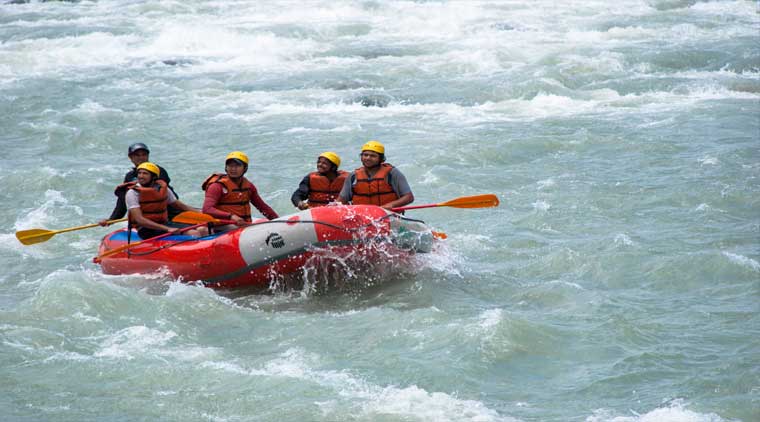
Rafting in Rishikesh with trekking in Himalayas
● Starts Haridwar
From₹25,056* / person
Explore →EMI from ₹1,227/mo
About 23 km from your stay at Deoria Tal
 4D / 3N
About 25 km from your stay at Ukhimath
 7D / 6N
About 31 km from your stay at Gangotri
 6D / 5N
Char Dham Yatra By Helicopter From Dehradun
● Starts Dehradun
From₹2,45,000* / person
Explore →EMI from ₹11,996/mo
About 31 km from your stay at Gangotri
Yatras with the temple an easy day trip away
 7D / 6N
About 41 km from your stay at Badrinath
About 41 km from your stay at Badrinath
 5D / 4N
About 41 km from your stay at Badrinath
 2D / 1N
About 41 km from your stay at Badrinath
 6D / 5N
About 41 km from your stay at Badrinath
 8D / 7N
About 44 km from your stay at Chopta
 6D / 5N
Valley of Flowers Trekking Tour
From₹30,490* / person
Explore →EMI from ₹1,493/mo
About 50 km from your stay at Govindghat
Valley of Flowers Uttarakhand Package
From₹41,357* / person
Explore →EMI from ₹2,025/mo
About 50 km from your stay at Govindghat
 7D / 6N
About 50 km from your stay at Govindghat
About 50 km from your stay at Govindghat
 6D / 5N
About 52 km from your stay at Joshimath
 7D / 6N
Dodital Darwa Pass Trek | Waytoindia
● Starts Haridwar
From₹35,923* / person
Explore →EMI from ₹1,759/mo
About 59 km from your stay at Uttarkashi