 6D / 5N
Char Dham Yatra By Helicopter From Dehradun
● Starts Dehradun
From₹2,45,000* / person
Explore →EMI from ₹11,996/mo
Chota Char Dham · Ganga
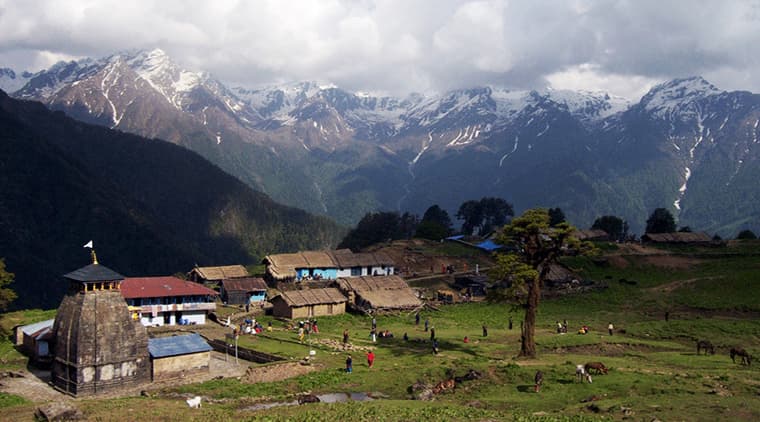
Gangotri is the dham of Goddess Ganga, standing at about 3,100 metres on the banks of the young Bhagirathi in the Garhwal Himalaya. Unlike Yamunotri and Kedarnath, the temple here needs no trek; the road brings you almost to the door. You stand where the tradition says Ganga first touched the earth, and the sound of the river fills everything.
The tradition tells one of the most loved stories of our land. King Bhagirath did severe tapasya for years to bring Ganga down from the heavens, so that the ashes of his ancestors could be freed. The Goddess agreed to descend, but her force would have shattered the earth, so Lord Shiva received her in his matted locks and released her gently. Devotees believe this descent happened here, and that is why the river at Gangotri is called Bhagirathi, after the king whose prayer brought her down.
The temple of white granite that you see today was built about two hundred years ago by the Gorkha general Amar Singh Thapa, and it was later repaired by the Maharaja of Jaipur in the early 1900s. It is small, plain and dignified, as a temple at this height should be, with the river running just beside it.
One honest clarification, which we always give our yatris: the actual source of the Ganga is not at the temple. It is at Gaumukh, the snout of the Gangotri glacier, about 18 km further up the valley. The temple is the place of worship that pilgrims have reached for centuries; the glacier is a separate, harder journey, and we explain it below.
The temple stands a short, level walk from the road, surrounded by deodar slopes and high peaks. Inside, Goddess Ganga is worshipped along with other deities, and the aarti here, with the roar of the Bhagirathi behind the bells, moves even the quietest heart.
Near the temple, in the riverbed, is the Jalmagna Shivling, the Submerged Shivling, a natural rock that stays under the rushing water for most of the year. When the water level drops in late autumn, the rock emerges, and the tradition holds this to be the very spot where Lord Shiva sat to receive Ganga in his locks. Close by is the Bhagirath Shila, the rock where devotees believe King Bhagirath did his tapasya.
Many pilgrims fill Gangajal here, at the source stream of the holy river, in sealed cans to carry home for puja and abhishekam. Take a little time also for the ghats by the river, where you can touch the ice-cold water and sit quietly. On the drive up, the Harsil valley, about 30 km before Gangotri, is one of the most beautiful stretches of road in the Himalaya, with deodar forests and apple orchards.
Gangotri is a seasonal temple. The doors open each year on Akshaya Tritiya, in late April or early May, and close for winter on Annakut, the day after Diwali. Through the winter the Goddess is worshipped at Mukhba village lower down the valley, so winter darshan is possible there.
During the season the temple keeps the usual mountain rhythm: darshan from early morning, a midday break, and darshan again until evening, with aarti at both ends of the day. Timings shift with the months, so check the current schedule before you travel or ask your consultant.
Registration on the Uttarakhand government portal, registrationandtouristcare.uk.gov.in, is compulsory for every yatri and is checked on the route. At the temple, dress warmly and modestly, remove footwear at the marked place, and keep the queue moving gently; the evening aarti draws a crowd, so come a little early and find your spot by the river.
The glacier snout at Gaumukh, where the Bhagirathi is born from the ice, lies about 18 km beyond Gangotri inside the Gangotri National Park. Let us be honest with you: this is a proper high-altitude trek, not a stroll, and it is not part of the normal dham yatra.
The trek needs a permit from the forest authorities, the number of trekkers each day is limited, and under the rules now in force you must go with a registered arrangement and a certified guide; independent trekking is not allowed. Most trekkers take two days, with a night at Bhojbasa, and fitness at this height matters.
If Gaumukh calls you, tell us well in advance. We arrange the permits, the guide and the stay properly. And if it is not possible for you, do not feel any lack: for centuries, darshan at the Gangotri temple itself has been the fruit of this yatra.
May and June are the main season, with open roads and the biggest crowds. September and October are the months we quietly love: fewer yatris, crisp air, and the clearest views of the peaks. Late in the season you also have the best chance of seeing the Submerged Shivling as the water drops.
July and August are the monsoon months, when landslides can hold up the road for hours or days, so we do not suggest them for elders or tight schedules. From November to April the temple is closed and the Goddess is at Mukhba.
The nearest airport is Jolly Grant, Dehradun, and the nearest major railheads are Rishikesh, Haridwar and Dehradun. From Rishikesh the road runs through Uttarkashi to Gangotri, about 250 km, a long day of mountain driving; Uttarkashi to Gangotri alone is about 100 km.
The good news for those who dread treks: the vehicle brings you to Gangotri itself, and the temple is a short walk from where you stop. This makes Gangotri the gentlest of the four dhams on the body.
We usually plan a night at Uttarkashi or in the Harsil valley on the way up, so that the drive is split and your body adjusts to the height before you sleep at 3,100 metres.
Even though there is no trek, respect the altitude. Walk slowly on your first evening, drink water often, and keep the first night's plan light. Elders with heart or breathing conditions should carry a doctor's advice.
Carry proper woollens even in June; nights at Gangotri are cold in every month. Keep your registration QR code and ID handy for the checkpoints. Rooms at Gangotri are simple, and many yatris prefer to stay at Harsil and drive up for darshan.
Keep one buffer day on this route; the mountain roads decide their own timetable. And attend the evening aarti at least once. Stand where you can see both the lamps and the river, and you will understand why pilgrims have walked to this valley for so many centuries.
The registration portal accepts passport details, so we register you before you fly. Gangotri pairs naturally with Yamunotri as the western half of the Chota Char Dham, and the full circuit of four dhams needs 10 to 12 days from Delhi; Gangotri alone with Rishikesh needs about 4 to 5 days.
Because the temple is drive-up, Gangotri is the dham we suggest first for overseas parents who cannot trek. Mobile network is patchy beyond Uttarkashi, so tell your family in advance. And carry a small empty bag for the Gangajal cans; taking the water of the source home to your family abroad is a gift beyond price.
No. The road brings you to Gangotri town itself, and the temple is a short, level walk from there. This makes Gangotri the easiest of the four dhams for elders. Only the optional Gaumukh glacier trek, about 18 km further, needs trekking.
The doors open on Akshaya Tritiya, in late April or early May, and close for winter on Annakut, the day after Diwali. In winter the Goddess is worshipped at Mukhba village, where darshan continues through the snow months.
It is a natural rock Shivling in the bed of the Bhagirathi near the temple, under water for most of the year. When the water drops in late autumn it becomes visible. The tradition holds this to be the spot where Lord Shiva received Ganga in his matted locks.
No. Gaumukh lies inside the Gangotri National Park. A forest permit is required, daily numbers are limited, and current rules require a registered arrangement with a certified guide. Independent trekking is not allowed, so plan it through a proper operator.
Yes. Registration on the Uttarakhand government portal, registrationandtouristcare.uk.gov.in, is compulsory for every yatri and is checked on the route. We complete it for all our guests as part of the package.
May and June have the freshest opening-season feel but the biggest crowds. September and October are quieter, with clearer skies and a better chance of seeing the Submerged Shivling as the river drops. For a calm darshan, we lean towards the autumn window.
A note on the tours below. These packages travel close to Gangotri Dham, but a package may not include a guided visit to the site itself. If you would like this place added to your journey, please tell your Way to India travel consultant and they will happily build it into your itinerary for you.
6D / 5NYou stay at Gangotri
 7D / 6N
You stay at Gangotri
 11D / 10N 5
You stay at Gangotri
 18D / 17N 5
About 53 km from your stay at Guptkashi
 19D / 18N
About 53 km from your stay at Guptkashi
 18D / 17N
About 53 km from your stay at Guptkashi
 8D / 7N
About 53 km from your stay at Guptkashi
 4D / 3N
About 53 km from your stay at Guptkashi
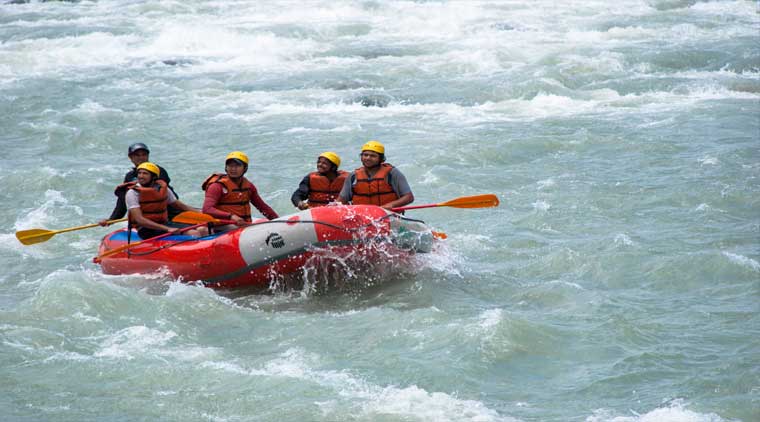 5D / 4N
About 54 km from your stay at Deoria Tal
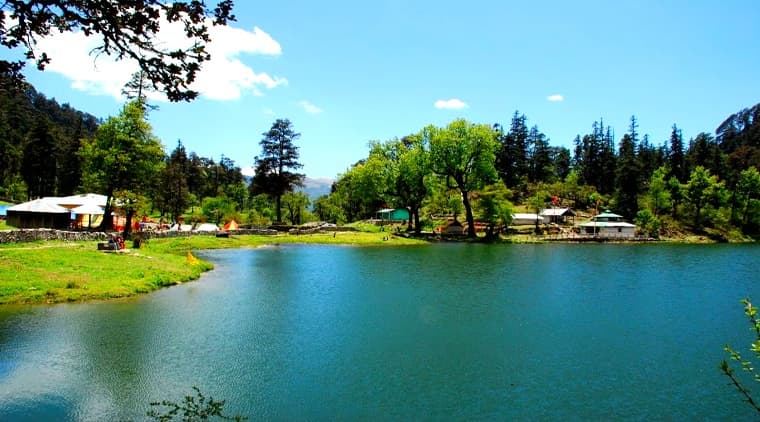 7D / 6N
About 55 km from your stay at Uttarkashi
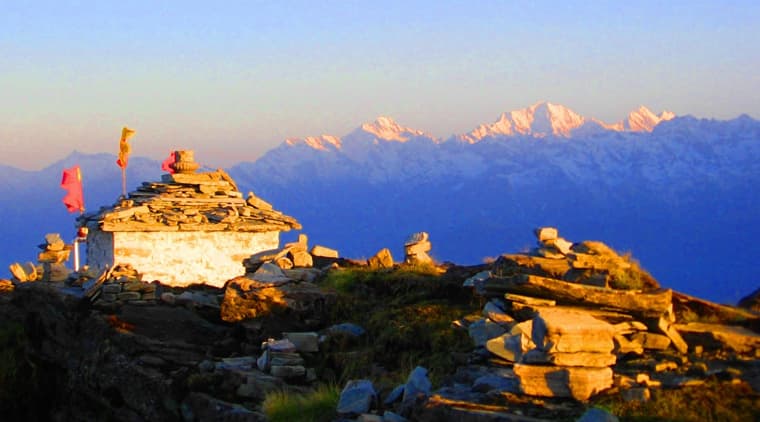 4D / 3N
About 55 km from your stay at Ukhimath
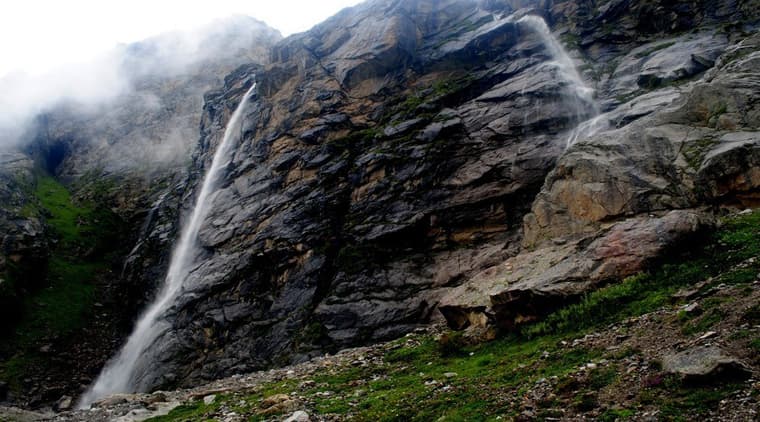 5D / 4N
About 60 km from your stay at Badrinath
 2D / 1N
About 60 km from your stay at Badrinath
About 60 km from your stay at Badrinath
 7D / 6N
About 60 km from your stay at Badrinath
 6D / 5N
About 60 km from your stay at Badrinath
Explore Way to India
© 2026 Way to India. All rights reserved.