 11D / 10N 5
 All Sacred Circuits
Chota Char Dham · Yamuna
Yamunotri Dham
Yamunotri is where the Chota Char Dham yatra traditionally begins, high in the Garhwal Himalaya at about 3,293 metres. The temple of Goddess Yamuna sits by the young river, reached by a trek of about 5 to 6 km from Janki Chatti, and beside it a boiling hot spring cooks rice that you carry home as prasad. It is a small dham, but it asks for your effort, and it rewards it.
The story of this place
The tradition tells us that Yamuna is the daughter of Surya Dev, the Sun, and the sister of Yama, the lord of death. Devotees believe that a bath in her waters, and darshan at her source, frees one from the fear of an untimely end. This is why pilgrims have climbed to this cold, high valley for centuries, and why the Chota Char Dham yatra begins here in the west before moving to Gangotri, Kedarnath and Badrinath.
The actual source of the Yamuna lies still higher, at the Champasar glacier below Kalind Parvat. That spot is very hard to reach, so from old times the temple below has been the place of worship. The temple was built in the 19th century by the rulers of Tehri Garhwal, and after damage from snow and quakes over the years it has been rebuilt more than once; the accounts also record the hand of Maharani Guleria of Jaipur in raising it again. Inside, the Goddess is worshipped in the form of a black stone idol.
When the temple closes for winter, the Goddess travels down to the village of Kharsali, near Janki Chatti, and is worshipped there through the snow months. Kharsali is a lovely old village, and it also keeps an ancient temple of Shani Dev, the brother of Yamuna in the tradition.
What you will see
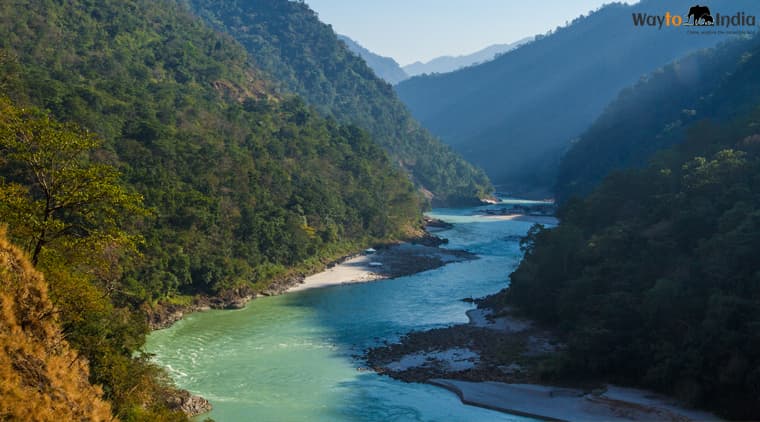
The walk itself is the first darshan. From Janki Chatti the path climbs beside the young Yamuna, with waterfalls coming off the cliffs and the valley narrowing as you rise. In about 5 to 6 km you reach the temple, standing small and strong against the mountain wall.
Right beside the temple is Surya Kund, a natural hot spring whose water comes out close to boiling. Here the pilgrims tie a little rice in a cloth and dip it in the kund, and in a few minutes it is cooked. This rice is carried home as prasad of the Goddess, and the tradition holds it very dear. Please be careful near the kund; the water is truly scalding, so let the pandits guide your hand.
Near the kund stands the Divya Shila, a rock pillar that devotees worship before entering the temple. Do this in the traditional order: bathe or sprinkle the water, offer prayer at the Divya Shila, then go for darshan of the Goddess. There are separate bathing kunds where the hot spring water is mixed to a bearable warmth, and a dip here after the cold climb is a joy you will not forget.
Darshan, timings and temple etiquette
Yamunotri is a seasonal temple. The doors open each year on Akshaya Tritiya, in late April or early May, and close for winter around Bhai Dooj, just after Diwali. In the winter months the Goddess is worshipped at Kharsali, so a winter yatri can still have darshan there.
During the season, the temple follows the mountain day: darshan from early morning, a break in the middle of the day, and darshan again until evening, with aarti morning and evening. Timings shift with the season, so check the current schedule before you climb, or ask your consultant.
Registration on the Uttarakhand government portal, registrationandtouristcare.uk.gov.in, is compulsory for every yatri, and your registration is checked on the route. Dress warmly and modestly, keep your voice low in the temple, and keep patience in the queue during May and June, when the dham receives its largest crowds.
The trek from Janki Chatti
The motor road ends at Janki Chatti. From there the trek of about 5 to 6 km takes most pilgrims 2 to 3 hours going up, walking at an easy pace. The path is made and railed, but it is a steady climb at high altitude, so go slowly and rest often.
If walking is difficult, ponies, dandis (palanquins) and kandis (porter baskets) are available at Janki Chatti through the prepaid counters. For elders this works well; many of our older yatris go up by dandi and walk down gently. Start early in the morning so that you are back at Janki Chatti before the afternoon weather turns.
Carry a rain layer even on a clear day, some water and a little dry food. The stalls on the path serve tea, and a hot cup halfway up, with the valley falling away below, is one of the small pleasures of this yatra.
Best time to visit
May and June are the main months, just after the doors open, with long days and the biggest crowds. September and October are quieter, and the air after the monsoon is washed and clear; many of our yatris prefer this window.
July and August bring the monsoon, and this valley is prone to landslides in the rains, so we do not suggest those months, especially for elders and children. From November to April the temple is closed and the Goddess is at Kharsali.
How to reach
The nearest railheads are Rishikesh and Dehradun, and the nearest airport is Jolly Grant, Dehradun. From Rishikesh or Dehradun the road runs through Barkot to Janki Chatti, about 200 km of mountain driving, which takes the better part of a day. Vehicles park at Janki Chatti and the trek begins there.
Most of our Yamunotri and Chota Char Dham plans keep a night at Barkot or near Janki Chatti before the climb, so that you trek fresh in the morning. From Yamunotri the yatra route continues to Gangotri, and we plan the road days so that none becomes too long.
Tips from our travel experts
Keep one buffer day in your plan; mountain weather is its own master. Yamunotri stands at about 3,293 metres, so walk slowly, drink water often, and let elders take a pony or dandi without any shyness. If anyone has a heart or breathing condition, take a doctor's advice before this yatra.
Carry woollens even in June, a rain jacket, good walking shoes and a small torch. Keep your registration QR code and ID where you can reach them. Rooms at Janki Chatti and Barkot are simple, so book early for May and June.
And do not skip the rice at Surya Kund. It takes ten minutes, it costs you nothing but a handful of rice, and the little cloth bundle you carry home becomes the sweetest prasad your family receives all year.
For our NRI and OCI travellers
The Uttarakhand registration portal accepts passport details, so we complete your registration before you fly. Plan at least 3 days from Delhi for Yamunotri alone, or 10 to 12 days if you are doing the full Chota Char Dham, which is what most of our overseas yatris choose.
Mobile network in this valley is weak, so tell your family not to worry if you are unreachable for a day. If you are bringing parents, tell us early; we arrange dandis and keep the walking days short so that the yatra remains a joy, not a test.
Questions travellers ask us
How long is the Yamunotri trek and how hard is it?
The trek from Janki Chatti is about 5 to 6 km one way, a steady climb of 2 to 3 hours on a made path. A person of normal fitness can do it comfortably at a slow pace. Ponies, dandis and kandis are available at Janki Chatti for those who need them.
When does Yamunotri temple open and close?
The doors open on Akshaya Tritiya, in late April or early May, and close for winter around Bhai Dooj, just after Diwali. In winter the Goddess is worshipped at Kharsali village near Janki Chatti, where darshan is possible through the snow months.
What is special about Surya Kund?
Surya Kund is a natural hot spring beside the temple, hot enough to cook rice. Pilgrims tie rice in a cloth, dip it in the kund, and carry the cooked rice home as prasad of Goddess Yamuna. The water is scalding, so take help and be careful.
Is registration compulsory for the Yamunotri yatra?
Yes. Every yatri must register on the Uttarakhand government portal, registrationandtouristcare.uk.gov.in, and the registration is checked on the route. We complete this for all our guests as part of the package.
Can elderly people do this yatra?
Yes, with care. Dandis and ponies at Janki Chatti remove most of the climb. Keep the pace slow, keep a buffer day, and take a doctor's advice about the altitude, since the temple stands at about 3,293 metres.
What is the Divya Shila?
The Divya Shila is a sacred rock pillar near Surya Kund, just outside the temple. By tradition, devotees offer worship at the Divya Shila before entering the temple for darshan of the Goddess.
A note on the tours below. These packages travel close to Yamunotri Dham, but a package may not include a guided visit to the site itself. If you would like this place added to your journey, please tell your Way to India travel consultant and they will happily build it into your itinerary for you.
Yatras where you stay right by the temple
11D / 10N 5You stay at Yamunotri
Yatras with the temple a short drive away
 7D / 6N
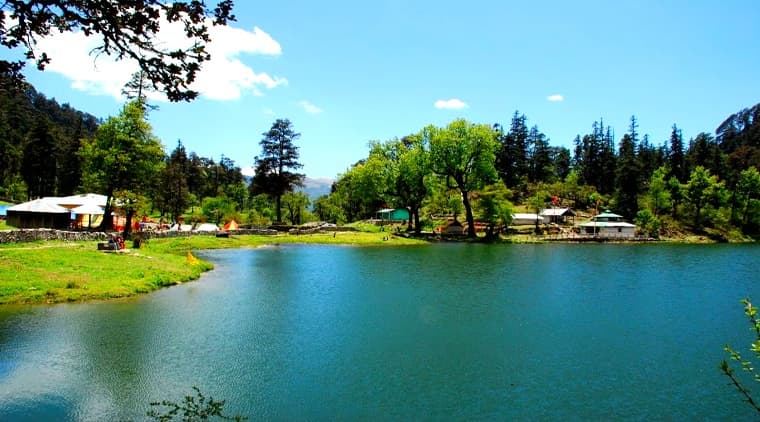
Dodital Darwa Pass Trek | Waytoindia
● Starts Haridwar
From₹35,923* / person
Explore →EMI from ₹1,759/mo
About 32 km from your stay at Uttarkashi
Yatras with the temple an easy day trip away
 6D / 5N
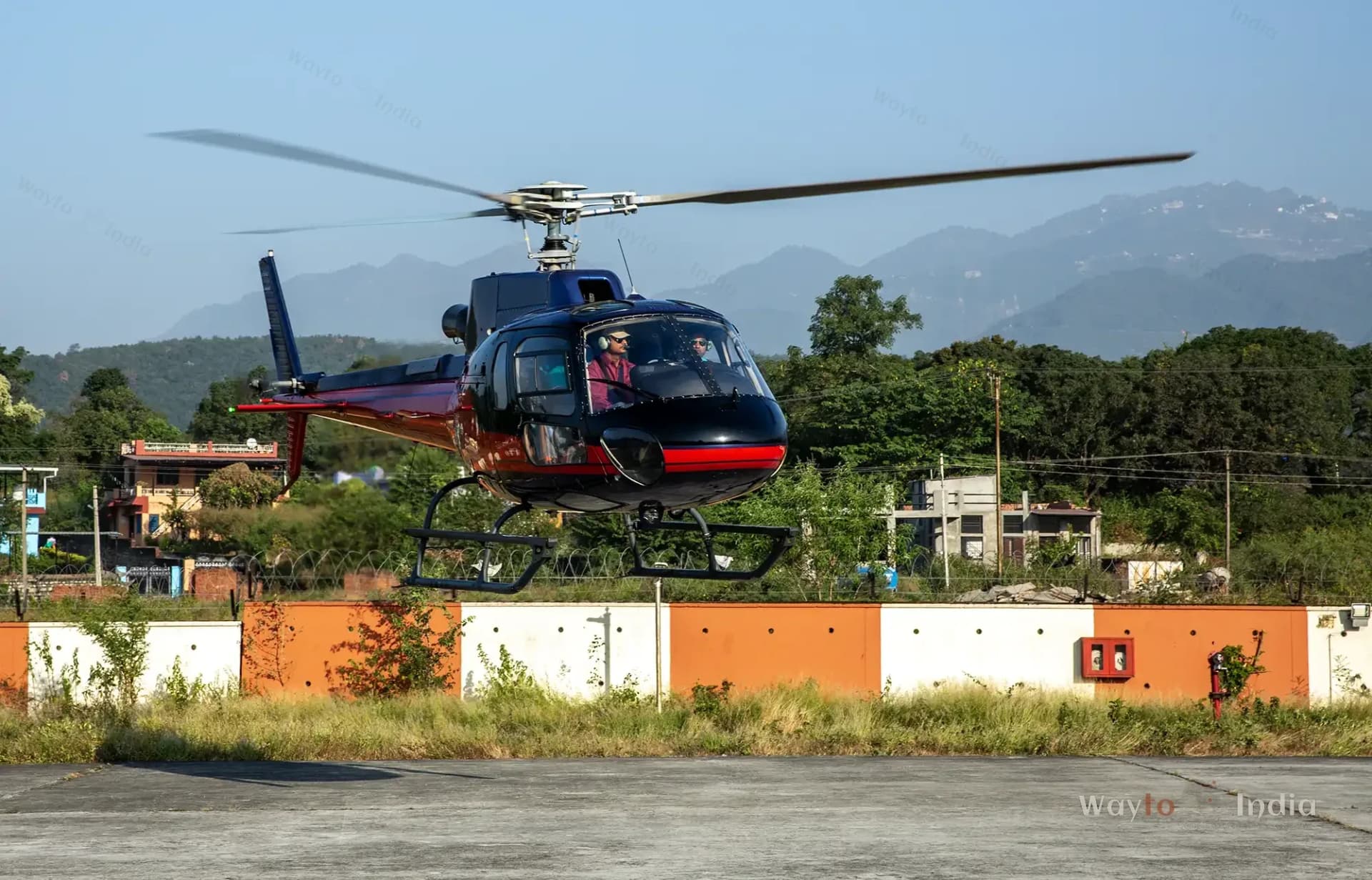
Char Dham Yatra By Helicopter From Dehradun
● Starts Dehradun
From₹2,45,000* / person
Explore →EMI from ₹11,996/mo
About 46 km from your stay at Gangotri
 7D / 6N
About 46 km from your stay at Gangotri