 18D / 17N 5
 All Sacred Circuits
Jyotirlinga · Shiva
Omkareshwar Jyotirlinga
Omkareshwar is the Jyotirlinga that sits on an island, and the island itself is shaped like the sacred syllable Om. The Narmada flows around it, temple bells sound across the water, and pilgrims cross over by bridge or by boat for darshan. It is about 80 km from Indore, and among the twelve Jyotirlingas it is one of the gentlest and most peaceful to visit.
The story of this place
The tradition tells more than one story of how the Lord came to stay here. In one, Vindhya, the spirit of the Vindhya mountains, worshipped Lord Shiva on this island, and the Lord, pleased, appeared in two forms: Omkareshwar and Amaleshwar. In another, King Mandhata of the Ikshvaku line, an ancestor of Lord Rama, did such tapasya here that the Lord manifested as a Jyotirlinga; the island is called Mandhata parvat after him to this day.
Because the Lord appeared in two forms, there are two shrines. Omkareshwar stands on the island, and Mamleshwar, also called Amareshwar, stands on the southern bank of the Narmada. The tradition says both together form the Jyotirlinga, so devotees take darshan at both.
The temple has seen many centuries. It is said to have been built by the Paramara kings around the 11th century, suffered damage in the medieval period, and was restored in the 18th century by the Holkar rulers, a work begun by Rani Gautama Bai and completed under Devi Ahilyabai Holkar.
Omkareshwar has one more claim on history. It was here, in a cave below the temple, that the young Adi Shankaracharya met his guru, Govinda Bhagavatpada. Today the town also hosts Ekatma Dham, where a 108 feet statue of Adi Shankaracharya, called the Statue of Oneness, was installed in 2023.
What you will see
You reach the island over a bridge high above the Narmada, or by a short boat ride from the ghats, and both crossings are lovely. The Omkareshwar temple rises in the North Indian style, its shikhara built of stacked layers of stone. The sanctum is small and ancient, and the Jyotirlinga here is a natural roundish black stone, with a white stone beside it worshipped as Goddess Parvati. The temple has five floors, with shrines of other forms of the Lord on the upper levels.
Across the river stands the Mamleshwar temple, an old stone shrine with finely carved walls. Take darshan there too; the tradition holds the two as one Jyotirlinga.
If your legs allow, do the parikrama of the island. It is a path of about 7 km around Mandhata hill, done with the Narmada always on your side, and it takes 2 to 3 hours. On the way you pass Rin Mukteshwar at the meeting point of the Narmada and the Kaveri stream, where devotees pray for freedom from debts; the star shaped Gauri Somnath temple with its 6 feet black stone Shivalinga; the ruined Siddhnath temple with its beautiful carved elephants; and the old gateways called Chand Suraj Dwaar. In the evening, sit at the ghats for the aarti of Maa Narmada; the lamps on the dark water stay with you long after you leave.
Darshan, timings and temple etiquette
The temple day at Omkareshwar starts with the Mangal Aarti around 4:30 in the morning. Darshan then runs from about 5 in the morning to around 12:20 in the afternoon, pauses for the bhog, continues through the afternoon, and after the evening shringar the Shringar Darshan goes on until about 9:30 at night, followed by the Shayan Aarti. Darshan stays closed during the aarti and shringar periods, and timings change on festivals, so check the current schedule on the official website, shriomkareshwar.org.
At times, offerings like bilva patra, flowers and coconuts are not allowed inside the garbhagriha; the temple announces this, so follow the instructions of the staff on the day of your visit. A paid Shighra Darshan queue is available for those short of time.
Special pujas like abhishek, Maha Mrityunjaya japa, Kalsarp dosh puja and Narmada pujan are performed here every day. Please book them only through the temple's official channels, on shriomkareshwar.org or at the temple counters, and politely refuse anyone on the ghats who promises a quicker or cheaper puja. Complete your yatra with darshan at Mamleshwar across the river; the tradition asks for both.
Best time to visit
October to March is the best season, with cool and pleasant weather for the parikrama and the ghats. The month of Shravan is the most crowded time of the year, when devotees pour in for the Lord; the mood is wonderful but the queues are long.
In the monsoon the Narmada runs full and the island looks beautiful, though the ghat steps can be slippery. Summer afternoons are hot, so keep your darshan and parikrama for the early morning.
How to reach
Indore is the gateway. The town of Omkareshwar is about 80 km from Indore, a drive of around 2 to 2.5 hours, and Devi Ahilya Bai Holkar Airport at Indore, about 85 km away, is the nearest airport. By train, Khandwa Junction, about 77 km, and Indore Junction, about 78 km, are the practical railheads, with buses and taxis onward.
Madhya Pradesh has two Jyotirlingas, and most of our yatris combine them: Mahakaleshwar at Ujjain is about 140 km from Omkareshwar. Maheshwar, the lovely ghat town of Devi Ahilyabai on the Narmada, is about 65 km away and makes a perfect halt on the same circuit.
Tips from our travel experts
Stay one night in Omkareshwar if you can. The evening aarti by the Narmada and the quiet morning darshan before the day visitors arrive are the two best moments here, and day trippers miss both.
Start the parikrama early in the morning, carry water and a cap, and give it 2 to 3 hours at an easy pace. The island lanes are narrow and full of small shops, so keep your footwear simple and your bags light. The temple provides facilities like a prasadalaya and wheelchair help; ask at the temple office if an elder in your family needs support.
Book your abhishek or any special puja online before you travel, and carry the booking receipt. And keep small change for the boat ride; crossing the Narmada by boat at sunset is something children and elders both remember.
For our NRI and OCI travellers
Omkareshwar pairs beautifully with Ujjain for a two Jyotirlinga darshan in a single short trip from Indore, which has good flight connections through Delhi and Mumbai. Keep 3 days for the pair at a comfortable pace.
All puja bookings can be made on the official website from abroad, so settle your dates and book before you fly. If your family is tracing its roots to the Nimar or Malwa region, the Narmada ghats here are where many families perform their kul rituals; tell us in advance and we will arrange the right priest through official channels.
Questions travellers ask us
Is the island really shaped like Om?
Yes, the island of Mandhata in the Narmada is naturally shaped like the Devanagari Om, and this is how the place got its name. You cannot see the full shape from the ground, but the feeling of walking the parikrama around the sacred syllable is real for every devotee.
Do I need to visit Mamleshwar also?
Yes, the tradition says the Lord appeared here in two forms, Omkareshwar on the island and Mamleshwar on the southern bank, and both together are counted as the Jyotirlinga. The Mamleshwar temple is a short walk from the ghats, so keep half an hour for it.
How long is the parikrama and can elders do it?
The parikrama of the island is about 7 km and takes 2 to 3 hours at an easy pace. The path passes old temples like Gauri Somnath and Siddhnath. Fit elders manage it well in the morning, but if walking is difficult, take darshan at the main temple and Mamleshwar and leave the parikrama out; the yatra is still complete.
What are the darshan timings?
Darshan runs from about 5 in the morning to about 9:30 at night, with a break in the early afternoon for bhog and pauses during the aartis. The Mangal Aarti is around 4:30 in the morning and the Shayan Aarti around 9:30 at night. Timings shift on festivals, so check shriomkareshwar.org before you go.
How do I book an abhishek or special puja?
Book only on the temple's official website, shriomkareshwar.org, or at the official temple counters. Abhishek, Maha Mrityunjaya japa, Kalsarp puja and Narmada pujan are all listed there. Please do not pay unknown agents on the ghats.
Which is the best month to go?
October to March is the most comfortable season. Shravan is the most devotional month, but also the most crowded. For a quiet darshan, pick a weekday in winter and stay the night before.
A note on the tours below. These packages travel close to Omkareshwar Jyotirlinga, but a package may not include a guided visit to the site itself. If you would like this place added to your journey, please tell your Way to India travel consultant and they will happily build it into your itinerary for you.
Yatras with the temple an easy day trip away
18D / 17N 5About 62 km from your stay at Indore
 19D / 18N
12 Jyotirlinga Tour Package from Delhi
● Starts Delhi
From₹85,000* / person
Explore →EMI from ₹4,162/mo
About 62 km from your stay at Indore
 18D / 17N
12 Jyotirlinga Tour Package from Mumbai
● Starts Mumbai
From₹90,000* / person
Explore →EMI from ₹4,407/mo
About 62 km from your stay at Indore
 5D / 4N
Bandhavgarh Wildlife Safari Tour From Bangalore
● Starts Bangalore
From₹25,056* / person
Explore →EMI from ₹1,227/mo
About 62 km from your stay at Indore
 3D / 2N
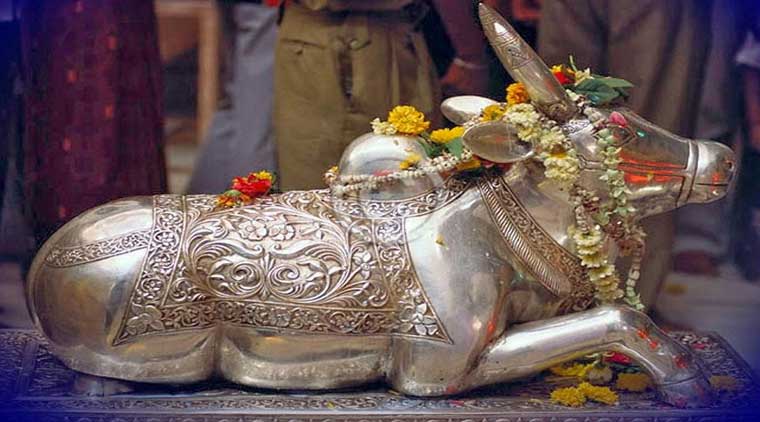
Mahakaleshwar Omkareshwar Jyotirlinga Tour Package
● Starts Indore
From₹14,188* / person
Explore →EMI from ₹695/mo
About 62 km from your stay at Indore
 13D / 12N
About 62 km from your stay at Indore
 4D / 3N
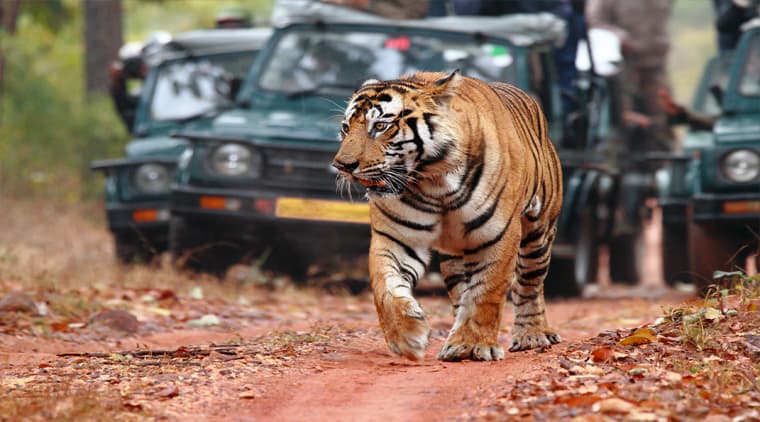
Bandhavgarh Wildlife Safari Tour From Pune
● Starts Pune
From₹19,622* / person
Explore →EMI from ₹961/mo
About 62 km from your stay at Indore