 18D / 17N 5
 All Sacred Circuits
Jyotirlinga · Shiva
Vaidyanath (Baidyanath) Jyotirlinga
Deoghar means the home of the gods, and for crores of devotees across eastern India, Baba Baidyanath Dham is exactly that. Here the tradition worships Lord Shiva as the divine physician, in a shrine that is counted among the twelve Jyotirlingas and is also a Shakti Peetha. In the month of Shravan, an ocean of saffron clad kanwariyas walks over a hundred kilometres to pour Ganga jal on Baba, and there is nothing else like it in the world.
The story of this place
The tradition tells that Ravana, the mighty king of Lanka, performed severe penance to win Lord Shiva himself, offering his own heads one by one. Pleased, the Lord gave him a Jyotirlinga to carry home, with one condition: if it ever touched the ground on the way, it would stay there forever. The devas could not let the linga reach Lanka. As the story goes, Ravana was compelled to stop on the way and handed the linga to a cowherd boy, who was Lord Vishnu in disguise. The boy set it down, and it could never be lifted again. That spot, devotees believe, is Deoghar, and the Lord here came to be called Baidyanath, the physician who heals, for the tradition says he restored Ravana and heals all who come to him with faith.
This is also a Shakti Peetha. The tradition holds that the heart of Sati fell here, so Shiva and Shakti dwell together at this dham, which is why the yatra here is considered so complete. History too gives the temple deep roots: mentions of the shrine go back to the 8th century, in the time of Adityasena of the Gupta line, and in the Mughal period Raja Man Singh of Amber built the Mansarovar pond that still stands in the town.
One thing we tell you honestly. More than one temple claims the Vaidyanath Jyotirlinga by tradition: Parli Vaijnath in Maharashtra and Baijnath in Himachal Pradesh also hold the name. This page follows the living tradition of Baba Baidyanath Dham at Deoghar, which crores of devotees of Bihar, Jharkhand and Bengal have worshipped as the Jyotirlinga for centuries.
What you will see
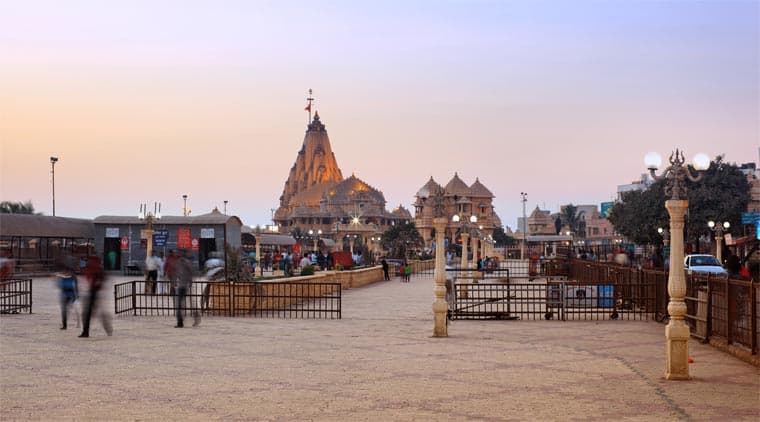
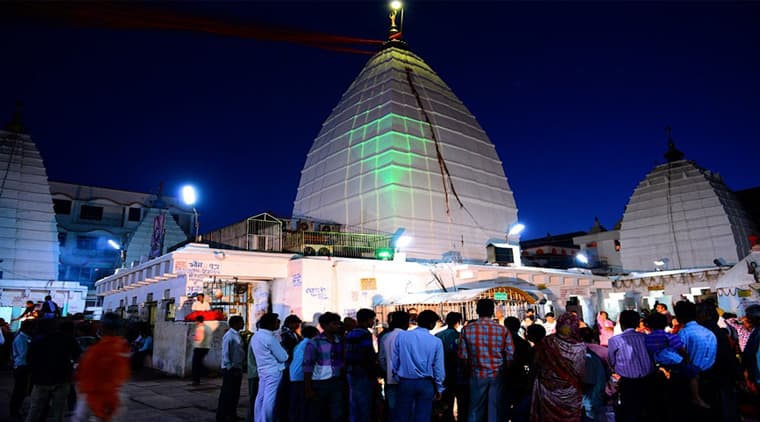
The main temple faces east, a plain stone structure with a pyramid shaped tower 72 feet high. Look up at the top and you will see three gold vessels set close together, the panchshula, a five pronged sacred emblem, and the eight petalled Chandrakanta Mani. Around the main shrine, the broad courtyard holds about 22 smaller temples of different devis and devatas, so a full parikrama of the courtyard is a yatra in itself.
Do not miss one beautiful sight: the temple of Maa Parvati stands beside the main temple, and the two shikharas are tied together with red sacred threads offered by devotees, a living symbol of Shiva and Shakti united at this dham.
Darshan, timings and temple etiquette
The temple day begins very early. The doors open around 4 in the morning, the first offerings begin, and darshan continues through the morning until the doors close in the early afternoon, around 2. They open again around 6 in the evening for the shringar puja, and close for the night around 8. These hours change during festivals and the Shravani Mela, so please check the current schedule on the official temple website, babadham.org, before you plan your day.
Devotees offer Ganga jal and belpatra on the linga, and the temple allows you close to Baba for this offering on ordinary days. Queues on Mondays and in Shravan can run into many hours, so come on a weekday morning outside the mela if you want a calm darshan. Local priests, called pandas, are part of the fabric of Babadham and can guide your puja; agree on the dakshina politely before the puja begins, and keep your belongings close in the crowd.
The Shravani Mela and the kanwar yatra from Sultanganj
Every year in the month of Shravan, from around late July to August, Deoghar hosts the Shravani Mela, counted among the largest and longest religious fairs in the world. Lakhs of kanwariyas, dressed in saffron, fill Ganga jal at Sultanganj in Bihar, hang the pots from a decorated kanwar pole across their shoulders, and walk about 108 km to Deoghar to pour the jal on Baba Baidyanath. Many walk barefoot. The whole route becomes a river of orange, chanting Bol Bam day and night.
If you wish to experience the mela, know what you are choosing: darshan takes many hours, rooms fill months ahead, and the walk asks real physical effort. For most families we suggest visiting outside Shravan. If the yatra calls you, do the Sultanganj walk with preparation, in a group, with rest halts planned. The mela dates follow the Hindu calendar, so check them before you fix your travel.
Best time to visit
October to March is the comfortable season, with cool, clear days that suit elders and children well. Mahashivratri is a grand day here, busy but manageable with planning.
Shravan, from around late July to August, is the soul of Babadham but also its most crowded time. Come then only for the mela experience itself. April to June is hot, so keep your darshan to the early morning in those months.
How to reach
Deoghar is easier to reach today than ever. The town has its own airport, about 12 km out, with direct flights from Delhi and Kolkata. By train, the main station is Jasidih Junction on the Howrah to Delhi line, about 7 km from the temple, with connections from Kolkata, Patna, Delhi, Varanasi and Ranchi; a short auto or taxi ride brings you into town.
By road, Deoghar is roughly 280 km from Kolkata, 300 km from Ranchi and 350 km from Patna. Around the town itself you can visit Trikut Parvat, Nandan Pahar and the ashram at Tapovan if you keep an extra half day.
Tips from our travel experts
Reach the temple gates before dawn. The 4 am opening, with the first chants in the cold morning air, is the finest darshan of the day and the queue is at its shortest. Keep your offering simple, jal and belpatra, and keep your footwear and phone with a family member or at a stall outside.
Stay the night in Deoghar rather than day tripping; the town has plenty of simple, clean hotels and dharamshalas. Elders should avoid the mela crowd entirely. If your heart is set on the full kanwar walk from Sultanganj, train for it and walk in company; the tradition honours the spirit of the offering, not the speed of the walker.
For our NRI and OCI travellers
The direct flights into Deoghar from Delhi and Kolkata have changed this yatra completely; what once needed a long overnight train now fits into a comfortable two night plan. Land, rest, take the early morning darshan the next day, and fly out.
Many of our overseas guests join Babadham with a Kolkata visit, and some carry Ganga jal from Sultanganj by vehicle when the full walk is not possible; the offering is accepted with the same love. If your parents in India have long wished for this darshan, this is one of the easiest gifts you can now arrange for them, and we will handle every step in between.
Questions travellers ask us
Is the Deoghar temple the real Vaidyanath Jyotirlinga?
By tradition, more than one temple claims the name: Baba Baidyanath Dham at Deoghar, Parli Vaijnath in Maharashtra and Baijnath in Himachal Pradesh. Deoghar is the dham of the Shravani Mela and is worshipped as the Jyotirlinga by crores of devotees of eastern India, and that living tradition is what this page follows.
What are the temple timings at Baidyanath Dham?
The doors open around 4 in the morning and darshan runs till about 2 in the afternoon. The temple opens again around 6 in the evening and closes around 8 at night. Hours change during festivals and the Shravani Mela, so check babadham.org for the current schedule.
What is the Shravani Mela?
It is the great fair of the month of Shravan, around late July to August, when lakhs of saffron clad kanwariyas fill Ganga jal at Sultanganj in Bihar and walk about 108 km to Deoghar to offer it on Baba Baidyanath. It is counted among the largest and longest religious fairs in the world.
Why is this temple also called a Shakti Peetha?
The tradition holds that the heart of Sati fell at this spot, so Shiva and Shakti are worshipped together at this dham. The shikharas of the Baidyanath temple and the Parvati temple beside it are tied together with red sacred threads as a symbol of this union.
How do I reach Deoghar?
Deoghar has its own airport, about 12 km from town, with direct flights from Delhi and Kolkata. By train, come to Jasidih Junction on the Howrah to Delhi line, about 7 km from the temple, and take an auto or taxi into town.
Can elderly parents manage this darshan?
Yes, outside the Shravani Mela. Visit between October and March, take the early morning darshan when queues are short, and stay the night in Deoghar so nothing is rushed. We do not recommend the mela crowd for elders.
A note on the tours below. These packages travel close to Vaidyanath (Baidyanath) Jyotirlinga, but a package may not include a guided visit to the site itself. If you would like this place added to your journey, please tell your Way to India travel consultant and they will happily build it into your itinerary for you.
Yatras where you stay right by the temple
18D / 17N 5You stay at Deoghar
 19D / 18N
12 Jyotirlinga Tour Package from Delhi
● Starts Delhi
From₹85,000* / person
Explore →EMI from ₹4,162/mo
You stay at Deoghar
 18D / 17N
12 Jyotirlinga Tour Package from Mumbai
● Starts Mumbai
From₹90,000* / person
Explore →EMI from ₹4,407/mo
You stay at Deoghar
 3D / 2N
You stay at Deoghar