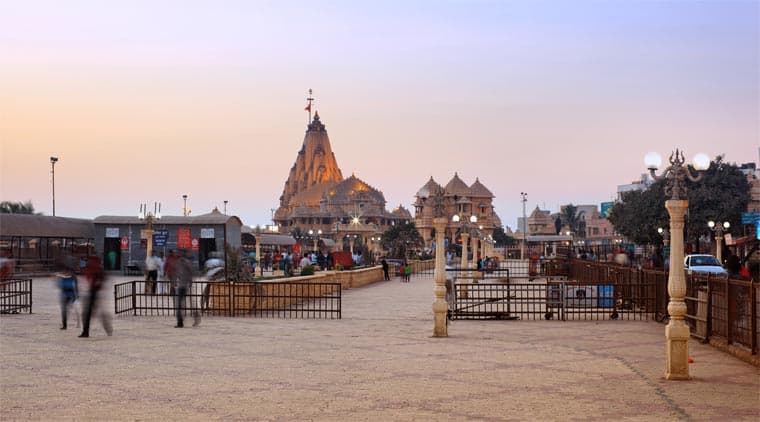
 18D / 17N 5
 All Sacred Circuits
Jyotirlinga · Shiva
Kashi Vishwanath Jyotirlinga
Kashi Vishwanath is the Jyotirlinga of Varanasi, the city devotees have called Kashi for thousands of years. Tradition says that a darshan of Baba Vishwanath and a dip in the Ganga together wash away lifetimes of karma. Since 2021, the grand Kashi Vishwanath Dham corridor joins the temple directly to the river, and the darshan experience has changed completely for the better.
The story of this place
Varanasi is one of the oldest living cities in the world, and at its heart sits Baba Vishwanath, the Lord of the Universe. The tradition says that Kashi rests on the trident of Lord Shiva, and that he never leaves this city. Among the twelve Jyotirlingas, Kashi Vishwanath holds a special place, because devotees believe that Lord Shiva himself gives the taraka mantra here to those who leave their body in Kashi.
The temple has been destroyed and rebuilt several times in history. The old temple was demolished in 1669 on the orders of the Mughal emperor Aurangzeb. The temple you see today was built in 1780 by Maharani Ahilyabai Holkar of Indore, one of the great temple builders of India. In 1835, Maharaja Ranjit Singh of Punjab donated gold to cover the spires, which is why many people lovingly call it the Golden Temple of Varanasi.
In December 2021, the Kashi Vishwanath Dham corridor was inaugurated. The narrow lanes around the sanctum were opened into a wide, clean complex of about five lakh square feet that connects the temple straight to Lalita Ghat on the Ganga. Pilgrims can now take a dip in the river and walk directly up to the Lord, the way the tradition always intended.
What you will see
You enter the Dham through one of its large gates, and the change from the busy market lanes to the open corridor is striking. Inside the complex are facilitation centres, resting places, a bhogshala and shaded courtyards, all built around the old sanctum, which remains exactly where Ahilyabai Holkar placed it.
The sanctum itself is small and intensely alive. The Jyotirlinga sits in a silver-plated pit, and around the main shrine you will find smaller shrines of Vishnu, Virupaksha Gauri, Avimukteshwara and others. Above you rise the gold covered spires from Maharaja Ranjit Singh's donation.
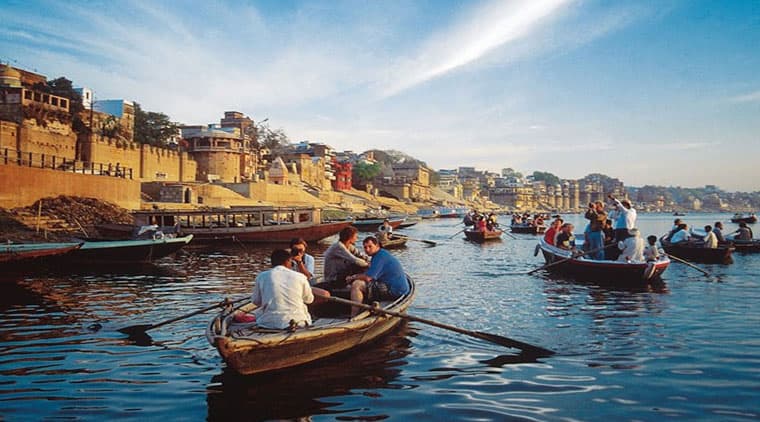
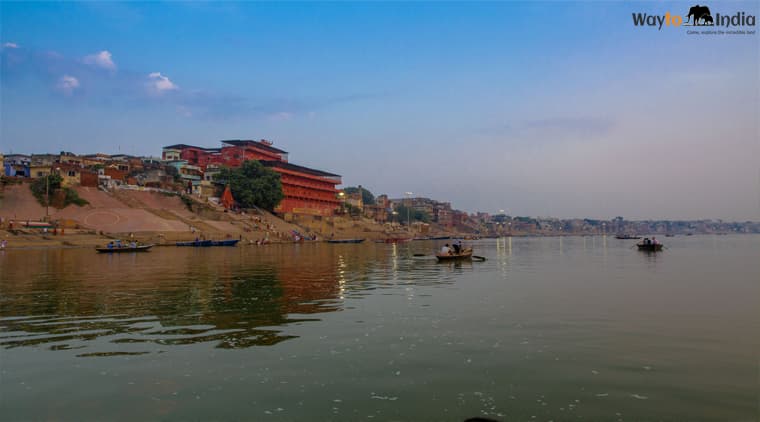
Give time to the ghats as well. From Lalita Ghat you can walk along the river to Dashashwamedh Ghat, where the famous Ganga aarti is performed every evening. A sunrise boat ride past the ghats, with the temple spires above them, is an experience every pilgrim should keep in the plan.
Darshan, timings and temple etiquette
The temple day is long. It begins in the very early morning with the Mangla Aarti, held from about 3 to 4 am, for which tickets are booked in advance. General darshan then runs through the morning, there is a midday Bhog Aarti around noon, and darshan continues into the evening. The Saptarishi Aarti is held around 7 pm, a Shringar Bhog Aarti follows at about 9 pm, and the day closes with the Shayan Aarti near 11 pm. Timings shift on festival days, especially during Shravan and Mahashivratri, so please check the current schedule on the official trust website, shrikashivishwanath.org, before you go.
Mobile phones, cameras, smart watches and other electronics are not allowed inside, and leather items are best left behind. Lockers are available near the entry gates, but the darshan is smoother if you carry only your ID and offerings. Dress modestly, as you would for any temple.
The queue moves steadily on normal days, but on Mondays, during Shravan and around Mahashivratri it can take several hours. The trust also runs a Sugam Darshan facility that can be booked on the official website, and foreign nationals have a separate booking process described there. We arrange these bookings for our guests in advance.
Best time to visit
October to March is the most comfortable season in Varanasi. The mornings are cool, the ghats are pleasant, and the evening aarti feels wonderful in the crisp air. April to June is very hot, and July to September is the monsoon, when the Ganga rises and some ghat walks may close.
If you want to see Kashi at its grandest, come for Dev Deepawali on Kartik Purnima, usually in November, when lakhs of diyas light up every ghat. Mahashivratri and the month of Shravan are deeply special for Baba Vishwanath, but be ready for very large crowds on those days. For a calm darshan, a normal weekday morning outside the festival season is the best choice.
How to reach
Varanasi is easy to reach from every part of India. Lal Bahadur Shastri International Airport at Babatpur is about 25 km from the temple, roughly an hour's drive, with direct flights from Delhi, Mumbai and other major cities. Varanasi Junction, the main railway station, is about 5 km away, and the newer Banaras station also serves the city.
Cars cannot go right up to the temple. Vehicles usually stop near the Godowlia crossing, and you walk the last stretch through the lanes, or you can enter from the river side through Lalita Ghat if you are coming by boat. The walk itself, past flower sellers and small shops of rudraksha and pooja items, is part of the Kashi experience.
Most of our Kashi journeys pair Varanasi with Ayodhya or Prayagraj, and the roads on these routes are now very good.
Tips from our travel experts
Book the Mangla Aarti once in your life. Standing before Baba Vishwanath at 3 am, when the city is still asleep, is a darshan you will never forget. Tickets are limited and go fast, so ask us to book them well in advance on the official portal.
Keep your hands free. Since phones and cameras are not allowed, plan for it: leave valuables at the hotel, carry a small cloth bag with your ID, and buy your offerings from the shops near the gate. Wear footwear you can remove quickly, as the lanes and the corridor floor are walked barefoot near the shrine.
Give Kashi at least two nights. One day for the temple and the ghats, one morning for the sunrise boat ride, and an afternoon for Sarnath, just about 10 km away, where Lord Buddha gave his first sermon. Rushing Kashi in a single day is the one mistake we ask every guest to avoid.
For our NRI and OCI travellers
The temple trust has a separate booking process for foreign passport holders, explained on shrikashivishwanath.org, so carry your passport and OCI card with you. We complete these formalities for our overseas guests before arrival, so that you walk straight into the darshan queue.
Many NRI families come to Kashi for pitru karma, asthi visarjan or other ceremonies for their elders. These are performed at the ghats, and we can connect you with trusted pandits so that everything is done correctly and without pressure. If your parents are travelling with you, ask us for a wheelchair and an assisted darshan; the corridor is far more elder friendly than the old lanes ever were.
Questions travellers ask us
What is the Kashi Vishwanath Dham corridor?
It is the new temple complex inaugurated in December 2021. It opened the crowded lanes around the sanctum into a wide corridor of about five lakh square feet that connects the temple directly to Lalita Ghat on the Ganga. You can now take a dip in the river and walk straight to the darshan.
Can I carry my mobile phone inside the temple?
No. Mobile phones, cameras, smart watches and other electronics are not allowed inside. Lockers are available near the entry gates, but it is easier to leave valuables at your hotel and carry only your ID and offerings.
What are the darshan timings?
The temple day starts with the Mangla Aarti around 3 am and ends with the Shayan Aarti near 11 pm, with darshan through the morning and evening and aartis at midday, 7 pm and 9 pm. Timings change on festival days, so check shrikashivishwanath.org for the current schedule.
Is there a ticket for darshan?
General darshan is open to all. The trust also offers Sugam Darshan and aarti bookings on its official website, shrikashivishwanath.org. Rates change from time to time, so please check the current details there or ask your Way to India consultant.
When is the temple most crowded?
Mondays, the whole month of Shravan, Mahashivratri and major festival days see the largest crowds, with waits of several hours. For a peaceful darshan, choose a normal weekday morning between October and March.
Can foreign passport holders visit the temple?
Yes. The temple trust has a separate booking process for foreign nationals, described on the official website. Carry your passport, and your OCI card if you hold one. We complete these formalities in advance for our overseas guests.
A note on the tours below. These packages travel close to Kashi Vishwanath Jyotirlinga, but a package may not include a guided visit to the site itself. If you would like this place added to your journey, please tell your Way to India travel consultant and they will happily build it into your itinerary for you.
Yatras where you stay right by the temple
18D / 17N 5You stay at Varanasi
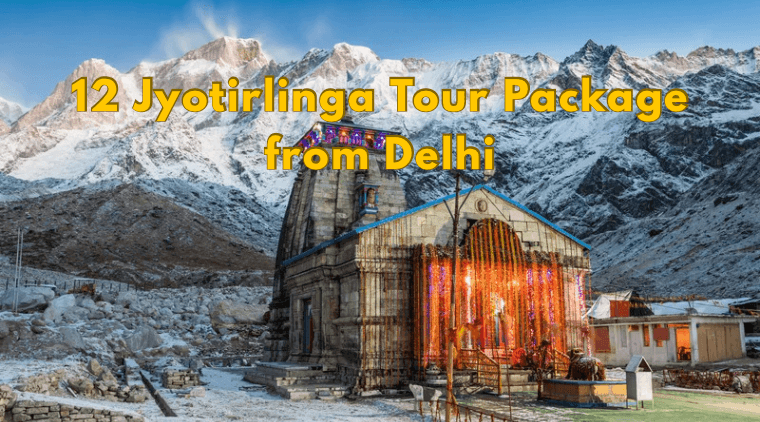 19D / 18N
12 Jyotirlinga Tour Package from Delhi
● Starts Delhi
From₹85,000* / person
Explore →EMI from ₹4,162/mo
You stay at Varanasi
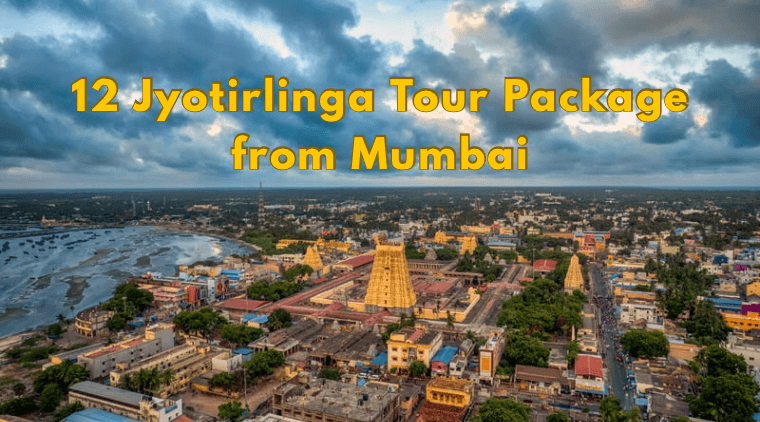 18D / 17N
12 Jyotirlinga Tour Package from Mumbai
● Starts Mumbai
From₹90,000* / person
Explore →EMI from ₹4,407/mo
You stay at Varanasi
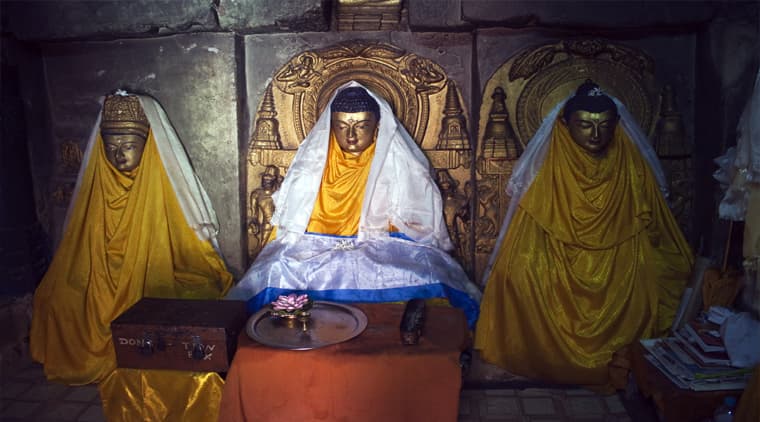 10D / 9N
You stay at Varanasi
 4D / 3N
You stay at Varanasi
 9D / 8N
You stay at Varanasi
 11D / 10N
Golden Triangle Tour With Varanasi And Khajuraho
● Starts Delhi
From₹57,658* / person
Explore →EMI from ₹2,823/mo
You stay at Varanasi
 6D / 5N
Haridwar Rishikesh Varanasi Tour Package from Delhi
● Starts Delhi
From₹30,490* / person
Explore →EMI from ₹1,493/mo
You stay at Varanasi
 3D / 2N
Kashi Vishwanath Jyotirlinga Tour Package
● Starts Varanasi
From₹14,188* / person
Explore →EMI from ₹695/mo
You stay at Varanasi
 7D / 6N
Lucknow Ayodhya Allahabad Varanasi Tour
● Starts Lucknow
From₹35,923* / person
Explore →EMI from ₹1,759/mo
You stay at Varanasi
 13D / 12N
You stay at Varanasi
 4D / 3N
You stay at Varanasi
 3D / 2N
Varanasi Tour By Air
From₹14,188* / person
Explore →EMI from ₹695/mo
You stay at Varanasi
 10D / 9N
You stay at Varanasi
 8D / 7N
You stay at Varanasi