 7D / 6N
 All World Heritage Sites
UNESCO World Heritage · Natural · inscribed 1985
Kaziranga National Park
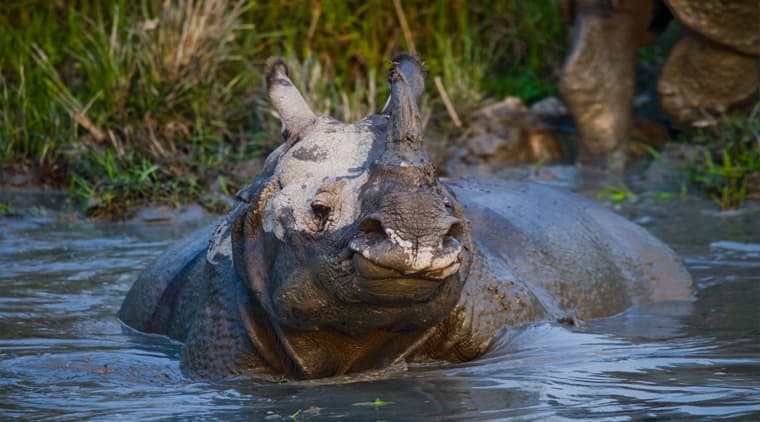
Kaziranga is where you go to see the great one-horned rhino in the wild, and it holds the largest population of this animal anywhere in the world. This is a World Heritage Site on the floodplains of the Brahmaputra in Assam, a wide land of tall grass, shallow pools and deep forest. We will help you pick the right range, the right safari and the right season.
The story of this place
At the turn of the 20th century the one-horned rhino had almost vanished from this land. The story goes that Mary Curzon, the wife of the then Viceroy Lord Curzon, came to Kaziranga hoping to see a rhino and could not find even one. That visit is remembered as one of the reasons a protected forest was declared here in 1905. Slowly, under careful protection, the rhino came back in great numbers, and today Kaziranga is counted among the finest wildlife refuges in the world.
The park covers about 43,000 hectares on the south bank of the Brahmaputra river, at the foot of the Karbi Anglong hills. Every year the river floods and shapes the land afresh, making new pools and new grasslands. This yearly flood is hard, yet it is also the secret of the park. It keeps the tall wet grassland alive, and this grassland is what the rhino, the wild buffalo and the swamp deer need to live.
UNESCO placed Kaziranga on the World Heritage List in 1985, for its living river processes and for the rare animals it protects. In 2007 it was also declared a Tiger Reserve, and it now holds one of the highest densities of tiger in the country, though the cats are shy and hide in the tall grass. The park is managed by the Assam Forest Department, and the recovery of the rhino here is one of the great conservation stories of India.
The wildlife and the safaris
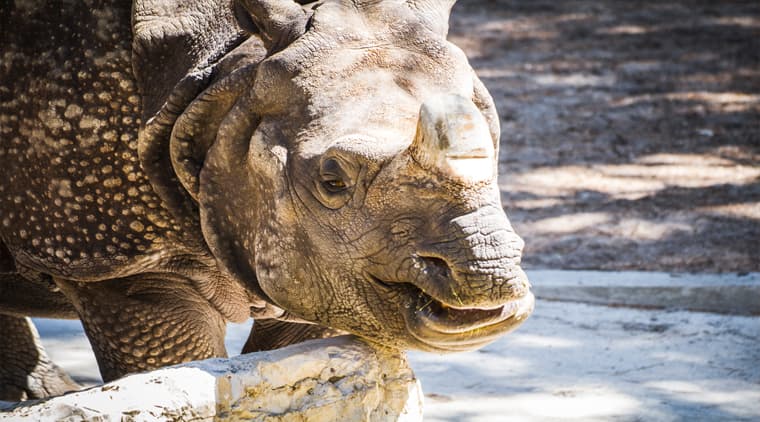
The animal everyone comes for is the great one-horned rhino, and in Kaziranga you have a very good chance of seeing several in a single morning, grazing calmly in the open grass. Along with the rhino you may see wild Asian elephant, the wild water buffalo, swamp deer, hog deer, and if you are fortunate, a tiger. In the water of the old river channels lives the Ganges river dolphin, and the skies are full of birds, for Kaziranga is a paradise for birdwatchers, especially in winter when migratory birds arrive.
The park is divided into four ranges. The Central range at Kohora is the most popular and the easiest to reach, and this is where most first-time visitors go. The Western range at Bagori is famous for its rhinos and wetlands. The Eastern range at Agoratoli is quieter and loved by birdwatchers. The Burapahar range in the west has more forest and hills. Kohora, on the highway, is the main base where hotels and the tourist office sit.
There are two kinds of safari. The jeep safari runs in all four ranges and is the main way to see the park. The elephant safari, done in the very early morning, is offered only in the Kohora and Bagori ranges, and from the back of the elephant you come close to the grazing rhinos in the mist. Safari timings, slots and the ranges that are open change with the season and the road conditions, so book your safari through the official Assam Forest Department portals and check the current position before you travel.
Best time to visit
The park is open for a limited season each year. It usually reopens on the 1st of November for the full tourist season, and in recent years the Central range at Kohora has opened a little earlier, around the 1st of October, once the flood water goes down and the roads are repaired. The best months for a comfortable visit are November to April, when the weather is cool and dry and the animals are easy to see.
Kaziranga closes for the monsoon. The gates shut around the end of May, and the park stays closed through the monsoon months of June, July, August and September. In these months the Brahmaputra floods large parts of the park, the roads go under water, and the animals move to higher ground. So please plan your Kaziranga trip only for the open season, and keep in mind that early in the season not all four ranges may be open.
How to reach
Kaziranga sits right on National Highway 37, and the town of Kohora is the main entry point. The nearest airport is Jorhat, about 90 to 100 km away, roughly a two to three hour drive. Many travellers also fly into Guwahati, the big airport of Assam, which is about 220 to 225 km away, a drive of around five to six hours.
The nearest small railhead is Furkating, about 75 km away. Guwahati railway station is larger and better connected but further, about 240 km. For most of our guests the simple plan is to fly into Guwahati or Jorhat and come to Kohora by road. Your Way to India consultant will arrange the car and a driver who knows this route well.
Tips from our travel experts
Book your safaris in advance, especially for the popular Kohora and Bagori ranges in the peak months of November to February. The best sightings are in the first hour after the gates open, so keep the early morning slot and reach on time. Carry a light jacket, as the morning jeep ride can be cold and windy in winter.
Give Kaziranga at least two nights, so that you can do a morning and an afternoon safari and try more than one range. Wear dull colours like green or brown, keep your voice low inside the park, and carry a good pair of binoculars. There is an entry fee for the park, plus separate charges for the jeep, the elephant ride and the camera, and these rates are revised from time to time, so please check the current rates on the official Assam Forest Department website or ask your consultant.
While you are in this part of Assam, you can add the tea gardens of the region, or pair Kaziranga with a visit to Guwahati. If wildlife is your true love, we can also plan Manas National Park in the same trip.
Questions travellers ask us
When is Kaziranga open, and when does it close?
The full tourist season usually starts on the 1st of November and runs to about the end of April, and the park closes around the end of May for the monsoon. In recent years the Kohora Central range has opened earlier, around the 1st of October. The park stays closed through June to September because of the floods. Please check the current dates before you plan.
Will I definitely see a rhino?
Kaziranga holds the largest population of one-horned rhinos in the world, and sightings are very common. Most visitors see several rhinos on a single morning safari, often grazing in the open grassland. Tigers are present in good numbers too, but they hide in the tall grass and are seen only rarely.
What is the difference between the jeep safari and the elephant safari?
The jeep safari runs in all four ranges and is the main way to explore the park. The elephant safari is done in the very early morning and is offered only in the Kohora and Bagori ranges. From the elephant you can come quite close to the rhinos in the morning mist. Both should be booked in advance through the official forest department portals.
Which range should I choose?
For a first visit, the Central range at Kohora is the easiest and most rewarding. The Western range at Bagori is excellent for rhinos and elephant herds. The Eastern range at Agoratoli is quieter and best for birdwatchers. If you have two or three days, try more than one range.
How many days should I keep for Kaziranga?
Keep at least two nights. This lets you do a morning and an afternoon safari and cover two ranges without rushing. Wildlife rewards patience, so more time means better sightings.
A note on the tours below. These packages travel close to Kaziranga National Park, but a package may not include a guided visit to the site itself. If you would like this place added to your journey, please tell your Way to India travel consultant and they will happily build it into your itinerary for you.
Tours where you stay right by it
7D / 6NYou stay at Kaziranga
 7D / 6N
You stay at Kaziranga
Kaziranga National Park Tour
From₹19,622* / person
Explore →EMI from ₹961/mo
You stay at Kaziranga
 4D / 3N
You stay at Kaziranga
 7D / 6N
North East Vacation
From₹35,923* / person
Explore →EMI from ₹1,759/mo
You stay at Kaziranga