 6D / 5N
6 days
5 nights
Bagdogra
start point
645 km
by road
Mid-March to early June, and late September to early December
best season
16+ yearscrafting India journeys · since 2010
Trustedby travellers worldwide
Local repsIndia + overseas support
No prepayfree customisation · GST invoice
Overview
Tour overview
Sikkim is a small state with a big range of altitude, and that is exactly why the order of your days matters here.
This six-day Sikkim tour package covers the three things most travellers come for: the old silk-route pass at Nathula, the glacial Tsomgo Lake, and the northern snow valleys around Lachung and Yumthang. The tour is thus designed to give you time to adjust before the high days, and also handles the permits, which is the part first-timers usually get wrong or struggle with.
Why Sikkim tour package, and why this route
Sikkim packs an enormous range of landscape into a small state. Gangtok, the capital, sits at roughly 1,650 m and works as your base where you would acclimatise for the high altitude, before heading further north.
The very reason we have designed this route for your Sikkim tour is because after acclimatisation in Gangtok, your further journey takes you to Tsomgo Lake at about 3,780 m, Nathula on the Indo-China border at roughly 4,310 m, and the North Sikkim valleys of Lachung and Yumthang still higher.
Thus, this itinerary/route keeps you in Gangtok first, then pushes to the high east (Tsomgo and Nathula), and only then heads north, so your body has time to catch up and acclimatise to the higher altitude.
It is necessary to note that Sikkim is a border state of India, and several of its most sought-after tourist places/travel attractions sit inside Protected or Restricted Areas for which special permits are required. A cautionary note her is that it requires some paper work and the rules are not the same for Indian and foreign passport holders.
For Indian travellers, Tsomgo Lake and Baba Mandir need a permit issued at the police check post, and Nathula needs a separate permit that is issued to Indian nationals only. Nathula stays closed to tourists on Mondays and Tuesdays, and the number of vehicle permits per day is capped, which sometimes creates a barrier on visiting Nathulain season time.
For foreign nationals, the situation is more strict. Foreign passport holders can visit Tsomgo Lake on a one-day permit, but they are not permitted to visit Nathula, Gurudongmar Lake or Zuluk because of the international border. Foreigners visiting North Sikkim (Lachung, Lachen, Yumthang) need a Protected Area Permit arranged through a registered local agency. They must travel with a certified guide, and generally travel in a group.
We as specialised agency for Sikkim tour package take care of most of this for which we take scanned IDs and passport photos well in advance.
A visit to Nathula, if you choose to add it(and are not a foreigner), is charged per vehicle over and above the base, cost of the package because it needs its own permit and a dedicated trip.
Tour highlights
Old silk-route views from Nathula Pass on the Indo-China border, roughly 54 km east of Gangtok (Indian nationals only)
Tsomgo (Changu) Lake, a glacial lake at about 3,780 m, around 40 km from Gangtok
The drive north to Lachung, about 123 km and close to 6 hours through waterfall country
Yumthang Valley, the “Valley of Flowers” at roughly 11,800 ft, with its hot spring and spring rhododendrons
MG Marg in Gangtok: a clean, traffic-free promenade for Momos, Thukpa and more
Optional high-north extension to Lachen and Gurudongmar Lake (about 17,800 ft), subject to current access status
Full permit handling for Indian and foreign travellers, done for you
Destinations covered
Best Time
Mid-March to early June, and late September to early December
Ideal For
Couples, families, first-time Himalaya travellers, senior groups, photographers
Difficulty
Moderate
Route & distances
Your journey, stop by stop
Accurate distances and travel times for every leg: 645 km by road. Road times include a traffic buffer; distances marked “aerial” are straight-line for flight, helicopter, ropeway and water legs.
- 1Bagdogra
- 2Gangtok123 km · ~2h 7m est.
- 3Tsomgo Lake41 km · ~47m est.
- 4Baba Mandir17 km · ~16m est.
- 5Gangtok57 km · ~1h 2m est.
- 6Lachung, Sikkim118 km · ~2h 49m est.
- 7Yumthang Valley, Sikkim26 km · ~54m est.
- 8Gangtok141 km · ~3h 36m est.
- 9Bagdogra122 km · ~2h 7m est.
| # | Leg | Mode | Distance | Time |
|---|---|---|---|---|
| 1 | Bagdogra → Gangtok | By road | 123 km | ~2h 7mest. |
| 2 | Gangtok → Tsomgo Lake | By road | 41 km | ~47mest. |
| 3 | Tsomgo Lake → Baba Mandir | By road | 17 km | ~16mest. |
| 4 | Baba Mandir → Gangtok | By road | 57 km | ~1h 2mest. |
| 5 | Gangtok → Lachung, Sikkim | By road | 118 km | ~2h 49mest. |
| 6 | Lachung, Sikkim → Yumthang Valley, Sikkim | By road | 26 km | ~54mest. |
| 7 | Yumthang Valley, Sikkim → Gangtok | By road | 141 km | ~3h 36mest. |
| 8 | Gangtok → Bagdogra | By road | 122 km | ~2h 7mest. |
Day by day
Day-by-day itinerary
A carefully paced plan, day by day. Tap any day for the stay, meals and altitude detail.
As you arrive at New Jalpaiguri railway station or Bagdogra airport, your driver shall meet you shall drive you to Gangtok, roughly a 4 to 5 hour drive depending on road and weather.
The road follows the Teesta river for much of the way, so make sure to take the left side of the vehicle for the splendid views of Teesta river.
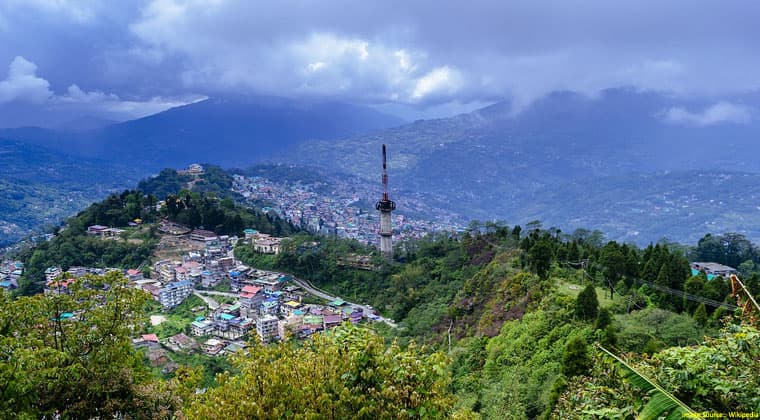
Reach Gangtok by evening, check in, and keep the day light so that you are acclimatising with rise in altitude. In the evening, if time permits, walk towards MG Marg. If you wish to try the Sikkimese and Tibetan cuisines, Taste of Tibet and Nimtho are both reliable, the latter good for a proper local thali. Try momos, thukpa and shaphaley (a Tibetan meat-stuffed bread).
Depending upon how tired you are after your long journey, you may visit the government-run handloom outlets.
Insider fact: MG Marg is a spitting and smoking-restricted zone kept deliberately vehicle free, which is why it feels unlike any other Indian hill-town's main street.
Special Tips for This Day: Carry a light fleece even in summer; Gangtok evenings cool off quickly. Hand your ID copies and passport photos to your driver or our representative tonight so permits for tomorrow and North Sikkim are lodged timely.
After an early breakfast, you drive eastwards towards Tsomgo Lake (altitude about 3,780 m), which is about 40 km from Gangtok. The distance is only 40 km, but the steep climb means it take far longer than the same distance would on the plains.
There is something most people miss when they stop at Tsomgo Lake for photos: locals have treated this lake as sacred for centuries. Buddhist lamas once read the colour of the water to forecast the year ahead, and a dark tinge was taken as a sign of hard times. The name Tsomgo comes from the Bhutia words Tso (lake) and Mgo (head or source), so it means source of the lake. And it is not just old history. Every year around Guru Purnima, Sikkim’s traditional faithhealers, the Jhakris, still come to the lakeside because they believe the water has healing power. Once you know that, it stops feeling like just a pretty lake and starts to feel like a place that means something to the people here.
What to look for at Tsomgo Lake: keep an eye out for the Brahminy ducks (orange-brown migratory birds that stop here on their long journey). If you are lucky, you might spot a red panda in the forests around the lake, which sit within a small alpine sanctuary that most visitors walk past without noticing. The yak rides along the shore are fun and good for photos, but the rates are not fixed, so agree the price before you climb on.
A couple of practical things: the lake sits at around 12,300 feet, and for most people it is the first place on the trip where you really feel the altitude. Go slow, drink plenty of water, and do not rush around. That makes the higher stops later in the day much easier on your body.
One honest note: Tsomgo gets a lot of visitors, and litter has become a real problem. Please carry your trash back out with you. We at WayToIndia believe strongly in sustainable tourism, and we request you to help keep this place clean.
After enjoying the views at Tsomgo Lake, you drive on about 15 km to Baba Mandir.
The word Mandir suggests a temple, but Baba Mandir is one of the most unusual shrines in India. It is not dedicated to a god, a guru, or a saint of scripture. It is dedicated to a soldier, Sepoy Harbhajan Singh of the 23rd Punjab Regiment, a young man who died on duty in 1968 and who, the soldiers of these mountains firmly believe, has never once left his post.
The soldiers believe Baba still patrols the ridges at night, still warns of danger days before it strikes, and still watches over the troops posted along this high border. Over the years he was accorded the honorary rank of Captain.
The shrine most tourists visit is built around three rooms. The central room holds a large portrait of Baba. The second is Baba’s personal room, where his uniform is laid out pressed and ready, his boots polished and his bed made each day; the soldiers who tend the shrine say that despite being cleaned each morning, the boots are found scuffed with mud and the bedsheet crumpled by evening, as if someone had worn them through a long day on patrol. The third room serves as an office and store for the offerings devotees leave behind.
Old Baba Mandir vs New Baba Mandir: Very few first-time visitors realise there are two shrines. The Old Baba Mandir is the original, built at Baba’s bunker near the Kupup and Gnathang belt (around 13,000 ft); reaching the samadhi means climbing a steep flight of stairs, and it is usually covered only on the offbeat Silk Route (Zuluk) circuit. The New Baba Mandir, built later for easier access, sits between Tsomgo Lake and Nathula, and is the shrine nearly every Nathula package visits today.
If you are an Indian national and it is not a Monday or Tuesday, you can add Nathula Pass at about 54 km from town, charged per vehicle on a separate permit. Please tell your tour executive before booking, as a last-minute addition may not be possible.
What to Eat? : options on this route are basic army-canteen and roadside Maggi-and-tea stalls, so eat a good breakfast in Gangtok and carry water and snacks.
Special Tips for This Day: This is your first real high-altitude exposure. Move slowly at the lake, skip the yak ride if you feel breathless, and keep the visit short if anyone in the group has a headache.
Foreign passport holders: you can visit Tsomgo Lake, but not Nathula, so plan the morning around the lake.
Today it would be a easier day to let your body take ample rest before going further north.
Today after breakfast leave hotel to visit monasteries and viewpoints in and around Gangtok:
Start with Rumtek Monastery, about 24 km out of town. Rumtek is one of the most important Kagyu seats anywhere, and here's the bit that makes it hit differently: it was rebuilt in the 1960s as the main seat of the Karmapa in exile, and it still holds sacred relics carried out of Tibet. Once at Rumtek, you are not just looking at a pretty monastery, rather you are standing in a living centre of a Buddhist lineage that had to flee its homeland.
Back toward town, make time for the Namgyal Institute of Tibetology. If you're even a little curious about Tibetan culture, this place is a quiet treasure. Namgyal Institute of Tibetology holds one of the biggest collections of Tibetan books and painted scrolls outside Tibet, including a manuscript written in gold. Later, visit the Do Drul Chorten, a big white stupa ringed by prayer wheels that pilgrims spin as they circle it. It's a peaceful, grounding stop.
For a lovely aerial view of the whole city spilling down the ridge, ride the Ropeway which is a nice way to actually see how Gangtok clings to its mountain. Round out the sightseeing at the Flower Exhibition Centre, a warm greenhouse bursting with Sikkim's orchids and blooms, small, but a real delight if you catch it in season.
Where to eat: Head back to MG Marg. The Square does a dependable mix of Sikkimese, Tibetan and Indian cuisines, a safe, satisfying food joint after a day of satisfying sightseeing. If you want something more local and special, Lhasa Newar is worth it for its Newari plates. Whatever you order, finish with ting momo dipped in butter tea; it's the kind of simple, warming thing you'll find yourself thinking about later.
What to buy: Pick up Temi tea, grown at Sikkim's own tea estate, and some Sikkimese handloom .For handloom, do try at the government emporium, where the prices are fixed and fair.
A couple of tips for the day: Monasteries expect covered shoulders and knees, and you'll have to take your shoes off at the shrine. thus, wear easy slip-ons.
Today after breakfast, you drive about 123 km and close to 6 hours, but despite being long, the drive should be treated as part of the trip rather than time to be endured.
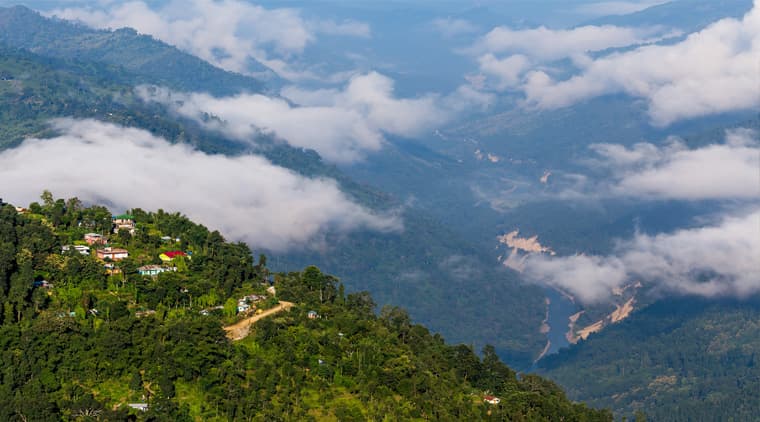
The road leaves the ridges around Gangtok, drops toward the Teesta, and gets wilder the further north you go. A few stops break up the drive, and each is worth slowing down for.
The Seven Sisters Waterfall spills down the hillside in a seven-tiered cascade and is at its fullest during and just after the monsoon. When you drive closer to Lachung, near Khedum village about 13 km before town, is Bhim Nala Falls, one of the tallest waterfalls in Sikkim, which locals nicknamed the Amitabh Bachchan Falls for its height.
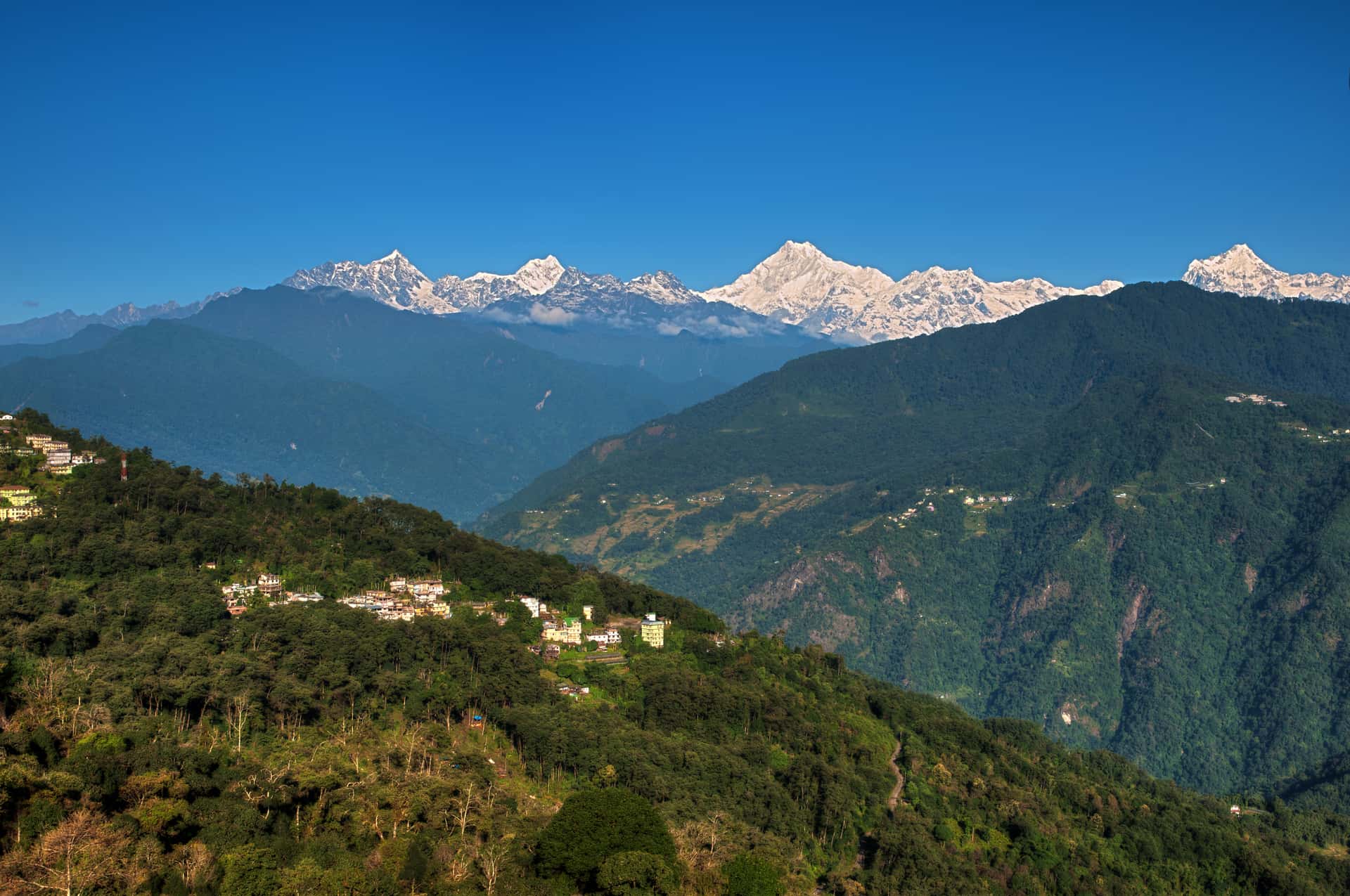
On a clear morning the Singhik viewpoint gives you a clean line of sight to Kanchenjunga, the world’s third-highest peak, so keep a camera within reach.
The stop most travellers rush past is Chungthang, the small town where the Lachen and Lachung rivers meet to become the Teesta. This is one of the most sacred spots in Sikkim. Buddhists hold that Guru Padmasambhava, the saint who carried Buddhism into the Himalaya, rested here and blessed the valley. On a rock by the river, the Holy Rock, they point to what they believe is his footprint and a small opening from which mineral water still trickles, and beside it a patch of paddy that grows rice in a climate far too cold for it, which the story says sprang up where he scattered a handful of grain.
There is also a shrine linked to Guru Nanak, whom local tradition connects to the same place. Whether or not you share the faith, it is a rare thing to stand where two of India’s great spiritual figures are both remembered.
You are now inside a Protected Area, so your permit and, for foreign travellers, your certified guide come into play at the check posts. Reach Lachung by afternoon. Lachung is often called the Swiss village of Sikkim, a scatter of wooden houses among apple and apricot orchards where the two rivers meet.
If you have energy left, walk up to the Lachung Monastery, a two-storey wooden Nyingma gompa built in 1880 and set among the orchards, quiet and rarely crowded.
What to eat?: Lachung dining is homestay and small-hotel kitchens, mostly set Indian and Tibetan meals; this is not a restaurant town, and that is part of its charm.
Insider fact: Lachung sits at roughly 2,900 m (about 9,600 ft), at the confluence of the Lachen and Lachung rivers, and is governed in part by the Dzumsa, a rare traditional village council headed by an elected head called the Pipon that still settles local matters by community consensus.
Special Tips for This Day: Network and mobile signal thin out north of Gangtok, so tell family you will be offline. Nights are cold year round; electricity can be limited, so charge everything during the day. Keep a bag of snacks in the car, because the good stops here are about the scenery, not the food.
Start early. The run up to Yumthang Valley is the reason most people come to North Sikkim, and it is best in the soft light before the cloud builds.
Yumthang sits at roughly 11,800 ft, the point where the tree line gives out and the valley opens flat and wide between snow peaks, with the Lachung river running through the middle of it. The valley is really a sanctuary. It lies inside the Shingba Rhododendron Sanctuary, about 34 sq km set aside to protect more than 38 species of rhododendron, among them Rhododendron niveum, the lilac-flowered Gurans that is Sikkim’s state tree. From late April into June the slopes turn red, pink and cream as they bloom, and if you catch May, the state runs a flower festival to mark it. Come outside that window and the valley is bare in a different way, brown meadow under fresh snow, still worth the drive.
Down by the river is the Yumthang hot spring, known locally as the Tsa Chu, a sulphur spring that comes out of the ground warm even with snow on the bank. People have long believed its mineral water eases skin and joint troubles, and there are simple bathing huts if you want to test it for yourself.
If the season and the road allow, you can push higher to Zero Point, also called Yume Samdong, about 25 km on at around 15,300 ft. This is the last point civilians are allowed to drive to before the closed border zone, a bowl of snow where several streams meet and the road simply ends. It is genuinely high and thin on air, snow-covered for most of the year, so it is a short stop, not a long one. By early afternoon you should turn and begin the long drive back to Gangtok for the night.
What to eat? : carry a packed breakfast/brunch from Lachung; the valley has only seasonal tea and Maggi stalls.
Insider fact: the tree line ends right around Yumthang, which is why the flowers matter so much here. Above it only the hardiest rhododendrons and alpine plants hold on, and past Zero Point almost nothing grows at all.
Special Tips for This Day: Yumthang and Zero Point are high and cold even in summer, so remember to wear winter clothing properly. If anyone starts feeling dizzy or short of breath, do not stay ffurther at the Zero Point and head back down immediately. Zero Point is an add- on, usually charged separately for the vehicle, and it closes after fresh snow, so ask your driver in the morning whether it is open that day.
On this last day of your Sikkim tour package, after breakfast, start your the descent back to the plains.
It is suggested that you leave timely for Bagdogra airport/Jalpaiguri railway station, as sometimes landslides and traffic in the mountains can add hours in the otherwise planned itineraray. If your flight is late, we can add a short stop or a Teesta-side lunch on the way down.
Special Tips for This Day: Do not book a same-day onward international connection from Bagdogra; keep a night’s buffer in a metro city. Keep your permit copies until you are off the hill, as check posts may ask on the way out.
Optional Extension: Lachen and Gurudongmar Lake (2 extra nights) For those with the time and the capacity for it, North Sikkim’s far corner holds Gurudongmar Lake at roughly 17,800 ft (about 5,430 m), one of the highest lakes in the world, reached via Lachen (about 2,750 m).
Lachen to Gurudongmar is around 68 km, and the lake is roughly 174 km from Gangtok. Two honest cautions. First, Gurudongmar is open to Indian nationals only; foreign passport holders are not permitted. Second, access is weather and administration dependent: the lake was reported closed to tourists with a planned reopening around July 2026, so we confirm live status before we sell this leg. In deep winter (roughly December to February) the circuit often cannot run at all because of snow.
Special Tips for this extension: This is serious altitude reached in small amount of time. Spend the night at Lachen, start before dawn, do not linger more than 20 to 30 minutes at the lake, and skip it entirely if you have heart or breathing conditions or are travelling with young children or seniors who have not acclimatised.
What's included
What's included
Included
- ✓Accommodation on twin-sharing (category per your quote)
- ✓Daily breakfast at hotels and North Sikkim homestays
- ✓All transfers and sightseeing by private or shared vehicle as chosen
- ✓All Sikkim permits (Protected Area Permit, Tsomgo/Baba Mandir permit), arranged for you
- ✓Certified local guide for North Sikkim (only where required mandatorily) for foreign nationals. Guide not included for Indian Nationals.
- ✓Driver allowances, fuel, tolls and parking
Not included
- ✕Airfare and train fare to NJP/Bagdogra
- ✕Nathula Pass permit and vehicle charge (Indian nationals only, added on request)
- ✕Lunches, Dinner, and any meals during long drives
- ✕Yak rides, Zero Point extension vehicle, and other on-ground optional activities
- ✕Travel insurance, personal expenses, tips
- ✕Anything not listed under Inclusions
What travellers say
What travellers say
4.7
Way to India · rated 4.7★ on Google across 46 reviews
Y
Yashvind Kumar Poteeram★★★★★
“A big thanks to Way To India for organising such a truly memorable and spiritually fulfilling experience during our 12 Jyotirlinga Darshan pilgrimage from 1st May to 18th May. They organized the entire journey exceptionally well, ensuring that every aspect of the trip was smooth, comfortable, and hassle-free. From transportation and hotel arrangements to darshan planning and coordination, everything was managed professionally. Despite the extensive travel across multiple destinations, the itinerary was well-structured, allowing us to complete all the Jyotirlinga darshans comfortably. Thanks to staff of Way To India, especially, Ms Neha, who was supportive, responsive, and attentive throughout the journey, always ready to assist whenever needed. Her dedication and careful planning made this sacred pilgrimage stress-free and enjoyable. I sincerely appreciate their excellent service, commitment, and hospitality. Highly recommend Way To India to anyone planning a spiritual tour, especially for the 12 Jyotirlinga Yatra. Thank you for making this divine journey so special and memorable.”3 months ago · Google
A
Aruna Persand★★★★★
“We have successfully completed the 12 Jyotirlinga Yatra, with Waytoindia and it was a truly blessed and unforgettable journey. Every aspect of the tour was well planned and professionally organized, from transportation and accommodations to temple visits and sightseeing. Visiting all twelve sacred Jyotirlingas was a deeply spiritual experience. The itinerary was designed efficiently, allowing us to have darshan at each shrine comfortably while enjoying the cultural and religious significance of every destination. We sincerely appreciate the excellent support and coordination throughout the trip. The team was always available to assist, ensuring a smooth and stress-free pilgrimage. Thank you Waytoindia for making our dream of completing the 12 Jyotirlinga Yatra a reality. We highly recommend this tour to anyone seeking a well-organized and spiritually enriching pilgrimage experience. Har Har Mahadev! 🙏🕉️”4 months ago · Google
Y
Yash Bhargava★★★★★
“We recently entrusted our honeymoon planning to 'Way to India', and it turned out to be one of the best decisions we made. From itinerary finalization to on-ground execution, everything was handled with remarkable professionalism, warmth, and attention to detail. Every aspect of our trip — flights, hotels, transfers, experiences, and even the small thoughtful touches — was perfectly curated. The itinerary was balanced, well-planned, and tailored exactly to what we wanted. We never had to worry about a single thing; all arrangements were seamless and absolutely hassle-free. What truly stood out was their responsiveness and genuine care. They were always available, always patient, and consistently went the extra mile to ensure our journey was special. Special thanks to Neha Ma'am for planning everything. We are incredibly grateful and wholeheartedly recommend their services to anyone looking for a stress-free, personalised, and delightful travel experience. Thank you for making our honeymoon truly magical!”6 months ago · Google
Travelled with Way to India?
Share your experience on Google — it takes a minute and helps fellow travellers plan with confidence.
FAQ
Frequently asked questions
Yes. Foreign nationals can visit Tsomgo Lake on a one-day permit and can visit North Sikkim (Lachung, Lachen, Yumthang) on a Protected Area Permit with a certified guide, arranged through a registered agency. Foreigners are not allowed at Nathula Pass, Gurudongmar Lake or Zuluk because these sit on the international border.
No. Nathula is open to Indian nationals only, and it stays closed to tourists on Mondays and Tuesdays. Vehicle permits are capped per day and can run out in peak season, so it should be requested in advance.
Six days and five nights covers Gangtok, the Tsomgo/Nathula belt and North Sikkim (Lachung and Yumthang) at a sane pace. Add two more nights if you want Lachen and Gurudongmar.
Access changes with weather and administration. It was reported closed with a planned reopening around mid-2026, and it is open to Indian nationals only when running. We confirm the live status before including it, rather than promising a leg that may be shut.
Mid-March to early June for flowers and mild weather, or late September to early December for the clearest mountain views. Avoid deep winter if the high north is your priority, and keep buffers in the monsoon.
The Gangtok and Tsomgo portions are comfortable for most fit seniors. Yumthang and especially Gurudongmar are high and reached fast, so we can build a gentler version that skips the extreme altitude while keeping the best of the trip.
The usual route is to New Jalpaiguri (NJP) railway station or Bagdogra airport, then a 4 to 5 hour drive to Gangtok. Pakyong airport near Gangtok also operates limited flights
Momos, thukpa, thenthuk and gyathuk (Tibetan noodle soups), shaphaley, ting momo with butter tea, and local cheese (chhurpi). In Gangtok, Taste of Tibet, Nimtho, The Square and Lhasa Newar are dependable. places to try these dishes.
In Gangtok, yes. North of Gangtok (Lachung, Lachen) both thin out sharply, so carry cash and tell family you may be offline.
They are covered by permits we arrange, but Nathula carries an extra per-vehicle charge and its own permit, which is why it is quoted as an add-on rather than being included into the base price.
Before you book
Cancellation & Refund Policy
Shared at the time of booking
You may also like
Similar journeys
6D / 5N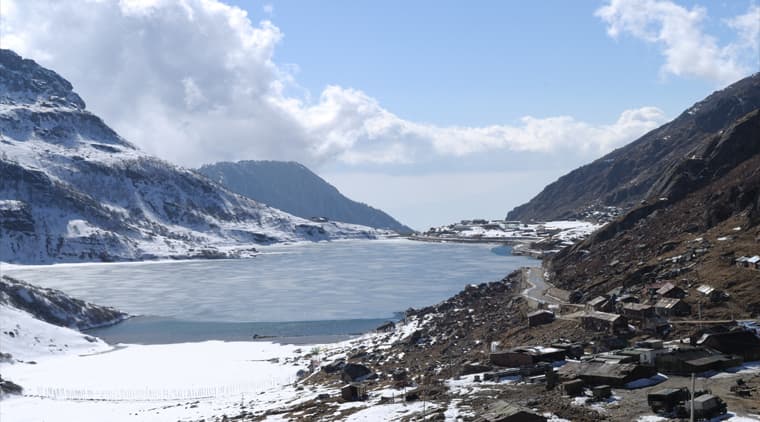 8D / 7N
 7D / 6N
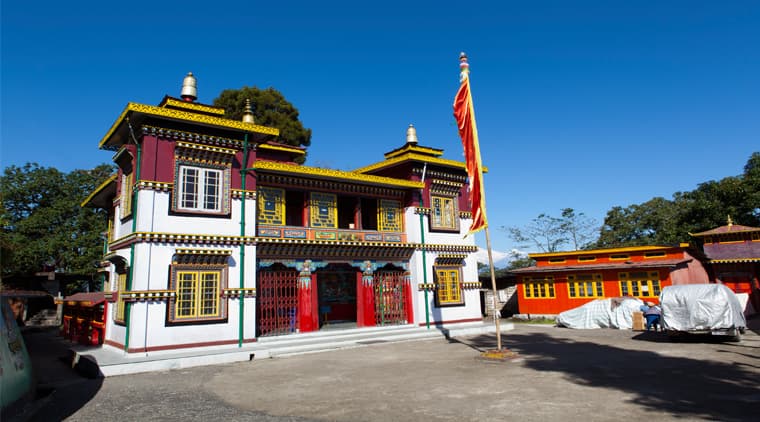
Darjeeling Gangtok Kalimpong Tour Package
● Starts Darjeeling
From₹35,923* / person
Explore →EMI from ₹1,759/mo
 10D / 9N
 6D / 5N
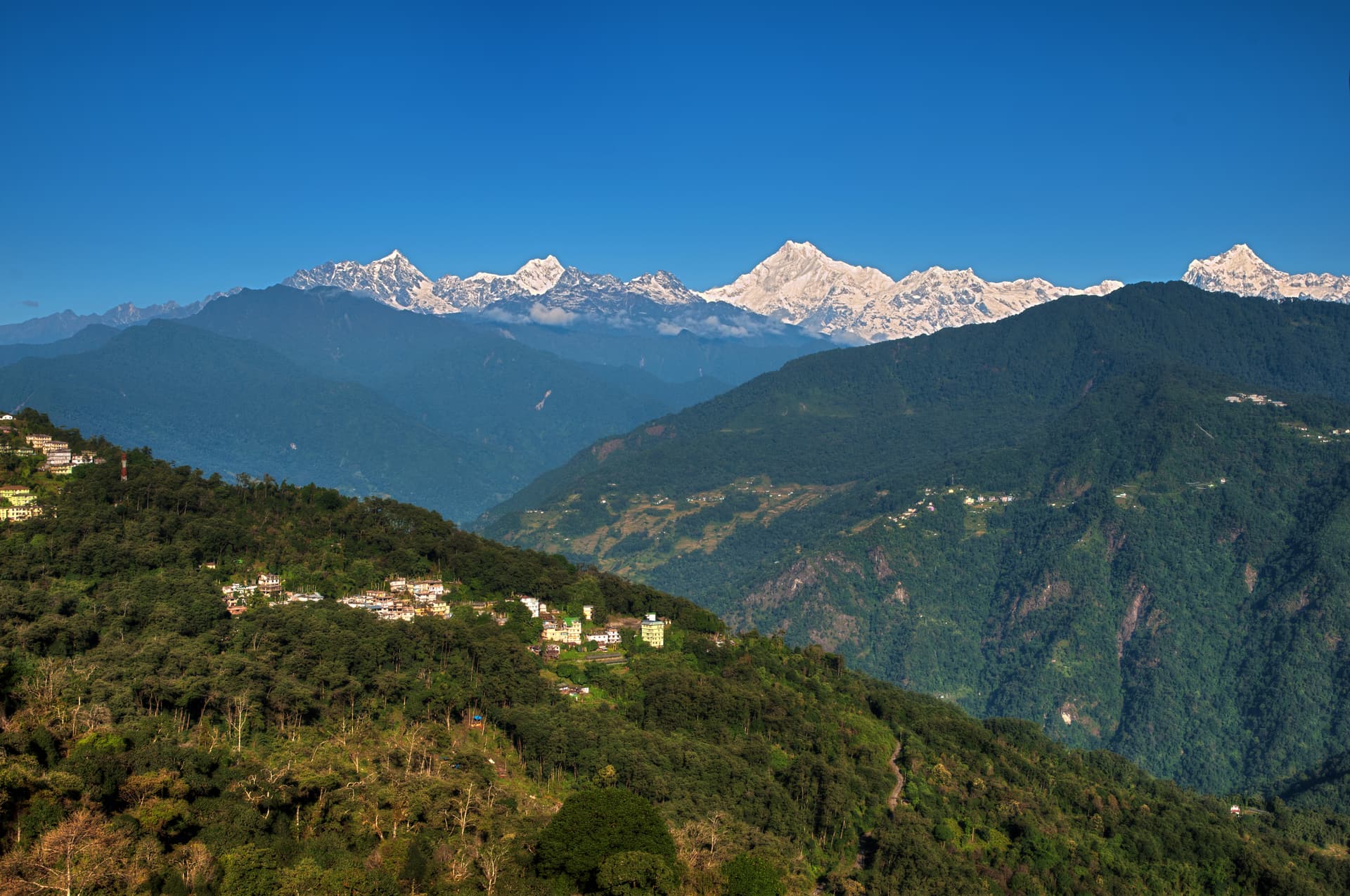
Sikkim Tour Package: Gangtok, Nathula & North Sikkim (6D/5N)
● Starts Bagdogra
From₹29,000* / person
Explore →EMI from ₹1,420/mo
 8D / 7N
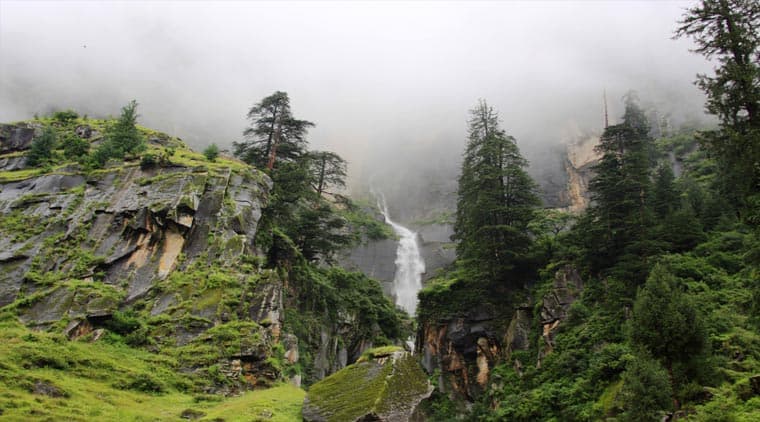
Kullu Manali Tour Package from Chennai
● Starts Chennai
From₹41,357* / person
Explore →EMI from ₹2,025/mo
Ready to plan your Sikkim Tour Package: Gangtok, Nathula & North Sikkim (6D/5N)?
Tell us your dates and group size. A WayToIndia travel expert replies within a few hours with a plan you can customise freely. Planning India journeys since 2010.
✓ No payment now✓ Free customisation✓ GST invoice✓ India + overseas support