
Guwahati Travel Guide
The comfortable months are October to April , cool and dry. Two dates reshape a trip: the Kaziranga safari season in winter, and the Ambubachi Mela at Kamakhya in late June.
When to visit Guwahati, and the seasons that change your plan
The comfortable months are October to April, cool and dry. Two dates reshape a trip: the Kaziranga safari season in winter, and the Ambubachi Mela at Kamakhya in late June.
- October to March: cool, dry and bestThe pleasant window, with comfortable days and cool nights. This is also when Kaziranga is open and the river and hill day-trips are at their easiest, so it is the natural time to base in Guwahati and reach into the Northeast.
- April: warm but still goodSpring is warm and humid but workable, and Kaziranga usually stays open into April. By late April the pre-monsoon heat and the first showers begin, so do your outdoor sightseeing earlier in the day.
- May to September: hot, wet and the rhino park shutThe monsoon is heavy in Assam and the Brahmaputra runs high. Kaziranga closes in the floods, roughly May to October, so a rhino trip is off, though the city, the river and the green hills around Shillong have their own drama in the rain.
- Late June: Ambubachi, plan around itThe Ambubachi Mela draws huge crowds to Kamakhya in late June, but the inner sanctum is closed for three days during it. If you want darshan, avoid those closed days; if you want the spectacle of the mela, expect enormous numbers and long waits.
If your trip is built around the great one-horned rhino, your dates must fall in the open season, roughly November to April. Kaziranga closes through the monsoon, about May to October, when the park floods and the animals move to higher ground, so a summer trip to Guwahati cannot include the safari. Treat these as the usual pattern and reconfirm the current opening and closing dates with the Assam forest department before you book flights or a tour, because the exact dates shift year to year with the rains.
How to reach Guwahati, the gateway to the Northeast
Guwahati has the busiest airport in the region and a major railway station, and it is the road springboard to Kaziranga, Shillong and beyond.
- By air, the regional hubLokpriya Gopinath Bordoloi International Airport at Borjhar is the main air gateway for the whole Northeast, well connected to Delhi, Kolkata, Mumbai and other metros and to the region's smaller airports. It is about 20 to 28 km from the city centre, roughly 45 to 60 minutes by road depending on traffic, with prepaid taxis and app cabs at the terminal.
- By trainGuwahati railway station is a major junction on the Northeast Frontier Railway, connected to Delhi, Kolkata and much of India by long-distance trains. It is a long but scenic haul from the rest of the country, so most overseas and time-pressed travellers fly in and use the train only for shorter regional hops.
- Onward to Kaziranga by roadKaziranga is about 188 to 195 km east on NH27, roughly 4.5 to 5 hours by road with a tea stop, the most common reason to base in Guwahati. We can arrange a car with an experienced driver for the run and the safari days.
- Onward to Shillong and MeghalayaShillong is about 100 km south, roughly 3 hours up into the hills by shared taxi or private car, and the road to Cherrapunji continues beyond it. Many travellers pair Guwahati and Kaziranga with a Shillong and Cherrapunji leg in one Northeast loop.
Fly into Delhi or Kolkata, the main international gateways, then take a domestic flight to Guwahati, the regional hub. From there the whole Northeast opens up by road and short regional flights.
Fly into Delhi, Kolkata or sometimes directly to Guwahati on limited international routes, then continue overland to Kaziranga, Shillong or onward states. Check current direct options before relying on them.
Fly direct to Guwahati from most metros, or take a long-distance train to Guwahati Junction. From the city, drive to Kaziranga and Shillong or fly on to the smaller Northeast airports.
Kamakhya, the river temples, and the city's heart
Guwahati is the Kamakhya hill temple, the island shrine of Umananda in the Brahmaputra, and a handful of museums and parks. A few rules and timings are worth knowing before you go.
- Kamakhya Temple on Nilachal HillOne of the most revered Shakti Peethas in India and the spiritual centre of the city, set on a hill overlooking the river. Darshan runs roughly about 6 am to 1 pm and again about 2:30 pm to 5:30 pm, so it shuts in the early afternoon. Dress modestly, leave leather items and remove shoes where asked, and come early because the general queue can run for hours. A paid special darshan, covered in the costs section, buys a faster line.
- Umananda Temple on Peacock IslandA small Shiva temple on a wooded island in the middle of the Brahmaputra, reached by a short ferry from Kachari Ghat near Uzan Bazaar. The crossing takes about 8 to 10 minutes and the temple is open roughly 5:30 am to 6 pm; it is one of the calmest, most atmospheric half-hours in the city.
- The Brahmaputra and its sunsetsThe great river defines Guwahati. Watch the sunset from a ghat, a riverside park or a cruise, take the ropeway across to North Guwahati, or simply sit at Kachari or Uzan Bazaar ghat as the light goes. The river, not a monument, is the city's signature.
- Museums, parks and BasisthaThe Assam State Museum and the Srimanta Sankardev Kalakshetra cultural complex give you the region's history and crafts under one roof, Dighalipukhuri is a central tank with boating, and the Basistha and Navagraha temples and the Assam State Zoo round out a day in the city.
Kamakhya is a living tantric shrine, not a sightseeing stop. Cover shoulders and knees, leave leather belts, wallets and bags outside, remove shoes where asked, and follow the queue discipline, which is strict on busy days. Photography inside the sanctum is restricted, so put the phone away near the deity. The same modesty applies at Umananda and the other temples.
Signature experiences in and around Guwahati
Beyond the temples, these are the experiences people remember, from the rhino park to the river cruise, and how to arrange them without the overpriced version.
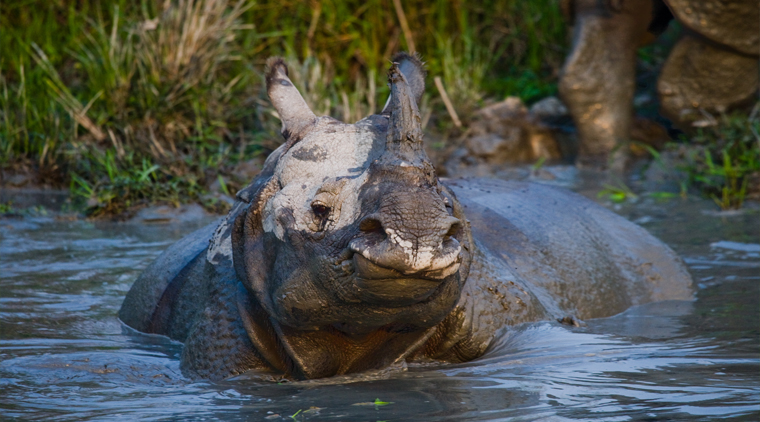
- The Kaziranga rhino safariThe big one. About 188 to 195 km east, roughly 4.5 to 5 hours by road, Kaziranga holds about two thirds of the world's great one-horned rhinos. A jeep safari is the classic way in; book a day ahead, choose the Central Kohora zone for your best rhino chance, and go in the open season, roughly November to April.
- The Brahmaputra sunset cruiseA one-hour sunset sailing on the river, run by operators such as Alfresco Grand from a ghat near MG Road, is a lovely way to end a day, with live music and the light fading over the water. It costs about 699 to 849 rupees per adult depending on the deck; reach the boarding point about 30 minutes early.
- The ropeway across the riverThe Guwahati Ropeway, the longest river ropeway in India, glides from Kachari Ghat to North Guwahati in about 8 minutes with the Brahmaputra and Peacock Island below. Tickets start at about 100 rupees and it runs roughly 8:30 am to 4:30 pm; note it is closed on the second and fourth Thursday of each month.
- The Umananda ferryThe short government or private ferry to Peacock Island is a gentle, cheap river experience and the calmest temple visit in the city. Take the morning crossing, allow time for the last boats back in the late afternoon, and pair it with a riverside lunch.
- A Pobitora day tripIf your dates miss Kaziranga or you only have a day, Pobitora Wildlife Sanctuary, about 50 km out, has one of the densest rhino populations anywhere and makes a half-day safari from the city in season. Confirm it is open before you set off.
- Eat and shop AssameseTry the Assamese thali with its khar and tenga, the fish and duck dishes and the sticky-rice pithas, and browse Fancy Bazaar and the emporiums for Assam muga and eri silk. Guwahati is a strongly non-vegetarian food city, very different from the temple towns of the plains.
If you do only one thing slowly, make it the river at the end of the day, whether that is the sunset cruise, the ropeway, or simply a bench at the ghat as the light goes gold over the Brahmaputra. The rhino safari is the headline of a wider trip, but the river is what makes Guwahati itself worth a night. Give the evening to the water and the city earns its place rather than being only a transit stop.
Where to stay in Guwahati, and how many nights
Stay near the river and the central markets to be close to the ghats and the cruise, or out near the highway if you are heading straight to Kaziranga. One to two nights is the sweet spot.
- Paltan Bazaar and the station area: convenientClose to the railway station and the bus stands, with the widest spread of budget and mid-range hotels and easy transport. Best if you are arriving or leaving by train or pushing on quickly to Kaziranga or Shillong.
- Panbazar, Uzan Bazaar and the riverfront: atmosphericThe older heart by the Brahmaputra, near the ghats, the ropeway, the cruise jetty and the museums. Best for first-timers who want the river and the temples within easy reach and a more characterful base.
- How many nightsOne full day and night covers Kamakhya, Umananda, the river and a museum. A second night lets you slow down, add the cruise and a Pobitora day trip, or stage comfortably before the drive to Kaziranga. Most travellers spend the bulk of their time at Kaziranga or Shillong rather than in the city.
- Room budgetsOff-season, budget rooms run from about 800 to 1,800 rupees, mid-range about 2,000 to 5,000 rupees, and the better business and heritage hotels about 6,000 to 15,000 rupees. Rates climb around the Ambubachi Mela in late June and on festival weekends, so book ahead then.
Around the Ambubachi Mela, rooms anywhere near Kamakhya and across the city fill months ahead at several times the normal price as huge numbers of pilgrims arrive. If your dates fall on the mela in late June, book very early, expect crowds, and remember the sanctum itself is closed for three of those days. Outside the mela and the festival peaks, Guwahati has plenty of rooms and you can usually book closer to your dates.
Guwahati costs and a realistic daily budget
The city itself is gentle on the wallet; the cost of a Northeast trip is really the Kaziranga safari and the onward travel. Here is what the main things cost so you can plan.
- A rough daily budget in the cityExcluding your room and long-distance transport, plan on about 1,200 to 2,000 rupees a day as a backpacker, about 3,000 to 5,000 rupees mid-range, and more for a comfortable day with a cruise, a guide and good Assamese meals out.
- The river and temple fixed costsKamakhya darshan is free in the general queue, with a paid special darshan of about 501 rupees for a faster line. The ropeway starts at about 100 rupees, the Umananda government ferry is about 30 to 40 rupees and a private boat about 100 to 500 rupees, and the sunset cruise is about 699 to 849 rupees. These are the rare fixed prices in town.
- The Kaziranga safari, the real costA jeep safari is roughly about 4,500 to 5,500 rupees per jeep for up to about 6 people, plus separate park entry, camera and guide fees, so sharing a jeep brings the per-person cost down. This, with the car to Kaziranga and a night or two there, is the biggest line in a Northeast budget.
- Cash, cards and ATMsCards and UPI work in hotels, malls and bigger restaurants, but ferries, autos, small eateries and the park-gate fees often run on cash. ATMs are widespread in the city but thin out near Kaziranga, so draw enough cash in Guwahati before the drive east.
The single biggest cost in a Guwahati-based trip is the Kaziranga jeep at about 4,500 to 5,500 rupees, and because up to about 6 people share one jeep, the smartest money move is to fill the vehicle rather than ride it alone. Couples and solos can often join a shared jeep through their lodge to split that cost, and the park entry, camera and guide fees are charged on top, so build the safari into your budget as a single block rather than a small add-on.
Practical logistics: permits, food, money and getting around
The small things that make a Guwahati day smooth, from the no-permit-for-Assam rule to the strongly non-vegetarian food, ATMs and local transport.
- Permits: none for Assam, but yes for some neighboursAssam, Meghalaya and Tripura need no Inner Line Permit for Indians or foreigners, so Guwahati, Kaziranga and Shillong are permit-free. Arunachal Pradesh, Nagaland, Mizoram and Manipur do require a permit; Arunachal even runs a counter at Guwahati airport, so sort that paperwork before any loop beyond Assam.
- Food: strongly non-vegetarian, and excellentAssamese cuisine leans on rice, fish, duck, pork and the bitter khar and sour tenga, with vegetarian thalis available too. This is the opposite of the dry vegetarian temple towns, so come hungry and try the local thali, and remember non-vegetarian food and alcohol are not to be carried into the temples.
- Getting around townApp cabs, autos and cycle-rickshaws cover the city, and the central sights are spread out, so a half-day car or a string of autos works best. The ferry and the ropeway handle the river, and a hired car with driver is the simplest way to do Kamakhya, the ghats and the museums in one day.
- Money, SIM and languageATMs and card or UPI payment are easy in the city. Assamese is the main language with Bengali, Hindi and English widely understood, so communicating is straightforward. Carry cash for ferries, autos and the Kaziranga gate, where cards are less reliable.
Safety, health and travelling responsibly
Guwahati is a generally safe, welcoming city, but the temple crowds, the river and the monsoon all call for a little care. A few habits keep the visit happy.
- General safety and the temple crushGuwahati is generally safe for travellers, with the usual city-care about belongings in crowded markets and the railway area. The real pressure point is the Kamakhya queue on busy and festival days, which can be a genuine crush, so keep children close, mind your valuables, and avoid the peak of the Ambubachi Mela if crowds worry you.
- The river and the monsoonThe Brahmaputra is vast and fast; take the ferry and cruise rather than improvising on the water, and respect any closure when the river is high. In the monsoon, roads east to Kaziranga can be affected by flooding, so build in slack and follow local advice if you travel in the wet season.
- Wildlife safety at KazirangaOn safari, stay in the vehicle, keep quiet near animals, and follow your guide and the forest rules; rhinos and elephants are wild and can charge. Do not feed or approach wildlife, and choose lodges and operators that respect the park's rules rather than promising guaranteed close encounters.
- Health, water and mosquitoesDrink bottled or filtered water, take the usual care with street food, and use mosquito repellent, especially near Kaziranga and in the wet months. Carry any personal medicines, as pharmacies are easy in the city but thinner in the park area.
Most solo women find Guwahati and the Assam tourist trail manageable with standard precautions. Dress modestly at the temples, keep to busier areas and well-reviewed transport after dark, and prefer organised or shared safaris and cab services for the Kaziranga and Shillong legs. The Northeast is generally relaxed and friendly to independent travellers, and Guwahati is an easy place to start.
Guwahati for every kind of traveller, and on access
Guwahati suits very different visitors in different ways. Here is what it offers you and the one tip that matters for each, including how a senior visits comfortably.
- Families with childrenEasy and varied, with the ropeway, the ferry, the zoo, the planetarium and a rhino safari within reach. Keep little ones close in the Kamakhya queue and at the markets, and break the long Kaziranga drive with a stop.
- Senior travellers and on accessibilityVery doable with planning. The Kamakhya queue and hill steps are the hardest part, so consider the paid special darshan to shorten the wait and go on a quieter day. The river ropeway and the ferry are the gentle, sit-down way to see the Brahmaputra, and a hired car with driver keeps the spread-out sights comfortable. The Kaziranga jeep is bumpy, so allow rest after the drive.
- Pilgrims and devoteesKamakhya is the draw, so plan around its timings and the midday break, dress modestly, and above all avoid the three Ambubachi closure days if you want darshan rather than the mela crowds. Pair it with Umananda and the Navagraha temple for a fuller pilgrimage.
- Wildlife loversThis is your base for Kaziranga and Pobitora and their one-horned rhinos. Come in the open season, book the Kohora zone for the best sightings, and give Kaziranga at least one full day and two safaris rather than a rushed single drive-through.
- Solo female travellersGenerally relaxed and friendly. Dress modestly at the temples, use well-reviewed cabs and shared safaris, and keep to busier areas after dark. One of the easier places to begin a Northeast trip alone.
- First-time Northeast travellersGuwahati is the natural first stop: a real city with an airport, hotels and ATMs before you head into the quieter hills and parks. Use it to acclimatise, sort any onward permits, and stock up before the journey east or up into the hills.
A suggested Guwahati and Northeast itinerary
How to shape one or two days in the city and fold it into the wider Northeast loop, so you catch the temple, the river and the rhino without wasting days.
- Day one in the cityReach Kamakhya early before the midday break, then come down to the river for the Umananda ferry and the ghats. Spend the afternoon at the Assam State Museum or Srimanta Sankardev Kalakshetra, and end with the sunset cruise or the ropeway across the river.
- Day two, the river and a day tripTake a slower morning at the riverfront and markets, then a Pobitora half-day safari if Kaziranga is not in your plan, or simply stage and rest before the drive east. This is also the day to confirm any onward permits and draw cash.
- The Kaziranga extensionDrive 4.5 to 5 hours to Kaziranga, settle into a lodge near Kohora, and do an early morning and an afternoon safari over a full day before driving back or pushing on. Two nights at the park is better than one if the rhino is your priority.
- The Shillong and Cherrapunji loopFrom Guwahati it is about 3 hours up to Shillong, with Cherrapunji and the living root bridges beyond. A classic Northeast trip pairs one or two Guwahati nights, Kaziranga, and a Shillong and Cherrapunji leg into a single week.
Two things break a tight Guwahati plan: arriving at Kamakhya in the early-afternoon break, roughly about 1 pm to 2:30 pm, and arriving in the Ambubachi closure when the sanctum is shut, about 23 to 25 June 2026. Build your temple visit into the morning or later afternoon, keep the hot middle of the day for a museum or the river, check whether your dates touch the mela, and you will not find yourself at a closed gate with the clock running.
The real questions travellers ask about Guwahati
Straight answers to the questions that come up again and again on traveller forums, so you arrive already knowing the score.
- How many days do I need?One to two days covers the city itself comfortably: Kamakhya, Umananda, the river and a museum. Most of your time should go to Kaziranga and Shillong, so plan Guwahati as the hub of a longer Northeast trip rather than a stop in its own right.
- How do I beat the Kamakhya queue?Arrive early in the morning, before the midday break, and consider the paid special darshan of about 501 rupees for a faster, separate line. Avoid weekends, festival days and above all the Ambubachi crowds, and reconfirm timings with the temple, which change on ritual days.
- Do I need a permit for Assam?No. Assam, Meghalaya and Tripura need no Inner Line Permit for Indians or foreigners. Only Arunachal Pradesh, Nagaland, Mizoram and Manipur do, and Arunachal has a permit counter at Guwahati airport, so the city and Kaziranga are permit-free.
- Is the food all non-vegetarian?Guwahati is a strongly non-vegetarian food city, with fish, duck and pork central to Assamese cooking, but vegetarian thalis are easy to find too. Try the khar and tenga dishes and the pithas, and keep non-veg and alcohol out of the temples.
- Can I do Kaziranga as a day trip?It is possible but not ideal: 4.5 to 5 hours each way leaves little safari time. Far better to stay a night near Kohora and do a morning and an afternoon safari, and remember the park is open only roughly November to April.
- How much is the ropeway and the Umananda ferry?The ropeway across the river starts at about 100 rupees and takes about 8 minutes, running roughly 8:30 am to 4:30 pm and closed on the second and fourth Thursday of the month. The Umananda ferry is about 30 to 40 rupees on the government boat and about 100 to 500 rupees on a private one.
Planning Guwahati and the Northeast from abroad
Guwahati is the one airport that opens the entire Northeast, and the permit rules, the monsoon and the food are the things to understand before you fly.
- Permits: simple for Assam, planned for the restYou need no Inner Line Permit for Assam, Meghalaya or Tripura, so Guwahati, Kaziranga and Shillong are straightforward on a tourist visa. Arunachal Pradesh, Nagaland, Mizoram and Manipur do require a permit, and Arunachal runs a counter at Guwahati airport, so plan any deeper Northeast loop and its paperwork in advance.
- Time it to the open seasonCome roughly October to April for cool weather and an open Kaziranga. The monsoon, about May to October, floods the park and the roads, so a rhino trip must fall in winter or early spring. Late June brings the Ambubachi crowds and the Kamakhya sanctum closure, which is worth planning around.
- Use it as the regional hubFly into Delhi or Kolkata, then on to Guwahati, and treat the city as your base camp: a real airport, hotels and ATMs before the quieter hills and parks. One or two nights here, then Kaziranga and Shillong, is the classic first Northeast week.
- Expect a non-vegetarian food cultureAssamese food is rice, fish, duck and pork with bitter and sour notes, very different from the vegetarian temple towns elsewhere in India. It is excellent; come with an open palate, and keep non-veg and alcohol away from the temples out of respect.
Money, connectivity and timing for foreign visitors
The practical basics an overseas traveller needs for a gateway city: cash, cards, a SIM, and how many days to give Guwahati on a wider Northeast trip.
- Carry cash for the river and the parkCards and UPI work in city hotels and bigger restaurants, but ferries, autos, small eateries and the Kaziranga gate fees run on cash. Draw rupees at the city ATMs, which are plentiful, before the drive east, where ATMs thin out.
- Get a SIM at the airportPick up an Indian tourist SIM or an eSIM when you land, ideally at Delhi or Kolkata or on arrival in Guwahati, rather than hunting for one in the hills. Coverage is good in the city and along the main roads, patchier deep in the park and the hills.
- How long to give it on a bigger tripOn a first Northeast trip, one to two nights in Guwahati is the right weight: enough for Kamakhya, the river and a museum before the safari and the hills. Give Kaziranga at least a full day and Shillong with Cherrapunji two to three days for a balanced week.
- Time your visit to your comfortOctober to March is the comfortable window with an open park. If your dates are fixed for summer, accept that Kaziranga will be closed and lean into the river, the temples and the green monsoon hills instead, and plan around the late-June Ambubachi crowds.
Guwahati is an unusually easy introduction to a region that can feel remote: a proper city with an international airport, comfortable hotels, ATMs and English widely spoken, right before you head into the quieter hills and the wildlife parks. Slot it as your base camp, give it a night or two, sort any onward permits and your cash here, and let it be the steady starting point from which the wilder, gentler Northeast opens up.
Why the city of eastern light guards a Shakti Peetha
Guwahati's old name is Pragjyotishpura, the city of eastern light, and its spiritual heart is Kamakhya on Nilachal Hill above the Brahmaputra. In the tradition of the Shakti Peethas, the goddess Sati gave up her life and her grieving consort Shiva carried her body across the cosmos; to release him, her form was scattered, and where each part fell a sacred Peetha arose. Kamakhya is revered as the place where the yoni, the creative source, came to rest, which is why the shrine has no conventional idol and why it is the centre of tantric worship and of the annual Ambubachi pilgrimage that marks the goddess's yearly cycle. The river below and the hill above have drawn seekers for centuries, and the city remains the threshold between the plains of India and the green, many-tongued world of the Northeast. The Shakti Peetha and Ambubachi traditions are widely attested in regional temple history and the Kalika Purana, though no single scriptural verse is reliably attributed to one fixed account.
Planning a Guwahati trip?
Our Assam travel experts plan your full journey for you: route, hotels, darshan timings and transport. You get a free day-by-day plan and an exact quote on WhatsApp, usually within a few hours. No payment is needed to get your plan.
Tour packages that visit Guwahati
Every journey below is private, hand-crafted and fully customizable. Tell us your dates and we tailor the itinerary, the pace and the priests or guides around you.
 7D / 6N
Assam Meghalaya Tour
- Guwahati
- Shillong
 7D / 6N
Assam Tour Package
- Visit Tai Ahom Museum
- Visit Kaziranga
 4D / 3N
Kaziranga Wildlife Tour
- Visit Kamakhya Temple
- Visit Umananda Temple
 5D / 4N
Guwahati Shillong Cherrapunjee Tour
- Visit Kamakhya Temple at Guwahati.
- Visit Elephant Falls in the outskirts of Shillong.