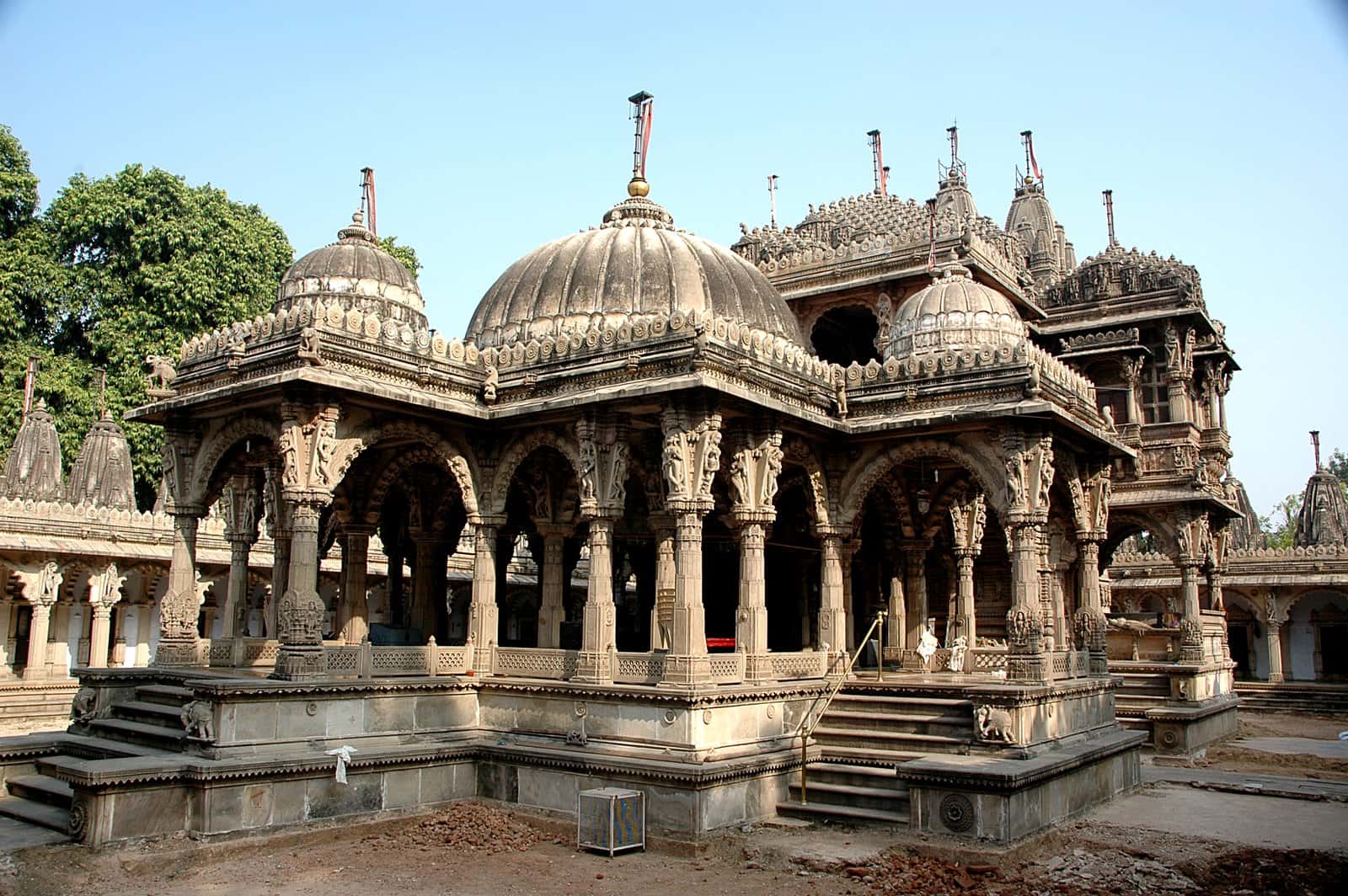
Ahmedabad Travel Guide
The comfortable months are November to February , and the great set-piece is the International Kite Festival on the Sabarmati Riverfront around Uttarayan in January. Decide early...
When to visit Ahmedabad, and the kite festival
The comfortable months are November to February, and the great set-piece is the International Kite Festival on the Sabarmati Riverfront around Uttarayan in January. Decide early whether you want the festival or the calmer winter weeks.
- November to February: cool and clearThe most comfortable window for the heritage walk, the mosques and the stepwells, pleasant by day and cool in the evening. This is the ideal time for a Gujarat trip and the season the city feels at its best.
- January: the International Kite FestivalAround Uttarayan, the Makar Sankranti kite day on 14 January, the sky fills with kites and the official festival runs on the Sabarmati Riverfront, in 2026 about 10 to 14 January. Rooftops across the city join in. Book a room well ahead if you want to be here for it.
- April to June: hot, and best avoidedHigh summer on the Gujarat plain is fierce and tiring for long days of sightseeing. If you must come then, keep the open-air sights for early morning and the hot middle of the day for a museum, a thali or a rest.
- Festival or calm, decide firstThe kite festival is a wonderful spectacle but rooms are scarce and dear, while a normal winter week is gentler and easier to plan. Both are rewarding, so choose the experience you want before you book.
The walled old city was named India's first UNESCO World Heritage City in 2017, recognised for its pols, mosques, temples and the Bhadra citadel. The best way to experience it is the official morning Heritage Walk through the pols, covered in the sights and experiences sections below. It starts early, so plan your first morning around it.
How to reach Ahmedabad
Ahmedabad is a major gateway with its own international airport just north of the centre and fast train links, easy to reach from within India and abroad.
- By airSardar Vallabhbhai Patel International Airport (AMD) sits about 9 km north of the centre and has direct flights from across India and from the Gulf and London, so the diaspora can often fly straight in. It is the natural gateway for a Gujarat or Kutch trip.
- By trainThe central Kalupur station, Ahmedabad Junction, has fast trains from Mumbai, Delhi, Jaipur and across the west, including a Vande Bharat to Mumbai in roughly five and a half hours; some fast services start from Sabarmati Junction nearby, so check which station your train uses.
- By road and metroGood highways link Ahmedabad with Vadodara, Udaipur and the Kutch and Saurashtra circuits, and we can arrange a car with an experienced driver for day trips to Adalaj, Gandhinagar and beyond. The city metro is handy for some long cross-town hops, but the dense old-city core is best done on foot and by auto.
Fly into Ahmedabad (AMD) directly where routes allow, including the London Heathrow link, or route via Delhi or Mumbai. Ahmedabad's own international airport makes it one of the easier western-India arrivals.
Several Gulf carriers fly direct to Ahmedabad from Dubai, Abu Dhabi, Sharjah, Doha, Muscat and Kuwait, a strong draw for the large Gujarati diaspora. Otherwise route through Mumbai or Delhi.
Frequent flights and fast trains from Mumbai, Delhi and Jaipur reach Ahmedabad easily, and it is the start of most Gujarat and Kutch itineraries.
The old city, the ashram, and the temple rules
Ahmedabad is the UNESCO old city and its pols, Gandhi's Sabarmati Ashram, the Adalaj stepwell and Gandhinagar's Akshardham. A few timing and entry rules are worth knowing before you go.
- The walled old city and its polsThe UNESCO heart of the city: carved wooden havelis, the Jama Masjid, the famous Sidi Saiyyed Tree of Life latticed window from 1572 and the dense pol neighbourhoods with their bird-feeders and hidden temples. The morning Heritage Walk is the best way to see it, covered in the next section.
- Sabarmati AshramGandhi's riverside home and the starting point of the 1930 Salt March, with free entry and open daily, commonly about 8:30 am to 6:30 pm. A calm, moving museum and the heart of the Gandhi trail. A large redevelopment is under way, so check access before you go.
- Adalaj StepwellA stunning five-storey 15th-century stepwell about 16 to 18 km north of the city, open roughly 6 am to 6 pm with only a small nominal fee. One of Gujarat's finest, cool and atmospheric even in the heat, and an easy half-day with the drive, often paired with Gandhinagar.
- Akshardham, GandhinagarThe grand Swaminarayan temple about 20 to 25 km away in Gandhinagar, closed on Mondays. The grounds are free; you pay only for the exhibitions and the evening water show. Security is strict, with no phones, cameras or bags inside, so travel light and use the free cloakroom.
Akshardham in Gandhinagar is closed on Mondays and bars phones, cameras and bags, which go into a free cloakroom, so plan it for another day and travel light. The Calico Museum of Textiles is free but is closed on Wednesdays and can be seen only on a pre-booked guided tour. The Sabarmati Ashram and Adalaj Stepwell are free or near-free and open through the day.
Signature experiences in Ahmedabad
Beyond the monuments, these are the experiences people remember, and how to arrange them without missing the catch.
- The morning Heritage WalkJoin the official Mandir to Masjid walk through the pols, from the Swaminarayan Temple at Kalupur to the Jama Masjid, about two and a half hours of carved havelis, hidden temples and old-city life over roughly 20 stops. It starts early, at about 7:45 to 8 am, costs about 200 rupees for an Indian visitor and about 300 rupees for a foreign visitor, and is best booked in advance at heritagewalkahmedabad.com. Wear comfortable shoes and modest clothing.
- Manek Chowk after darkA vegetable market by morning and a jewellery market by day, Manek Chowk turns into a famous street-food bazaar by night, with stalls firing up roughly after 9 pm and running toward midnight. Come hungry for pav bhaji, dosas, sandwiches, chaat and the over-the-top kulfi the square is known for.
- A Gujarati thaliAhmedabad is one of India's great vegetarian food cities, and a traditional unlimited Gujarati thali is a signature experience in itself, sweet, savoury and endlessly refilled. The rooftop Agashiye at the House of MG, Gordhan Thal and the rustic Vishalla are the names that come up again and again.
- The Calico Museum of TextilesOne of the world's finest textile collections, free to visit but only on a guided tour with advance booking and a limited 20 places, closed on Wednesdays and with no phones or cameras. A must for anyone interested in Indian craft; arrange your slot weeks ahead.
- The modernist architecture trailAhmedabad is a quiet pilgrimage for architecture lovers, with Le Corbusier's Mill Owners' Association Building of 1954 and his Sanskar Kendra museum, Louis Kahn's brick campus for the Indian Institute of Management begun in 1964, and the work of the Pritzker laureate B.V. Doshi. Several are permission-only, so check access before you turn up.
- Sabarmati Riverfront and the ashramPair the Gandhi ashram with a stroll or cycle on the landscaped Sabarmati Riverfront, pleasant in the cool of morning or evening and the very place the kite festival unfolds in January. A relaxed counterpoint to the busy old city.
If you do only one thing properly, make it the morning Heritage Walk. It is the single best introduction to the UNESCO old city, it is cheap, and a good guide turns a maze of run-down looking lanes into a living story of pols, faith and craft. Book it ahead, set an early alarm, and the rest of Ahmedabad makes far more sense afterwards.
Where to stay in Ahmedabad, and how many nights
Sleep inside the UNESCO old city in a restored pol haveli to be in the thick of it, or in a modern hotel on the western side for comfort and space. Two nights is the sweet spot.
- Old-city pol havelis: in the heart of itThe distinctive choice is a restored wooden haveli inside a pol, such as the French Haveli in Dhal ni Pol or the landmark House of MG at Lal Darwaja. You wake up inside the heritage you came to see, with the Heritage Walk on your doorstep. Atmospheric and characterful, though the lanes are narrow and busy.
- The western city: modern and convenientSG Highway, Navrangpura, CG Road, Bodakdev and Prahlad Nagar hold the business and mid-range hotels, with easier parking, malls and restaurants. Better for families, longer stays and anyone who wants a reliable modern base, though it is a drive from the old city.
- How many nightsOne full day covers the headline old-city sights with the Heritage Walk as the spine, but two nights is far more comfortable and lets you add Adalaj, Akshardham and a proper thali. Give it a third day if you want a Modhera and Patan or a Lothal day trip.
- Room budgetsBudget guesthouses run from about 800 to 1,800 rupees, comfortable mid-range and business hotels about 2,500 to 5,000 rupees, and heritage-boutique stays such as a pol haveli about 4,000 to 9,000 rupees. All rise around the kite festival, so book early if you come in January.
Around the International Kite Festival in mid-January, rooms across the city are scarce and sell at several times the normal price, especially anything with a usable rooftop. If your dates fall on Uttarayan, book well ahead, and remember a pol haveli or a rooftop hotel puts you right in the kite-flying action.
Ahmedabad costs and a realistic daily budget
Ahmedabad is gentle on the wallet, with many headline sights free or near-free. Here is what the main things cost so you can plan and avoid being overcharged.
- A rough daily budgetExcluding your room and long-distance transport, plan on about 1,200 to 2,500 rupees a day as a backpacker, about 3,500 to 6,500 rupees mid-range, and about 7,000 rupees and up for a comfortable day with taxis, good thalis and a day trip.
- The cheap and free sightsThe Sabarmati Ashram, the Sidi Saiyyed jali, the Jama Masjid and Bhadra Fort are free, the Heritage Walk is about 200 rupees, Adalaj is a small nominal fee and the Calico Museum is free to visit. Ahmedabad rewards a traveller on a budget more than almost any big Indian city.
- The paid extrasAkshardham's exhibitions are about 60 rupees for an adult and the evening water show about 100 rupees, Kankaria Lake is about 25 rupees, and the Modhera Sun Temple on a day trip is around 25 rupees. None of these will dent a budget, but they are worth knowing so you carry small change.
- Getting around and payingAuto-rickshaws are the workhorse, best taken on the meter or agreed first as tourist overcharging is common, while Uber and Ola give fixed fares and are often the cleaner option. Cards and UPI work in hotels, malls and bigger restaurants, but carry cash for autos, street food and small entry fees.
Ahmedabad's only real friction is the auto-rickshaw fare. Insist on the meter, or agree the price before you get in, or simply use an app cab for a fixed fare. Do that and a city of free mosques, a cheap heritage walk and superb inexpensive vegetarian food turns out to be one of the best-value stops in India.
Practical logistics: the dry-state rule, food, money and getting around
The small things that make an Ahmedabad day smooth, from the dry-state alcohol rule to autos, cash and the heat.
- Gujarat is a dry stateAlcohol has been prohibited in Gujarat since 1949 and is not sold openly. Tourists and visitors can drink legally only with a permit, covered in detail in the overseas section below. The flip side is a city built around superb vegetarian food, fresh juices and chai, so lean into it.
- A proudly vegetarian food cityFrom the unlimited Gujarati thali to fafda and jalebi on a Sunday morning, dhokla, khaman and the Manek Chowk night stalls, Ahmedabad is one of India's great vegetarian food cities. Come hungry and graze widely; you will not miss meat here.
- Money and getting aroundCarry cash for autos, street food and small entry fees, and use cards or UPI in hotels and bigger restaurants. Autos should run on the meter, and Uber and Ola are widely available for fixed fares. The metro helps for some longer hops, but the old city is for walking.
- Heat, language and dressGujarati and Hindi are the local languages and English is widely understood in the tourist and business trade. It is a fairly traditional city, so dress on the conservative side, especially at the mosques and temples, and in the warmer months keep water, a hat and sunscreen for the open-air sights.
Safety, the dry-state law, and staying well
Ahmedabad is an orderly, comparatively safe big city, but the dry-state alcohol law and the auto-rickshaw fare are the two things to get right. A little awareness keeps the trip smooth.
- Never drink or carry alcohol without a permitThis is the one genuine legal risk. Gujarat prohibition is real, and carrying or drinking alcohol without a valid permit can mean seizure, fines and serious trouble. If a drink matters to you, get the visitor permit first, covered in the overseas section; otherwise simply enjoy the food and juices.
- The auto-rickshaw overchargeThe most common traveller complaint is an inflated auto fare. Insist on the meter, agree the price before you set off, or use an app cab. As elsewhere, ignore over-helpful strangers steering you to a particular shop or too-good-to-be-true deal near the big sights.
- Heat and healthDrink bottled or filtered water, take the usual care with street food, and in the warmer months do the open-air sights and the heritage walk early, carrying water and sun protection. The heat is the real hazard here, more than crime.
- Be a respectful guest in the old cityThe walled city interweaves Hindu, Muslim and Jain quarters and the celebrated Mandir to Masjid walk runs through all of them. Cover shoulders and knees at worship sites, respect prayer times at the mosques, ask before photographing people, and keep local politics out of conversations.
Most solo women find Ahmedabad manageable with standard big-city precautions. By day the old city and the main sights are busy and easy; the usual advice applies after dark, to avoid empty or poorly lit areas, prefer app cabs at night, and dress on the conservative side in what is a traditional city. The friction reported is staring or the odd unwanted comment rather than worse, and being firm and using busier routes goes a long way.
Ahmedabad for every kind of traveller, and on access
Ahmedabad rewards very different visitors in different ways. Here is what it offers you, and the one tip that matters for each, including how a senior does the old city comfortably.
- Families with childrenPlenty to enjoy: Kankaria Lake with its toy train and zoo, the Science City on the edge of town, Auto World's vintage cars and Akshardham's gardens and water show. Plan around the heat with morning and evening outings and a midday rest.
- CouplesThe old-city walk, a rooftop thali at sunset, Manek Chowk by night and a riverfront evening make a characterful couple of days, with a pol haveli stay and the January kite rooftops adding real romance. Adalaj is an atmospheric half-day out.
- Senior travellers and on accessibilityVery doable with planning. Do the Heritage Walk in the cool of early morning at an easy pace, knowing it is about two and a half hours on uneven old-city lanes, and use a car between the spread-out sights rather than long midday walks. Remember Akshardham's security means leaving phones and bags in the cloakroom and some walking, so keep days short in the heat.
- Food loversOne of India's best vegetarian food cities: the unlimited Gujarati thali at Agashiye, Gordhan Thal or Vishalla, the Manek Chowk night market and the Sunday fafda and jalebi. Come hungry and graze your way across the city.
- Heritage and architecture loversA double heritage city: the UNESCO old city of pols, mosques and the Sidi Saiyyed jali, and a Pritzker-grade modernist trail of Le Corbusier, Louis Kahn's IIM campus and B.V. Doshi. Few cities in India layer the sultanate and the modern so richly, though some modern buildings are permission-only.
- Budget travellersFree or near-free headline sights, a cheap and superb vegetarian food scene, and good train links make Ahmedabad one of the best-value city bases in India for exploring Gujarat.
A suggested Ahmedabad itinerary
How to shape two unhurried days around the early heritage walk and the Monday closures, with the big day trips if you have a third.
- Day one, the old cityStart with the early Heritage Walk from Kalupur to the Jama Masjid, then see the Sidi Saiyyed jali and Bhadra Fort and Teen Darwaza nearby. Add the Calico Museum if you pre-booked, or the Hutheesing Jain temple, then the Sabarmati Ashram in the afternoon and Manek Chowk or the riverfront in the evening.
- Day two, the modern city and a day tripDrive out to the Adalaj Stepwell and on to Gandhinagar's Akshardham, staying for the evening Sat-Chit-Anand water show, but not on a Monday and with phones left in the cloakroom. Architecture lovers can swap in the Le Corbusier, Louis Kahn and B.V. Doshi trail instead.
- Day three, if you have itTake the long day trip to the Modhera Sun Temple about 110 km out and the UNESCO Rani ki Vav stepwell and Patola silk weaving at Patan, or visit the Harappan dockyard at Lothal. Both are full days and reward an early start.
- The one-day versionWith a single day, do the morning Heritage Walk, the Sidi Saiyyed jali and the Sabarmati Ashram, then an evening at Manek Chowk. You will see the soul of the city, though you will miss Akshardham and the day trips.
Two things break a tight Ahmedabad plan: arriving at Akshardham on a Monday when it is shut, and oversleeping the Heritage Walk, which starts at about 7:45 to 8 am and will not wait. Build the walk into your first morning, keep Akshardham and the Calico Museum off their closed days, Monday and Wednesday respectively, and the rest falls into place.
The real questions travellers ask about Ahmedabad
Straight answers to the questions that come up again and again on traveller forums, so you arrive already knowing the score.
- Is Ahmedabad worth visiting, or boring?It depends on what you want. Ahmedabad is a heritage, food and architecture city, not a beaches-and-nightlife one, and it is dry. Come for the UNESCO old city and its walk, the thalis and street food, the stepwells and the modernist trail, and it is deeply rewarding; come expecting a party town and it will disappoint.
- Is one day enough?One full day covers the headline old-city sights with the Heritage Walk as the spine. Two days is far more comfortable and lets you add Adalaj and Akshardham, and a third opens up the Modhera and Patan or Lothal day trips.
- How does the liquor permit work?Gujarat is dry, but tourists from abroad and visitors from other states can apply online for a permit at the eps.gujarat.gov.in portal, pay a fee of about 100 rupees, and verify in person within four days at an authorised liquor shop, usually in a large hotel. An Aadhaar card is not accepted as proof. Full detail is in the overseas section below.
- Gandhinagar or Delhi Akshardham?Both are run by the same organisation and both ban phones and cameras. Delhi's is the larger and newer; Gandhinagar's is the original Swaminarayan Akshardham and home to the Sat-Chit-Anand evening water show. If you are in Gujarat, the Gandhinagar one is well worth a half-day, just not on a Monday.
- Best Gujarati thali in Ahmedabad?The three names that recur are the rooftop Agashiye at the House of MG for a special-occasion royal thali, Gordhan Thal for great value and abundance, and the rustic Vishalla for a village-style setting. Any of them is a memorable meal; book ahead for Agashiye.
- How do I do the Modhera and Patan day trip?It is a long full day. Drive about 110 km to the Modhera Sun Temple, then on to Patan for the UNESCO-listed Rani ki Vav stepwell and a Patola silk-weaving workshop. Start early, hire a car for the day, and if you want Modhera's light show, note it runs at about 7 pm and is closed on Mondays.
Planning Ahmedabad from abroad
Ahmedabad is a direct-flight gateway and a roots-trip hub for the large Gujarati diaspora. The UNESCO old city and the wider Gujarat circuit open up easily once you have sorted the early heritage walk and the dry-state permit.
- Fly in direct where you canAhmedabad's international airport has direct links to the Gulf hubs and to London Heathrow, so much of the diaspora can fly straight into the homeland, about 9 km from the centre. Otherwise route through Mumbai or Delhi. It makes a roots trip unusually easy.
- Do the UNESCO old city properlyBook the official morning Heritage Walk through the pols, the single best introduction to the city, and pair it with the Sabarmati Ashram for the Gandhi story. Start early, before the heat, and consider a pol-haveli stay to sleep inside the heritage you came to see.
- Use it as a Gujarat baseAhmedabad is the gateway to the whole state: Adalaj and Gandhinagar's Akshardham close by, and onward to the white desert of Kutch and the Rann Utsav in winter, Somnath and Dwarka, and the Gir lions. Comfortable and well connected for an NRI roots trip with the family.
- Senior-friendly with planningKeep the heritage walk to the cool early morning, use a car between the spread-out sights, and remember Akshardham's cloakroom and security. Ahmedabad is one of the easier, gentler big cities in India for parents and grandparents, especially around the food.
The Gujarat liquor permit, money and SIM for foreign visitors
The one piece of admin an overseas visitor should understand before arriving is the dry-state liquor permit. Here is how it works, plus the money and connectivity basics.
- Apply online firstGujarat is a dry state, but you can drink legally on a permit. Apply at the official Gujarat Prohibition and Excise portal, eps.gujarat.gov.in, choosing Tourist if you are from outside India or Visitor if you are from another Indian state. You register, verify by SMS and email, and upload identity, age and travel documents.
- Pay, then verify in personThe permit fee is about 100 rupees, paid online. Then, within four days of arrival, take the printed permit and your original documents to an authorised liquor shop, typically inside a large hotel, for in-person verification before you can buy. The permit is widely cited as valid for about seven days.
- The rule that catches people outAn Aadhaar card is not accepted as valid proof for the liquor permit, so use a passport or another government photo identity. Any alcohol you buy is for private consumption in your room, not in public, and you generally cannot carry alcohol into Gujarat yourself without a permit, on pain of seizure and a fine.
- Cash, cards and a SIMCards and UPI work in hotels, malls and bigger restaurants, but carry cash for autos, street food and small entry fees. Pick up an Indian tourist SIM or an eSIM when you land rather than hunting for one later, and use Uber or Ola from the airport for a clean fixed fare into town.
Many overseas visitors find they simply do not bother. Ahmedabad is built around outstanding vegetarian food, fresh juices, lassi and chai, and a few alcohol-free days are no hardship. Sort the permit only if a drink genuinely matters to you, and otherwise treat the dry city as part of the experience rather than a problem to solve.
The hare that chased the hound, and how the city got its name
Ahmedabad was founded by Sultan Ahmad Shah I, traditionally on 26 February 1411, on the east bank of the Sabarmati, and its name is simply Ahmad and abad, the city of Ahmed. The beloved founding story tells that the Sultan, camped by the river, watched a hare turn and chase a hound that had been pursuing it. Struck by such boldness in a timid creature, he took it as a sign that the soil here bred uncommon courage, and chose the spot for his new capital. The old proverb remembers it: when the hare chased the hound, the king founded the city. Before the Sultan came, the land already held older settlements, the Bhil town of Ashaval and the city of Karnavati founded by the Solanki king Karandev. Historians treat the dog-and-hare tale as folklore rather than documented fact, but it remains the story every Amdavadi tells, and it captures something true about a city that has always punched above its weight.
Planning a Ahmedabad trip?
Our Gujarat travel experts plan your full journey for you: route, hotels, darshan timings and transport. You get a free day-by-day plan and an exact quote on WhatsApp, usually within a few hours. No payment is needed to get your plan.
Tour packages that visit Ahmedabad
Every journey below is private, hand-crafted and fully customizable. Tell us your dates and we tailor the itinerary, the pace and the priests or guides around you.
 5D / 4N
Dwarka Somnath Package From Delhi
- Visit Lakhota lake and museum at Jamnagar.
- Visit Somanth and Nageshwar Jyotirlinga.
Nageshwar Somnath Jyotirlinga Tour Package
- Visit Sabarmati Ashram
- Visit Lakhota Palace
 13D / 12N
Sapta Puri Yatra
- Visit Ayodhya
- Mathura’s Keshav Dev Temple
 8D / 7N
Kullu Manali Tour Package from Ahmedabad
- Visit Chadwick Falls
- View Scandal Point
 8D / 7N
Best of Gujarat Tour Package
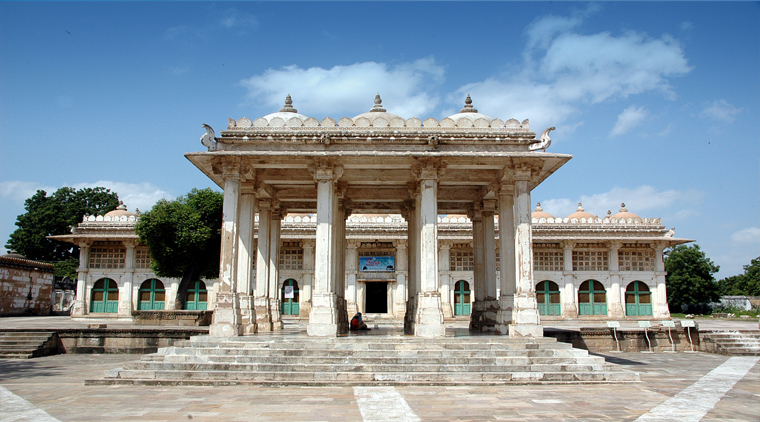
- Visit Enjoy sightseeing at Ahmedabad.
- Visit Sasangir, the land of Asiatic Lions.
 7D / 6N
Gujarat Wildlife Tour
- Visit Gir National Park
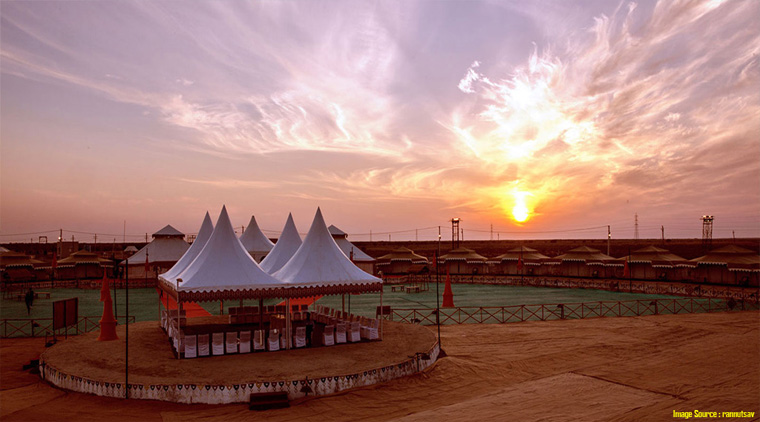
- Visit Rann of Kutch
 6D / 5N
Rann of Kutch Festival Packages
- Enjoy Jeep Safri along the Rann of Kutch.
- Visit Aina Mahal Museum at Bhuj.
 6D / 5N
Gujarat Holiday Packages
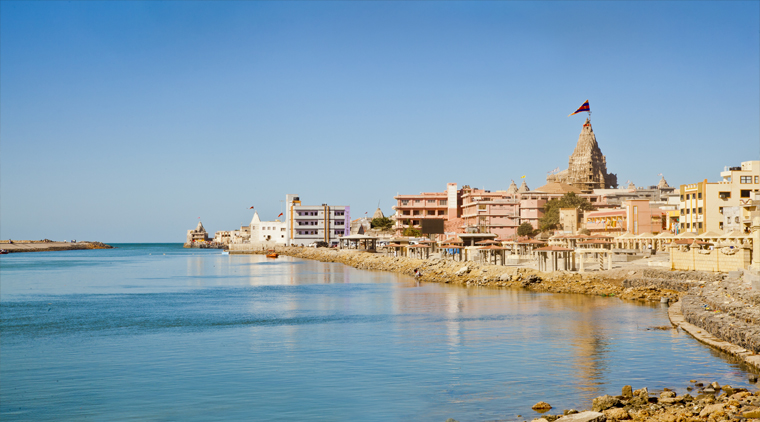
- Visit Somnath and Nageshwar Jyotirlinga.
- Visit Dwarkadheesh Temple and Bhet Dwarka.
 5D / 4N
Rameshwaram Tour Package from Ahmedabad
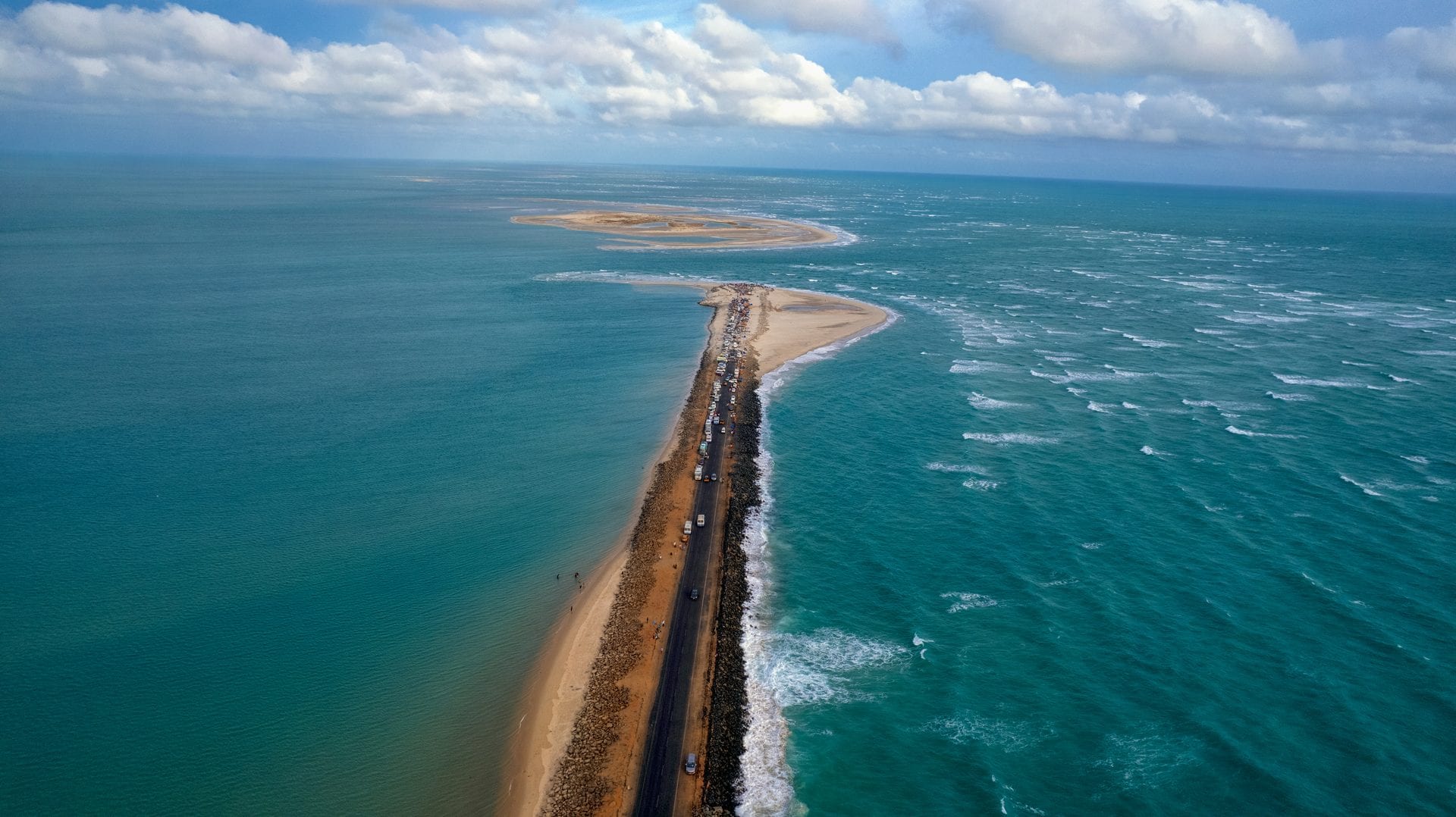
- A planned trip from Ahmedabad, with the flight to Madurai and all the ground travel arranged
- Darshan at the Ramanathaswamy Temple, home of the Rameshwaram Jyotirlinga