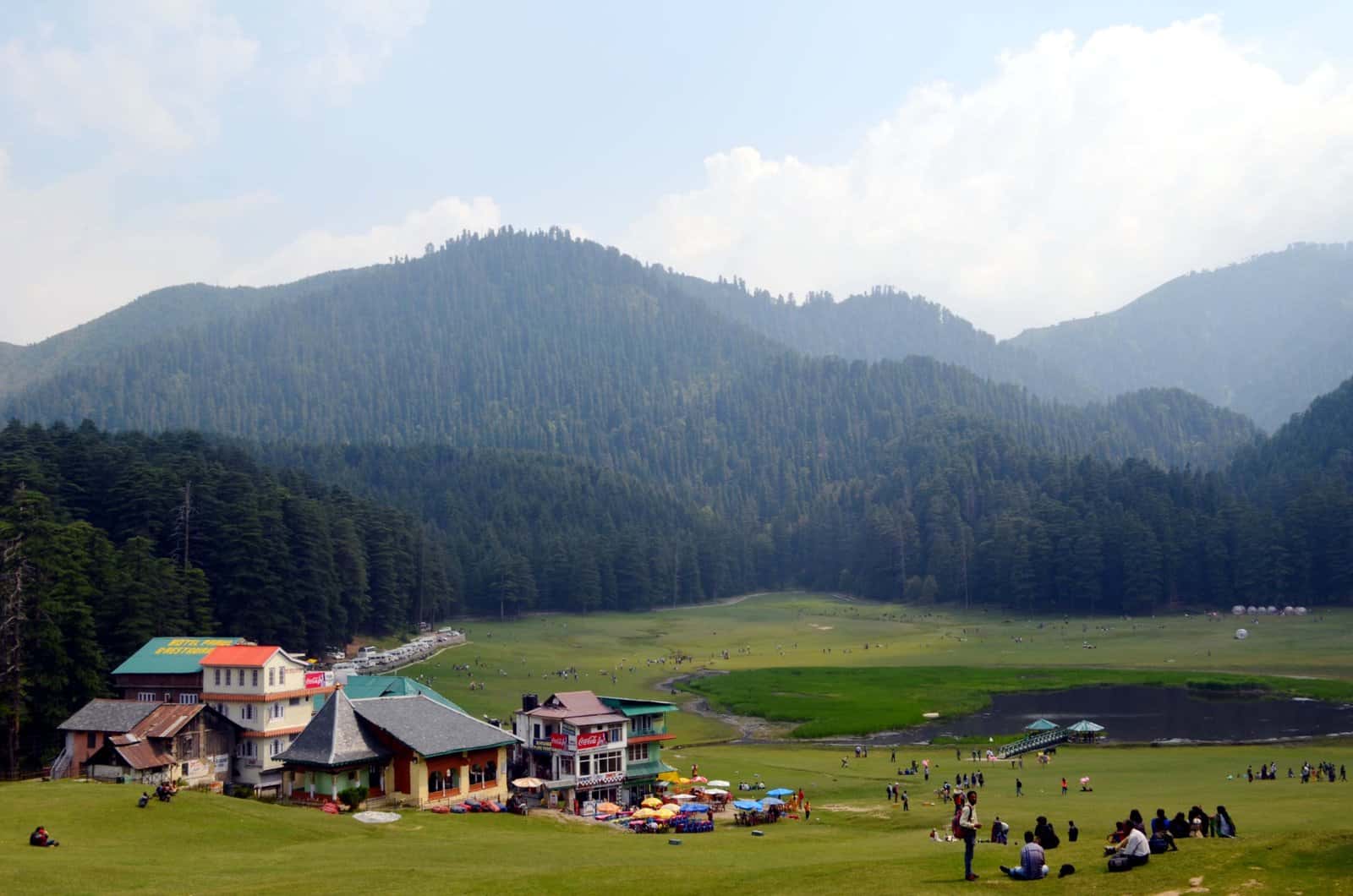
Dalhousie Travel Guide
The best windows are March to May and September to November . For snow, come in January ; the one season to plan around is the monsoon.
When to visit Dalhousie and Khajjiar, and when it snows
The best windows are March to May and September to November. For snow, come in January; the one season to plan around is the monsoon.
- March to May and September to NovemberPleasant days, clear mountain views and green meadows, ideal for the Mall, Khajjiar and the forest walks. These are the most comfortable windows, so book ahead around long weekends and the summer school holidays when Indian families fill the town.
- January for snowJanuary is the prime snow month, when Dalhousie and Khajjiar turn white; snow can begin by late December. It is beautiful but cold, with Khajjiar often below freezing and the odd road or activity closure, so pack warm layers, carry decent footwear, and stay flexible with your plans.
- A gentle, easy hill stationDalhousie is calmer and flatter than many Himachal towns, which makes it a relaxed choice in any of the good seasons, especially for families and older travellers. Evenings are cool even in summer, so a light jacket is worth packing year round.
- Decide snow or meadows firstThe white, frozen Khajjiar of January is a very different trip from the green saucer-meadow of spring and autumn. Both are lovely, but the roads, the clothing and the day plan differ, so choose the experience you want before you book.
July to September brings heavy rain and a real risk of landslides and road blockages on the hill routes up from Pathankot. The hills are lush and quiet then and the rooms are cheaper, but build in buffer time, avoid night driving, and check road conditions before a monsoon trip. Travellers on the Dalhousie forums regularly ask whether June and the early monsoon are worth it; the honest answer is that views can be hazy and roads slow, so the shoulder months are a safer bet.
How to reach Dalhousie
Most people come by road from Pathankot, the nearest railhead, a 2.5 to 3 hour drive up the hills. Khajjiar is then a day trip from your Dalhousie base.
- By train to Pathankot, then roadPathankot is the nearest railway station, about 80 to 95 km away, with regular direct trains from Delhi (roughly 10 to 11 hours overnight). From Pathankot it is a 2.5 to 3 hour taxi or shared cab up to Dalhousie, with HRTC buses on the route too. We can arrange the car and an experienced hill driver.
- By air via Amritsar or GaggalGaggal (Kangra) airport is the closest at about 120 to 130 km but has limited flights; Amritsar airport, about 200 to 220 km away, often has better and cheaper connections, then a scenic drive via Pathankot. Many overseas visitors prefer Amritsar or fly into Delhi. There are no flights to Dalhousie itself.
- By road from DelhiDelhi is about 560 to 565 km away, roughly a 12 hour overnight run. An HRTC or private Volvo AC bus is the common way in, with the HRTC Volvo or Himsuta fare commonly around 1,350 to 1,550 rupees one way; book on the HRTC or HPTDC site and reconfirm the current fare. A private car is gentler but a long day.
- Getting around once you arriveDalhousie town is compact and walkable, with level Mall stretches. Local taxis handle the day trips to Khajjiar, Kalatop, Dainkund and Chamba, and most visitors hire a car for a half or full day rather than relying on the thinner bus service for sightseeing.
Fly into Delhi or Amritsar, then drive up via Pathankot to Dalhousie. There are no international flights to Dalhousie; Amritsar is the handiest airport for the region, and you can fold in the Golden Temple on the way.
Fly into Delhi or Amritsar and continue by road via Pathankot. Allow most of a day for the mountain leg, and consider an overnight in Amritsar to break the journey.
Take a train to Pathankot, then a 2.5 to 3 hour drive up, or an overnight Volvo bus from Delhi. Pathankot is the practical gateway, well served by the Delhi line.
Khajjiar, Dalhousie town, and the permit to know
Dalhousie is its Mall and colonial churches, Panchpula and Dainkund, with the Mini-Switzerland meadow of Khajjiar a day trip away. One spot, Kalatop, needs a forest permit.
- Khajjiar, the Mini SwitzerlandA beautiful saucer-shaped meadow with a small lake, about 22 to 24 km (an hour and a half to two hours) from Dalhousie, at around 6,500 feet. Go early to enjoy it before the day crowds, see the centuries-old Khajji Nag temple, and agree any zorbing or horse-ride price first. It is a day trip, not a base.
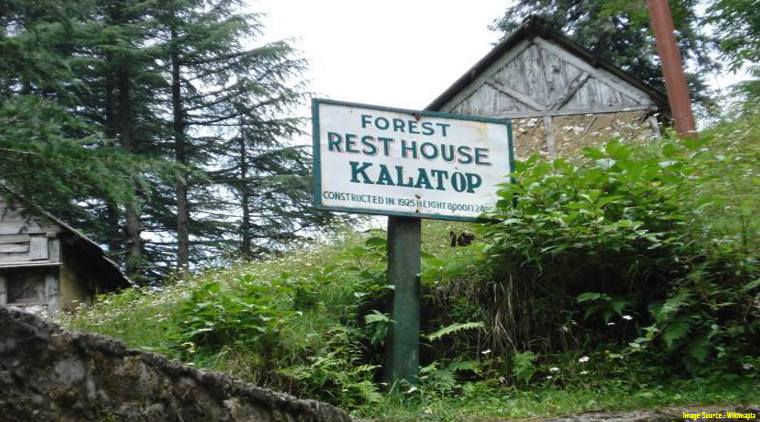
- Kalatop Khajjiar Wildlife SanctuaryA lovely deodar and fir forest on the Dalhousie to Khajjiar road, founded in 1958, good for an easy walk and birdlife. Entering the forest reserve needs a permit and a small per-person fee, with prior permission from the DFO Chamba for the rest house and any vehicle, and it opens through the day in good weather only, so check before you go.
- Dalhousie town: the Mall and churchesThe colonial heart of town: gentle Mall walks along Garam Sadak and Thandi Sadak, the old St John's, St Francis and St Patrick's churches, Subhash Baoli where Subhash Chandra Bose convalesced, and Panchpula, where five streams meet at a waterfall. Easy, scenic and walkable.
- Dainkund PeakThe highest point around at about 2,755 m (about 9,039 feet), with a short climb to a 360-degree view of snow peaks and valleys, and the little Pholani Devi temple at the top. A lovely half-day in clear weather, and Bakrota Hill nearby is a gentler walk with valley views.
Chamba town, about 50 km on (and about 23 km from Khajjiar), is the cultural heart of the region, with the ancient Lakshmi Narayan temple complex, the Akhand Chandi Palace and the grassy Chaugan. A rewarding extra day for those with time, and the host of the colourful Minjar fair in summer. It turns a meadow-and-Mall trip into a fuller look at the old Chamba kingdom.
Signature experiences in Dalhousie and Khajjiar
Beyond the viewpoints, these are the experiences people remember, and how to arrange them without the tourist-trap version.
- An early morning at KhajjiarReach the meadow early, before the day-trippers, for the calmest Mini-Switzerland experience: a walk around the lake, the Khajji Nag temple, and the deodar backdrop. By late morning it fills with crowds, zorbing and horse-ride touts, so the early hours are golden, and the light is best for photos.
- A forest walk in KalatopWith your permit, walk the quiet deodar and fir trails of Kalatop, a birdwatcher's delight with views to the Pir Panjal and Dhauladhar. Gentle and beautiful, and a fine break on the Khajjiar road. A guide is sensible, and the rest house needs DFO Chamba permission well ahead.
- Sunset or sunrise from DainkundClimb the short trail to Dainkund Peak, the highest point around, for the big Himalayan panorama, best in the clear light of early morning or late afternoon. The breeze through the trees gives it the name 'singing hill', and the small temple at the top makes it memorable.
- Colonial Mall walks and chaiDalhousie is made for slow strolls: the Mall, Garam Sadak and Thandi Sadak, the old churches and a chai with a valley view. Relaxed and easy on the legs, the part of the trip that suits seniors and unhurried evenings best.
- A day in ChambaDrive on to Chamba for the Lakshmi Narayan temple complex, the Akhand Chandi Palace and the Chaugan, a step into the old kingdom's culture and crafts. A satisfying cultural counterpoint to the meadows, and quieter than the Khajjiar crowds.
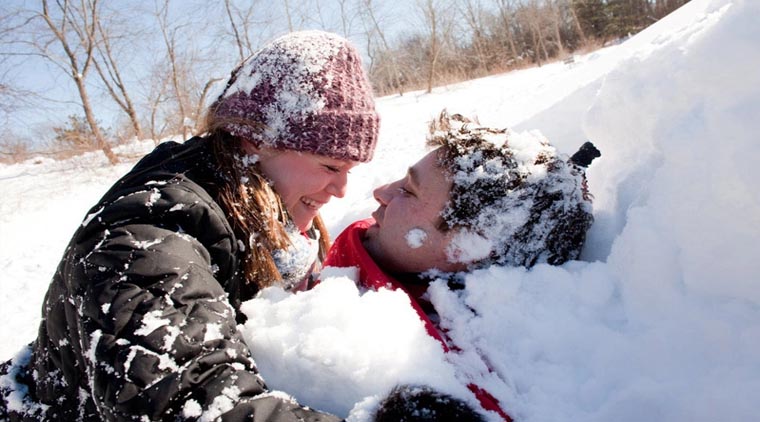
- Snow play in winterIn January, Khajjiar and the Dalhousie hills hold snow, and snow play, building snowmen and the odd slide are the simple winter joys families come for. Dress children warmly, watch footing on icy paths, and agree any activity price before you start.
If you do only one thing slowly, make it the early morning at Khajjiar before the buses arrive. The empty meadow, the mist lifting off the deodars and the still lake are what people remember long after the rides and the crowds fade. Pair it with the short Kalatop walk on the way back, and you have the calmest, most beautiful half-day the region offers.
Where to stay in Dalhousie, and how many nights
Stay in Dalhousie town near the Mall to be central and walkable, not in tiny Khajjiar. Two to three nights is the sweet spot for the whole region.
- Dalhousie town near the Mall: central and walkableThe most convenient base, walking distance to the Mall, the churches, the cafes and the taxi stand for day trips, with a wide choice of stays. Areas around Subhash Chowk, Gandhi Chowk and the Mall keep you close to everything and on flatter ground.
- Khajjiar: limited and best as a day tripKhajjiar is a small meadow with only a handful of stays, including the HPTDC hotel; a night there can be lovely for an early-morning meadow but most travellers visit for the day from Dalhousie. Do not assume you will find a wide hotel choice in Khajjiar itself.
- Room budgetsBudget rooms in Dalhousie town run from about 800 to 3,000 rupees, mid-range stays roughly 3,000 to 6,000 rupees, and the better hotels and resorts above that. All rise on long weekends, in the January snow season and during the summer school holidays, so book early in those windows.
- How many nightsTwo to three days suits the region: one day for Dalhousie town, a second for the Khajjiar and Kalatop day trip taken early, and a third if you want to add Chamba. A single night barely scratches it, and basing in Khajjiar to save the drive usually backfires on choice and convenience.
On January snow weekends, on the big long weekends and through the summer school holidays, the better Dalhousie rooms book out and prices climb. If your dates fall on any of those, reserve well ahead, and if Dalhousie is full, Khajjiar's HPTDC hotel or a Chamba stay can be a fallback rather than a hunt on arrival.
Dalhousie costs and a realistic daily budget
Dalhousie is gentle on the wallet outside peak dates. Here is what the main things cost, so you can plan and avoid being overcharged at Khajjiar.
- Rooms and a daily budgetBudget rooms run from about 800 to 3,000 rupees and mid-range stays roughly 3,000 to 6,000 rupees a night. On top of your room and the drive up, plan a rough daily spend of a few hundred rupees for a backpacker eating simply, up to a couple of thousand for a comfortable day with a taxi, meals and the odd activity.
- Transport costsThe HRTC Volvo or Himsuta AC bus from Delhi is commonly around 1,350 to 1,550 rupees one way, and a Pathankot taxi up to Dalhousie is a fixed local rate worth agreeing before you set off. For sightseeing, hiring a car for a half or full day is the usual choice and is cheaper shared between a group.
- Khajjiar activities, all negotiableZorbing is commonly around 300 to 500 rupees and a horse ride around 300 to 800 rupees, with paragliding more, all quoted high to visitors and negotiable. Agree the price and the route before you start, and remember there is no obligation to do any of them; the meadow itself is free.
- Cash and cardsBank ATMs are on and around the Mall and Subhash Chowk. Bigger hotels and shops take cards or UPI, but Khajjiar activities, small eateries and the drive run on cash, so carry enough for the day to keep things smooth.
Everything at the Khajjiar meadow except the view is negotiable, so the single habit that saves money is to ask the price and agree it, and the route or duration, before any ride or zorb begins. Quotes to visitors start high and come down without drama, and a sum settled in advance turns the meadow's only friction into a non-event.
Practical logistics: SIM, ATMs, getting around and the cold
The small things that make a Dalhousie day smooth, from signal and cash to local transport, the permit and dressing for the cold.
- SIM, signal and languageMobile coverage in Dalhousie town is generally fine for calls, maps and data on the main networks, though it weakens on the forest and Dainkund stretches. Hindi and Pahari are the local languages, but English and Hindi are widely understood in the tourist trade, so communicating is easy.
- Money and ATMsBank ATMs are on and around the Mall and Subhash Chowk. Carry cash for Khajjiar activities, small eateries and the drive, as cards and UPI are not universal once you leave the bigger hotels and shops.
- Getting around and the permitThe town is walkable; for Khajjiar, Kalatop, Dainkund and Chamba, hire a car for a half or full day. Sort the Kalatop forest permit on the spot or through your driver, and arrange any rest-house or vehicle entry with DFO Chamba well ahead, as the reserve opens in good weather only.
- Dress for the cold and the walksEvenings are cool even in summer and genuinely cold from late autumn to early spring, so pack layers and a warm jacket. For January snow, add gloves, a cap and grippy footwear; for the forest and Dainkund walks, comfortable shoes matter more than anything else.
Safety, the Khajjiar touts, and staying well
Dalhousie is gentle and friendly, with no serious safety reputation, but the hill roads, the cold and the Khajjiar activity touts are worth a little awareness.
- Hill roads and the monsoonThe drives are scenic but winding, and the monsoon (July to September) brings a real risk of landslides and road blocks on the Pathankot route. Avoid night driving, build in buffer time, and check road conditions before a monsoon trip. If you are prone to motion sickness, sit in front and carry tablets.
- Khajjiar activity toutsZorbing, horse-ride and paragliding sellers can be pushy and quote high, and rides are sometimes cut short. Agree the price and the full route or duration before you start, there is no pressure to do any of them, and the meadow is just as good on foot.
- The cold and altitudeDalhousie and Khajjiar are not high enough for altitude sickness, but the cold is real from late autumn to early spring, and Dainkund at about 2,755 m can be windy and chilly even on a clear day. Keep children and older travellers warm, and watch footing on icy or wet paths.
- Health and waterDrink bottled or filtered water, take the usual care with street food, and carry any personal medication, as a small hill town has limited pharmacies. Sun protection matters at altitude even when it feels cool, and a basic first-aid kit is handy for the walks.
Dalhousie has a calm, family-holiday feel and is generally an easy, low-hassle hill station for solo and women travellers, with the usual sensible precautions: stick to lit, busier lanes after dark, keep someone informed of your day plan for the forest and Dainkund walks, and prefer a known taxi or hotel-arranged car for the day trips rather than an unmarked vehicle.
Dalhousie for every kind of traveller, and on access
Dalhousie suits very different visitors in different ways. Here is what it offers you, and the one tip that matters for each, including how a senior visits comfortably.
- Couples and honeymoonersA quiet, romantic colonial hill station: misty Mall walks, the Khajjiar meadow, Dainkund sunsets and snow in winter. Calmer and less commercial than the bigger Himachal towns, and an overnight rather than a day trip lets you catch both the evening and an early Khajjiar morning.
- Families with childrenEasy and fun, with the Khajjiar meadow, snow play in winter and gentle walks. Visit Khajjiar early before the crowds, keep children warm, agree any ride price first, and base centrally in Dalhousie town so the days are short and flexible.
- Senior travellers and on accessibilityOne of the gentler hill stations: level Mall walks, short drives to the sights and an easy pace. Choose a central Dalhousie stay to limit walking, take Khajjiar, Kalatop and Dainkund by car, skip the steep climb to the Dainkund summit if it is too much, and avoid the monsoon for surer roads. The lanes are mostly flat but can be uneven, so take them slowly.
- PhotographersKhajjiar's meadow and lake, the Dainkund panorama, the colonial churches and winter snow are all rewarding. Early morning gives the best light and the emptiest Khajjiar, and the Kalatop forest is good for birds and the Dhauladhar backdrop.
- Budget travellersReachable by train to Pathankot and bus up, with affordable rooms in Dalhousie town from about 800 rupees. The Mall, the churches, Panchpula and Subhash Baoli cost little, and Khajjiar is a cheap day out if you skip the paid activities.
- Culture and heritage loversPair Dalhousie with Chamba for the Lakshmi Narayan temples, the palace and the Chaugan, a deeper, quieter side of the region beyond the meadows, and read the town's own colonial and freedom-struggle history into the Mall and Subhash Baoli.
A suggested Dalhousie and Khajjiar itinerary
How to shape two or three unhurried days so you catch Khajjiar before the crowds and fit in Kalatop, Dainkund and, with time, Chamba.
- Day one: Dalhousie townArrive and settle, then walk the Mall, the old churches, Subhash Baoli and Panchpula, and ease into the altitude and the cool air. A gentle first day that suits the long drive up and lets you find your feet before the day trips.
- Day two: Khajjiar and Kalatop, earlyStart early and drive the 22 to 24 km to Khajjiar to enjoy the meadow before the crowds, with the Khajji Nag temple and a lake walk. Stop at Kalatop with your permit on the way back for a forest walk, and add Dainkund for sunset if the weather is clear.
- Day three, if you have it: ChambaDrive on to Chamba, about 50 km, for the Lakshmi Narayan temples, the Akhand Chandi Palace and the Chaugan, then return to Dalhousie or carry on to your next stop. A satisfying cultural close to the trip.
- The compact two-day versionIf you have only two days, do Dalhousie town and an early Khajjiar with Kalatop, and leave Chamba for next time. Resist trying to add everything in a single day; the early Khajjiar morning is the part worth protecting.
The single thing that breaks a Dalhousie plan is reaching Khajjiar at midday with the buses and the touts. Build day two so Khajjiar comes first thing, with Kalatop and Dainkund after, and keep the slow Mall walks for the evening. Do that and the meadow gives you its calmest, most beautiful self instead of a crowded car park.
The real questions travellers ask about Dalhousie
Straight answers to the questions that come up again and again on the Dalhousie traveller forums, so you arrive already knowing the score.
- Is one night enough?One night is tight. Two to three days suits the region: a day for Dalhousie town, a day for an early Khajjiar with Kalatop, and a third for Chamba if you want it. A single night lets you see the town or Khajjiar, but not both well.
- Stay in Dalhousie or Khajjiar?Stay in Dalhousie town: it is central, walkable and has far more choice. Khajjiar is a small meadow with only a handful of stays, including the HPTDC hotel, lovely for an early morning but not a practical base.
- How far is Khajjiar and how long does it take?Khajjiar is about 22 to 24 km from Dalhousie, roughly an hour and a half to two hours by the winding hill road. Most people go for the day, ideally first thing in the morning before the crowds.
- Is June or the monsoon worth it?June is warm and busy and can be hazy; July to September is the monsoon, lush and cheap but with landslide and road-block risk. The forums see this asked often, and the honest steer is to prefer the spring and autumn shoulder months for surer roads and clearer views.
- Do I need a Kalatop permit, and what does it cost?Yes, entering the forest reserve needs a permit and a small per-person fee, with prior DFO Chamba permission for the rest house and vehicle. Treat the fee as small and changeable and confirm the current rate with the forest department or your driver on the day.
- What can I see near Khajjiar?Kalatop sanctuary is on the same road, Dainkund Peak is a short drive for the big panorama, and Chamba, about 23 km on from Khajjiar, adds the temples and the palace. A car for the day links them comfortably.
Planning Dalhousie from abroad
Dalhousie is an easy, scenic colonial hill station that suits overseas families and seniors well. The approach and the Khajjiar day trip are the two things to plan from abroad.
- Fly to Amritsar or Delhi, then drive upAmritsar airport (about 200 to 220 km) often has better connections than the small Gaggal airport, then a scenic drive via Pathankot, and you can fold in the Golden Temple. Or fly into Delhi and come by train to Pathankot and a car up the hills.
- Base in Dalhousie, day-trip to KhajjiarStay in Dalhousie town and visit the Mini-Switzerland meadow of Khajjiar for the day, ideally in the morning. Pair in the Kalatop forest with a permit and, with time, a day in Chamba for the temples and the palace.
- Gentle and senior-friendlyDalhousie is calmer and flatter than many Himachal hill towns, with level Mall walks and short drives to the sights. A comfortable, scenic choice for an NRI family escape with parents or grandparents, and not high enough for altitude worries.
- Pick your season and pack layersCome in spring or autumn for clear, mild weather, or January for snow with warm clothing. Avoid the July to September monsoon for surer hill roads, and pack layers, as evenings are cold even in summer and Dainkund is windy.
Money, connectivity and timing for foreign visitors
The practical basics an overseas traveller needs for a small hill town: cash, cards, a SIM, and how many days to give Dalhousie on a wider India trip.
- Carry cash, expect to bargain at KhajjiarCards and UPI work in bigger hotels and shops, but Khajjiar activities, small eateries and the drive are cash places, and the meadow's ride prices are negotiable. Draw cash at the Mall or Subhash Chowk ATMs and keep small notes for tips, snacks and rides.
- Get a SIM in the city firstPick up an Indian tourist SIM or an eSIM when you land in Delhi or Amritsar rather than hunting for one in a small town. Coverage in Dalhousie town is fine for maps and calls, though it thins on the forest and Dainkund stretches.
- How long to give it on a bigger tripOn a wider north India trip, two to three nights in Dalhousie is the right weight: enough for the town, an early Khajjiar and Kalatop, and Chamba if you want it. It pairs naturally with Amritsar and the Golden Temple a few hours below.
- Time your visit to your comfortMarch to May and September to November are the comfortable windows. If you want snow, plan for January and book far ahead with warm clothing; if you want calm and clear views, the shoulder months give you the mornings almost to yourself.
Dalhousie is an unusually gentle hill stop: small, walkable, cool and green, with the Mini-Switzerland meadow of Khajjiar a short drive away. Slot it after Amritsar, give it two or three nights, and let it be the slow, scenic chapter of the trip. Many overseas families say it ends up being the part their parents and children both enjoyed most.
A Himachal meadow with a stone in Switzerland
The saucer-shaped meadow of Khajjiar, ringed by deodars with a small lake and the centuries-old Khajji Nag temple at its edge, is one of a select group of places around the world judged to resemble Switzerland. The title is not a tourist-brochure flourish alone: Khajjiar was officially baptised the 'Mini Switzerland of India' by the Swiss Ambassador on 7 July 1992, and as the Himachal tourism and Chamba district records note, a stone taken from Khajjiar was set into a stone sculpture in Berne, the Swiss capital, so a piece of this Himalayan meadow now sits in the heart of Switzerland itself. Sitting at about 6,500 feet in the foothills of the Dhauladhar, with Dalhousie a short drive away and Chamba beyond, Khajjiar is the green, still heart of a trip that the colonial hill town frames on one side and the old Chamba kingdom on the other.
Planning a Dalhousie trip?
Our Himachal Pradesh travel experts plan your full journey for you: route, hotels, darshan timings and transport. You get a free day-by-day plan and an exact quote on WhatsApp, usually within a few hours. No payment is needed to get your plan.
Tour packages that visit Dalhousie
Every journey below is private, hand-crafted and fully customizable. Tell us your dates and we tailor the itinerary, the pace and the priests or guides around you.
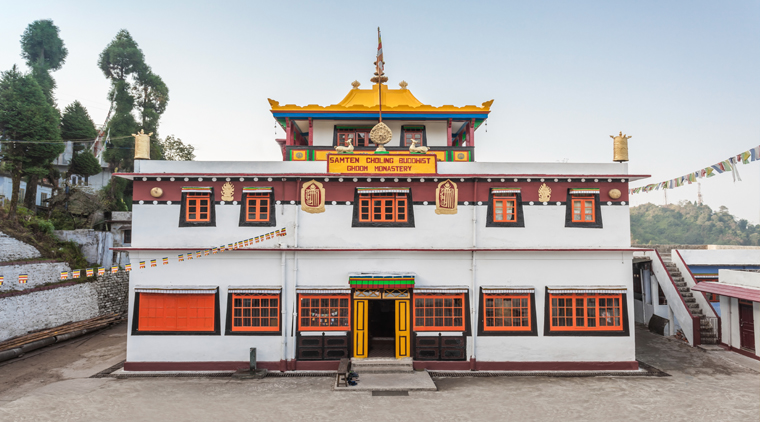 7D / 6N
Dalhousie Khajjiar Dharamshala Tour
- Visit Panchpula means Five Bridges
- Visit Tibetan culture
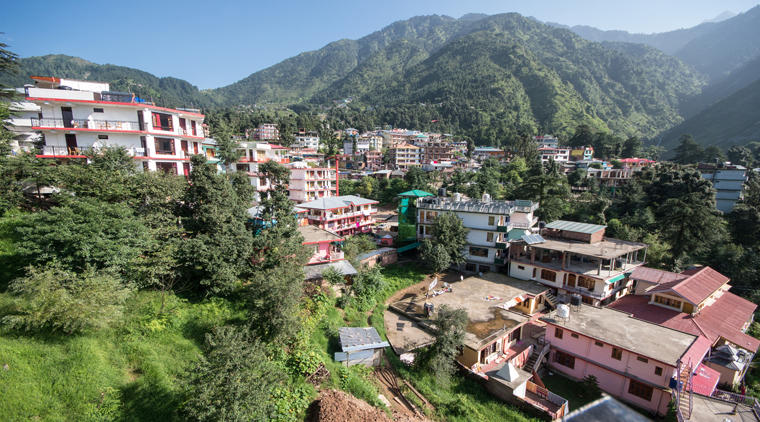 10D / 9N
Himachal Tour Package
- Scenic and beautiful places of Shimla
- Rohtang Pass
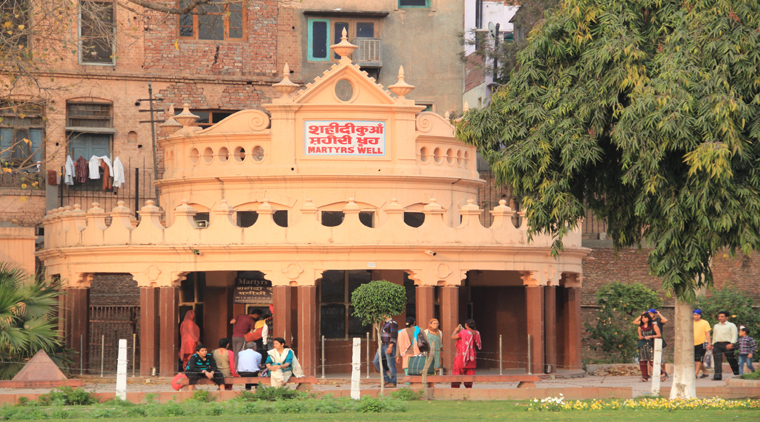 7D / 6N
Amritsar Dalhousie Dharamshala Tour
- Visit Golden Temple
- Visit Jallianwala Bagh & Wagah Border
 5D / 4N
Dalhousie Dharamshala Package
- Visit Kangra Art Museum
- Visit Jwalamukhi Temple
 9D / 8N
Himachal Pradesh Honeymoon Package
- Visit Lakkad Bazaar & Tara Devi
- Visit Kufri and Fagu
 5D / 4N
Dalhousie Tour
- Visit Chamunda Mandir, Brejeshwari Temple
- Visit Meclodganj
 5D / 4N
Mani Mahesh Yatra by Helicopter
- Brahmani Temple
- Manimahesh Lake