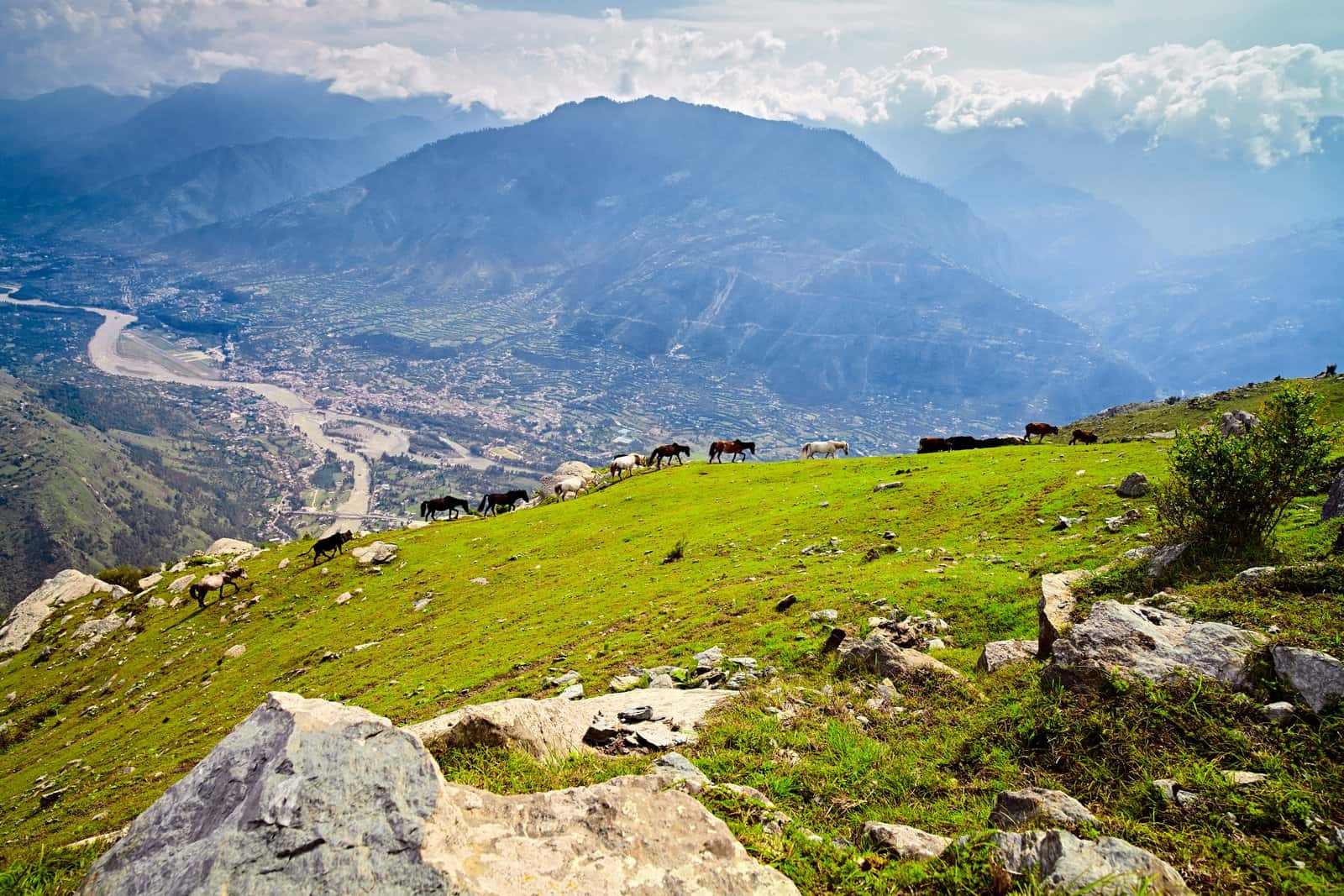
Dharamsala Travel Guide
The best windows are March to June and September to November . The two seasons to plan carefully around are the July to September monsoon and the deep-winter snow.
When to visit Dharamshala and McLeodganj
The best windows are March to June and September to November. The two seasons to plan carefully around are the July to September monsoon and the deep-winter snow.
- March to June: pleasant and greenWarm, clear days ideal for the Triund trek and the temple, with rhododendron in bloom. The most popular window, peaking warm and busy in May and June, so book ahead, especially around long weekends.
- September to November: crisp mountain viewsClear air, sharp Dhauladhar views and fewer crowds, turning cold by late November. Many regulars call autumn the connoisseur's season, with the best visibility of the year.
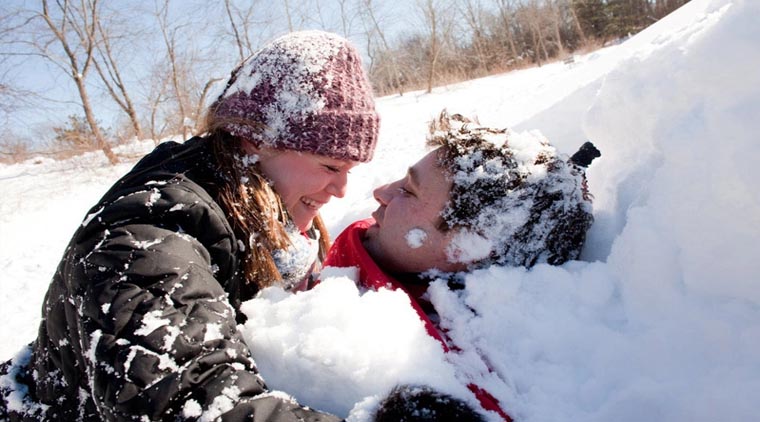
- December to February: cold, with snowCold and quiet, with snow most likely around January, beautiful but with the chance of disrupted roads and flights. Pack warm and keep plans flexible if you are chasing the snow.
- Decide what you are coming forTrekking and green hills point to spring, the clearest views to autumn, and snow to January. The town is lovely in any of them, so pick the experience you want before you book a fixed flight into the small, weather-prone airport.
July to September brings heavy rain and a real risk of landslides and road blockages on the hill routes, slippery or closed trails, and leeches on the forest paths. The hills are lush and quiet then, but build in buffer time, avoid night driving, do not attempt Triund in heavy rain, and check road conditions before you travel in the monsoon.
How to reach Dharamshala
Most people come overnight by road from Delhi, or fly into the small Gaggal airport. McLeodganj, the upper town, is usually where you are heading.
- By air to Gaggal, KangraKangra airport at Gaggal (DHM) is about 13 to 15 km from Dharamshala and about 18 to 20 km from McLeodganj, with IndiGo and SpiceJet flights mainly from Delhi, about an hour and a half, and Chandigarh. The runway is short and operations are daytime only, so flights are weather-sensitive and can be delayed, and a taxi up to McLeodganj takes roughly 45 minutes to an hour.
- By overnight bus or car from DelhiThe most common way is an overnight Volvo bus or a car from Delhi, about 400 to 500 km and 10 to 13 hours, with bus fares from about 600 to 1,800 rupees depending on the class. We arrange a car with an experienced hill driver for comfort and the freedom to stop. Chandigarh is a useful halfway gateway.
- By train via PathankotThere is no direct broad-gauge line to Dharamshala; the usual rail approach is to Pathankot, about 85 km away and well connected to Delhi and Amritsar, then a drive up. The scenic Kangra Valley narrow-gauge toy train was suspended after the 2022 Chakki bridge collapse, but partial services on the upper Kangra to Baijnath and Joginder Nagar stretch resumed from December 2025, while direct Pathankot to Joginder Nagar trains were still awaiting clearance, so treat it as a partly running heritage ride and check the current status first.
Fly into Delhi, the main international gateway, then take a short flight to Gaggal or an overnight Volvo or private car up to McLeodganj. There are no international flights to Dharamshala.
Fly into Delhi and continue by domestic flight to Gaggal or by road. Allow a full travel day to reach the hills comfortably.
Overnight Volvo buses and cars run from Delhi and Chandigarh; trains reach Pathankot, then it is a drive up to Dharamshala. Many travellers pair it with Amritsar on the same loop.
The Dalai Lama temple, and where McLeodganj sits
McLeodganj is the Tibetan upper town with the Dalai Lama's temple complex; lower Dharamshala is the ordinary town below. A couple of temple rules are worth knowing.
- The Tsuglagkhang complexThe Dalai Lama Temple with Namgyal Monastery and the moving Tibet Museum, free to enter and open roughly 8 am to 6 pm, the museum about 5 rupees. Photography is fine in the complex but not inside the Kalachakra temple or during teachings. Walk the kora, the prayer-wheel pilgrim path, clockwise, and keep a quiet, respectful manner, as it is an active monastery and the Dalai Lama's residence.
- McLeodganj, not lower DharamshalaMost visitors want McLeodganj, the upper Tibetan town at about 2,082 m, with the temple, the cafes and the trailheads, or the nearby hamlets of Bhagsu, Dharamkot and Naddi. Lower Dharamshala is the plainer administrative town about 9 km below, so book the upper town unless you have a reason not to.
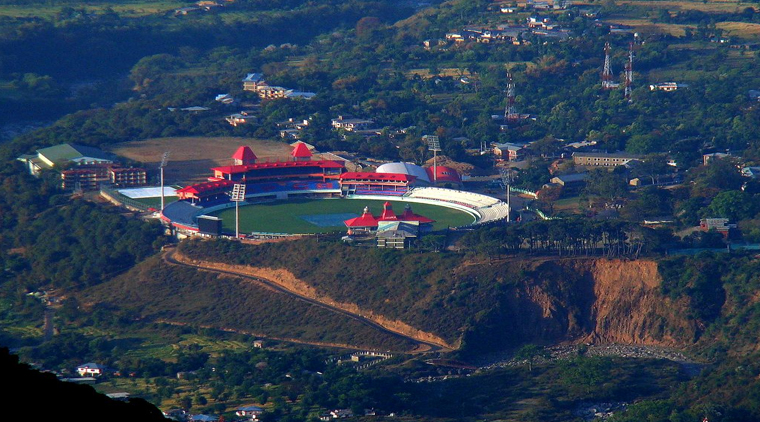
- HPCA cricket stadiumOne of the world's most beautiful cricket grounds, set under the snow-capped Dhauladhar range in lower Dharamshala, with a small cricket museum. Worth a look even on a non-match day, though access to the stands can depend on the day, so check ahead for any fixture or tour.
- Bhagsu, Dharamkot and NaddiThe Bhagsu waterfall and Bhagsunag temple, the laid-back village of Dharamkot with its meditation scene, and the Naddi viewpoint about 4 km out for Dhauladhar sunsets are easy, lovely add-ons around McLeodganj, with the small Dal Lake nearby.
The temple complex is a living place of worship and the Dalai Lama's home. Walk the kora clockwise, follow the photography signs, dress modestly, and during any teaching keep phones silent. The experiences section explains how to attend a public teaching, and sets honest expectations about whether His Holiness will be there.
Signature experiences in McLeodganj
Beyond the temple, these are the experiences people remember, and how to arrange them, from a teaching to the Triund trek and the meditation courses.
- Attend a Dalai Lama teaching, if the dates alignOn set dates a few times a year, when His Holiness is in town, he gives free public teachings. Register in person beforehand at the Branch Security Office on Bhagsunath Road with your passport and two photos and a nominal fee of about 10 rupees, and carry a small FM radio for the live English translation. He is 90 now and travels less, so check the schedule on dalailama.com first and treat an appearance as a bonus, not a certainty.
- The Triund trekThe classic day hike, about 9 km up from the Gallu Devi trailhead through oak and rhododendron to a ridge with huge Dhauladhar views, roughly 3 hours up and easy to moderate. Pay the forest entry fee of about 200 rupees per person at the Gallu check-post, start early, and carry water and layers as the weather turns fast. If you hope to camp, check the current rules first, as overnight stays on the ridge are tightly limited to around 40 people in about 20 tents.
- Meditation and cafe cultureDharamkot above McLeodganj is the meditation heart, with the Tushita centre and an adjacent Vipassana centre running courses that need booking ahead in season. Down in town, Tibetan cafes like Tibet Kitchen, Common Ground, Moonpeak and Lhamo's Croissant make a few slow days a pleasure in themselves.
- Norbulingka InstituteA beautiful centre keeping Tibetan art and crafts alive, about 30 minutes below McLeodganj, open about 9 am to 5:30 pm and usually closed one day a week, often cited as Sunday, entry about 50 to 110 rupees for an Indian visitor and about 200 rupees for a foreign visitor, so check the day before you go. A calm, cultural half-day of thangka painting, woodcarving and gardens.
- The waterfall and village walksEasy walks to the Bhagsu waterfall, around Dharamkot, and out to Naddi for sunset suit those not trekking to Triund, with the small Dal Lake and the Gyuto Monastery, seat of the Karmapa, as gentle add-ons. Scenic and unhurried.
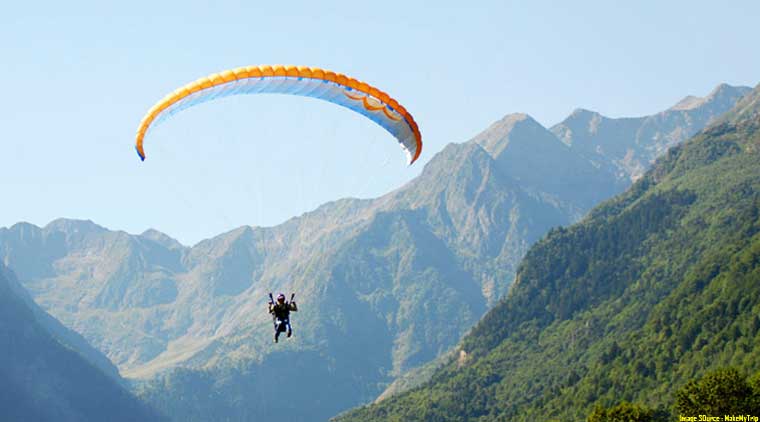
- Paragliding at Bir BillingAbout 65 to 70 km away, Bir Billing is the paragliding capital of India, flyable roughly October to November and March to June and closed in the monsoon. A tandem flight over the Kangra valley is a memorable day trip for the adventurous, best arranged with a licensed operator.
If you do one thing slowly, make it the temple and the kora at the start or end of the day, when the monks chant and the prayer wheels turn. It is free and it is the soul of the place. Give yourself an unhurried morning here before the trek or the cafes, and McLeodganj reveals why people come for a weekend and stay a fortnight.
Where to stay in Dharamshala, and how many nights
Getting the right area is the single most useful decision here. Base in McLeodganj for the temple and cafes, Dharamkot or Naddi for quiet and views, and give it three to four nights.
- McLeodganj: in the thick of itThe main hub, walkable to the temple, the markets and most cafes, and the natural base for first-timers. Busy and steep, with narrow lanes, but you step straight into the scene. Stay here if you want the temple and the buzz on your doorstep.
- Dharamkot and Naddi: quiet and viewsDharamkot, the forested hamlet above McLeodganj, is the calm meditation-and-trekking base and the Triund trailhead area. Naddi, on the ridge about 4 km out, has the best Dhauladhar viewpoint. Both suit couples, writers and anyone wanting mornings of birdsong over market noise.
- Bhagsu and lower DharamshalaBhagsu, just east of McLeodganj by the waterfall, is backpacker-friendly and cheap. Lower Dharamshala is flatter, calmer and less expensive but plainer and a drive from the Tibetan core, which can suit seniors who want level ground and vehicle access to the door.
- Room budgets and how many nightsHostels and guesthouses run about 600 to 1,500 rupees, mid-range hotels about 2,000 to 4,500 rupees, and boutique stays about 6,000 to 12,000 rupees, all spiking in May and June and on snow weekends. Give the area three to four nights: two for McLeodganj and the temple and Bhagsu, plus a day for Triund and a day for Kangra or Bir.
The most common Dharamshala mistake is booking a hotel in lower Dharamshala and finding the temple, the cafes and the trails are all up in McLeodganj, a steep 9 km away. Unless you specifically want the quieter, flatter lower town, book McLeodganj, Bhagsu, Dharamkot or Naddi, and read the area notes above so you pick the one that matches your legs and your mood.
Dharamshala costs and a realistic daily budget
McLeodganj is gentle on the wallet, with a free temple and cheap Tibetan food. Here is what the main things cost so you can plan and avoid being overcharged.
- A rough daily budgetExcluding your room and the long journey in, plan on about 1,200 to 2,500 rupees a day as a backpacker, about 3,500 to 6,500 rupees mid-range, and about 8,000 to 15,000 rupees for a comfortable day with a private taxi and an activity like paragliding.
- The cheap and free sightsThe Tsuglagkhang temple is free, the Tibet Museum about 5 rupees, and the kora and the village walks cost nothing. The Triund entry fee is about 200 rupees per person, Norbulingka about 50 to 110 rupees for an Indian visitor, and Masroor about 25 rupees for an Indian visitor. McLeodganj rewards a traveller on a budget.
- Where the money goesThe bigger spends are the room, a private taxi for day trips to Kangra or Bir, and a paragliding flight at Bir Billing. Tibetan cafe meals are inexpensive, and a teaching is free apart from the about 10 rupee registration. Carry cash, as small cafes and taxis often do not take cards.
- Getting around and payingMcLeodganj is walkable but steep, autos are rare, and you reach Bhagsu, Dharamkot, Naddi, Gallu and the airport mostly by local or shared taxi on union rates. Agree the fare first. Cards and UPI work in bigger hotels and restaurants, but keep cash for the lanes.
Dharamshala is one of the better-value hill destinations in India: the headline experience, the temple and the mountains, is free, and only the room, the taxis and an optional paragliding flight cost real money. Settle taxi fares before you set off, carry enough cash for the cafes and the permit, and a relaxed week here need not be expensive.
Practical logistics: food, drink, altitude and getting around
The small things that make a McLeodganj day smooth, from the Tibetan food and the alcohol rule to the altitude and the steep lanes.
- Eat Tibetan, and try the HimachaliMcLeodganj is one of the best places in India for Tibetan food, the steamed and fried momos, the noodle soups thukpa and thenthuk, and butter tea, with cafes like Tibet Kitchen, Common Ground and Moonpeak. Try the local Himachali siddu and madra too. A momo cooking class is an easy, fun half-day.
- Alcohol and the Buddhist toneUnlike Gujarat, Himachal Pradesh is not a dry state, so alcohol is legally and easily available. McLeodganj keeps a quiet Buddhist tone around the temple, though, with drinking low-key in cafes and bars rather than a rowdy nightlife. Be respectful near the monastery and the meditation centres.
- Mind the altitude and the lanesMcLeodganj sits at about 2,082 m and Triund at about 2,850 to 2,975 m. Serious mountain sickness is uncommon, but a fast same-day Triund climb can bring a mild headache, so hydrate and do not rush. The town lanes are steep and uneven, tiring on the knees, so pace yourself and use taxis on the climbs.
- Money, SIM and languageCarry cash for the cafes, taxis and the permit, and use cards or UPI in bigger hotels. Mobile coverage in town is generally fine. Hindi and Pahari are the local languages, Tibetan is widely spoken in the Tibetan community, and English is easy to use across the cafe and tourist trade.
Safety, the trek, and staying well
McLeodganj is friendly and relatively safe, but the monsoon roads, the Triund weather and the steep lanes are the things to respect. A little awareness keeps the trip happy.
- Monsoon landslidesJuly to September brings a real risk of landslides, road blockages and trail closures, and the Triund trail can be officially closed in heavy rain. Avoid trekking in active monsoon, build in buffer time on the roads, and do not drive the hill routes at night in the rain.
- Trekking weather and altitudeThe Dhauladhar weather turns fast, so carry layers and a rain shell even on a clear morning, start Triund early to be down by dark, and take a guide for Snowline and Laka Got beyond the ridge. Watch for a headache or breathlessness on a fast climb, and descend if it worsens.
- The steep lanes, leeches and animalsThe narrow, steep lanes are hard on knees, prams and wheelchairs, so choose a stay that suits your legs. Leeches appear on the forest paths in the monsoon, so carry salt or repellent if you trek then, and do not carry visible food near the monkeys around the temple and forest fringes.
- General safetyDharamshala is an orderly, welcoming place with a large international community. Keep to standard precautions, watch your footing on wet steps, and use a known taxi at night rather than walking an unlit trail alone.
McLeodganj and Dharamkot have a strong reputation as one of the safer, more relaxed places in north India for solo women, helped by the Tibetan and monastic culture, the large international backpacker community and the active, well-used streets into the evening. The usual care applies, to avoid isolated trails alone after dark and prefer the busier lanes, but many solo travellers rate it among the easiest stops in the north to travel alone.
Dharamshala for every kind of traveller, and on access
McLeodganj rewards very different visitors in different ways. Here is what it offers you, and the one tip that matters for each, including how a senior enjoys it comfortably.
- CouplesA romantic, soulful hill town: monastery mornings, cafe afternoons, Naddi sunsets and easy walks. Stay in Naddi or Dharamkot for the views and the quiet, and an unhurried pace is the whole point.
- Backpackers and solo travellersA long-loved traveller hub with cheap stays, great cafes, meditation courses and the Triund trek, and among the safer destinations in north India for solo women. Easy to reach by overnight bus and a fine place to slow down for a week.
- Families with childrenThe temple, the waterfall, the cricket stadium and gentle village walks keep families happy. The steep lanes are hard with prams or toddlers, so base somewhere with vehicle access, and skip the full Triund climb in favour of Bhagsu and Dharamkot with young children.
- Senior travellers and on accessibilityDoable with care, but the steep, uneven lanes are the real obstacle. Base somewhere flatter such as lower Dharamshala or a stay with vehicle access to the door, use taxis rather than walking the hills, take the temple and Norbulingka gently, skip Triund for the easy Naddi viewpoint, and avoid the monsoon for surer roads.
- Trekkers and the activeTriund is the headline, with Snowline, Laka Got and the two-day Kareri Lake trek for the fit and acclimatised, and paragliding at Bir Billing. Get the permit, check the weather, and take a local guide for the higher routes.
- Spiritual and meditation seekersThe heart of Tibetan Buddhism in India: teachings when His Holiness is in town, the Tushita and Vipassana courses in Dharamkot, Norbulingka and the Tibet Museum. Come with time, book courses ahead, and bring an open, unhurried mind.
A suggested Dharamshala itinerary
How to shape three unhurried days around the temple, the Triund trek and a heritage or paragliding day trip, with a lighter version for those not trekking.
- Day one, McLeodganj coreA morning at the Tsuglagkhang temple, the kora walk and the Tibet Museum, lunch at a Tibetan cafe, then the Bhagsunag temple and waterfall in the afternoon and the McLeodganj market and a cafe in the evening. If a teaching is on, register the day before and attend the morning session.
- Day two, Triund or the gentle versionAn early start from the Gallu Devi trailhead, up about 9 km to the Triund ridge for the Dhauladhar views, and down by evening, with the forest permit paid at Gallu. If you would rather not trek, spend the day in Dharamkot, at the Naddi viewpoint and the small Dal Lake instead.
- Day three, culture or a day tripChoose one: the Norbulingka Institute with the Gyuto Monastery and St John in the Wilderness church, or a Kangra heritage day of the Kangra Fort, the Masroor rock-cut temples and the Brajeshwari Devi temple, or a paragliding day at Bir Billing in season.
- How long overallTwo to three core days cover McLeodganj, the temple and the walks; add a day or two for Triund and a Kangra or Bir trip, and a relaxed four to five days suits most. Meditators settle in for a course of a week or more.
Two things break a tight Dharamshala plan: the monsoon, when landslides and a closed Triund trail can swallow a day, and arriving at Gallu without the forest permit or starting the trek too late. Keep Triund off heavy-rain days, start it early with the permit in hand, and treat any Dalai Lama teaching as a fixed-date bonus you build the trip around only after checking dalailama.com.
The real questions travellers ask about Dharamshala
Straight answers to the questions that come up again and again on traveller forums, so you arrive already knowing the score.
- McLeodganj or lower Dharamshala?Stay in McLeodganj, the upper Tibetan town, for the temple, the cafes and the walkable atmosphere, or Dharamkot and Naddi for views and quiet. Choose lower Dharamshala only if you want flatter, cheaper, calmer ground, since the sights are all up the hill.
- Is Triund difficult, and can I camp?It is easy to moderate, about 9 km and three hours up, fine for a reasonably fit beginner who starts early. You pay the forest entry fee, about 200 rupees per person, at Gallu. Overnight camping on the ridge is tightly limited to around 40 people in about 20 tents, so confirm the current rules before booking a camping night.
- Can I actually see the Dalai Lama?Only during scheduled public teachings, which you register for in person beforehand, and only when His Holiness is in town. He is 90 now and travels less, so there is no guarantee. Check the schedule on dalailama.com before you build a trip around it, and enjoy the temple regardless.
- Is McLeodganj worth it, or too touristy?The core market is busy and commercial, but the temple, the Tibetan culture and the Triund views are the real thing. Escape the crowds to Dharamkot, Naddi or a Vipassana course and it rewards you. Come for the spirit and the mountains, not for nightlife.
- Bir Billing as a day trip?Yes. Bir Billing, the paragliding capital of India, is about 65 to 70 km and roughly three hours away, flyable October to November and March to June and closed in the monsoon. Go with a licensed operator, and make a full day of it via Palampur's tea gardens.
- When is the best time for snow?December to February, with January the likeliest month for snow in McLeodganj, though it varies year to year. Pack warm and keep plans flexible, as snow can disrupt the roads and the small airport.
Planning Dharamshala from abroad
McLeodganj, Little Lhasa, is one of India's great spiritual and trekking draws for foreign visitors. A little planning around the teachings, the permit and the roads makes it smooth.
- Fly to Delhi, then up to the hillsDelhi is the main international gateway. From there take a short flight to Gaggal or an overnight Volvo or private car up to McLeodganj, allowing a full day for the mountain leg either way. The small airport is weather-prone, so keep a buffer if you fly.
- Stay in McLeodganj for the Tibetan heartBook the upper town, McLeodganj, Bhagsu or Dharamkot, for the temple, the cafes, the meditation courses and the trailheads. It is the Little Lhasa most foreign visitors come for, the spiritual centre of the Tibetan world in exile.
- Set honest expectations on the teachingsPublic teachings are free but happen only on set dates when His Holiness, now 90, is in town, and you must register in person first. Check dalailama.com before you fly, and treat seeing the Dalai Lama as a possible highlight rather than a sure thing, with the temple and the mountains the real reward.
- Combine it with Amritsar or the Golden TriangleMcLeodganj pairs naturally with Amritsar and the Golden Temple via the Pathankot route for a Punjab and hills loop, or folds onto a longer Golden Triangle of Delhi, Agra and Jaipur for a first trip to India. Avoid the July to September monsoon for surer hill roads.
Attending a teaching, joining a course, and the practical basics
The two things an overseas visitor most often comes for, a Dalai Lama teaching and a meditation course, both need a little advance planning. Here is how, plus the money and SIM basics.
- Register for a teaching in personForeigners register the same way as everyone else, in person at the Branch Security Office on Bhagsunath Road, with your passport and two passport photos and a nominal fee of about 10 rupees. Registration opens a few days before a teaching and closes the day before it starts. Bring a small FM radio and earphones for the live English translation.
- Join a meditation courseDharamkot above McLeodganj is the meditation centre of the area, with the Tushita centre running introductory and longer Tibetan Buddhist courses and an adjacent Goenka-tradition Vipassana centre. Courses run from a few days to ten and fill up in season, so book ahead through their own sites rather than turning up.
- Cash, cards and a SIMCarry cash for the cafes, the local taxis and the temple registration, and use cards or UPI in bigger hotels and restaurants. Pick up an Indian tourist SIM or an eSIM when you land in Delhi rather than hunting for one in the hills, and coverage in town is generally fine.
- Pace it for comfort and weatherThe lanes are steep, so choose your stay to suit your legs and use taxis on the climbs. Pack layers, as evenings are cold even in summer and the altitude is moderate, and avoid the monsoon months for surer roads and open trails.
McLeodganj is an unusually gentle introduction to India: small, walkable, deeply atmospheric and full of a calm, international traveller community. Slot it after Delhi or Amritsar, give it three or four nights, and let the temple, a meditation morning and the Triund views be the slow, soulful chapter of a wider trip. Many overseas visitors find it the part of India they return to.
How a quiet British hill station became the heart of Tibet in exile
McLeodganj is named after Sir Donald Friell McLeod, a Lieutenant-Governor of Punjab, and ganj simply means market or neighbourhood; it grew as a British hill station and cantonment from the mid-19th century. Then, at dawn on 4 April 1905, a great earthquake of about magnitude 7.8 devastated the Kangra region, killing close to 19,800 people and largely flattening the British township, after which McLeodganj lay quiet for decades. Its second life began in 1959, when His Holiness the 14th Dalai Lama fled Tibet, and from around 30 April 1960 he and the Tibetan exile community settled here, establishing the Central Tibetan Administration. The Tibetan settlement, with its monasteries, prayer flags and momo kitchens, earned the town its name, Little Lhasa. So the place you walk through today carries three histories at once, a Scottish administrator's name, the scar of a lost colonial town, and the living heart of a people in exile, which is what gives McLeodganj its unusual, gentle gravity.
Planning a Dharamsala trip?
Our Himachal Pradesh travel experts plan your full journey for you: route, hotels, darshan timings and transport. You get a free day-by-day plan and an exact quote on WhatsApp, usually within a few hours. No payment is needed to get your plan.
Tour packages that visit Dharamsala
Every journey below is private, hand-crafted and fully customizable. Tell us your dates and we tailor the itinerary, the pace and the priests or guides around you.
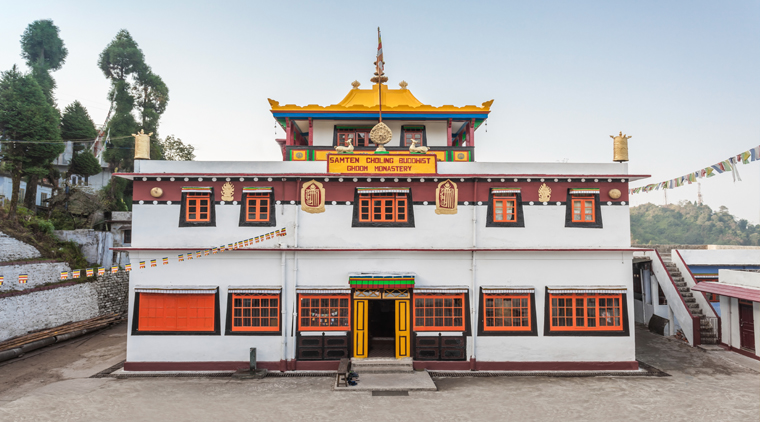 7D / 6N
Dalhousie Khajjiar Dharamshala Tour
- Visit Panchpula means Five Bridges
- Visit Tibetan culture
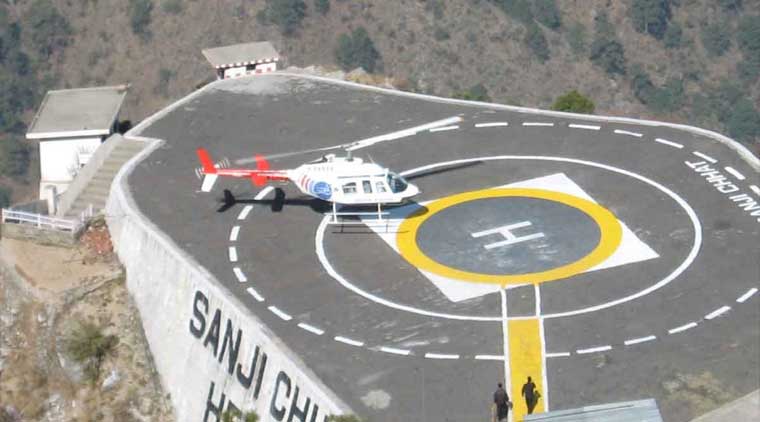 7D / 6N
Nau Devi Yatra
- Visit Rishikesh Sightseeing
- Visit Har-ki-Pauri
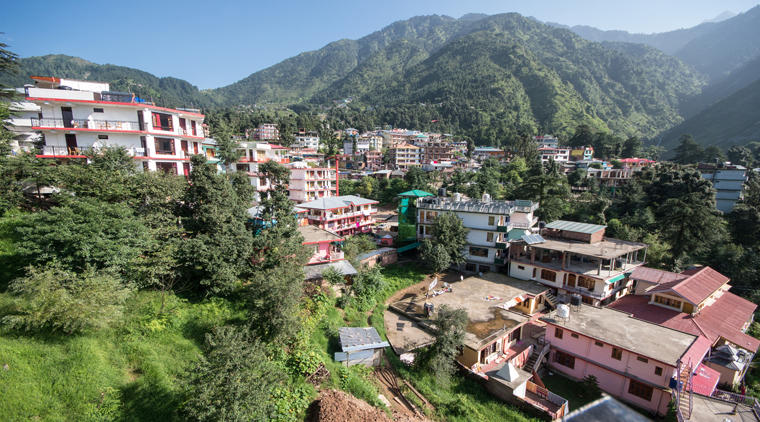 10D / 9N
Himachal Tour Package
- Scenic and beautiful places of Shimla
- Rohtang Pass
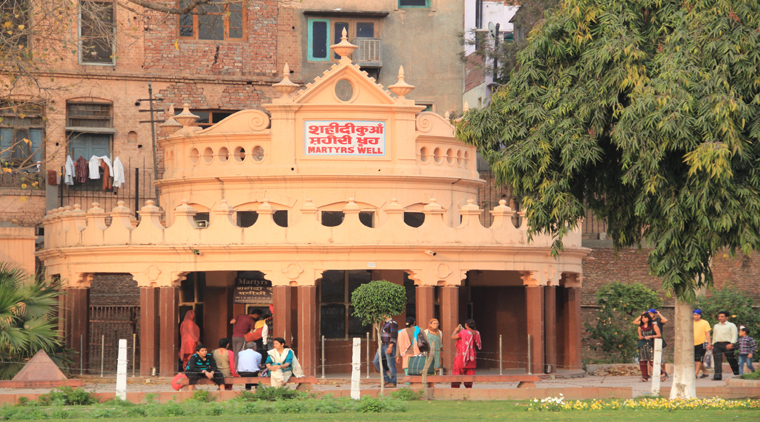 7D / 6N
Amritsar Dalhousie Dharamshala Tour
- Visit Golden Temple
- Visit Jallianwala Bagh & Wagah Border
 5D / 4N
Dalhousie Dharamshala Package
- Visit Kangra Art Museum
- Visit Jwalamukhi Temple
 9D / 8N
Himachal Pradesh Honeymoon Package
- Visit Lakkad Bazaar & Tara Devi
- Visit Kufri and Fagu
 5D / 4N
Dalhousie Tour
- Visit Chamunda Mandir, Brejeshwari Temple
- Visit Meclodganj
 4D / 3N
Dharamshala Tour
- Visit Rock Garden & Botanical Garden
- Visit Galu Devi