
Kullu Travel Guide
For pleasant weather and rafting come March to June or September to October ; the one cultural date to plan around is the Kullu Dussehra in October. The season to avoid is the...
When to visit Kullu, and the Dussehra window
For pleasant weather and rafting come March to June or September to October; the one cultural date to plan around is the Kullu Dussehra in October. The season to avoid is the monsoon, when the Beas valley is prone to floods and landslides.
- March to June: green and good for raftingWarm days and cool evenings, the valley in blossom, and the Beas running well for rafting around Pirdi. This is the most comfortable stretch for sightseeing and the easy valley drives, and the window when the higher day-trips like Rohtang Pass beyond Manali begin to open up.
- September to October: clear skies and the festivalAfter the monsoon the air clears, the rafting reopens for a second window, and the great Kullu Dussehra fills Dhalpur maidan in October. A lovely, lively time to come if you time it well, with the orchards turning and the light at its cleanest for photographs.
- Time it to the DussehraUnlike the rest of India, Kullu's Dussehra BEGINS on Vijayadashami, the day the festival ends elsewhere, and runs for about a week. In 2026 that points to roughly the third or fourth week of October (Vijayadashami falls about 20 to 21 October), but the exact dates are notified each year by the district administration, so tell us early and we reconfirm before booking.
- Winter, if you want the quietFrom about November to February the valley is cold and crowds thin out. The lower valley around Kullu, Naggar and Tirthan stays accessible outside heavy snow, which usually arrives around January on the higher passes like Jalori. A gentle, reflective time, but pack proper layers.
About July to mid-September the Beas valley is prone to heavy rain, flash floods and landslides on the Kullu-Manali highway; the July 2023 floods washed away stretches of the highway and a century-old bridge and killed dozens across Kullu and Mandi districts. If you must travel then, keep plans flexible and build in buffer days. The rafting is also closed during the monsoon for safety.
How to reach Kullu
Kullu has its own small airport at Bhuntar, but flights are few and weather-dependent, so most people come by road from Delhi or Chandigarh up the Beas valley.
- By air to Bhuntar (Kullu-Manali, KUU)Bhuntar airport is only about 10 to 11 km south of Kullu town. As of 2026 Alliance Air is the sole operator, running a small Delhi-Kullu service, about a 1 hour 25 minute direct hop, on only about four to five days a week (the frequency shifts season to season and a flight is sometimes routed via Chandigarh). Mountain weather cancels flights often, so it is convenient when it runs but never something to rely on alone.
- By road via ChandigarhChandigarh is the nearest big railhead and airport, and many travellers fly or train to Chandigarh and drive up the valley to Kullu, a journey of roughly 6 to 7 hours depending on traffic and road works. We arrange a car with an experienced mountain driver, which is the most reliable way in.
- By overnight bus or car from DelhiFrom Delhi the valley is reached by overnight Volvo or HRTC bus, or a private car, covering roughly 500 to 520 km in about 11 to 13 hours via Chandigarh. Comfortable AC sleepers run nightly from ISBT Kashmere Gate to Kullu and Manali.
- The valley road itselfThe road up from Mandi follows the Beas, scenic but winding, so carry motion-sickness medicine if you are prone to it and avoid the monsoon weeks when landslides add hours. Kullu sits below Manali on the same road, about 40 km short of it, so a Kullu base and a Manali base are quite different things.
Fly into Delhi, then take the overnight bus or a private car up the valley, or a short connecting flight to Bhuntar when it runs. There are no international flights to the mountains.
Fly into Delhi and continue by road or a domestic hop to Bhuntar or Chandigarh. Kullu is the valley town below Manali and the gateway to the Great Himalayan National Park.
Come by overnight Volvo from Delhi or Chandigarh, or fly to Bhuntar when weather allows. Chandigarh is the nearest big railhead, with the valley road on from there.
The temples, the valley towns, and what they cost
Kullu is its temples and the gentle valley around it: the Raghunath temple in town, Bijli Mahadev on its ridge, Manikaran's hot springs up the Parvati valley, and Naggar Castle towards Manali.
- Raghunath temple and Dhalpur maidanThe Raghunath temple in Kullu town houses the deity of Lord Raghunath, the central figure of the Dussehra, and the broad Dhalpur maidan nearby is where the great festival is held each October. Quiet most of the year, electric during Dussehra, and free to visit.
- Bijli Mahadev, on its ridgeA Shiva temple at about 2,450 m across the valley, reached by a drive of about 10 to 14 km from Kullu and then a climb on foot of roughly 3 km (about 1.5 to 2 hours up) from the Chansari roadhead. The legend says lightning periodically strikes and shatters the shivling, which the priest re-sets with butter. Note the much-talked-about ropeway is not running yet, so plan to walk.
- Manikaran and Kasol, up the Parvati valleyManikaran, about 35 to 45 km from Kullu, has natural hot springs and the Manikaran Sahib gurudwara where the langar is cooked in the spring water; Kasol, the backpacker town, sits about 4 to 5 km before it. A popular day up the side valley, and entry to the gurudwara is free.
- Naggar Castle and the Roerich galleryAbout 20 km up the valley towards Manali, the medieval Naggar Castle is now an HPTDC heritage hotel, and the nearby Nicholas Roerich art gallery is a peaceful surprise. An easy, gentle half-day and far quieter than Manali.
Upstream of Kullu, the Great Himalayan National Park is a UNESCO World Heritage Site where all movement is on foot. It has two zones: the ecozone or buffer around Gushaini and the Tirthan valley needs NO permit, while the core zone, hours on foot from the road, needs a permit from the park offices (Shamshi near Kullu, Sairopa near Banjar in the Tirthan valley, and Sainj). Core-zone fees are modest, commonly quoted around 100 rupees per day for Indians and about 400 per day for foreign nationals plus camera charges, but the park asks you to confirm current fees, so we reconfirm for you.
Kullu Dussehra, Bijli Mahadev and rafting the Beas
Three things make Kullu its own destination, not just a stop on the way to Manali: the international Dussehra, the lightning temple of Bijli Mahadev, and white-water rafting on the Beas.
- The international Kullu DussehraA roughly seven-day festival in Dhalpur maidan that begins on Vijayadashami, the day Dussehra ends elsewhere in India. It opens with the rath-yatra of Lord Raghunath, and more than 300 village gods and goddesses are carried in from across the valley to honour him. It has been an international event since 1972 and draws several lakh visitors. The exact dates shift each year, so reconfirm for your travel window before booking.
- Bijli Mahadev, the lightning templeOn a high ridge across the valley, reached by a drive of about 10 to 14 km and then a foot climb of roughly 3 km (about 1.5 to 2 hours up). The shivling is said to be struck and shattered by lightning from time to time, then re-set by the priest, which gives the temple its name. The views over the Kullu and Parvati valleys are the reward.
- The ropeway is not running yetA cable car of about 2 to 2.4 km to shorten the climb has been planned and much publicised, but as of 2026 it is still being built and has been delayed and disputed, with local protests, suspended work, and the National Green Tribunal flagging serious lapses. For now you must trek up on foot, so be wary of any operator who promises a ropeway ride, and we reconfirm the status close to your travel.
- White-water rafting on the BeasThe rafting runs mainly around Pirdi and Babeli, a few kilometres from Kullu. A short run of about 7 to 8 km lasts roughly an hour; a longer run extends to about 14 km or more. Rapids are about Grade II to III, fine for first-timers with a good operator. Rates are commonly quoted from around 700 rupees for the short run up to about 1,500 to 2,000 rupees for the longer one, varying by operator and season.
- Raft only in season, only with a licensed operatorThe rafting season is roughly April to June and again about September to mid-October. It is closed in the monsoon (about July to August) when the water is dangerously high, and not run in deep winter. Use a licensed, insured operator with proper life jackets and a helmet, never the cheapest roadside tout.
Signature experiences in the Kullu valley
Beyond the town, these are the experiences people remember, and how to arrange them well.
- Raft the Beas at PirdiA bracing white-water stretch near Kullu town, gentle enough for first-timers in the open season with a good operator. A fun half-day; we book a licensed, insured provider and agree the run and price before you start.
- Walk up to Bijli MahadevDrive across the valley and climb the roughly 3 km on foot (about 1.5 to 2 hours up) to the ridge-top Shiva temple, for the legend and the wide valley views. Go early, carry water, and remember the ropeway is not yet running, so it is a proper, if short, hike.
- A day up the Parvati valley to Manikaran and KasolDrive up the side valley to Kasol and on to Manikaran, where you can take langar at the gurudwara and feel the natural hot springs. A relaxed, atmospheric day out from Kullu.
- Naggar Castle and the Roerich galleryAn easy, gentle half-day towards Manali: the medieval castle, now a heritage hotel, and the quiet Roerich art gallery in the painter's old home. Lovely for a slower afternoon away from the crowds.
- Trek into the Great Himalayan National ParkFor the keen walker, the Tirthan and Sainj valleys above Kullu lead into the UNESCO-listed park. The ecozone around Gushaini needs no permit for riverside and forest walks, while the core zone is permit-and-foot-only. From a gentle day to multi-day treks, we set it up to suit your fitness with the permit arranged.
- Shop for a genuine Kullu shawlThe valley's signature handloom is the Kullu shawl and the woollen topi. Buy from the Bhuttico cooperative or a shop showing the Geographical Indication and Handloom marks rather than a commission-driven emporium your driver steers you to, and you take home the real thing.
If you do only one thing slowly in the Kullu valley, make it a full day up a side valley rather than a dash between town sights. A morning in the Tirthan ecozone on the forest and riverside walks, or a slow drive up the Parvati valley to Manikaran with langar at the gurudwara, is what people remember long after the shawl shops fade. Give the valley a day at its own pace and it opens up in a way a packed Kullu-Manali coach itinerary never allows.
Where to stay in the Kullu valley, and how many nights
Base in Kullu town for the Dussehra and the lower valley, in Manali for the buzz and the high passes, or in quiet Tirthan and Jibhi to slow right down. Two to four nights covers most plans.
- Kullu town and the lower valleyStay in or near Kullu town if the Dussehra, the Raghunath temple, the rafting at Pirdi and the gentler lower valley are your draw. It is calmer and more local than Manali, with simpler hotels, and close to Bhuntar airport. Best for festival-goers and anyone who wants the valley without the resort crowds.
- Manali, up the roadMost Kullu-Manali packages actually base you in Manali, about 40 km above Kullu, which has the widest choice of hotels, the cafe and market buzz, and the jumping-off point for Solang and Rohtang Pass. Choose it for honeymoon comfort and the high-mountain day-trips, not for the quiet.
- Tirthan and Jibhi: the quiet alternativeIncreasingly travellers skip the Manali rush for the riverside homestays of the Tirthan valley near Gushaini and Jibhi over the Jalori Pass, on the edge of the Great Himalayan National Park. Forest walks, trout streams and small homestays, accessible outside deep-winter snow. The natural base for slow travel and the park.
- How many nightsGive the valley two to four nights. Two covers Kullu town, the rafting and a side-valley day; three or four lets you add Manali and the high passes, or settle into Tirthan, or catch the full sweep of the Dussehra. A single night only scratches the surface on a Kullu-Manali dash.
During the Kullu Dussehra in October, hotels in and around Kullu town fill weeks ahead and rates rise sharply. If your dates fall on the festival, book well in advance, or base a little down the valley and commute in for the procession. Tell us early and we lock rooms before they vanish.
Kullu costs and a realistic daily budget
The Kullu valley is gentle on the wallet outside Dussehra week. Here is what the main things cost so you can plan and avoid being overcharged.
- The fixed-ish pricesThe temples are free. Beas rafting is commonly about 700 rupees for the short run and about 1,500 to 2,000 rupees for the longer one. The Great Himalayan National Park core zone is commonly about 100 rupees per day for Indians and about 400 per day for foreign nationals plus camera charges, while the Tirthan ecozone needs no permit at all.
- Getting around the valleyA car with driver for valley sightseeing is the practical way to do Kullu, and we quote it up front. Local taxi-union rates are fixed and drivers earn commission steering you to shops, so agree the day's plan and fare in advance rather than paying piecemeal on the road.
- Shopping, honestly pricedA genuine pure-pashmina Kullu shawl has commonly been priced around 4,500 to 6,000 rupees and other Kullu wool shawls and stoles around 600 to 1,500 rupees at the Bhuttico cooperative. Treat much lower roadside prices as a sign of a blend or a fake, and look for the Geographical Indication and Handloom marks.
- Cash and cardsHotels, bigger restaurants and the cooperative take cards or UPI, but homestays, small eateries, the rafting touts and roadside stalls run on cash. There are bank ATMs in Kullu town and Bhuntar, so carry enough cash for the day, especially up the side valleys where signal and machines are scarce.
Everything except the temples and the park fee is negotiable or commission-driven in the Kullu valley, so the single habit that keeps costs honest is to agree the price before anything begins, whether that is the car for the day, the rafting run, or a shawl. Settle it first and the valley's only real friction, the steering to commission shops and the high quote to visitors, simply disappears.
Practical logistics: the road, the passes, money and signal
The small things that make a Kullu valley trip smooth, from the winding valley road and the Rohtang permit to ATMs, signal and the genuine-shawl steer.
- The winding valley roadThe drive up the Beas from Mandi is scenic but winding, so carry motion-sickness medicine if you are prone to it. Start day-trips early to beat traffic and the afternoon weather, and never plan a tight schedule through the monsoon weeks when landslides can add hours or close the road.
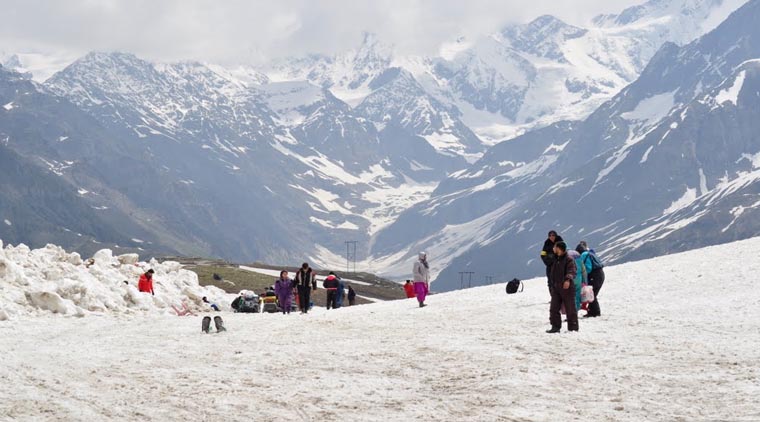
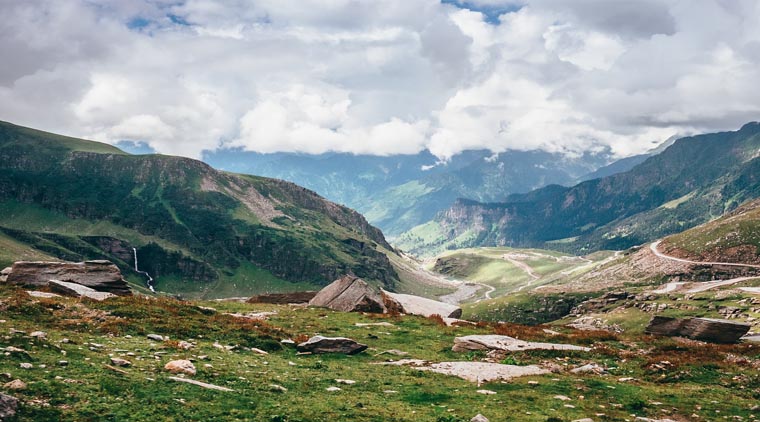
- Rohtang Pass needs a permit and opens lateIf you go up to Rohtang Pass beyond Manali, it is open only roughly June to October, and the National Green Tribunal caps the vehicles allowed up each day, so a permit is required and slots fill. We arrange the permit and an early start; do not assume you can simply drive up on the day.
- Money, signal and languageCarry cash for homestays, small eateries and the side valleys, where ATMs and mobile signal thin out. Hindi is widely spoken and English is understood in the tourist trade. BSNL and Jio tend to have the best reach up the side valleys, so a local SIM helps if you are heading to Tirthan or the park.
- Buying a genuine Kullu shawlThe valley is famous for handloom shawls and the woollen topi. Buy from the Bhuttico cooperative or a shop showing the Geographical Indication and Handloom marks, not from an emporium a commission-earning driver insists on. The mark, not the sales patter, is what tells you it is real.
Safety, the river, the monsoon and a few traps
The Kullu valley is friendly and easy, but the river, the season and a few touts ask for a little care. A little awareness keeps the trip happy.
- Raft only with a licensed operator, never in the monsoonRoadside touts undercut on price by skipping insurance, life jackets and trained guides. The Beas has real Grade II to III rapids, so book only a licensed, insured operator with proper kit and a helmet, never the cheapest sign on the riverbank, and never raft in the monsoon when the water is high.
- Do not travel the valley blind in the monsoonAbout July to mid-September the Beas can flood and the Kullu-Manali highway can be blocked or washed out by landslides, as in the deadly 2023 floods. If you go then, build in buffer days, follow local advice on road conditions, and keep away from the river edge when it is in spate.
- Watch the taxi-union and commission trapLocal taxi unions set fixed rates and drivers earn commission steering you to particular shawl shops and emporiums. Agree fares and your own sightseeing plan in advance through your operator, and buy only from a shop you chose, ideally the cooperative or a Handloom-marked store.
- Altitude, cold and your healthKullu town is gentle at about 1,200 m, but day-trips to Rohtang Pass climb above 3,900 m, where altitude can affect you, so go slowly, hydrate, and consult your doctor if you have heart or breathing trouble. Carry warm layers even in summer for the high passes, and the usual care with street food and water.
Flights to Bhuntar are few, run only about four to five days a week, and are weather-dependent and cancelled often. If you fly in, keep your onward plans flexible and build in a buffer day. For an important date like the Dussehra or a return flight home, consider flying to Chandigarh and driving up, which is slower but far more reliable than gambling on a mountain-weather slot.
Kullu for every kind of traveller
The Kullu valley works for festival-goers, families, older parents and adventurers alike. Here is the one tip that matters for each.
- Couples and honeymoonersPair the gentle Kullu valley with Manali up the road: a riverside lunch, the quiet of Naggar Castle, and an easy day to Manikaran's hot springs. Calmer and more local than the Manali bustle, and Tirthan adds a romantic, off-grid night.
- Families with childrenEasy and joyful, with rafting in the open season for older kids, the hot springs at Manikaran, and the colour and music of the Dussehra fair if you time it. Keep little ones off the high passes and the monsoon roads.
- Senior travellersVery doable at a gentle pace. Enjoy the valley drives, Naggar and Manikaran by car, the Tirthan riverside walks, and the Dussehra from the maidan, but skip the steep Bijli Mahadev climb, since the ropeway is not running yet. Choose a hotel with easy access rather than many stairs.
- Adventure and backpackersRafting on the Beas, the Bijli Mahadev hike, and the treks into the Great Himalayan National Park from the Tirthan and Sainj valleys. Kasol up the Parvati valley is the budget-cafe base, and Jibhi the quieter one.
- Solo travellersFriendly and well-trodden, with an easy traveller scene in Kasol and Jibhi and plenty of day trips to join. Use licensed operators for rafting and treks and keep an eye on the river and the weather.
- PhotographersThe Dussehra procession and the village deities in October, the ridge-top temple at Bijli Mahadev, the deodar valley around Naggar, and the Beas in spate. Clear post-monsoon mornings give the cleanest light.
A suggested Kullu valley itinerary
How to shape two to four unhurried days so you see the town, the river, a side valley and, if you time it, the Dussehra.
- Day one: Kullu town and the riverSettle in, visit the Raghunath temple and Dhalpur maidan, and if it is the open season raft the Beas at Pirdi in the afternoon. An easy first day to find the valley's rhythm after the long drive in.
- Day two: a side valleyChoose the Parvati valley to Kasol and Manikaran for the hot springs and langar, or cross to the Tirthan valley near Gushaini for the riverside and forest walks in the park ecozone. Either is a full, relaxed day.
- Day three: Naggar, or up to ManaliTake the gentle half-day to Naggar Castle and the Roerich gallery, or head up to Manali for the market and, in season, a day to Solang and Rohtang Pass with the permit arranged. The keen walker swaps this for the Bijli Mahadev hike.
- If you are here for the DussehraBuild the trip around the festival week in October: arrive a day before it opens on Vijayadashami, watch the rath-yatra of Lord Raghunath and the gathering of the village deities at Dhalpur, and keep the side-valley days for after the crowds thin. Book rooms well ahead.
The single planning choice that shapes a Kullu valley trip is where you sleep. Base in Kullu town for the Dussehra, the temples, the rafting and the gentler lower valley; base in Manali for the cafes, the wider hotel choice and the high passes; or base in Tirthan or Jibhi to slow right down on the river. Most packages quietly put you in Manali, so if Kullu town and its festival are the point, say so and we plan it that way.
The real questions travellers ask about Kullu
Straight answers to the questions that come up again and again on traveller forums, so you arrive already knowing the score.
- Kullu town or Manali as a base?Base in Kullu town for the Dussehra, the temples, the rafting at Pirdi and a quieter, more local feel; base in Manali for the cafes, the wide hotel choice and the high passes. They are about 40 km apart on the same road, so you can sample both, but most packages put you in Manali by default.
- Is the Bijli Mahadev ropeway running yet?No. As of 2026 it is still being built, has been suspended and is under National Green Tribunal scrutiny, so the temple is still reached on foot by a climb of roughly 3 km. Be wary of any package that sells you a ropeway ride, and plan for the walk.
- Is the Beas rafting safe and when is the season?It is safe for first-timers in season with a licensed, insured operator and proper kit. The season is roughly April to June and again September to mid-October; it is closed in the monsoon when the water is high. Rapids are about Grade II to III, costs about 700 rupees for the short run up to about 1,500 to 2,000 for the longer one.
- Do I need a permit for the Great Himalayan National Park?Only for the core zone, which is hours on foot from the road; the ecozone around Gushaini and Tirthan, with its riverside and forest walks, needs no permit. Core-zone fees are commonly about 100 rupees per day for Indians and about 400 per day for foreign nationals plus camera charges, confirmed at the park offices.
- Is Tirthan or Jibhi a better quiet base than Manali?If you want to disconnect, yes. Travellers increasingly skip the Manali rush for the riverside homestays of Tirthan near Gushaini and Jibhi over the Jalori Pass, which are quieter, greener and on the edge of the park. Manali still wins for variety, nightlife and the high-pass day-trips.
- Is it safe to travel in the monsoon after the 2023 floods?The valley reopened, but the monsoon (about July to mid-September) remains the riskiest window, with flash-flood and landslide risk on the Kullu-Manali highway. If you must travel then, keep plans flexible, build in buffer days, follow local road advice, and stay back from the river when it is in spate.
Planning Kullu from abroad
Kullu is the cultural heart of the valley below Manali, and its Dussehra is a once-a-year gathering of village gods worth timing a trip around. A little planning makes the valley comfortable for everyone.
- Time a trip to the Kullu DussehraIf a cultural highlight is the dream, the international Kullu Dussehra in October is unlike anything else: it begins on Vijayadashami, runs about a week, and brings more than 300 village deities to Dhalpur maidan. The exact dates shift each year, so tell us early and we line up your valley days with the official notification.
- Plan the journey from DelhiFly into Delhi, then take a comfortable overnight Volvo or a private car up the valley, or a short connecting flight to Bhuntar when it runs (flights are few, only about four to five days a week, and weather-dependent). Allow a rest day after the long drive before any walks.
- Gentle and senior-friendlyThe valley itself is easy: Naggar Castle, Manikaran's hot springs, the Tirthan riverside and the Dussehra maidan are all reachable by car. Skip the steep Bijli Mahadev climb for older parents, as the ropeway is not running yet, and avoid the monsoon roads.
- The Great Himalayan National Park for foreign nationalsFor keen walkers, the UNESCO-listed park above Kullu is a rare wilderness, all on foot. The Tirthan ecozone needs no permit; for the core zone foreign nationals have commonly paid around 400 rupees per day entry plus camera charges, but fees should be reconfirmed, which we do, along with the permit at Sairopa or Shamshi.
Money, connectivity and timing for foreign visitors
The practical basics an overseas traveller needs for the Kullu valley: cash, a SIM that works up the side valleys, the weather-dependent flight, and how many days to give it.
- Carry cash, get a SIM in DelhiCards and UPI work in hotels and bigger shops, but homestays, small eateries and the side valleys run on cash, so draw enough in Kullu town or Bhuntar. Pick up an Indian tourist SIM or eSIM when you land in Delhi; BSNL and Jio reach furthest up the Tirthan and Parvati valleys.
- The flight is a bonus, not a planThe Bhuntar flight from Delhi is convenient when it runs, but it is only about four to five days a week and weather cancels it often. Treat it as a nice-to-have and keep a road fallback via Chandigarh, especially for the journey home, so a cancelled mountain flight never strands you.
- How long to give it on a bigger tripOn a first Himalaya trip, two to four nights in the Kullu valley sits well between Delhi or Amritsar and Manali or Spiti: enough for the town, a side valley and the rafting, or a slow Tirthan stay, without rushing. Add nights if you are timing the Dussehra.
- Dress, etiquette and the holy sitesCover shoulders and knees at the temples and the Manikaran gurudwara, cover your head in the gurudwara, remove shoes where asked, and ask before photographing people at prayer during the Dussehra. The valley is conservative and warm, and a little courtesy goes a long way.
The Kullu valley is a gentle introduction to the Indian mountains: a short flight or an overnight drive from Delhi, a real festival in the Dussehra, soft riverside walks in the Tirthan ecozone, and the bustle of Manali up the road when you want it. Give it a few unhurried days rather than one night on a coach tour, lean on a local driver for the winding roads, and you get the Himalaya without the hardship of the far north.
Why the festival begins when Dussehra ends everywhere else
Kullu is the Valley of the Gods, and its Dussehra is unlike any other in India: it BEGINS on Vijayadashami, the very day the festival ends across the rest of the country, and runs for about a week. The tradition is tied to Lord Raghunath, a form of Rama, whose deity was brought to the valley in the seventeenth century by Raja Jagat Singh as penance, after which the king is said to have ruled in Raghunath's name. Each October the village deities of the whole valley, more than three hundred of them, are carried down from their hamlets in palanquins to pay their respects to Raghunath at the Dhalpur maidan, opening with the great rath-yatra in which the god's chariot is pulled by the gathered crowd. It was declared an international festival in 1972, and today draws several lakh visitors. The story of Raghunath's arrival is preserved in regional and temple tradition rather than a single fixed scripture, so we tell it as the valley tells it, and we always reconfirm the exact festival dates with the Kullu district administration before any trip is booked.
Planning a Kullu trip?
Our Himachal Pradesh travel experts plan your full journey for you: route, hotels, darshan timings and transport. You get a free day-by-day plan and an exact quote on WhatsApp, usually within a few hours. No payment is needed to get your plan.
Tour packages that visit Kullu
Every journey below is private, hand-crafted and fully customizable. Tell us your dates and we tailor the itinerary, the pace and the priests or guides around you.
 7D / 6N
Kullu Manali Tour Package from Hyderabad
- Visit Chail Palace
- Visit Chail Gurdwara
 8D / 7N
Kullu Manali Tour Package from Ahmedabad
- Visit Chadwick Falls
- View Scandal Point
 7D / 6N
Shimla Tour Package from Delhi for Couples
- The Mall Road
- Jakhu Hanuman Temple
Kullu Manali Tour Package from Pune
- Visit Chail Palace
- Visit Buddhist Monasteries
 7D / 6N
Kullu Manali Tour Package from Delhi
- Visit Jakhoo Hill and Temple
- Visit Solang Valley
 5D / 4N
Kullu Manali Tour
- Bijli Mahadev Temple
- Shringi Rishi Temple