
Manali Travel Guide
For pleasant weather and the passes opening, come March to June ; for snow and winter sports, come December to February . The one season to plan around is the monsoon, when the...
When to visit Manali, and when it snows
For pleasant weather and the passes opening, come March to June; for snow and winter sports, come December to February. The one season to plan around is the monsoon, when the highway is prone to landslides.
- March to June: pleasant and greenWarm days, cool evenings, the valley in apple blossom, and the high passes opening up from about mid-May. The most comfortable window for sightseeing, Solang Valley and the drive up to Rohtang or through the Atal Tunnel. It is also the busiest, so book ahead and expect crowds on long weekends.
- December to February: snow and winter sportsCold and often snowbound, beautiful for snow play and skiing at Solang. Carry serious warm layers, and expect Rohtang and the higher passes to be closed by snow, though the Atal Tunnel keeps Sissu and the Lahaul snow within reach all winter.
- Avoid the monsoon, July to mid-SeptemberHeavy rain brings frequent landslides and road blocks on the Chandigarh to Manali highway, and these can cost you days, not hours. If you must travel then, keep your plans flexible, build in buffer days, and follow local advice on road conditions before you set out each morning.
- September to November: the quiet shoulderAfter the rains clear, late September into November is a lovely, calmer time, with crisp air, autumn colour and thinner crowds, though Rohtang may close for the season from around late October or November depending on the first heavy snow.
Rohtang Pass and the roads beyond to Lahaul, Spiti and Leh open only in the warmer months, roughly mid-May to October or November, and Rohtang is closed every Tuesday for maintenance. The Atal Tunnel, by contrast, stays open all year, so you can reach snow at Sissu even in deep winter. Time any Ladakh or Spiti add-on to the summer window and reconfirm the season on the official Himachal Tourism and Border Roads sources before you commit.
How to reach Manali from Delhi or Chandigarh
Manali has no train and only a small airport nearby, so most people come by road from Delhi or Chandigarh. It is a long but beautiful journey, and the monsoon weeks are the ones to avoid.
- By overnight bus from DelhiThe most popular way: an overnight Volvo, Scania or HRTC bus covers the roughly 530 to 550 km in about 12 to 14 hours via Chandigarh. The HRTC AC premium fare runs roughly 1,400 to 1,500 rupees one way, with cheaper ordinary and non-AC buses from around 800 rupees; book ahead on the official HRTC portal or a reputable agent, and for a family we can arrange a private car instead.
- By road via ChandigarhChandigarh is the nearest big railhead, about 290 to 310 km and roughly 7 to 9 hours from Manali on the highway. Many travellers take a train or flight to Chandigarh and drive up from there, usually with a meal halt, which breaks the long journey sensibly.
- By air to Bhuntar (Kullu-Manali)The nearest airport is Bhuntar, code KUU, about 50 km from Manali, roughly a 1.5 to 2 hour drive, with only limited flights, Alliance Air being the main operator. The short runway and mountain weather mean flights are often delayed or cancelled, so most people still prefer the road and keep the flight as a time-saving gamble rather than a sure thing.
- The drive itselfIt is long and winding, so carry motion-sickness medicine if you are prone to it, break the journey, and avoid the monsoon weeks when landslides can add hours or close the road entirely. The mountain scenery, the Beas river alongside, and the apple orchards make up for the time.
Fly into Delhi, then take a comfortable overnight Volvo or a private car up to Manali, or a short connecting flight to Bhuntar. There are no international flights to the mountains, so Delhi is your hub for the Himachal leg.
Fly into Delhi and continue by road or a domestic hop to Bhuntar or Chandigarh. Manali is also the gateway to the Lahaul, Spiti and Leh road trips beyond, all of them summer-only.
Come by overnight Volvo or HRTC bus from Delhi or Chandigarh, or fly to Bhuntar. Chandigarh is the nearest big railhead, with road on from there; book the premium AC bus early in peak season as the popular night services sell out.
Hadimba temple, Vashisht and Old Manali
The town itself is gentle and walkable: an ancient wooden temple in a deodar wood, hot springs across the river, riverside cafes, the Manu temple and the Mall Road bazaar.
- Hadimba (Dhungri) templeA beautiful wooden temple built in the 16th century among tall deodar trees, dedicated to the goddess Hadimba, wife of Bhima from the Mahabharata. Quiet, atmospheric and an easy walk from the Mall; it is generally open about 8 am to 6 pm with no entry fee. Go early to beat the tour-bus crowds and the queue for photos.
- Vashisht hot springs and templeA short drive across the river, this old village has natural hot sulphur springs, fed from deep granite, in stone bathing tanks beside the Vashisht temple, with small cafes in its lanes. Bathing is free, and it is a lovely way to thaw out after a cold day. Separate tanks for men and women; dress and behave modestly as it is a temple.
- Old Manali and the Manu templeUp the hill across the Manalsu stream, Old Manali has indie shops, riverside cafes, live music and a relaxed traveller mood, and the small Manu temple, said to be the only temple in India to the sage Manu. The best place for an unhurried afternoon and a good meal.
- Mall Road and the monasteriesThe main bazaar for woollens, shawls, Kullu caps and Himachali handicrafts, and the Tibetan monasteries with their bright prayer halls. Easy, level walking in the heart of town, though crowded and slow at peak times.
Even in summer the evenings are cold, so carry a warm layer. At the temples, cover your head, shoulders and legs out of respect, and remove shoes where asked. Drink only boiled or bottled water and skip tap-water ice, so a stomach upset does not spoil the trip.
Rohtang Pass, the Atal Tunnel and how to reach snow
The snow and the high mountains are why most people come. Two facts, the Rohtang permit and the Atal Tunnel, decide how, and whether, you reach them.
- Rohtang Pass: permit, quota and Tuesday closureRohtang (about 51 km away, near 3,980 m) usually opens around mid-May and runs to about October or November, and is closed every Tuesday for maintenance. You need an online permit, booked only through the official Rohtang permit portal, because the National Green Tribunal caps tourist vehicles. The car permit is about 550 rupees in total. The daily quota, commonly about 800 petrol and 400 diesel vehicles, releases online in two windows, around 10 am and around 4 pm, and can vanish in minutes, so book the instant it opens or let us arrange it.
- The Atal Tunnel: snow with no permitThe roughly 9 km Atal Tunnel, opened on 3 October 2020, is open all year, day and night, to all vehicles with no permit at all. It carries you under Rohtang to Sissu and the Lahaul valley, so you can reach snow and dramatic peaks even on a Tuesday, in winter, or when the Rohtang quota is sold out. For many visitors, and almost all families with older parents, this is now the easier and saner choice.
- Mind the altitudeRohtang and the high Lahaul roads are genuinely high, and altitude sickness is real. Spend a day in Manali first, go up gently, stay hydrated, do not rush from town to the pass and back in one tired push, and carry medication on a doctor's advice. If you get a bad headache, nausea or breathlessness, come back down, as descending is the reliable cure.
- Gateway to Leh and SpitiManali is the start of the famous Manali-Leh highway and the road to Spiti over Kunzum Pass, both open only in summer; the Manali-Leh highway usually opens around mid to late May and Kunzum around late May to mid-June. If a Ladakh or Spiti road trip is your dream, time it to that window, and note that foreign nationals need a Protected Area or Inner Line Permit for the restricted reaches, which we arrange.
Fresh snow or a landslide can suspend movement on Rohtang and the high roads at short notice, and the Tuesday closure is fixed. Always check the official Rohtang permit portal and current road conditions the evening before you travel, and have the Atal Tunnel and Sissu as your no-permit backup so a closed pass does not write off your snow day.
Signature experiences in Manali
Beyond the snow, these are the experiences people remember, and how to do them well, with the honest steer on price and safety.
- Solang Valley, summer or winterAbout 14 km from town, Solang is the adventure hub: paragliding (commonly from around 1,500 rupees for a short low fly up to about 3,000 rupees or more for a high fly), zorbing (about 500 rupees), the Atal Bihari Vajpayee ropeway (about 650 to 850 rupees return), and skiing and snow play in winter. Use a registered, insured operator, agree the price before you start, and read the safety section below.
- A day to Sissu through the Atal TunnelDrive under the mountains to Sissu in Lahaul, a different, dramatic valley with a waterfall, a lake and snow peaks, with no permit needed. A wonderful, easy day out, and snow within reach for much of the year. Start early to beat the tunnel traffic and be back before the afternoon rush.
- Beas river raftingA bracing white-water stretch on the Beas near Pirdi and Babeli, in the open season, gentle enough for first-timers with a good operator and a proper life jacket. A fun half-day, and one to skip when the river is in heavy spate during the monsoon.
- Cafes and a slow afternoon in Old ManaliCross the stream to Old Manali for riverside cafes, live music and a slow lunch. The antidote to a busy sightseeing day, and lovely for couples and solo travellers settling in for a few days.
- A short Himalayan walkEasy day walks around Manali, through the deodar forest above Hadimba or up to a viewpoint, give you the mountains without a hard trek. We can set up a guided walk to suit your pace, which is a gentle way to acclimatise before any high-altitude trip.
If you do one thing slowly, make it a full day in Lahaul through the Atal Tunnel, ideally on a clear morning. The drive itself, emerging from the tunnel into a completely different, stark valley, is the memory people carry home, more than the crowded snow points. Give it an unhurried day, take the altitude gently, and it beats a frantic dash up a jammed Rohtang road every time.
Where to stay in Manali, and how many nights
Stay on the quiet, leafy outskirts for views and easy parking, in Old Manali for the cafe scene, or near the Mall for the shops. Three to four nights is the comfortable sweet spot.
- Mall Road and central Manali: in the thick of itWalking distance to the bazaar, restaurants and bus stand, and convenient for first-timers, but the busiest and noisiest part of town, with the worst of the traffic and limited parking. Good for a short, shop-and-stroll stay; less restful if you want mountain calm.
- Old Manali and the Manalsu side: the cafe sceneUp across the stream, with riverside cafes, live music, hostels and guesthouses and a relaxed traveller mood. Best for couples, backpackers and anyone wanting a few slow days, though the lanes are steep and not ideal for those with limited mobility.
- Aleo, Prini, Shuru and the outskirts: space and viewsQuieter hotels and resorts a little out of the centre, with valley views, gardens and, crucially, their own parking, away from the town jams. The natural choice for families, seniors and anyone driving up, and only a short cab ride from the Mall.
- How many nightsThree to four nights is the comfortable sweet spot: a day to arrive and acclimatise, a day for the town and Hadimba, a day for Solang, and a day for Lahaul through the Atal Tunnel. Two nights is a tight minimum; a week lets you add Spiti, the Manali-Leh start, or simply slow right down.
On long weekends and through the summer holidays, good hotels with their own parking fill weeks ahead and prices climb steeply. If your dates fall on a peak weekend, book early, pick a stay with its own parking outside the centre, and travel into town by cab rather than fighting for a space on the Mall.
Manali costs and a realistic daily budget
Manali can be done cheaply or in real comfort. Here is what the main things cost, so you can plan and avoid being overcharged on permits, taxis and snow gear.
- A rough daily budgetExcluding your hotel and long-distance transport, plan on about 1,500 to 2,500 rupees a day as a budget traveller, about 3,500 to 6,000 rupees mid-range, and about 7,000 rupees and up for a comfortable day with a private cab, an activity and good meals. The big variable is how many paid adventure activities and cab days you add.
- The permit and activity numbersThe Rohtang car permit is about 550 rupees in total; the Atal Tunnel is free. Solang paragliding runs commonly from around 1,500 rupees for a short fly, zorbing about 500 rupees, and the Solang ropeway about 650 to 850 rupees return. Snow gear (jacket, boots, gloves) is rented at the snow points, so agree the rate before you put it on.
- Taxis and the local unionsLocal sightseeing taxis in the Kullu-Manali area are run largely through the taxi unions, with broadly fixed point-to-point and full-day rates. A full local sightseeing day by cab is best agreed as a clear fixed price in advance; ask your hotel for the going union rate so you have an anchor before you negotiate.
- Cash and cardsCafes, hotels and bigger shops take cards or UPI, but small vendors, snow-point rentals and some taxis run on cash. There are ATMs along the Mall and in the main market, but they can run dry on busy weekends, so carry enough cash for a day or two.
Almost every friction in Manali is a price not agreed in advance: the snow-gear rental, the cab for the day, the pony ride, the paragliding fly. Settle the number, and what is included, before anything begins, and ask your hotel for the local going rate first so you bargain from a real anchor rather than a tourist quote. Do that and the town is genuinely good value.
Practical logistics: the Rohtang permit, traffic and getting around
The practical things that make a Manali trip smooth, from booking the Rohtang permit step by step to beating the traffic and getting around town.
- Register on the official portalUse only the official Rohtang permit portal (the Himachal government site at rohtangpermits.hp.gov.in, which has replaced the older nic.in address). Avoid agents who charge a heavy markup for what is a simple online form; if you would rather not deal with it, we book it as part of your trip.
- Book in the release windowThe daily tourist quota is released online in two windows, commonly around 10 am and around 4 pm. Slots can disappear within minutes on busy days, so be logged in and ready with your vehicle and ID details before the window opens.
- Carry the permit and IDKeep the permit (printed or on your phone) and the matching photo ID and vehicle papers with you; they are checked at the Gulaba barrier on the way up. The permit is date and vehicle specific, so it cannot be transferred.
- Have a Tuesday and sold-out backupRohtang is closed every Tuesday, and the quota can sell out. Keep the Atal Tunnel and Sissu as your no-permit backup so a closed or full Rohtang does not cost you your snow day.
- Beat the trafficPeak-season Manali is genuinely jammed: roughly 4,000 to 5,000 vehicles a day try to use a town with parking for about 1,500, and through-traffic from the Atal Tunnel adds to it, so 10 km crawls up to Solang or on the approach are common. Travel midweek if you can, start any trip at first light, and stay somewhere with its own parking so you are not circling the Mall.
- Getting around townThe Mall, the bazaar and the bus stand are walkable. For Hadimba, Vashisht, Old Manali and Solang, take a local taxi or an auto; the taxi unions set broadly fixed rates, so confirm the fare before you set off.
- SIM, signal and moneyMobile coverage is good in town and patchy to nonexistent up the high passes and in Lahaul, so download offline maps before you head out. ATMs are on the Mall but can run dry on busy weekends, so carry cash.
Safety, altitude, paragliding and mountain roads
Manali is friendly and easy, but the mountains, the altitude and the adventure activities ask for real care. A little awareness keeps the trip happy.
- Altitude sickness is real, even for the fitRohtang and the high Lahaul roads are high enough to make people ill, and it affects fit young travellers too, not just older ones. Spend a day in Manali first, ascend gently, drink plenty of water, do not rush up and back, and carry medication on a doctor's advice. A bad headache, nausea or breathlessness means come down.
- Paragliding: vet the operator, do not just chase the priceParagliding safety in Himachal is a genuine concern. The sport runs under the Aero Sports Rules but oversight is patchy, there have been fatal accidents in the Kullu-Manali belt, and many unregistered fly-by-night pilots operate. Confirm your operator is registered with the local administration, check the equipment and that you are insured, and never let a tout near the snow point rush you into the cheapest flight.
- Mountain roads and the monsoonThe highway is winding and, in the monsoon (July to mid-September), prone to landslides and blocks that can strand traffic for hours or days. Travel with buffer days in the rains, follow local advice on road conditions each morning, and do not push a tired driver on a long mountain night drive.
- Snow, cold and waterIt can be near freezing at the snow points while Manali town is mild, so carry proper layers, gloves and waterproof shoes even in summer. Drink only boiled or bottled water and avoid tap-water ice. Watch your footing on icy steps and snow, where a fall is the most common minor injury.
Manali is well used to independent and solo travellers, and Old Manali in particular has an easy community. Standard precautions apply: prefer registered operators for adventure activities, keep an eye on mountain weather, avoid isolated trails alone, and be wary of the casual drug scene that hangs around parts of Old Manali, which is illegal and best left alone. With sensible care it is one of the more relaxed Himalayan bases to travel solo.
Manali for every kind of traveller, and on access
Manali works for honeymooners, families and older parents alike, in different ways. Here is what it offers you, and the one tip that matters for each, including how a senior visits comfortably.
- Couples and honeymoonersA classic honeymoon hill station: snow at Solang, cosy riverside cafes in Old Manali, and the dramatic Atal Tunnel drive to Lahaul. Stay a little out of the busy centre for the views and the quiet, and keep one slow day for the cafes rather than packing every hour with sightseeing.
- Families with childrenEasy and joyful, with snow play at Solang, the toy-like Hadimba temple in the woods, and a gentle day to Sissu. Keep the altitude in mind, do not rush little ones to Rohtang, pack warm clothes, and use the Atal Tunnel for an easier, lower snow day than the high pass.
- Senior travellers and on accessibilityVery doable at a gentle pace. Prefer the Atal Tunnel and Sissu to the higher, permit-controlled Rohtang climb, take a day in Manali to acclimatise, keep to the level Mall Road and the easy walk to Hadimba in town, and choose a hotel with lift or ground-floor access and its own parking rather than steep Old Manali lanes or many stairs.
- Adventure and backpackersParagliding and skiing at Solang, rafting on the Beas, treks into the Great Himalayan range, and the Manali-Leh and Spiti road trips in summer. Old Manali has the budget cafes, hostels and the traveller scene; just vet any adventure operator for registration and insurance.
- Solo travellersFriendly and well-trodden, with an easy community in Old Manali and plenty of group day trips to join. Use registered operators for any adventure activity, keep an eye on mountain weather, and steer clear of the casual drug scene that lingers in parts of Old Manali.
- PhotographersThe deodar forest around Hadimba, the snow peaks from Solang, the Atal Tunnel road emerging into Lahaul, and the Beas in spate. Early light and clear post-snow mornings give the cleanest shots, and beating the crowds to Hadimba and Sissu at dawn is worth the early start.
A suggested Manali itinerary
How to shape three or four days so you acclimatise first, see the town and the snow without a frantic rush, and keep a backup for a closed pass.
- Day one: arrive and acclimatiseAfter the long drive or flight, take it easy: settle in, stroll the Mall, walk to the Hadimba temple in the deodar wood, and have an early night. A gentle first day lets your body adjust before any high-altitude trip, which matters more than people expect.
- Day two: the town and VashishtOld Manali and the Manu temple in the morning, the Vashisht hot springs and a slow cafe lunch in the afternoon, and the Mall and the monasteries before dinner. An easy, low-altitude day that builds in more acclimatisation.
- Day three: Solang and the snowStart early for Solang Valley before the traffic, for the ropeway, snow play in winter or paragliding with a vetted operator in season. Keep the afternoon flexible, as the road up can jam badly by midday in peak season.
- Day four: Lahaul through the Atal TunnelThe highlight for many: an early start through the Atal Tunnel to Sissu in Lahaul, with no permit needed, for a different, dramatic valley and reliable snow. If you would rather do Rohtang, book the permit in the release window and have the tunnel as your Tuesday and sold-out backup.
The single thing that breaks a tight Manali plan is assuming you can just drive up Rohtang any day. It is closed every Tuesday, needs a quota-limited online permit, and can close on fresh snow. Build your high-altitude day around the permit window and the forecast, and always keep the Atal Tunnel and Sissu as the no-permit fallback so a closed pass never costs you your only snow day.
The real questions travellers ask about Manali
Straight answers to the questions that come up again and again on TripAdvisor, Reddit and the forums, so you arrive already knowing the score.
- Do I really need a permit for Rohtang?Yes, for Rohtang Pass you need an online permit through the official portal, the car total is about 550 rupees, the daily quota is limited and releases in two windows, and the pass is closed every Tuesday. For Sissu and Lahaul snow through the Atal Tunnel you need no permit at all.
- Can I see snow without the permit hassle?Yes. The Atal Tunnel takes you to Sissu and the Lahaul snow all year with no permit, which is simpler than the Rohtang lottery and works even on a Tuesday or in deep winter. Solang also has snow play in winter without a pass permit. The permit is only for Rohtang itself.
- Can elderly parents handle Rohtang and the altitude?Be cautious. Rohtang is near 3,980 m and the thin air and cold are hard on older travellers, especially with heart or breathing conditions. The gentler choice is Sissu through the Atal Tunnel, after a day acclimatising in Manali, with plenty of water and rest, and a doctor's clearance for anyone with a condition.
- How many days, and is Manali worth it?Three to four nights is ideal; two is a tight minimum. Manali is worth it for the snow, the Atal Tunnel drive and the easy mountain town, but it is crowded and built-up in the centre, so the people who love it are the ones who slow down, get out to Lahaul and the walks, and avoid the peak-weekend crush.
- Is it overrated and is the traffic really that bad?The traffic is genuinely bad at peak times: roughly 4,000 to 5,000 vehicles a day into a town with parking for about 1,500, and 10 km jams on long weekends. It is not overrated if you travel midweek, start early, stay outside the centre and get into the bigger landscape; it disappoints people who only fight crowds on the Mall and at Rohtang.
- When does the Manali-Leh and Spiti road open?The Manali-Leh highway usually opens around mid to late May and the Kunzum Pass to Spiti around late May to mid-June, both staying open to about September or October. Reconfirm with the Border Roads and Himachal Tourism sources, and remember foreign nationals need a Protected Area or Inner Line Permit for the restricted reaches.
Planning Manali from abroad
Manali is where many in the diaspora bring family to see Himalayan snow, and the gateway to the great Manali-Leh road trip. A little planning makes it comfortable for everyone, and the easy snow option is the Atal Tunnel.
- See snow the easy wayYou do not need the Rohtang permit to reach snow. The Atal Tunnel takes you to Sissu and the Lahaul snow all year with no permit, which is far simpler for a family and for older parents than the quota-limited Rohtang climb. Rohtang is the higher, permit-controlled option for the keen, and closed every Tuesday.
- Mind altitude for older parentsRohtang and the Lahaul roads are high. Give older relatives a day in Manali to acclimatise first, keep them hydrated and rested, do not attempt the high pass on the day you arrive, and carry any prescribed medication. Bring anyone with heart or breathing conditions only with a doctor's clearance, and come down if they feel unwell.
- Plan the journey from DelhiFly into Delhi, then take a comfortable overnight Volvo or a private car (about 12 to 14 hours), or a short connecting flight to Bhuntar, knowing mountain flights are often delayed. Allow a rest day after the long drive before any high-altitude trips, which both helps with acclimatisation and shakes off the journey.
- Make it the start of a bigger tripManali is the gateway to the Manali-Leh highway and to Spiti, both summer-only and opening from about mid to late May. If a Himalayan road trip is the dream, time it to the June to October window and we will build it around your Manali days. Foreign nationals need a Protected Area or Inner Line Permit for the restricted border reaches of Spiti and Ladakh, which we arrange.
Money, connectivity and timing for foreign visitors
The practical basics an overseas traveller needs for a Himalayan hill town: cash, cards, a SIM, the cold, and how to time and weight Manali on a wider India trip.
- Carry cash, and expect to bargainCards and UPI work in hotels, cafes and bigger shops, but snow-point rentals, small vendors and some taxis are cash places, and many rates are negotiable. Draw cash on the Mall, keep small notes for tips and rentals, and agree taxi and activity prices in advance, as the taxi unions work to broadly fixed rates you can ask your hotel about.
- Get a SIM in Delhi, download offline mapsPick up an Indian tourist SIM or an eSIM when you land in Delhi rather than hunting for one in the hills. Coverage is good in Manali town but patchy to nonexistent up the high passes and in Lahaul, so download offline maps and any permits before you head out for the day.
- Pack for real cold, even in summerManali town is mild in summer, but the snow points and passes can be near freezing, so bring warm layers, a windproof jacket, gloves and waterproof shoes whatever the season. In winter you will want serious insulation. Sun protection matters too, as the high-altitude sun is strong on snow.
- How long to give it on a bigger tripOn a first North India trip, three to four nights in Manali is the right weight: enough for the town, the snow and a Lahaul day without the long drive swallowing the holiday. If a Himalayan road trip is the point, give it a week or more and build in Spiti or the Manali-Leh run in the summer window.
Manali is an accessible introduction to the high Himalaya: a real mountain town reachable by an overnight bus from Delhi, with snow, a world-record tunnel and dramatic valleys within a day's drive. Slot it after Delhi, give it three or four nights, travel midweek to dodge the worst crowds, and let the Atal Tunnel day to Lahaul be the part you remember, rather than a jammed dash up Rohtang.
Manu-Alaya, and the goddess in the deodar wood
Manali is widely held to take its name from Manu-Alaya, the abode of Manu, the sage who, in Hindu tradition, is the first man and lawgiver. The story goes that Manu stepped from his ark here, on the high banks of the Beas, to begin human life again after a great flood, and the small Manu temple at Old Manali is said to be the only temple in India dedicated to him. The town's other great legend is older still and belongs to the Mahabharata: the Pandavas passed through these hills in their long exile, and here the mighty Bhima met and married Hadimba, sister of the demon Hidimb. The 16th-century wooden Hadimba (Dhungri) temple, raised among the towering deodars, honours her, and each autumn her image is carried down to the great International Kullu Dussehra, where more than three hundred village deities gather before Lord Raghunath. Treat all of this as living legend and tradition rather than dated history; the name's derivation and the epic tales are carried by local belief and regional temple lore, not by a single fixed text.
Planning a Manali trip?
Our Himachal Pradesh travel experts plan your full journey for you: route, hotels, darshan timings and transport. You get a free day-by-day plan and an exact quote on WhatsApp, usually within a few hours. No payment is needed to get your plan.
Tour packages that visit Manali
Every journey below is private, hand-crafted and fully customizable. Tell us your dates and we tailor the itinerary, the pace and the priests or guides around you.
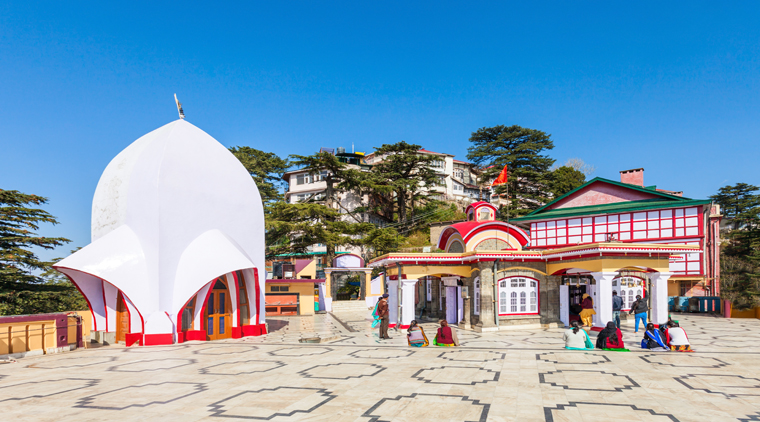 7D / 6N
Shimla Manali Tour Packages
- Visit Jakhoo Hill
- Visit Hadimba Temple
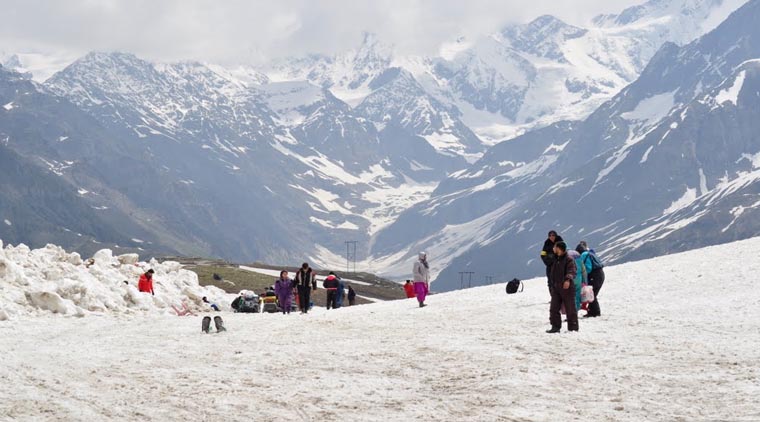 7D / 6N
Kullu Manali Tour Package from Hyderabad
- Visit Chail Palace
- Visit Chail Gurdwara
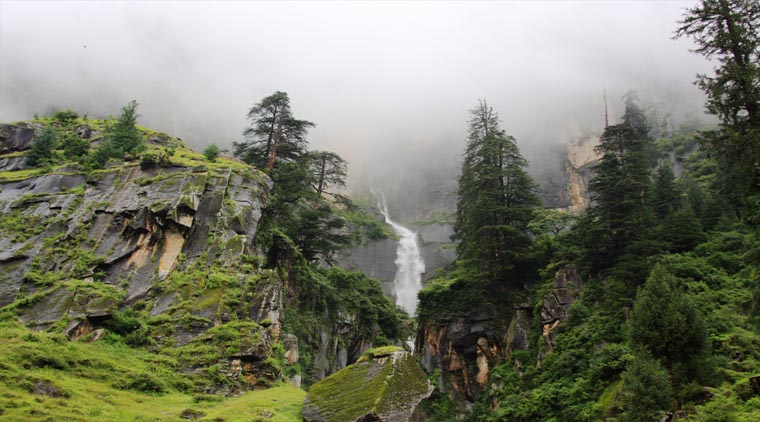 8D / 7N
Kullu Manali Tour Package from Chennai
- Visit Jakhoo Hill
- Ride on Shimla-Kalka Railways
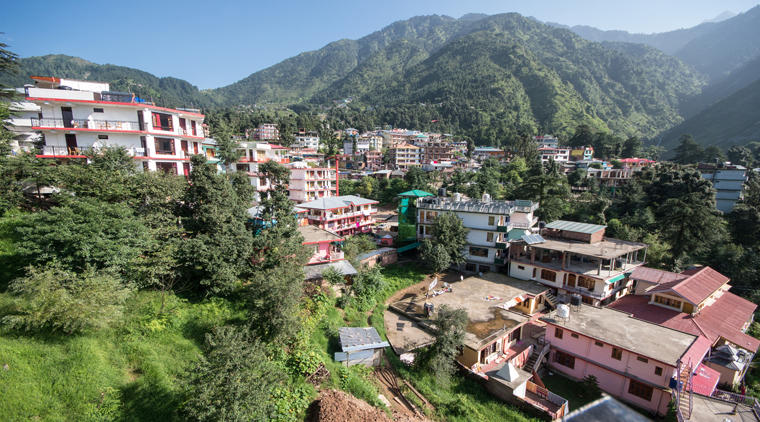 10D / 9N
Himachal Tour Package
- Scenic and beautiful places of Shimla
- Rohtang Pass
 8D / 7N
Kullu Manali Tour Package from Ahmedabad
- Visit Chadwick Falls
- View Scandal Point
 8D / 7N
Manali to Leh Tour
- Visit Sarchu
- Visit Nubra Valley
 7D / 6N
Himachal Tour Package for Couple
- Kufri
- Rohtang Pass
 7D / 6N
Kullu Manali Tour Package From Mumbai
- Visit Kufri,Chail & Naldhera near Shimla.
- Visit Manikaran Sahib Gurudwara.
 7D / 6N
Himachal Holiday Tour Package
- Sightseeing of Shimla
- Visit scenic Kufri and Fagu