
Hassan Travel Guide
The best months are October to March , cool for the carving and for the barefoot Shravanabelagola climb. The one thing to plan: give the temples time, in the soft morning or late...
When to visit Belur, Halebidu and Shravanabelagola
The best months are October to March, cool for the carving and for the barefoot Shravanabelagola climb. The one thing to plan: give the temples time, in the soft morning or late light, not a midday dash.
- October to March: cool and clearThe comfortable season for the open temples and the hill climb, pleasant by day with soft light that brings the soapstone carving to life. This is the peak for the Hoysala trail, which, newly UNESCO-listed in 2023, is still pleasantly uncrowded compared with Hampi or Mysuru.
- April to June: hot, climb earlyHigh summer in the Deccan is hot, and the Shravanabelagola steps are barefoot and exposed on bare granite. If you come then, do the climb at first light and see the temples in the cool of morning or late afternoon, keeping the middle of the day for rest and shade.
- June to September: green but wetThe monsoon turns the countryside lush and the crowds thin, but rain interrupts sightseeing and makes the barefoot Shravanabelagola steps slippery and the long drives tiring. It is doable with a flexible plan and a car, just not the easy choice.
- Give it the right light, and two unhurried daysBelur and Halebidu deserve unhurried time, and the carving stands out in the low morning and late-afternoon sun rather than the flat midday glare. Two days, based at Hassan or split between Hassan and Bengaluru or Mysuru, does the trail justice.
The Hoysala Mahotsava, a classical dance and music festival, is held at Belur and Halebidu around March each year, a lovely time to pair the carving with live performance. Separately, the once-in-twelve-years Mahamastakabhisheka at Shravanabelagola, when the great Gomateshwara statue is ritually bathed, was last held in 2018 and the next is due in 2030. Festival dates shift, so reconfirm with Karnataka Tourism before you build a trip around either.
How to reach the Hoysala temples and your base at Hassan
Hassan town is the nearest railhead and the natural hub. Most travellers come by road from Bengaluru, often pairing Mysuru, and run the three temples out of Hassan by car.
- By train to Hassan, the nearest railheadHassan is a well-connected junction with trains from Bengaluru taking about 3 to 4 hours, and services from Mysuru and Mangaluru. From Hassan it is about 33 to 38 km to Belur, about 27 to 31 km to Halebidu and about 50 km to Shravanabelagola, all easy day-runs by car or local bus.
- By road from BengaluruBelur and Halebidu are roughly 200 to 220 km from Bengaluru on NH75 via Channarayapatna and Hassan, about 5 to 6 hours of driving, and they are only about 16 km apart. Shravanabelagola sits about 145 km from Bengaluru and on the road, so the trail loops naturally. We can arrange a car with a driver.
- Nearest airportsMangaluru airport is the closest at about 160 km, roughly 3.5 to 4 hours by road over the Western Ghats, while Bengaluru airport is about 180 to 220 km and is the practical international gateway with wide connections. There are no flights into Hassan, Belur or Halebidu themselves.
- Pair it with Mysuru and SomanathapuraThe third UNESCO Hoysala temple, the Keshava temple at Somanathapura, lies near Mysuru (about 35 km from the city), so the Hoysala trail pairs naturally with a Mysuru visit, about 120 km from Hassan, completing the full UNESCO trio.
Fly into Bengaluru, the main international gateway, then take a two-day road trip to Belur, Halebidu and Shravanabelagola, ideally pairing Mysuru for the third UNESCO Hoysala temple at Somanathapura. They are among the finest carved monuments in India.
Fly into Bengaluru or, for the coast route, Mangaluru, then drive out to the temples. The Hoysala trail suits the heritage traveller, with Mysuru, Coorg and Hampi alongside on a wider Karnataka loop.
Take a train to Hassan and run the temples by car or local bus, or drive from Bengaluru via Channarayapatna. The trail is often combined with Mysuru and the third Hoysala temple at Somanathapura.
The three great Hoysala sights, with entry and timings
The trail is the living temple of Belur, the lavishly carved Hoysaleswara at Halebidu, and the towering Gomateshwara monolith at Shravanabelagola. Knowing what is free, what is ticketed and what the climb involves saves a wasted morning.
- Belur Chennakeshava templeA living Vishnu temple commissioned by King Vishnuvardhana in 1117 CE, in worship ever since, famous for its soapstone carving and the madanika bracket figures. Darshan is generally free, the temple typically opens around 7:30 am with a midday break in the early afternoon, and as it is in worship you must dress modestly and remove footwear. Reconfirm the current timings at the gate.
- Halebidu Hoysaleswara templeThe most lavishly carved of all the Hoysala temples, its walls a continuous frieze of elephants, gods and dancers, with its great twin Nandi pavilions. It is an Archaeological Survey of India protected monument; the commonly listed entry is about 25 rupees for Indian and SAARC visitors and about 300 rupees for foreign nationals, with children under 12 free, usually open about 9 am to 6 pm. There is an ASI sculpture gallery beside it.
- Shravanabelagola GomateshwaraThe about 57-foot (around 17-metre) grey-granite Bahubali monolith, one of the tallest in the world, atop Vindhyagiri hill. You climb around 600 to 700 rock-cut steps barefoot (sources vary; UNESCO and Wikipedia note about 700); a palanquin (doli) carry is available for those who cannot manage the climb. A serene, important Jain pilgrimage.
- Somanathapura, near MysuruThe third of the UNESCO Hoysala ensembles, the exquisite Keshava temple at Somanathapura, lies near Mysuru rather than Hassan, so it pairs with a Mysuru visit. Like Halebidu, worship there has long been discontinued, so it is an open monument.
Belur is a free living temple with a dress code, Halebidu is a ticketed ASI monument with a sculpture gallery, and Shravanabelagola is a free Jain hill you climb barefoot. Carry small notes for the Halebidu ticket and any guide, dress modestly for Belur, and use the doli at Shravanabelagola if the long barefoot climb is too much. The next section is the Hoysala art itself, and why a guide changes everything.
Reading the Hoysala carving, and why a guide changes it
The Hoysala temples are not grand in scale but unmatched in detail: soapstone worked like ivory, every surface alive with figures. Knowing how to look, and having a guide point it out, turns a quick photo into wonder.
- Look close at the madanikasAt Belur, the madanika bracket figures, the celestial maidens beneath the eaves, are carved with astonishing delicacy, down to the veins of leaves and the strands of hair. A guide points out the famous ones, the lady with the mirror, the huntress, the parrot; a slow eye finds more in every bracket.
- Read the friezes at HalebiduHalebidu's walls run in continuous bands of elephants, lions, horsemen, gods and the whole epic world, thousands of figures, and the elephant frieze alone is said to run to many hundreds with no two quite the same. Walk slowly around the whole temple; the detail repays every minute.
- Take an ASI-approved guideTravellers say again and again that the guide was the difference between busy stone and wonder. Hire an ASI-approved local guide at the gate at Belur and Halebidu; without one the carving is just a crowded surface, with one it becomes the finest sculpture in India, story by story.
- Come for the soft lightThe soapstone glows and the carving stands out in the low morning and late-afternoon sun. Plan the temples for those hours, not the flat midday glare, and you will see depth in the stone that a midday photo never captures.
The Sacred Ensembles of the Hoysalas became a UNESCO World Heritage Site only in 2023, under list number 1670, so this is a fresh, world-class heritage trail that most overseas itineraries have not yet caught up with. You get carving as fine as anything in India with a fraction of the crowds of Hampi or the Taj. Give it time, take a guide, and it rewards you far beyond a tick-the-box stop.
The living temple, the museum and the Jain hill
Each site has its own character, from the daily worship at Belur to the ASI gallery at Halebidu to the Jain pilgrimage of Shravanabelagola. Here is how to make the most of each.
- Catch the morning worship at BelurBelur is still in daily worship, so you see the carving alongside the rituals, the lamps, the bell and the devotees, a living monument rather than a museum piece. Arrive for the morning service around opening time if you can, and the temple is at its most atmospheric and least crowded.
- The Halebidu sculpture galleryThe ASI gallery beside the Hoysaleswara temple gathers loose sculpture and helps you read the art and the Hoysala story before or after you walk the temple. A worthwhile half-hour that makes the friezes outside mean more.
- The wider Jain heritage at ShravanabelagolaBeyond the great statue on Vindhyagiri, Shravanabelagola is an ancient Jain centre, with the smaller Chandragiri hill across the tank carrying monasteries, basadis and old inscriptions. A serene, important place that rewards more than a quick climb-and-go.
- Eat simple, carry water, plan a coffee stopThe temple towns are small with simple vegetarian eateries; Hassan and Chikmagalur have wider choice and good filter coffee. Carry water for the temple days and the climb, drink bottled or filtered water, and keep something for motion sickness if the winding NH75 drives bother you.
If you do only one thing slowly, make it the carving at Belur and Halebidu in good light with a guide. The friezes and the madanikas are what people remember long after the drive fades, and they cost almost nothing beyond your time and a guide's fee. Give each temple an unhurried hour or two rather than a ten-minute photo dash, and the Hoysala trail opens up in a way a quick stop never allows.
Where to stay, and whether Hassan beats Bengaluru or Mysuru
Belur and Halebidu have only basic lodges, so most travellers base at Hassan, or day-trip from Bengaluru or Mysuru. Two days does the trail justice; one long day is possible but tiring.
- Hassan town: the natural hubHassan has the widest range of hotels in the area and sits within easy day-run distance of all three temples, about 33 to 38 km from Belur, 27 to 31 km from Halebidu and 50 km from Shravanabelagola. It is the sensible base if you want to see the trail unhurried over two days without a long daily drive.
- Belur and Halebidu themselvesBoth have only basic lodges and a KSTDC property, fine for a night close to the temples if you want a dawn start, but limited on comfort and choice. Better for the dedicated heritage traveller than for families wanting a resort.
- Day-trip from Bengaluru or MysuruFrom Bengaluru it is a long single day there and back, doable but rushed. From Mysuru you can take in Shravanabelagola, Belur and Halebidu more comfortably and pair the third Hoysala temple at Somanathapura. Chikmagalur, the coffee hills near Belur, is a scenic alternative base.
- How many daysTwo days is the sweet spot: Belur and Halebidu unhurried with a guide on one, Shravanabelagola and the drive on the other. One very long day from Bengaluru can cover all three but leaves little time for the carving and a tiring barefoot climb at the end. Add Mysuru or Coorg for a fuller Karnataka loop.
If the temples are your main aim, base at Hassan and give them two unhurried days. If they are one stop on a wider Karnataka trip, day-trip from Mysuru, which also unlocks Somanathapura, the third UNESCO Hoysala temple. Day-tripping from Bengaluru works only if you are short on time and accept a long, rushed day.
Costs: entry, guides, car hire and a realistic budget
The temples cost little to enter, but the trip's real cost is the car and the guide. Here are current, sourced ranges so you can budget and avoid being overcharged.
- Entry fees, the small partBelur Chennakeshava is generally free to enter as a living temple. Halebidu Hoysaleswara carries an ASI ticket of about 25 rupees for Indian and SAARC visitors and about 300 rupees for foreign nationals, children under 12 free. Shravanabelagola is free to climb. Reconfirm fees at the counter, as ASI rates change.
- Car hire, the real costA private day-trip car from Bengaluru for Belur and Halebidu is commonly quoted around 8,000 to 12,000 rupees for an air-conditioned sedan or SUV in 2026. A Mysuru-based day cab taking in Shravanabelagola, Belur and Halebidu starts around 6,000 rupees. Hassan taxis quote roughly 8 to 9 rupees per km. Settle the route, inclusions and price before you set off.
- Guides and the doliAn ASI-approved guide at Belur or Halebidu is a modest, negotiated fee of a few hundred rupees and the best money you spend on the trail. At Shravanabelagola the palanquin (doli) carry is also negotiated, commonly quoted around 500 to 800 rupees and varying with your weight and the bearers, so agree the amount before you start up the hill.
- The budget coach optionThe Karnataka State Tourism (KSTDC) one-day guided coach from Bengaluru has historically been very cheap, with one traveller paying about 800 rupees per person, departing early in the morning. It is long and rushed but the lowest-cost way to see the trail without your own car. Carry cash for tickets, guides and the doli; ATMs and card-friendly restaurants are mainly in Hassan.
The fixed, low costs are the Halebidu ticket, about 25 rupees for Indians and 300 for foreign nationals. Everything else, the car at about 8,000 to 12,000 rupees from Bengaluru or from about 6,000 from Mysuru, the guide at a few hundred rupees, and the doli at about 500 to 800 rupees, is negotiated, so agree each in advance and the only friction on this trail disappears.
Practical logistics: food, money, footwear and getting around
The small things that make a Hoysala day smooth, from the barefoot rule and shoe-keepers to ATMs, water, photography and the winding drives.
- Footwear, dress and photographyYou remove footwear at Belur, an active temple, and leave shoes with a keeper at the base of the Shravanabelagola climb. Dress modestly, covering shoulders and knees, especially at the living temple at Belur. Photography is generally allowed of the carving outside, but follow any inner-sanctum ban and ask before photographing people at worship.
- Money, ATMs and cardsCarry cash for tickets, guides, the doli and small eateries. ATMs and card-friendly hotels and restaurants are mainly in Hassan; the temple towns are small, so do not rely on cards there. Keep small notes for the Halebidu ticket and the guide.
- Getting around between templesA hired car with a driver is by far the easiest way to link the three temples and keep to good light; local buses connect Hassan to Belur and Halebidu but eat time. Belur to Halebidu is a short 16 km hop; Shravanabelagola is the longer leg towards Bengaluru.
- Water, food and the drivesCarry water for the temple days and the climb, and drink bottled or filtered water. The temple towns have simple vegetarian eateries; Hassan and Chikmagalur have more choice and good coffee. The NH75 drives wind in places, so carry motion-sickness tablets if you are prone to it.
Safety and health: the barefoot climb, heat and monsoon
The Hoysala trail is gentle and very safe, but the barefoot Shravanabelagola climb, the heat and the monsoon roads need a little care. A bit of planning keeps the day happy.
- The barefoot Shravanabelagola climbAround 600 to 700 rock-cut steps up Vindhyagiri, climbed barefoot, with the granite getting genuinely hot underfoot by mid-morning in the warm months. Climb at first light, carry water, pace yourself, and use the doli carry if the steps are too much. There is shade and rest at intervals, but it is a real climb, not a stroll.
- Heat, hydration and sunThe temples and the climb are exposed, so in the warmer months carry water and sun protection, wear a hat off the temple steps, and keep the middle of the day for a meal and rest. Older travellers and children especially should do the temples in the cool morning and late-afternoon hours.
- Monsoon roads and slippery stepsFrom about June to September the rain makes the barefoot Shravanabelagola steps slippery and the winding NH75 and Ghat roads tiring. Build slack into the plan, keep a driver who knows the roads, and skip the climb if the steps are wet and risky.
- General safety and what to carryThis is a calm, low-crime heritage area and one of the easier parts of India to travel, including for solo and women travellers, with standard precautions. Carry any personal medicines, a basic first-aid kit and motion-sickness tablets, and leave original documents locked in your hotel while you are out sightseeing.
The single thing that catches people out is underestimating the Shravanabelagola climb: around 600 to 700 barefoot steps on an exposed hill that bakes by late morning. If you or an older traveller are unsure, take the doli, go at dawn, or simply enjoy the great statue from the lower town and the wider Jain site. There is no shame in skipping the steps, and a heat-struck climb is the one avoidable mistake on this gentle trail.
The Hoysala trail for every kind of traveller, and on access
The temples draw very different visitors. Here is what they offer you, and the one tip that matters for each, including how a senior sees them comfortably and manages the climb.
- Art and architecture loversSome of the finest carved monuments on earth, newly UNESCO-listed. Take two days, an ASI-approved guide and the soft light, and look close at the madanikas at Belur and the friezes at Halebidu. This is the heart of why the trail exists.
- PhotographersThe soapstone detail glows in the low morning and late light, so plan the temples for those hours and avoid the flat midday glare. The Bahubali against the sky at Shravanabelagola is the other great shot. Ask before photographing people at worship, and respect any inner-sanctum ban.
- Jain pilgrims and devoteesShravanabelagola is a great Jain pilgrimage and Belur a living Vishnu temple. Climb, or take the doli, to the Gomateshwara, and explore the wider Jain site on Chandragiri. If you can, time a 2030 visit for the twelve-yearly Mahamastakabhisheka anointing.
- Senior travellers and on accessibilityBelur and Halebidu are largely flat and gentle, ideal for an unhurried look, and the carving needs no climbing. Shravanabelagola is the only hard part: use the doli carry up the long barefoot stairway, or enjoy the great statue and the Jain site from below and skip the steps. Go in the cool hours and keep the days unhurried.
- Families with childrenThe elephant friezes, the giant statue and the climb, or the doli, keep children engaged, and the trail is short on walking apart from Shravanabelagola. Use a car, plan around the heat, carry water and snacks, and keep the temple days unhurried so the carving holds their attention.
- History buffsThe Hoysala story in stone, the worship that still continues at Belur but stopped long ago at Halebidu, and the Jain inscriptions of Shravanabelagola reward a good guide. Pair the trail with Somanathapura near Mysuru for the full UNESCO trio.
A suggested Hoysala itinerary, and the one-day verdict
How to shape two unhurried days, or one long day, so you catch the carving in good light and reach Shravanabelagola before the steps get hot.
- Day one: Belur and HalebiduBase at Hassan. Start early at Belur for the morning worship and the soft light on the madanikas with a guide, break for lunch, then drive the 16 km to Halebidu for the friezes and the sculpture gallery in the late-afternoon light. An unhurried, carving-rich day.
- Day two: ShravanabelagolaDrive to Shravanabelagola and climb early, before the steps heat up, or take the doli, to the great Gomateshwara, then explore the wider Jain site. From here you can carry on towards Bengaluru or detour to Mysuru for Somanathapura and the third UNESCO temple.
- The one-day version, honestlyYou can do all three in a single long day from Bengaluru, taking Shravanabelagola on the way up and Belur and Halebidu after, but it is a 12-hour-plus day with a lot of driving and a tiring barefoot climb at the end, and little time to read the carving. Worth it only if you are short on days.
- The wider Karnataka loopOn a longer trip, fold the Hoysala temples into a Bengaluru, Mysuru, Coorg or Chikmagalur loop. Mysuru adds Somanathapura and the palace, Chikmagalur adds the coffee hills near Belur, and the whole thing becomes a rich week of heritage and greenery rather than a rushed dash.
Two things break a tight Hoysala plan: arriving at Shravanabelagola when the barefoot steps are baking, and reaching Belur during its early-afternoon worship break. Climb Shravanabelagola at first light, see Belur in the morning or later afternoon, and keep the hot middle of the day for lunch and driving, and you will never stand at a shut gate or on scorching stone with the clock running.
The real questions travellers ask about the Hoysala trail
Straight answers to the questions that come up again and again on TripAdvisor, Team-BHP and Quora, so you arrive already knowing the score.
- Can you do all three in one day?Yes, from Bengaluru, but it is a long 12-hour-plus day with a lot of driving and a tiring barefoot climb at the end. You will see the highlights but rush the carving. Two days, based at Hassan, is far more rewarding, and the carving is the whole point.
- Hassan, Bengaluru or Mysuru as a base?Base at Hassan if the temples are your aim, since all three are easy day-runs. Day-trip from Mysuru if they are one stop on a wider trip, as that also unlocks Somanathapura. Day-trip from Bengaluru only if you are short on time and accept a long, rushed day.
- How many steps at Shravanabelagola, and is it hard?Around 600 to 700 rock-cut steps, climbed barefoot up an exposed hill, with sources varying and UNESCO and Wikipedia noting about 700. It is a real climb that bakes by late morning. Go at dawn, carry water, and take the doli if the steps are too much.
- Do I need a guide?Strongly recommended at Belur and Halebidu. Travellers say again and again that an ASI-approved guide was the difference between busy stone and wonder. Hire one at the gate; the modest fee is the best money you spend on the trail.
- Is Belur open to foreigners and non-Hindus, and is there a dress code?Yes, foreigners and non-Hindus are welcome at Belur. It is a living temple, so dress modestly covering shoulders and knees, and remove footwear. Halebidu and Somanathapura are open monuments where the dress rules are more relaxed.
- When is the next Mahamastakabhisheka?The twelve-yearly grand head-anointing of the Gomateshwara statue was last held in 2018, so the next is due in 2030. It is an enormous Jain festival; plan around it if you want the spectacle, or plan past it for a calmer visit.
Planning the Hoysala trail from abroad
The Hoysala temples are among the finest carved monuments in India and a UNESCO site only since 2023, a rewarding, uncrowded heritage trail for overseas and NRI travellers, easily reached via Bengaluru and paired with Mysuru.
- Come via Bengaluru, pair with MysuruFly into Bengaluru, then a two-day road trip to Belur, Halebidu and Shravanabelagola, ideally paired with Mysuru for the third UNESCO Hoysala temple at Somanathapura. Base at Hassan for the temples, or at Mysuru if they are one stop on a wider South India trip.
- Foreigners and non-Hindus are welcomeYou are welcome at all three sites. Belur is a living temple, so dress modestly and remove footwear; Halebidu carries a small ASI ticket of about 300 rupees for foreign nationals; Shravanabelagola is a free barefoot climb. The trail is calm, friendly and very safe for overseas visitors.
- Give the carving time and a guideThe Hoysala detail is the whole point, so allow unhurried hours in the soft morning or late light, with an ASI-approved guide at Belur and Halebidu. This is carving as fine as anything in India, with a fraction of the crowds of Hampi or the Taj, exactly the find a heritage traveller hopes for.
- Gentle and senior-friendly with planningBelur and Halebidu are flat and easy, ideal for older parents. At Shravanabelagola, use the doli carry up the long barefoot stairway, or enjoy the great statue from below and skip the steps, and go in the cool hours. Let us arrange the car, the guide and the timing.
Money, connectivity and timing for foreign visitors
The practical basics an overseas traveller needs for a small-town heritage trail: cash for the temple towns, a SIM, foreign-national tickets, and how many days to give it on a wider India trip.
- Carry cash for the temple townsCards and UPI work in Hassan hotels and bigger restaurants, but the temple towns, the guides, the doli and small eateries run on cash. Draw cash at Hassan ATMs and keep small notes for the Halebidu ticket, the guide and tips. Foreign nationals pay about 300 rupees at Halebidu; Belur darshan is free.
- Get a SIM at the airportPick up an Indian tourist SIM or an eSIM when you land in Bengaluru rather than hunting for one in a small town. Coverage along the trail is fine for maps, calls and ride-hailing, though it can dip on the rural stretches of NH75.
- How long to give it on a bigger tripOn a South India itinerary, two days does the Hoysala temples justice, or one long day if you are tight, slotted between Bengaluru and Mysuru. Pair Mysuru for Somanathapura and the palace, and Coorg or Chikmagalur for the hills, and the trail becomes a rich heritage-and-greenery week.
- Time your visit to your comfortOctober to March is the comfortable window for the carving and the barefoot climb. Avoid the April-to-June heat for the exposed Shravanabelagola steps, and treat the June-to-September monsoon as green but wet, with slippery steps and tiring drives. Plan around the 2030 Mahamastakabhisheka if you want that once-in-twelve-years spectacle.
The Hoysala temples are an unusually rewarding addition to a first South India trip: world-class carving, a fresh UNESCO listing, and far fewer crowds than the headline sites, all within an easy drive of Bengaluru and Mysuru. Give them two days, take a guide, and let them be the heritage heart of a loop that also takes in Mysuru's palace and the coffee hills. Many overseas visitors say the Hoysala carving ends up being the part of Karnataka they remember most.
The artists who signed their stone
What sets the Hoysala temples apart is not only the impossible fineness of the carving but that the sculptors signed it. On the friezes and bracket figures at Belur and Halebidu you can still find small inscriptions naming the artists, master carvers such as those of the Ruvari and Dasoja traditions, who put their names beneath the celestial maidens and the marching elephants they cut from soapstone. In an age when craftsmen across the world worked in anonymity, these Hoysala masters claimed their work, a rare and moving assertion of authorship in stone that a good guide will point out to you on the walls. The temples were built across the 12th and 13th centuries, the Chennakeshava at Belur from 1117 CE, and in 2023 UNESCO inscribed the three Sacred Ensembles of the Hoysalas, at Belur, Halebidu and Somanathapura, as a World Heritage Site.
Planning a Hassan trip?
Our Karnataka travel experts plan your full journey for you: route, hotels, darshan timings and transport. You get a free day-by-day plan and an exact quote on WhatsApp, usually within a few hours. No payment is needed to get your plan.
Tour packages that visit Hassan
Every journey below is private, hand-crafted and fully customizable. Tell us your dates and we tailor the itinerary, the pace and the priests or guides around you.
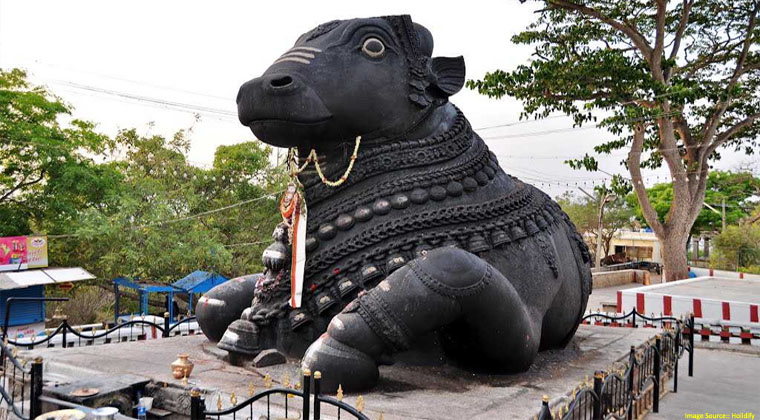 7D / 6N
Coastal Karnataka Tour
- Visit the Vidhana Soudha
- Gommateshvara Bahubali statue
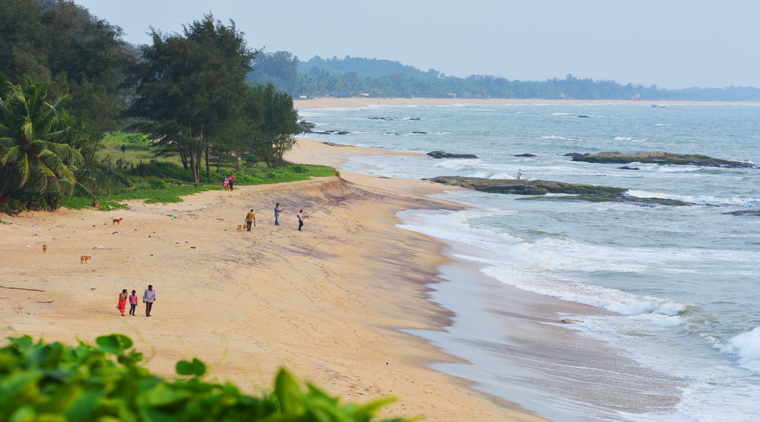 11D / 10N
Best of Karnataka Tour
- Enjoy sightseeing in Bangalore.
- Visit Shivanasamudra Falls.
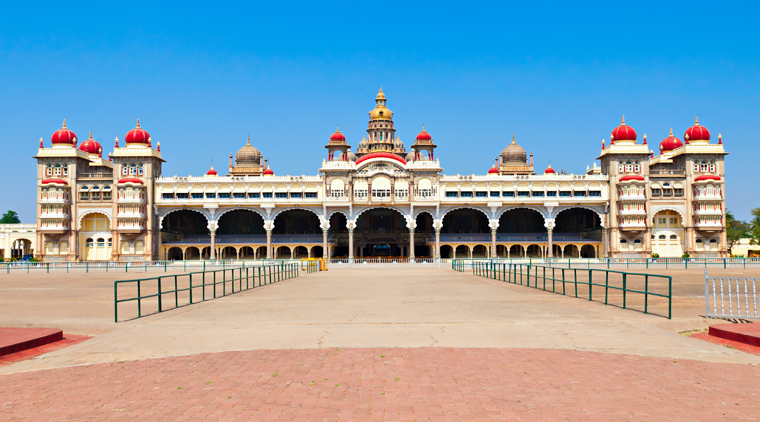 11D / 10N
South Karnataka Tour Package
- Sightseeing tour of Bangalore.
- View Lord Gomateshwara Statue.
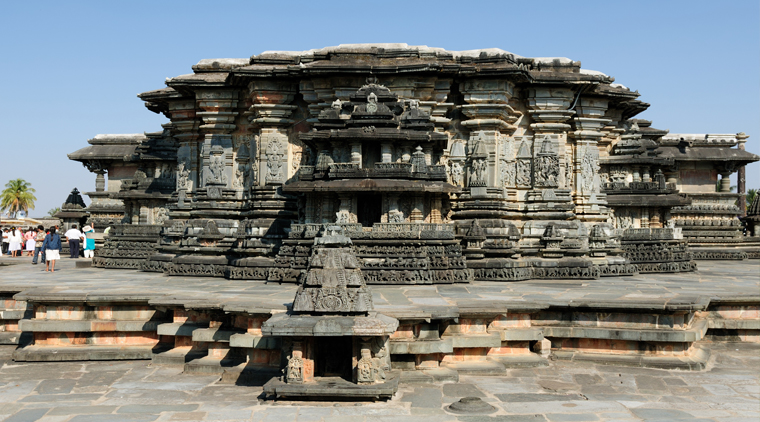 7D / 6N
Karnataka Heritage Tour
- Visit Bangalore Sightseeing.
- Visit Mysore Palace.