Kargil Travel Guide
The window is roughly June to October , when the Srinagar-Leh highway and the Suru-Zanskar road are open. The roads close through most winters, and the season decides everything...
When to visit Kargil, and why the season is short
The window is roughly June to October, when the Srinagar-Leh highway and the Suru-Zanskar road are open. The roads close through most winters, and the season decides everything, so plan around it first.
- June to September: the reliable windowWarm, clear days and open roads, the best time for the Srinagar to Leh drive and the side trips. September into early October adds golden colour in the Suru valley and thinner crowds, with cold nights setting in. This is the window almost every Kargil itinerary is built around.
- The Zanskar and Suru road opens laterThe road south from Kargil to Padum over the Pensi La pass usually opens only about mid-June and closes around October, later than the main highway because of the snow on the higher pass. If Zanskar matters to you, aim for July to September and keep a day spare for the rough road.
- Winter shuts the highway in most yearsFrom about November the Zoji La pass towards Srinagar is normally snowed under and the highway closes to general traffic. Kargil and Dras become deep-winter towns where Dras routinely drops below about minus 25 degrees Celsius, so a general visit is a summer one.
- Crowds and the Vijay Diwas windowJuly and August are busiest, when rooms in Kargil are tight. If you are coming for the Dras War Memorial, note it usually closes to general visitors around 23 to 26 July for the Kargil Vijay Diwas commemorations, so plan your memorial day outside those dates.
The exact opening shifts with the snow. Unusually, in the winter of 2025 to 2026 the Border Roads Organisation kept the Zoji La pass open through the cold months for the first time on record, but that is exceptional rather than a new rule, and even then it was cleared for strategic and not full tourist traffic at first, so never assume the highway is open in winter. We confirm the live status of Zoji La and the Pensi La road for your travel window before you set out, and you should reconfirm officially too.
How to reach Kargil, and what it costs to get there
Kargil has no airport of its own. Almost everyone reaches it by road on the Srinagar-Leh highway, with the nearest airports at Srinagar and Leh.
- By road from SrinagarKargil is about 204 km east of Srinagar over the Zoji La pass, past Sonamarg and Dras, a long but spectacular day. This is the classic first leg of the Srinagar to Leh drive, with Kargil as the natural overnight halt, and it gives the gentlest, most gradual climb to altitude.
- By road from LehFrom Leh, Kargil is about 215 km west, past Mulbekh and the high Fotu La and Namika La passes. Coming this way breaks the Ladakh circuit nicely and gives a gentler overall altitude profile than flying straight into Leh and starting high.
- Shared taxis, buses and private carsWith no airport, most visitors come by the shared taxis and buses of the local taxi unions, which run on fixed published rates, or by private car with a driver. A shared taxi over the full Srinagar to Leh route costs roughly about 3,500 to 3,800 rupees per person at 2026 to 2027 rates; a private car costs more but lets you stop at Dras, Mulbekh and the Suru valley.
- Nearest airportsThere is no airport at Kargil. The nearest functioning ones are Srinagar (about 204 km) and Leh (about 215 km), both about a long day away by road. We arrange a car and an experienced highland driver for the whole route so you are not chasing shared taxis with luggage at altitude.
Fly into Delhi, then onward to Srinagar or Leh, and drive in. Kargil sits on the Srinagar-Leh highway, so it pairs naturally with Kashmir or the wider Ladakh loop. There are no direct international flights to the region.
Fly into Delhi and connect to Srinagar or Leh by air, then continue to Kargil by road. The Srinagar approach over Zoji La gives the gentlest, most gradual climb to altitude.
Reach Srinagar or Leh by air, then drive. The Srinagar-Kargil-Leh highway is the most rewarding way in, with Kargil the midpoint and the door to Zanskar and the Suru valley.
The war memorial, the Buddha, and the permits you need
Kargil is the Dras War Memorial, the rock-carved Mulbekh Buddha and the road to Zanskar. The good news on permits: the Kargil side of Ladakh is unusually easy.
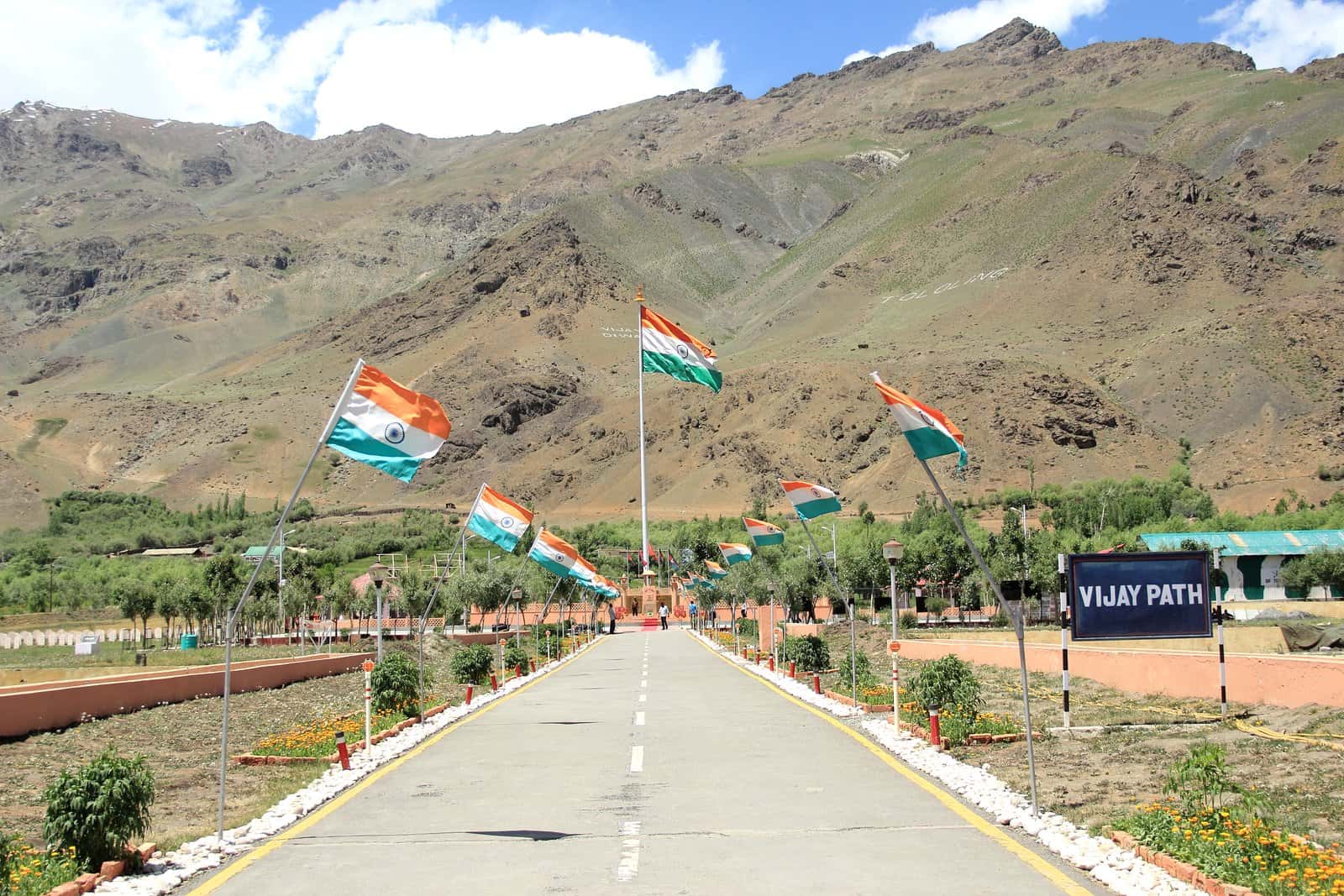
- The Kargil War Memorial at DrasAbout 60 km from Kargil towards Srinagar, this moving memorial to the 1999 Kargil conflict has free entry, with a museum of weapons, photographs and documents and a short film on Operation Vijay. Published timings vary between sources, so treat them as approximate, arrive in the morning to be safe, and avoid 23 to 26 July when it closes for the Vijay Diwas commemorations.
- Mulbekh Maitreya, on the Leh roadAbout 45 km from Kargil towards Leh, a striking 9-metre Maitreya, the future Buddha, is carved into a single rock face right beside the highway, generally thought to date from around the 7th to 8th century. A free and easy stop on the drive that most people race straight past.
- The Suru valley and RangdumSouth of Kargil the green Suru valley runs past villages and the twin Nun and Kun peaks to remote Rangdum, a natural acclimatisation stop on the way to Zanskar. A beautiful, little-travelled drive, and one of the quietest corners of Ladakh.
- Kargil bazaar and the local cultureThe bustling main bazaar, the Shia mosques and the apricot orchards give Kargil a character quite different from Buddhist Leh. A short, rewarding wander on an overnight stop, and a good place to taste the local Balti food.
Indian tourists no longer need an Inner Line Permit; it became the Ladakh Environment Fee, paid online at lahdclehpermit.in, about 590 rupees per person for a roughly week-long trip, with the receipt valid for about 21 days and checked at highway barriers. Crucially, foreign nationals do NOT need a Protected Area Permit for Kargil, the Suru valley or Zanskar, which are open to all, unlike Pangong and Nubra further east. So the Kargil and Zanskar side is unusually simple for overseas visitors.
Kargil as the gateway to Suru and Zanskar
Kargil is the road head for one of the Himalaya's great drives: south through the Suru valley over the Pensi La pass into remote Zanskar. The catches are the short season and the lack of fuel.
- The route to PadumFrom Kargil the road runs south through the Suru valley, past Sankoo, Panikhar and Rangdum, over the Pensi La pass at about 4,400 metres, and down to Padum, the main town of Zanskar, roughly 240 km in all. The tarmac thins out near Rangdum, so the latter stretch is slow, and you should allow a full day or break it with a Rangdum night.
- Fill up, there is no fuel until PadumOnce you leave Kargil there is no petrol pump until Padum, so top up the tank and carry spare fuel in Kargil. Food, lodging and mobile signal also thin out fast past Sankoo and Panikhar, with Rangdum the last real stop before the Pensi La, so go stocked and unhurried.
- The season is shortThe Pensi La road is usually open only about mid-June to October, later than the main highway, because of the snow on the pass. Plan Zanskar for July to September, keep a day in hand for the rough road, and reconfirm the pass status before you commit.
- What Zanskar holdsPadum, the cliffside Phugtal monastery, the Stongdey and Karsha gompas, and some of the wildest landscapes in Ladakh. It is remote, with limited fuel and connectivity, so go prepared and unhurried. A newer all-weather road, the Nimmu-Padum-Darcha axis, now links Zanskar towards Leh and Himachal, though a high pass keeps it summer-only for now.
Kargil sits at about 2,700 metres, gentle by Ladakh standards, but the Pensi La crosses about 4,400 metres and Zanskar stays high. Build in the Suru valley and a Rangdum night to acclimatise, drink plenty of water, avoid alcohol on the climb, and tell us about any heart or lung condition so we plan the climb sensibly. Altitude sickness is the single biggest risk on this drive, and it responds to patience more than anything else.
Signature experiences around Kargil
Beyond the highway, these are the experiences people remember, and how to arrange them around the season.
- Pay respects at the Dras War MemorialStand below the peaks of the 1999 conflict, walk the museum and watch the short film. Entry is free. Allow an unhurried hour or two, go in the morning since the published hours vary, and avoid the late-July Vijay Diwas days when it closes to general visitors.
- Drive the Suru valley to RangdumOne of the loveliest and least-travelled drives in Ladakh, green and pastoral below the Nun and Kun peaks, ending at remote Rangdum monastery. A perfect day out from Kargil, or the first leg into Zanskar. Remember to fuel up in Kargil first.
- Stop at the Mulbekh rock BuddhaOn the Leh road, step out at the 9-metre Maitreya carved into the cliff and the little monastery above it. A quiet, free, ancient marvel that most people drive straight past on the rush between Kargil and Leh.
- Meet Kargil's living cultureWalk the bazaar, see the Shia mosques and the apricot orchards, and taste the local Balti food. Kargil feels very different from Buddhist Leh, and an evening here is part of the journey, not just a bed for the night.
- Go deep into ZanskarFor the adventurous and well-acclimatised, the drive to Padum and a trek to the cliffside Phugtal monastery is one of the Himalaya's great experiences. Best in July to September, when the road over Pensi La is reliably open, and only with fuel and supplies carried from Kargil.
If you do only one thing slowly, make it the Suru valley. Most travellers tick Dras and drive on to Leh, but the green run below Nun and Kun, with a night at Rangdum, is the side of Kargil that nobody at the highway hotels ever sees. Give it a day, go gently with the altitude, and it will be the part of the trip you remember when the highway blurs together.
Where to stay in Kargil, and how many nights
Stay on the Leh-Srinagar highway strip or in the main bazaar for convenience, or push on into the Suru valley for the wild side. One to two nights is the usual halt, more if you go into Zanskar.
- Highway strip and bazaar: convenient and centralMost of Kargil's hotels cluster along the Leh-Srinagar road and in the main bazaar, walking distance to food and the market. Practical for a one-night halt on the drive, with the bazaar and the Shia mosques on your doorstep, though the highway side can be a little noisy.
- Suru valley guesthouses: for the wild sideIf you are heading into Zanskar, simple guesthouses and homestays at Sankoo, Panikhar and Rangdum break the long drive and acclimatise you gently. Basic but characterful, and the natural overnight on the way to Padum, with limited power and signal, so carry a power bank.
- How many nightsOne night in Kargil is enough as a halt on the Srinagar to Leh drive, covering the bazaar and, if you start early, the Dras memorial. Add a night for the Suru valley, and two or three more if you push into Zanskar to Padum and Phugtal. To do the whole Kargil, Suru and Zanskar region properly, give it close to a week.
- Room budgetsHotels in Kargil run roughly from about 3,000 rupees for a simple budget room to about 7,000 rupees for a deluxe room in season. Rooms are limited and fill in July and August, so book ahead, and expect basic, honest comfort rather than luxury this high up.
Kargil has a finite number of rooms and they fill fast in the peak July and August window, when the whole Srinagar to Leh traffic funnels through for the night. If your dates fall then, book well ahead, and have a backup at Dras or in the Suru valley in mind, because turning up late and unbooked at altitude is the one avoidable stress of this drive.
Kargil costs and a realistic daily budget
Kargil is not expensive by Ladakh standards, but it is remote, so cash and fuel planning matter more than haggling. Here is what the main things cost.
- Getting there and aroundA shared taxi over the full Srinagar to Leh route, via Kargil, is roughly about 3,500 to 3,800 rupees per person at 2026 to 2027 union rates; a private car for the route costs more but lets you stop and explore. Within the region, hire is by fixed local rates from the taxi unions rather than by meter.
- Rooms and foodPlan on roughly about 3,000 rupees for a simple budget room and up to about 7,000 rupees for a deluxe room in season. Food in the bazaar is cheap and good, especially the local Balti dishes, and a filling meal costs a fraction of what a Leh tourist cafe charges.
- Permits and feesIndian travellers pay the Ladakh Environment Fee, about 590 rupees per person for a roughly week-long trip, online at lahdclehpermit.in. Foreign nationals need no Protected Area Permit for Kargil, Suru or Zanskar, so there is no permit cost on this side at all. The Dras War Memorial and the Mulbekh Buddha are both free.
- Cash, fuel and the hidden costCarry plenty of cash, as ATMs are few and unreliable past Kargil and cards rarely work in the Suru valley or Zanskar. The real budget item nobody lists is fuel: fill up and carry spare in Kargil, because there is no petrol pump until Padum, and a wasted day finding fuel costs far more than the fuel itself.
Two figures save the most planning grief: the Ladakh Environment Fee at about 590 rupees per person for Indians, and the shared-taxi range of about 3,500 to 3,800 rupees per person Srinagar to Leh. Beyond those, almost everything is cash, the prices are honest rather than touristy, and the only real overspend risk is being caught without fuel or a room in peak season. Reconfirm fares and fees officially close to travel, as union rates and the fee structure are revised.
Practical logistics: fuel, money, SIM, food and the local calendar
The small things that make a Kargil and Zanskar trip smooth, from fuel and ATMs to the SIM situation and the Shia calendar.
- Fuel and suppliesFill the tank and carry spare fuel in Kargil before any Suru or Zanskar drive, because there is no petrol pump until Padum. Carry snacks and water too, as food stops thin out past Sankoo and Panikhar, and Rangdum is the last reliable supply point before the Pensi La.
- Money and connectivityCarry plenty of cash; ATMs in Kargil town work but are few, and there are none to rely on in the Suru valley or Zanskar. Mobile signal is reasonable in Kargil town but drops away on the side roads, and only postpaid Indian SIMs work well in Ladakh, so foreign and prepaid SIMs may not connect.
- Food and the dry-area noteThe local Balti and Ladakhi food is excellent and cheap in the bazaar. Kargil is a conservative, predominantly Muslim town, so alcohol is not freely available and is best left for Leh or Srinagar, and modest dress is appreciated near mosques and in villages.
- The Shia calendar and timingKargil district is predominantly Shia Muslim. During Ramadan many eateries keep limited daytime hours, and the Muharram mourning period brings solemn processions when the town is reflective rather than festive. Check the Islamic calendar for your dates, dress and behave respectfully, and you will be warmly received.
Altitude, safety and staying well around Kargil
Kargil itself is gentle and safe, but altitude, the remote roads and the cold are the real risks. A little planning keeps the trip happy.
- Altitude sickness is the main riskKargil at about 2,700 metres is gentle, but the Pensi La at about 4,400 metres and the Fotu La at about 4,100 metres are not. Climb slowly, sleep low when you can, drink plenty of water, avoid alcohol on ascent days, and watch for headache, nausea and breathlessness. Carry any prescribed altitude medication and descend if symptoms worsen.
- The roads, not crime, are the hazardKargil is a calm, safe town with very little tourist crime. The genuine dangers are the high passes, landslides, weather and the long unlit drives, so travel by day, use an experienced highland driver, and never push a pass in bad weather or failing light.
- Cold, sun and waterEven in summer the nights are cold and the high-altitude sun is fierce, so carry warm layers, sunscreen, lip balm and sunglasses. Drink bottled or boiled water, take the usual care with food, and remember that Dras nearby is one of the coldest inhabited places on earth in winter.
- Sensitive-zone etiquetteThis is a border region near the Line of Control. Photography is restricted at military posts and bridges, so do not photograph soldiers or installations, follow signage, and carry your ID and permit receipt for the highway barriers. Common sense and respect keep things smooth.
Kargil is one of the kinder places to acclimatise in Ladakh, but the side trips climb hard. If you or a parent has a heart, lung or blood-pressure condition, speak to a doctor before the trip, ascend slowly with a night or two at Kargil and the Suru valley first, and tell us so we pace the overnights and keep oxygen and a sensible bail-out plan in the vehicle. Honesty about health here is what keeps the trip safe and enjoyable.
Kargil for every kind of traveller, and on access
Kargil rewards very different visitors. Here is what it offers you, and the one tip that matters for each, including how a senior or family handles the altitude.
- Couples and quiet seekersThe Suru valley drive and a Zanskar night are wonderfully off the beaten track, far from the crowds of Leh. Take it slowly and the remoteness becomes the romance, with empty roads, big skies and tiny villages all to yourselves.
- Families with childrenKargil's gentler altitude of about 2,700 metres suits families better than the high passes, and older children find the war memorial genuinely moving. Keep to the Suru valley rather than pushing high too fast, watch the children for altitude symptoms, and build in rest days.
- Senior travellers and on accessibilityKargil itself is comparatively kind on the body and makes a good acclimatisation stop on the Srinagar to Leh drive. Speak to a doctor if you have any heart or lung condition before going higher into Zanskar, ascend slowly, and let us pace the climb gently with the right overnights. Note the terrain is rough and there is little step-free infrastructure this high up.
- Bikers and road-trippersThe Srinagar-Kargil-Leh highway and the Suru-Zanskar road are dream rides. Carry spares and fuel, remember there is no petrol pump between Kargil and Padum, ride within the weather and light, and check the Pensi La and Zoji La status before you commit to a route.
- History and war-memorial visitorsThe Dras memorial and the peaks of the 1999 conflict are the reason many come. Allow time, visit with respect, go in the morning since the hours vary, and pair it with the Batalik and Aryan-valley sites if your interest runs deep.
- PhotographersThe Suru valley below Nun and Kun, the Mulbekh Buddha, the memorial against the peaks, and the road into Zanskar are extraordinary. Early light and a clear day give the cleanest shots, the cold drains batteries fast, so carry spares, and never photograph soldiers or border installations.
A suggested Kargil and Zanskar itinerary
How to shape your days around the drive, the memorial and the Zanskar road, whether you have one night or close to a week.
- The one-night haltMost people meet Kargil as an overnight on the Srinagar to Leh drive. Leave Srinagar early, cross Zoji La, stop at the Dras War Memorial in the morning, reach Kargil by evening, walk the bazaar, and drive on to Leh via Mulbekh the next day. Simple, classic and enough to feel the place.
- Add the Suru valley: two to three daysTo see the side of Kargil that the highway hides, give it an extra day or two. Fuel up, drive the Suru valley to Rangdum below Nun and Kun, stay a night, and either turn back or carry on towards the Pensi La. This is the quiet, green Kargil few travellers reach.
- The full Zanskar loop: about a weekFor the committed, base in Kargil, then drive over the Pensi La to Padum, explore the Karsha and Stongdey gompas and trek to Phugtal, and return or exit via the newer Nimmu-Padum-Darcha road. Allow close to a week, plenty of fuel and supplies, and a flexible day for the rough road and weather.
- Where Kargil fits in a bigger tripOn a Srinagar to Leh tour, Kargil is the midpoint and the gateway to Zanskar. Pair it with Kashmir before and the Leh circuit after, or build the whole trip around the Suru and Zanskar drive with Kargil as the base. We shape the route to your time, fitness and the season.
The two things that quietly break a Kargil plan are arriving at the Dras War Memorial during the late-July Vijay Diwas closure of about 23 to 26 July, and setting off for Zanskar without filling up, since there is no petrol pump until Padum. Build the memorial into a morning outside those dates, top up the tank in Kargil, and the rest of the drive looks after itself.
The real questions travellers ask about Kargil
Straight answers to the questions that come up again and again on traveller forums, so you arrive already knowing the score.
- How many days do I need?One night covers Kargil as a halt on the Srinagar to Leh drive. Add a day for the Suru valley, two or three more for Zanskar to Padum and Phugtal, and close to a week to do the whole region properly. Match the days to whether Zanskar is the goal or just the highway.
- Kargil base or Leh base for Zanskar?Kargil is the shorter, more direct road head for the Suru valley and Zanskar over the Pensi La. Leh is the alternative gateway via the newer Nimmu-Padum-Darcha road. If Zanskar is your aim and you are coming from Srinagar, Kargil is the natural base; from Leh, the Darcha road may suit better.
- Do foreigners need a permit here?No. Foreign nationals do not need a Protected Area Permit for Kargil town, the Suru valley or Zanskar, which are open to all. The Protected Area Permit only applies to restricted areas like Pangong, Nubra and Tso Moriri further east. Carry your passport, and for the wider trip Indians carry the Environment Fee receipt.
- When does the Zanskar road open?The Kargil to Padum road over the Pensi La is usually open only about mid-June to October, later than the main highway because of snow on the pass. Aim for July to September for reliability, and always reconfirm the pass status before you set out.
- Is the Srinagar-Leh highway open in winter?Normally no, it closes when Zoji La snows in. The winter of 2025 to 2026 was an exception, when the Border Roads Organisation kept Zoji La open through the cold months for the first time on record, but that is exceptional, not the new rule, so never bank on a winter crossing without checking the live status.
- What are the war-memorial timings?Entry to the Dras War Memorial is free. Published timings vary between sources, so treat them as approximate, go in the morning to be safe, and remember it usually closes to general visitors around 23 to 26 July for the Kargil Vijay Diwas commemorations. Reconfirm hours locally on the day.
Planning Kargil from abroad
Kargil is the quiet heart of the Srinagar to Leh drive and the door to Zanskar, and it is surprisingly easy for overseas visitors thanks to the permit rules.
- No Protected Area Permit needed hereUnlike Pangong and Nubra, foreign nationals do not need a Protected Area Permit for Kargil, the Suru valley or Zanskar, which are open to all. Carry your passport and, for the wider Ladakh trip, the Environment Fee receipt, and this side of Ladakh is wonderfully simple to travel.
- Arrive via Srinagar or LehThere are no international flights to the region. Fly into Delhi, then onward to Srinagar or Leh, and drive in. The Srinagar approach over Zoji La gives the gentlest, most gradual climb to altitude, which matters more than most first-timers expect.
- Mind the season and the altitudeCome about June to October, when the highway and the Suru-Zanskar road are open. Kargil at about 2,700 metres is gentle, but the passes climb to about 4,400 metres, so acclimatise in the Suru valley and take altitude seriously, especially for older travellers and anyone with a heart or lung condition.
- SIM, cash and respectOnly postpaid Indian SIMs work well in Ladakh, so a foreign SIM may not connect; pick up an Indian postpaid SIM in Delhi or Srinagar if you can. Carry cash, as cards rarely work past Kargil. And respect the Shia Muslim culture: dress modestly, check the Islamic calendar, and Kargil will be warm and welcoming.
Pacing, health and where Kargil fits on a bigger India trip
How an overseas traveller fits Kargil into a wider India or Ladakh trip, paces the altitude, and avoids the common first-timer mistakes.
- Build the altitude in gentlyThe single biggest first-timer mistake is climbing too fast. Coming in via Srinagar and Kargil, rather than flying straight to Leh, lets the body adjust over the drive. Spend a night at Kargil and ideally one in the Suru valley before any high pass, drink water, skip alcohol on ascent days, and never ignore a worsening headache.
- How long to give it on a bigger tripOn a Kashmir and Ladakh trip, Kargil is a one to two night halt; if Zanskar is the goal, give the region close to a week. It pairs naturally after Srinagar and the Kashmir valley and before the Leh circuit, so it slots into a two to three week northern-India loop without feeling rushed.
- Travel insurance and medical realityThis is a remote, high border region with limited medical facilities. Take travel insurance that covers high-altitude travel and evacuation, carry a small medical kit and any personal medication, and know that the nearest full hospitals are at Srinagar and Leh, both a long drive away. Plan for self-reliance.
- The honest case for comingKargil is not a polished resort town; it is a working highland town and a gateway to some of the wildest country in the Himalaya. For the overseas visitor who wants the real, quiet Ladakh, away from the Leh crowds, with no permit hassle, it is one of the most rewarding and least-known corners of India.
If this is your first time at real altitude, let Kargil do its job: it is the gentle, gradual step between Kashmir and the high Ladakh passes. Come up slowly through Srinagar, give the body a night or two here, and treat the war memorial and the Suru valley as the reward for taking it easy. Many overseas visitors say the quiet Kargil side ends up being the part of Ladakh they remember most warmly, precisely because it is not crowded.
Why it is called Kargil, the place between the rivers
Kargil sits where valleys and rivers meet, and local tradition reads its name from the words gar and khil, the village or fort set in the middle of the surrounding lands, a halt between places rather than a destination in itself. That is exactly what it has always been: for centuries the caravans of the old trade routes between Srinagar, Leh, Skardu and Zanskar rested here, where the Suru and Wakha rivers come together, before climbing on over the high passes. The role survives. Kargil is still the place you pause between Kashmir and Leh, between the plains and the heights, between the green Suru valley and the bare grandeur of Zanskar. To stop here for a night, walk the bazaar among the apricot orchards and Shia mosques, and feel the town breathe between two worlds, is to understand the gentler, older heart of Ladakh that the highway crowds drive straight past. Note that the name's etymology is local tradition rather than a single settled scholarly source, so we give it as the town tells it.
Planning a Kargil trip?
Our Ladakh travel experts plan your full journey for you: route, hotels, darshan timings and transport. You get a free day-by-day plan and an exact quote on WhatsApp, usually within a few hours. No payment is needed to get your plan.
Tour packages that visit Kargil
Every journey below is private, hand-crafted and fully customizable. Tell us your dates and we tailor the itinerary, the pace and the priests or guides around you.
 12D / 11N
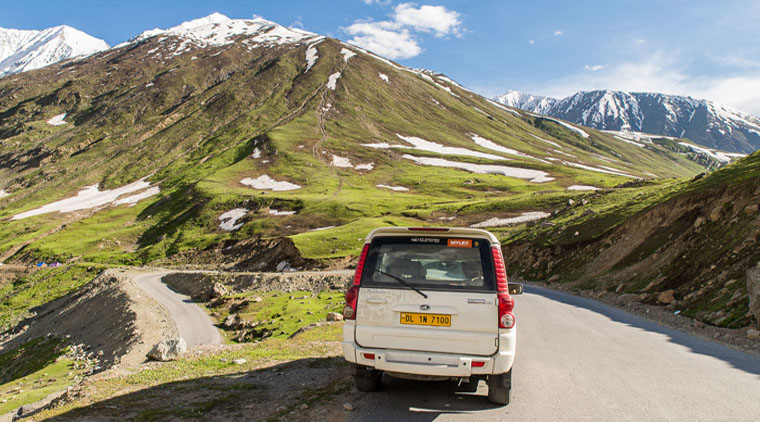
Leh Ladakh Road Trip By Car
- The land where snow never melts
 10D / 9N
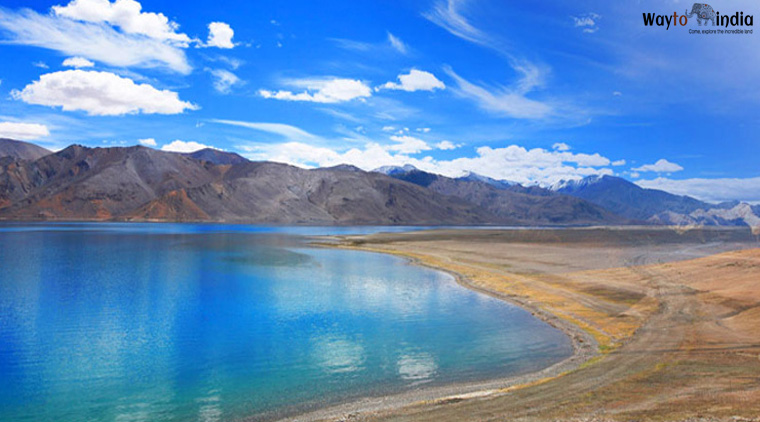
Kashmir Ladakh Tour Package
- Shikara Ride
- River Indus and River Zanskar
 10D / 9N
Srinagar Leh Ladakh Tour Package
- Pangong Lake
- Nubra Valley
 9D / 8N
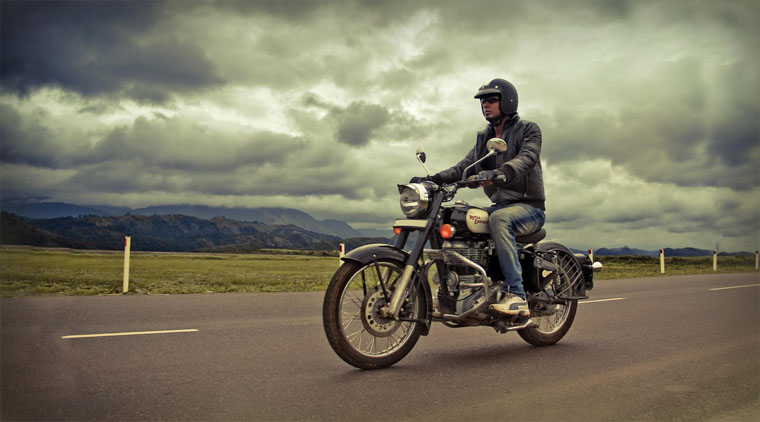
Leh Ladakh Road Trip
- Tiger Hill
- The Tololing Peak
 8D / 7N
Srinagar To Leh Tour Package
- Visit Dal lake & Nigeen lake
- Visit Shalimar Bagh