Bhopal Travel Guide
The comfortable window is October to March , cool and pleasant for the lakes, the museums and the open-air walk at the two UNESCO sites. Summer is hot and the monsoon greens the...
When to visit Bhopal
The comfortable window is October to March, cool and pleasant for the lakes, the museums and the open-air walk at the two UNESCO sites. Summer is hot and the monsoon greens the hills but slows the day trips.
- October to March: the easy windowThe best months by a clear margin. Days are warm and pleasant, evenings cool, and the open walking at Bhimbetka and Sanchi and along the Upper Lake is comfortable. December and January nights are genuinely cold, so carry a layer.
- April to June: hot on the plainCentral India gets very hot through the summer, often well into the forties, which is tiring for the open rock shelters and the stupa hill. If you come then, start the day trips at first light and keep the hot middle of the day for the museums or a lakeside cafe.
- July to September: the monsoon greenThe rains turn the Vindhya hills and the lakes lush and beautiful, and the city is at its prettiest, but showers can interrupt the open-air sites and the roads to Bhimbetka and Sanchi. Keep the plan flexible and have an indoor museum day in reserve.
- Decide around what you came forIf the two UNESCO sites are your priority, October to March gives the surest weather for a full day outdoors. If you mainly want the lakes and the food, the city is enjoyable on the shoulder months too, just plan the heat or the rain around the middle of the day.
Bhopal rewards a full two to three days, not a rushed overnight, because its best sights, the two UNESCO World Heritage Sites, sit on opposite sides of the city. Give yourself the cool-season daylight to do Bhimbetka and Bhojpur on one half-day and Sanchi on another, with the lakes, the old city food and the Tribal Museum filling the rest, and the city opens up in a way a single night never allows.
How to reach Bhopal, and getting around
Bhopal is a major railway junction and has a domestic airport, so it is easy to reach from across India. For the UNESCO day trips, a car with a driver is the comfortable choice.
- By train, the reliable way inBhopal Junction sits on the busy Delhi to Chennai trunk line with a very large number of daily trains, including fast services on the Delhi corridor. For most travellers the train is the simplest and most reliable arrival, and book on IRCTC a little ahead in the cool season.
- By airRaja Bhoj Airport, about 12 to 15 km from the city, has domestic flights to Delhi, Mumbai, Hyderabad, Bengaluru and other cities. There are no international flights, so overseas visitors connect through Delhi or Mumbai. A pre-paid taxi or an app cab into town is straightforward.
- By roadGood highways link Bhopal to Indore, roughly 3 to 4 hours, and to Jabalpur, Nagpur and beyond. It is a natural hub on a central India loop with Ujjain, Maheshwar and the tiger parks.
- Getting around and to the day tripsThe city itself is spread out, so use app cabs and autos between the lakes, the old city and the museums. For Bhimbetka and Sanchi, hire a car with a driver for the day, since Bhimbetka in particular is hard to do without one; we can arrange an experienced driver who knows the routing.
Fly into Delhi or Mumbai, the main international gateways, then take a short domestic flight or an overnight train to Bhopal. There are no international flights into Bhopal itself.
Fly into Delhi or Mumbai, then connect to Bhopal by a domestic flight or train. Bhopal sits centrally on the heritage circuit with Khajuraho, Ujjain and the wildlife parks.
Take a train to Bhopal Junction, the simplest way in given its position on the Delhi to Chennai line, or fly domestic to Raja Bhoj Airport. Both put you within an hour of the two UNESCO sites.
The lakes, the mosques and the museums
Within the city, Bhopal is its two lakes, the grand old-city mosques, and a pair of outstanding museums of tribal and human culture. A calm, walkable mix once you know the order.
- The Upper Lake and Lower LakeThe large Upper Lake, or Bhojtal, is the heart of the City of Lakes, attributed to the 11th-century king Raja Bhoj and one of the oldest man-made lakes in India. The smaller Lower Lake sits beside it. The lakefront at dusk, with boating and a tourism-department cruise, is the local social hub.
- Taj-ul-Masajid and the old cityOne of the largest mosques in India, with a huge courtyard and tank, set in the atmospheric Nawabi old city of serpentine lanes and chowks. Entry is generally free; dress modestly and remove shoes, and note that non-Muslim visitors are usually asked not to enter during Friday prayers.
- The Tribal Museum and State MuseumAt Shyamla Hills, the Madhya Pradesh Tribal Museum is one of the finest of its kind in India, a vivid, immersive set of galleries on the state's tribal cultures, with the State Museum next door. Both are easy half-day visits, but mind the Monday closure noted in the logistics section.
- Van Vihar and Bharat BhavanVan Vihar National Park along the lake lets you see animals in near-natural enclosures on a drive or walk, and Bharat Bhavan is a renowned centre for the performing and visual arts. Both are gentle, family-friendly half-days that round out the city.
Bhopal is often described as two cities split by the lakes: the old city to the north, a maze of mosques, bazaars and Nawabi history, and the newer city to the south with malls, museums and the lakeside promenades. Spend a morning in each and you understand the place. The old city is where the famous food and the great mosques are; the new city is where the lake views, the museums and most good hotels sit.
The two UNESCO sites, and how to do them in a day
Bhopal's headline draws are two UNESCO World Heritage Sites on opposite sides of the city: the Buddhist stupas of Sanchi and the prehistoric rock art of Bhimbetka. Here is the honest routing.
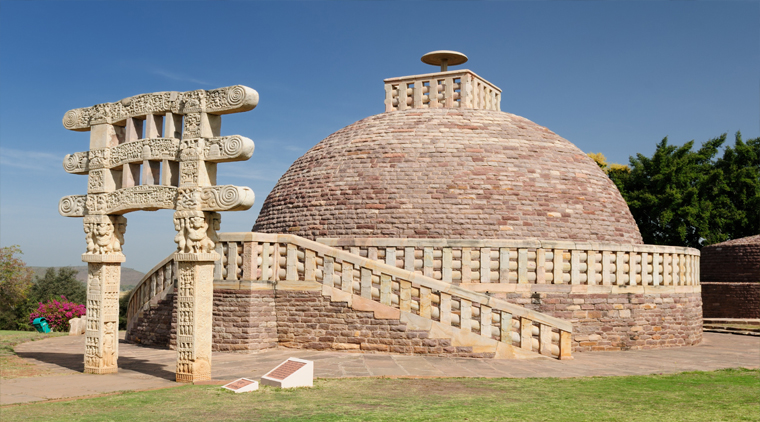
- Sanchi: the Buddhist stupasAbout 46 to 49 km north-east of Bhopal, roughly an hour by road, Sanchi has the most perfect and best-preserved Buddhist stupas in India, their carved gateways telling scenes from the life of the Buddha. Entry is ASI-ticketed, commonly about 40 rupees for Indian and SAARC visitors and about 600 rupees for other foreign nationals, open roughly 8 am to 5:30 pm; reconfirm the rate at the gate.
- Bhimbetka: the prehistoric rock artAbout 45 km south of Bhopal, roughly 1 to 1.5 hours by road, Bhimbetka is the largest repository of prehistoric rock art in India, with over 240 inscribed shelters and paintings tens of thousands of years old. Entry is ASI-ticketed, commonly about 10 to 40 rupees for Indians and about 100 to 300 rupees for foreign nationals; the shelters are about 3 km off the highway, so a car is essential.
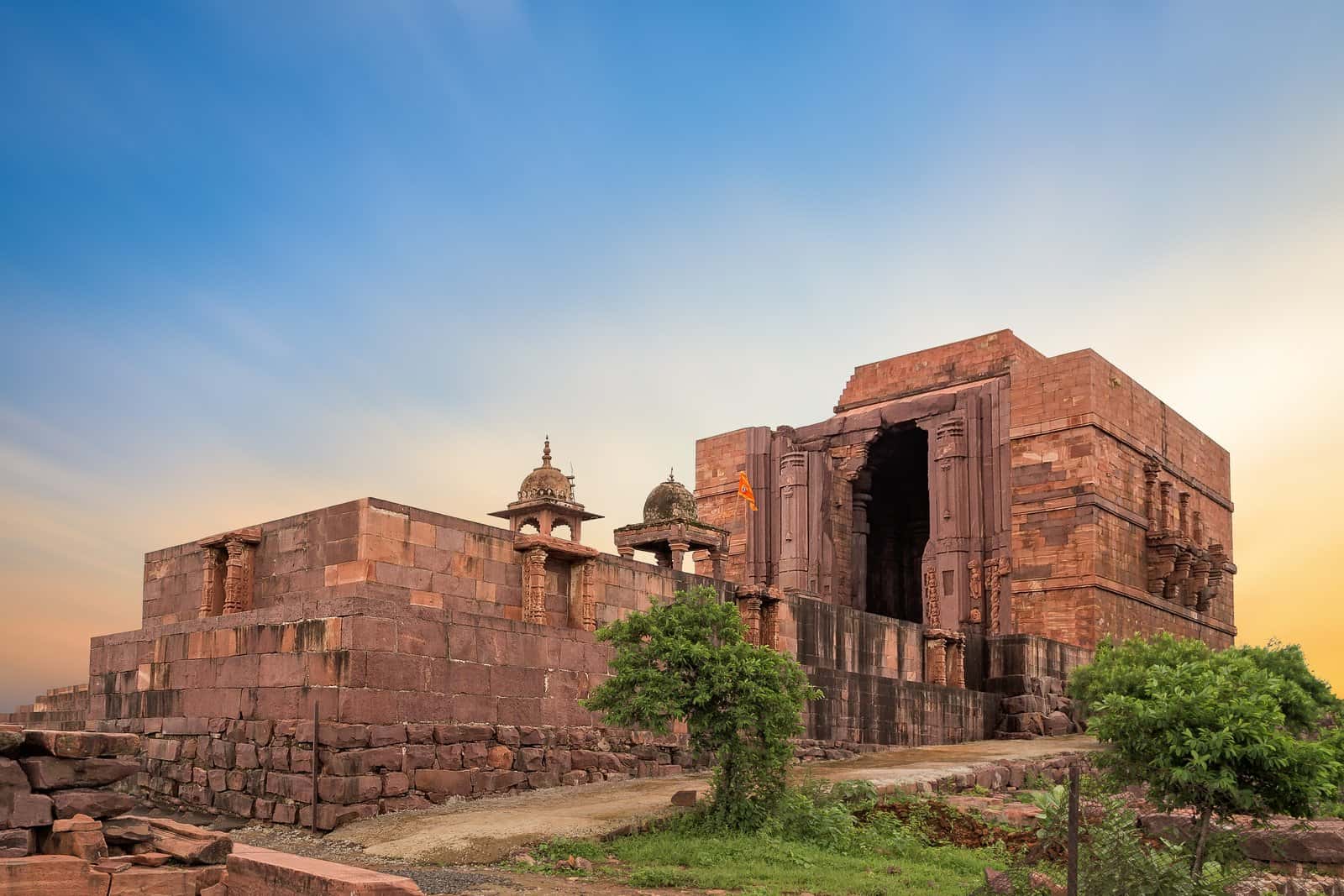
- Bhojpur, the temple on the wayOn the road towards Bhimbetka lies Bhojpur and its incomplete 11th-century Bhojeshwar Temple, with one of the largest single-stone Shiva lingams in India, commonly cited at about 7.5 feet on the official tourism account. It pairs naturally with the Bhimbetka half of the day.
- The honest one-day routingBecause Sanchi is north-east and Bhimbetka is south, do not zig-zag. Leave early, do Bhimbetka and Bhojpur first, return to Bhopal for lunch, then drive out to Sanchi for the afternoon and be back by sunset. It is a full but very doable day, or split it comfortably across two half-days if you have the time.
On the Bhopal to Sanchi road you pass a signboard marking where the Tropic of Cancer crosses, a small but memorable stop that our own tour drivers point out. It is a nice reminder that this is the geographic heart of India, and a good photo break on the way to the stupas. If you are doing the two sites on one day, this falls on the afternoon leg out to Sanchi.
Signature experiences in Bhopal
Beyond ticking off the sights, these are the experiences people remember, from sunset on the Upper Lake to the poha-jalebi breakfast and a sober walk through the gas tragedy memorial.
- Boating and sunset on the Upper LakeThe lakefront at dusk is where Bhopal relaxes. The Boat Club run by Madhya Pradesh Tourism offers paddle, cruise and motor boats at modest rates, commonly about 80 to 250 rupees per person, with a tourism-department cruise too. There is no charge just to walk the lakefront and watch the light go.
- The poha-jalebi breakfastBhopal's signature morning is a plate of hot poha topped with crisp sev, eaten with a fresh jalebi. Seek it out at an old-city stall or a long-running sweet shop. It is cheap, it is everywhere, and it is the most local way to start a day here.
- An old-city food walkThe Nawabi old city is the place for Bhopali cooking, the biryanis, kormas and kebabs, and sweets like mawa-bati. Walk the lanes near the big mosques in the evening, eat where the locals queue, and ask before photographing people and kitchens.
- The tribal art galleriesGive the Tribal Museum an unhurried two to three hours. The installations of tribal homes, art and ritual are immersive and beautiful, among the best museum experiences in central India, and a real reason to base a full day in the city rather than just passing through.
- A respectful visit to the gas tragedy memorialThe disused Union Carbide plant and the community-run Remember Bhopal Museum can be visited with a guide. It is a sober, moving experience that honours the victims of the 1984 disaster, not a casual sight; go quietly, ask permission before photographing, and give it the seriousness it deserves.
- The stupa hill at golden hourIf you can time Sanchi for the late afternoon, the carved gateways and the great hemispherical stupa take on a warm light and the crowds thin, and the calm of the hilltop is the thing people remember most about the site.
If you do only one thing slowly, make it the Tribal Museum or the old-city food, the two things that turn Bhopal from a transit stop into a place you are glad you stayed. The UNESCO sites are unmissable, but they are also where everyone goes. The living culture of the museums and the Nawabi kitchens is what gives the City of Lakes its own quiet character, and both reward an unhurried half-day.
Where to stay in Bhopal, and how many nights
Stay lakefront for the views, in a heritage palace hotel for atmosphere, or near the station for an early UNESCO start. Two to three nights is the sweet spot for the city and its day trips.
- Lakefront and the new cityThe newer city around the lakes is where most good hotels, the museums and the lake views sit, and it is the easiest, calmest base for first-timers. Quiet evenings, lake walks and short cab hops to everything make it the natural choice for couples, families and seniors.
- Heritage palace staysBhopal has lovely heritage and palace-style hotels that turn a stay into part of the experience, with gardens, old-world service and good Bhopali kitchens. Worth a splurge if you want the Nawabi atmosphere, and a calm retreat after a full day at the sites.
- Near the station for an early startIf your priority is an early departure for Bhimbetka or Sanchi, or you have a dawn train onward, a simpler hotel near Bhopal Junction keeps the logistics tight. You trade lake views for convenience, which can be the right call on a short trip.
- How many nightsTwo to three nights is right. Two lets you do the city plus the two UNESCO sites at a comfortable pace; a third adds the gas tragedy memorial, a slow museum morning, or a side trip towards Bhojpur and the lakes. A single night only really gives you the city or one site, not both.
Some travellers ask whether to base near Sanchi in Vidisha instead. Bhopal is the better base for almost everyone: it has the hotels, the food and the museums, sits within an hour of both UNESCO sites, and connects out by train and air. Vidisha or Sanchi only makes sense if you want a quiet night beside the stupas and are travelling light, since both UNESCO sites and the city are easiest reached from Bhopal itself.
Bhopal costs and a realistic daily budget
Bhopal is gentle on the wallet. Here is what the main things cost, so you can plan the day trips and avoid being overcharged for the car and guide.
- A rough daily budgetExcluding your room and long-distance transport, plan on about 1,200 to 2,000 rupees a day as a budget traveller, about 3,000 to 5,000 rupees mid-range, and about 6,000 rupees and up for a comfortable day with a car for the sites, museum tickets and good meals.
- The fixed-price thingsASI tickets are the anchor: Sanchi about 40 rupees for Indians and about 600 rupees for foreign nationals, Bhimbetka about 10 to 40 rupees for Indians and about 100 to 300 rupees for foreign nationals, the Tribal Museum about 10 rupees for Indians, Van Vihar about 25 rupees for an Indian adult walking. Reconfirm each at the gate.
- The car for the day tripsThe biggest single cost is the car with a driver for the UNESCO sites, which you negotiate as a day rate. Agree the price, the inclusions and whether it covers both Sanchi and Bhimbetka before you set off, and you avoid the only real friction. We can arrange a fair, fixed rate.
- Cash, cards and UPIHotels, bigger restaurants and the boat club take cards or UPI, but the old-city food stalls, autos and small vendors run on cash. There are bank ATMs across the city, so carry enough cash for the day's eating and small tickets.
The site tickets are cheap and fixed, so the cost that actually moves your budget is the car for the two UNESCO sites. Settle the day rate and what it covers before you leave the hotel, ideally for both Bhimbetka and Sanchi in one negotiated price, and the rest of a Bhopal day, the museum tickets, the boating, the food, stays modest and predictable. Quotes to visitors start high and come down without drama, so agree it first.
Practical logistics: closed days, food, money and SIM
The small things that make a Bhopal day smooth, above all the museum closed days that can wreck a tight plan, plus food, ATMs and getting around.
- Mind the closed daysPlan around them: the Madhya Pradesh Tribal Museum and the State Museum are closed on Mondays and most public holidays, Van Vihar National Park is closed one day a week, usually Friday, and the Remember Bhopal Museum at the gas tragedy site is generally closed on Mondays. Slot your museum day on an open day.
- Food, veg and non-vegBhopal eats very well both ways. The old city is famous for Nawabi non-vegetarian cooking, biryani, korma and kebabs, while vegetarians have the poha-jalebi breakfast, excellent thalis and the city's sweets. Drink bottled or filtered water and take the usual care with street food.
- Money and ATMsBank ATMs are spread across the city and cards and UPI work in hotels and bigger places. Carry cash for the old-city stalls, autos and the small site and museum tickets, which are cash-friendly.
- SIM, signal and languageMobile coverage in the city and on the main day-trip roads is generally good for maps, calls and ride-hailing. Hindi is the main language, English is widely understood in hotels and the tourist trade, so communicating is easy.
Safety, scams and staying well
Bhopal is a calmer, less hassly city than the big tourist hubs, with no signature scam. A little standard care covers the city, the day trips and the heat.
- General safetyBhopal is generally relaxed and welcoming, and travellers consistently report it as easier going than the busier tourist cities. Use the usual city sense at night, keep valuables close in crowded bazaars, and use app cabs or pre-paid autos rather than flagging down a random ride.
- At the UNESCO sitesBhimbetka and Sanchi are calm, well-managed sites, mostly families and couples, with staff and guards on hand; travellers report them as comfortable, including for women. The main care is the terrain at Bhimbetka, uneven rock and steps, so wear proper shoes and watch your footing.
- The taxi and guide steerThe only friction worth managing is the day-trip car: agree the route, the inclusions and the price before you set off, and prefer a driver arranged through your hotel or a known operator over a station tout. At the sites, official guides are available, so settle the fee first.
- Heat, water and healthIn the warmer months the open rock shelters and the stupa hill are exposed, so carry water and sun protection and start early. Drink bottled or filtered water, take the usual care with street food, and you will be fine.
Most solo and female travellers find Bhopal comfortable and low-key, and the UNESCO sites are reported as safe and family-filled. Dress modestly at the mosques and temples, use app cabs after dark, and prefer a hotel-arranged car for the day trips. Bhopal is one of the gentler central India cities to travel alone, with sales pressure and hassle notably lower than the big tourist hubs.
Bhopal for every kind of traveller, and on access
Bhopal suits very different visitors in different ways. Here is what it offers you and the one tip that matters for each, including how a senior does the two UNESCO sites comfortably.
- Families with childrenEasy and varied: the boating on the lake, the animals at Van Vihar, the immersive Tribal Museum and a gentle stupa walk at Sanchi. Bhimbetka's rock terrain suits older children better than toddlers, so plan that day around your group.
- CouplesCalm and unhurried, with lake sunsets, heritage palace stays and the old-city food. An overnight rather than a rushed day lets you catch the lakefront at dusk and still do both UNESCO sites at a relaxed pace.
- Senior travellers and on accessibilityVery doable with planning. Stay lakefront to limit getting around, do the sites in the cool of the morning, and know that Sanchi has a gentler walk than Bhimbetka, where the rock shelters involve uneven ground and steps. Hire a comfortable car with a driver for the day trips and take them slowly.
- History and culture loversThis is Bhopal's heartland: two UNESCO sites spanning prehistory and early Buddhism, the Bhojpur temple, the Nawabi old city, and one of India's finest tribal museums. Give it three full days and you will not be bored for an hour.
- Solo and female travellersGenerally relaxed and low-hassle, easier going than the big tourist cities. Dress modestly at the religious sites, use app cabs after dark, and arrange the day-trip car through your hotel. One of the calmer central India bases for solo travel.
- PhotographersThe stupa gateways at golden hour, the rock-art panels at Bhimbetka, the lakefront at dusk and the old-city kitchens. Ask before photographing people at prayer or at work, and respect the quiet at the gas tragedy memorial.
A suggested Bhopal itinerary
How to shape two or three days so you catch the city and both UNESCO sites without zig-zagging or arriving at a museum on its closed day.
- Day one: the cityStart with the Tribal Museum and State Museum at Shyamla Hills, but check it is not a Monday. Add Taj-ul-Masajid and an old-city wander, then finish at the Upper Lake for sunset and a boat ride. Eat Bhopali in the old city in the evening.
- Day two: Bhimbetka and BhojpurLeave early for Bhimbetka, the prehistoric rock shelters about 45 km south, then stop at the Bhojpur temple on the way back. Return to Bhopal for a late lunch and a relaxed afternoon by the lake or a second museum.
- Day three: SanchiDrive about an hour north-east to Sanchi for the stupas, ideally arriving for the softer late-morning or afternoon light, with the Tropic of Cancer signboard as a stop on the way. Back to Bhopal by evening, or carry on towards your next central India stop.
- The two-day versionIf you only have two days, do the city in a morning, Bhimbetka and Bhojpur in the afternoon, and Sanchi the next morning. It is tighter but works, as long as you do not try to fit both UNESCO sites and the city into a single day.
The single thing that breaks a tight Bhopal plan is arriving at the Tribal Museum or the State Museum on a Monday, when both are closed, or at Van Vihar on its weekly closed day. Build your city day on an open day, keep Monday for the outdoor UNESCO sites or travel, and you will never find yourself at a shut gate with the clock running.
The real questions travellers ask about Bhopal
Straight answers to the questions that come up again and again on traveller forums, so you arrive already knowing the score.
- Is Bhopal just a transit city?It is more than that. Yes, many people use it as a base for Sanchi and Bhimbetka, but the lakes, the Nawabi old city and food, and one of India's best tribal museums reward two to three days. Treat it as a destination and it repays you; treat it as a single overnight and you only see the gateway, not the city.
- Can I do both UNESCO sites in one day?Yes, comfortably, if you plan around the geography. Sanchi is north-east and Bhimbetka is south, so do Bhimbetka and Bhojpur first, return for lunch, then Sanchi in the afternoon. A car for the day makes it easy. If you would rather not rush, split them across two half-days.
- Should I base in Bhopal or Vidisha for Sanchi?Base in Bhopal. It has the hotels, the food, the museums and the connections, and both UNESCO sites are within an hour. Vidisha or Sanchi only suits travellers who specifically want a quiet night beside the stupas with light luggage.
- How do I reach the sites without my own car?The easiest way is a hired car with a driver for the day, arranged through your hotel or a known operator. Sanchi is also reachable by train via Vidisha for budget travellers, but Bhimbetka effectively needs a car because the shelters sit about 3 km off the highway up a hill.
- Is the gas tragedy memorial worth visiting?For travellers who want to understand the city's recent history, yes, but go with respect. The disused Union Carbide plant and the community-run Remember Bhopal Museum, generally closed on Mondays, are best visited with a guide as a sober, moving experience that honours the victims of the 1984 disaster, not as a casual sight.
- Where is the famous Bhopali food?The poha-jalebi breakfast is everywhere, best from an old-city stall or a long-running sweet shop. For the Nawabi non-vegetarian cooking, the biryanis, kormas and kebabs, head to the old city around the big mosques in the evening and eat where the locals queue. Vegetarians eat very well too.
Planning Bhopal from abroad
Bhopal is the calm, under-touristed base for two UNESCO World Heritage Sites and a deep tribal culture, and it anchors a central India heritage loop. A little preparation makes the logistics easy.
- There are no international flightsBhopal's airport has no regular scheduled international flights, so fly into Delhi or Mumbai and connect by a short domestic flight or an overnight train. The train, on the busy Delhi to Chennai line, is comfortable and reliable, and arriving by rail puts you within an hour of both UNESCO sites.
- Hire a car for the two UNESCO sitesSanchi and Bhimbetka are the reason most overseas visitors come, and they sit on opposite sides of the city. A car with a driver for the day, arranged through your hotel or operator, is the comfortable way to do both, and lets you stop at the Bhojpur temple and the Tropic of Cancer marker.
- Slot it into a central India loopBhopal pairs naturally with Khajuraho's temples, the sacred city of Ujjain, the riverside town of Maheshwar and the tiger parks of Bandhavgarh, Kanha and Pench. Give Bhopal two to three nights as the cultural anchor between the wildlife and the temples.
- Approach the gas tragedy memorial with respectMany overseas visitors know Bhopal for the 1984 disaster. The memorial and the community-run museum can be visited with a guide as a sober, respectful experience that honours the victims, not as a tourist photo stop. Go quietly and ask before photographing.
Money, connectivity and timing for foreign visitors
The practical basics an overseas traveller needs for a calm central-Indian city: cash, cards, a SIM, the ASI ticket differences for foreign nationals, and how many days to give it.
- Carry cash, but cards work widelyHotels, bigger restaurants, the boat club and museums take cards or UPI, but the old-city stalls, autos and the small ASI tickets run on cash. Draw cash at the city ATMs and keep small notes for street food, tips and entry tickets.
- Know the foreign-national ticket ratesForeign nationals pay more at the ASI sites: Sanchi commonly about 600 rupees and Bhimbetka about 100 to 300 rupees, against a few tens of rupees for Indians, and the Tribal Museum about 200 to 250 rupees. These are small sums but worth knowing, and reconfirm them at the gate as they are revised periodically.
- Get a SIM at the airportPick up an Indian tourist SIM or an eSIM when you land in Delhi or Mumbai rather than hunting for one later. Coverage in Bhopal and on the main day-trip roads is good for maps, calls and ride-hailing.
- How long to give itOn a central India trip, two to three nights in Bhopal is the right weight: enough for the city, both UNESCO sites and the gas tragedy memorial, without slowing a wider loop through Khajuraho, Ujjain and the tiger parks. October to March is the comfortable window.
Bhopal is an unusually rewarding and calm introduction to central India: two UNESCO World Heritage Sites within an hour, a living tribal culture in its museums, a famous food tradition, and far less tourist hassle than the headline cities. Give it two or three nights as the cultural heart of an MP loop, hire a car for the sites, and let the lakes and the old city be the slow chapters between the heritage. Many overseas visitors find it the most quietly memorable stop of the trip.
Raja Bhoj's lake, and a thousand years of water
Bhopal takes its identity from water. The great Upper Lake, Bhojtal or Bada Talab, is among the oldest man-made lakes in India and is traditionally attributed to the 11th-century Paramara king Raja Bhoj, who, the local story goes, was advised to build a tank fed by many streams to cure an ailment, and dammed the Betwa tributary valley to create the sheet of water the city still gathers around at dusk. The same king's name marks the modern airport and the incomplete Bhojeshwar Temple at Bhojpur on the road to Bhimbetka, where one of the largest single-stone Shiva lingams in India still stands under an unfinished dome. Older Bhopal, the Nawabi city of begums and mosques that built Taj-ul-Masajid, layered onto that medieval foundation, and the lakes remained the constant. To sit by the Upper Lake at sunset, with the old city behind you and the stupas and rock shelters out in the hills, is to feel a thousand years of central Indian history meeting at the water's edge.
Planning a Bhopal trip?
Our Madhya Pradesh travel experts plan your full journey for you: route, hotels, darshan timings and transport. You get a free day-by-day plan and an exact quote on WhatsApp, usually within a few hours. No payment is needed to get your plan.
Tour packages that visit Bhopal
Every journey below is private, hand-crafted and fully customizable. Tell us your dates and we tailor the itinerary, the pace and the priests or guides around you.
 5D / 4N
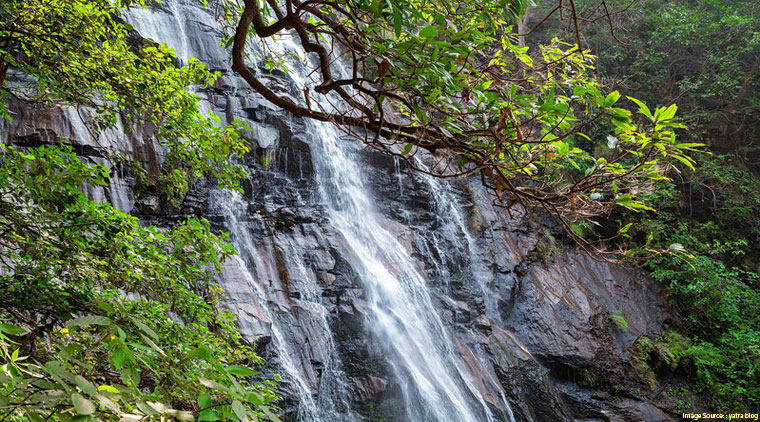
Pachmarhi Tour Package
- Pachmarhi
 4D / 3N
Bhopal Sanchi Bhimbetka Tour Package
- Visit Taj-ul-Masjid
- Visit Upper lake and the Chota Talaab
 4D / 3N
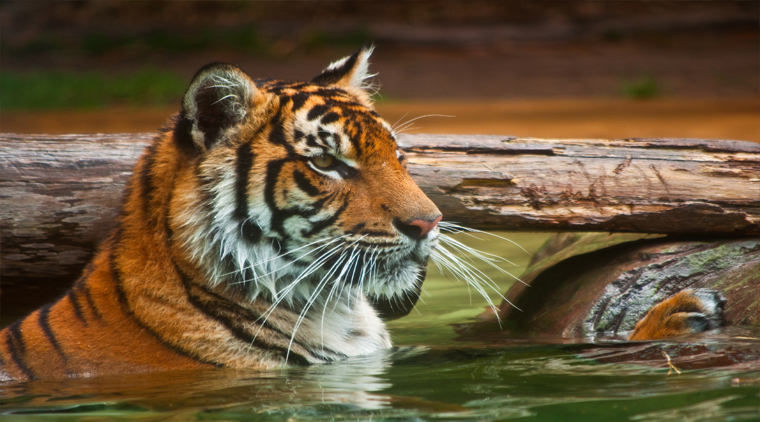
Bandhavgarh Wildlife Safari Tour From Ahmedabad
- Visit Bandhavgarh National Park
- Enjoy Adventurous Jeep Safari