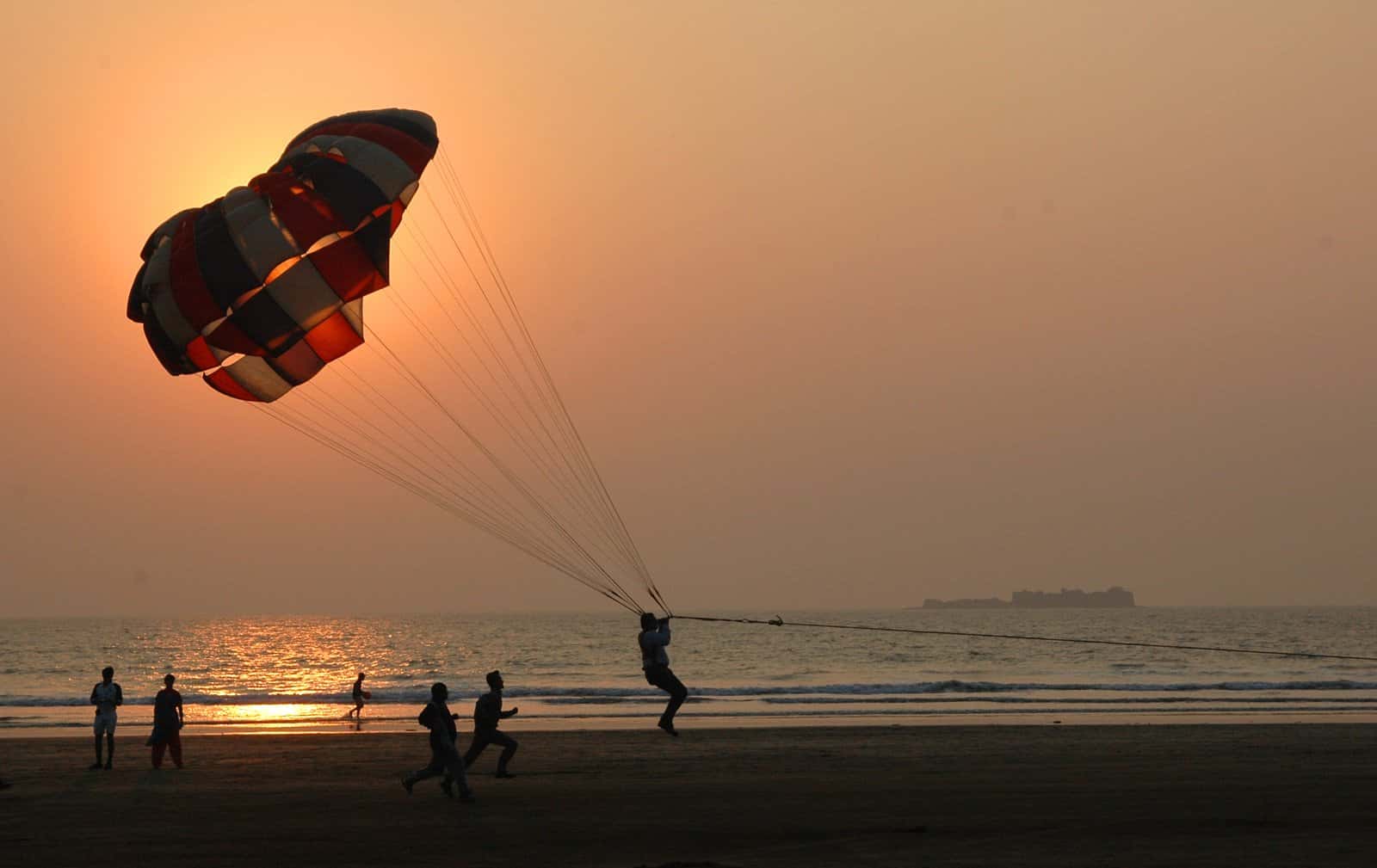
Mumbai Travel Guide
The comfortable months are October to February , dry and pleasant. The one season to plan around is the monsoon , when the rain can be torrential, and the one festival to know is...
When to visit Mumbai, and the monsoon to plan around
The comfortable months are October to February, dry and pleasant. The one season to plan around is the monsoon, when the rain can be torrential, and the one festival to know is Ganesh Chaturthi.
- October to February: dry and pleasantThe best window, mild and dry with comfortable days around 20 to 32 degrees and cooler evenings. This is the time for the Gateway, Marine Drive, the Elephanta ferry and unhurried walks through colonial south Mumbai. November to February are the loveliest, and the sea breeze keeps the city from ever feeling cold.
- March to May: hot and humidSummer builds quickly and the coastal humidity makes it feel hotter than the thermometer says, especially through May. Sightseeing is still workable if you start early, keep the middle of the day for an air-conditioned museum or a long lunch, and stay hydrated. The upside is fewer crowds and softer hotel rates.
- June to September: the monsoonMumbai gets some of the heaviest rain of any Indian city, and a single downpour can flood low-lying streets and stall local trains within an hour. Marine Drive with the waves crashing over the parapet is a famous sight, but keep your days flexible, carry a light rain layer, and do not plan the Elephanta ferry on a stormy day.
- Decide festival or no festival firstGanesh Chaturthi is the city's heartbeat in late summer and a genuine spectacle, but it also brings huge crowds and road closures. If you want it, plan around the dates and book early; if you want a calmer city, come in the cool dry months instead, and you will have the seafronts and the museums to yourself.
Mumbai's biggest festival, Ganesh Chaturthi, is expected to fall on about 14 September 2026 and run roughly ten days to the Anant Chaturdashi immersions around 24 September, when vast idol processions converge on Girgaon Chowpatty and other beaches. It is unforgettable, but the crowds, the dhol-tasha processions and the road closures are immense. Treat these as the expected panchang dates and reconfirm before you book, and whether you come for it or steer clear, plan your transport around the immersion days.
How to reach Mumbai by air and rail
Mumbai is one of India's two main international gateways, with a single big airport and several long-distance rail hubs. Knowing which terminal and which station saves real time on arrival.
- By air, and which terminalChhatrapati Shivaji Maharaj International Airport (CSMIA) is the main western gateway. Terminal 2 (T2) handles all international flights and most domestic flights, while the older Terminal 1 (T1) serves a few domestic carriers and is being redeveloped, so always check which terminal your airline uses before you fly, especially for a domestic connection. A second airport, Navi Mumbai International (NMIA) across the harbour, opened to commercial flights at the end of 2025 and is ramping up domestic services, so on a domestic leg check whether your flight uses CSMIA or NMIA, as they are far apart.
- From the airport into the cityUse the prepaid taxi counter or an app cab (Uber or Ola) from the terminal rather than an unmetered tout outside. To south Mumbai expect roughly 45 minutes to over an hour depending on traffic; the new Metro Aqua Line now also reaches the airport area for a clean run towards BKC and the southern city. Have your hotel's address written down to avoid the hotel-redirection trick.
- By train, the long-distance hubsMumbai's main railway stations for long-distance trains are CSMT (the UNESCO terminus), Mumbai Central, Dadar and Lokmanya Tilak (LTT). Trains link Mumbai across India and onward to Goa down the scenic Konkan line, to Aurangabad for Ajanta and Ellora, and to the pilgrimage towns. Book on IRCTC well ahead in season, as popular routes fill early.
- Do not confuse CSMT with the local networkCSMT and the other big stations also serve as terminals for the suburban local trains, so arriving travellers sometimes land in the wrong queue. For long-distance reserved travel, look for the main-line concourse; the suburban locals, covered in the logistics section, are a separate world with their own platforms and ticket windows.
Fly direct or via the Gulf into Mumbai (Terminal 2), one of India's two main international gateways alongside Delhi. It is the natural start for the western and southern circuits, the Jyotirlinga pilgrimages and the Goa coast.
Mumbai has frequent direct flights from the Gulf and Southeast Asia into Terminal 2. From here it is a short hop to Goa, the Maharashtra hills and the Jyotirlinga pilgrimage towns, and an easy onward domestic flight to almost anywhere.
Mumbai is linked by air and train to every major city. CSMT, Mumbai Central, Dadar and LTT are the long-distance rail hubs, and the Konkan line south to Goa is one of India's prettiest train journeys.
Getting around Mumbai: local train, Metro and taxis
Getting around is half of Mumbai's character. The local train is the lifeline, the new Metro Aqua Line is the calm alternative, and app cabs beat flagging a street taxi.
- The suburban local train, the city's lifelineThe Western, Central and Harbour lines carry millions of people a day and are the fastest way across the city, running roughly 4 am to about 1 am. Buy a paper ticket at the counter or use the official app, choose first class (about 40 to 100 rupees) for more space, and stand clear of the doors. It is genuinely easy and safe off-peak, and a real Mumbai experience.
- Avoid the rush-hour crushThe peak-hour local is dangerously packed, roughly 8 am to about 11 am towards south Mumbai and about 5:30 pm to about 9 pm away from it. Travel between those windows, and if you must move at peak, the ladies' compartments are calmer for women and the air-conditioned local services are worth the small extra. With luggage or older travellers, skip the local at peak entirely.
- The Metro Aqua Line, the calm new optionMumbai Metro Line 3, the underground Aqua Line, became fully operational in October 2025 and now runs from Aarey in the north to Cuffe Parade in the south, through the airport area, BKC, Worli and Churchgate, with fares of about 10 to 70 rupees. It is clean, air-conditioned and traffic-proof, and for many south-Mumbai trips it is now the easiest way to move.
- Taxis and autos: use app cabsUse Uber or Ola or a prepaid counter rather than flagging a street taxi, to sidestep the modified-meter and hotel-redirection tricks. The black-and-yellow taxis work in south Mumbai while autorickshaws run only in the suburbs north of Bandra and Sion, so do not expect an auto in Colaba or Fort.
Two 2024 projects most older guides miss have reshaped getting around. The Mumbai Coastal Road from Marine Drive to the Bandra-Worli Sea Link opened in 2024 and is toll-free on its main stretch, cutting the drive from the southern city up the coast. The Atal Setu (Mumbai Trans Harbour Link), India's longest sea bridge at about 21.8 km, opened in January 2024 with a car toll of about 250 rupees one way and reaches Navi Mumbai and the new airport area in roughly 20 minutes. Both can shorten an airport transfer or an Alibaug day trip considerably.
The Gateway, Marine Drive and south Mumbai
Mumbai's classic sights cluster in the colonial south of the city, walkable in a day, with the temples, the dargah and the great museum a short ride away.
- Gateway of India and the harbourThe grand basalt arch on the waterfront, completed in 1924, is the symbol of the city and the jetty for the Elephanta ferry. Come early to beat the crowds and the heat, watch the harbour wake up, and admire the Taj Mahal Palace hotel across the road. It is free to look at and the natural place to start a south-Mumbai day.
- Marine Drive and ChowpattyThe three-kilometre seafront sweep is nicknamed the Queen's Necklace for its curve of evening lights, ending at Girgaon Chowpatty beach. It is the best place in the city for a sunset stroll and a plate of bhelpuri, and entirely free. The new Coastal Road runs alongside, but the promenade walk is still the classic Mumbai evening.
- CSMT, the CSMVS museum and Dhobi GhatChhatrapati Shivaji Terminus (CSMT), the old Victoria Terminus, is a UNESCO-listed Victorian Gothic railway cathedral, best admired from outside in the evening light. Nearby, the CSMVS museum at Kala Ghoda is the city's grandest, and the open-air Dhobi Ghat laundry makes a striking photo from the Mahalaxmi overbridge.
- Haji Ali and SiddhivinayakHaji Ali Dargah sits on a causeway in the sea, open roughly 5:30 am to 10 pm, but the causeway is covered at high tide, so check the timing before you set out. The Siddhivinayak temple is one of Mumbai's most revered Ganesh shrines, calm on a weekday morning and busiest on Tuesdays, when queues can be very long.
Most of Mumbai's icons, the Gateway, Marine Drive, the CSMT exterior, Dhobi Ghat and the temples, are free to look at or have only a small donation. The two main paid visits are Elephanta, covered next, and the CSMVS museum, where entry on the official rate card is about 100 rupees for Indian visitors and about 700 rupees for foreign adults. Check Haji Ali's tide times before you go so you do not arrive when the causeway is underwater.
Elephanta Caves: the ferry, the fees and the Monday closure
The UNESCO island of Elephanta is Mumbai's great half-day trip, a ferry ride and a rock-cut Shiva cave. Three facts make it smooth: the Monday closure, the timings, and the OCI rate.
- Never plan Elephanta on a MondayThe caves are closed on Mondays, every week, so a Monday Elephanta plan is the most common ruined day in Mumbai. The caves are open roughly 9 am to 5 pm Tuesday to Sunday. Allow the best part of a day once you add the hour-each-way ferry, the jetty walk and the climb of around 120 steps to the main cave.
- The ferry from the GatewayBoats leave the Gateway of India roughly every 30 minutes, the first about 9 am, taking about an hour each way; the last return runs in the afternoon, so set off in the morning and reconfirm the day's last boat at the jetty. The return ferry is about 200 rupees for an ordinary boat and about 350 rupees for the upper-deck luxury class, and a small toy train at the island saves the first stretch for about 10 rupees.
- What you pay at the cavesCave entry is about 40 rupees for Indians and visitors from SAARC and BIMSTEC countries and about 600 rupees for other foreign nationals, plus a village fee of about 10 rupees and about 25 rupees if you carry a video camera. OCI cardholders are generally charged the Indian rate, so carry the physical OCI card with the linked passport and reconfirm at the counter.
- What you actually seeThe highlight is the great Trimurti, the three-faced Shiva carved into the rock around the sixth century, in the main cave. A couple of the caves are the real reason to come and others are weathered, so manage expectations: this is a serene, atmospheric half-day with a fine sea approach, not a vast complex. Carry water and sun cover, as shade is limited on the climb.
The harbour boats are fine in calm weather, but the crossing is exposed and the service can be suspended in rough monsoon seas. Do not attempt Elephanta on a stormy day between about June and September, and if the sea looks heavy, save the island for a clear day. On any day, take the morning boats so you are not caught racing the last return.
Signature experiences in Mumbai
Beyond the monuments, these are the experiences that make Mumbai, from an ethical Dharavi walk to the street food and the Bollywood machine, and how to do each well.
- An ethical Dharavi walkA pre-booked tour with a reputable operator such as Reality Tours shows the small industries, recycling and pottery of one of Asia's most enterprising neighbourhoods, not poverty as spectacle. It runs about 2 to 2.5 hours in daytime from around 900 rupees a person, with a strict no-photography rule, and a large share of the fee goes back into community projects.
- A Mumbai street-food crawlVada pav, pav bhaji, bhelpuri at Chowpatty, the kebabs of Mohammed Ali Road in Ramadan, and the city's beloved Irani cafes. A guided food walk through Colaba or the old Fort area is a delicious way to meet the city; eat where the queues are local and the turnover is fast.
- A Bollywood studio visit and Film CityMumbai is the home of Hindi cinema, turning out hundreds of films a year. A guided studio or Film City tour, with luck a glimpse of a shoot, is a fun half-day, especially for families and first-timers. Book through a recognised operator rather than a street tout outside the gates.
- Sunset at Marine Drive, dinner in ColabaEnd a day on the Marine Drive seafront as the Queen's Necklace lights up, then eat in Colaba, from the legendary Leopold Cafe and the Colaba Causeway stalls to the rooftop restaurants. For a special meal our Mumbai tour notes point to Peshawri for the grills and Bastian for seafood; book ahead for both.
- Ganesh Chaturthi, if your dates alignIf you visit in mid-September, the Ganesh Chaturthi processions and the Anant Chaturdashi immersions are an extraordinary spectacle. Watch from a planned vantage point rather than the thick of the crowd, especially with children or older relatives, and expect road closures near the beaches on the immersion days.
- A kala ghoda and bazaar afternoonWander the Kala Ghoda art district and the colonial Fort lanes, then shop the markets: Zaveri Bazaar for gold, Crawford Market for produce and curiosities, and the malls like High Street Phoenix for air-conditioned comfort. Bargain gently in the bazaars, and there is no pressure to buy.
If you do only one thing slowly, make it an evening on Marine Drive into a Colaba dinner. The sweep of lights, the sea air and the easy crowd capture the city better than any single monument, and it costs nothing but the meal. Give yourself an unhurried sunset and let Mumbai's restless energy settle into something gentler, the way locals use the seafront at the end of a long day.
Where to stay in Mumbai, and how many nights
Stay in Colaba and Fort to be next to the sights, in Bandra for the cafes and the sea, or near the airport for an early flight. Three to four nights covers the city.
- Colaba and Fort: in the thick of the sightsThe natural base for a first visit, walking distance to the Gateway, the Elephanta jetty, Marine Drive, the museum and the Colaba Causeway shopping. It runs from heritage grandeur at the Taj down to characterful budget guesthouses, and you can do most of the classic city on foot. Busier and pricier, but the most convenient.
- Bandra and the western suburbs: cafes and seaBandra is the stylish, leafy side of the city, full of cafes, boutiques, sea-facing promenades and a younger evening scene, with good Metro and local-train links south. Better for a second visit or a longer stay, and well placed for the airport, though further from the southern monuments.
- Near the airport: for an early flightThe Andheri and airport-area hotels suit a late arrival or an early onward flight, with quick access to T2 and the Metro. It is a practical rather than scenic base, so use it for a transit night and stay south or in Bandra for the sightseeing days.
- How many nightsThree to four nights covers the city highlights comfortably, with a half-day for Elephanta. A fifth night lets you add a Bollywood studio visit, the Kanheri caves, or a day trip to Lonavala or Alibaug. Two nights is enough only for the south-Mumbai greatest hits if time is tight.
If this is a first visit built around the icons, stay in Colaba or Fort and keep your days walkable. If you want the cafes, the sea promenades and a more local rhythm, choose Bandra and use the Metro and the local train to reach the south. Only base near the airport for a pure transit night, and in the monsoon, a southern hotel keeps you close to the sights when a downpour makes a long cross-city trip miserable.
Mumbai costs and a realistic daily budget
Mumbai is India's most expensive city for rooms and dining, but the sights and transport are cheap. Here is what the main things cost so you can plan and avoid being overcharged.
- A rough daily budgetExcluding your room and long-distance transport, plan on about 1,500 to 2,500 rupees a day as a budget traveller using local trains and street food, about 4,000 to 7,000 rupees mid-range with app cabs, sit-down meals and a tour or two, and 10,000 rupees and up for a comfortable day with fine dining and private transfers. Rooms are the big variable, far higher than most Indian cities.
- The fixed-price thingsTransport and sights are gentle: a local-train first-class trip is about 40 to 100 rupees, a Metro ride about 10 to 70 rupees, the Elephanta ferry about 200 to 350 rupees return with about 40 rupees entry for Indians and OCI holders, and the CSMVS museum about 100 rupees for Indian visitors. These are the reliable anchors in an otherwise pricey city.
- The negotiable and the priceyHotels and restaurants in Colaba, Bandra and the five-stars are where Mumbai costs add up. App cabs are metered and fair, but a street taxi quote should be ignored in favour of the meter or the app. A Dharavi tour is about 900 rupees and up, a Bollywood tour more, and both are worth pre-booking at a fixed price.
- Cash, cards and UPIMumbai runs heavily on cards and UPI; restaurants, malls, app cabs and even many stalls take digital payment. Carry some cash for the local-train counter, small vendors and tips, and use bank ATMs in the main areas. Foreign visitors should keep a little cash for the ferry, the temple donation box and the bazaars.
In Mumbai the budget swing is almost entirely your hotel and your meals, not your sightseeing. The monuments, the trains and the Metro are some of the cheapest in any world city, while a Colaba dinner or a sea-view room can cost more than a whole day elsewhere in India. Set your room and dining bracket first, ride the trains and the Metro to get about, and the rest of the city is surprisingly affordable.
Safety, scams, the monsoon and women travellers
Mumbai is among the safer big Indian cities, but a little awareness handles the taxi scams, the monsoon hazards and the late-night common sense that keep a trip smooth.
- The taxi and tout scams, and the fixThe common ones are the modified meter that runs fast, the driver who claims your hotel is closed or unreachable to take you to one that pays him, and the overpriced unmetered ride from outside the airport. The fix is simple: use app cabs or the prepaid counter, know your hotel's real address, and decline the helpful stranger steering you to a shop or a hotel.
- Women and solo travellers, an honest readMumbai is widely regarded as one of the safer Indian metros for women, with late-running transport, ladies' compartments on the local train and busy public spaces well into the night. Standard city sense still applies: use app cabs after dark, keep to the ladies' coach at peak, avoid empty late-night stations, and trust your instincts. Many solo women travel here comfortably, but caution at night is wise anywhere.
- The monsoon and your healthIn the monsoon, a heavy downpour can flood low streets and stall trains fast, so keep plans flexible, avoid wading through floodwater, and do not attempt the ferry in a storm. Year round, drink bottled or filtered water, take the usual care with street food (busy, fast-turnover stalls are safest), and carry sun cover in the hot months.
- Crowds, pickpockets and the local trainPetty theft is the realistic risk, not violent crime: keep your phone and wallet secure in crowded markets, on the rush-hour local and around the Gateway. On the train, stand clear of the doors, never hang out of a moving carriage, and avoid the peak crush entirely with luggage or older travellers.
Mumbai is a friendly, fast city where the genuine risks are the taxi meter, the rush-hour train crush, the monsoon flood and ordinary pickpocketing, not danger to person. Handle the meter with an app cab, the train by travelling off-peak, the rain by staying flexible, and your valuables with normal city care, and the city rewards you with one of the easier, more welcoming big-city experiences in India for families, seniors and solo travellers alike.
Practical logistics: tickets, money, SIM and the local-train how-to
The small things that make a Mumbai day smooth, from buying a local-train ticket and a Metro card to money, SIM and getting your bearings in a sprawling city.
- How to actually ride the local trainFind your line (Western from Churchgate, Central and Harbour from CSMT), buy a paper ticket at the counter or load a smart card, and check the platform indicator for the next fast or slow service and its destination. Fast trains skip many stations, so confirm yours stops where you want. Stand on the platform clear of the doors, let people off first, and choose first class or the air-conditioned local for space.
- The Metro and getting your bearingsThe Metro Aqua Line is simple: token or smart card at the gate, fares about 10 to 70 rupees, clean and signed in English. South Mumbai is the compact, walkable old city; the suburbs sprawl north for many kilometres, so always check whether a place is south or in the suburbs before you set off, as distances are deceptive.
- Money, ATMs and UPICards and UPI are accepted almost everywhere, from malls and restaurants to app cabs and many stalls. Carry some cash for the train counter, small vendors and tips, and draw it from bank ATMs in the main areas. Foreign visitors should keep small notes for the ferry, donations and bazaars where digital payment is not set up for them.
- SIM, signal and languagePick up an Indian tourist SIM or an eSIM at the airport on arrival rather than hunting later. Coverage across the city is strong for maps, calls and ride-hailing. Hindi and Marathi are the main languages, but English is widely spoken in the hospitality and tourist trade, so getting around and asking directions is easy.
The single orientation that saves a visitor hours is knowing that Mumbai splits into the compact southern peninsula, where almost all the classic sights sit, and the suburbs that stretch many kilometres north to the airport, Bandra, Andheri and beyond. A cross-city trip can take well over an hour in traffic, so cluster your days by area, use the train or Metro for the long north-south hops, and keep app cabs for the short local runs.
Mumbai for every kind of traveller, and on access
The same city works very differently for a family, a senior couple and a backpacker. Here is what Mumbai offers each, and the one tip that matters, including how an older visitor does it comfortably.
- Families with childrenThe Gateway and the harbour boats, the Elephanta toy train, Chowpatty beach, a Bollywood studio and the museum keep children engaged. Skip the rush-hour train and use the Metro and app cabs, keep little ones close on the busy seafronts, and build in air-conditioned breaks in the hot months.
- Senior travellers and on accessibilityVery doable with planning. Use app cabs and the air-conditioned Metro rather than the crowded local train, visit the Gateway early before the heat, and take Elephanta on a calm day, using the toy train and pacing the steps to the cave, which are steep. Choose a south-Mumbai hotel to keep distances short. Pavements and stations can be uneven and crowded, so allow time and avoid the peak crush.
- CouplesSunset on Marine Drive, dinner in Colaba, a harbour ferry and the Art Deco and Victorian Gothic architecture make a romantic city break. Bandra's cafes and sea-facing promenades are lovely in the evening, and a slow museum afternoon at Kala Ghoda pairs well with a leisurely dinner.
- Solo and women travellersMumbai is among the safer Indian cities for solo and women travellers, with late-running transport and ladies' compartments on the local train. Use app cabs after dark, keep to the ladies' coach at peak, and apply normal city sense; many solo women find the city easy and welcoming.
- Backpackers and budget travellersColaba and Fort have hostels and the city's legendary cheap eats, and the Metro and local train cost very little. A Dharavi tour and a street-food walk are the budget highlights, and the seafronts, the CSMT exterior and the bazaars are all free to enjoy.
- PhotographersThe CSMT facade and Dhobi Ghat at golden hour, the Marine Drive curve at night, the harbour at dawn from the Gateway, and the colour of Crawford Market and the bazaars. Ask before photographing people, respect the no-photography rule on a Dharavi tour, and the museum has its own camera policy.
A suggested Mumbai itinerary
How to shape three or four days so you catch the sights by area, the ferry on a non-Monday, and Marine Drive at its best light, without crossing the city at rush hour.
- Day one: south Mumbai on footStart early at the Gateway of India and the harbour, walk to the CSMVS museum and Kala Ghoda, see the CSMT exterior and Crawford Market, and end with sunset on Marine Drive and a Colaba dinner. Almost all of it is walkable, with a short app-cab hop or two.
- Day two: Elephanta, not on a MondayTake a morning ferry from the Gateway to Elephanta, allow the best part of the day for the crossing, the toy train and the caves, and return for a relaxed evening. Keep this off Mondays when the island is closed, and off stormy monsoon days when the ferry may not run.
- Day three: temples, Dharavi and BandraVisit Siddhivinayak and Haji Ali (check the tide), take a pre-booked ethical Dharavi tour in the day, then cross to Bandra for the cafes and the sea-facing promenade in the evening. Use the Metro or local train off-peak for the north-south hops.
- Day four, if you have itAdd a Bollywood studio or Film City tour, the Kanheri caves in Sanjay Gandhi National Park, or a day trip to Lonavala or, via the Atal Setu, Alibaug. A fifth day opens the gateway trips to Shirdi, Ajanta and Ellora, or Goa.
Two things break a tight Mumbai plan: putting Elephanta on a Monday when the island is shut, and crossing the city by local train at the roughly 8 am to about 11 am or about 5:30 pm to about 9 pm crush. Build Elephanta into a Tuesday-to-Sunday morning, cluster each day by area so you are not zig-zagging north and south, and use the Metro or app cabs for the longer hops, and the days flow without a wasted hour.
The real questions travellers ask about Mumbai
Straight answers to the questions that come up again and again on TripAdvisor and Reddit, so you arrive already knowing the score on Elephanta, the trains, the monsoon and safety.
- Is Elephanta worth it?Yes if you enjoy the sea approach and rock-cut sculpture, with the realistic caveat that a couple of caves are the highlight and others are weathered, and the round trip takes the best part of a day. Go on a clear, non-Monday morning, keep expectations measured, and the great Trimurti and the ferry views reward the effort.
- Is the local train safe and easy?Off-peak, yes, it is very easy and a genuine Mumbai experience; buy a first-class or air-conditioned ticket, stand clear of the doors, and it is safe. The danger is the rush-hour crush, roughly 8 am to about 11 am and about 5:30 pm to about 9 pm, which first-timers, seniors and anyone with luggage should avoid altogether.
- Should I visit in the monsoon?You can, and Marine Drive in the rain is memorable, but build in flexibility: heavy downpours flood streets and stall trains within an hour, and the Elephanta ferry may be suspended in storms. If you have a choice, the dry October-to-February window is far easier; if you come in the rains, carry a light rain layer and keep plans loose.
- Is Mumbai safe for women and solo travellers?It is among the safer Indian metros, with late transport, ladies' train compartments and busy public spaces at night. Use app cabs after dark, keep to the ladies' coach at peak, avoid empty late-night stations, and apply normal city sense. Many solo women travel here comfortably, with petty theft the realistic risk rather than worse.
- How many days do I need?Three to four days cover the city well, with a half-day for Elephanta. Add a fifth for a Bollywood visit or a day trip, or more if you are using Mumbai as a gateway to Shirdi, Ajanta and Ellora or Goa. Two days is enough only for the south-Mumbai greatest hits in a hurry.
- Do OCI cardholders pay the Indian or foreign rate?OCI cardholders are generally charged the Indian rate at monuments like Elephanta, about 40 rupees rather than the 600 foreign fee, in line with government rules charging OCI holders at par with Indians. Carry the physical OCI card with the linked passport and reconfirm at the counter, as the position has been reviewed in recent years.
Planning Mumbai from abroad: the arrival and the OCI rate
Mumbai is the great western gateway to India and the start of the Jyotirlinga, Shirdi and Goa journeys many NRIs come for. The T2 arrival, the OCI rate and one card make it smoother.
- You arrive at Terminal 2Mumbai's Terminal 2 is the international arrival hall, with a prepaid taxi counter and app-cab pickup points. It is one of India's two main gateways alongside Delhi and a natural first stop on a western or southern itinerary. Most domestic onward flights also leave from T2, but a few use the older Terminal 1, so check your airline's terminal before a connecting flight.
- Carry your OCI card for Elephanta and the museumIf you hold an OCI card you are generally given the Indian rate at monuments, about 40 rupees at Elephanta rather than the 600 foreign fee, as government rules charge OCI holders at par with Indians for monument entry. Carry the physical card with the linked passport, and reconfirm at each counter, as the position has been reviewed since OCI cardholders were reclassified.
- Get from the airport in without a scamUse the prepaid taxi counter or an app cab from the terminal, never an unmetered tout outside, and have your hotel address written down to defeat the hotel-redirection trick. To south Mumbai allow roughly 45 minutes to over an hour in traffic; the new Metro Aqua Line also reaches the airport area for a clean run towards the southern city.
- Use Mumbai as your launch padFrom here the western Jyotirlingas (Bhimashankar, Trimbakeshwar, Grishneshwar), the Sai Baba shrine at Shirdi, the caves of Ajanta and Ellora and the beaches of Goa are all within easy reach by road, rail or a short flight. We build these around your Mumbai days, with the comfort and pace an NRI family or a senior pilgrim wants.
Mumbai is a relatively easy introduction to India for an overseas visitor: English is widely spoken, app cabs and the Metro make getting around painless, the food is world-class, and it is among the safer big cities. Give the city three or four days for the icons and Elephanta, keep your days flexible in the monsoon, and let Mumbai be the gateway from which the deeper Maharashtra, pilgrimage and Goa journeys begin.
Money, connectivity and timing for foreign visitors
The practical basics an overseas traveller needs for a big, card-friendly city: cash and UPI, an Indian SIM, and how many days to give Mumbai on a wider India trip.
- Cards and UPI work almost everywhereMumbai is India's most card-friendly city: restaurants, malls, app cabs and many stalls take cards or UPI. Carry some cash for the local-train counter, the Elephanta ferry, temple donation boxes and the bazaars, and draw it from bank ATMs in the main areas. A foreign card works at most ATMs, but keep small notes for the places digital payment is not set up for visitors.
- Get a SIM at the airportPick up an Indian tourist SIM or an eSIM when you land at Terminal 2 rather than hunting for one in the city. Coverage across Mumbai is strong for maps, calls and ride-hailing, which is exactly what you need for app cabs and navigating between south Mumbai and the suburbs.
- How long to give it on a bigger tripOn a first India trip, three to four days in Mumbai is the right weight: enough for the icons, Elephanta and a taste of the food and the neighbourhoods, without slowing a wider western or southern itinerary. Add a day if you want a Bollywood visit or a gateway day trip to the hills, the caves or Alibaug.
- Time your visit to your comfortOctober to February is the comfortable window for an overseas visitor. If you want the spectacle of Ganesh Chaturthi, plan around mid-September and book far ahead; if you want an easier city, come in the cool dry months, when the seafronts and the museum are at their most pleasant and the ferry runs reliably.
Tipping in Mumbai is modest and appreciated rather than expected: round up an app-cab fare, leave about ten percent at a sit-down restaurant if service is not already added, and a small note for hotel porters and the Elephanta toy-train staff. Most places add nothing automatically, so a little cash for tips smooths the day, and UPI or cards cover almost everything else.
How seven islands became Mumbai
Mumbai was not one place but seven low islands of the Koli fishing people, scattered in a tidal marsh: Colaba, Old Woman's Island, Bombay Island, Mazagaon, Worli, Parel and Mahim. The Portuguese held them and, in 1661, passed them to the English crown as part of the dowry of Catherine of Braganza when she married Charles II; the crown leased them to the East India Company for a token rent. Over the next two centuries a series of land reclamations, the great Hornby Vellard among them, joined the islands into a single peninsula, and the natural deep-water harbour turned a fishing settlement into the commercial capital of British India and then of independent India. The city's name is usually traced to Mumba Devi, the Koli goddess whose temple still stands near Bhuleshwar, anglicised to Bombay and officially restored to Mumbai in 1995. The seven-islands story is well documented history rather than legend, though the exact early shorelines are debated by historians.
Planning a Mumbai trip?
Our Maharashtra travel experts plan your full journey for you: route, hotels, darshan timings and transport. You get a free day-by-day plan and an exact quote on WhatsApp, usually within a few hours. No payment is needed to get your plan.
Tour packages that visit Mumbai
Every journey below is private, hand-crafted and fully customizable. Tell us your dates and we tailor the itinerary, the pace and the priests or guides around you.
 6D / 5N
Mumbai Goa Tour Packages
- Visit Wales Museum
- Visit Hanging Garden
 19D / 18N
12 Jyotirlinga Tour Package from Delhi
- All Jyotirlinga darshans
- Ganga Aarti experiences
 4D / 3N
Khandala Tour
- Visit Juhu Beach
- Visit Chaupati beach & Crawford market
 6D / 5N
Mumbai - Goa Beach Tour
- Visit Hanging Garden
- Visit Chowpatty Beach
 18D / 17N
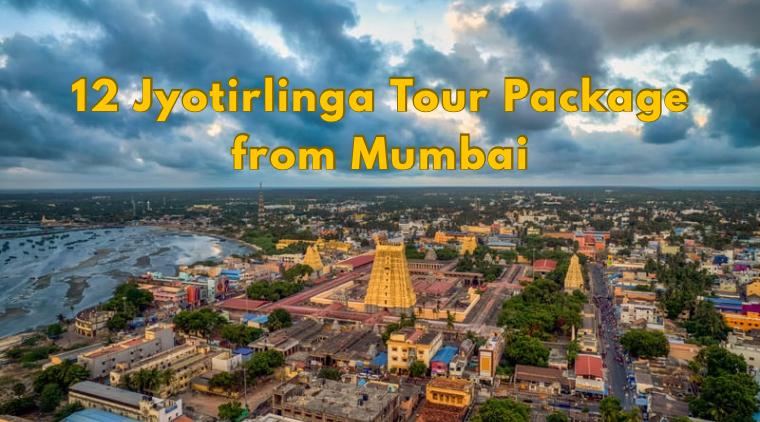
12 Jyotirlinga Tour Package from Mumbai
- Transparent and Customizable Pricing
- Smart, Time-Saving Logistics
Mumbai - Goa Tour
- Visit Elephanta Caves
- Visit Goa
 3D / 2N
Bandhavgarh Tour From Mumbai
- Travel by chartered flight from Mumbai to Umaria.
- Enjoy tiger safaris in Bandhavgarh National Park.
 6D / 5N
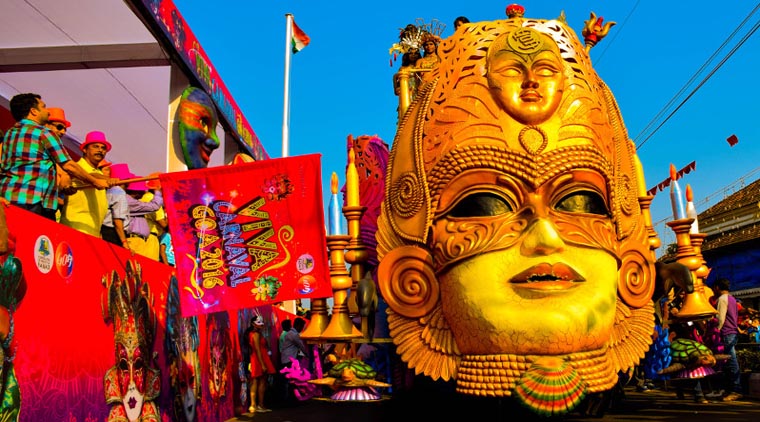
Goa Carnival Festival Tour
- Visit Hanging Garden, Juhu
- Visit Chowpatty Beach
 7D / 6N
Mahabaleshwar Tour
- Visit Elephanta Caves
- Visit Mahabaleshwar