
Panchgani Travel Guide
The comfortable window is October to February , cool and clear over the hills, and the strawberry season and the Strawberry Festival add a lovely spring layer. The monsoon is...
When to visit Panchgani, and the strawberry calendar
The comfortable window is October to February, cool and clear over the hills, and the strawberry season and the Strawberry Festival add a lovely spring layer. The monsoon is beautiful and green but hides the viewpoints in mist.
- October to February: cool, clear and best for viewsThis is the ideal time, mild by day and cool at night, roughly 10 to 20 degrees Celsius, so carry a light layer for the evenings. The air is clear, the viewpoints are open, and the strawberry farms are in full swing, so this is when Panchgani is at its gentle best.
- March to May: warm but pleasant, and strawberry seasonThe hills stay comfortable and usually under about 30 degrees when the plains are baking, which is why Panchgani has always been a summer retreat. The Strawberry Festival is usually held around March to April, so this is the sweetest time for the farms and Mapro Garden, though weekends get busy.
- June to September: green, dramatic and often in cloudThe monsoon turns the whole range deep green and the valleys run with waterfalls, which many travellers love. Be honest with yourself though: the famous viewpoints are frequently wrapped in mist, the trails are slippery, and the ghat roads need careful, unhurried driving. Come for the green and the calm, not for the panoramas.
- Decide what you are coming forIf you want the long valley views and paragliding, come in the clear winter months. If you want lush scenery, low crowds and cheaper rooms, and you do not mind cloud, the monsoon has its own quiet magic. Choose the experience first, then book.
Two things shape how busy Panchgani feels. The strawberry season peaks through winter and spring with the festival around March to April, so the Mahabaleshwar road and Mapro Garden are lively then. Panchgani is also an old boarding-school town, so it fills around school admission and parents' visiting periods. If you want a quiet stay or a last-minute room, it helps to know both, and to book ahead on any weekend.
How to reach Panchgani
Panchgani has no airport or major railway of its own. Almost everyone comes by road from Pune, the nearest airport, or drives down from Mumbai, and the nearest railheads are Wathar and Satara.
- From Pune, the nearest airportPune is the closest airport at about 100 to 108 km, roughly 3 hours by road through Wai and up the ghat. This is the practical air gateway for most travellers, and a car with a driver is the easiest way to cover the last stretch. There are no flights into Panchgani itself.
- From Mumbai by road, two routesMumbai is about 245 to 250 km, roughly 5 to 6 hours. The usual route takes the Mumbai-Pune Expressway to Pune and then goes via Wai, a cleaner and often faster drive. The alternative on the Mumbai-Goa Highway via Pen and Mahad is shorter in distance but slower and more winding, with lovely ghat scenery. We can arrange a car with an experienced hill driver either way.
- By train to Wathar or SataraThe nearest railway station is Wathar at about 45 km, and Satara station is about 50 km away and better connected; both need a taxi for the final hill leg. Many travellers from Mumbai take a train to Satara and drive up from there. Book on IRCTC a little ahead in season.
- By busState transport and private buses, in ordinary, air-conditioned and Volvo classes, run from Mumbai and Pune towards Mahabaleshwar and Panchgani. It is a budget-friendly way in, though a car gives you the flexibility to stop at the viewpoints and Mapro along the way.
Fly into Mumbai, the main international gateway, then drive about 5 to 6 hours to Panchgani, or take a short domestic hop or train to Pune and drive about 3 hours up the ghat. Panchgani has no international flights of its own.
Fly into Mumbai or Pune, then continue by road. Pune is the closer and quicker approach at about 3 hours; from Mumbai plan a half-day drive and enjoy the ghats.
Fly or take a train to Pune or Mumbai and drive up, or take a train to Satara and cover the short hill leg by taxi. Panchgani pairs naturally with Mahabaleshwar just over the ridge.
Table Land, the five hills, and the honest plateau story
Table Land is the flat plateau above town and the reason most people come. It is a wonderful open space for a walk at sunrise or sunset, and it comes with a plateau claim worth getting right.
- What Table Land actually isIt is a vast, flat laterite plateau sitting above Panchgani, giving long views over the Krishna valley and the five hills that give the town its name. It is open and grassy, wonderful for a slow walk, a horse ride, kite flying and, in season, paragliding. Come at sunrise or sunset for the best light and the coolest air.
- The plateau claim, honestlyYou will read everywhere that Table Land is the second largest plateau in Asia. That is a very popular claim, but the official Maharashtra Tourism description calls it simply one of the largest mountain plateaus in Asia and does not give it a ranking. So enjoy it as a genuinely huge and beautiful plateau, and take the second-largest label as travellers' lore rather than an established fact.
- Horse rides and cartsYou will be offered horse rides and cart rides across the plateau. They are fun, especially for children, but rates are negotiable and quoted high to visitors, so agree the price and the length of the ride before you set off. There is no need to feel pressured; the plateau is just as good on foot.
Panchgani means the land of five hills, and Table Land sits among them at about 1,334 metres in the Western Ghats. The surrounding range is a UNESCO World Heritage site for its biodiversity, so you are walking through one of the great living landscapes of India. Give the plateau an unhurried hour at either end of the day and it rewards you far more than a quick photo stop.
Sydney Point, Parsi Point, and the caves
Beyond Table Land, Panchgani is a string of valley viewpoints and a couple of legend-soaked caves. They are close together and easy to link into a half-day circuit.
- Sydney PointA hilltop viewpoint looking over the Krishna valley, the Dhom Dam backwaters and distant Kamalgad Fort. It is a favourite for sunset and a quiet sit, and it is an easy stop near the town.
- Parsi PointA roadside viewpoint over the Krishna valley and the Dhom reservoir, at its most dramatic and green in and just after the monsoon. It is popular for photos and a picnic, and it can get busy in the evening, so come a little early for a calm spot.
- Rajpuri CavesA short drive from town, these caves hold a temple to Lord Kartikeya and a set of sacred water tanks, and carry local religious significance. They are more about the legend and the setting than a grand monument, and make a peaceful, less-crowded stop.
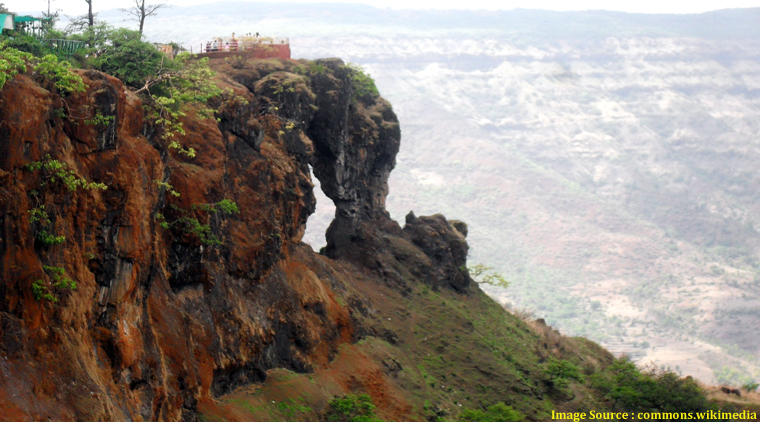
- Devil's KitchenAt one end of Table Land, this rocky spot is tied in folklore to the exile of the Pandavas of the Mahabharata. Again it is the story and the scenery rather than any built structure, but it rounds out the plateau walk nicely.
The viewpoints and caves sit close together around the town and the plateau, so a relaxed half day covers the lot with a car or an auto. Do Table Land and Sydney Point for sunrise or sunset, and fit Parsi Point and the caves into the softer hours. Keep the harsh middle of the day for a cafe, a strawberry stop or a rest, and you will see everything without rushing.
Signature experiences in Panchgani
Beyond ticking off viewpoints, these are the experiences people remember, from a tandem paraglide to a slow strawberry afternoon, and how to arrange them without the overcharged version.
- Paragliding over the valleysPanchgani is one of the better-known paragliding spots in western India, flown from the Table Land area and nearby hills. The reliable season is about November to February when the winds are steady. Tandem flights with a trained pilot suit first-timers, and short courses are offered for the keen. Rates vary by operator and season, so agree the price in advance, and only fly with a licensed, insured operator with proper equipment.
- Sunrise or sunset on Table LandThe simplest and best free experience in Panchgani: a slow walk across the open plateau as the light turns gold over the Krishna valley. Early morning is coolest and quietest, and the evening brings the crowds and the kite sellers, so choose your mood.
- Strawberries and Mapro GardenOn the road towards Mahabaleshwar, Mapro Garden is the region's strawberry landmark, with a garden, a cafe famous for its pizzas and strawberry cream, and a shop full of jams, crushes and squashes. In season you can visit strawberry and mulberry farms and taste the fruit fresh off the plant. It is touristy but genuinely fun, especially with children.
- A gentle viewpoint circuitLinking Sydney Point, Parsi Point and the caves by car or auto is an easy, scenic half day, good for families and seniors who want the views without a hard climb. Carry water and a hat, and keep an eye on the open edges.
- Pair it with MahabaleshwarWith Mahabaleshwar only about 18 to 20 km away, many travellers add its viewpoints, Venna Lake and the old temples, and the historic Pratapgad Fort a little further on. The two hill towns together make a satisfying two to three day break.
Paragliding is thrilling and generally well run in season, but it is an adventure sport in an open landscape, so the operator matters. Fly in the clear winter months, not in gusty or wet weather, ask about the pilot's experience and the equipment, confirm there is insurance, and never let anyone rush or pressure you into a flight in poor conditions. A good operator will happily wait for the right wind.
Where to stay in Panchgani, and how many nights
Stay in Panchgani for a quiet, walkable base, or in Mahabaleshwar for more market and viewpoints. Two nights across the pair is the sweet spot for most travellers.
- Panchgani town and the plateau roadCentral stays put you within reach of Table Land, the market and the viewpoints, and keep walking short. Panchgani is smaller and calmer than Mahabaleshwar, which many families and couples prefer. Rooms range from simple homestays to view resorts along the ridge.
- Mahabaleshwar as the alternative baseJust over the ridge, Mahabaleshwar has a bigger bazaar, more viewpoints and more hotels, so some travellers base there and day-trip to Panchgani. If you want more to do in the evening, Mahabaleshwar has the edge; if you want quiet, choose Panchgani.
- How many nightsOne night and a full day covers Table Land, a viewpoint circuit and Mapro comfortably. Two nights lets you add paragliding, Mahabaleshwar's viewpoints and a slower pace, which is the length most people are happiest with. A day trip from Pune is possible but rushed.
- Room budgetsSimple budget rooms and homestays run from about 1,000 to 2,500 rupees, comfortable mid-range hotels about 2,500 to 6,000 rupees, and resorts and view properties about 6,000 to 15,000 rupees. All of these rise on weekends, in peak season and around the strawberry and school periods.
Panchgani and Mahabaleshwar are the classic weekend escape for Mumbai and Pune, so Friday and Saturday nights, long weekends, the summer holidays and the strawberry season sell out early and at higher prices. If your dates are fixed on a weekend or a holiday, book well ahead, and consider a Sunday-to-Thursday visit for calmer, cheaper rooms.
Panchgani costs and a realistic daily budget
Panchgani is easy on the wallet outside peak weekends. Here is what the main things cost so you can plan and avoid being overcharged on the plateau rides and the strawberry stalls.
- A rough daily budgetExcluding your room and long-distance transport, plan on about 1,500 to 2,500 rupees a day as a backpacker, about 3,000 to 5,000 rupees mid-range, and about 6,000 rupees and up for a comfortable day with meals, a viewpoint circuit and an activity like paragliding.
- Rooms are the big variableBudget rooms and homestays run about 1,000 to 2,500 rupees, mid-range hotels about 2,500 to 6,000 rupees, and resorts about 6,000 to 15,000 rupees, all higher on weekends and in season. Booking a few weeks ahead on a weekend can save you a lot.
- The negotiable thingsHorse and cart rides on Table Land, taxi day-hire for the viewpoints, and some strawberry-stall prices are all negotiable and quoted high to visitors. Agree the price before you commit to a ride or a car for the day, and the town's only real friction disappears.
- Cash, cards and UPICafes, bigger hotels and Mapro take cards and UPI, but small eateries, stalls and the plateau rides run on cash. There are ATMs in the town market, but they can run dry on a busy weekend, so carry enough cash for the day.
Almost everything except a hotel bill or a Mapro purchase is negotiable, so the single habit that keeps costs down in Panchgani is to ask the price and agree it before anything begins, whether that is a horse ride on the plateau, a taxi for the viewpoint circuit or a paraglide. Quotes to visitors start high and settle without any drama once you ask first.
Practical logistics: getting around, food, money and the eco-zone
The small things that make a Panchgani day smooth, from getting between the viewpoints to the food, the money, and the responsible-travel rules that protect these hills.
- Getting aroundThe town core is walkable, but the viewpoints, the caves and Mapro are spread out, so most people hire a taxi or an auto for a half-day circuit or bring their own car. Agree the route and the fare in advance. There is no local metro or reliable app-cab, so plan the day's transport with your hotel.
- Food and strawberriesPanchgani and the Mahabaleshwar road are known for strawberries, mulberries and their preserves, corn on the cob, and cafe fare. Both vegetarian and non-vegetarian food are easy to find, unlike in strictly vegetarian pilgrim towns. Do try the strawberry cream and the local jams.
- Money, SIM and languageCarry cash for stalls, rides and small eateries; cards and UPI work at bigger places. Mobile coverage in town is generally fine for calls, maps and data. Marathi and Hindi are the local languages, and English is widely understood in the hotels and cafes, so communicating is easy.
- Respect the Eco-Sensitive ZonePanchgani sits inside the Mahabaleshwar-Panchgani Eco-Sensitive Zone notified under the Ministry of Environment and Forests, which limits construction and polluting activity to protect the hills. Avoid single-use plastic, carry your litter back with you, do not pick wild plants, and keep noise down at the viewpoints.
Safety at the viewpoints, the monkeys, and the monsoon
Panchgani is a gentle, safe hill town, but the open viewpoints, the monkeys and the monsoon roads all need a little care. A few simple habits keep the visit happy.
- The open edges at the viewpointsTable Land and the valley viewpoints are open and unfenced in places, with long drops. Keep children within arm's reach, stay well back from the edge for photos, and take extra care in mist or rain when the rock is slippery and the view is gone. Most accidents here come from stepping too close for a picture.
- The monkeysMonkeys are common at Table Land and the busy viewpoints and will snatch food, bags and phones in a flash. Keep food out of sight, hold your belongings, and do not tease or feed them. If one approaches, do not tug back on a grabbed bag; let it go and it usually drops it.
- Monsoon driving and trailsFrom about June to September the ghat roads are wet and misty and the trails are slippery. Drive slowly, avoid night driving on the ghats, wear shoes with grip, and accept that the viewpoints may be in cloud. Leeches can appear on wet trails, so long socks help.
- Health basicsDrink bottled or filtered water, take the usual care with street food, and carry a light layer for the cool evenings and sun protection for the open plateau. There are clinics and pharmacies in town, but for anything serious the bigger hospitals are in Satara or Pune, so travel insurance is wise for overseas visitors.
Panchgani is generally an easy, low-hassle hill town for solo and women travellers, with far less sales pressure than the big pilgrim centres. Standard precautions apply: prefer daytime for the quieter viewpoints, keep your hotel informed of a long walk, and arrange return transport from the spread-out spots in advance rather than relying on finding a ride after dark.
Panchgani for every kind of traveller, and on access
Panchgani suits very different visitors in different ways. Here is what it offers you and the one tip that matters for each, including how a senior enjoys it comfortably.
- Families with childrenOne of the easiest hill breaks for families: Table Land for a run-around and a horse ride, Mapro Garden for strawberries and pizza, and gentle viewpoints. Keep children close at the open edges and mind the monkeys with food, and it is a relaxed, happy trip.
- CouplesCalm and scenic, with sunrise and sunset on the plateau, quiet viewpoints and cosy view resorts. Panchgani's quieter pace, compared with busier hill stations, makes it a gentle romantic escape, especially midweek.
- Senior travellers and on accessibilityVery doable with a little planning. Stay central to limit walking, do the viewpoints by taxi rather than on foot, take Table Land slowly on the flat and keep back from the edges, and avoid the slippery monsoon months if surefootedness is a concern. The main sights need short walks rather than hard climbs, which suits older travellers well.
- Backpackers and budget travellersEasy to reach by bus via Pune or Satara, with homestays and cheap eats, and free experiences in the plateau and the viewpoints. A good, low-cost couple of days, best midweek when rooms are cheapest.
- Solo and women travellersA gentle, low-hassle base with little sales pressure. Prefer daytime for the spread-out viewpoints and arrange return transport in advance, and Panchgani is one of the easier hill towns to travel alone.
- PhotographersSunrise and sunset over the Krishna valley from Table Land and Sydney Point, the green drama of Parsi Point after the monsoon, and the strawberry farms in season. Carry a wide lens for the valleys and watch the light at the plateau edges.
A suggested Panchgani itinerary
How to shape one or two unhurried days, on their own or paired with Mahabaleshwar, so you catch the plateau at its best light and the viewpoints in the clear hours.
- Day one, morningStart early with sunrise on Table Land while it is cool and quiet, then loop Sydney Point and Parsi Point for the valley views before the day warms up. Break for breakfast and strawberries at a cafe or at Mapro Garden on the Mahabaleshwar road.
- Day one, afternoon and eveningRest through the warm middle of the day, then visit the Rajpuri Caves or wander the town market in the late afternoon. In the clear winter season, fit a paraglide when the wind is right, and end with sunset back on the plateau.
- Day two, with MahabaleshwarDrive the short hop to Mahabaleshwar for its viewpoints, Venna Lake and the old temples, and if you have time continue to the historic Pratapgad Fort. A second night turns a quick stop into a proper, restful hill break.
- The day-trip versionFrom Pune you can do Panchgani in a long day: Table Land, a viewpoint or two and Mapro, then back. It works, but you will miss the soft light at either end of the day that makes the plateau special, so an overnight is far better.
The single thing that lifts a Panchgani plan is catching Table Land and the viewpoints at sunrise or sunset rather than the flat, hazy middle of the day. Build your day so the plateau falls in the soft hours, keep the warm midday for a cafe, a rest or the caves, and you will come away with the long golden valley views that the quick tick-the-box stops always miss.
The real questions travellers ask about Panchgani
Straight answers to the questions that come up again and again on traveller forums, so you arrive already knowing the score on the base, the season and the plateau claim.
- Panchgani or Mahabaleshwar as a base?Base in Panchgani for a quieter, smaller, more walkable stay and Table Land on your doorstep. Base in Mahabaleshwar for a bigger market, more viewpoints and more evening buzz. They are only about 18 to 20 km apart, so wherever you stay you can see both easily.
- How many days do I need?One night and a full day covers Panchgani's plateau, a viewpoint circuit and Mapro. Two nights, ideally paired with Mahabaleshwar, is the comfortable length and lets you add paragliding and a slower pace. A day trip from Pune is possible but rushed.
- Is it worth visiting in the monsoon?Yes for the green, the waterfalls and the calm, but be honest that the viewpoints are often in cloud, the trails are slippery and the ghat driving is slow. If long valley views are your main aim, come in the clear winter months instead.
- Is Table Land the second largest plateau in Asia?That is a very common claim, but the official Maharashtra Tourism description only calls it one of the largest mountain plateaus in Asia, without a ranking. So enjoy a genuinely huge plateau and treat the second-largest label as travellers' lore rather than a confirmed fact.
- Is paragliding safe and when is the season?It is generally well run in the clear season, about November to February when the winds are steady. Fly only with a licensed, insured operator, agree the rate in advance, and never let anyone push you into a flight in gusty or wet weather.
- Are the monkeys really a problem?They can be, at Table Land and the busy viewpoints. They snatch food, bags and phones, so keep food out of sight and hold your belongings. Do not feed or tease them, and you will be fine.
Planning Panchgani from abroad
Panchgani is a calm, green hill break within reach of Mumbai and Pune, and pairs naturally with Mahabaleshwar. A little planning on the route and the season makes it easy.
- Arrive through Mumbai or PuneFly into Mumbai, the main international gateway, and drive about 5 to 6 hours, or reach Pune and drive about 3 hours up the ghat. Pune is the closer and quicker approach, so if you can route through Pune your travel day is shorter. There are no flights into Panchgani.
- Pick your season with careFor the long valley views and paragliding, come in the clear winter months, about October to February. The monsoon from June to September is beautifully green but the viewpoints are often in cloud and the ghat roads are slow, so plan around what you want to see.
- Pair it with Mahabaleshwar and PunePanchgani works best as part of a short western-Maharashtra loop: Pune, Panchgani and Mahabaleshwar together, with the Pratapgad Fort and the strawberry farms along the way. Give the pair two nights for a restful break rather than a rushed day trip.
- Gentle and family-friendlyPanchgani is calm, walkable and easy on older travellers and children, with short walks rather than hard climbs at the main sights. Stay central, use a car for the spread-out viewpoints, and keep to the clear months for comfort.
Panchgani sits in the Mahabaleshwar-Panchgani Eco-Sensitive Zone in the Western Ghats, a UNESCO World Heritage landscape. Please avoid single-use plastic, carry your litter back, keep noise down at the viewpoints, and do not feed the monkeys. Visiting lightly is part of keeping these hills as lovely as you found them.
Money, connectivity and timing for foreign visitors
The practical basics an overseas traveller needs for a small hill town: cash, cards, a SIM, and how many days to give Panchgani on a wider India trip.
- Carry cash, expect some bargainingCards and UPI work in cafes, bigger hotels and Mapro, but stalls, small eateries and the plateau rides are cash places, and ride and taxi prices are negotiable. Draw cash before you leave Pune or Mumbai, or at the town ATMs, which can run dry on a busy weekend, and keep small notes handy.
- Get a SIM at the airportPick up an Indian tourist SIM or an eSIM when you land in Mumbai or Pune rather than hunting for one in a small town. Coverage in Panchgani itself is fine for maps, calls and booking a taxi to the viewpoints.
- How long to give it on a bigger tripOn a wider India itinerary, one to two nights in Panchgani, ideally with Mahabaleshwar, is the right weight: enough for the plateau, the viewpoints and a paraglide without slowing the whole trip. It slots neatly after Mumbai or Pune.
- Time your visit to your comfortOctober to February is the comfortable, clear window and the best for views and flying. Come in the monsoon only if you specifically want the green and do not mind cloud, and avoid arriving on a peak weekend or holiday when rooms are dear and the roads are busy.
Panchgani is an unusually gentle hill station for a first trip: small, walkable, green and easy to reach from Mumbai or Pune, with short strolls rather than hard treks at the main sights. Slot it after the city, give it a night or two with Mahabaleshwar, and let it be the slow, restful chapter of a western-Maharashtra trip.
Why they call it the land of five hills
Panchgani takes its name from the Marathi for five, panch, and the hills, gani, that cradle the town: five summits of the Western Ghats standing around the great flat plateau of Table Land. The British came up here in the colonial era to escape the heat of the plains, built the boarding schools that still give the town its studious, orderly air, and left a hill station that feels gentler and greener than most. Above it all sits the plateau, so wide and level that generations of travellers have called it one of the largest in Asia, where the light at sunrise and sunset pours across the Krishna valley and the five hills that named the place. Come for a quiet couple of days and it is that long, golden view from the plateau, more than any single monument, that you carry home.
Planning a Panchgani trip?
Our Maharashtra travel experts plan your full journey for you: route, hotels, darshan timings and transport. You get a free day-by-day plan and an exact quote on WhatsApp, usually within a few hours. No payment is needed to get your plan.
Tour packages that visit Panchgani
Every journey below is private, hand-crafted and fully customizable. Tell us your dates and we tailor the itinerary, the pace and the priests or guides around you.
 7D / 6N
Mahabaleshwar Tour
- Visit Elephanta Caves
- Visit Mahabaleshwar
 4D / 3N
Mumbai To Mahabaleshwar Tour Package
- Pratapgadh Fort
- Koyna Valley