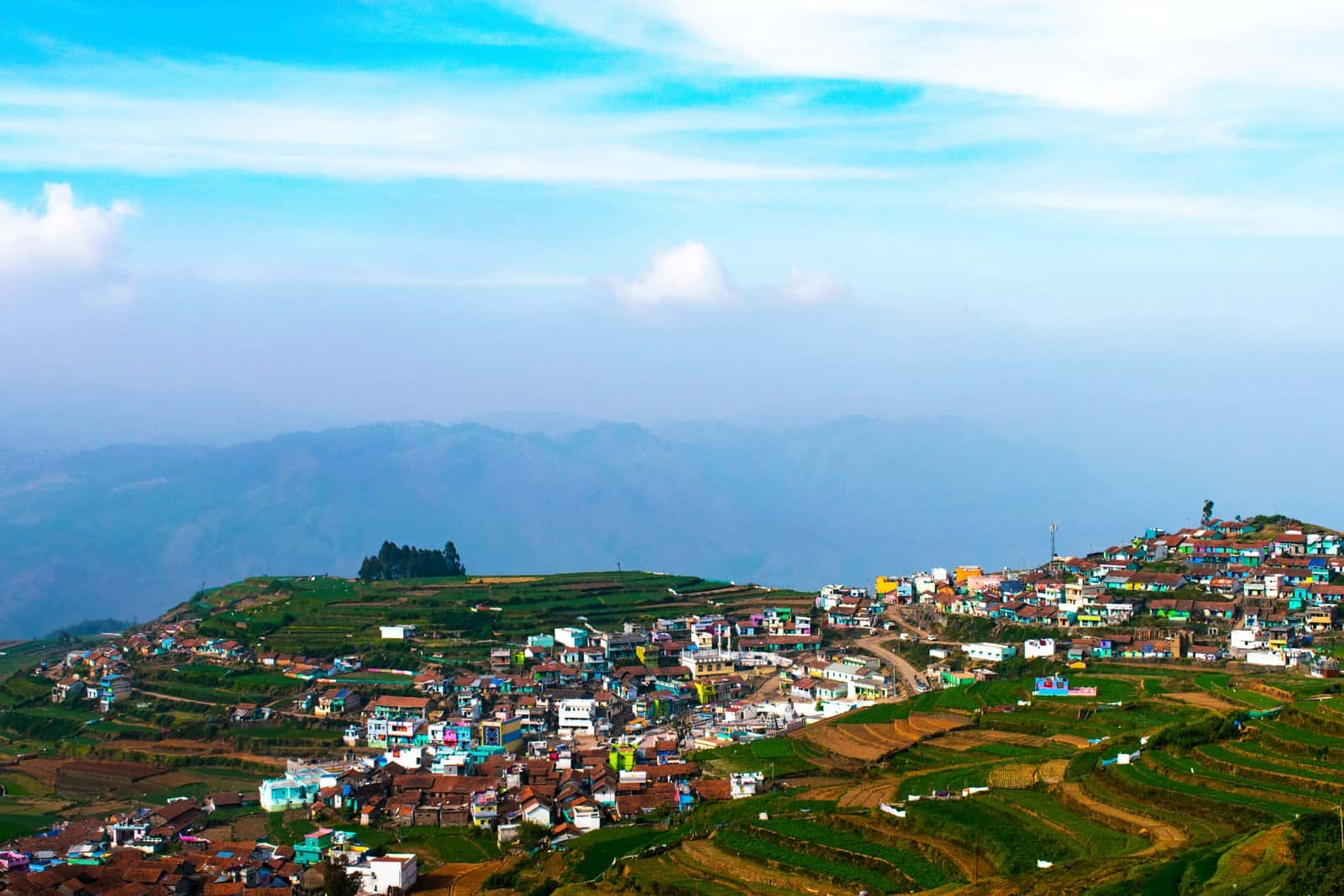
Kodaikanal Travel Guide
Kodaikanal is pleasant for most of the year, coolest and clearest in the summer (about April to June) as an escape from the plains, and crisp and misty from September to March...
When to visit Kodaikanal, and the mist to plan around
Kodaikanal is pleasant for most of the year, coolest and clearest in the summer (about April to June) as an escape from the plains, and crisp and misty from September to March. The one thing to plan every day around is the mist, which hides the views by mid-morning.
- April to June: the cool summer escapeThe most popular time, pleasantly cool at around 20 to 25 degrees by day while the plains swelter. Ideal for the lake, the walks and the viewpoints, but it is also the busiest season, when the town and its narrow roads jam with traffic, so book rooms early and start your days at dawn.
- September to March: clear, crisp and quietLovely post-monsoon air, cold misty mornings and far fewer crowds. The winter evenings drop into single digits, so carry proper warm layers. This is the gentler, more reflective season, and our quiet favourite for couples and older travellers.
- June to September and the north-east rainsThe south-west monsoon (about June to September) and the later north-east rains (about October to November) bring heavy mist, rain and slippery ghat roads. It is green and atmospheric but limiting, and the winding drive up demands extra care and time.
- The Kurinji, once in twelve yearsOnce every twelve years the Neelakurinji shrub turns the hills purple-blue. The last great bloom was in 2018, so the next is expected around September 2030. It is a famous but genuinely rare event, so do not believe pages that promise it every year.
The single rule that saves a Kodaikanal trip: the mist usually rolls in by about 10 am and can hide Coaker's Walk, Pillar Rocks and the valley views completely. Do the cliff-edge viewpoints early in the morning for the clear vistas, and keep the misty afternoons for the lake, the parks, the chocolate shops and the cafes. Travellers who reverse this, leaving the views for late morning, often see nothing but a wall of cloud.
How to reach Kodaikanal
Kodaikanal is reached up a scenic ghat road, most easily from Madurai, and pairs naturally with a Madurai temple trip. There is no airport or railway in the town itself.
- By air via Madurai or CoimbatoreThe nearest airport is Madurai, about 120 km away, roughly a 3 to 3.5 hour drive up the Laws Ghat road. Coimbatore airport is the other gateway at about 170 km and around 4.5 hours. There are no flights into Kodaikanal itself, and the ghat is scenic but winding and slow, so start early.
- By train to Kodai RoadThe nearest railhead is Kodai Road station, about 80 km from town on a winding ghat, roughly 2 to 3 hours up by taxi or bus. Trains reach Kodai Road from Chennai, Madurai and beyond. Palani and Dindigul are the other useful railheads, each with bus and taxi links up the hill.
- By bus and shared transportTamil Nadu state buses run up from Kodai Road, Dindigul, Palani, Madurai and Batlagundu. From Batlagundu (about 20 km from Kodai Road) buses to Kodaikanal run frequently through the day, a cheap and reliable last leg if you arrive by train. A bus fare is a small fraction of a private taxi, which can run upwards of about 2,000 rupees from the railhead.
- Pair it with MaduraiKodaikanal is the perfect cool escape after the heat of a Madurai temple visit, an easy pairing for a Tamil Nadu trip. We arrange a car with an experienced hill driver for the ghat road, which we strongly recommend over self-driving if you are not used to mountain bends.
Fly into Madurai (via Chennai) or Chennai itself, see the Madurai temples, then drive up to Kodaikanal for the cool hills. A green counterpoint to the temple trail, and a town an American or British visitor will find unexpectedly familiar in its colonial school and missionary roots.
Fly into Madurai or Chennai and drive up the ghat. Kodaikanal is the easy, comfortable hill escape on a southern Tamil Nadu trip, well suited to families travelling with children and elders.
Take a train to Kodai Road (or Dindigul or Palani) and a taxi or bus up the hill, or drive from Madurai, Coimbatore, Bengaluru or Chennai. The winding ghat is the scenic last stretch, so leave a clear margin of time, especially in the mist.
The lake, the walks and the viewpoints
Kodaikanal's heart is its star-shaped lake, and around it a string of cliff-edge walks and valley viewpoints, best seen before the mist. A few entry fees and one recent closure are worth knowing.
- Kodai LakeThe star-shaped lake dug out in 1863 sits at the centre of town, free to walk or cycle around. Hire a pedal boat, a row boat or a Kashmiri shikara at the boat house (see the costs section for current rates), or rent a bicycle to circle it. Loveliest in the cool early morning, and a gentle highlight for everyone, all ages.
- Coaker's WalkA paved one-kilometre cliff-edge promenade built in 1872, open roughly 9 am to 6 pm, with sweeping valley views toward the plains on a clear day. Entry is about 10 rupees for Indians and about 50 rupees for foreign nationals. Come at first light, before the mist, for the real spectacle.
- Pillar Rocks, Guna Caves and Green Valley ViewThree giant granite columns about 122 metres tall (8 km out), the dramatic Guna Caves and the sheer Green Valley View. Each charges a small fee of about 5 to 30 rupees with extra for a camera. Note that trekking inside Guna Caves is now banned, so you view the caves only from a fenced distance, for safety.
- Bryant Park, Silver Cascade and Bear SholaThe landscaped Bryant Park beside the lake, the Silver Cascade waterfall on the road up (fullest in the monsoon, and now home to the plastic check post), and the quiet Bear Shola Falls round out the easy sights, all gentle and close to town.
Plan the cliff-edge viewpoints for early morning before the mist, and the lake, the parks, the chocolate shops and the cafes for the misty afternoon. Get this rhythm right and you see Kodaikanal at its clear-eyed best; get it wrong and the famous viewpoints are a grey blur. The experiences and Berijam sections below cover how to do the forest-lake day.
Signature experiences in Kodaikanal
Beyond the views, Kodaikanal is a town of gentle pleasures: a boat on the lake, dawn at the viewpoints, the permit trip to Berijam, and homemade chocolate in cool, scented air.
- Dawn at the viewpointsStart at Coaker's Walk or Pillar Rocks at first light for the clear valley views before the mist climbs. It is the single best decision you make in Kodaikanal, and on a good morning the panorama runs for miles toward the plains.
- A boat on Kodai LakeWalk or cycle the star-shaped lake, then hire a pedal boat or a Kashmiri shikara at the historic boat house. Mornings are calmest and least crowded; weekends and the April to June peak draw long queues, so go early. Rates are in the costs section.
- Berijam Lake, by forest permitFor the pristine forest lake at Berijam you need a Forest Department permit obtained that morning in person (see the safety and Berijam detail below). It is the quietest, most beautiful half-day in Kodaikanal precisely because the permit keeps the crowds out, but the daily vehicle quota fills fast.
- The walks below townBelow Kodaikanal, the Dolphin's Nose viewpoint and the laid-back Vattakanal hamlet (with its little waterfalls and streams) make a lovely half-day of gentle walking for those with the legs for it, popular with younger travellers and trekkers.
- Pine Forest and Bear SholaThe atmospheric Pine Forest and the easy Bear Shola Falls walk are pretty in the morning light, cool and shaded, and a calm contrast to the busy lakefront.
- Buy the homemade chocolateKodaikanal's homemade chocolate is famous, and the little shops also sell eucalyptus oil, hand-made cheese, plums and jams. Eco-Nut and Spices Corner near PT Road and Bazaar Road are well-loved, and the Potter's Shed about 7 km out is worth the trip for ceramics.
If you do only one thing slowly, make it a clear dawn at a cliff-edge viewpoint followed by an unhurried morning on the lake. The light over the valley before the mist, and the still water of Kodai Lake at sunrise, are what people remember long after the shops and the crowds fade. Give yourself one early start and Kodaikanal opens up in a way a late, misty arrival never allows.
Where to stay in Kodaikanal, and how many nights
Stay near the lake and Bazaar Road to be in the thick of it, or out on a quieter ridge for calm and views. Two to three nights is the sweet spot for a relaxed visit.
- Lake and Bazaar Road: in the thick of itWalking distance to the lake, the boat house, the shops and the cafes, and handy for an early start at the viewpoints. Atmospheric and convenient, but busier and noisier, and parking is tight in peak season. Best for first-timers and short stays who want to step straight into the scene.
- Coaker's Walk and the quieter ridgesHotels near Coaker's Walk, Fern Hill Road and the outer ridges trade a short walk into town for calm, gardens and valley views. Better for couples, families and anyone who wants to slow down and wake to the mist over the hills.
- How many nightsTwo nights covers the lake, the viewpoints, the town and one of either Berijam or the Vattakanal walks at a comfortable pace. Three nights lets you do both, plus a slow lakeside day, and is ideal for families and seniors. One night only is a rushed taster, and in mist you may miss the views entirely.
- Room budgetsBudget rooms run from about 800 to 1,500 rupees, mid-range hotels about 2,000 to 4,500 rupees, and resorts or heritage stays about 5,000 to 12,000 rupees a night. All of these rise steeply in the April to June and long-weekend peaks, so book well ahead for summer.
In the April to June peak and on long weekends, Kodaikanal's good rooms sell out weeks ahead and prices climb sharply, while the narrow town roads choke with traffic. If your dates fall in peak season, book early, pick a stay within walking distance of the lake to dodge the parking crush, and plan your sightseeing for the early mornings before the crowds and the mist arrive together.
Kodaikanal costs and a realistic daily budget
Kodaikanal is gentle on the wallet outside peak season. Here is what the main things cost, from lake boating to viewpoint entry, so you can plan and avoid being overcharged.
- Kodai Lake boating ratesAt the boat house, open roughly 9 am to 5:30 pm, a two-seater pedal boat is about 70 rupees and a four-seater about 140 rupees for half an hour, a six-seater row boat about 245 rupees for 20 minutes, and a Kashmiri shikara about 415 rupees for half an hour including the boatman. There is a small refundable deposit, and booking is on the spot only, so carry cash and expect a queue at weekends.
- Viewpoint and sight entry feesCoaker's Walk is about 10 rupees for Indians and about 50 rupees for foreign nationals. Pillar Rocks, Guna Caves and Green Valley View each charge a small fee of about 5 to 30 rupees, with extra for a camera. A free-entry window the district ran to about 31 May 2026 has ended, so expect the standard fees again.
- A rough daily budgetExcluding your room and the drive up, plan on about 1,000 to 1,500 rupees a day as a backpacker, about 2,500 to 4,000 rupees mid-range, and about 5,000 rupees and up for a comfortable day with a car, the sights and some chocolate shopping. A shared taxi for a half-day viewpoint circuit is typically a few hundred rupees per seat, negotiated in advance.
- Cash, cards and the plastic ruleCafes and bigger shops take cards and UPI, but the boat house, small eateries and the bazaar run largely on cash, so carry enough for the day. And remember the plastic ban (next section), which can cost you a fine if you bring a small disposable bottle into town.
Two figures anchor a Kodaikanal budget: lake boating at about 70 to 415 rupees depending on the boat, and viewpoint entry at about 10 to 50 rupees. Almost everything else, taxis for the viewpoint circuit and bazaar shopping, is negotiable, so agree the price before you commit and the town stays cheap and friction-free. Keep small notes for the boat house and the entry gates, where cards rarely work.
Practical logistics: getting around, food, money and the plastic ban
The small things that make a Kodaikanal day smooth, from the cold-evening layers and the cash habit to getting around the compact town and respecting the plastic rule.
- Getting around townThe core around the lake, Bazaar Road and PT Road is compact and best on foot or by hired bicycle. For the viewpoints (Pillar Rocks, Guna Caves) and Berijam, you need a car or a shared taxi, since they are several kilometres out. In peak season the roads jam, so start early and keep plans loose.
- Eating and warm foodKodaikanal has good cafes for the cool weather. PT Road is the food street: Tava for cheap vegetarian, Cloud Street for wood-fired pizza, Altaf's Cafe on Dolphin's Nose Road for Middle Eastern and Italian, and Tibetan and Kerala places nearby. Eat at busy, clean spots and drink bottled or filtered water.
- Money, signal and coldThere are ATMs in the main town; carry cash for the boat house, entry gates and bazaar. Mobile coverage is fine in town but patchy on the ghat and at Berijam. Above all, carry warm layers: the evenings are genuinely cold year-round, dropping into single digits in winter.
- Respect the plastic banPlastic bottles under five litres and a list of 28 single-use plastic items are banned across the Kodaikanal hill zone. A check post at Silver Cascade inspects and seizes them on the way up, so carry a reusable bottle and cloth bag and refill in town. The fine is covered in the safety section.
Safety, the Berijam permit, the plastic fine and staying well
Kodaikanal is gentle and welcoming, but the ghat road, the cold, the forest-permit rules and the plastic ban all reward a little awareness so the trip stays happy.
- The Berijam Lake forest permit, done rightBerijam sits inside a reserve forest. You must get a Forest Department permit in person that same morning at the Kodaikanal forest office in Moonjikal (or opposite the petrol pump), before about 8:30 am, when permits are issued roughly 8:30 am to 9:30 am. A limited daily quota of vehicles is allowed (cited as up to about 50, but often only around 20 to 30 in practice), at about 200 rupees for a car. Carry photo ID and vehicle papers, note that two-wheelers are not allowed, and you must exit the forest by Moir Point by about 3:30 pm. Arrive early or the quota is gone.
- The plastic ban and its fineSince the Madras High Court order, plastic bottles under five litres and 28 single-use plastic items are banned in Kodaikanal and the Western Ghats hill zone, with a check post at Silver Cascade that seizes banned items. The Dindigul Collector notified a green tax of about 20 rupees per bottle for using a banned bottle, the figure a tourist is most likely to face; shops, vendors and repeat or commercial offenders can be fined up to about 2,000 rupees and have premises sealed. Carry a reusable bottle and bag and refill in town.
- The ghat road, the mist and the coldThe winding ghat is slow and can be thick with fog, especially in the monsoon, so drive carefully, allow plenty of time and avoid a tight evening departure or night driving. The evenings are genuinely cold year-round, so pack warm layers even in summer, and keep children and elders wrapped up after dark.
- Monsoon, leeches and waterIn the monsoon the forest trails and the Berijam area can have leeches, so wear closed shoes and long socks and carry salt or repellent if you walk off the road. Take the usual care with food and drink filtered or bottled water, and carry any personal medicines, as the nearest big hospitals are down in Madurai.
In the April to June and long-weekend peaks Kodaikanal is busy, the roads jam and parking near the lake is scarce. Travellers on forums regularly call it crowded and commercialised at the main spots. The fix is simple: come in the quieter September to March window if you can, start every day at dawn before the crowds and the mist, and use the permit-only Berijam and the walks below town to find the calm the headline sights have lost.
Kodaikanal for every kind of traveller, and on access
Kodaikanal suits very different visitors. Here is what it offers you, and the one tip that matters for each, including how a senior visits comfortably.
- Couples and honeymoonersMisty walks, a shikara on the lake and cosy cafes make Kodaikanal quietly romantic. A dawn at Coaker's Walk and a slow lakeside evening are the moments to plan; an overnight rather than a day trip lets you catch both.
- Families with childrenEasy and fun, with the lake boats and cycles, the parks and the chocolate shops, and gentle walks. Keep little ones warm in the cold evenings, and visit the lake and boat house early before the weekend queues build.
- Senior travellers and on accessibilityVery comfortable: no high-altitude difficulty, gentle walks, an easy lake and short drives. Stay near the lake to limit walking, do the viewpoints early in a car, take the cold evenings with warm layers, and skip the steeper Dolphin's Nose and Vattakanal climbs if you prefer. The town lanes are walkable but uneven and crowded in season, so take them slowly.
- Trekkers and nature loversThe Berijam permit trip, the Dolphin's Nose and Vattakanal walks and the Pine Forest reward the active. Get the Berijam permit early, carry water and a layer, and in the monsoon guard against leeches on the forest trails.
- PhotographersThe misty Pillar Rocks, the lake at dawn, the valley from Coaker's Walk, and the rare blue Kurinji in its twelve-year year. Early light, before the mist, is everything, so set the alarm and beat the cloud to the cliff edge.
- Budget travellersKind on the wallet: the lake walk and many sights are free or a few rupees, the bus up from Madurai or Kodai Road is cheap, and the town has plenty of budget stays and food on PT Road. A relaxed, inexpensive hill station to slow down in.
A suggested Kodaikanal itinerary
How to shape two or three unhurried days so you catch the viewpoints clear at dawn, the lake at its calmest, and one quiet escape away from the crowds.
- Day one, the lake and townStart at dawn on Coaker's Walk for the clear valley view, then come down to Kodai Lake for a boat and a cycle while it is calm. Spend the misty afternoon in Bryant Park and the chocolate shops on Bazaar Road and PT Road, and end with a warm dinner on the food street.
- Day two, the viewpoints circuitTake a car early to Pillar Rocks, Guna Caves and Green Valley View before the mist, stopping at Silver Cascade and Bear Shola Falls. Keep the afternoon gentle, perhaps the Pine Forest, and rest for an early start the next morning if Berijam is on the plan.
- Day three, Berijam or VattakanalEither get the Berijam forest permit at the office before about 8:30 am for the quiet forest lake (out by Moir Point by 3:30 pm), or walk down to Dolphin's Nose and the streams of Vattakanal for a relaxed half-day. Both are the calm that the headline sights have lost in peak season.
- The two-night versionIf you only have two nights, do the lake and Coaker's Walk on the first morning, the viewpoint circuit on the second, and choose just one of Berijam or Vattakanal. Skip the rush of trying to see everything, and let the mist decide the order of your mornings.
The thing that breaks a tight Kodaikanal plan is leaving the viewpoints and the lake for late morning, when the mist and the crowds arrive together. Build each day so the cliff-edge views and the boat come first, at or soon after dawn, and keep the misty afternoons for shops, parks and cafes. Do that, and you never stand at a famous viewpoint seeing nothing but cloud.
The real questions travellers ask about Kodaikanal
Straight answers to the questions that come up again and again on TripAdvisor, Quora and IndiaMike, so you arrive already knowing the score.
- How many days do I need?Two nights is comfortable for the lake, the viewpoints and the town; three lets you add Berijam and the Vattakanal walks without rushing. One night only is a taster, and if the mist is in you may miss the views, so most travellers settle on two or three days.
- Is it worth it, or too crowded and commercial?Worth it, with eyes open. The main spots get crowded and commercialised in peak season, and forum regulars say so plainly. But the lake at dawn, the clear-morning viewpoints and the permit-only Berijam are the real thing. Come in the quieter months and start early, and Kodaikanal rewards you.
- Can I do Berijam without my own car?It is harder, since two-wheelers are barred and the permit is per vehicle. The practical route is to hire a car or join a shared jeep tour from town that handles the morning permit run; ask your hotel the evening before, as the daily vehicle quota fills early.
- Can I still go inside Guna Caves and Pillar Rocks?You can visit Pillar Rocks and the Guna Caves area, but trekking inside the caves is now banned, so you view the caves from a fenced distance for safety. Both charge a small fee of about 5 to 30 rupees, with extra for a camera.
- When is the next Neelakurinji bloom?The Neelakurinji blooms once every twelve years; the last great bloom was in 2018, so the next is expected around September 2030. Any page promising it sooner is copying old news, so treat 2030 as the date to plan around.
- Is the plastic fine real?Yes. Plastic bottles under five litres and 28 single-use items are banned, and a check post at Silver Cascade seizes them. For a tourist the everyday penalty is a green tax of about 20 rupees per bottle, notified by the Dindigul Collector; shops, vendors and repeat or commercial offenders face up to about 2,000 rupees and can have premises sealed. Carry a reusable bottle and bag and refill in town.
Planning Kodaikanal from abroad
Kodaikanal is the cool, green hill escape that pairs beautifully with a hot-weather Tamil Nadu temple trip, gentle and comfortable for overseas and NRI travellers, with a colonial founding story unusually close to American and British visitors.
- Pair it with MaduraiFly into Madurai (via Chennai), see the great Meenakshi temple, then drive up to Kodaikanal (about 120 km, 3 to 3.5 hours) for the cool hills. The perfect counterpoint to the heat of the plains, and an easy, comfortable leg for a family from abroad.
- Beat the mist, mind the permit and the feesDo the viewpoints at dawn before the mist. Coaker's Walk costs about 50 rupees for foreign nationals; the viewpoints a few rupees more. If you want Berijam Lake, get the forest permit in person that morning before about 8:30 am with photo ID, within the daily vehicle quota.
- Pack for the cool, leave the plasticEven in summer the evenings are cold, so bring warm layers. And note the plastic ban: a check post at Silver Cascade seizes small plastic bottles, with a green tax of about 20 rupees per bottle for tourists and fines up to about 2,000 rupees for shops and repeat offenders, so carry a reusable bottle and refill in town.
- Gentle and senior-friendlyWith no high-altitude difficulty, gentle walks and an easy lake, Kodaikanal suits parents and grandparents. Stay near the lake to keep walking short, do the views early in a hired car, and keep the pace relaxed, and it is one of the easiest hill stations in the south for older travellers.
The colonial story, money and timing for foreign visitors
The practical basics an overseas traveller needs, plus the American-and-British founding that makes Kodaikanal feel unexpectedly familiar to visitors from the US and UK.
- An American-missionary hill stationKodaikanal was founded in 1845 by American missionaries from the Madurai mission, with British officials, as a cool refuge from the heat and disease of the plains. The first bungalows, Sunny Side and Shelton, the lake of 1863 and Kodaikanal International School (1901) give the town a colonial heritage that American and British visitors find unexpectedly close to home.
- Carry cash, cards for the restCards and UPI work in cafes and bigger hotels, but the boat house, entry gates, small eateries and the bazaar run on cash, and prices for taxis and shopping are negotiable. Draw cash at the town ATMs and keep small notes for the lake and the viewpoints.
- Get a SIM before you arrivePick up an Indian tourist SIM or an eSIM when you land in Chennai or Madurai rather than hunting for one up the hill. Coverage in town is fine for maps and calls, but it is patchy on the ghat road and around Berijam, so download offline maps.
- How long, and whenTwo to three nights is the right weight on a wider South India trip. October to March is the comfortable, quieter window with clear post-monsoon air; the April to June summer is cooler than the plains but the busiest, with real traffic and crowds at the main sights.
Kodaikanal is a gentle, restorative chapter after the temples and heat of Madurai: cool, walkable, green, and dotted with the churches, schools and cottages of its missionary past. Give it two or three nights, do the viewpoints at dawn, and let it be the slow, cool pause on a southern loop. Many overseas visitors say the misty mornings on the lake end up being the part of Tamil Nadu they remember most warmly.
The hill station the American missionaries built
Unlike the older British hill stations, Kodaikanal owes its founding to Americans. In 1845, six families of American missionaries from the Madurai mission, helped by British officials and an Englishman, Mr Fane, built the first two bungalows, Sunny Side and Shelton, on the Palani ridge at about 2,133 metres. They had come looking for a cool, healthy place to escape the heat and the tropical diseases that took such a toll on the plains. The town grew slowly around them: Sir Vere Henry Levinge dammed a stream in 1863 to make the star-shaped lake that is still the heart of the place, and churches, cottages and schools followed, including Kodaikanal International School in 1901, which drew missionary and diplomatic families from across South Asia. That American-and-British origin, rare among Indian hill stations, is why Kodaikanal still feels a little like a New England summer town set down in the Western Ghats, and why visitors from the US and UK so often find it unexpectedly familiar.
Planning a Kodaikanal trip?
Our Tamil Nadu travel experts plan your full journey for you: route, hotels, darshan timings and transport. You get a free day-by-day plan and an exact quote on WhatsApp, usually within a few hours. No payment is needed to get your plan.
Tour packages that visit Kodaikanal
Every journey below is private, hand-crafted and fully customizable. Tell us your dates and we tailor the itinerary, the pace and the priests or guides around you.
 6D / 5N
Bangalore Mysore Ooty Kodaikanal Tour Package
- Visit Famous Brindavan Garden
- Visit Bandipur National Park
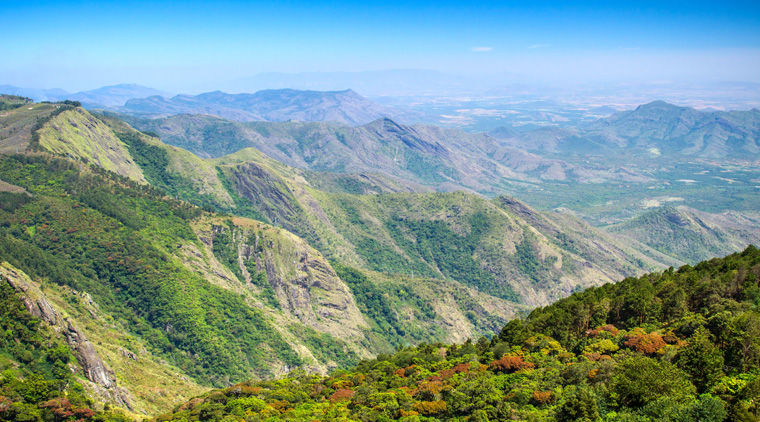 5D / 4N
Ooty Kodaikanal Tour Package
- Visit Explore the Scenic Beauty of Ooty Hills
- Visit Most Popular Hills Station of the South India
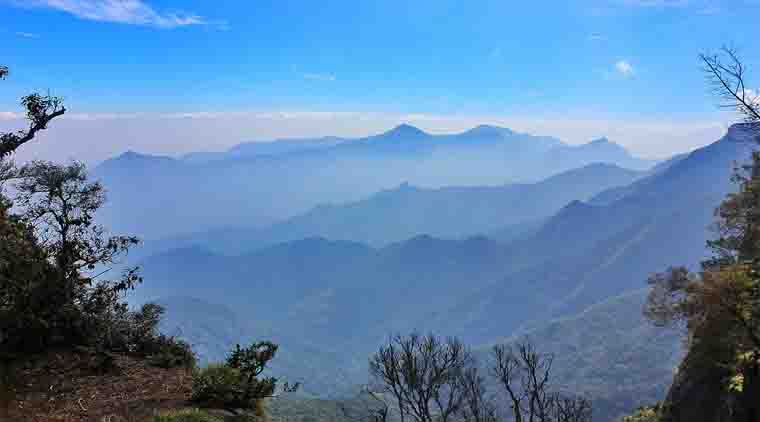 4D / 3N
Kodaikanal Tour
- Green Valley View/Suicide Point
- Dolphin’s Nose
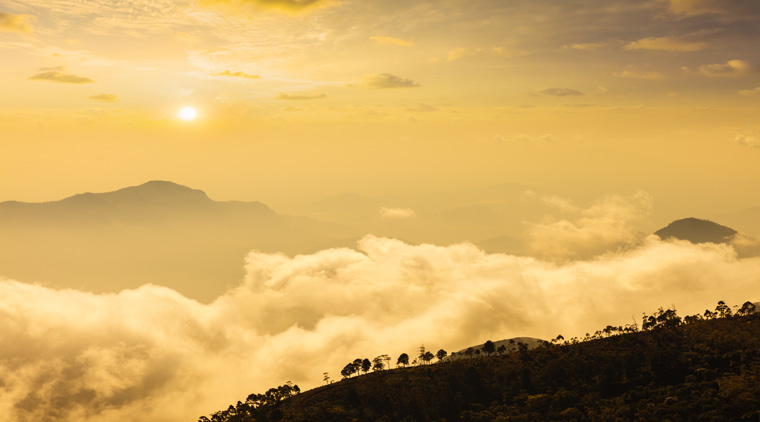 4D / 3N
Kodaikanal Holidays
- Visit Coakers Walk, Green Valley View
- Visit Bear Shola Falls, Kurunji Temple
 8D / 7N
Munnar Ooty Kodaikanal Tour Package
- Visit Doddabetta Peak trek
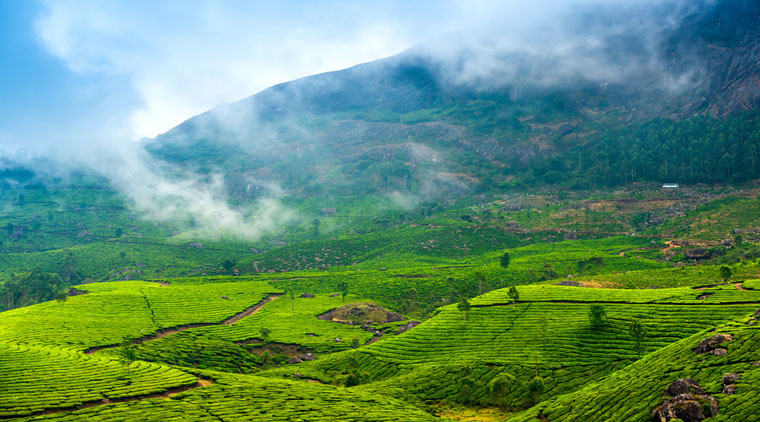
- Visit Tea Gardens
 8D / 7N
Ooty Kodaikanal Munnar Tour Package
- Visit Ooty Lake & Doddabetta Peak
- Green Valley View
 5D / 4N
South India Hill Station Tour
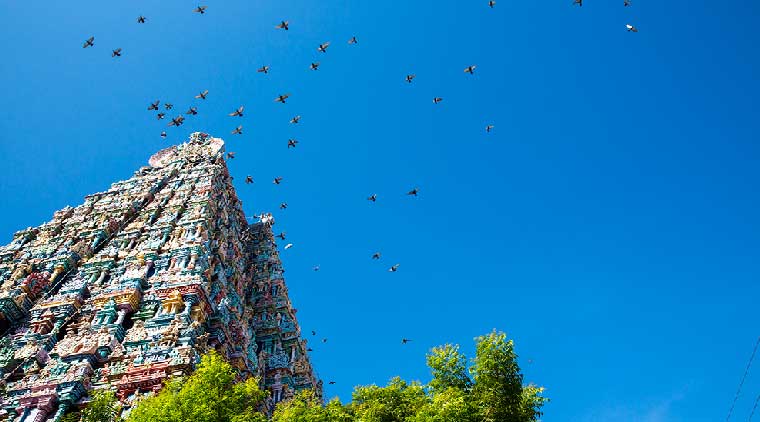
- Visit Meenakshiamman Temple
- Visit Eravikulam National Park