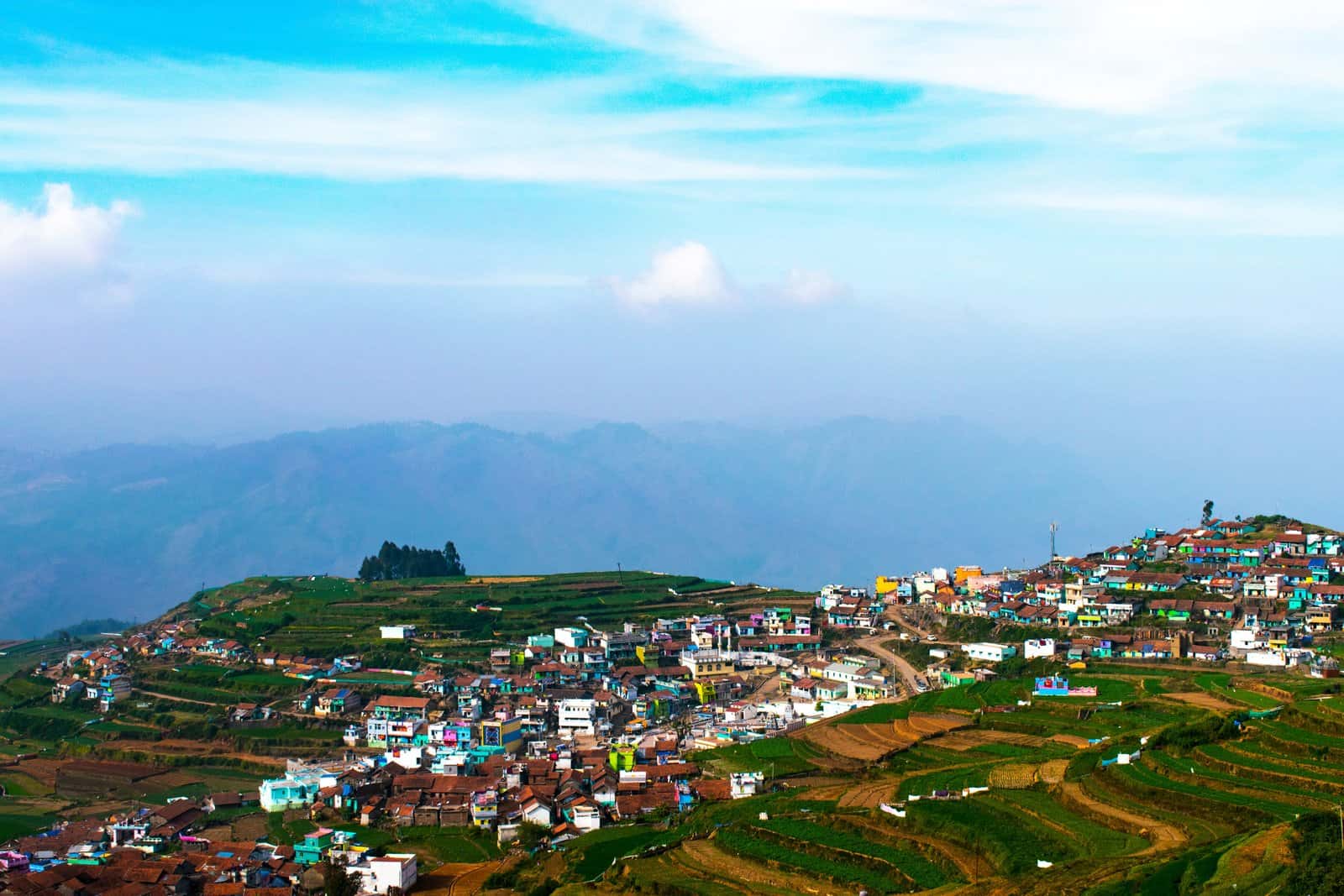
Ooty Travel Guide
Ooty is pleasant from October to June , warmest and busiest in summer and clearest in winter. But before anything else: every tourist vehicle now needs a Nilgiris e-pass...
When to visit Ooty, and the e-pass to get first
Ooty is pleasant from October to June, warmest and busiest in summer and clearest in winter. But before anything else: every tourist vehicle now needs a Nilgiris e-pass, year-round.
- April to June: the cool summer escapeThe most popular time, pleasantly cool while the plains swelter, with the gardens at their best and the Summer Festival and Flower Show in May. It is also the busiest, with the heaviest traffic, the dearest rooms and the tightest e-pass caps. Book everything well ahead.
- October to February: crisp and clearOur pick for views: cooler air, the clearest mornings for Doddabetta and the cliff viewpoints, and thinner crowds than summer. Nights are genuinely cold, often into single digits, so carry warm layers and expect a chill in unheated rooms.
- The monsoon, roughly June to SeptemberMist, rain and lush green hills, beautiful but with limited views, slippery hairpin roads and leeches on forest trails. Lovely if you do not mind the cloud and plan around it, but not the trip for first-time viewpoint hunters.
- Decide views or festival firstIf you want the Flower Show and the summer buzz, come in May and accept the crowds and traffic. If you want clear panoramas and calm, come between October and February. Both are fine; choose the experience you want before you book.
Every tourist vehicle entering the Nilgiris now needs a free e-pass, applied online in advance at the official Tamil Nadu portal (epass.tnega.org) and shown before the checkpost, not at it. Following a court direction it is required year-round for non-local tourist vehicles, not only in the summer peak, so apply for every visit. In the April to June peak the daily vehicle quota, commonly about 6,000 on weekdays and 8,000 at weekends, fills early, so apply the evening before. The e-pass is free, but a separate green tax or entry fee is collected in cash at the checkpost, about 30 rupees for a car and more for larger vehicles under the district's published scale, so carry small notes. No pass can mean being turned back at the hills, so always reconfirm the current rule on the official portal before you travel.
How to reach Ooty
Ooty is reached up a scenic ghat from Coimbatore, and by the famous UNESCO toy train from Mettupalayam. The vehicle e-pass is needed either way.
- By air and road via CoimbatoreThe nearest airport is Coimbatore, about 85 to 90 km away, roughly 3 to 3.5 hours by car. The usual approach climbs the Kallar ghat through Mettupalayam and Coonoor, which has about 14 hairpin bends, scenic and steady rather than terrifying. Remember the vehicle e-pass before you reach the checkpost.
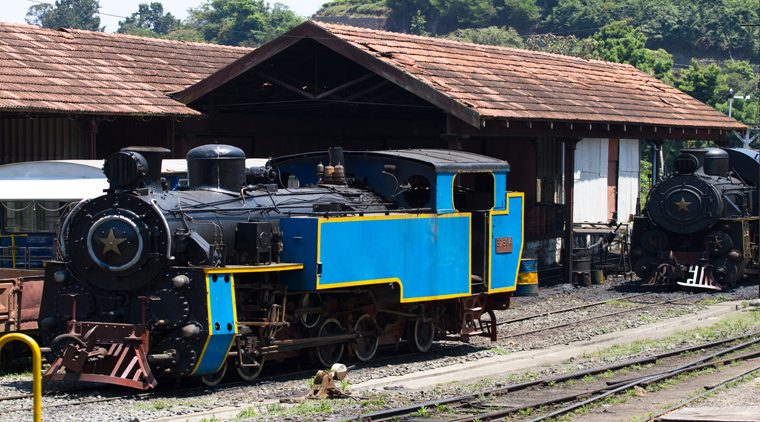
- By the Nilgiri toy trainThe UNESCO Nilgiri Mountain Railway climbs from Mettupalayam (about 46 km) to Ooty via Coonoor in roughly 4.5 to 5 hours, one of the great rail journeys of India. The uphill train leaves Mettupalayam early, about 7:10 am, and the downhill leaves Ooty about 2:00 pm. Seats are limited and sell out, so book ahead (the booking section explains how).
- By road from the citiesOoty pairs naturally with Coimbatore, Mysore, Coorg and Bengaluru by road, and with Kodaikanal as a twin-hill trip. Note that the short Mysore-side Sigur or Kalhatti ghat (the 36-bend road via Masinagudi) is currently closed to non-local tourist vehicles under a 2026 court and district order, so cars from Mysore and Bengaluru are routed the longer way via Gudalur (Bandipur to Theppakadu to Gudalur to Ooty), adding roughly 30 to 35 km. Always reconfirm which roads are open before you set out. We can arrange a car and driver and sort the e-pass in advance.
- The 36 bends, set straightThe widely repeated '36 hairpin bends to Ooty' belong to the Sigur or Kalhatti ghat on the Mysore and Masinagudi side, not the usual Coimbatore approach. The Kallar route most visitors take from Coimbatore has about 14 bends. The Sigur or Kalhatti road was historically open only by day and is now closed to tourist vehicles altogether as of 2026, so plan on the Coimbatore or the Gudalur approach and knowing which road you are on saves a lot of needless worry.
Fly into Coimbatore (via a Gulf or Indian metro hub) or Bengaluru, then drive up the ghat or take the toy train from Mettupalayam. Ooty is the classic Nilgiri hill station and pairs with Mysore and Coorg.
Fly into Coimbatore and continue up to Ooty in about 3 hours by road, or board the toy train at Mettupalayam. It slots into a southern hill loop with Mysore and Coorg.
Drive or train via Coimbatore and Mettupalayam from Chennai, Bengaluru and Kerala; the toy train is the scenic last stretch. The vehicle e-pass is required either way, so apply before you set off.
The gardens, the lake and Doddabetta
Ooty's classic sights are its colonial-era gardens, the boating lake, and the high peak of Doddabetta, all best in the clear morning.
- The Government Botanical GardenLaid out in 1848 across about 55 acres on the Doddabetta slopes, the most visited sight in Ooty, with terraced lawns, an Italian garden, glasshouses and a roughly 20-million-year-old fossil tree trunk. Entry is about 40 rupees for an adult and 20 for a child, with camera fees extra, and it is the home of the May Flower Show.
- Doddabetta PeakThe highest point in the Nilgiris and in Tamil Nadu at about 2,637 metres, about 8 km from town, with a telescope house and sweeping views to the plains; entry is a token amount, about 10 rupees. Come early on a clear winter morning, as the mist usually closes the view by mid-morning.
- Ooty LakeThe artificial lake built under John Sullivan from about 1824 in the town centre, spread over roughly 65 acres, with pedal and row boats and a relaxed, family picnic feel. It is gentle, central and easy for elders and small children.
- The Rose Garden, Tea Museum and a few quiet onesThe terraced Government Rose Garden on Elk Hill, the tea museum and factory beside the Doddabetta road where you see Nilgiri tea made, and lesser-known stops from WayToIndia's own notes: Stone House, John Sullivan's first bungalow in Ooty, and the curious Thread Garden opposite the boat house, where plants and flowers are made entirely from thread.
Do Doddabetta and the cliff viewpoints early, before the mist, and keep the gardens, the lake and the tea factory for later when cloud does not matter. The signature section below covers the toy train, the e-pass and beating the mist together, so you can build a day that works in the hill weather.
Riding the UNESCO toy train, and how to book it
The Nilgiri Mountain Railway is the experience people remember most. Here is how to get a seat, which class and side to choose, and the short Coonoor hop when the full train is full.
- What the ride isA UNESCO World Heritage hill railway and India's only rack-and-pinion line, climbing about 46 km from Mettupalayam to Ooty via Coonoor through tea estates, shola forest, tunnels and stone bridges. The full uphill climb takes roughly 4.5 to 5 hours, and it is slow, vintage and unforgettable rather than luxurious; there is no pantry car, so carry water and snacks.
- Book inside the 120-day windowIRCTC opens booking about 120 days ahead, and seats are limited, so book two to four weeks out at the very least, and sooner for weekends, summer and holidays when First Class goes first. Carry a photo ID for the reserved ticket and reach the station 30 to 45 minutes early.
- First or Second ClassFirst Class has cushioned seats, more room and lighter crowds, the comfortable choice for elders, small children and the full Mettupalayam to Ooty climb. Second Class is basic and can be crowded in season but is fine for the short Ooty to Coonoor hop and a good deal for budget travellers.
- The Coonoor to Ooty short hopIf the full Mettupalayam train is sold out, take the prettiest leg between Coonoor and Ooty, about an hour, with several trains a day. A neat trick travellers use: have your driver take the car to Ooty while you ride the toy train up from Coonoor and meet at the station.
- Which side to sit onGoing up from Mettupalayam or Coonoor, the right-hand side has the best valley, bridge and ghat views; coming down, it is the left. If you booked early on IRCTC, try to pick a valley-side seat for your direction of travel.
On the steep lower ghat the railway can cancel or partly suspend services during heavy rain or landslides, mostly in the June to September monsoon. If you travel then, keep your plan flexible, confirm the train is running closer to the date on IRCTC or with railway enquiry, and have the ghat drive as a fallback so a cancelled train does not strand your day.
Pykara, Coonoor and the tea estates
Around the town, the Nilgiris open into waterfalls, tea hills and the quieter charm of Coonoor and its viewpoints.
- Coonoor's viewpoints and parkAbout 19 km down the line, Coonoor is greener and calmer than Ooty, with the lovely Sim's Park, the Dolphin's Nose viewpoint (about 1,000 feet up, the classic view of Catherine Falls) and Lamb's Rock, about 8 km out and named for a former collector. The cliff views need a clear morning before the mist.
- A working tea estate and the tea storyWalk a Nilgiri tea estate and tour a factory to watch the leaf become tea, then buy it fresh; the tea museum beside the Doddabetta road tells the story. Ooty is also known for home-made chocolates and marshmallows, a favourite to carry home.
- Pykara lake and fallsAbout 20 km away, a pretty lake with boating and a waterfall set among pine and shola hills, a relaxed half-day and prettiest after the rains. It is a gentle outing that suits families and slower travellers.
- The Summer Festival, if you come in MayThe Flower Show at the Botanical Garden, the Rose Show and the Coonoor Fruit Show at Sim's Park are a colourful spectacle, but the busiest and most traffic-bound time, when no private vehicle is allowed within about 1 km of the Flower Show venue. Plan the e-pass and the days carefully, and start early.
The Coonoor side and the tea country are what travellers skip when they cram Ooty into a day, and they are often the best of the Nilgiris. Give Coonoor an unhurried morning for the viewpoints and a tea estate, ride the short toy train leg, and the trip stops feeling like a checklist and starts feeling like the hills.
Where to stay in Ooty and Coonoor
Stay in Ooty town to be near the lake, gardens and the toy train terminus, or in Coonoor for quieter, greener tea-estate calm. Two to three nights is the sweet spot.
- Ooty town: central and convenientClose to the lake, the gardens, the bazaar and the toy train terminus, with the widest choice of hotels and food. It is busier and more traffic-bound, especially in summer and at weekends, so look for a stay slightly off the main Charing Cross crush if you want quiet.
- Coonoor: quieter and greenerAbout 19 km down, Coonoor is calmer, set among tea estates with lovely viewpoints, and many travellers prefer it as a base, riding the toy train up to Ooty for the day. Best for couples, nature lovers and anyone who wants the hills without the town bustle.
- Tea-estate and heritage staysBoth Ooty and Coonoor have colonial-era bungalows and tea-estate homestays with gardens, fireplaces and valley views, a lovely way to feel the old Nilgiris. They book out early in summer and over weekends, so reserve ahead.
- How many nightsTwo nights covers Ooty's town sights and one Coonoor day comfortably; three lets you add Pykara, a tea estate and the full toy train without rushing. A single night only scratches the surface and leaves no margin for the mist or a sold-out train.
In the April to June season and on long weekends, the better hotels and tea-estate stays in both Ooty and Coonoor fill weeks ahead and prices climb steeply. If your dates fall then, book early, or consider a midweek visit when rooms, roads and the e-pass quota are all easier.
Ooty costs and a realistic daily budget
Ooty is gentle on the wallet outside summer. Here is what the main things cost so you can plan and avoid being caught out at the checkpost or the ticket counter.
- The fixed entry feesMost sights are cheap: the Botanical Garden is about 40 rupees for an adult and 20 for a child, Doddabetta about 10 rupees, and boating at Ooty Lake a modest per-boat charge. Camera fees are extra at some gardens. These small amounts are useful anchors when other quotes seem high.
- The toy trainFirst Class on the full Mettupalayam to Ooty run is roughly about 600 to 1,100 rupees and Second Class about 295 to 450 rupees on the regular service; seasonal Summer Special trains charge more, around 1,470 rupees First Class and 965 Second. It is a bargain for what it is, if you book early enough to get a seat.
- The e-pass and the cash green taxThe Nilgiris e-pass itself is free, but budget small cash for the separate green tax or vehicle entry fee at the checkpost, about 30 rupees for a car under the district's published scale (around 70 for a taxi or light vehicle and about 100 for a bus), less for a two-wheeler. Carry change, as it is collected on the spot and rates can be revised.
- A rough daily budgetExcluding your room and long-distance transport, plan on roughly 1,200 to 2,000 rupees a day as a budget traveller, about 3,000 to 5,000 mid-range, and more for a private car, tea-estate meals and the train in First Class. A hired car with driver for hill sightseeing is the main variable cost.
Cards and UPI work in hotels, bigger restaurants and the toy train booking, but the green tax at the checkpost, the smaller viewpoints, boat hire, parking and roadside chai and chocolate run on cash. Draw enough in Coimbatore or in Ooty town, keep small notes for the checkpost, and you will not be caught short on a hill road with no ATM in sight.
Practical logistics: e-pass, getting around, weather and packing
The small things that make an Ooty day smooth, from the e-pass and getting around to the cold, the mist and what to pack.
- The e-pass, step by stepApply online at the official portal (epass.tnega.org) before you travel, entering your vehicle and travel details, and carry the pass on your phone to show before the checkpost. In peak season apply the evening before, as the daily quota fills. Always reconfirm the current rule on the portal, as the system has changed before.
- Getting aroundA car with driver is the easiest way to do the spread-out hill sights and Coonoor; autos and local buses cover the town and short hops. The town core around the lake and Charing Cross is walkable but hilly, and traffic crawls in season, so allow extra time between sights.
- Dress for cold and mistEven in summer the evenings are cool, and October to February nights are genuinely cold, so carry warm layers, a light jacket and something waterproof for the frequent mist and drizzle. Sun protection matters too at altitude, and good shoes help on damp, uneven garden paths.
- Connectivity and healthMobile coverage is generally fine in Ooty and Coonoor towns but patchy on forest roads and viewpoints, so download maps offline. The altitude is moderate and easy for most, but the cold can bother chest and joint complaints, so pack regular medicines and a small first-aid kit.
Safety and health: the ghat, the mist, and the monsoon
Ooty is a safe, family hill station, but the hill driving, the mist and the monsoon need a little respect to keep the trip happy.
- Hairpin driving and fogThe ghat roads are a long series of hairpin bends, slow and foggy in the monsoon and after dark. Use an experienced hill driver and avoid a tight evening crossing. Note that the steep Mysore-side Sigur or Kalhatti ghat is currently closed to non-local tourist vehicles under a 2026 order, with the Gudalur route used instead, so confirm the road before you plan that side. Sit in front if you are prone to motion sickness on the bends.
- Monsoon mist, leeches and landslidesFrom June to September the mist can cut visibility to a few metres, forest trails carry leeches (carry salt or a leech sock and check your legs), and heavy rain occasionally triggers landslides and toy-train suspensions. Build slack into a monsoon plan and do not push a viewpoint in poor weather.
- Cold and the altitudeThe chief health issue is the cold rather than the modest altitude: warm layers prevent the chills, and travellers with chest or joint complaints feel the damp, so pack accordingly. Drink bottled or filtered water and take the usual care with street food and roadside snacks.
- Wildlife on the roadsThe lower forests, especially around the Mysore side and Mudumalai, are elephant and gaur country. If you self-drive, keep to daytime, do not stop near wild elephants, and follow forest-checkpost timings; this is one more reason to cross the ghats by day.
Ooty is generally a gentle, low-friction destination: the usual caution applies, but it is well used to families, seniors and solo travellers, and serious crime against tourists is uncommon. The real risks here are the road, the weather and the cold, not safety in the towns, so plan around those and the Nilgiris reward you easily.
Ooty for every kind of traveller, and on access
Ooty suits very different visitors. Here is what it offers you, and the one tip that matters for each, including how a senior visits comfortably.
- Couples and honeymoonersThe classic South Indian honeymoon hills, with the toy train, the lake boats and misty tea-estate walks. Book the train in First Class early, and consider a quiet Coonoor or tea-estate stay over the busy town centre.
- Families with childrenEasy and fun, with the gardens, the boats, the toy train and the chocolate and tea shops. Keep children warm in the cold evenings, choose First Class for the long train ride, and plan the e-pass and the tickets ahead.
- Senior travellers and on accessibilityComfortable and gentle: the gardens, the lake and the toy train need little walking, and a car handles the spread-out sights. Do the viewpoints early before the mist, take First Class on the train, carry warm layers for the cold, and let us sort the e-pass and the booking. Note that some garden paths and viewpoints are sloped and uneven, so take them slowly.
- Nature and tea loversThe Nilgiris are tea country and Western Ghats forest: walk an estate, tour a factory, and explore Coonoor, Pykara and the viewpoints at a slow pace, ideally basing in Coonoor for the quiet.
- PhotographersThe toy train on its viaducts, the tea hills, the Doddabetta panorama and the Flower Show. Early light, before the mist, is everything, and the valley side of the train is the frame to hold.
- Budget travellersThe gardens, the lake and the viewpoints are cheap, Doddabetta is about 10 rupees, and the toy train in Second Class is a bargain if you book ahead. The town has plenty of budget stays and good, cheap South Indian food.
A suggested Ooty and Coonoor itinerary
How to shape two or three unhurried days so you catch the views before the mist, ride the toy train, and give Coonoor its due.
- Day one: Ooty town, mornings for viewsStart early at Doddabetta before the mist, then the Botanical Garden and the Rose Garden, lunch in town, and an afternoon at Ooty Lake with the boats, the tea museum and the chocolate shops. Keep the cloudy afternoon for the gardens and the lake, not the viewpoints.
- Day two: the toy train and CoonoorRide the toy train, either the full Mettupalayam climb if you planned it, or the short Coonoor to Ooty leg, then spend the day in Coonoor for Sim's Park, Dolphin's Nose and Lamb's Rock early, and a tea estate. Base in Coonoor and it is all on your doorstep.
- Day three, if you have itAdd Pykara lake and falls, a slower tea-estate morning, or the quieter Kotagiri side, and shop for Nilgiri tea and home-made chocolates to carry home. A third night turns a rushed two-day dash into a proper hill break.
- The one-day realityIf you only have a day, you can see Doddabetta, the gardens and the lake and ride the short toy train leg, but you will miss Coonoor and the tea country, and the mist may beat you to the viewpoints. Two nights is the honest minimum for the Nilgiris.
Two things break a tight Ooty plan: the mist closing the viewpoints by mid-morning, and a toy train you did not book in time. Put Doddabetta and the cliff views first thing, keep the gardens and lake for the cloudy afternoon, and lock the train weeks ahead, and your days fall into place instead of fighting the hill weather and the ticket queue.
The real questions travellers ask about Ooty
Straight answers to the questions that come up again and again on traveller forums, so you arrive already knowing the score.
- Is the e-pass really mandatory now?Yes for tourist vehicles. Following a court direction it is required year-round for non-local vehicles, not just in summer, applied free at epass.tnega.org before the checkpost, with a separate cash green tax on arrival. Always reconfirm the current rule on the official portal before you set off, as it has changed before.
- How do I get a confirmed toy train ticket?Book on IRCTC inside the 120-day window, two to four weeks ahead at least and sooner for weekends and summer. If the full Mettupalayam train is full, book the short Coonoor to Ooty leg, try Second Class or nearby dates, or ask at the station counter for the small same-day quota.
- Ooty or Coonoor as a base?Base in Ooty for the lake, gardens and the toy train terminus and the widest choice of hotels and food. Base in Coonoor, about 19 km down, if you want quiet, tea estates and viewpoints, and ride the toy train up to Ooty for a day. Many repeat visitors prefer Coonoor.
- How many days do I need?Two nights for Ooty town plus a Coonoor day, three to add Pykara, a tea estate and the full toy train without rushing. A single day or night leaves no margin for the mist or a sold-out train and means missing Coonoor entirely.
- Which side of the train, and which class?Sit on the right going up from Mettupalayam or Coonoor for the valley views, the left coming down. Take First Class for comfort and lighter crowds on the long climb, especially with elders or children; Second Class is fine and cheap for the short Coonoor hop.
- Is Ooty too crowded?In May and on summer weekends, yes, with heavy traffic and full viewpoints. Come October to February, or midweek, for clearer views and calmer roads, base in Coonoor for quiet, and start each day early to beat the crowds and the mist.
Planning Ooty from abroad
Ooty is the Queen of the Nilgiris and the UNESCO toy train ride, an easy, gentle hill escape from Coimbatore for overseas and NRI travellers, with a few rules worth knowing first.
- Come via Coimbatore or BengaluruFly into Coimbatore (often via a Gulf hub) or Bengaluru, then take the toy train from Mettupalayam or drive up the ghat, about 3 hours from Coimbatore. Ooty pairs with Mysore and Coorg for a relaxed southern hill loop.
- Sort the e-pass and the train earlyEvery tourist vehicle needs the free Nilgiris e-pass (epass.tnega.org), now required year-round and shown before the checkpost, with a small cash green tax on arrival; and the toy train sells out, so book on IRCTC two to four weeks ahead. We handle both so you arrive to a sorted plan.
- Pack for cold and mistIt surprises first-time visitors that a South Indian hill station is genuinely cold at night and often misty: bring warm layers and something waterproof even in summer, and plan the viewpoints for clear early mornings, October to February for the best chance.
- Gentle and senior-friendlyWith little walking at the main sights, a mild daytime climate and short drives, Ooty suits parents and grandparents. Take First Class on the train, keep the days unhurried, and let us sort the e-pass, the booking and an experienced hill driver.
Where Ooty fits on a wider South India itinerary
For an overseas traveller, Ooty is the cool, green pause on a southern loop. Here is how long to give it and what it pairs with.
- Pair it with Mysore and CoorgFrom Bengaluru or Mysore, Ooty slots into a hill loop with Coorg and the Mudumalai and Bandipur forests, the cultured city of Mysore at one end and the tea hills at the other. The short Sigur or Kalhatti ghat is currently closed to non-local tourist vehicles under a 2026 order, so cars take the longer Gudalur route through the forest, a daytime drive; reconfirm the open roads before you travel.
- Or pair it with Kerala and KodaikanalOoty links south to Coimbatore and on to Kerala's Munnar tea hills and the backwaters, or east to Kodaikanal for a twin Tamil hill trip. It is the Tamil Nadu anchor of any southern hill itinerary.
- How many days to give itOn a wider trip, two to three nights is the right weight: enough for the toy train, Doddabetta, the gardens and a Coonoor day, without slowing the whole itinerary. Give it less and you spend it stuck in summer traffic; give it more and Coonoor rewards a slow pace.
- Money, SIM and timingPick up an Indian tourist SIM or eSIM on arrival at the airport, draw cash in Coimbatore or Ooty town for the hill roads and the green tax, and time the visit October to February for clear views or May for the festival if you do not mind crowds.
After the heat and bustle of the South Indian plains and cities, Ooty and Coonoor are a cool, slow, green chapter: a heritage train through tea country, mist over the hills, and a gentle pace that families and older travellers love. Give it two or three unhurried days, sort the e-pass and the train in advance, and it is often the part of a South India trip people remember most warmly.
How a heritage toy train and an English hill station came to be
Ooty was the Nilgiris that the British made their own: in 1819 John Sullivan, then collector of Coimbatore, climbed the hills, built the first bungalow, Stone House, that still stands, and turned a Toda grazing plateau at about 2,200 metres into a cool summer retreat with English gardens, a lake he had dug from about 1824, and tea estates that became the region's signature. The crown of it all came later, in 1908, when the Nilgiri Mountain Railway was completed all the way to Udhagamandalam, a feat of rack-and-pinion engineering that still hauls travellers up the same 46 km through tea and shola forest, and which UNESCO inscribed in 2005 as part of the Mountain Railways of India. The toy train, the gardens and the name 'Queen of the Nilgiris' are the living thread of that history, which is why a ride up the line is less a novelty than a journey through the story of the hills themselves.
Planning a Ooty trip?
Our Tamil Nadu travel experts plan your full journey for you: route, hotels, darshan timings and transport. You get a free day-by-day plan and an exact quote on WhatsApp, usually within a few hours. No payment is needed to get your plan.
Tour packages that visit Ooty
Every journey below is private, hand-crafted and fully customizable. Tell us your dates and we tailor the itinerary, the pace and the priests or guides around you.
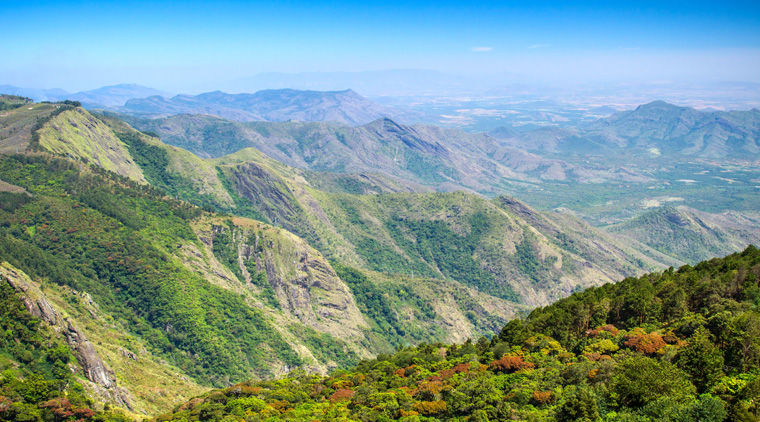 5D / 4N
Ooty Kodaikanal Tour Package
- Visit Explore the Scenic Beauty of Ooty Hills
- Visit Most Popular Hills Station of the South India
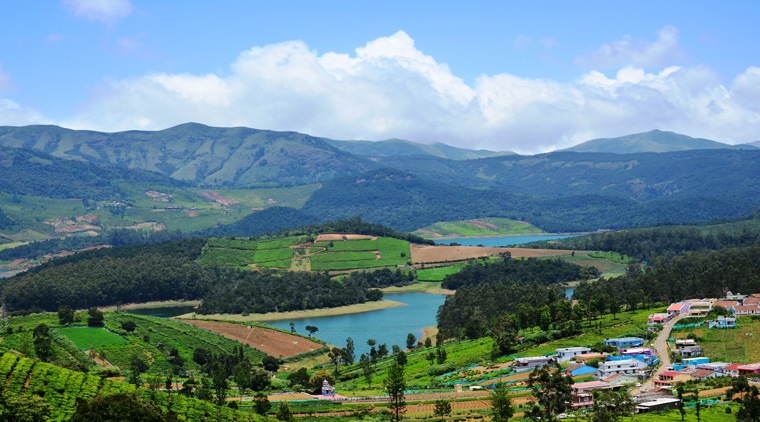 3D / 2N
Ooty Tour Packages from Coimbatore
- Visit Nilgiri Tea Manufacturing Companies
- Visit Mudumalai National Park
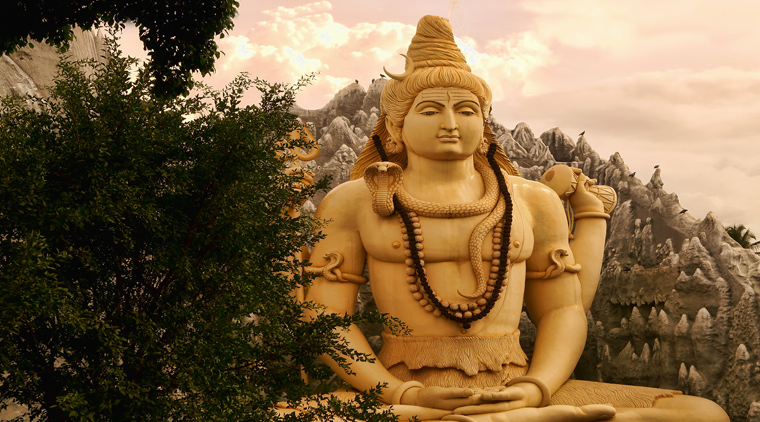 7D / 6N
Bangalore Mysore Ooty Tour Package
- Visit Vidhan Sudha
- Visit Nandi Temple
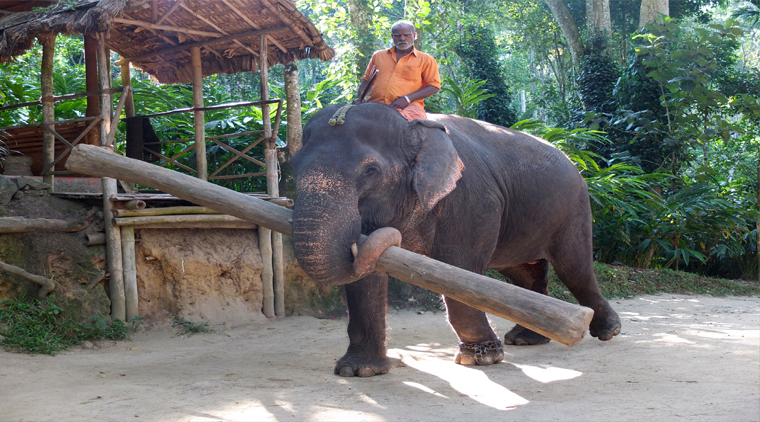 8D / 7N
Munnar Ooty Kodaikanal Tour Package
- Visit Doddabetta Peak trek
- Visit Tea Gardens
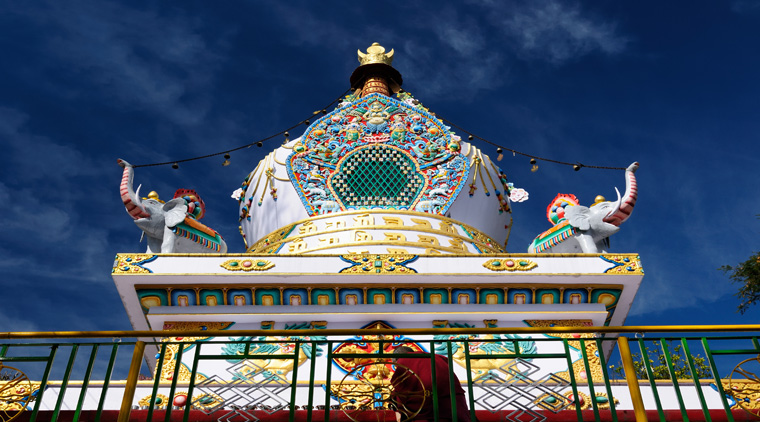 3D / 2N
Bangalore To Ooty Package
- Visit Ooty Lake
- Visit Doddabetta
 3D / 2N
Ooty Tour Package
- Ooty Boat House
- Doddabetta Peak,