Chopta Travel Guide
The comfortable windows are April to June and September to November . Spring brings the rhododendron bloom, autumn gives the clearest mountain views, and December to March turns...
When to visit Chopta, and the seasons that change the trek
The comfortable windows are April to June and September to November. Spring brings the rhododendron bloom, autumn gives the clearest mountain views, and December to March turns Chopta into a deep-snow trek for the prepared.
- April to June: bloom and warmthThe rhododendrons line the trail in full red bloom roughly through April and May, and the days are mild while nights stay cold, so carry a warm layer. This is the prime window for both the flowers and nesting Himalayan birds, and the snow has mostly cleared from the Chandrashila approach.
- September to November: the clearest skiesAfter the monsoon clears, late September into November gives the sharpest, cloud-free Himalayan panoramas from Chandrashila, which is why many seasoned trekkers prefer autumn. It cools fast as November arrives and the first snows are not far off, so go earlier in the window for comfort.
- July and August: monsoon, best avoidedHeavy rain, leeches and a real landslide risk on the mountain roads make the monsoon the season to skip. The forest division actively discourages monsoon treks here, and a blocked road can strand you, so plan around it.
- December to March: snow trek for the preparedChopta is under snow through the winter, with Tungnath and Chandrashila white from about December to March and several feet of snow by January. It is beautiful and increasingly popular as a snow trek, but it needs proper gear, a guide and fitness, and some approach roads can close. The temple itself is shut in this window.
Tungnath is a seasonal temple. For 2026 the Badrinath-Kedarnath Temple Committee opening is reported as about 2 May 2026, around 6 am, with the closing about 4 November 2026, but the closing date is tentative and weather-dependent. Treat these as expected, not confirmed, and reconfirm the official dates with the temple committee before you book. Crucially, when the shrine closes the deity is carried down and worshipped at the Markandeya Temple in Makkumath (Mukku Math) through the winter, so in December to March you can still trek to the Tungnath site and on to Chandrashila, but you will find the temple itself locked.
How to reach Chopta, and how long it really takes
Chopta has no airport or railway of its own. Everyone comes by a long, winding mountain road from Rishikesh or Dehradun through Rudraprayag and Ukhimath. Plan for a full driving day, not a quick hop.
- From Rishikesh and Haridwar, the nearest railheadsRishikesh is the nearest railhead at about 160 to 200 km and Haridwar at about 200 to 220 km, both a long 7 to 9 hour drive up through Devprayag, Srinagar, Rudraprayag and Ukhimath. Most travellers train to Rishikesh or Haridwar and pick up a car from there.
- From Dehradun and Jolly Grant airportJolly Grant (Dehradun) is the nearest airport, about 220 to 225 km away, roughly a 7 to 9 hour mountain drive. There is no flight any closer, and there are no flights into Chopta itself, so budget a full day for the road in.
- The last legs: Rudraprayag and UkhimathFrom Rudraprayag it is about 70 to 75 km, and from Ukhimath about 45 km, on a winding road through Kund and the forest. Ukhimath is the natural overnight or supply stop on the way up, with the few shops you will find on this stretch.
- From DelhiDelhi is about 450 km and a long two-day proposition by road. Break the run at Rishikesh or Haridwar overnight rather than pushing the whole way, then make the mountain drive fresh the next morning when the roads are clearer.
Fly into Delhi, the main international gateway, then take a short domestic flight or train to Dehradun or Haridwar and drive up. Chopta has no international flights of its own and no nearby airport, so allow a full mountain-driving day in.
Fly into Delhi, then onward to Dehradun (Jolly Grant) and drive about 7 to 9 hours, or train to Haridwar and drive from there. Chopta sits naturally on a wider Garhwal or Char Dham road circuit.
Train to Rishikesh or Haridwar and drive up through Rudraprayag and Ukhimath, or self-drive from Delhi over two days. The Rishikesh and Haridwar railheads are the simplest way in by rail.
Tungnath, Chandrashila, the meadows and Deoria Tal
Chopta is the meadow base; the sights are the climb to Tungnath, the world's highest Shiva temple, the summit at Chandrashila, and the still lake at Deoria Tal. A few altitudes and rules are worth knowing first.
- Tungnath temple, the highest Shiva shrineAt about 3,680 metres, Tungnath is widely called the highest Shiva temple in the world and is the third and highest of the Panch Kedar. It is a paved trail of about 3.5 km up from Chopta, taking most walkers about 2 to 4 hours. Remember the shrine is seasonal and shut through winter, when the deity moves to Makkumath.
- Chandrashila summit, the panoramaAbout 1.5 km beyond Tungnath, the Chandrashila summit rises to a little over 4,000 metres and rewards you with a roughly 360 degree Himalayan view taking in Nanda Devi, Trishul and Chaukhamba. It is short but steep, and clearest in the early morning before the clouds build.
- The Chopta meadows, the Mini SwitzerlandChopta itself, at about 2,600 to 2,700 metres, is a string of rolling alpine meadows (bugyals) ringed by pine, deodar and rhododendron forest, with snow peaks behind. The morning light over the meadows is the postcard image and the reason for the Mini Switzerland tag.
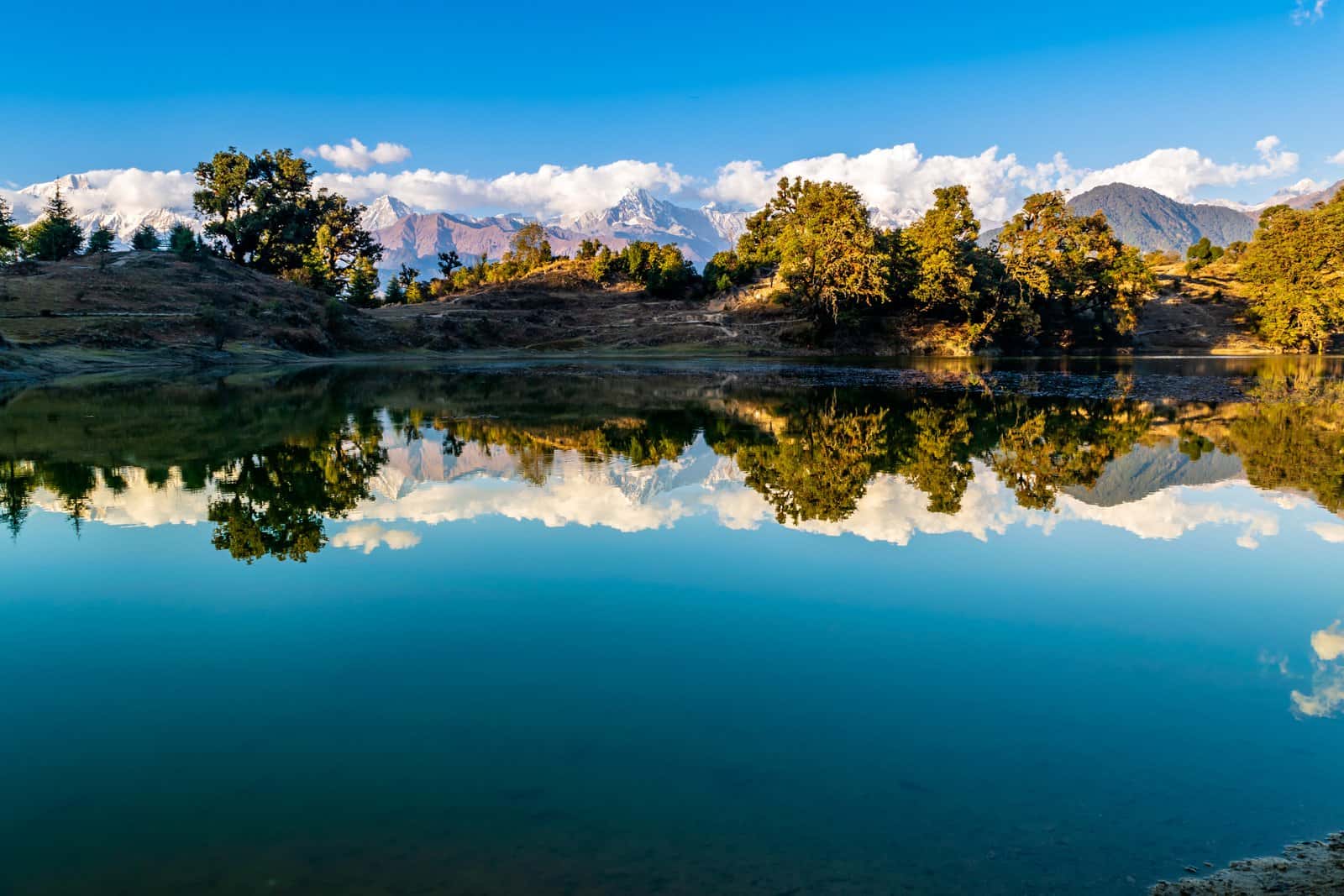
- Deoria Tal, the mirror lakeA still lake at about 2,438 metres that reflects the Chaukhamba peaks on a calm morning, reached by a gentle 2.5 km walk up from Sari village. It is the family-friendly add-on to the harder Chandrashila climb and a fine spot to camp by the water.
Chopta sits inside the Kedarnath Wildlife Sanctuary. You will need a forest permit and a valid photo ID, you must stay on the marked trail, and littering or damaging the environment is a punishable offence. Carry out all your waste, respect the wildlife, and keep the permit and your ID on you. The detail of the permit, the fee and the trek cut-off is in the safety and logistics sections below.
Signature experiences in and around Chopta
Beyond the headline climb, these are the experiences people remember, and how to time them so the mountains show themselves and the day does not run out on you.
- Sunrise at ChandrashilaThe single best thing to do here: start in the dark, reach the summit at first light, and watch the sun catch the snow peaks before the cloud closes in by late morning. It is steep above Tungnath, so go slow and steady, and remember the gate to start the climb closes at 2 pm, so this is a morning affair.
- The walk up to TungnathEven if you do not push for the summit, the paved 3.5 km climb to Tungnath through the meadows and birch is a beautiful half-day in itself, with the temple and the views as the reward. Pace it over 2 to 4 hours, rest often, and turn back if the weather turns.
- Deoria Tal as a gentle add-onA short, easy 2.5 km walk from Sari village to a peak-reflecting lake, perfect for families, older travellers or a rest day. Camping by the lake under the stars is a quiet highlight, with the Chaukhamba reflection at dawn worth the early start.
- Birdwatching and the monalChopta is one of Garhwal's best birding spots. With patience and binoculars you may see the Himalayan monal (the state bird), and raptors such as the Himalayan griffon, with the rhododendron weeks of April and May the prime window. You may also glimpse the shy musk deer in the forest.
- Camping in the meadowsTented camps at Chopta let you wake to the meadows and the snow line, far from any town. Nights are cold even in summer, so choose a camp with proper sleeping bags, and rent a pole, poncho or bag at Gopeshwar or Chopta if you arrive short of gear.
- A winter snow trek, if you are readyFrom December to March the same trail becomes a snow trek, popular and stunning but demanding, needing gaiters, traction, a guide and fitness. The temple is shut then, but the white meadows and frozen panorama are unforgettable for the well-prepared.
If you do only one thing, make it the Chandrashila summit at sunrise. The clarity that lets you pick out Nanda Devi and Chaukhamba almost always belongs to the early morning, and by late morning the cloud rolls up the valley and the view softens or vanishes. Sleep at Chopta the night before, start before dawn, and you give yourself the panorama that people travel here for. Leave it to midday and you may climb a long way for a wall of cloud.
Where to stay in Chopta, and how many nights
Chopta is basic by design: small camps and guesthouses, no big hotels. Stay at Chopta itself to be at the trailhead, or lower at Sari, Ukhimath or Deoria Tal. One to three nights covers it.
- At Chopta: camps at the trailheadSmall tented camps, eco-camps and a handful of guesthouses sit right by the meadows at the start of the Tungnath trail. They are basic, often without reliable grid power or hot water, but you wake at the trailhead and acclimatise at altitude, which is the point. Best for the early Chandrashila start.
- Sari village and Deoria TalSari, at about 2,000 metres roughly 20 to 28 km before Chopta, is the gentler base for Deoria Tal and a notch more comfortable. Camping by Deoria Tal itself is for those who want the dawn reflection. Both sit a little lower, which can help if altitude worries you.
- Ukhimath, the comfortable baseUkhimath, about 45 km down, is a small town with the most reliable rooms, power and supplies on this stretch, and the winter seat of the Kedarnath and Madhyamaheshwar deities. Some travellers sleep here and day-trip up, though it makes the Chandrashila morning a very early start.
- How many nightsTwo to three nights is the sweet spot: a night to reach and acclimatise, a full day for Tungnath and Chandrashila, and a gentle day for Deoria Tal. A rushed one-night stop can just about do Tungnath, but it gives you no margin for weather or altitude.
There are no large or luxury hotels at Chopta, and there will not be. What you get is small camps and guesthouses at altitude, frequently without dependable electricity, heating or hot water, especially in peak season and in the cold. Pack warm layers and a head torch, carry a power bank, and treat the basic, off-grid nature of the stay as part of the experience rather than a surprise. If you need hotel comfort, base at Ukhimath and day-trip up.
Chopta costs, permits and a realistic budget
Chopta is gentle on the wallet apart from the long drive in. Here is what the main things cost, including the sanctuary permit, so you can plan and confirm the current rates.
- The sanctuary permitChopta sits in the Kedarnath Wildlife Sanctuary, so a forest permit is required. Pricing on the official Kedarnath Wildlife Division portal starts from about 50 rupees, but the rate is revised annually and varies by activity, so confirm the current figure at the check post or with your operator before you set out.
- The big cost is the driveBecause Chopta is a long mountain drive from Rishikesh or Dehradun, the car or shared transport is usually the largest single line in the budget. Sharing a vehicle, or joining an organised trek that bundles the transport, is the way most travellers keep this sensible.
- Stay and foodBasic camps and guesthouses are inexpensive, and simple meals at Chopta and Ukhimath are cheap and hot. Carry energy bars and snacks since shops are very few above Ukhimath, and load up on supplies at Ukhimath where the few shops on this stretch are.
- Gear rental and cashTrekking poles, ponchos and sleeping bags can be rented at Gopeshwar and Chopta if you arrive short. Carry enough cash for the trip: ATMs and card or UPI acceptance thin out fast above Rudraprayag, and the small camps and shops run mostly on cash.
Two figures move and should be reconfirmed: the sanctuary permit, which starts at about 50 rupees on the official portal but is revised annually, and any organised-trek package price, which swings with the season and the operator. Everything else here is modest and cash-based. Confirm the permit rate at the forest check post or with your operator, agree any package price in writing, and carry cash, and the budget side of Chopta holds no surprises.
Practical logistics: permit, ID, network and supplies
The small things that make a Chopta trip smooth, from the forest permit and ID checks to the patchy phone signal, the supply stop at Ukhimath and the gear you will want.
- Permit, ID and check postsCarry a valid photo ID and your forest permit, and keep photocopies of your ID to hand. This is a protected sanctuary with military and forest check posts on the way, and you may be asked to produce proof of identity, so have it ready rather than buried in a bag.
- Phone signal is patchy, plan for itMobile coverage in the Chopta and Tungnath belt is unreliable, with only intermittent Jio or BSNL signal and long stretches of no network on the trail. Download offline maps before you climb, share your plan with someone, and do not count on a working phone above the road head.
- Stock up at UkhimathShops are very few above Ukhimath, so buy your snacks, water and any supplies there. Carry energy bars for the trail, drink only boiled or treated water, and pack a well-equipped first-aid kit, since help is far away once you are on the mountain.
- Gear and clothingBring hardy trekking shoes and a trekking pole for the rugged terrain, and warm layers as temperatures stay low even in summer. Poles, ponchos and sleeping bags can be rented at Gopeshwar and Chopta. Sun protection and a head torch are worth the space.
Altitude, the 2 pm cut-off, snow and the sanctuary rules
Chopta is a high mountain trek, so the real risks are altitude, weather and starting too late. A little awareness, and respect for the official forest rules, keeps the trip safe and happy.
- Altitude (AMS) and how to handle itTungnath is about 3,680 metres and Chandrashila a little over 4,000, high enough that mild headaches or breathlessness are common. Sleep a night at Chopta to acclimatise before the summit, climb slowly, drink plenty of water and avoid alcohol. The forest division advises high routes above 3,000 metres only for those with prior experience, and does not recommend the high climb for children under about 12.
- The official 2 pm trek cut-offThe Kedarnath Wildlife Division sets a hard safety cut-off: no trekker may start the Chandrashila climb after 2 pm, when the entry gate closes. The same applies to the Rudranath trek in this sanctuary. Start your summit day before dawn, both for the clear view and so you are never turned back at the gate.
- Winter snow and weatherFrom December to March the trail is snow-covered and demands gaiters, traction and a guide; some approach roads can close, and conditions change fast. In any season, turn back if the weather closes in. Help and network are far away, so do not push past your limit for a summit.
- Sanctuary rules and the real fineStay on the marked trail, carry out all waste, and do not bring alcohol or drugs into the sanctuary. The official guidelines warn that violations are punishable under the Wildlife Protection Act 1972 with a fine of up to 1,00,000 rupees or up to 3 years imprisonment, with alcohol and narcotics handled under the NDPS Act 1985. Respect the rules and the wildlife.
Chopta is one of the gentler high-Himalayan treks and is manageable solo or as a first trek with sensible precautions: a guide or a group for the snow months, the acclimatisation night, an early start, and an honest read of your own fitness. The friction here is not crime but the mountain itself, the altitude, the cold and the weather, so respect those, keep someone informed of your plan, and turn back when it tells you to.
Chopta for every kind of traveller, and how far to climb
Chopta suits very different visitors, and the key question for each is how far up the trail to plan. Here is what it offers you and the one tip that matters, including the honest turnaround point for seniors and families.
- Families with childrenThe meadows, the camping and the gentle Deoria Tal walk are wonderful for families. For the high climb, the forest division does not recommend going above 3,000 metres with children under about 12, so plan Tungnath as the turnaround for younger kids and leave Chandrashila for older, fitter children.
- Senior travellers and on accessibilityVery doable with planning, but honest about limits. Deoria Tal and the Chopta meadows are gentle and rewarding. The Tungnath climb is a real 3.5 km ascent to 3,680 metres, manageable for fit seniors at a slow pace with rest stops, while Chandrashila is steep and best judged on the day. Acclimatise, go slow, and turn back without regret if the altitude bites.
- Beginner trekkersThis is one of the best beginner-friendly Himalayan treks: short, scenic and on a paved trail to Tungnath. Build a little fitness beforehand with regular walking, do the acclimatisation night, and you can reasonably aim for Tungnath and, if you feel strong, Chandrashila.
- CouplesQuiet meadows, star-filled camp nights and a shared summit sunrise make Chopta a romantic, unspoilt escape far from crowds. Two to three nights lets you enjoy the pace rather than racing the trail.
- Solo travellersManageable solo in the open seasons with standard precautions; take a guide or join a group for the snow months. Keep someone informed of your plan, start the summit early, and carry the permit, ID and a first-aid kit.
- Photographers and birdwatchersSunrise from Chandrashila, the rhododendron bloom, the monal and the meadows reward an early riser. Carry binoculars in April and May for nesting birds, and a long lens for the shy musk deer, and ask before photographing pilgrims at the temple.
A suggested Chopta, Tungnath and Chandrashila itinerary
How to shape two or three days so you acclimatise, catch Chandrashila at sunrise, and still have a gentle day for Deoria Tal.
- Day one: the long drive and acclimatiseDrive up from Rishikesh, Haridwar or Dehradun through Rudraprayag and Ukhimath, stopping at Ukhimath to load supplies. Reach Chopta or Sari by evening, settle into the camp, and rest, because the night at altitude is what readies you for the summit.
- Day two: Tungnath and Chandrashila at dawnStart before first light, climb the 3.5 km to Tungnath, then push the steep 1.5 km to Chandrashila for sunrise and the Himalayan panorama. Be back below the gate well within the day, and remember you cannot start the climb after 2 pm. Rest the afternoon at Chopta.
- Day three: Deoria Tal and outTake the gentle 2.5 km walk from Sari to the mirror lake at Deoria Tal for the Chaukhamba reflection, then begin the long drive back. If you are tight on time, swap this for an earlier descent, but the lake is a soft, rewarding close.
- The two-day versionIf you only have two days, drive up day one, do Tungnath and Chandrashila at dawn on day two and drive out the same long evening. It works for the fit, but it gives you no margin for weather, altitude or a missed sunrise, so three days is gentler.
Two fixed facts should shape every Chopta plan. The forest gate will not let you start the Chandrashila climb after 2 pm, and the clear Himalayan view almost always belongs to the early morning before the cloud builds. Both push your summit to a pre-dawn start. Sleep at Chopta the night before, set out in the dark, and you satisfy the cut-off and catch the panorama in one move. Leave the climb late and you risk both a shut gate and a clouded summit.
The real questions travellers ask about Chopta
Straight answers to the questions that come up again and again on traveller forums, so you arrive already knowing the score on the temple, the snow and the climb.
- Is the Tungnath temple open when I visit?Only in the warm season. For 2026 the temple is expected to open about 2 May and close about 4 November, with the deity moving to Makkumath for the winter. From December to March you can still trek to the site and Chandrashila, but the shrine itself is locked. Reconfirm the dates with the temple committee before you book.
- Can a beginner or unfit person do the trek?Yes, with care. The 3.5 km to Tungnath is one of the friendliest Himalayan trails and is paved; Chandrashila above it is short but steep. Build some walking fitness first, take the acclimatisation night, go slow, and turn back at Tungnath if the altitude or the steep section feels too much.
- Is it safe to trek in the winter snow?It is popular but demanding from December to March. You need gaiters, traction, warm gear, a guide and real fitness, and some roads can close. If you are not an experienced snow trekker, come in spring or autumn instead, or go with an organised group.
- Will I get altitude sickness?Mild headaches or breathlessness are common at 3,680 to 4,000 metres, but serious AMS is uncommon on this short trek if you prepare. Sleep a night at Chopta, climb slowly, hydrate, skip alcohol, and descend if symptoms worsen rather than pushing for the summit.
- How many days do I need?Two to three nights is ideal: arrive and acclimatise, summit Chandrashila at dawn, and keep a gentle day for Deoria Tal. A two-day dash works for the fit but leaves no margin for weather or altitude.
- Will my phone work up there?Patchily at best. Expect only intermittent Jio or BSNL signal and long no-network stretches on the trail. Download offline maps, tell someone your plan, and treat the trek as off-grid above the road head.
Planning Chopta from abroad
Chopta is the gentlest first taste of the high Indian Himalaya, but it is remote. A little preparation for the long drive, the altitude, the permit and the winter window makes it easy and rewarding.
- It is a long mountain drive, not a quick hopFrom Dehradun's Jolly Grant airport it is about 220 to 225 km and a 7 to 9 hour winding drive, and there is nothing closer by air or rail. Budget a full day to get in, hire a car with an experienced hill driver, and do not plan a same-day arrival and summit.
- Respect the altitude on a first Himalayan trekTungnath is about 3,680 metres and Chandrashila over 4,000. If this is your first time at altitude, sleep a night at Chopta to acclimatise, climb slowly, hydrate and skip alcohol. It is a gentle trek by Himalayan standards, but it is still real high country.
- Permit, ID and the winter templeYou need a forest permit and a valid photo ID for the sanctuary, and you will pass check posts, so carry your passport and a photocopy. Note the temple is shut roughly November to May with the deity at Makkumath, so time your visit if seeing the open shrine matters to you.
- Slot it onto a Garhwal or Char Dham loopChopta pairs naturally with a wider Uttarakhand Himalaya trip and sits near the Char Dham road circuit. Fly into Delhi, then on to Dehradun or Haridwar, and weave Chopta in as the meadow-and-summit chapter between the pilgrim towns.
Money, connectivity and timing for foreign visitors
The practical basics an overseas traveller needs for a remote mountain base: cash over cards, a SIM that mostly will not work up high, and how many days to give it on a wider India trip.
- Carry cash, and draw it lower downATMs and card or UPI acceptance thin out fast above Rudraprayag, and the camps and small shops at Chopta run on cash. Draw enough cash in Rishikesh, Haridwar or Rudraprayag for the whole stay, and keep small notes for tea stalls, the permit and tips.
- Get a SIM in the city, expect no signal up highPick up an Indian tourist SIM or eSIM when you land in Delhi or Dehradun. Even so, expect only patchy Jio or BSNL coverage around Chopta and none on much of the trail, so download offline maps before you climb and treat the trek as off-grid.
- How long to give it on a bigger tripOn a wider Uttarakhand or Himalayan trip, give Chopta two to three nights: a day in, a summit day, and a gentle Deoria Tal day. It is the meadow-and-mountain pause between Rishikesh and the higher pilgrim valleys, and rushing it wastes the long drive in.
- Time your visit to the seasonApril to June and September to November are the comfortable windows, with autumn the clearest for views. If you want the open temple, come between about May and early November; if you want snow and can handle it, December to March, with a guide.
Chopta is an unusually kind introduction to the high Himalaya: short, scenic trails, a world-famous summit temple, and meadows that earn the Mini Switzerland tag, all without the multi-day effort of a serious expedition. Slot it after Rishikesh, give it two or three nights, acclimatise properly, and let it be the high, quiet chapter of an Uttarakhand trip. Many overseas visitors find the Chandrashila sunrise the moment they remember most from the whole journey.
Why Shiva's arm is worshipped on the roof of the world
Tungnath belongs to the legend of the Panch Kedar. After the great war of the Mahabharata, the Pandavas sought Lord Shiva to absolve the guilt of killing their kin. Shiva, unwilling to face them, took the form of a bull and dived into the earth at Kedarnath, his body surfacing in five places across the Garhwal hills. Where his hump rose is Kedarnath; where his arms appeared is Tungnath, the highest of the five at about 3,680 metres, said to be where his bahu, his arm, is worshipped. So the world's highest Shiva temple stands not on a peak for grandeur but at the spot where, in the telling, a part of the god himself broke the surface of the mountain. Each winter, when snow seals the shrine, the deity is carried down in procession to the Markandeya Temple at Makkumath and worshipped there until the gates reopen in spring, so the devotion never truly stops, it only moves down the mountain and back up again with the seasons.
Planning a Chopta trip?
Our Uttarakhand travel experts plan your full journey for you: route, hotels, darshan timings and transport. You get a free day-by-day plan and an exact quote on WhatsApp, usually within a few hours. No payment is needed to get your plan.
Tour packages that visit Chopta
Every journey below is private, hand-crafted and fully customizable. Tell us your dates and we tailor the itinerary, the pace and the priests or guides around you.
 12D / 11N
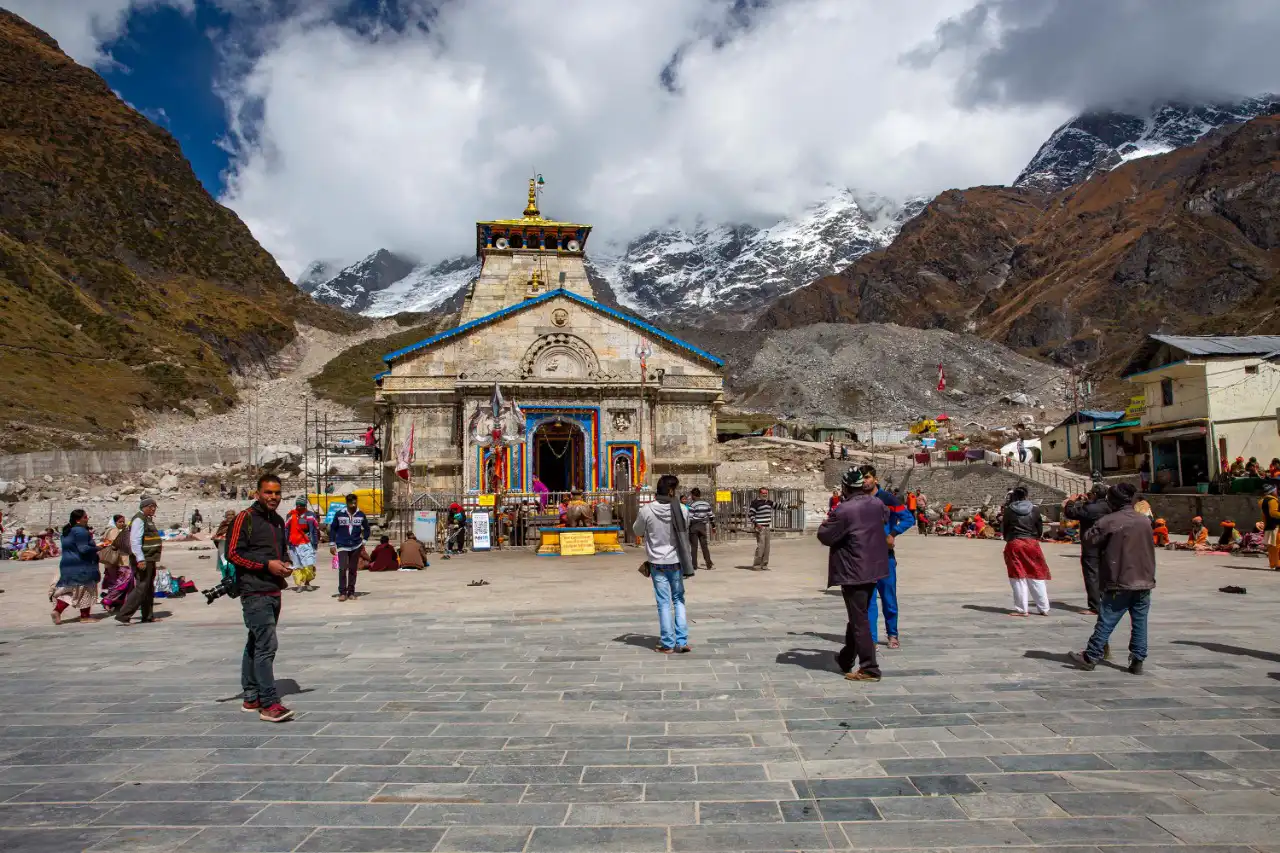
Panch Kedar Tour Package: Five Shiva Temples of Garhwal in 12 Days
- Darshan at all five Panch Kedar temples in one journey: Kedarnath, Madhyamaheshwar, Tungnath, Rudranath and Kalpeshwar
- Kedarnath, one of the twelve Jyotirlingas, where the hump of Shiva is worshipped at 3,583 metres
 16D / 15N
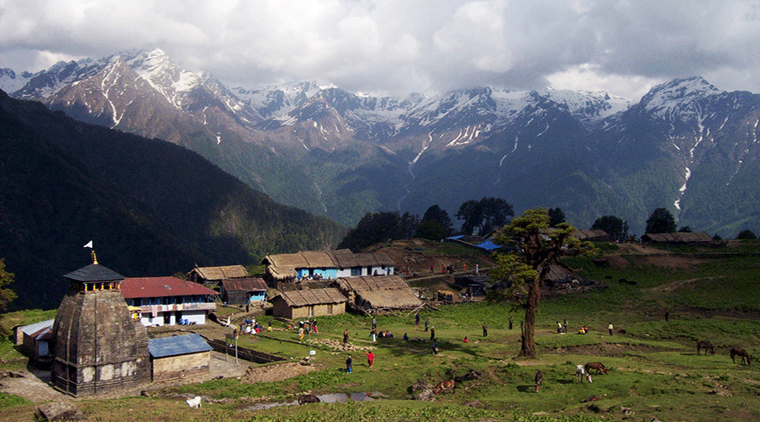
Panch Kedar Trek
- Trek from Kalpeshwar to Urgam village
- Trek from Urgam to Kalgot
 4D / 3N
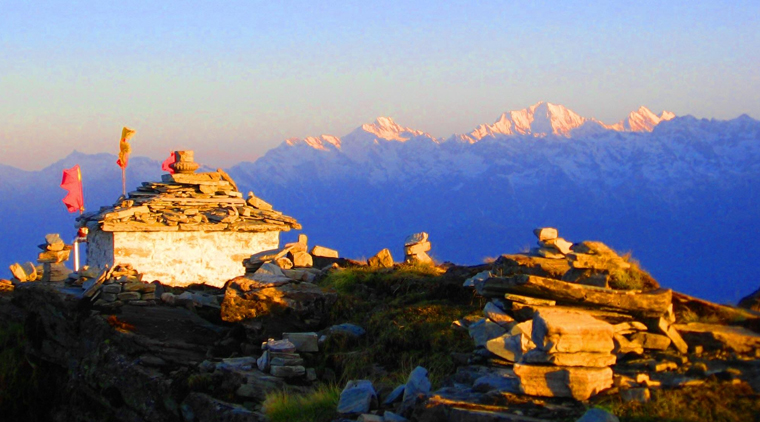
Chopta Chandrashila Trek
- Deoria Tal
- Ukhimath
 5D / 4N
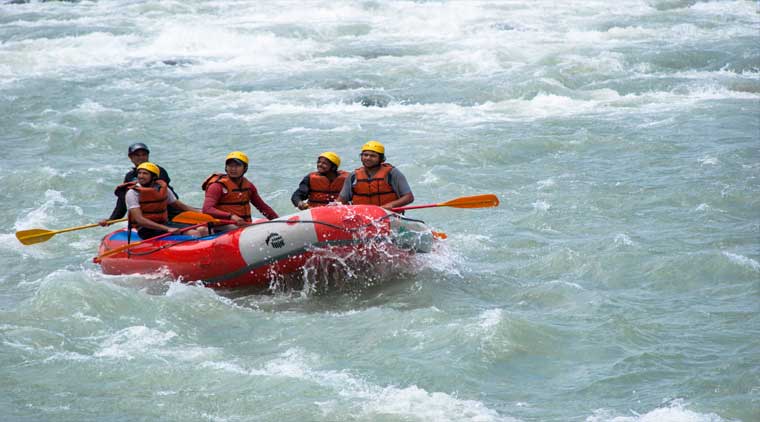
Rafting in Rishikesh with trekking in Himalayas
- View Of Snow Clad Himalayan Peaks
- Stay At Deluxe Tents
 7D / 6N
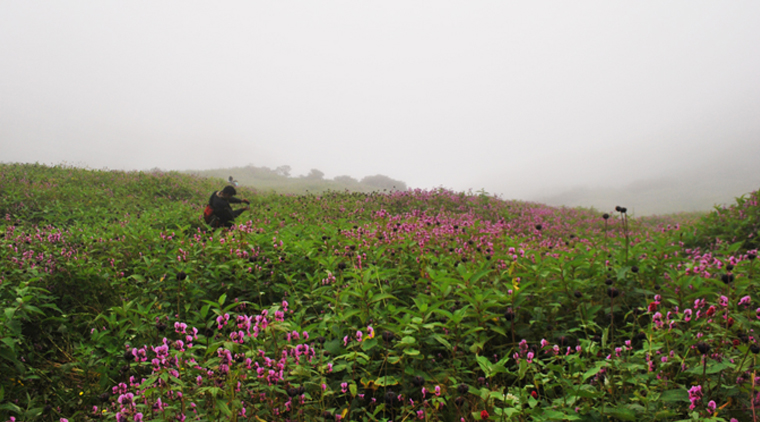
Chanap Valley Trek
- Joshimath
- Alaknanda