
Ram Nagar Travel Guide
The pleasant months are November to February , and the strongest tiger sightings come in March to mid-June . The season also decides which Corbett zones are open and whether...
When to visit Ramnagar, and what the season decides
The pleasant months are November to February, and the strongest tiger sightings come in March to mid-June. The season also decides which Corbett zones are open and whether Garjia temple is reachable.
- November to February: cool and greenThe most comfortable weather to base in Ramnagar, pleasant by day and genuinely cold on early-morning safaris and the dawn drive to the gate, so carry a fleece. Wildlife is active but spread out across a watered park. Lovely for families and first-timers, and the town's orchards are at their greenest.
- March to mid-June: best for tigersAs the heat builds and water shrinks, animals gather at the rivers and waterholes, giving the strongest sightings right up to the core-zone closure in mid-June. Ramnagar gets hot in the afternoons in this window, so plan town sights for the morning and keep the midday for rest.
- July to early October: green, quiet, limitedThe monsoon turns the hills lush but closes the core Corbett zones, leaving only the all-year Jhirna and Dhela zones open, and the Garjia temple can be cut off when the Kosi runs high. The town and its other sights stay open, so a rainy-season visit works if you adjust expectations.
- Decide weather or wildlife firstWinter gives you a comfortable base and good general wildlife; the pre-monsoon heat gives the best tiger odds but a tougher ride. Pick the experience you care about most, then choose the month, and book your safari and rooms around that rather than hoping for both at once.
Basing in Ramnagar does not make every zone available. From roughly mid-June to mid-November the core Corbett zones are closed by the rains, and only Jhirna and Dhela stay open through the year. Garjia temple can also be hard to reach when the Kosi is in spate. Check your travel month against the Corbett zone seasons and the river level before you lock trains, rooms or a car, and read our Jim Corbett guide for the full zone-by-zone closure calendar.
How to reach Ramnagar
Ramnagar is the nearest railhead to Corbett, and the train you take decides your first morning. Most people come overnight by rail from Delhi or drive down in a day.
- By train, the classic way inRamnagar station, about 12 km from the park entrance, is the nearest railhead. The overnight Ranikhet Express from Delhi Sarai Rohilla leaves about 8:40 pm and reaches Ramnagar in the early morning, around 4:15 am, which fits a same-morning safari, and its Ramnagar slip coaches run as the Corbett Park Link Express. Confirm the current number, running days and exact timing on IRCTC, as schedules change.
- By road from DelhiDelhi to Ramnagar is about 240 to 270 km, roughly a 6 to 7 hour drive via Moradabad and Kashipur or the Hapur route. We arrange a car with an experienced driver, which is the easiest option for families with luggage and small children and lets you stop where you like along the way.
- By air via PantnagarThe nearest airport is Pantnagar, about 80 km away, with limited flights and a road transfer of roughly 2 to 2.5 hours. Schedules change, so confirm before relying on it. Most overseas visitors simply fly into Delhi and continue to Ramnagar by night train or car.
- Arriving and getting your bearingsRamnagar is a compact market town: the station, the safari booking counters, ATMs and fuel are all close together, and resort pickups and taxis wait at the station. From here it is a short hop to your stay on the Kosi strip and to the various Corbett gates, which are spread around the town rather than at one entrance.
Fly into Delhi, the main international gateway, then take an overnight train to Ramnagar or drive down in about 6 to 7 hours. Corbett via Ramnagar pairs neatly with a Golden Triangle trip, as the easiest big tiger reserve to reach from Delhi.
Fly into Delhi and continue by train or road to Ramnagar. For a quicker hop you can connect to Pantnagar (about 80 km from Ramnagar) on a domestic flight, then transfer by road.
Overnight trains run to Ramnagar from Delhi, and the road from Delhi is straightforward. Ramnagar also sits on the Kumaon road network, so it links easily to Nainital and Ranikhet for a hill add-on.
Ramnagar the town, and how it differs from the park
Ramnagar is the gateway town, not the jungle: the railhead, the permit hub and the resort strips. Knowing what the town is, and what it is not, sets up the whole trip.
- What Ramnagar actually isRamnagar is the working gateway town to Jim Corbett, about 12 km from the park entrance. It is where Corbett trips begin: the railhead, the safari booking and permit-collection counters, the meeting point for guides and drivers, and the supply town for the resort strips along the Kosi. It is a market town, not a resort, so most travellers sleep on the greener river strip just outside it.
- The Kosi river and the resort stripsThe Kosi river runs along the edge of town and the resorts spread north along it toward Dhikuli and Garjia. This riverside strip, not the town centre, is where the comfortable stays, the views and the evening calm are. The town itself is for the practical errands of a safari trip.
- The Fruit Bowl of KumaonRamnagar sits on a fertile plain known locally as the Fruit Bowl of Kumaon, with orchards of peach, plum, apricot, pear and litchi. It gives the approach its green, orchard-lined character and, in season, roadside fruit, a small pleasure that the safari-focused pages never mention.
- Why the distinction mattersBecause the gates are spread around Ramnagar rather than at a single entrance, where you stay should match the zone you have booked, and the things you can do from town divide into the Corbett safaris (permit, gate, season) and the permit-free sights nearby. Get that map clear and the rest of the trip plans itself.
The single most useful thing to understand is that Ramnagar and Jim Corbett are not the same place. Ramnagar is the town you arrive in, book in and sleep near; Corbett is the reserve you enter on a permitted safari through one of several gates. This page is your guide to the town and everything you do from it, including the permit-free sights; for the safari zones, permits, fees and the official booking portal, see our dedicated Jim Corbett National Park guide.
Sights you can see without a Corbett permit
Some of the best half-days around Ramnagar need no safari permit at all: the Garjia temple, Corbett Falls, the Sitabani forest and the Corbett Museum all sit outside the tiger reserve.
- Garjia Devi temple on the KosiAbout 14 km from Ramnagar on the Ranikhet road, the Garjia Devi temple stands on a single large rock in the middle of the Kosi river, reached by a flight of steps. It is a revered Shakti shrine, opens roughly 6 am to 8 pm with a midday break, and charges no entry fee. When the Kosi runs high in the monsoon it can be cut off, so check the water level in the rains.
- Corbett Falls toward KaladhungiA forest waterfall about 25 to 27 km from Ramnagar near the Kaladhungi road, reached by a short walk of around 1 to 1.5 km. There is a small entry fee of about 50 rupees per adult plus a car-parking charge, with day-time hours roughly 8 am to 5 pm, and it is fullest just after the monsoon. A gentle picnic stop on a no-safari day; reconfirm the current fee and access on arrival.
- Sitabani forest and reserveAbout 10 km from Ramnagar, Sitabani is a hill forest that is not part of the Corbett Tiger Reserve. It sits in the Sitabani and Pawalgarh Conservation Reserve, a separate government reserve, and is a favourite of birdwatchers who want forest time without a Corbett permit. It has its own gates and booking, covered in the next section.
- The Corbett Museum at KaladhungiThe small Corbett Museum in the naturalist Jim Corbett's old winter home at Kaladhungi, near the falls, makes a gentle, permit-free cultural half-day, easy for seniors and children. It is outside the park, so it needs no safari permit and pairs naturally with Corbett Falls.
If you miss a safari slot, draw a blank on permits, or simply want a slower day, you are not stuck. The Garjia temple, Corbett Falls, the Sitabani forest and the Corbett Museum are all outside the reserve and need no Corbett permit, and a hired car can string two or three of them into an easy half to full day. It is one of the quiet advantages of basing in Ramnagar that the listicles never spell out.
Sitabani, Pawalgarh and the Kosi: experiences beyond Corbett
Ramnagar is the launch point for more than the Corbett safari: a separate government reserve at Sitabani and Pawalgarh, golden mahseer angling on the Kosi, and quiet river time.
- A Sitabani or Pawalgarh safariThe Sitabani eco-tourism zone sits in the Pawalgarh Conservation Reserve, a separate government reserve of about 58 sq km notified in 2012, home to more than 33 mammal and over 360 bird species. It runs its own jeep safaris through the Tedha and Pawalgarh gates, booked separately from Corbett, and is a good option for forest time, birds and quieter drives when Corbett permits are gone.
- How to book Sitabani and PawalgarhThe reserve takes bookings through its own official site and gate counters, separate from the Corbett portal. It advises booking about 30 days ahead for Indian nationals and about 90 days ahead for foreign nationals with passport details, and notes that safaris cancelled for rain are not refunded. Confirm the current rules and any closures on the official reserve site before you plan around it.
- Golden mahseer on the Kosi and RamgangaRamnagar is a base for golden mahseer angling on the Kosi and Ramganga rivers. The mahseer is a protected fish, so reputable outfitters run strict catch-and-release, the productive windows are broadly spring and autumn, and any fishing needs proper permission. Arrange it through a licensed operator rather than fishing on your own.
- Quiet river and orchard timeOutside the safaris, the Kosi strip is made for slow mornings: a riverside walk, a coffee watching the water, and the orchard-lined lanes around town. It is the gentle counterpoint to the early safari starts, and a good way to fill the long midday gap between the morning and afternoon drives.
A common mix-up is treating Sitabani as a Corbett zone. It is not: it lies in the separate Sitabani and Pawalgarh Conservation Reserve with its own gates and its own official booking, so a Corbett permit does not cover it and a Corbett booking will not get you in. If you want a Sitabani safari, book it through the reserve's own site, and treat it as a distinct experience from the tiger reserve next door.
Where to stay around Ramnagar, and how many nights
The smart move around Ramnagar is to match your stay to your booked safari gate. The Kosi strip toward Dhikuli and Garjia is the comfortable base; two nights is the sweet spot.
- Ramnagar town and Amdanda: for BijraniStays in and just north of Ramnagar town are closest to the Amdanda gate for the Bijrani zone and to the station and booking counters. Handy and well priced, though the town itself is a working market town rather than scenic, so it suits practical, budget and early-train travellers.
- Dhikuli and Garjia: the comfortable stripThe Kosi-side strip north of town toward Dhikuli and Garjia has most of the mid-range and luxury resorts, with pools, restaurants, river views and easy reach of several gates. This is the natural base for families, couples and anyone who wants comfort and an evening by the river, and it is where most overseas visitors stay.
- The Dhela side: for the all-year zonesTo the south, the Dhela area is the natural base for the Dhela and Jhirna zones, which stay open through the year. If you are visiting in the monsoon when the core zones are shut, basing this side keeps you close to the gates that are actually open.
- How many nightsTwo nights is the sweet spot: a morning and an afternoon safari, plus a permit-free half-day at Garjia, Corbett Falls or Sitabani and time by the river. One night and a single safari works on a weekend dash, but a single drive is a coin toss for a sighting. Three nights lets you add a second zone or a Sitabani safari.
Because the Corbett gates are spread around Ramnagar rather than at one entrance, the single mistake that costs sleep and money is booking a resort an hour from the gate you are actually entering. Decide your safari zone first, then choose a stay near its gate: town and Amdanda for Bijrani, the Dhikuli and Garjia strip for the central gates, and the Dhela side for the all-year Dhela and Jhirna zones. Get that order right and your dawn drives are short.
Ramnagar costs and a realistic budget
Basing in Ramnagar is mostly the room, the car for the sights, and the Corbett safari on top. Here is what the town-side things cost so you can plan and avoid agent markup.
- Where the room money goesExcluding Delhi transport and the safari, budget guesthouses in and around Ramnagar run about 1,500 to 3,000 rupees a night, mid-range Kosi-side resorts about 4,000 to 8,000, and luxury lodges well above that. Rooms are higher on weekends, public holidays and the winter peak, so book ahead for those.
- The car for the permit-free sightsA hired car or taxi to string together Garjia temple, Corbett Falls and Sitabani is typically a few thousand rupees for a half to full day, negotiated in advance. Agree the route and price before you set off, as rates are quoted high to visitors and come down without drama.
- The safari is the big variableThe Corbett safari, not the room, is usually the biggest single cost, and its fees are official and fixed; an agent's markup sits on top, often hidden in a package. Ask for the official permit price separately, and book the permit yourself so you only pay an operator for the car, room and arrangements. The full fee breakdown is in our Jim Corbett guide.
- Cash for a small townResorts and bigger restaurants take cards or UPI, but tips, fruit, small purchases and the village stretches run on cash. There are ATMs in Ramnagar town, so draw what you need there, since there is little deep inside the forest strips, and keep small notes for the guide and driver.
The single habit that saves money around Ramnagar is to separate the fixed safari fees from the negotiable arrangements. The Corbett permit, the gypsy and the guide are official, fixed numbers; the room, the car and the sightseeing are where an operator adds margin. Book the permit yourself on the official Corbett portal, then pay an operator only for the room, the car and the help. That way you can see exactly what you are paying for and the package markup disappears.
Practical logistics: station, ATMs, food and getting around
The small things that make a Ramnagar trip run smoothly, from the station and booking counters to ATMs, food, mobile signal and getting between the gates.
- The station and booking countersRamnagar station is the arrival hub and the safari counters, ATMs and fuel are close by in town. Resorts arrange the short transfers to the gates and to your stay on the Kosi strip. If you arrive on the early Ranikhet Express, a resort pickup saves hunting for a taxi at dawn.
- Getting around and between gatesThe town core is small and walkable, but the gates and sights are spread out, so you will want a hired car, a taxi or a resort vehicle for the safaris, Garjia, Corbett Falls and Sitabani. Auto-rickshaws handle short hops within town. Plan transport the night before, as dawn safaris start early.
- Food and the forest rulesRamnagar and the Kosi resorts have plenty of choice, from simple dhabas in town to resort restaurants. Inside the Corbett forest rest houses, though, there is no alcohol and no non-vegetarian food and sometimes no canteen, so eat and stock up in town before a forest overnight. Carry water and snacks for the safari itself.
- Signal, ATMs and suppliesMobile coverage is fine in Ramnagar and along the Kosi for maps and calls but drops to patchy or nothing deep inside the forest zones, so download offline maps and share your safari plan. Draw cash and buy any supplies in town, as the deep-forest strips have little, and the nearest good hospital is in Ramnagar.
Safety, jungle etiquette, and the scams to dodge
Ramnagar is a relaxed, family-oriented base, but it is a heavily booked safari town with a known permit racket, and the park is a real forest. A little awareness keeps the trip happy.
- The permit-resale and fake-site scamCorbett permits are issued only through the official Corbett portal, and a documented racket resells bulk-booked permits at inflated prices while fake sites take money for bookings that never happen. Book direct or through a known operator, match the name on the permit to your ID exactly, and be wary of last-slot offers and steep discounts on social media around Ramnagar.
- Gate touts and agent pressureUnlicensed touts and aggressive agents around the station and gates offer to arrange a guide or a quick permit; the guide must be a registered one allotted with your permit, and the permit must be the official one. Decline the touts, deal only through your booking, and you avoid both the overcharge and the risk of being turned away at the gate.
- Jungle etiquette on a safariOn a drive, stay in the vehicle, keep your voice down, do not stand or lean out for a photo, and never feed or provoke an animal. Wear neutral colours, skip strong perfume, and follow your guide, who reads the forest far better than any visitor. The Garjia temple steps and the Corbett Falls walk also need sensible footwear.
- Health and the cold-and-heat swingWinter dawns are bitterly cold in an open jeep, so carry a fleece, windproof, cap and gloves; summer afternoons are hot, so carry water and sun protection. Take the usual care with street food, drink bottled or filtered water, and carry any personal medicines, as the nearest good hospital is in Ramnagar town.
Ramnagar is generally relaxed and safe for solo and women travellers, since safaris are guided, shared and time-bound and the resort strip is family-oriented. The usual sensible precautions apply: prefer a known operator or resort, keep to the booked drives, and choose a busier riverside stay over an isolated one if travelling alone. The main friction reported is sales pressure from agents and gate touts, not anything threatening.
Ramnagar for every kind of traveller, and on access
Ramnagar suits very different visitors as a base. Here is what it offers you, and the one tip that matters for each, including how a senior bases comfortably.
- Families with childrenAn easy adventure base, with the jungle safari, the Garjia temple, Corbett Falls and a riverside resort pool for the long midday gap. Under-12s ride free on the Corbett permit, and the permit-free sights mean a no-safari day is never wasted. A private jeep zone is gentler with children than the shared canter.
- Senior travellers and on accessibilityVery doable with planning. Base on the Kosi strip to limit walking, choose a private jeep in Bijrani over the spine-jarring canter, take a morning slot, and keep the gentle permit-free half-days like the Corbett Museum for the rest of the trip. The Garjia temple involves a flight of steps, so judge that one against mobility. Indian seniors also get safari discounts at the Corbett gate.
- Couples and honeymoonersThe Kosi-side resorts are romantic and quiet, with river views and bonfires on winter evenings. A two-night base gives you a shared safari, a slow river morning and a permit-free temple or falls outing, with a private jeep keeping the drives just for the two of you.
- Budget and weekend travellersReach Ramnagar cheaply by overnight train from Delhi, base in a modest stay near the station or Amdanda gate, and book the Corbett permit yourself to skip the agent margin. A single well-chosen morning safari plus a permit-free sight beats three rushed drives, so spend on the right zone rather than the most.
- Wildlife photographersBase near your chosen gate, favour March to mid-June for tigers and a morning slot, and add Sitabani for birds and the Kosi at dawn. Choose a private jeep over the canter for flexibility, and remember the permit-free Sitabani forest and river give you quiet shooting without a Corbett slot.
- First-time wildlife watchersRamnagar is the easiest big-tiger gateway from Delhi. Book a guide, manage expectations because tigers are never guaranteed, and enjoy the elephants, deer, crocodiles and birds you will almost certainly see, plus the permit-free temple and falls. A two-night, two-safari base is the gentle, satisfying introduction.
A suggested Ramnagar and Corbett itinerary
How to shape a two-night base so you get the best of the safaris, the permit-free sights and the river, without rushing a single drive.
- Day one: arrive and settleTake the overnight train to Ramnagar or drive from Delhi in the morning, collect your safari permit, check into a Kosi-side resort, and take an afternoon drive into Bijrani or Jhirna. A relaxed evening by the river sets you up for the early start, and Garjia temple is an easy stop on the way in.
- Day two: the main safari and a sightBe at the gate for the morning slot, which starts early and gives your best tiger odds, into your booked zone. Rest through the hot midday, then take a permit-free half-day to Corbett Falls and the Corbett Museum, or a second afternoon drive. Two drives or one drive and a sight is a full, unhurried day.
- Day three: a last morning, then onwardA final morning safari or a Sitabani birding drive, then either drive or train back to Delhi, or turn the trip into a hill loop up to Nainital or Ranikhet. A Dhikala forest overnight on these nights, instead of a riverside resort, turns the trip into the full forest experience.
- The weekend dash versionA Friday night train to Ramnagar, one morning and one afternoon safari on Saturday plus the Garjia temple, and a Sunday morning drive or a Corbett Falls stop before heading back. It works, but a single safari is a coin toss for a sighting, so the more drives you fit, the better your odds.
The single thing that breaks a Ramnagar plan is building the trip around a Corbett zone that is shut in your month. In the monsoon, July to early October, only Jhirna and Dhela are open, so a rainy-season base should sit on the Dhela side and the plan should lean on the permit-free sights and Sitabani. Lock your zone and dates against the season table before you book trains, rooms or a car, and you will never arrive to a closed gate.
The real questions travellers ask about Ramnagar
Straight answers to the questions that come up again and again on traveller forums, so you arrive already knowing the score.
- Is it worth staying in Ramnagar itself?Ramnagar town is a practical, well-priced base close to the station and the Amdanda gate, but it is a working market town rather than scenic. Most travellers stay on the greener Kosi strip toward Dhikuli and Garjia for the river views and comfort, and use the town for the station, counters and ATMs. Both work; pick by whether you want convenience or calm.
- Town or a Dhikuli or Garjia resort?If you want comfort, a pool, river views and dining, choose the Dhikuli or Garjia strip. If you are on a budget, catching an early train, or visiting only Bijrani, a stay in or just north of town near Amdanda is handier and cheaper. Match it to your gate and your taste.
- What can I do without a safari?Plenty. The Garjia temple, Corbett Falls, the Sitabani forest and the Corbett Museum all sit outside the reserve and need no Corbett permit, so a no-safari day is easy to fill with a hired car. Sitabani also runs its own jeep safaris if you want forest time without a Corbett slot.
- Do I need a Corbett permit for Garjia or Sitabani?No. Garjia temple, Corbett Falls and the Corbett Museum all sit outside the reserve and need no Corbett permit (Garjia is free; Corbett Falls and the museum charge only a small entry fee). Sitabani is in a separate government reserve with its own gate and booking, so it does not use a Corbett permit either; you book a Sitabani safari through that reserve's own site, not the Corbett portal.
- Train or drive from Delhi?The overnight Ranikhet Express is the classic way, arriving early enough for a morning safari and avoiding the road slog, and its Ramnagar slip coaches run as the Corbett Park Link Express. Other trains also serve the route at different times. A self-drive of 6 to 7 hours suits families with luggage and lets you stop where you like. Confirm train numbers and times on IRCTC, as they change.
- Can I combine it with Nainital or Ranikhet?Yes, easily. Nainital is about 65 km away, roughly a 2 to 2.5 hour drive, and Ranikhet about 87 km, so many travellers add a hill station after Corbett rather than driving straight back to Delhi. It turns a safari weekend into a fuller Kumaon loop.
Planning Ramnagar and Corbett from abroad
Ramnagar is the most reachable big-tiger gateway from Delhi and an easy add-on to a first trip to India. A little planning, and one card, make it smoother and cheaper.
- Carry your OCI card for the safari rateIf you hold an OCI (Overseas Citizen of India) card you are charged the Indian permit rate at the Corbett gates rather than the higher foreign rate, and SAARC nationals get the Indian rate too. Carry your physical OCI card with the linked passport. For a family it is a real saving, and the full fee detail is in our Jim Corbett guide.
- Arrive through Delhi by night trainFly into Delhi, the main international gateway, then reach Ramnagar by the overnight Ranikhet Express, arriving early enough for a morning safari, or by a 6 to 7 hour drive. A passport is mandatory ID at the Corbett gates for foreign nationals, and foreign nationals book Corbett permits further ahead than Indians.
- Pair it with the Golden Triangle or a hill loopRamnagar slots beautifully after Delhi, Agra and Jaipur as the easy wild chapter of a first India trip, a night train or half-day drive from Delhi. Or extend it into a Kumaon hill loop up to Nainital, about 65 km, and Ranikhet, about 87 km, for cooler air and mountain views.
- Book only on the official portalsCorbett permits come only from the official Corbett portal, and Sitabani and Pawalgarh from their own reserve site; look-alike agent sites add a markup or take money for bookings that never happen. Book direct or through an established operator, match your passport name to the permit, and avoid discounted last-slot offers on social media.
Ramnagar and Corbett make the gentle wild chapter of a first India trip: a night train or half-day drive from Delhi, India's oldest national park, and a base town small enough to feel manageable. Give it two nights, take a morning and an afternoon drive, add a permit-free temple or falls, and you will very likely see a wild elephant herd even if the tiger stays hidden. Many overseas visitors say it is the part of the trip the children remember most.
Money, connectivity and timing for foreign visitors
The practical basics an overseas traveller needs for a small gateway town near a forest: cash, cards, a SIM, the cold-and-heat kit, and how many days to give it on a wider India trip.
- Carry cash, draw it in RamnagarResorts and bigger restaurants take cards or UPI, but tips, small purchases, fruit and the village stretches run on cash. Draw what you need at the ATMs in Ramnagar town, since there is little deep inside the forest strips, and keep small notes for the guide and driver tips.
- Get a SIM at the airportPick up an Indian tourist SIM or an eSIM when you land in Delhi rather than hunting for one in a small town. Coverage is fine in Ramnagar and along the Kosi for maps and calls, but it drops to patchy or nothing inside the forest, so download offline maps and share your safari plan before you go in.
- Pack for cold dawns and hot afternoonsA winter morning in an open jeep is bitterly cold, so bring a fleece, windproof, cap and gloves; summer afternoons are hot, so bring sun protection and water. Wear neutral colours, skip strong perfume, and carry binoculars and any personal medicines, as the nearest good hospital is in Ramnagar.
- How long to give it on a bigger tripOn a first India trip, two nights based in Ramnagar is the right weight: enough for a morning and an afternoon safari and a permit-free half-day, without slowing the whole itinerary. It slots after Delhi and the Golden Triangle, an overnight train or a half-day drive away, as the easy wild chapter of the trip.
November to February is the comfortable window with a green park and good general wildlife; March to mid-June is hotter but gives the strongest tiger odds before the core closure. Avoid the July to early October monsoon unless the all-year Jhirna and Dhela zones suit you, since the famous zones are shut and Garjia can be cut off. Decide whether you most want comfort or the best tiger chance, then pick the month, and book Corbett permits well ahead as a foreign national.
The forest where Sita is said to have lived in exile
Ramnagar's quiet keepsake is the Sitabani forest just outside town, whose name carries one of the oldest stories in India. In the Ramayana tradition, when Sita was sent away from Ayodhya in her later exile, she is said to have taken refuge in the forest ashram of the sage Valmiki, where she raised her twin sons Luv and Kush; local belief holds that this Sita-Bani, the forest of Sita, is that place, and three small streams here are still called the Sita, Rama and Lakshmana dharas. A small temple in the woods marks the tradition. Across the Kosi nearby stands the Garjia Devi temple, a Shakti shrine on a single rock in the river, where Garjia Devi is worshipped as a form of Parvati, the daughter of the mountain king Himalaya, and a great fair gathers on Kartik Purnima. Together the gentle forest and the river-rock shrine give the safari town a older, sacred layer that the resort brochures never mention.
Planning a Ram Nagar trip?
Our Uttarakhand travel experts plan your full journey for you: route, hotels, darshan timings and transport. You get a free day-by-day plan and an exact quote on WhatsApp, usually within a few hours. No payment is needed to get your plan.
Tour packages that visit Ram Nagar
Every journey below is private, hand-crafted and fully customizable. Tell us your dates and we tailor the itinerary, the pace and the priests or guides around you.
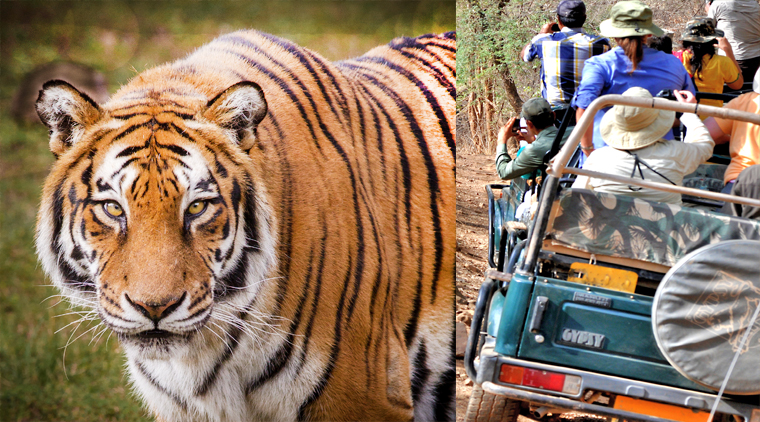 2D / 1N
Jim Corbett Park Weekend Tour Package
- Visit the Famous Maa Garjiya Temple Wildlife Safari in Corbett National Park
 3D / 2N
Corbett Dhikala Tour Package
- Visit Dhikala
- Wildlife Jeep Safari
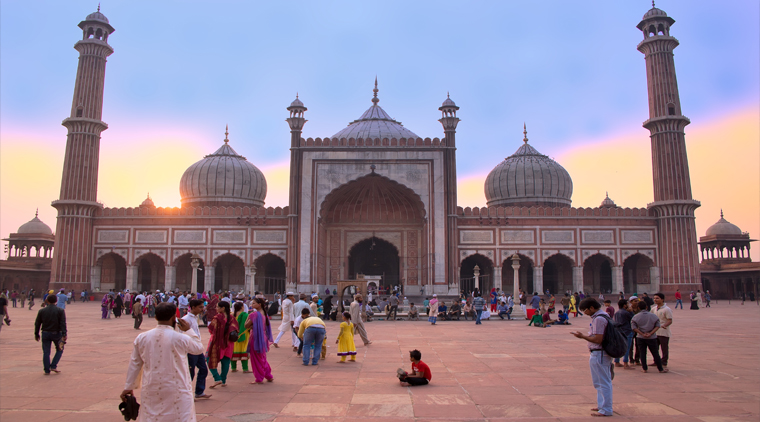 3D / 2N
Corbett Weekend Tour
- Visit Corbett National Park
 3D / 2N
Corbett Jeep Safari Tour
- Corbett National Park
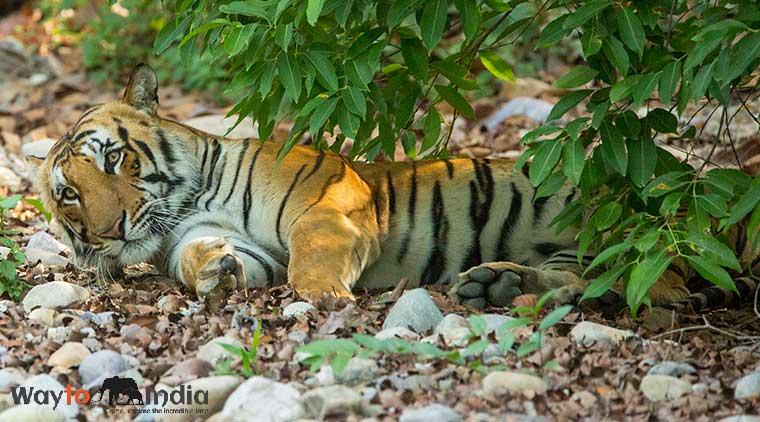 5D / 4N
Corbett Nainital Package
- Enjoy Jeep Safari & Elephant Safari
- Visit Corbett Museum & Waterfall
 6D / 5N
Jim Corbett Park With Nainital Tour
- Visit Garjia Temple and Corbett Museum Walk at Mall Road Nainital
- Visit Bhimtal
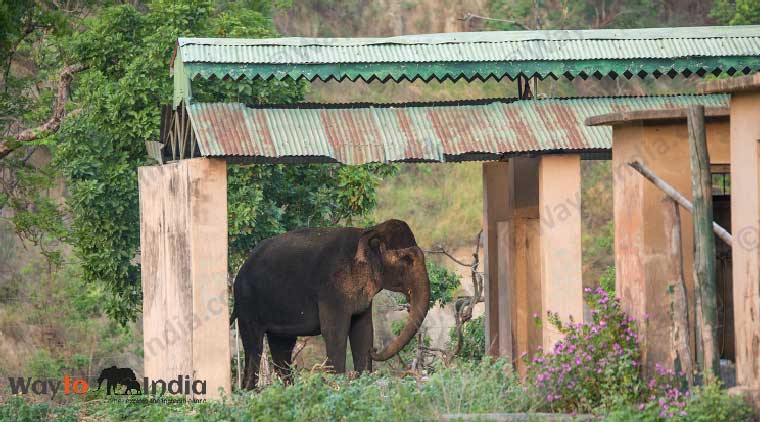 6D / 5N
Corbett Elephant Safari Tour
- Visit Jim Corbett National Park Enjoy Elephant Safari