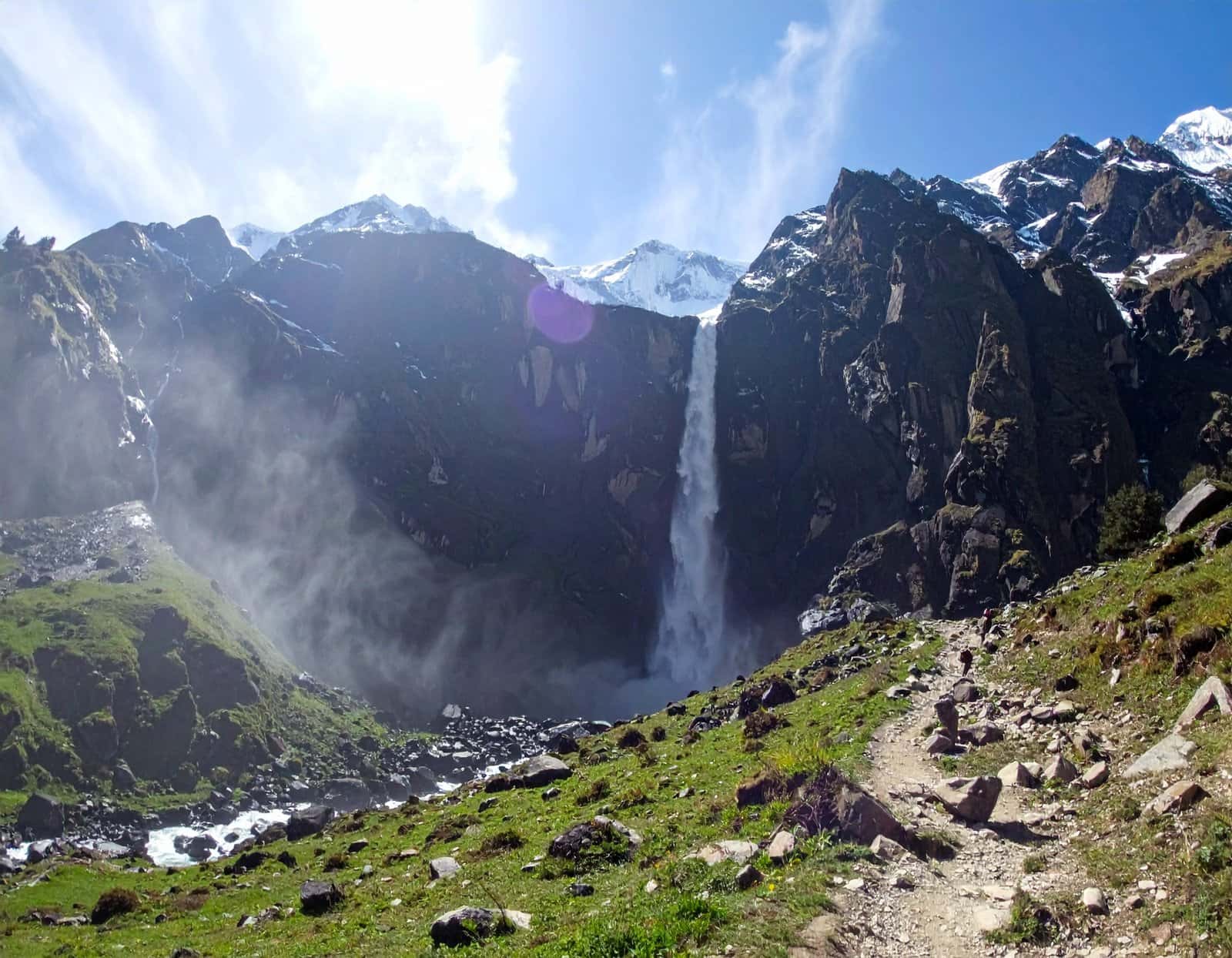
Ukhimath Travel Guide
There are two good seasons and they offer different things. Come in winter for the Kedarnath winter seat and the snow trail, or in spring and early summer for green meadows and...
When to visit Ukhimath and Chopta
There are two good seasons and they offer different things. Come in winter for the Kedarnath winter seat and the snow trail, or in spring and early summer for green meadows and blooming rhododendrons.
- October to February: the winter-seat seasonThis is when Ukhimath comes into its own. The idols of Kedarnath and Madhyamaheshwar are in residence at the Omkareshwar Temple, so you can have winter darshan here. Day temperatures sit roughly 0 to 15 degrees C and nights are cold, so pack proper layers. Snow usually settles on the Chandrashila trail from about late December into February.
- March to June: green and mildThe most comfortable window for the trekking, with day temperatures roughly 20 to 36 degrees C lower down and the rhododendron forests in bloom in spring. Tungnath reopens for darshan in spring, usually late April or early May, so this is the season to pair the temple with the meadows and the summit.
- July to September: avoid the monsoonThe Garhwal monsoon brings real landslide and road-closure risk on the mountain highways. The hills are lush but travel is unreliable and views are often clouded, so most experienced travellers skip these months for this region.
- Pick your season before you bookIf the winter darshan of Kedarnath at Ukhimath and a snow trek are the draw, come November to February and prepare for cold and possible road snow. If you want easy walking and flowers, come April to June. Both are lovely, but they are genuinely different trips.
Whether the Kedarnath deity is at Ukhimath or up at Kedarnath depends on the temple calendar. Kedarnath is open to pilgrims for roughly six months, expected to open about 22 April 2026 and close about 11 November 2026, with the deity wintering at Omkareshwar Temple, Ukhimath the rest of the year. These dates are set on the Hindu Panchang and can shift, so reconfirm the official opening and closing on the Uttarakhand authorities before planning a Kedarnath darshan around them.
How to reach Ukhimath and Chopta
There is no airport or railway at Ukhimath. Almost everyone comes by road from Rishikesh or Haridwar up the Kedarnath highway, then turns off above Kund.
- From Rishikesh, the usual gatewayRishikesh is the practical base, about 175 to 200 km away and roughly 5 to 7 hours by road through Devprayag, Rudraprayag and Kund. A taxi runs roughly 6,000 to 9,600 rupees one way depending on whether you take a sedan or an SUV, and we can arrange a car with a hill-experienced driver.
- From Haridwar by roadHaridwar, with the nearest major railhead, is about 200 km and roughly 7 to 8 hours by road on the same route via Rishikesh. Many travellers train to Haridwar or Rishikesh and pick up road transport from there.
- By busUttarakhand Transport Corporation and private buses run from Rishikesh and Haridwar towards Ukhimath and Gopeshwar, taking around 7 hours for roughly 400 rupees, with most departures early, between about 5 am and 8 am. It is cheap but slow, so an early start matters.
- The turn above Kund, and on to ChoptaFrom the main Kedarnath highway you turn off above the town of Kund up a winding forest road to Ukhimath. Chopta is a further roughly 40 to 45 km on by road, reached by shared jeep or private taxi. Nearest airport is Dehradun (Jolly Grant), several hours away, so air travellers still finish by road.
Fly into Delhi, then take a train or short flight to Dehradun or drive to Rishikesh, and continue by road to Ukhimath and Chopta. There are no flights or trains to Ukhimath itself, so budget a full mountain driving day.
Fly into Delhi, then reach Rishikesh or Haridwar by train or road and drive up. Ukhimath sits naturally on a Rishikesh, Rudraprayag and Garhwal Himalaya loop.
Train to Haridwar or Rishikesh, then drive or take an early UTC bus up the Kedarnath highway. The Rishikesh and Haridwar railheads, well served from Delhi, are the simplest way in by rail.
The Omkareshwar Temple, Tungnath and the lake
Ukhimath is the winter seat of Lord Kedarnath, with the rare Omkareshwar Temple, and the launch point for Tungnath, the world's highest Shiva temple, the Chandrashila summit and the Deoria Tal lake.
- Omkareshwar Temple, the winter seat of KedarnathThe heart of Ukhimath. When Kedarnath closes for winter, the symbol of Lord Shiva is carried down by palanquin and worshipped here, along with the deity of Madhyamaheshwar, and the Kedarnath head priest moves down too. Entry is free. Hours are commonly given as roughly 6 am to midday and about 3 pm to 8 pm with a midday break, but treat them as indicative and reconfirm locally.
- Tungnath, the highest Shiva templeAbout 3.5 km uphill from Chopta, Tungnath stands at about 3,680 metres and is widely called the highest Shiva temple in the world, one of the Panch Kedar. The temple itself closes for winter and reopens in spring, usually late April or early May, though the trail stays walkable year round for trekkers prepared for snow.
- Chandrashila summitA steep further 1 to 1.5 km above Tungnath to about 4,000 metres, with a dawn panorama of Chaukhamba, Nanda Devi and Trishul. It is the high point of the trek in every sense, and the altitude is real, so read the safety section before you commit to the summit push.
- Deoria Tal, the mirror lakeA calm lake at about 2,438 metres, a roughly 2.5 to 3 km trek up from Sari village, about 12 km by road from Ukhimath. On a still morning it reflects the Chaukhamba peaks, the signature image of the region, and it is the gentlest of the walks here.
It is easy to muddle these, and most listicles do. Ukhimath (the Omkareshwar Temple) is the winter seat of Kedarnath and of Madhyamaheshwar. Tungnath has a different winter seat, the Markandeya Temple at Makkumath, a separate village nearby, so the Tungnath deity is not brought to Ukhimath. If you come in winter specifically for darshan, this is the distinction that decides which temple to visit for which deity.
Signature experiences around Ukhimath
Beyond the temples, these are the things people remember, and how to arrange them without rushing the best parts.
- Winter darshan of Kedarnath at OmkareshwarIn the cold months you can have the Kedarnath winter darshan at Ukhimath itself, without the long Kedarnath trek. It is a quiet, deeply local experience compared with the summer crowds up at Kedarnath, and it is the one thing that makes Ukhimath special rather than just a trek base.
- Sunrise from ChandrashilaTrekkers start in the dark from Chopta to reach the Chandrashila top for first light over Chaukhamba and Nanda Devi. It is about a 5 km climb in all from Chopta with the Tungnath stretch, roughly 3 to 4 hours up, and the summit air is thin, so go slow and turn back if you feel unwell.
- The gentle Tungnath walkIf the summit is too much, the walk up to Tungnath alone, about 3.5 km and 2 to 3 hours, is a fine half-day on a paved-in-parts trail, with the meadows and the temple as the reward. This is the version that suits families and fit seniors.
- Dawn at Deoria TalWalk up from Sari the afternoon before, or very early, to catch the lake mirroring the peaks before the wind ruffles the surface. Camps near the lake let you stay the night for the best chance of a still dawn.
- Slow time in the Chopta meadowsChopta, the so-called Mini Switzerland of India, rewards an unhurried day among the bugyals (meadows), rhododendron and deodar, with a chance of spotting the state bird, the monal. It is a place to sit still, not tick off.
- Pair it with the Panch Kedar ideaUkhimath is a natural hub for the wider Panch Kedar pilgrimage, with Madhyamaheshwar and Tungnath both reachable from here. Even if you do not attempt all five, understanding the circuit deepens the visit.
If you do only one thing slowly, make it a dawn, whether that is the Chandrashila summit, the Deoria Tal reflection or simply the first light over the Chopta meadows. The Garhwal high country is at its most extraordinary in the half hour after sunrise, and it asks you to be in place early and patient. Give yourself one unhurried morning here and the trip lifts from a checklist to something you will keep.
Where to stay: Ukhimath, Sari or Chopta
Stay in Ukhimath for a warm, well-serviced low base near the temple, in Sari for the Deoria Tal walk, or in a Chopta camp to be on the trailhead. Two to three nights is the sweet spot.
- Ukhimath: the comfortable low baseAt about 1,311 metres, Ukhimath is warmer and better serviced than Chopta, with budget hotels, guesthouses and homestays from roughly 800 to 2,500 rupees a night, the Omkareshwar Temple on the doorstep, and the last ATM and shops. Best for the temple, for families, and for sleeping low before the high trek.
- Sari village: for Deoria TalSari (Saari), about 12 km from Ukhimath, is the start of the Deoria Tal trek and has simple homestays and guesthouses. A good choice if the lake is your priority and you want a dawn start.
- Chopta: on the trailheadChopta is mostly Swiss-tent camps and a few resorts, roughly 1,000 to 3,500 rupees a night often including meals, with basic facilities and cold nights at about 2,680 metres. Stay here to be first on the Tungnath trail at dawn, but do not expect a town.
- How many nightsTwo nights covers the temple, Chopta and the Tungnath or Chandrashila trek comfortably. Three nights lets you add Deoria Tal and a slower pace or an acclimatisation day, which matters before the summit. A single night feels rushed for the high walk.
If Chandrashila at about 4,000 metres is the goal, do not arrive from the plains and summit the next morning. Spend a night at Ukhimath or in Chopta to let your body adjust, drink plenty of water, and keep the hard summit for a day when you have slept at altitude. This simple habit is the best protection against altitude sickness on the trip.
Ukhimath and Chopta costs and a realistic budget
This is gentle on the wallet outside peak weekends. Here is what the main things cost so you can plan and carry the right cash.
- Rooms and campsUkhimath and Sari rooms run roughly 800 to 2,500 rupees a night for budget hotels, guesthouses and homestays. Chopta tent camps and resorts run roughly 1,000 to 3,500 rupees a night, often with meals included. Prices climb on long weekends and in the first-snow window, so book ahead in peak weeks.
- TransportA Rishikesh to Ukhimath taxi is roughly 6,000 to 9,600 rupees one way depending on car size; a UTC or private bus is roughly 400 rupees. Shared jeeps cover the short Ukhimath to Chopta hop cheaply. A local guide for the snow trek, advisable in winter, is an added cost worth budgeting for.
- The free and fixed thingsOmkareshwar Temple and Tungnath darshan are free; there is no entry ticket. Your real spend is rooms, transport, meals and a guide if you take one, which keeps a Chopta trip cheaper than most Himalayan trips of the same length.
- Cash is king past UkhimathCarry enough cash from Ukhimath onward, because there is no ATM at Chopta and card or UPI acceptance thins out fast above the town. Plan your whole upcountry spend in cash drawn at Ukhimath or earlier at Rudraprayag.
The single thing that prevents a bad day here is to sort cash and fuel before you leave Ukhimath. The last ATM is at Ukhimath and the nearest petrol pump is at Kund, about 7 to 8 km before it, so draw a comfortable cushion of cash and fill the tank, ideally topping up earlier at Rudraprayag or Srinagar. Do that and the off-grid stretch above Ukhimath becomes the best part of the trip rather than a scramble.
Practical logistics: signal, fuel, ATMs and getting around
The small things that make a Garhwal hill day smooth, from the BSNL-only signal to fuel, cash, food and local transport.
- Mobile signal: BSNL works, Jio and Airtel fadeCoverage is the most underestimated issue here. BSNL works best and most consistently, while Airtel and Jio are weak to absent between Ukhimath and Chopta, and there is effectively no signal on the climb to Tungnath and Chandrashila. Tell family you will be off-grid for several hours, and carry a BSNL SIM if you can.
- Fuel and ATMsUkhimath is the last town with an ATM before Chopta, about 40 to 45 km on by road, and the nearest petrol pump is at Kund, about 7 to 8 km before Ukhimath. Sensible drivers fill up earlier at Rudraprayag or Srinagar. Draw all the cash you will need above Ukhimath before you head up.
- Getting aroundUkhimath to Chopta is covered by shared jeeps and private taxis. Within the trekking area you are on foot. Roads are narrow mountain highways, so allow generous time, avoid night driving, and in winter expect the road beyond Chopta toward Gopeshwar to be snow-blocked.
- Food, water and languageExpect simple, warming vegetarian Garhwali and north-Indian food at dhabas and camps; carry a refillable bottle and treat or buy water. Hindi and Garhwali are the local languages, and basic English is understood in the tourist trade, so communicating is straightforward.
Safety, altitude and the winter trail
Ukhimath and Chopta are welcoming and low on scams, but the real risks here are altitude, weather and the road. A little planning keeps the trip happy.
- Altitude sickness on ChandrashilaChopta at about 2,680 metres is moderate, but the Chandrashila summit at about 4,000 metres can bring mild altitude sickness, headache, nausea and breathlessness. Sleep a night at altitude first, climb slowly, drink plenty of water, avoid alcohol, and if symptoms build, stop, rest, and descend. Never push a sick companion higher for the view.
- Winter snow and a guideFrom about December to March the trail can carry 1 to 2 feet of snow and the summit push gets icy. A local guide is strongly advised and sometimes effectively required in deep winter, both for route-finding and safety, and the road beyond Chopta can close, leaving Ukhimath as the supply line. Carry traction, layers and a headtorch.
- Weather, road and timeMountain weather turns fast; start treks early and be off the summit by midday. Avoid the July to September monsoon for landslide risk, and never drive these narrow highways at night. Build slack into your plan so a delay does not force a risky push.
- Scams and on-ground frictionThis is a low-hassle region with little of the tout pressure of bigger destinations. The main friction is agreeing taxi and camp prices in advance and confirming what a package includes. Settle prices before you commit and the trip stays smooth.
Most solo travellers and beginners find the Tungnath stretch manageable with standard hill precautions, and the area is generally safe and friendly. The genuine hazards are altitude on the Chandrashila top, cold, and the off-grid signal rather than crime. Trek with at least one companion or a guide on the summit day, tell someone your plan before you lose signal, and keep the hard top for a day you feel strong.
Ukhimath and Chopta for every kind of traveller
This region suits very different visitors in different ways. Here is what it offers you, and the one tip that matters for each, including how seniors and families do it comfortably.
- Pilgrims and spiritual travellersThe winter darshan of Kedarnath at Omkareshwar Temple, plus Tungnath and the Panch Kedar idea, make this a meaningful stop. Come in the cold months for the rare chance to see the Kedarnath deity at Ukhimath itself.
- Families with childrenDoable with planning. Base in Ukhimath for warmth and services, do the gentle Tungnath walk rather than the summit, and keep an eye on altitude with younger children. Deoria Tal is a manageable family trek in good weather.
- Senior travellers and on accessibilityVery possible if you keep it gentle. Stay low at Ukhimath, take the Omkareshwar darshan, drive up to Chopta for the meadows, and do as much of the Tungnath trail as feels right, turning back before the steep Chandrashila push. Sleep at altitude before any high walk and go slowly.
- Beginner trekkersThe Chopta to Tungnath to Chandrashila trek is a popular first Himalayan summit, moderate but real. Acclimatise, start early, and treat the summit as optional. The sense of achievement at Chandrashila is genuine, but Tungnath alone is a fine first goal.
- Solo female travellersGenerally relaxed and low-hassle, with camps and homestays used to independent travellers. The honest cautions are altitude, cold and dead signal rather than safety, so trek with company or a guide on the summit day and share your plan before you go off-grid.
- PhotographersDawn at Deoria Tal, the Chandrashila panorama, rhododendrons in spring and the meadows in any season. Carry spare batteries, which drain fast in the cold, and remember there is no charging or signal once you leave Chopta for the trek.
A suggested Ukhimath and Chopta itinerary
How to shape two or three days so you sleep low, acclimatise, and catch the high country at its best light.
- Day one: arrive and settle at UkhimathDrive up from Rishikesh or Haridwar, settle at Ukhimath, draw cash and fill fuel, and take the Omkareshwar Temple darshan in the late afternoon or evening. Sleeping at about 1,311 metres tonight starts your acclimatisation gently.
- Day two: Deoria Tal or move to ChoptaEither trek up from Sari to Deoria Tal for the morning reflection and return, or move up to Chopta and spend the afternoon among the meadows to acclimatise. A night at Chopta sets you up for an early summit start.
- Day three: Tungnath and ChandrashilaStart before dawn from Chopta, walk the roughly 3.5 km to Tungnath, then the steep further stretch to Chandrashila for sunrise, turning back at Tungnath if the altitude or weather says so. Descend, then drive down, or stay a final relaxed night.
- The two-day versionIf time is tight, arrive and sleep at Ukhimath or Chopta on day one, then do Tungnath, and the summit only if you feel acclimatised, on day two before driving down. It works, but a third day for Deoria Tal and proper acclimatisation is the calmer, safer plan.
Two things break a tight plan here: arriving at Omkareshwar Temple during its midday break, roughly midday to about 3 pm, and starting the high trek too late. Build your day so the temple falls in the morning or late afternoon, and so you are climbing at first light and off the Chandrashila summit by midday before the weather turns. Get those two windows right and the trip runs smoothly.
The real questions travellers ask about Ukhimath and Chopta
Straight answers to the questions that come up again and again on traveller forums, so you arrive already knowing the score.
- Is one day enough for Chopta and Tungnath?You can trek Chopta to Tungnath and back in a day, but doing the Chandrashila summit safely wants a night at altitude first. Two to three days, adding Deoria Tal and an acclimatisation night, is the comfortable plan and much kinder on the altitude.
- Ukhimath or Chopta as a base?Stay at Ukhimath for warmth, services, the temple and the last ATM, and as a lower sleep before the high walk. Stay at Chopta only to be first on the Tungnath trail at dawn, accepting basic camps and cold nights. Many travellers do both, a night each.
- Will I get altitude sickness on Chandrashila?Some people feel mild symptoms above about 3,500 to 4,000 metres. Sleep a night at altitude first, climb slowly, hydrate, skip alcohol, and turn back if a headache or nausea builds. Tungnath alone, lower down, is a fine goal if the summit does not suit you.
- Will my SIM work, and where is the last ATM?BSNL works best; Airtel and Jio fade between Ukhimath and Chopta and there is no signal on the trek. The last ATM is at Ukhimath and the nearest petrol pump is at Kund, so sort cash and fuel before heading up and warn family you will be off-grid.
- Can I do it in December with snow?Yes, the trail stays open as a snow trek through winter, but expect 1 to 2 feet of snow from about late December, an icy summit push, and a possible road closure beyond Chopta. Hire a local guide, carry traction and layers, and keep your plan flexible.
- Can I see the Kedarnath deity at Ukhimath in winter?Yes. When Kedarnath closes for winter, its deity is brought down to the Omkareshwar Temple at Ukhimath and worshipped there with the Madhyamaheshwar deity, roughly November to April, so winter is the time for that darshan here.
Planning Ukhimath and Chopta from abroad
This is the gentle, uncrowded Garhwal Himalaya: a sacred winter seat, a famous beginner summit and meadows, well off the mass-tourism trail. A little preparation makes the altitude and the off-grid stretches easy to handle.
- Respect that it is a sacred placeOmkareshwar Temple is the winter seat of Lord Kedarnath, an active shrine. Dress modestly, remove shoes where asked, and ask before photographing worship. The same quiet respect applies at Tungnath. This is a living pilgrimage region, not a viewpoint, and travelling that way is rewarded.
- Take the altitude seriouslyChandrashila tops about 4,000 metres. Acclimatise with a night at Ukhimath or Chopta, climb slowly, hydrate, and treat the summit as optional. This is the one thing overseas visitors most often underestimate on a first Himalayan trek.
- Be ready to go off-gridForeign SIMs and even Jio or Airtel are unreliable here; BSNL works best. There is no signal on the trek and the last ATM is at Ukhimath. Carry enough cash, download offline maps, and tell someone your plan before you lose coverage.
- Slot it onto a Rishikesh tripFly into Delhi, reach Rishikesh, then drive up for two to three days. Ukhimath and Chopta pair naturally with Rishikesh, Haridwar and the wider Garhwal Himalaya, and offer a calmer, more authentic mountain experience than the busy Char Dham route in peak season.
Money, connectivity and timing for foreign visitors
The practical basics an overseas traveller needs for a remote hill region: cash, a working SIM, gear, and how many days to give it on a wider India trip.
- Carry cash, draw it at UkhimathAbove Ukhimath it is a cash economy and the last ATM is in town, so draw a comfortable cushion before you head up. Camps, dhabas and guides mostly want cash, and card or UPI acceptance is thin past the town.
- Get a SIM before the hillsPick up an Indian tourist SIM or eSIM when you land in Delhi, and if you can, add a BSNL SIM, which works best in this region. Expect no signal on the trek itself, so plan calls and uploads for when you are back in Ukhimath or Rishikesh.
- Pack for cold and altitudeEven in spring the high trail is cold and the summit is windy. Bring proper layers, a windproof shell, sun protection, a headtorch and broken-in trekking shoes with grip. In winter add traction for snow and budget for a local guide.
- How long to give it on a bigger tripOn a Garhwal or Himalaya trip, two to three days for Ukhimath and Chopta is the right weight: enough for the temple, the meadows and a summit attempt, slotted after Rishikesh and before Auli or the Char Dham route if you continue.
Ukhimath and Chopta make an unusually gentle introduction to the high Himalaya: a famous beginner summit, real meadows, and a sacred town that serves as a warm, well-serviced low base. Sleep low at Ukhimath, give the altitude a night, treat Chandrashila as optional, and let the dawns do the rest. Many overseas visitors say this quiet corner of Garhwal becomes the part of the trip they remember most.
Why the gods come down to Ukhimath for the winter
Ukhimath takes its older name, Ushamath, from Usha, the daughter of the demon king Banasura, whose wedding to Aniruddha, grandson of Lord Krishna, is held by local tradition to have been solemnised here. The town also keeps the memory of King Mandhata, an ancestor of Lord Ram, who is said to have given up his empire and done long penance here standing on one leg until Lord Shiva appeared as the sound Omkar, which is why the shrine is the Omkareshwar Temple. Its living significance is greater still: when the high shrine of Kedarnath closes against the winter snow, the symbol of Lord Shiva is carried down by palanquin to Omkareshwar Temple, and the Rawal, the head priest of Kedarnath, comes down with it, so for roughly half the year Ukhimath is the winter seat of Lord Kedarnath, the place where the god is worshipped while his mountain abode lies under snow. The deity of Madhyamaheshwar winters here too, while Tungnath keeps its own winter seat at Makkumath nearby.
Planning a Ukhimath trip?
Our Uttarakhand travel experts plan your full journey for you: route, hotels, darshan timings and transport. You get a free day-by-day plan and an exact quote on WhatsApp, usually within a few hours. No payment is needed to get your plan.
Tour packages that visit Ukhimath
Every journey below is private, hand-crafted and fully customizable. Tell us your dates and we tailor the itinerary, the pace and the priests or guides around you.
 12D / 11N
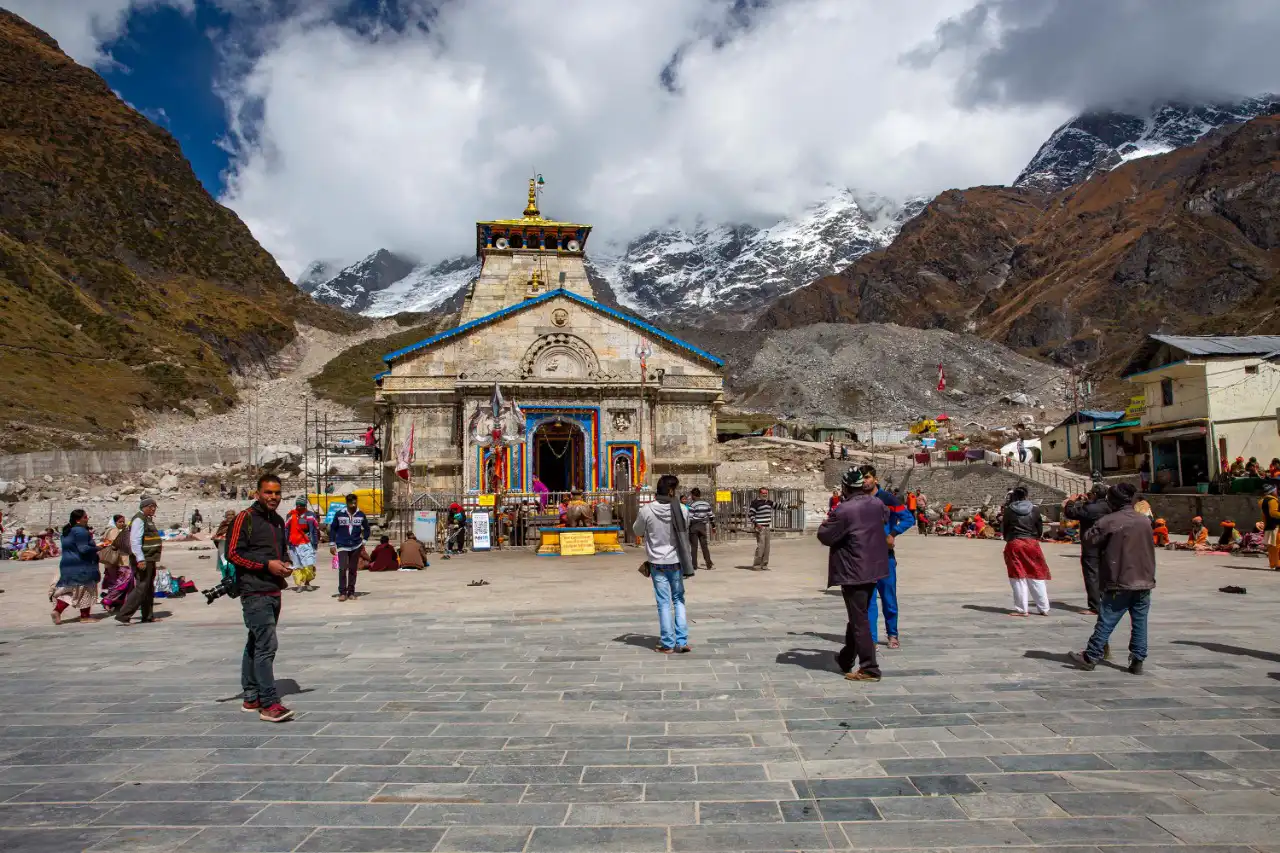
Panch Kedar Tour Package: Five Shiva Temples of Garhwal in 12 Days
- Darshan at all five Panch Kedar temples in one journey: Kedarnath, Madhyamaheshwar, Tungnath, Rudranath and Kalpeshwar
- Kedarnath, one of the twelve Jyotirlingas, where the hump of Shiva is worshipped at 3,583 metres
 16D / 15N
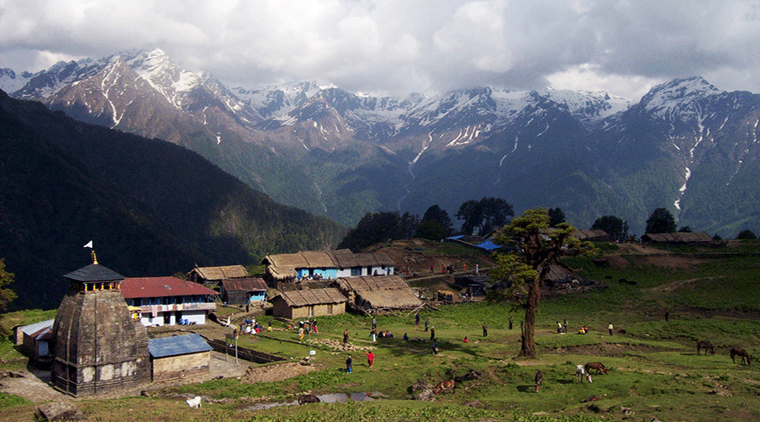
Panch Kedar Trek
- Trek from Kalpeshwar to Urgam village
- Trek from Urgam to Kalgot
 4D / 3N
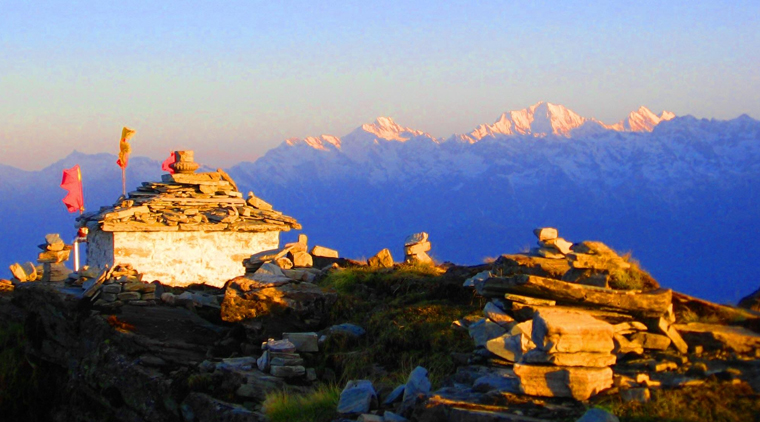
Chopta Chandrashila Trek
- Deoria Tal
- Ukhimath
 5D / 4N
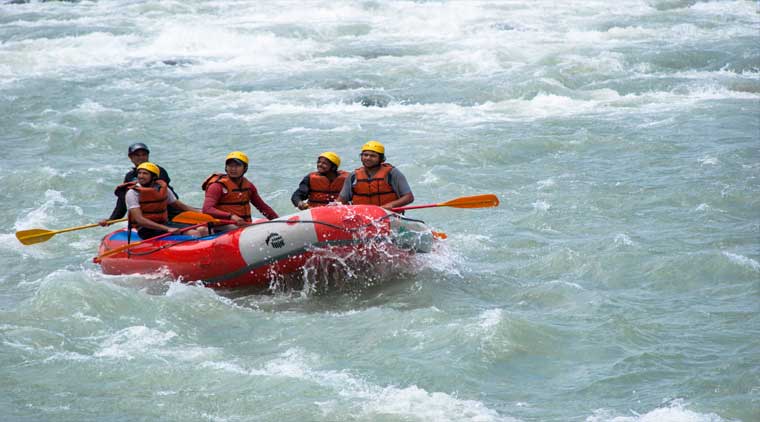
Rafting in Rishikesh with trekking in Himalayas
- View Of Snow Clad Himalayan Peaks
- Stay At Deluxe Tents