Yamunotri Travel Guide
Yamunotri is open for only about six months, roughly late April to early November , and the season splits into a pre-monsoon and a post-monsoon window. Decide early and reconfirm...
When to visit Yamunotri, and the dates to plan around
Yamunotri is open for only about six months, roughly late April to early November, and the season splits into a pre-monsoon and a post-monsoon window. Decide early and reconfirm the official opening date.
- Late April to June: the classic windowThe shrine opens around Akshaya Tritiya in late April, and May and June are the busiest, warmest and most reliable weeks for the trek. Days are pleasant on the mountain and nights are cold, so carry warm layers even in summer.
- July to mid September: the monsoon, best avoidedThe Garhwal hills get heavy rain in the monsoon, and the trek path turns slippery with a real risk of landslides and road closures. If you must travel then, keep your plan flexible and watch the weather closely.
- Mid September to early November: the quiet, clear windowAfter the rains the air is washed clean and the crowds thin out, a lovely time to walk up, though it gets cold quickly and the shrine closes for winter around Bhai Dooj in early to mid November.
- Weather turns by midday on the mountainWhatever the month, mountain weather here often deteriorates in the afternoon. Start early, aim to be at the shrine and back down by mid afternoon, and do not push on into bad light or rain.
Yamunotri opens for about six months each year, and the date is tied to Akshaya Tritiya and fixed by the temple committee, which usually announces it around Yamuna Jayanti, about 24 March 2026. For 2026 the opening is widely reported to fall on about 19 April 2026, and closing around Yama Dwitiya (Bhai Dooj) in early to mid November, but different sites copy slightly different dates. Treat 19 April as expected, not confirmed, and reconfirm the official opening and closing dates with the temple committee or Uttarakhand Tourism before you book travel.
How to reach Yamunotri
There is no road to the shrine itself. You drive to Janki Chatti, the road-head, then trek, ride or take a palki the last 5 to 6 km. Almost everyone comes through Dehradun or Rishikesh.
- By air, to DehradunJolly Grant airport near Dehradun is the nearest, about 220 km from Janki Chatti by road. From there it is a long day's drive into the hills, usually broken with an overnight at Barkot or Hanuman Chatti.
- By rail, to Dehradun or RishikeshDehradun is the nearest big railway station, about 175 km from Janki Chatti; Rishikesh is about 180 km. Book trains on IRCTC ahead in season, then continue by road. Haridwar and Rishikesh are the common starting points for road journeys.
- By road to Janki Chatti, the road-headThe drive winds up through Barkot, about 45 km short of Janki Chatti, and Hanuman Chatti, about 8 km short. Make sure your vehicle takes you all the way to Janki Chatti, the modern trek start, not just to Hanuman Chatti, the older one.
- The last 5 to 6 km on foot, pony or palkiFrom Janki Chatti the shrine is a trek of about 5 to 6 km, about 3 to 5 hours up. There is no road beyond this point, so plan to walk, or to take a prepaid pony, kandi or dandi, covered in the costs section.
Fly into Delhi, then take a short domestic flight or train to Dehradun or drive via Haridwar and Rishikesh. From the hills it is a long, scenic road day to Janki Chatti, the road-head for the Yamunotri trek.
Fly into Delhi, then connect to Dehradun and drive up through Barkot to Janki Chatti. Yamunotri sits naturally first on the wider Char Dham loop with Gangotri, Kedarnath and Badrinath.
Reach Haridwar, Rishikesh or Dehradun by train, then drive up with an overnight at Barkot. Most Char Dham itineraries begin with Yamunotri as the first shrine.
The temple, Surya Kund, Divya Shila and Kharsali
Yamunotri is the goddess Yamuna's shrine, the boiling Surya Kund where pilgrims cook prasad, the worshipped Divya Shila rock, and the winter-seat village of Kharsali across the river.
- Yamunotri templeThe shrine of the goddess Yamuna sits at about 3,293 metres at the head of the trek. The present temple is a 19th century structure, attributed to Maharani Guleria of Jaipur with earlier Tehri Garhwal links, rebuilt after earthquakes and harsh winters on a far more ancient sacred site.
- Surya Kund hot springBeside the temple, Surya Kund runs at boiling heat, around 88 degrees Celsius. Pilgrims tie rice and potatoes in a muslin cloth and lower it into the spring, where it cooks in about 5 to 10 minutes, then take it home as sanctified prasad. It is the signature ritual of the darshan.
- Divya ShilaJust before the temple stands Divya Shila, a rock pillar that pilgrims worship before offering prayers to the goddess. The cooked prasad from Surya Kund is offered here first. It is a small but central part of the proper sequence of the visit.
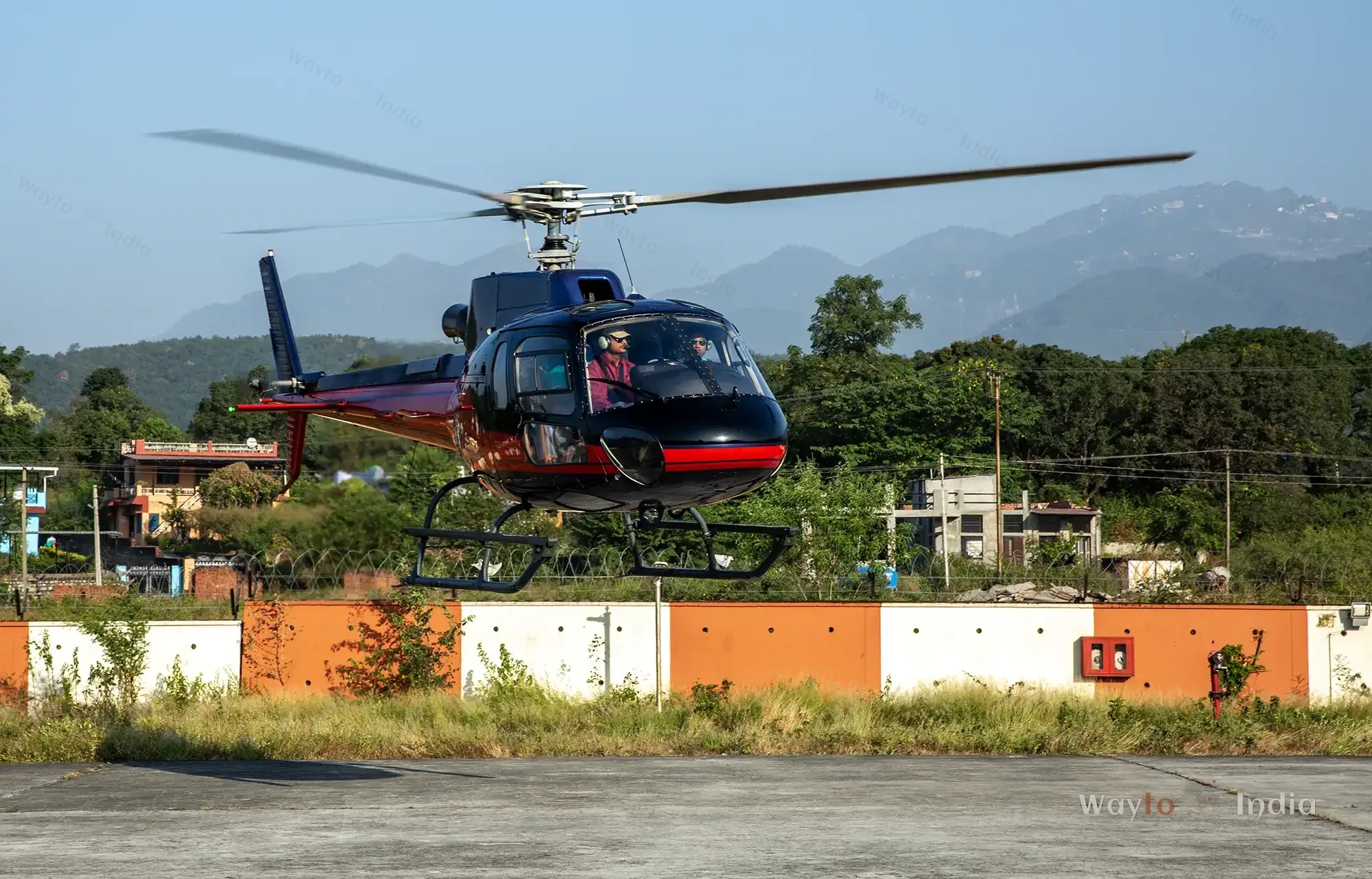
- Kharsali and its Shani templeAcross the river near Janki Chatti, Kharsali village is the goddess's winter seat, where her idol rests once the shrine closes. It holds an old multi-storey Shani (Someshwar) temple worth the short detour, and is where many helicopters land.
The proper sequence rewards a little knowledge: cook your rice and potatoes in Surya Kund, take a dip or sprinkle in the warm bathing kund if you wish, offer the cooked prasad and your prayers at Divya Shila, and only then enter the temple for darshan of the goddess. Pandas and priests at the shrine help with the puja; agree any dakshina in advance so the moment stays peaceful.
The 5 to 6 km trek from Janki Chatti
The walk up is the heart of a Yamunotri visit. It is a graded Himalayan trek of about 5 to 6 km with a steep final stretch, and you can walk it, ride a pony, or be carried by kandi or dandi.
- Distance and timeIt is about 5 to 6 km each way from Janki Chatti to the shrine, roughly 3 to 5 hours up and 2 to 3 hours down for most pilgrims. Start early so you are back down before the weather turns in the afternoon.
- What the path is likeThe trail is largely paved and graded, with railings and rest points, tea stalls and water along the way. It is steady rather than technical, but the last roughly half a kilometre of stone steps to the temple is the steepest and where most people feel short of breath.
- Walk, ride or be carriedYou can walk, hire a pony (ghoda), be carried in a kandi (back basket) or a dandi (palanquin carried by bearers). All are booked at the prepaid counter at Janki Chatti at fixed rates, set out in the costs section. Wear shoes with grip, as the path can be wet and slippery.
- What to carry on the trekTake a windcheater or rain cover, warm layers, sun protection, water, some dry fruit or chocolate for energy, and any personal medicines. A light daypack is plenty; leave heavy luggage at your Janki Chatti or Barkot stay or with a porter.
Janki Chatti is at about 2,370 metres and the shrine at about 3,293 metres, high enough that altitude can be felt, especially on the steep final steps. Go slowly, drink water, and do not rush. Anyone with a cardiac, breathing or knee condition should consult a doctor before the trek and seriously consider a prepaid pony, kandi or dandi rather than walking the whole way.
Signature experiences at Yamunotri
Beyond the darshan, these are the moments people remember, and how to do them without missing the point or being rushed.
- Cook your own prasad in Surya KundThe thing nobody forgets: lowering a cloth bundle of rice and potatoes into the boiling spring and watching it cook in minutes, then carrying it home as prasad. Buy the rice and cloth at the stalls near the kund.
- The morning aarti at the shrineThe temple performs aarti morning and evening; the morning one, before the day-trippers arrive, is the calmest and most moving. Reach the shrine early, which also means starting the trek soon after dawn.
- A warm dip in the bathing kundAlongside the boiling Surya Kund there are warmer bathing kunds where pilgrims take a ritual dip before darshan. After a cold, steep climb the warm water is a genuine pleasure, not just a ritual.
- The side-trip to KharsaliIf you have time at Janki Chatti, cross to Kharsali for the goddess's winter-seat temple and the old Shani temple. It is a quiet, local counterpoint to the busy trek and few day-visitors bother with it.
If you do only one thing slowly, make it the Surya Kund prasad and the darshan together, early in the day. Most pilgrims arrive tired from the climb and hurry through; give yourself a quiet half hour at the kund and the shrine before the crowds, and the visit changes from a tick on a Char Dham list into the emotional first chapter of the yatra it is meant to be.
Where to stay near Yamunotri, and how many days
There is no real hotel at the shrine. Most pilgrims sleep at Barkot or Janki Chatti and do the trek as a day climb. One night near the base is usually enough.
- Barkot: the comfortable baseBarkot, about 45 km from Janki Chatti, has the most and best rooms, including GMVN and private hotels, and sits low enough at about 1,220 metres to help you acclimatise. Most road itineraries overnight here and drive up early for the trek.
- Janki Chatti and Hanuman Chatti: closest to the trekJanki Chatti, the road-head, has basic lodges and GMVN rooms right at the trek start, which saves the morning drive. Hanuman Chatti, a little before, has simpler options. Expect pilgrim-grade rooms, not resorts.
- How many daysYamunotri itself is a one-day climb from a base. As a standalone trip, give it two days with travel: a night at Barkot, the trek next morning, and on. On the full Char Dham it is the first shrine, usually a single overnight in the area.
- What the stays are likeThese are simple mountain lodges and government rest houses with hot water often by bucket and patchy heating, clean and friendly but basic. Book GMVN or private rooms ahead in peak May and June, when the area fills up fast.
In the May and June rush and around the opening, beds at Barkot, Janki Chatti and Hanuman Chatti are limited and fill weeks ahead, and prices rise. Book your base early, or build Yamunotri into an organised Char Dham itinerary where the overnight is arranged for you, rather than turning up hoping for a room.
Yamunotri costs: the official prepaid rate card
The big trade-off is whether you walk or pay to be carried. Here are the official prepaid pony, kandi and dandi rates, plus the registration and helicopter basics, so you can plan and avoid touts.
- Prepaid pony, kandi and dandi from Janki ChattiFrom the government counter at Janki Chatti, a pony (ghoda) is roughly about 1,110 to 1,310 rupees one way and about 2,100 to 2,500 rupees return; a kandi (basket carry) about 760 to 1,260 rupees one way; a dandi or palki (palanquin) about 2,740 to 4,240 rupees one way and about 5,000 to 8,000 rupees return. Rates are seasonal and weight-banded, so reconfirm the current card on arrival.
- Porters and small costsA porter to carry luggage is roughly about 660 rupees one way. Beyond that, you pay only for food, your stay, and small offerings; entry to the temple itself is free, and so is the mandatory registration.
- Always book at the prepaid counterBook your pony, kandi or dandi only at the official prepaid counter at Janki Chatti, never from men who approach you on the path quoting their own price. The prepaid card is fixed and fair, and the receipt is your protection.
- Helicopter, if you choose itA Yamunotri-sector helicopter seat is roughly about 4,000 to 7,000 rupees and lands at Kharsali near Janki Chatti, after which the trek still remains. Full Char Dham helicopter packages from Dehradun run into the lakhs. Confirm current fares and book only with an authorised operator.
The single decision that shapes a Yamunotri budget is how you cover the 5 to 6 km up. Walking is free; a prepaid pony return is roughly about 2,100 to 2,500 rupees and a dandi return about 5,000 to 8,000 rupees. Decide before you reach Janki Chatti, settle it at the prepaid counter, and you avoid both the touts on the path and the scramble of negotiating while tired at the trail-head.
Practical logistics: registration, food, money and signal
The small things that make a Yamunotri day work, starting with the mandatory free registration, plus food, cash, connectivity and what to pack.
- Register first, it is mandatory and freeEvery Char Dham pilgrim must register, free of charge, on the Uttarakhand portal registrationandtouristcare.uk.gov.in or at offline counters, carrying an Aadhaar or photo ID and a mobile number for the OTP. Do this before you travel; it is checked en route.
- Food is vegetarian and basicThe whole zone is strictly vegetarian. Dhabas at Janki Chatti and on the trek serve tea, Maggi, parathas and rajma-chawal; carry some dry fruit and water for energy. Avoid roadside food you are unsure about and stick to bottled or boiled water.
- Money and signalCarry enough cash, as ATMs are scarce and unreliable in the hills and the prepaid counter and dhabas run on cash. Mobile coverage is patchy on the trek; BSNL and Jio tend to work best, so do not rely on a constant signal.
- What to packWarm layers even in summer, a windcheater or rain cover, sturdy shoes with grip, sun protection, a torch, basic medicines including anything for altitude, and your ID and registration. Keep it light for the climb and leave the rest at your base.
Safety, altitude and avoiding the touts
Yamunotri is a welcoming pilgrim trek, but altitude, weather and trail touts catch out the unprepared. A little care keeps the day happy and safe.
- Altitude and fitnessWith the shrine at about 3,293 metres, altitude can affect anyone. Acclimatise with a night at a lower base like Barkot, walk slowly, hydrate, and turn back if you feel very breathless or unwell. Cardiac, breathing and knee patients should consult a doctor first and consider being carried.
- Weather and the monsoonMountain weather turns fast, often by midday, and the monsoon (about July to mid September) brings landslides and slippery paths. Start early, carry rain gear, and never push on in heavy rain or failing light. Heed any local advisory about road or path closures.
- Book transport only at the prepaid counterThe main on-ground friction is men on the path offering ponies or palkis at inflated prices. Book only at the official prepaid counter at Janki Chatti, keep your receipt, and politely decline the rest. The fixed rate is your protection.
- Health basicsCarry your own medicines, including anything for cold, headache and altitude, and a small first-aid kit. Drink bottled or boiled water, eat at clean dhabas, and keep some glucose or dry fruit for energy on the climb.
This is a fragile high-Himalayan source-shrine and a living place of worship. Carry your plastic and waste back down, do not litter the trail or the kunds, dress modestly, take off shoes where required, and ask before photographing pilgrims at prayer. Respect the river: keep your distance from fast water and slippery rocks. The mountain stays sacred only if every visitor leaves it as they found it.
Yamunotri for every kind of pilgrim, and on access
Yamunotri suits very different visitors in different ways. Here is what it offers you and the one tip that matters for each, including how a senior or cardiac patient does it comfortably.
- Senior travellers and on accessibilityVery doable with planning. Acclimatise a night at Barkot, take a prepaid dandi (palanquin) or kandi for the climb rather than walking, start early, and allow a slow pace. The steep final steps are the hard part, so being carried up that stretch makes all the difference. Cardiac and knee patients should clear it with a doctor first.
- Families with elderly parentsSplit the group: fit members can walk while parents take a pony or dandi, all booked at the prepaid counter. Keep everyone hydrated, carry snacks and medicines, and plan an overnight at Barkot so no one is rushed up and down in a single exhausting day.
- First-time trekkers and the reasonably fitA great introduction to Himalayan pilgrimage: a graded, well-served trail you can walk in a morning. Take it steadily on the final steps, carry water and a layer, and you will manage the 5 to 6 km comfortably.
- Solo pilgrimsEasy to do alone; the trail is busy and friendly in season and dhabas line the way. Register in advance, keep your ID and cash on you, start early, and you will rarely feel isolated on the climb.
- Devotees doing the full Char DhamYamunotri is traditionally the first of the four shrines. Doing it first sets the rhythm of the yatra and eases you into the altitude before Gangotri, Kedarnath and Badrinath. Build a Barkot overnight into the plan.
- Children and younger familiesChildren often enjoy the pony ride and the Surya Kund prasad. Keep them warm, hydrated and close on the steeper sections, and consider a kandi for very young ones rather than carrying them yourself at altitude.
A suggested Yamunotri itinerary
How to shape the days so you trek in good weather, catch the shrine early, and fit Yamunotri into a wider Char Dham loop.
- Day one: drive up to BarkotDrive from Dehradun, Rishikesh or Haridwar up to Barkot, about 45 km short of Janki Chatti, and overnight there. The lower altitude helps you acclimatise, and you start fresh the next morning for the trek.
- Day two: the trek and darshanDrive early to Janki Chatti, then trek, ride or take a palki the 5 to 6 km up. Cook prasad at Surya Kund, worship at Divya Shila and take darshan, then descend by mid afternoon before the weather turns, returning to Barkot or moving on.
- On the full Char DhamYamunotri comes first, then Gangotri, then Kedarnath, then Badrinath. A full road Char Dham runs about 10 to 12 days; the Yamunotri leg is one overnight near the base plus the trek day, and sets the easing-in pace for the rest.
- The faster, fitter versionStrong walkers based at Janki Chatti can do the trek and darshan in a single morning and be down by lunch. You still need the drive up the day before, so even the quick version is realistically a two-day plan with travel.
The single thing that breaks a Yamunotri plan is starting the climb late and getting caught by afternoon weather. Build your day so you are walking up soon after dawn, at the shrine by late morning, and back down by mid afternoon. Keep the drive for either side of that window, and you will not find yourself on slippery steps in rain with the light going.
The real questions travellers ask about Yamunotri
Straight answers to the questions that come up again and again on traveller forums, so you arrive already knowing the score.
- How hard is the trek, and can my parents do it?It is a graded 5 to 6 km climb, steady until a steep final half kilometre. Fit walkers manage it in a morning; older parents do it comfortably on a prepaid pony or dandi from Janki Chatti. Acclimatise at Barkot and clear any heart or knee condition with a doctor first.
- Does the helicopter go to the temple?No. Helicopters land at Kharsali near Janki Chatti, and you still trek, ride or take a palki the 5 to 6 km up to the shrine. The chopper saves the long road drive, not the climb, so plan for the walk either way.
- Is registration really mandatory?Yes. Every Char Dham pilgrim must register, free, on registrationandtouristcare.uk.gov.in or at offline counters, with an Aadhaar or ID and a mobile for the OTP. It is checked en route, so do it before you set off, including if you are flying in from abroad.
- When does it open and close in 2026?The opening tracks Akshaya Tritiya and is widely reported as about 19 April 2026, with closing around Bhai Dooj in early to mid November. The exact dates are fixed by the temple committee, so treat these as expected and reconfirm officially before booking.
- Which dham should I do first?Yamunotri is traditionally the first of the four. Doing it first follows the customary order and lets you ease into the altitude before Gangotri, Kedarnath and Badrinath.
- Is it safe in the monsoon?It is the riskiest window: heavy rain, landslides and slippery paths from about July to mid September. It is doable with flexibility and care, but if you can choose, the pre-monsoon and post-monsoon weeks are far safer and clearer.
Planning Yamunotri from abroad
Yamunotri is the emotional first shrine of the Char Dham and a deeply meaningful trip for a family flying in from abroad. A little preparation on registration, altitude and the trek makes it easy.
- Register online before you travelChar Dham registration is mandatory and free on registrationandtouristcare.uk.gov.in, and it asks for an Aadhaar or ID and an Indian mobile number for the OTP. Sort this out before you leave, ideally with help from family in India if you do not yet have a local number.
- Respect the altitude and the trekThe shrine is at about 3,293 metres and reached only by a 5 to 6 km climb. If your parents are flying in, build in a night at a lower base like Barkot to acclimatise, and plan a prepaid pony or dandi for them rather than the full walk.
- Set expectations for a pilgrim trekThis is a high-Himalayan pilgrimage, not a resort destination. Stays are simple mountain lodges, food is vegetarian and basic, and signal is patchy. Come for the meaning and the mountains, and the simplicity becomes part of the experience.
- Fit it into the Char Dham loopFly into Delhi, connect to Dehradun, and do Yamunotri first, then Gangotri, Kedarnath and Badrinath. The full circuit is about 10 to 12 days by road; allow extra for jet lag and acclimatisation if you are coming a long way.
Money, timing and the helicopter for foreign visitors
The practical basics an overseas pilgrim needs for a remote mountain shrine: cash, connectivity, when to come, and whether the helicopter is worth it.
- Carry cash, do not rely on cardsATMs are scarce and unreliable in these hills, and the prepaid trek counter, dhabas and small lodges run on cash. Draw enough rupees at Dehradun or Rishikesh before you head up, and keep small notes for the climb and tips.
- Get an Indian SIM earlyPick up an Indian SIM or eSIM in Delhi or Dehradun for maps, calls and the registration OTP; BSNL and Jio work best in the hills. Do not count on a constant signal on the trek itself, so download maps and your registration in advance.
- Time it to the safe windowsCome in late April to June or mid September to early November, and avoid the July to mid September monsoon when landslides and slippery paths are a real risk. The shrine is shut in winter, so a winter trip is not possible.
- Is the helicopter worth it?For older pilgrims or a tight schedule, a Yamunotri-sector seat at roughly about 4,000 to 7,000 rupees, or a full Char Dham helicopter package, saves the long road days but not the 5 to 6 km climb from Kharsali. Book only with an authorised operator and confirm current fares.
For many NRI families this is the trip of a lifetime, often made with elderly parents. Give it room: acclimatise, take the prepaid pony or dandi without guilt, register everyone in advance, and do not over-pack the days. Yamunotri as the gentle first shrine sets the tone, and a relaxed, well-prepared family remembers the meaning of the yatra rather than the exhaustion of rushing it.
Why the Yamuna is born here, sister of Yama
In Hindu tradition the river Yamuna is a goddess, daughter of Surya the sun and sister of Yama, the lord of death. The story holds that whoever bathes in her waters is spared a painful death, which is why pilgrims come to her source to take a dip in the warm kunds before darshan. The boiling Surya Kund beside the shrine is read as the warmth of her father the sun, and the cooking of rice prasad in its waters is an offering returned to the goddess at Divya Shila. The bond of brother and sister is remembered each year at the shrine's closing around Yama Dwitiya (Bhai Dooj), when the goddess is carried down to her winter seat at Kharsali. The present temple is a 19th century rebuilding, attributed to Maharani Guleria of Jaipur, raised again after the earthquakes and snows that have more than once damaged this fragile high shrine. The retelling here follows the Yamuna and Char Dham tradition as recorded by the temple committee and regional histories; no single scriptural verse is reliably attributed to a fixed source.
Planning a Yamunotri trip?
Our Uttarakhand travel experts plan your full journey for you: route, hotels, darshan timings and transport. You get a free day-by-day plan and an exact quote on WhatsApp, usually within a few hours. No payment is needed to get your plan.
Tour packages that visit Yamunotri
Every journey below is private, hand-crafted and fully customizable. Tell us your dates and we tailor the itinerary, the pace and the priests or guides around you.