Kolkata Travel Guide
The comfortable months are October to February , and the great set-piece is Durga Puja in September or October. Decide early whether you want the festival or the calmer city.
When to visit Kolkata, and the season to plan around
The comfortable months are October to February, and the great set-piece is Durga Puja in September or October. Decide early whether you want the festival or the calmer city.
- October to February: cool and clearThe most comfortable window, pleasant by day and cool in the evenings around December and January, so carry a light layer. This is when the museums, the river and the streets are at their best, and the city feels relaxed after the festival rush.
- September to October: Durga Puja seasonThe city's signature festival falls here by the lunar calendar, and Kolkata is at its most alive and most crowded. It is unforgettable, but rooms are scarce and dear and the streets become walking-only, so plan and book well ahead if you want it.
- March to June: hot and humidSpring warms quickly and high summer is hot and sticky, tiring for a day on foot among the sights. If you come then, keep the middle of the day for the air-conditioned museums and a long lunch, and do the river and the ghats early.
- June to September: the monsoonHeavy rain and high humidity, with localised waterlogging in low-lying areas that usually drains within hours rather than flooding the whole city. It is bearable if you tolerate the damp, and the city is green and quiet, but it is not the easy season for a first visit.
Durga Puja follows the lunar calendar, so the dates move each year. In 2026 the main days of Shashthi to Vijaya Dashami are expected around mid to late October, roughly about 16 to 21 October, with Mahalaya about a week earlier, but the exact tithi dates shift by a day depending on the panchang you follow. Treat these as expected, not fixed, and reconfirm against a current panchang or West Bengal Tourism before you book flights or rooms. Beware pages that quote a single fixed date as fact, since old dates are copied across the web every year.
How to reach Kolkata
Kolkata is eastern India's main gateway, with a busy international airport at Dum Dum and two of India's largest railheads at Howrah and Sealdah.
- By air to Dum DumNetaji Subhas Chandra Bose International Airport, locally called Dum Dum, is the main gateway for eastern India, with wide domestic links and international flights from the Gulf, Southeast Asia and beyond. It sits roughly 15 to 17 km from the Park Street and central business district core, about 30 to 60 minutes by road depending on traffic.
- Airport to the cityUse the official prepaid taxi booth run by the local police for a fixed fare, which is the safe choice on a late arrival, or an Uber or Ola app cab. Since August 2025 a metro station on the Yellow Line also serves the airport, a short covered walk from the terminal, which can bypass traffic for a few tens of rupees; confirm the current line and interchange before you rely on it.
- By train to Howrah or SealdahHowrah Junction across the Howrah Bridge is the main long-distance railhead and one of India's busiest stations, while Sealdah on the city side serves the north and east. Both are well connected to Delhi, Mumbai, Chennai and the rest of the country, and the rail journey into Kolkata is a classic in its own right.
- By roadKolkata is the hub of eastern India's highways, with road links to Bhubaneswar, Siliguri for Darjeeling, and Bangladesh. For most travellers, though, the train or the plane is the practical way in, and a car with a driver is best kept for day trips and the Sundarbans add-on.
There are some direct and one-stop options, but many travellers connect through Delhi, Mumbai or a Gulf hub to Kolkata. Kolkata pairs naturally with an eastern India trip and a Sundarbans or Darjeeling add-on.
Several carriers fly direct to Kolkata from the Gulf, Bangkok, Singapore and Kuala Lumpur, making it one of the easier eastern Indian cities to reach from the region without backtracking through Delhi.
Fly into Kolkata from any metro, or take a train to Howrah or Sealdah. The Rajdhani and other fast services from Delhi and the long trunk routes from the south and west all converge here.
Getting around Kolkata: metro, taxis and the vanishing trams
The metro is now the quickest way across the city, the yellow taxis are an icon that often skip the meter, and the famous trams are nearly gone. Here is the current, honest picture.
- The metro, the fast way across townThe Kolkata Metro opened in 1984 as the first metro in India, and it is now the quickest way to skip the traffic. Fares run roughly about 5 to 30 rupees by distance, paid by paper QR ticket or smart card, with trains roughly from about 6:50 am to about 10:40 pm. The East-West Green Line even runs under the Hooghly river, the first under-river metro in the country.
- Yellow taxis versus app cabsThe yellow Ambassador taxis are a Kolkata icon, but they routinely refuse the meter and quote a lump sum to visitors. Most travellers now default to Uber or Ola, accepting that app surge pricing can spike at peak hours and during Durga Puja. If a yellow-taxi driver agrees to the meter, it can be the cheaper ride, but do not count on it.
- The trams, a nostalgia ride onlyKolkata's trams, electrified in 1902 as Asia's first electric tramway, are now nearly gone. A 2024 state plan to discontinue almost the whole network except a heritage stretch is contested in the Calcutta High Court, and as of 2026 only a couple of routes reportedly still run. Treat a tram as a heritage experience to confirm locally, not as reliable transport.
- Buses, autos and walkingCity buses and shared autos are cheap but crowded and hard to navigate without local help. The central sights around Park Street, the Maidan and the Victoria Memorial are walkable in cooler weather, and short hops by app cab or metro stitch the rest of the city together easily.
Kolkata's traffic is heavy and its summers are hot, so the metro is often the calmest, cheapest way to move. Beyond the original north-south line, the under-river East-West section opened in stages from March 2024, and a Yellow Line station now reaches the airport since August 2025. The network is still expanding, so check the current map and which interchange you need, but for crossing the city quickly the metro now beats a taxi in both time and money on many routes.
The Victoria Memorial, the museums and the river
Kolkata's set-pieces are the marble Victoria Memorial, the 1814 Indian Museum, the Howrah Bridge and the Hooghly riverfront, and the great temples. A few ticket rules and closing days are worth knowing first.
- Victoria Memorial HallThe white-marble landmark set in formal gardens, part museum, part monument to British-era Calcutta. The museum galleries are open about 10 am to 6 pm and stay closed on Mondays and several national holidays, while the gardens are open every day about 6 am to 6 pm. Allow two to three hours, and note that the museum and the gardens are separate tickets.
- The Indian MuseumFounded in 1814 and the oldest and largest museum in India, with everything from an Egyptian mummy to Buddhist sculpture from Bharhut and Gandhara. It is open Tuesday to Sunday about 10 am to 6 pm and closed on all Mondays and public holidays, so do not plan it for a Monday.
- Howrah Bridge and the Hooghly riverfrontThe Howrah Bridge, also called Rabindra Setu, is the city's great cantilever icon over the Hooghly, best seen from Mullick Ghat or on a river ferry. Princep Ghat downstream, with its colonnade and the newer Vidyasagar Setu cable bridge beyond, is the loveliest stretch of riverfront for an evening walk.
- St Paul's Cathedral, the Maidan and Marble PalaceSt Paul's Cathedral and the vast green Maidan with Eden Gardens sit at the city's heart, an easy walk from the Victoria Memorial. North of the centre, the nineteenth-century Marble Palace mansion is a curiosity, though it keeps limited hours and may need a permit, so check before you go.
This trips up more visitors than anything else in Kolkata. The Victoria Memorial museum galleries and the surrounding gardens are separate tickets. The galleries cost about 50 rupees for Indian nationals, about 100 rupees for SAARC nationals and about 500 rupees for all other nationals, and they are closed on Mondays and on national holidays such as Republic Day, Independence Day, Gandhi Jayanti, Holi and Christmas. The gardens are a separate ticket of about 30 rupees per head per entry and are open every day about 6 am to 6 pm. A garden ticket does not get you into the building, and the ticket counters close about half an hour before closing. Reconfirm the current fees and holiday list on the official Victoria Memorial Hall site before you go.
Kalighat, Dakshineswar and Belur Math
Kolkata's great spiritual sites are the Kali temples at Kalighat and Dakshineswar and the Ramakrishna Mission headquarters at Belur Math. They reward a visit, but Kalighat needs a clear head about the donation pressure.
- Kalighat Kali TempleOne of the 51 Shakti Peethas and the temple that gives Kolkata its name, intense and crowded. Darshan is free, but read the safety section before you go, because the donation pressure from freelance pandas here is the most common complaint travellers raise. Leave valuables at your stay, keep cash hidden, and accept nothing offered as free.
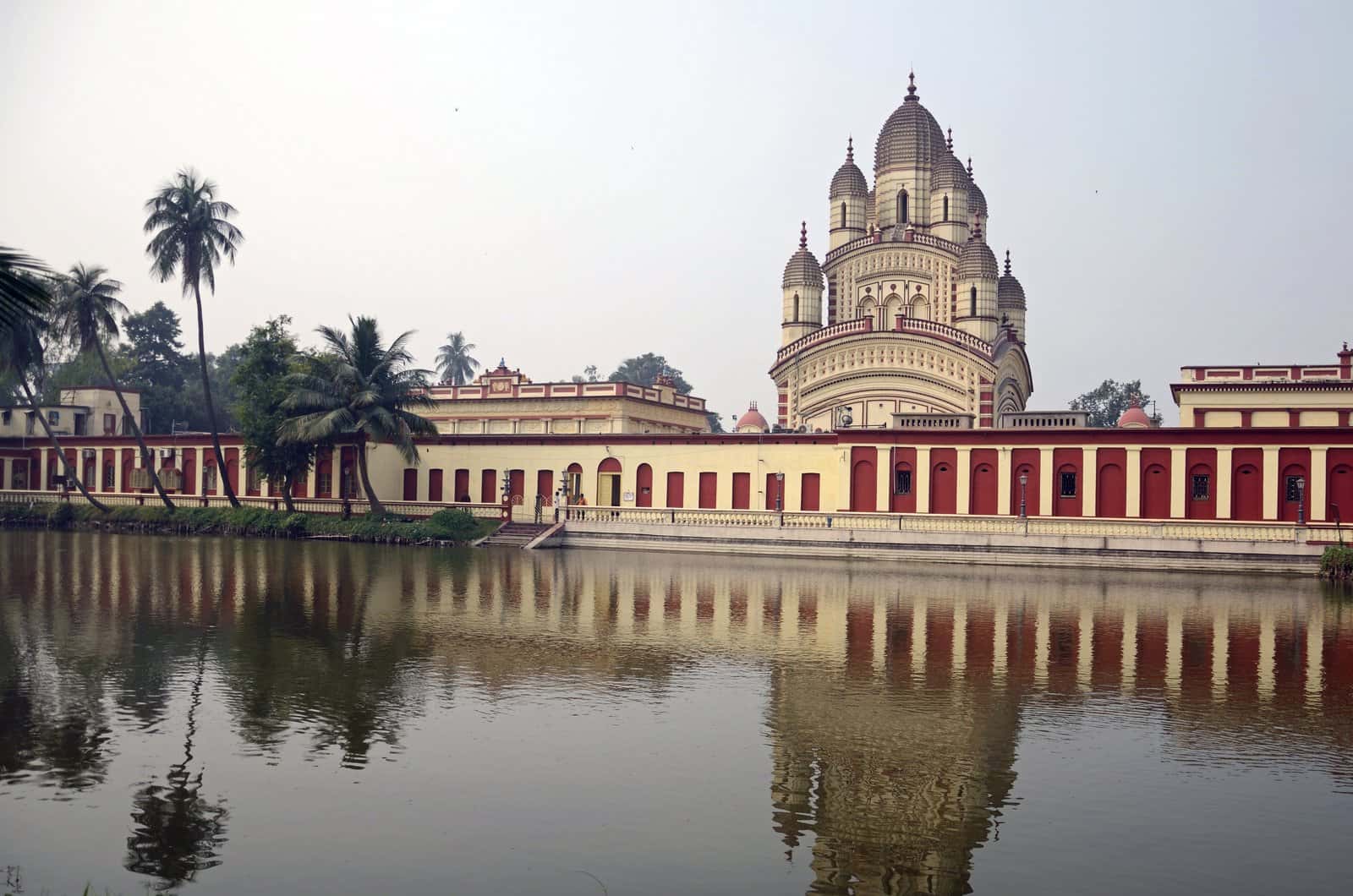
- Dakshineswar Kali TempleThe graceful riverside temple north of the city, associated with the saint Ramakrishna, reached by a covered skywalk from the road and station. Entry is free and it is far calmer than Kalighat, with phones and cameras left in a cloakroom before you enter the sanctum. Many travellers who skip Kalighat come here instead.
- Belur MathThe serene headquarters of the Ramakrishna Math and Mission on the Howrah bank of the Hooghly, with free entry. It opens mornings about 6:30 am to 11:30 am and evenings about 4 pm to 9 pm from April to September or about 3:30 pm to 8:30 pm from October to March, with a long midday closure. Dress modestly, and photography is not allowed inside the main temple.
- Pairing the river templesDakshineswar and Belur Math face each other across the Hooghly and are easy to pair in a half-day, linked by a short ferry as well as by road. Go in the morning before the midday closing at Belur Math, and you can see both in a calm, unhurried trip north of the city.
These are living places of worship, busiest on weekends and festival days. Dress modestly with shoulders and knees covered, remove shoes where asked, and be ready to leave phones and cameras in a cloakroom at Dakshineswar and Belur Math. Photography is restricted inside the main shrines, so ask or look for signs before you raise a camera, and keep a calm, firm manner with anyone who offers an unrequested service near the gates.
Signature experiences in Kolkata
Beyond the museums, Kolkata is a city of food, books, the river and the festival. These are the experiences people remember, and how to do them well.
- Eat your way through the cityKolkata is one of India's great food cities. Try the Kolkata biryani with its whole potato and egg, the city's famous sweets, the kathi rolls and the Park Street and Chinatown (Tangra) restaurant scenes. The food section below names where to go, but leave room and an appetite, because eating well is half the reason to come.
- College Street and the Coffee HouseThe book market of College Street, Asia's largest, is a maze of stalls selling everything from textbooks to rare titles, and the historic Indian Coffee House upstairs is where generations of writers and students have argued over coffee. Go late morning, browse slowly, and have a coffee in the high-ceilinged hall.
- The river and Princep Ghat at sunsetA walk along Princep Ghat with the Vidyasagar Setu lit beyond, or a short ferry across the Hooghly with the Howrah Bridge above you, is the loveliest free experience in Kolkata. Late afternoon into sunset is the time, when the light softens and the riverfront fills with families.
- Kumartuli, the idol-makers' quarterIn the lanes of Kumartuli, artisans sculpt the clay Durga idols that the whole city worships, busiest in the weeks before Durga Puja. A quiet wander here, camera in hand and a polite word with the artists, is one of the most rewarding off-list things to do in the city.
- A heritage tram ride, if it still runsIf a tram route is operating during your visit, a short ride is a charming nostalgia trip through the old city. Confirm locally first, as the network is nearly gone, and treat it as a bonus rather than a fixed plan.
- Durga Puja pandal hopping, in seasonIf you visit during the festival, the elaborate themed pandals across the city are an extraordinary public art show. Do the major ones in the morning or early afternoon to dodge the worst crush, or take a guided pandal-hopping tour so you do not get separated in the night crowds.
If you do only one thing slowly in Kolkata, make it an unhurried meal followed by the river at dusk. The city's pleasures are social and sensory rather than tick-list, so give yourself a long lunch at a Park Street institution or a sweet-shop counter, then walk to Princep Ghat as the light goes and the Howrah Bridge lights come on. That rhythm, food then river, is the city at its most itself, and it costs almost nothing.
The Kolkata food map: biryani, sweets and rolls
Kolkata takes its food seriously, and the good places are specific. Here is where to find the biryani, the sweets and the kathi rolls that the city is famous for.
- Kolkata biryani, with the potatoKolkata biryani is distinct, lighter and subtler than the Hyderabadi kind, with a whole soft potato and often a boiled egg in the pot, a legacy of the exiled Nawab of Awadh. Arsalan in Park Circus is the crowd favourite, with Aminia near New Market and Shiraz the established alternatives. Go hungry, and try the mutton.
- The sweets, where the rosogolla beganBengali sweets are a serious craft. K. C. Das near Esplanade is tied to the invention of the rosogolla, Balaram Mullick and Radharaman Mullick are famous for their baked rosogolla and seasonal sweets, and Bhim Chandra Nag is a historic name for sandesh. Try mishti doi, the sweet set yoghurt, anywhere it is fresh.
- Kathi rolls and street foodThe kathi roll, a kebab wrapped in a paratha, was invented in Kolkata, and Nizam's near New Market is the origin story, with many good rolls around Park Street. Add the city's puchka (the local pani puri), telebhaja fritters and a cup of chai in a clay cup for the full street-food day.
- Park Street and Tangra ChinatownPark Street is the old heart of the restaurant scene, from continental institutions to modern Bengali. East of the centre, Tangra is India's original Chinatown, home to the distinctive Indian-Chinese cooking that Kolkata gave the country. Both are worth an evening if you have the appetite for it.
It is easy to fill up on biryani and rolls, but set aside one meal for a proper Bengali thali or a fish lunch. The freshwater fish, the mustard-and-mishti balance of the cooking, and the ritual of courses served in order are central to the city's identity. Ask your hotel or a local for a well-regarded Bengali restaurant, go at lunch when the fish is freshest, and you will taste why Kolkata calls food a part of its soul.
Where to stay in Kolkata, and how many nights
Base yourself around Park Street and the central business district for convenience, in the calmer south, or in the budget lanes near the Indian Museum. Two to three nights covers the city.
- Park Street and the central business districtThe most convenient base, walkable to the Victoria Memorial, the Indian Museum, New Market and the best restaurants, and well served by the metro. It runs from heritage hotels to mid-range business stays, and it is busy, central and the natural choice for a first visit.
- The southern neighbourhoodsAround Ballygunge, Gariahat and the Alipore area the feel is calmer and more residential, with leafy lanes, good food and easy metro access to the centre. A good choice if you want a quieter base with local character and do not mind a short hop into the sights.
- Sudder Street and the budget lanesThe backpacker quarter near the Indian Museum is full of cheap guesthouses, travel agents and cafes, handy and central if you are watching the budget. It is busier and rougher around the edges than Park Street, so it suits the independent traveller more than a family.
- Room budgets and how many nightsRooms run roughly from about 1,200 rupees for budget, about 3,000 to 7,000 rupees for mid-range and about 8,000 rupees and up for heritage or luxury, all rising during Durga Puja. Two to three nights covers the city comfortably, with a third night freeing a day for the temples north of town.
During Durga Puja the city fills up and rooms sell out months in advance at well above normal rates, while traffic restrictions can make some areas hard to reach by car. If your dates fall on the festival, book early, choose a stay near a metro station rather than relying on taxis, and accept that getting around will mean walking and crowds. Outside the festival, rooms are easy to find and prices are reasonable.
Kolkata costs and a realistic daily budget
Kolkata is one of the better-value big Indian cities. Here is what the main things cost, so you can plan and avoid being overcharged.
- A rough daily budgetExcluding your room and long-distance transport, plan on about 1,200 to 2,500 rupees a day as a budget traveller, about 3,500 to 6,000 rupees mid-range, and about 7,000 rupees and up for a comfortable day with sit-down meals, app cabs and entry fees. Food and transport here are cheaper than in Delhi or Mumbai.
- The fixed entry feesThe Victoria Memorial museum is about 50 rupees for Indians and about 500 rupees for foreign nationals, with the gardens a separate 30 rupees; the Indian Museum is about 75 rupees for an adult Indian and about 500 rupees for a foreign national. Temple darshan at Kalighat, Dakshineswar and Belur Math is free. These set the anchor for a sightseeing day.
- Transport costsThe metro is about 5 to 30 rupees a ride, an app cab across the centre is usually a few hundred rupees, and the airport prepaid taxi is a fixed fare to the city. The yellow taxis are cheap on the meter but you will often be quoted a lump sum, so compare with the app price before you agree.
- Cash, cards and UPIRestaurants, hotels and bigger shops take cards and UPI widely, but street food, the sweet shops, autos and small vendors run on cash. ATMs are everywhere in the central areas, so carry enough small cash for the day's eating and short rides to keep things smooth.
Kolkata rewards travellers who eat well and move smart. The single biggest swing in a daily budget is transport: defaulting to app cabs everywhere adds up, while using the metro for the long hops and walking the central core keeps costs low and is often faster in traffic. The next is food, where you can eat superbly for very little at the sweet shops and roll counters, or spend more at the Park Street institutions. Decide where you want the splurge, and the rest of the city is gentle on the wallet.
Practical logistics: money, SIM, language and getting around
The small things that make a Kolkata day smooth, from app cabs and the metro to money, connectivity and the local language.
- Move by metro and app cabUse the metro for the long crossings and an Uber or Ola for the rest, and keep the yellow taxis for when a driver actually agrees to the meter. Traffic is heavy, so build in extra time, and during Durga Puja expect road closures and walking.
- Money and ATMsCards and UPI work widely in restaurants, hotels and shops, but carry cash for street food, the sweet shops, autos and temple-area small vendors. ATMs are plentiful in Park Street, the central business district and the southern neighbourhoods.
- SIM, signal and connectivityMobile coverage and data across the city are good. If you are arriving from abroad, pick up an Indian tourist SIM or an eSIM at the airport rather than hunting for one later, so maps and ride-hailing work from the moment you land.
- Language and getting helpBengali is the local language and Hindi is widely understood, while English is common in hotels, restaurants and among younger people, so communicating is easy. Kolkatans are famously warm and will go out of their way to help a visitor find a place or a plate of food.
Safety, the Kalighat donation pressure, and staying well
Kolkata is one of India's safer big cities, but the Kalighat donation pressure catches a lot of first-timers and the heat and street food need a little care.
- The Kalighat donation pressure, and how to handle itAt Kalighat, freelance pandas may attach themselves to you, perform an uninvited puja, then demand a large donation, often quoted from about 500 rupees up to 2,000 rupees or more, sometimes with a fake donation book. Decline all unsolicited help firmly, accept nothing offered as free, do not write in any donation book, and give only at a marked official counter if you choose to give at all.
- The calmer alternativeIf the pressure is not for you, Dakshineswar Kali Temple north of the city is far calmer and many travellers go there instead. Wherever you go, leave valuables at your stay, keep cash hidden, and decline anyone offering to be your free guide near a temple gate.
- Solo travellers and night-timeKolkata is widely regarded as one of the safer large Indian cities and is comfortable by day, with Park Street busy and safe into the evening. Standard night-time caution still applies, and during Durga Puja the dense night crowds make solo movement genuinely hard, so consider a guided pandal-hopping tour for the peak nights.
- Heat, water and street foodIn the warmer months carry water and sun protection and use the air-conditioned museums in the worst of the midday heat. Drink bottled or filtered water, and enjoy the famous street food from busy, high-turnover stalls where the cooking is fresh and the crowds vouch for it.
Most solo women report Kolkata as one of the more relaxed big Indian cities, comfortable to explore by day and around the busy central areas in the evening. The usual sensible precautions apply after dark, and the main friction reported on forums is the temple-gate donation pressure rather than anything threatening. Dress modestly at the temples, keep to busier, well-lit lanes at night, and use app cabs rather than empty streets late, and the city is a welcoming place to travel alone.
Kolkata for every kind of traveller, and on access
Kolkata suits very different visitors in different ways. Here is what it offers you, and the one tip that matters for each, including how a senior visits comfortably.
- CouplesAtmospheric and unhurried: the river at Princep Ghat, long meals on Park Street, the bookshops of College Street and the colonial-era architecture. An evening river walk and a Bengali dinner make for a gentle, romantic day away from the tick-list rush.
- Families with childrenPlenty to enjoy, from the Indian Museum's mummy and skeletons to the river ferries, the Maidan and the sweets. During Durga Puja keep little ones close in the crowds and do the pandals early in the day, and the heat outside winter means planning around the cooler hours.
- Senior travellers and on accessibilityVery doable with a little planning. Stay near Park Street or a metro station to limit walking, use app cabs and the metro lifts rather than long walks in the heat, and visit the temples and the river in the cooler morning or evening. The Victoria Memorial and Indian Museum have some access provision, so ask at the gate, but old-city lanes can be uneven and busy, so take them slowly.
- Food loversArguably the best reason to come. Plan around the biryani houses, the historic sweet shops, the kathi rolls and a proper Bengali fish lunch, and pace yourself across the day. The food section above names the specific places worth your appetite.
- Solo female travellersOne of the more relaxed big Indian cities for independent travel, comfortable by day and around the busy central areas in the evening. Keep standard night-time caution, be firm with the temple-gate touts, and prefer busy, well-lit lanes and app cabs after dark.
- Photographers and history loversA photographer's city, from the idol-makers of Kumartuli and the Howrah Bridge at dawn to the faded grandeur of north Kolkata's mansions. Ask before photographing people, especially at prayer, and remember the camera restrictions inside the museums and the main temple shrines.
A suggested Kolkata itinerary
How to shape two or three unhurried days so you catch the museums on open days, the river at its best light, and the temples without the midday closures.
- Day one: central and south KolkataStart at the Victoria Memorial when the gardens open, see the museum galleries, then walk to St Paul's Cathedral and across the Maidan. Avoid making this a Monday, when the museum is shut. Lunch on Park Street, browse New Market, and end with the river at Princep Ghat for sunset.
- Day two: north Kolkata and the riverSpend the morning at the Indian Museum, then head north to College Street and the Coffee House, the lanes of Kumartuli, and the Marble Palace if it is open. Catch the Howrah Bridge from Mullick Ghat, and have a kathi roll or a sweet-shop stop along the way.
- Day three: the river templesTake a half-day north to Dakshineswar Kali Temple and Belur Math, ideally in the morning before the Belur Math midday closing, linked by the short ferry across the Hooghly. Back in the city, spend the afternoon on whatever you most want to repeat, usually a meal and the river.
- Adding the SundarbansIf you have more time, the Sundarbans mangrove delta is a separate two-day add-on from Kolkata, not a day trip, with an overnight near the forest for the boat safaris. Treat it as its own short trip rather than squeezing it into the city days.
The single thing that breaks a tight Kolkata plan is arriving at the Victoria Memorial galleries or the Indian Museum on a Monday, when both are closed, along with several national holidays. Build your sightseeing days so the museums fall on a Tuesday to Sunday, keep the river, the temples, College Street and the food for any Monday in your trip, and check the official holiday lists if your dates include a public holiday. Do that and you will never find yourself at a shut museum gate with the day half spent.
The real questions travellers ask about Kolkata
Straight answers to the questions that come up again and again on traveller forums, so you arrive already knowing the score.
- How many days do I need?Two days covers the highlights, three is more comfortable and adds the river temples, and four lets you slow down or fold in a north Kolkata day at an easy pace. The Sundarbans is a separate two-day trip on top, so do not try to cram it into the city days.
- Yellow taxi, Uber or metro?Use the metro for long crossings, an app cab for the rest, and the yellow taxis only when a driver agrees to the meter. The yellow cabs are an icon but routinely quote a lump sum to visitors, and app surge pricing aside, Uber or Ola is the simpler default.
- Are the trams still running?Barely. The network is nearly gone, with a 2024 state plan to discontinue most of it contested in court and only a couple of routes reportedly running in 2026. If a heritage route is operating during your visit, a short ride is a charming bonus, but do not build a day around it. Confirm locally.
- Is the Kalighat donation a scam?Darshan is free, and there is no official mandatory donation or paid VIP entry sold by touts at the gate. The aggressive donation pressure from freelance pandas is real, so decline unsolicited help, accept nothing free, and give only at a marked counter if you wish. Many travellers prefer the calmer Dakshineswar.
- Is Durga Puja worth it?If you can handle crowds, yes, it is one of India's great spectacles, now on the UNESCO heritage list. But the whole city becomes walking-only with traffic restrictions, so plan to stay near a metro, see major pandals in daylight, and consider a guided tour for the peak nights. Outside the festival the city is far easier to move around.
- Is there an airport metro now?Yes. A Yellow Line metro station has served the airport since August 2025, a short covered walk from the terminal, so you can reach the city by metro for a few tens of rupees. For a late arrival or with heavy bags, the official prepaid taxi booth at the airport is still the easy, fixed-fare choice.
Planning Kolkata from abroad
Kolkata is India's most literary and food-obsessed big city, and a warm, walkable introduction to the east. A little preparation makes the taxis, the temples and Durga Puja easy to handle.
- Know the museum fees for foreign nationalsForeign nationals pay about 500 rupees at both the Victoria Memorial museum and the Indian Museum, against about 50 to 75 rupees for Indians, which is still modest by world standards. The gardens at the Victoria Memorial are a separate small ticket, and temple darshan is free, so budget a little more for the headline museums and very little for the rest.
- Default to the metro and app cabsSkip the haggling over yellow-taxi meters and use the metro and Uber or Ola, which take the guesswork out of fares. On arrival, the official prepaid taxi booth at the airport gives a fixed fare into the city, and the new airport metro station is a cheap alternative if you are travelling light.
- Be ready for the temple-gate approachAt Kalighat in particular, someone may attach themselves to you and then press for a large donation. A firm, friendly no and a walk-on is all it takes, and the calmer Dakshineswar temple is an easy alternative. The rest of the city is welcoming and low-pressure.
- Pair it with the eastKolkata is the gateway to eastern India, pairing naturally with the Sundarbans mangroves, the hill stations of Darjeeling and Sikkim, or the temples of Bhubaneswar and Puri. Fly into Kolkata, give the city a few days, and let it anchor a wider eastern loop.
Money, connectivity and timing for foreign visitors
The practical basics an overseas traveller needs for a big, warm Indian city: cash and cards, a SIM, the heat, and how many days to give Kolkata on a wider trip.
- Cards, UPI and cashCards and UPI work in restaurants, hotels and bigger shops, but the best street food, the sweet shops and short auto rides are cash places. Draw cash at the plentiful central ATMs and keep small notes, and you will move smoothly between a fine-dining Park Street dinner and a clay cup of chai on the street.
- Get a SIM at the airportPick up an Indian tourist SIM or an eSIM when you land, so maps, ride-hailing and the metro apps work from the start. Coverage and data across the city are good, which makes navigating a big, dense city straightforward.
- Time your visit to the weatherOctober to February is the comfortable window. If you want Durga Puja, plan around the lunar dates and book far ahead; if you want an easier, less crowded city, come in the cooler weeks after the festival. Avoid the hot, humid months of March to June for a first visit unless you tolerate heat well.
- How long to give it on a bigger tripOn an eastern India trip, two to three days in Kolkata is the right weight: enough for the museums, the river, the temples and the food, before you move on to the Sundarbans, Darjeeling or Odisha. Add a day if you are a serious food or history traveller.
Kolkata is an unusually welcoming, walkable big city for a first taste of eastern India: rich in history, generous with food, and famously friendly to visitors. Slot it at the start of an eastern loop, give it a few days to settle into its rhythm of meals and river walks, and let it be the cultural anchor before the wilder Sundarbans or the cool of the Darjeeling hills. Many overseas visitors say its warmth and its food are what they remember most.
Why Kolkata is called the City of Joy, and the goddess in its name
Kolkata wears two names that tell its story. The older English spelling, Calcutta, and the modern Kolkata both descend from Kalikata, one of the three villages the East India Company leased in 1690 to build the trading post that became British India's first capital. Tradition ties the name to the goddess Kali and her great temple at Kalighat, one of the 51 Shakti Peethas where, the Puranas say, parts of the goddess Sati fell to earth, here her right toe, giving the temple and the city their name. The other name, the City of Joy, came later, from Dominique Lapierre's 1985 novel and the film that followed, set among the people of a Kolkata slum and finding, in their resilience and warmth, a joy that outlasts hardship. The phrase stuck because it rang true: this is a city of grand faded mansions and crowded lanes, of poets and street food and an unhurried generosity, where the welcome of strangers is as much a landmark as the marble of the Victoria Memorial.
Planning a Kolkata trip?
Our West Bengal travel experts plan your full journey for you: route, hotels, darshan timings and transport. You get a free day-by-day plan and an exact quote on WhatsApp, usually within a few hours. No payment is needed to get your plan.
Tour packages that visit Kolkata
Every journey below is private, hand-crafted and fully customizable. Tell us your dates and we tailor the itinerary, the pace and the priests or guides around you.
 7D / 6N
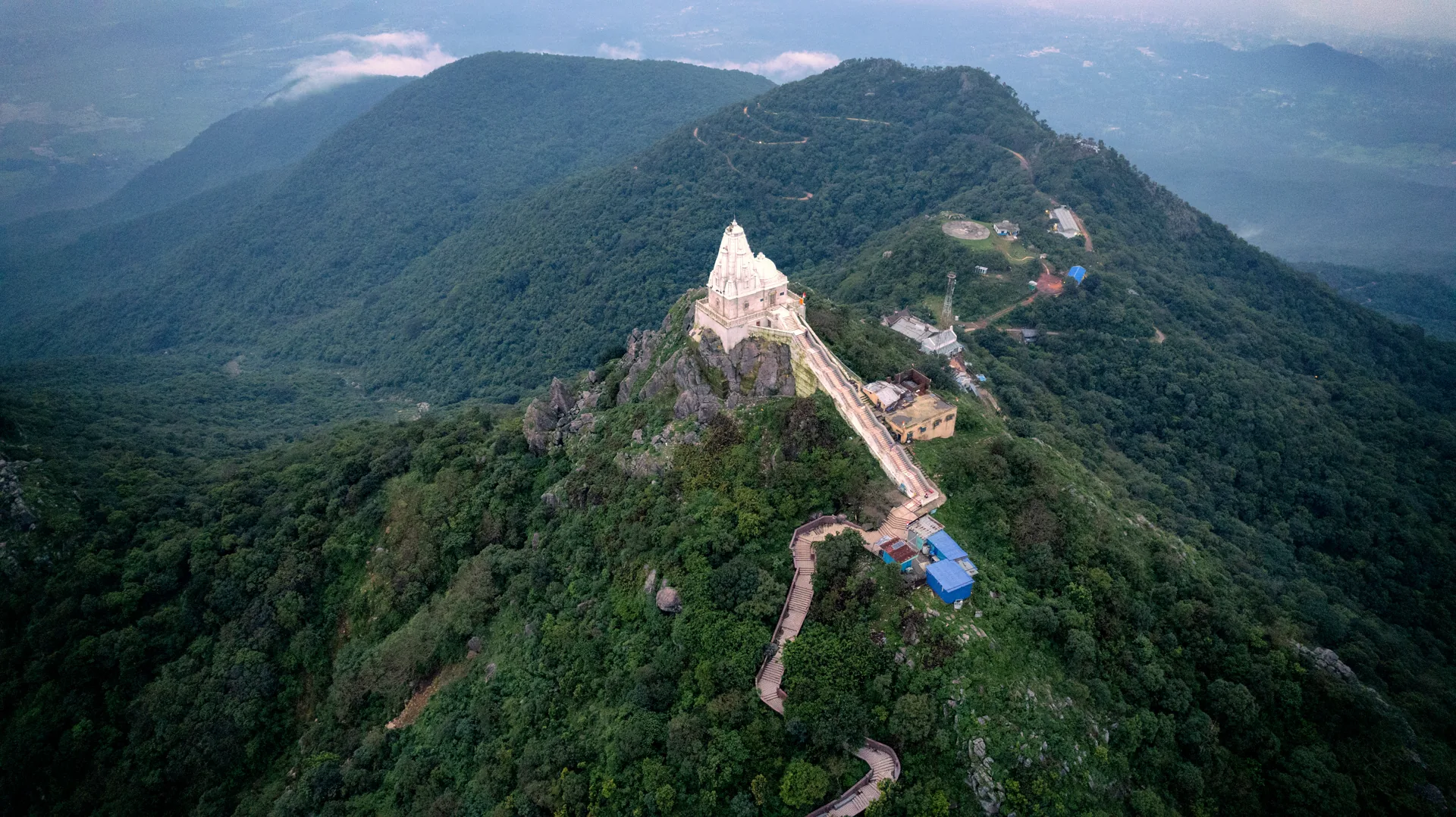
Sammed Shikharji Panch Tirth Yatra - 6 Nights 7 Days Jain Pilgrimage ex-Kolkata
- Darshan at Shri Sammed Shikharji, the holiest Jain tirth, where 20 of the 24 Tirthankaras attained moksha
- A pre dawn vandana across the ridge, with doli support for elders on the long hill day
 3D / 2N
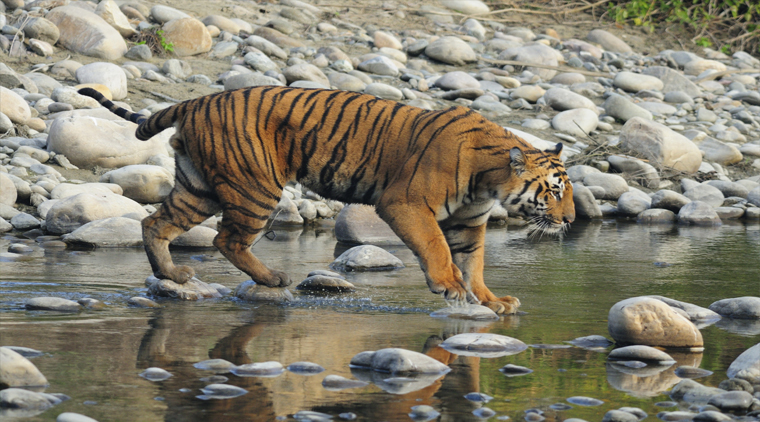
Sundarbans National Park Tour Packages
- Sunderbans National Park
- Visit Pakhiralya