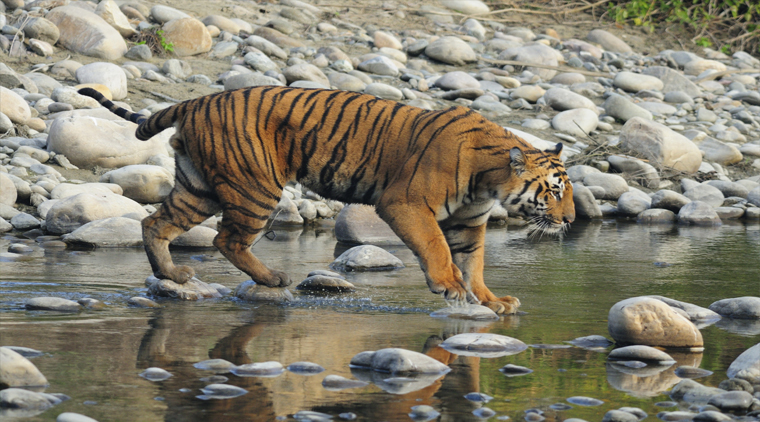
Sundarbans Travel Guide
The best months are October to February , when the rivers are calm and the weather is dry and pleasant. The monsoon brings rough water and heavy mosquitoes, and is best avoided...
When to visit the Sundarbans, and why winter wins
The best months are October to February, when the rivers are calm and the weather is dry and pleasant. The monsoon brings rough water and heavy mosquitoes, and is best avoided for a comfortable trip.
- November to February: calm and clearThe most comfortable window. The West Bengal Forest Department itself names October to February as the season when the rivers are free from turbulence, and winter brings dry, pleasant days, low humidity and crocodiles basking on the mudbanks, which is exactly what you want from a slow creek cruise.
- October and March: warm but workableThe shoulder months are still fine for the boat days, with fewer crowds than the peak winter weekends. By late March the delta heat and humidity begin to build, so start early and keep water and sun cover handy on the open deck.
- Mid June to mid September: monsoon limitsThe monsoon brings heavy rain, rough and unpredictable water, and the mosquitoes are at their worst. Boat permissions can be restricted in bad weather, so this is not the time for families or first-timers. If you do come, travel only with an experienced, registered operator.
- The tidal rhythm matters tooEverything here moves with the tide, and locals say wildlife shows better around the low tidal-variation days some experienced operators call the calm-tide period. You cannot plan a holiday around the moon, but a good operator will time the creek cruises to the day's tides for you.
Winter gives the best weather and the best visibility, and December and January are the most popular months, but no season guarantees a tiger. Treat the Sundarbans as a mangrove and birdlife trip first, plan it for the calm dry months, and you will not be let down by the weather even if the tiger stays hidden.
How to reach the Sundarbans from Kolkata
Kolkata is the gateway. It is a road journey of about 3 to 4 hours to a jetty at Godkhali, Sonakhali or Dhamakhali, and from there the forest is reachable only by boat.
- Kolkata to the jetty by roadFrom Kolkata it is roughly 100 to 110 km and about 3 to 4 hours by car to the main embarkation jetties at Godkhali, Sonakhali or Dhamakhali. Most package tours include this drive with a car and driver, and on the way you pass the green Bengal countryside and the delta villages.
- Then the boat, because there are no roads insideFrom the jetty the forest is reachable only by water. You board a motor launch or boat that becomes your transport, viewing platform and sometimes your bed for the trip. There is no road, no jeep and no walking inside the forest itself.
- By train to CanningThe Sealdah South suburban line runs to Canning, about 46 km from the Tiger Reserve headquarters, which is how many domestic travellers come. From Canning you continue by road to a jetty and then by boat, so the train saves the city traffic but not the boat leg.
- Let the package handle the logisticsBecause the trip stitches together a car, a permit, a registered boat and a guide, almost everyone books a package rather than piecing it together alone. We can arrange a Kolkata pickup, the forest permits and an experienced boat and guide as a single trip.
Fly into Kolkata (Netaji Subhas Chandra Bose International), the gateway for the Sundarbans, then transfer by road about 3 to 4 hours to the jetty and continue by boat. There are no flights or trains into the forest itself.
Fly into Kolkata directly where possible, spend a night in the city, then take the road-and-boat trip into the delta. The Sundarbans sits naturally on an East India itinerary built around Kolkata.
Reach Kolkata by air or rail, then drive to a jetty, or take the Sealdah to Canning suburban train and continue by road and boat. From Kolkata the whole trip is an easy two or three day escape.
The watchtowers and what you see from each
Since you cannot walk inside the forest, the watchtowers are where you get off the boat and watch wildlife. Knowing what each one offers helps you read your itinerary.
- Sajnekhali: the gateway and the Bonbibi templeAlmost every trip starts here. Sajnekhali has the Mangrove Interpretation Centre, a crocodile and turtle pond, a watchtower and the Bonbibi temple, where forest-goers pray before entering. It is the place to understand the ecosystem and the folklore before the creeks.
- Sudhanyakhali: the best wildlife vantageWidely considered the best watchtower for actually seeing wildlife, with a sweet-water pond that draws deer and wild boar and observation lines across a clearing. This is the tower where, if a tiger is going to be glimpsed, it most often is, though that remains rare.
- Dobanki: the canopy walkThe Dobanki canopy walk is an aerial walkway about 500 metres long at roughly 20 feet above the forest floor, ending in a watchtower over a vast sweep of mangrove. It is the most distinctive structure in the park and a highlight even on a quiet wildlife day.
- Netidhopani and the deeper towersNetidhopani is the only watchtower inside the core forest open to tourists, with the ruins of a temple said to be about 400 years old; charges here are roughly double. Burirdabri, with its mud walk and a tower overlooking Bangladesh, and Jhingekhali are deeper options on longer trips.
The watchtowers are only half the experience. The slow creek cruise between them is where you see saltwater crocodiles on the mud, water monitor lizards, wild boar at the water's edge, and the birdlife the Forest Department records at over 210 species, with 10 of India's 12 kingfishers present. Treat the cruise as the safari, not just the transfer between towers.
Signature experiences in the Sundarbans
Beyond the watchtowers, these are the experiences people remember, and the honest steer on what each one really delivers.
- The slow creek cruise at dawnThe signature Sundarbans experience is the early creek cruise, when the mist lifts off the water and the forest is at its most alive. Crocodiles slide off the mudbanks, kingfishers flash past, and the silence is the point. This is the heart of the trip, with or without a tiger.
- The Dobanki canopy walkWalking the aerial path about 20 feet above the mangrove, roughly 500 metres of it, gives you the forest from a height no boat can offer. It is the most memorable structure in the park and a reliable highlight even on a slow wildlife day.
- Birdwatching, the trip's surest rewardWith over 210 recorded bird species, from white-bellied sea eagles and brahminy kites to the famous kingfishers and migrant waders in winter, the Sundarbans rewards a birdwatcher far more reliably than a tiger-chaser. Bring binoculars and a field guide and the trip pays off whatever the tiger does.
- A village walk and the Bonbibi shrineMost itineraries include a walk through a fringe village such as Pakhiralay or Rangabelia, with a local tribal dance and a visit to a Bonbibi shrine. It is where you meet the people who live alongside the tigers and understand the human-tiger conflict that defines this delta.
- Sunset from the boat deckBecause boats must be off the creeks by sunset, the last light on the water from the deck, as you head back to the lodge or moor for the night, becomes a quiet ritual. Wrap up, watch the delta turn gold, and let the day's pace sink in.
- An overnight on the launch, if you choose itSome trips include a night aboard a launch moored in the creeks rather than a lodge. It is basic but atmospheric, with the forest sounds close around you. Decide in advance whether you want this or the steadier comfort of a land lodge.
If you arrive hunting a tiger you may leave disappointed; if you arrive for the mangrove, the birds, the crocodiles and the human story of Bonbibi and the honey collectors, you leave full. Reset the expectation before you board, give the creeks your patience, and the Sundarbans rewards you in ways a tiger-tick-list never could.
Where to stay in the Sundarbans, and how long
Stay in a forest lodge or eco-resort on the fringe islands, or aboard a launch moored in the creeks. One to two nights is the right length.
- Fringe-island lodges and eco-resortsMost visitors stay in a lodge or eco-resort on an inhabited fringe island such as Dayapur, Pakhiralay or Bali, a short hop from the Sajnekhali entry point. Comforts range from simple to surprisingly good, and the better community-run camps put money back into the villages.
- The government Sajnekhali tourist lodgeThe West Bengal Tourism Development Corporation runs a tourist lodge at Sajnekhali, right by the interpretation centre and entry point. It is basic and books out in season, but its location inside the eco-tourism zone is hard to beat.
- Aboard a launchCruise launches and houseboats offer lodging on the water, so you wake among the creeks. It is atmospheric and saves a transfer, but cabins are simple and space is tight, so it suits the adventurous more than those wanting a comfortable room.
- How many nightsOne night and two days is enough for a first taste, covering Sajnekhali, Sudhanyakhali and usually Dobanki. Two nights and three days is the recommended trip, adding more creek hours and deeper towers like Jhingekhali, which is where the wildlife actually appears.
A land lodge gives you a steadier bed, a fan or air-conditioning and a proper meal, and suits families and seniors. A launch puts you in the heart of the creeks and saves transfers but is basic and cramped. Neither is wrong; just decide which one your group wants before you book, because they make for very different nights.
Sundarbans costs and what the package includes
Package prices vary widely by hotel grade, boat and group size. Here is the honest range, and which government fees sit inside or outside the package.
- The package price rangeBudget 2 night 3 day tours from Kolkata start at roughly 4,000 to 5,500 rupees per person with a simple lodge, boat, meals, permits and guide. Standard packages with better hotels run about 6,500 to 8,500 rupees per person, and luxury or houseboat tours can run from about 10,500 rupees up to 20,000 rupees or more.
- The government forest feesFrom about 1 September 2024 the forest entry fee is around 180 rupees per day for Indian visitors and around 1,000 rupees per day for foreign nationals, with a separate boat fee, camera fee and guide fee. Many packages fold these in, but always confirm whether your quote includes all forest charges or adds them on.
- What drives the priceThe big variables are the hotel grade, whether transport and the boat are air-conditioned and private or shared, the group size, and the season, with winter weekends the dearest. A shared small-group tour is the cheapest honest way to do it well.
- Tips and extrasBudget a little extra for tips to the boatman, guide and lodge staff, for bottled water and any drinks, and for a camera fee if your package excludes it. Carry cash, as card and UPI acceptance is patchy once you leave Kolkata.
The cheapest quote is not always the best value: confirm in writing whether the price includes all government forest fees, the boat for the full days you expect, every meal, the Kolkata pickup, and a registered guide. The honest mid-range tours look dearer on paper but usually include the lot, while a rock-bottom price often adds forest charges and short-changes the boat hours that decide your trip.
Permits, money and practical logistics
The forest permit, an ID, cash, repellent and a registered operator are the things that make a Sundarbans trip smooth. Here is what to sort before you go.
- The forest entry permitEveryone needs a forest entry permit, issued by the Office of the Field Director, Sundarban Tiger Reserve at Canning, and also at Sonakhali, Bagna and Sajnekhali, on payment of the entry, boat and camera charges. Indian visitors are usually asked to carry an Aadhaar card or photo ID, so keep it handy. Your operator normally arranges the permit for you.
- Carry cash and an IDOnce you leave Kolkata, card and UPI acceptance is patchy, so carry enough cash for tips, water, drinks and any extra fees. Keep a government photo ID on you for the permit, and a copy in case the original is needed at the office.
- Pack for the boatStrong mosquito repellent, sun cover, a hat and a light layer for the open deck, binoculars for the birds and wildlife, motion-sickness tablets if you are prone to it, and any personal medicines, since there are no pharmacies inside the forest. A power bank is wise, as charging on a launch is limited.
- Signal and connectivityMobile coverage is fine in Kolkata and the larger villages but drops to patchy or none deep in the creeks, which is part of the appeal. Tell people at home you may be off-grid for stretches, and do not rely on data inside the forest.
Safety, boat sense and responsible travel
The Sundarbans is generally safe with a registered operator, but it is a wild, water-bound place. Boat sense, mosquito care and a respectful distance from wildlife keep the trip happy and responsible.
- Choose a registered operator and a sober boatmanSafety on the water rests on the boat and the crew, so book a government-registered operator with a sound boat and life jackets aboard. A good boatman knows the tides and keeps a responsible distance from crocodiles and the forest edge, which matters as much for your safety as for the wildlife.
- Mosquitoes and healthMosquitoes are real here, worst in and after the monsoon, so carry strong repellent, cover up at dusk, and consider the usual precautions for a wetland region. Drink bottled or filtered water, take care with food on basic launches, and bring any personal medicines, as there are no pharmacies inside the forest.
- Stay on the boat and behind the railsYou do not walk inside the forest and you do not get off where you are not meant to. Watch wildlife from the boat and from behind the watchtower rails, never feed or approach an animal, and keep your voice down, both for safety in tiger and crocodile country and out of respect for the forest.
- Boats are off the creeks by sunsetBoats in the eco-tourism zone must return to the jetty by sunset and cannot ply at night, so a Sundarbans day is built around the daylight. Do not pressure a crew to push past dark, and build your plans around the early start and the evening return.
This is a living UNESCO ecosystem where people share the forest with tigers and earn a hard living from honey and fish. Carry your plastic out, do not buy wildlife or shell products, tip the local crews fairly, and choose community-run lodges where you can. A respectful visitor leaves the delta and its villages better than a careless one, and the wildlife safer.
The Sundarbans for every kind of traveller
The Sundarbans suits some travellers far better than others. Here is what it offers you, and the one tip that matters for each, including the honest note on the long boat days.
- BirdwatchersThe traveller who leaves happiest. With over 210 recorded species, the kingfishers, sea eagles and winter migrants make this a genuinely rewarding birding trip, where a tiger-chaser may go home empty. Bring binoculars and a field guide and you will be busy all day.
- Wildlife photographersPatience and a long lens are rewarded: crocodiles, deer at the watchtowers, raptors and kingfishers on the cruise. Shoot from the boat deck and the tower rails, keep a respectful distance, and accept that the tiger is a bonus, not a brief.
- Families with childrenManageable with the right expectations. Children love the canopy walk, the crocodiles and the boat, but the long slow creek hours can test younger ones, so a one night trip with a comfortable land lodge often suits families better than a launch.
- Senior travellers and on accessibilityDoable with planning, but be honest about the limits: boarding and leaving boats involves steps and jetties, the days are long, and the watchtowers have stairs. Choose a comfortable land lodge over a launch, a shorter itinerary, and a careful operator who helps with the boarding.
- Couples and weekendersA quiet, offbeat escape from Kolkata, more about slow water and big skies than nightlife. A two night lodge stay with unhurried creek cruises is the romantic, restful version, well away from the usual hill-station crowds.
- Solo and offbeat travellersEasy to do as part of a small-group package, which is also the most economical way. Solo travellers find the shared boat sociable and the guides knowledgeable, and the Sundarbans is a rare wild corner that few first-time India itineraries include.
A suggested Sundarbans itinerary
How to shape one or two unhurried days around the tides and the daylight, so you get the most creek time and the best watchtowers.
- Day one: Kolkata to the creeksLeave Kolkata early, drive about 3 to 4 hours to the jetty, board the boat and cruise in. Most trips reach Sajnekhali for the interpretation centre and the Bonbibi temple, then make an afternoon creek cruise toward Sudhanyakhali before the sunset return to the lodge or launch.
- Day two: the full creek dayThe big day. A dawn cruise when the forest is most alive, the watchtowers at Sudhanyakhali and Dobanki with its canopy walk, hours on the water for crocodiles and birds, and on a longer trip a deeper tower such as Jhingekhali or Netidhopani in the core.
- Day three: village and backOn a 3 day trip, the last morning is often a village walk, a local dance and a final short cruise, before the drive back to Kolkata. On a 2 day trip you compress this, cruising back to the jetty after the morning and driving to the city by afternoon.
- The honest 1 night versionOne night and two days covers Sajnekhali, Sudhanyakhali and usually Dobanki and gives a real taste, but the wildlife appears in the hours on the water, so the extra day of a 3 day trip genuinely improves your odds and your rest.
The single thing that shapes a Sundarbans plan is the rule that boats must be off the creeks by sunset. Start at dawn when the forest is alive, keep the middle of the day for the towers and meals, and accept that the wildlife hours are early and late. A crew that respects the sunset rule is keeping you legal and safe, not cutting your day short.
The real questions travellers ask about the Sundarbans
Straight answers to the questions that come up again and again on traveller forums, so you arrive already knowing the score.
- Is it worth it if I will not see a tiger?Yes, if you come for the right reasons. Wild tiger sightings are very rare, well under about one percent on a single trip, but the mangrove ecosystem, the crocodiles, the birdlife and the Bonbibi human story make it worthwhile. Come for the forest, not the tiger, and you will leave glad you did.
- What are my real chances of seeing a tiger?Honestly low. The tigers swim and hide in dense mangrove and avoid people. Winter days at Sudhanyakhali offer the best slim chance, and the calm-tide days are said to help, but treat any sighting as a once-in-a-lifetime bonus rather than the plan.
- Should I do 1 night or 2 nights?One night and two days gives a real taste and covers the main towers. Two nights and three days is the recommended trip, because the wildlife appears in the hours on the water and the extra day adds creek time, deeper towers and a gentler pace.
- Can I visit in the monsoon?You can, but it is not recommended for first-timers or families. The water is rough, boat permissions can be restricted in bad weather, and the mosquitoes are at their worst. If you must, travel only with an experienced, registered operator and keep your plans flexible.
- Will I get seasick on the boat?The creeks are mostly calm in winter, so most people are fine, but the days are long and slow on the water. If you are prone to motion sickness, carry tablets, sit midship, keep your eyes on the horizon, and you will be comfortable on the dry-season cruises.
- Which jetty do I start from?Most Kolkata trips embark at Godkhali, Sonakhali or Dhamakhali after the road drive; rail travellers via Canning continue by road to a jetty. Your package decides the exact jetty, so confirm the embarkation point and pickup time when you book.
Planning the Sundarbans from abroad
The Sundarbans is the wildest, most unusual stop on an East India trip and pairs naturally with Kolkata. The one thing to prepare early is the separate permit a foreign national needs.
- Foreign nationals need a separate special permitBeyond the standard forest entry permit, foreign nationals need a special permit issued by the Joint Secretary, Forest Department, at Writers Building in Kolkata, and must carry passport and visa. Most reputable operators arrange this, but tell yours you are a foreign passport holder when you book, and allow lead time.
- Expect higher foreigner feesFrom about September 2024 the forest entry fee for foreign nationals is around 1,000 rupees per day and the foreigner guide fee around 2,000 rupees, higher than the Indian rates. Confirm whether your package includes these foreigner charges or adds them, so there is no surprise at the forest office.
- Pair it with KolkataFly into Kolkata, give the city a day for its colonial streets, food and the river, then take the two or three day delta trip. The Sundarbans is the rare wild chapter on an East India itinerary that most first-time India trips skip entirely.
- Reset the wildlife expectationCome for the mangrove, the birds and the crocodiles, not a guaranteed tiger. Overseas visitors who arrive expecting an African-style game drive can be surprised by the slow, boat-bound, tiger-rare reality. Arrive for the ecosystem and the Sundarbans is unforgettable.
Money, connectivity and timing for foreign visitors
The practical basics an overseas traveller needs for a remote delta with no roads and patchy signal: cash, a SIM, ID copies, and how many days to give it.
- Carry cash from KolkataCard and UPI work in Kolkata but acceptance is patchy once you reach the delta, so draw enough cash in the city for tips, water, drinks and any extra forest charges. There are no reliable ATMs deep in the eco-tourism zone, so do not count on topping up later.
- Get a SIM in the cityPick up an Indian tourist SIM or an eSIM in Kolkata. Coverage is fine in the city and the larger villages but drops to patchy or nothing deep in the creeks, which is part of the experience, so do not plan on staying connected inside the forest.
- Keep passport, visa and copies handyCarry your passport and visa for the foreigner permit, and keep photo copies in case the originals are held briefly at the forest office. Your operator will tell you exactly what the office needs, so ask before you set out from Kolkata.
- How long to give it on a bigger tripTwo nights and three days is the right weight on an East India trip: enough for the dawn cruises, the watchtowers and a village walk, without slowing the whole itinerary. Time it for the dry October to February window for the calmest water and the best visibility.
The Sundarbans is an unusual, rewarding introduction to wild India for the overseas traveller: a UNESCO mangrove delta where tigers swim and people live by Bonbibi's grace. Slot it after Kolkata, sort the foreigner permit early through your operator, give it two or three days, and let it be the wild, slow chapter of an East India trip that few visitors ever see.
Bonbibi and Dakshin Ray, and why the forest is shared
In the Sundarbans the forest belongs to Bonbibi, the lady of the forest, worshipped by Hindus and Muslims alike before anyone enters the mangrove. Her counterpart is Dakshin Ray, the lord of the south, who in the old story takes the form of a man-eating tiger and demands human life as tribute. The legend tells how the forest was divided between them, so that people could take honey, wood and fish for their living only with Bonbibi's blessing and only with humility and restraint, while greed invited the tiger. To this day the honey collectors, the Mawalis, who gather wild honey roughly from April to May, pray at her shrine before they go, because the human-tiger conflict here is not folklore but daily fact. The story is living oral tradition, carried in the Bonbibi Johurnama and sung and performed across the delta, rather than a single fixed scripture, and it is the truest key to understanding the Sundarbans, a place where people and tigers have shared one forest for centuries.
Planning a Sundarbans trip?
Our West Bengal travel experts plan your full journey for you: route, hotels, darshan timings and transport. You get a free day-by-day plan and an exact quote on WhatsApp, usually within a few hours. No payment is needed to get your plan.
Tour packages that visit Sundarbans
Every journey below is private, hand-crafted and fully customizable. Tell us your dates and we tailor the itinerary, the pace and the priests or guides around you.