 7D / 6N
 All World Heritage Sites
UNESCO World Heritage · Natural · inscribed 2012
Western Ghats
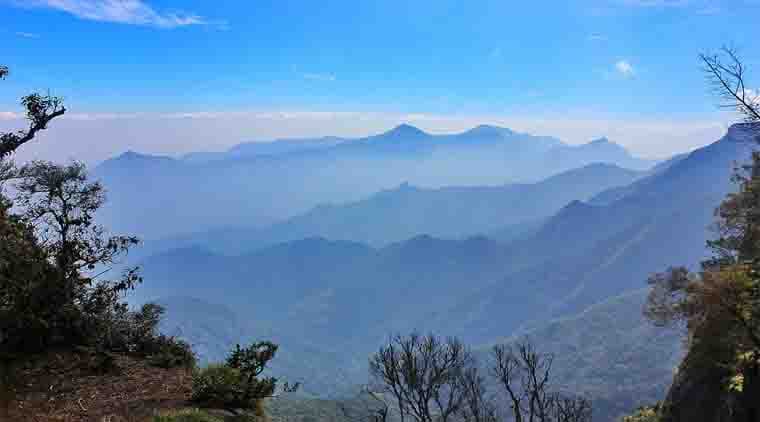
The Western Ghats are the long chain of green mountains that run down the western edge of South India. Older than the Himalaya, these hills catch the monsoon, shape the weather of the whole peninsula, and hold some of the richest wildlife in the country. As a World Heritage Site they are not one park but many, and we will explain simply what the title covers and which doorways you can actually visit.
The story of this place
The Western Ghats are a chain of mountains that run parallel to India's west coast, roughly 30 to 50 km inland, for about 1,600 km. According to UNESCO, the range passes through the states of Kerala, Tamil Nadu, Karnataka, Goa, Maharashtra and Gujarat, and covers an area of around 140,000 square kilometres. The long line is broken only by the Palghat Gap, a wide gap of about 30 km.
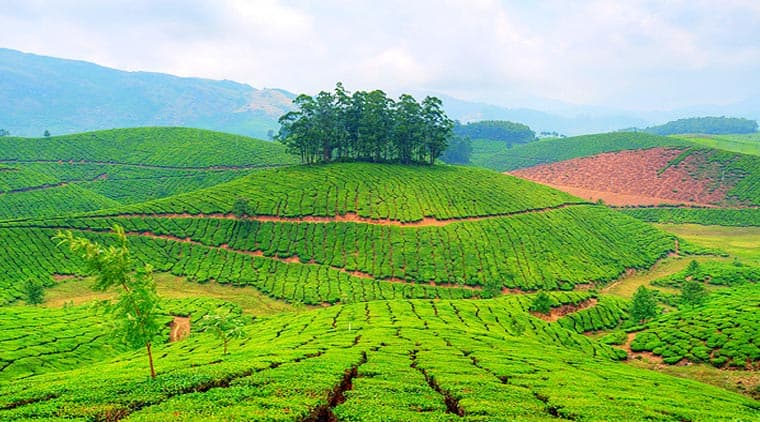
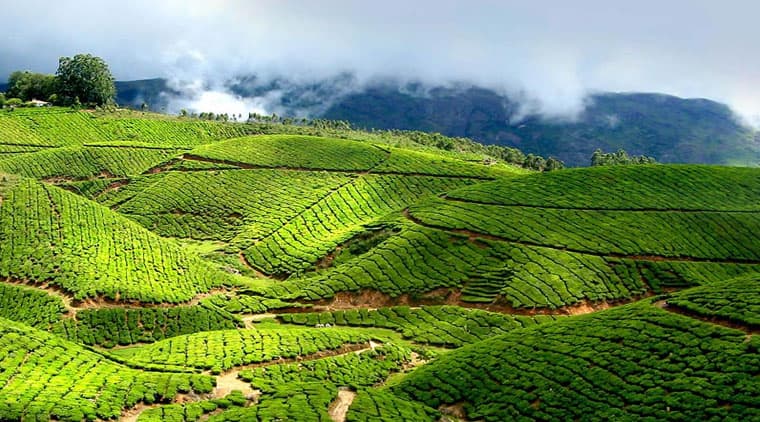
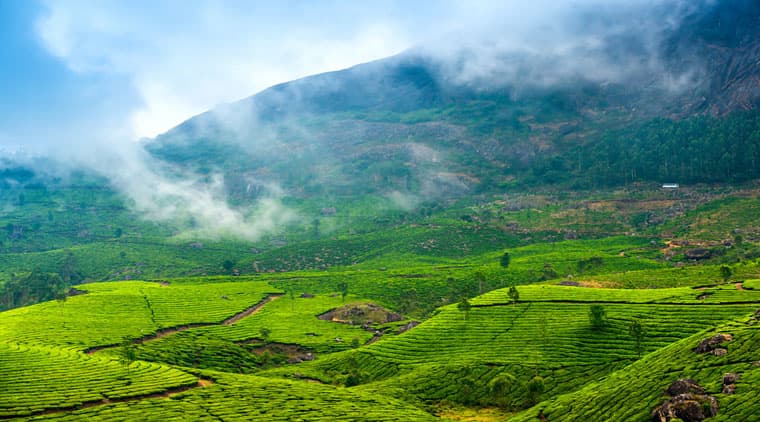
These mountains are older than the great Himalaya, and they play a huge role in the life of South India. They stand like a wall against the monsoon winds that sweep in from the south west, forcing the clouds to rise and pour down rain. This is why the western slopes are so green, and why so many rivers of the south are born here.
The Western Ghats are recognised as one of the world's eight most important hotspots of biological diversity. UNESCO inscribed them as a World Heritage Site in 2012, for the story of evolution they tell and for their exceptional richness of plant and animal life.
What the inscription covers
This is the part many travellers find confusing, so let us make it clear. The World Heritage Site is not a single continuous park. It is a serial site, made up of 39 separate component areas, grouped into 7 sub clusters. These 39 areas are spread across four states: Kerala, Tamil Nadu, Karnataka and Maharashtra. The wider mountain range also runs through Goa and Gujarat, but the inscribed components lie in those four states.
Why so many small pieces instead of one big park? UNESCO explains that the species change greatly along the 1,600 km length of the mountains, because so many plants and animals are found only in one small area and nowhere else. No single park could tell the whole story, so many representative forests were chosen together. These components include tiger reserves, national parks, wildlife sanctuaries and reserved forests.
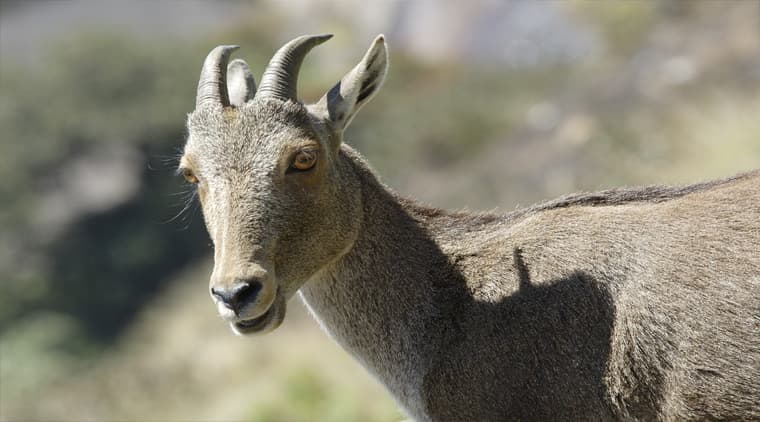
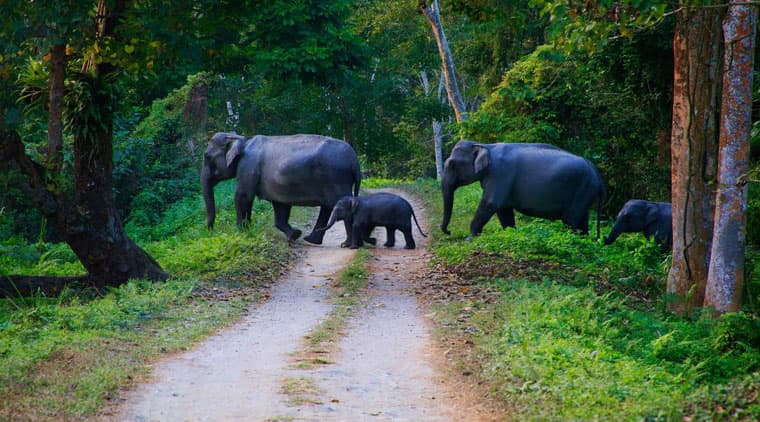
The wildlife is remarkable. The Ghats hold large populations of the Asian elephant, the gaur and the tiger, and special animals found only here, such as the lion tailed macaque, the Nilgiri tahr and the Nilgiri langur. There are also unique habitats such as the shola forests and grasslands of the high hills.
The doorways you can visit
You do not visit the whole Western Ghats. Instead you choose one or two accessible doorways, each a beautiful destination in itself. Here are some that we know and trust.
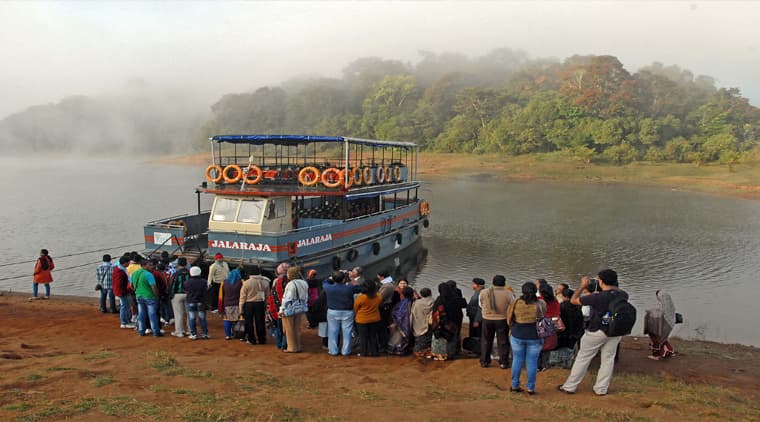
Periyar, in Kerala, set around a large lake in the hills of Thekkady, is one of the easiest and most loved. The classic experience is a quiet boat safari on the lake at dawn or dusk, when elephants and other animals come to the water. It is gentle, family friendly and very rewarding.
Silent Valley National Park, in the Nilgiri hills of Kerala, is one of the last stretches of untouched tropical rainforest in India, home to the lion tailed macaque. Visits are carefully controlled to protect the forest, so plan ahead through the forest department.
Kudremukh, in Karnataka, is a land of rolling green grasslands and forest, loved by those who enjoy walking and quiet hill scenery.
The Kaas Plateau, in the Sahyadri hills of Maharashtra near Satara, is famous for a short and special season, usually from late August to early October, when the plateau bursts into a carpet of wild flowers. Visitor numbers are limited to protect it, so booking ahead is wise.
Best time to visit
The best time depends on which doorway you choose, but as a general guide the months from October to March are the most comfortable across most of the Western Ghats, when the heavy rains have passed and the hills are green and pleasant.
The monsoon, from June to September, brings very heavy rain to these mountains. The forests are at their most lush, waterfalls are full, and this is a beautiful but wet time, better suited to those who do not mind the rain. Leeches are common on forest trails in the wet months.
One special case is the Kaas Plateau, whose flowering season is short and falls right after the monsoon, usually late August to early October. If flowers are your reason to go, this narrow window is the one to catch. Always check the current season and any booking rules for the exact place you plan to visit.
How to reach
Because the Western Ghats are so spread out, you travel to the particular doorway you have chosen rather than to the range as a whole. Each has its own gateway.
For Periyar and Thekkady, the usual airports are Kochi and Madurai, with a scenic road drive up into the hills. For the Nilgiri area and Silent Valley, Coimbatore is the main gateway. For Kudremukh in Karnataka, Mangaluru is the nearest coastal airport. For the Kaas Plateau, you reach Satara in Maharashtra, most easily from Pune.
When you plan with us, we build the journey around the one or two areas you want to see, with comfortable drives and good stays, so that you enjoy the green hills without a tiring itinerary.
Tips from our travel experts
Choose one or two areas, not many. The Western Ghats are vast, and trying to see too much in one trip only means long drives. A relaxed few days at Periyar, or a focused visit to the Kaas Plateau in flower season, gives you a far better experience.
Carry light cotton clothes, but also a rain jacket, as these hills can surprise you with a shower in almost any season. For forest walks in the wet months, carry leech socks or apply a simple salt or oil remedy that local guides suggest. Always take a registered forest guide where one is offered, both for safety and for the knowledge they share.
Many of these areas limit visitor numbers to protect the wildlife, so book your safari, boat ride or plateau entry in advance. Keep to the rules, stay quiet in the forest, and carry your waste back with you.
For our NRI and OCI travellers
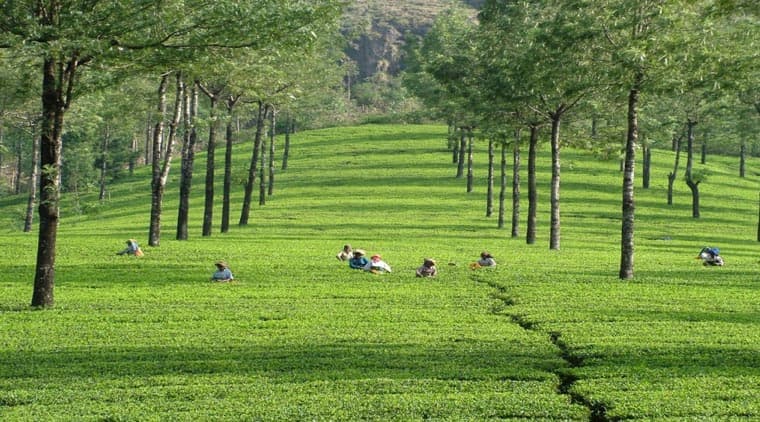
The Western Ghats give you a completely different side of India from the forts and temples of the plains: green mountains, tea and spice hills, cool air and gentle wildlife. Periyar in particular pairs beautifully with a Kerala trip through the backwaters and the beaches, and makes an easy, comfortable nature stop for families with elders and children.
For the deeper wildlife parks and the Kaas Plateau, plan ahead, as permits and entry can be limited in season. Foreign passport holders pay the foreign national rate at forest sanctuaries, so carry your passport, and OCI card holders should carry their card. Tell us the season you are travelling in, and we will point you to the doorway that will be at its best.
Questions travellers ask us
Is the Western Ghats one park I can visit?
No. The World Heritage Site is a serial site made up of 39 separate forest areas, grouped into 7 sub clusters, spread across four states. You do not visit the whole range. Instead you choose one or two accessible doorways, such as Periyar or the Kaas Plateau, each a beautiful destination in itself.
Which states do the inscribed areas lie in?
The 39 inscribed component areas lie across four states: Kerala, Tamil Nadu, Karnataka and Maharashtra. The wider Western Ghats mountain range also runs through Goa and Gujarat, but the areas chosen for the World Heritage listing are in those four states.
Which is the easiest doorway for a first visit?
Periyar, in the Thekkady hills of Kerala, is one of the easiest and most rewarding. Its gentle boat safari on the lake, where you may see elephants at the water, is family friendly and pairs well with a wider Kerala trip through the backwaters.
When does the Kaas Plateau bloom?
The Kaas Plateau in Maharashtra flowers for a short season, usually from late August to early October, right after the monsoon, when it turns into a carpet of wild flowers. Visitor numbers are limited to protect it, so book your entry ahead and check the current season before you plan.
What wildlife can I hope to see?
The Western Ghats hold elephants, gaur and tigers, and animals found only here such as the lion tailed macaque, the Nilgiri tahr and the Nilgiri langur. Sightings depend on the area, the season and luck. Birdwatching is excellent throughout, especially in the denser forests.
A note on the tours below. These packages travel close to Western Ghats, but a package may not include a guided visit to the site itself. If you would like this place added to your journey, please tell your Way to India travel consultant and they will happily build it into your itinerary for you.
Tours where you stay right by it
7D / 6NYou stay at Munnar
 5D / 4N
You stay at Munnar
 10D / 9N
You stay at Munnar
 14D / 13N
You stay at Munnar
 8D / 7N
You stay at Munnar
 5D / 4N
You stay at Munnar
 5D / 4N
You stay at Munnar
 11D / 10N
You stay at Munnar
 6D / 5N
You stay at Munnar
 8D / 7N
You stay at Munnar
You stay at Munnar
 6D / 5N
You stay at Munnar
 9D / 8N
Kerala Nature Trails
From₹46,791* / person
Explore →EMI from ₹2,291/mo
You stay at Munnar
 8D / 7N
You stay at Munnar
 6D / 5N
You stay at Munnar
 9D / 8N
You stay at Munnar
 6D / 5N
You stay at Munnar
 7D / 6N
Best of Kerala
From₹35,923* / person
Explore →EMI from ₹1,759/mo
You stay at Munnar
 5D / 4N
You stay at Munnar
 3D / 2N
You stay at Munnar
 4D / 3N
You stay at Munnar
 8D / 7N
Munnar Ooty Kodaikanal Tour Package
● Starts Bangalore
From₹41,357* / person
Explore →EMI from ₹2,025/mo
You stay at Munnar
 3D / 2N
You stay at Munnar
 8D / 7N
Ooty Kodaikanal Munnar Tour Package
● Starts Coimbatore
From₹41,357* / person
Explore →EMI from ₹2,025/mo
You stay at Munnar
 12D / 11N
You stay at Munnar
Tours with it an easy day trip away
 6D / 5N
Bangalore Mysore Ooty Kodaikanal Tour Package
● Starts Bangalore
From₹30,490* / person
Explore →EMI from ₹1,493/mo
About 50 km from your stay at Kodaikanal
 4D / 3N
About 50 km from your stay at Kodaikanal
 4D / 3N
About 50 km from your stay at Kodaikanal
 5D / 4N
About 50 km from your stay at Kodaikanal
 4D / 3N
About 57 km from your stay at Thekkady
 13D / 12N
About 57 km from your stay at Thekkady
 6D / 5N
About 57 km from your stay at Thekkady