1
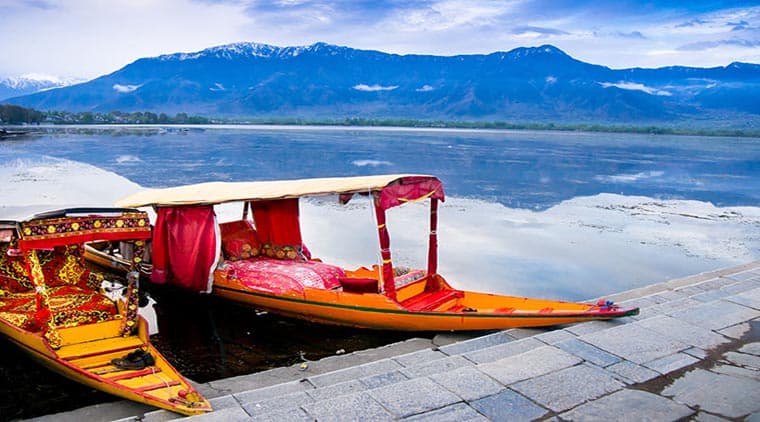
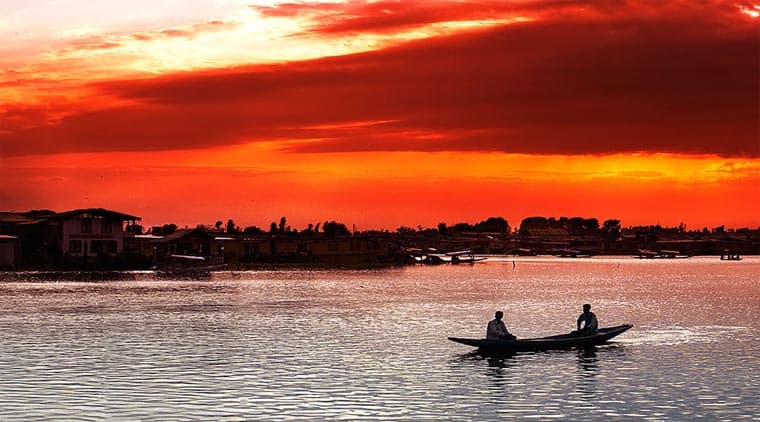
Dal Lake, shikara and houseboat
Srinagar, Jammu and Kashmir
A carved wooden houseboat on Dal or the quieter Nigeen Lake, reached by shikara
Overview
This is a six day Kashmir tour from Mumbai. You fly or take the new train to Srinagar. Then you move through the valley in one loop. You stay on a houseboat on Dal Lake. You ride a shikara at dusk. You see the Mughal gardens of Srinagar. You go up the Gulmarg cable car. You stay a night at Gulmarg. You drive on to Pahalgam for its green valleys. You stay two nights there. You return to Srinagar past the old temple ruins at Awantipora. On the last day you visit Sonamarg and the Thajiwas glacier. This page gives you the real 2026 rates. It gives you an honest safety picture. And it gives you the day by day plan.
A Kashmir tour from Mumbai is a moving loop through the valley. It is not one hotel with day trips. You start in Srinagar by the lake. Then you move on to Gulmarg and stay the night. Then you drive to Pahalgam and stay two nights. Then you come back to Srinagar. From Srinagar you take a day trip to Sonamarg. Six days is the honest length for this plan. You get a relaxed start in Srinagar. You get a night high up at Gulmarg. You get two full days among the Pahalgam valleys. And you get the Sonamarg glacier on your last day. You change hotels a few times. But you see far more of the valley this way.
Every family asks whether Kashmir is safe. So here is a plain answer with sources. The main circuits are open and running. These are Srinagar, Gulmarg, Pahalgam and Sonmarg. They run with a heavy security presence and a 24 hour tourist helpline. On 22 April 2025 there was an attack near Pahalgam. In that attack 26 civilians were killed. Tourist arrivals are recovering since then. Some western governments still advise against travel to Jammu and Kashmir. These include the UK FCDO and the US State Department. So please check the current position for your own dates. Travel with a registered operator. And confirm that your travel insurance covers the valley.
Srinagar is where your trip begins. The classic stay here is a carved wooden houseboat on Dal Lake. You reach it by shikara, the flat wooden boat of the lake. On your first evening you take a shikara ride on Dal Lake. Go out near dusk, when the water is calm. Always pick a registered, well reviewed houseboat. Do not take a tout's boat at the boulevard. Fix the shikara price and the number of hours before you step aboard. Agree the amount first. Then there is no argument at the end of the ride.
On your second morning you see the Mughal gardens. These are Shalimar Bagh, Nishat Bagh and Chashme Shahi. They step down towards the lake. They are open about 9 am to 5 or 7 pm. They are closed on Friday. Entry is about 10 rupees each, so please reconfirm at the gate. Carry small change. The fees are small and they change often. After the gardens you drive on to Gulmarg. That drive is about 54 km.
Gulmarg is your first night out of Srinagar. The draw here is the cable car, one of the highest in the world. It runs in two phases. Phase 1 goes from Gulmarg up to Kongdoori. It runs about 10 am to 5 pm. It costs about 740 rupees for an adult. Phase 2 goes on from Kongdoori towards Apharwat. It runs about 10 am to 3 pm. It costs about 950 rupees for an adult. So please reconfirm both rates. Book online through the official cable car portal, about 15 to 20 days ahead. Tickets sell out, and Phase 2 sells out first. The top station sits very high, above 3900 m. So go up slowly. Watch for breathlessness or a headache. Come back down if you feel unwell. Agree any pony or sledge rate before you start. The cable car closes for bad weather, and Phase 2 shuts first. So keep your plan flexible.
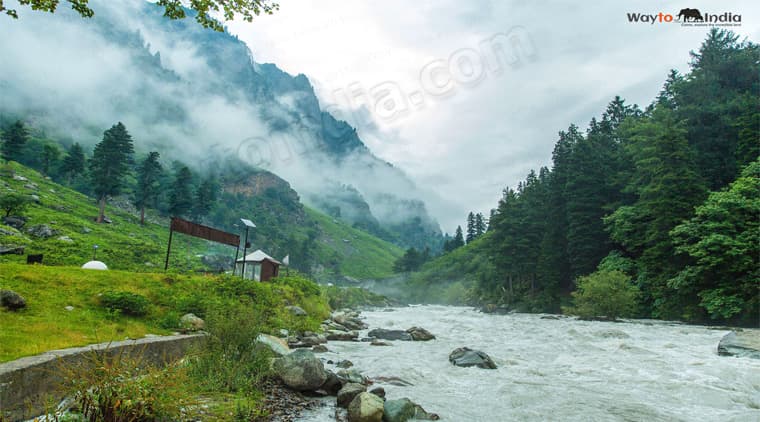
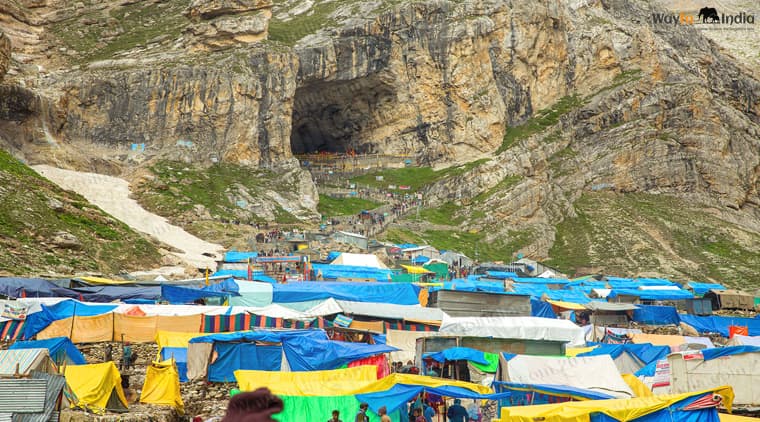
From Gulmarg you drive on to Pahalgam. That drive is about 139 km. Pahalgam sits on the Lidder river. It is your base for two nights. One rule matters most here. You cannot use your own car to reach the side valleys. Only the local union taxi may drive up. The union rates are fixed and posted on a board. So there is no haggling. On the way in you can stop at Aru Valley if time allows. Aru is about 10 km from town, with entry about 25 rupees. The next day you take the union taxi to Betaab Valley. Betaab is about 15 km away, with entry about 100 rupees. Then you go on to Chandanwari, about 16 km away. Chandanwari is the starting point of the Amarnath Yatra. Please reconfirm every posted rate before you set off. Pahalgam sits at about 2200 m. So carry a warm layer for the valleys.
On your fifth day you drive from Pahalgam back to Srinagar. That drive is about 90 km. You go by way of Awantipora. Here you see two temple ruins from the 9th century. One is Avantiswami, built for Vishnu. The other is Avantisvara, built for Shiva. The Archaeological Survey of India looks after them. They are open about 9 am to 5 pm. Entry is about 15 rupees for Indian and SAARC visitors. It is about 200 rupees for others. Please reconfirm at the gate. You also stop at a willow bat factory on this road. Then you reach Srinagar for the night.
On your last day you take a trip from Srinagar to Sonamarg. That is about 82 km each way. The draw here is the Thajiwas glacier. You reach the glacier on foot, by pony or by local taxi. There are snow activities near the glacier too. If time allows you can go on towards Baltal and the Zojila Pass. That road is the way to Ladakh. It is seasonal, so the high points are not always open. The pony and local rates here move with the season. So we quote none here. Agree every rate and route on the spot. Then you return to Srinagar for the night.
You start from Mumbai, so the way up is part of your plan. The quick way is a direct flight to Srinagar. The airport code is SXR. It has frequent flights from Mumbai. From Delhi the hop takes only about 75 to 90 minutes. Flying is fast. But Srinagar flights face more winter weather delays. A flight can even be sent to another city in bad weather. So keep a buffer day in the cold months. The new train is a calm alternative. Vande Bharat trains now run from Jammu Tawi to Srinagar. They stop at Katra, Reasi and Banihal. The trip takes about four and a half hours. It runs six days a week, with a Tuesday maintenance day. Fares are about 715 to 1515 rupees by class. The train first ran from Katra in 2025. It then started from Jammu Tawi about 30 April 2026. Many pages still show the old start point. So please reconfirm the current schedule. A smart plan uses the flight one way and keeps the train as a backup.
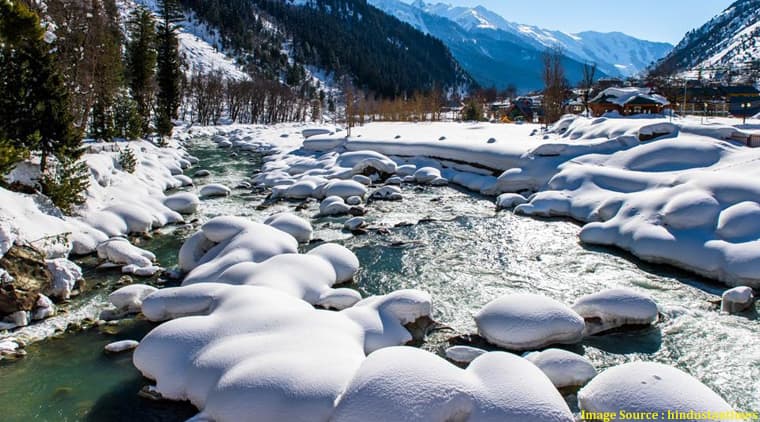
The comfortable window for the valley is broadly April to October. Each season gives you a different Kashmir. Spring brings a short tulip season in Srinagar. Peak bloom is usually in the first half of April. Pahalgam is at its greenest from April to June. Gulmarg is a green meadow from about April to October. September and October bring the golden autumn. The chinar trees turn colour, and the crowds thin out. From December to March Gulmarg turns into a ski resort. January and February are the peak snow months. July and August are the busy Amarnath Yatra weeks. So aim for spring or autumn for a calmer trip.
A few ground rules catch visitors out. The biggest one is your phone. A prepaid SIM from the rest of India does not work in the valley. Only other state postpaid numbers work here. So travel on a postpaid number. Or buy a tourist SIM at Srinagar on arrival. That is often Airtel or Jio, for about 300 rupees plus the plan. Carry cash and any medicines up to Gulmarg. It is a small resort with few shops and few cash machines.
Kashmir is one of the gentler Indian trips for older parents. A shikara ride needs no walking. The gardens are flat and short. The cable car does the climbing for you. But the top station is above 3900 m. So go up slowly, and rest if you feel breathless. The new train can be kinder than a weather prone flight. It suits anxious flyers well. For NRI and OCI families there is no international flight to the valley. So you fly into Delhi first. Then you connect to Srinagar. Please read your own government's advisory before you book. And confirm that your travel insurance covers the valley.
N/A
N/A
Day by day
A carefully paced plan, day by day. Tap any day for the stay, meals and altitude detail.
You arrive in Srinagar by air or by the new train. Your driver meets you and takes you to a houseboat on Dal Lake. You settle in and rest. In the evening you take a shikara ride on Dal Lake. The water is calm near dusk. You spend the night on the houseboat in Srinagar.
Special tip for today: Fix the shikara price and the hours before you board.
You spend the morning in the Mughal gardens of Srinagar. You see Shalimar Bagh, then Nishat Bagh, then Chashme Shahi. They are open about 9 am to 5 or 7 pm, and closed on Friday. Entry is about 10 rupees each, so please reconfirm at the gate. After lunch you drive to Gulmarg, about 54 km away. You spend the night at Gulmarg.
Special tip for today: Carry small change for the garden counters.
You start the day with the Gulmarg cable car. Phase 1 runs from Gulmarg to Kongdoori, about 10 am to 5 pm, for about 740 rupees. Phase 2 goes on to Apharwat, about 10 am to 3 pm, for about 950 rupees. So please reconfirm both rates. Then you drive to Pahalgam, about 139 km away. If time allows you stop at Aru Valley, about 10 km from town, with entry about 25 rupees. You spend the night at Pahalgam.
Special tip for today: Go up the cable car slowly, because the air is thin.
You spend the day among the Pahalgam valleys. You take the local union taxi, because your own car may not drive up. First you visit Betaab Valley, about 15 km away, with entry about 100 rupees. Then you go to Chandanwari, about 16 km away. Chandanwari is the starting point of the Amarnath Yatra. The union rates are fixed and posted on a board. You spend a second night at Pahalgam.
Special tip for today: Reconfirm the posted union taxi rate before you set off.
You drive from Pahalgam back to Srinagar, about 90 km. On the way you stop at Awantipora. Here you see two temple ruins from the 9th century. One is Avantiswami, built for Vishnu. The other is Avantisvara, built for Shiva. The Archaeological Survey of India looks after them, and they are open about 9 am to 5 pm. Entry is about 15 rupees for Indian and SAARC visitors, and about 200 rupees for others. You also stop at a willow bat factory. You spend the night in Srinagar.
Special tip for today: Please reconfirm the ruins entry fee at the gate.
You take a day trip from Srinagar to Sonamarg, about 82 km each way. The draw here is the Thajiwas glacier. You reach it on foot, by pony or by local taxi. There are snow activities near the glacier. If time allows you go on towards Baltal and the Zojila Pass. The pony and local rates move with the season, so agree them on the spot. Then you return to Srinagar for the night.
Special tip for today: Reconfirm the road and access conditions locally before you set off.
Travel tips
This is your clear, day by day guide to a six day Kashmir loop from Mumbai. It covers Srinagar, Gulmarg, Pahalgam and Sonamarg. You will learn how to reach the valley by flight or by the new train. You get the real 2026 cable car and shikara rates. You learn how to pick a registered houseboat, not a tout's boat. You learn the union taxi rule at Pahalgam. And you get a calm, sourced answer on safety. We have checked everything here. Where a price or a timing can change, we tell you so.
First, understand the map. This Kashmir trip runs as a moving loop through the valley. You start in Srinagar. You move on to Gulmarg, then Pahalgam, then back to Srinagar for a Sonamarg day. You change hotels a few times.
You start from Mumbai, so the journey up is part of your plan. You can fly straight to Srinagar. Or you can fly partway and take the new train. Each one has a real plus point. Here is how both work.
Every family asks this, so we answer it plainly and with sources. We give you neither vague comfort nor alarm. The picture in 2026 is genuinely mixed. You should check it for your own dates.
The classic Kashmir stay is a carved wooden houseboat on the lake, reached by shikara. It is the memory most people carry home. It is also the thing touts target, so pick your boat with care. One rule saves you: book a registered, well-reviewed houseboat, never a tout's boat at the boulevard.
Beyond the lake, Srinagar gives you the Mughal gardens, a short spring tulip season, and a half-day of old-city culture. The fees here are small, and they are often copied wrong year to year. So here are the current 2026 numbers.
Gulmarg is the day trip most people look forward to. The draw is the gondola, one of the world's highest cable cars. It runs in two phases, the tickets sell out, and the top is high enough to feel. Most pages quote old prices and blur the altitude, so read this before you go.
Pahalgam sits on the Lidder river. It is the base for three lovely valleys. The most important thing to know is one rule. Your Srinagar car cannot drive up to the valleys. So you switch to a fixed-rate union taxi in town. This shapes your whole day and budget.
On your last day you take a trip from Srinagar to Sonamarg, about 82 km each way. It brings you to the Thajiwas glacier and the start of the road to Ladakh. Rates and conditions here change with the season. So treat this as a reconfirm locally outing.
The comfortable window for the Kashmir valley is broadly April to October, when it is at its most beautiful. But each season gives you a different Kashmir. Here is how to pick.
A few ground realities catch visitors out in Kashmir, and the biggest is the phone. Remember one practical rule: a prepaid SIM from the rest of India will not work in the valley.
Two small pleasures round out the trip: the food and market life around Dal, and carrying home something genuine from the valley. One rule protects you here, the same one that runs through this whole guide: buy the genuine article from a recognised source, and agree the price first.
Kashmir is one of the kinder Indian trips for older travellers, because so much of it is gentle: the lake, the gardens, and a cable car that does the climbing for you. A little planning makes it comfortable and slow.
For returning NRI and OCI families, Kashmir is very doable. But there is no international flight to the valley, so you route through Delhi. And there is one advisory point worth checking before you book.
If there is a heaven on earth, it is here, it is here, it is here.
Kashmir is forever quoted as heaven on earth. The famous Persian couplet says it best: agar firdaus bar ru e zamin ast, hami asto, hamin asto, hamin ast. It means, if there is a heaven on earth, it is here, it is here, it is here. This is the line most often hung over the valley's gates and gardens. It is popularly credited to the Mughal emperor Jahangir, who loved the valley and built and extended its gardens. Tradition also links it to the Persian poet Amir Khusrau, who is said to have written it of somewhere else entirely. The honest position is simple. The attribution is uncertain, and the couplet has travelled and been borrowed for centuries. So we offer it as the beloved tradition it is, rather than a documented fact. What is not in doubt is why it stuck. The still water of Dal at dawn, the chinars turning gold, the gardens stepping down to the lake, and the wall of white mountains behind have moved travellers to the same feeling for four hundred years.
What travellers say
“A big thanks to Way To India for organising such a truly memorable and spiritually fulfilling experience during our 12 Jyotirlinga Darshan pilgrimage from 1st May to 18th May. They organized the entire journey exceptionally well, ensuring that every aspect of the trip was smooth, comfortable, and hassle-free. From transportation and hotel arrangements to darshan planning and coordination, everything was managed professionally. Despite the extensive travel across multiple destinations, the itinerary was well-structured, allowing us to complete all the Jyotirlinga darshans comfortably. Thanks to staff of Way To India, especially, Ms Neha, who was supportive, responsive, and attentive throughout the journey, always ready to assist whenever needed. Her dedication and careful planning made this sacred pilgrimage stress-free and enjoyable. I sincerely appreciate their excellent service, commitment, and hospitality. Highly recommend Way To India to anyone planning a spiritual tour, especially for the 12 Jyotirlinga Yatra. Thank you for making this divine journey so special and memorable.”3 months ago · Google
“We have successfully completed the 12 Jyotirlinga Yatra, with Waytoindia and it was a truly blessed and unforgettable journey. Every aspect of the tour was well planned and professionally organized, from transportation and accommodations to temple visits and sightseeing. Visiting all twelve sacred Jyotirlingas was a deeply spiritual experience. The itinerary was designed efficiently, allowing us to have darshan at each shrine comfortably while enjoying the cultural and religious significance of every destination. We sincerely appreciate the excellent support and coordination throughout the trip. The team was always available to assist, ensuring a smooth and stress-free pilgrimage. Thank you Waytoindia for making our dream of completing the 12 Jyotirlinga Yatra a reality. We highly recommend this tour to anyone seeking a well-organized and spiritually enriching pilgrimage experience. Har Har Mahadev! 🙏🕉️”4 months ago · Google
“We recently entrusted our honeymoon planning to 'Way to India', and it turned out to be one of the best decisions we made. From itinerary finalization to on-ground execution, everything was handled with remarkable professionalism, warmth, and attention to detail. Every aspect of our trip — flights, hotels, transfers, experiences, and even the small thoughtful touches — was perfectly curated. The itinerary was balanced, well-planned, and tailored exactly to what we wanted. We never had to worry about a single thing; all arrangements were seamless and absolutely hassle-free. What truly stood out was their responsiveness and genuine care. They were always available, always patient, and consistently went the extra mile to ensure our journey was special. Special thanks to Neha Ma'am for planning everything. We are incredibly grateful and wholeheartedly recommend their services to anyone looking for a stress-free, personalised, and delightful travel experience. Thank you for making our honeymoon truly magical!”7 months ago · Google
Travelled with Way to India?
Share your experience on Google — it takes a minute and helps fellow travellers plan with confidence.
FAQ
The picture in 2026 is mixed, so here is an honest answer. The main circuits are open and running. These are Srinagar, Gulmarg, Pahalgam and Sonmarg. They run with a heavy security presence and a 24 hour tourist helpline. On 22 April 2025 there was an attack near Pahalgam, in which 26 civilians were killed. Tourist arrivals are recovering since then. Some western governments still advise against travel to Jammu and Kashmir. These include the UK FCDO and the US State Department. So please check the current position for your own dates. Travel with a registered operator. And confirm that your travel insurance covers the valley.
Srinagar has frequent direct flights from Mumbai, so flying is the quick way in. But winter weather can delay or divert these flights. So keep a buffer day in the cold months. You can also fly to Jammu and take the new Vande Bharat train. It runs from Jammu Tawi to Srinagar in about four and a half hours. It faces far less weather trouble. A smart plan keeps the flight for one direction and the train as a backup.
About six days is the honest length. This tour moves in a loop. You start with a night in Srinagar. You spend a night at Gulmarg. You spend two nights at Pahalgam. Then you return to Srinagar. On the last day you take a day trip to Sonamarg. This spreads out the driving, so you enjoy each place.
The classic stay in Srinagar is a carved wooden houseboat on Dal Lake. Always pick a registered, well reviewed houseboat. Book it ahead through a recognised operator. Do not take whatever a tout offers at the boulevard. On the rest of the loop you stay in hotels at Gulmarg and Pahalgam.
Phase 1 from Gulmarg to Kongdoori is about 740 rupees for an adult. Phase 2 on to Apharwat is about 950 rupees for an adult. So please reconfirm both rates. Book online through the official cable car portal, about 15 to 20 days ahead. Tickets sell out, and Phase 2 sells out first. Avoid touts who resell tickets at a markup.
The Pahalgam valleys are reached only by the local union taxi. Private and outside cars may not drive up. That includes the car that brings you from Srinagar. So you hire a union taxi at the Pahalgam stand. The rates there are fixed and posted on a board. So please reconfirm the posted rate before you set off.
You drive about 90 km, and you stop at Awantipora on the way. Here you see two temple ruins from the 9th century. One is Avantiswami, built for Vishnu. The other is Avantisvara, built for Shiva. They are open about 9 am to 5 pm. Entry is about 15 rupees for Indian and SAARC visitors, and about 200 rupees for others. You also stop at a willow bat factory.
Sonamarg is about 82 km from Srinagar, and you visit it on the last day. The draw is the Thajiwas glacier. You reach it on foot, by pony or by local taxi. There are snow activities near the glacier. If time allows you go on towards Baltal and the Zojila Pass. The local rates move with the season, so agree them on the spot.
No. A prepaid SIM from the rest of India does not work in the valley. Only other state postpaid numbers work here. So travel on a postpaid number. Or buy a tourist SIM at Srinagar on arrival. That is often Airtel or Jio, for about 300 rupees plus the plan.
You may also like
Tell us your dates and group size. A WayToIndia travel expert replies within a few hours with a plan you can customise freely. Planning India journeys since 2010.
Explore Way to India
© 2026 Way to India. All rights reserved.