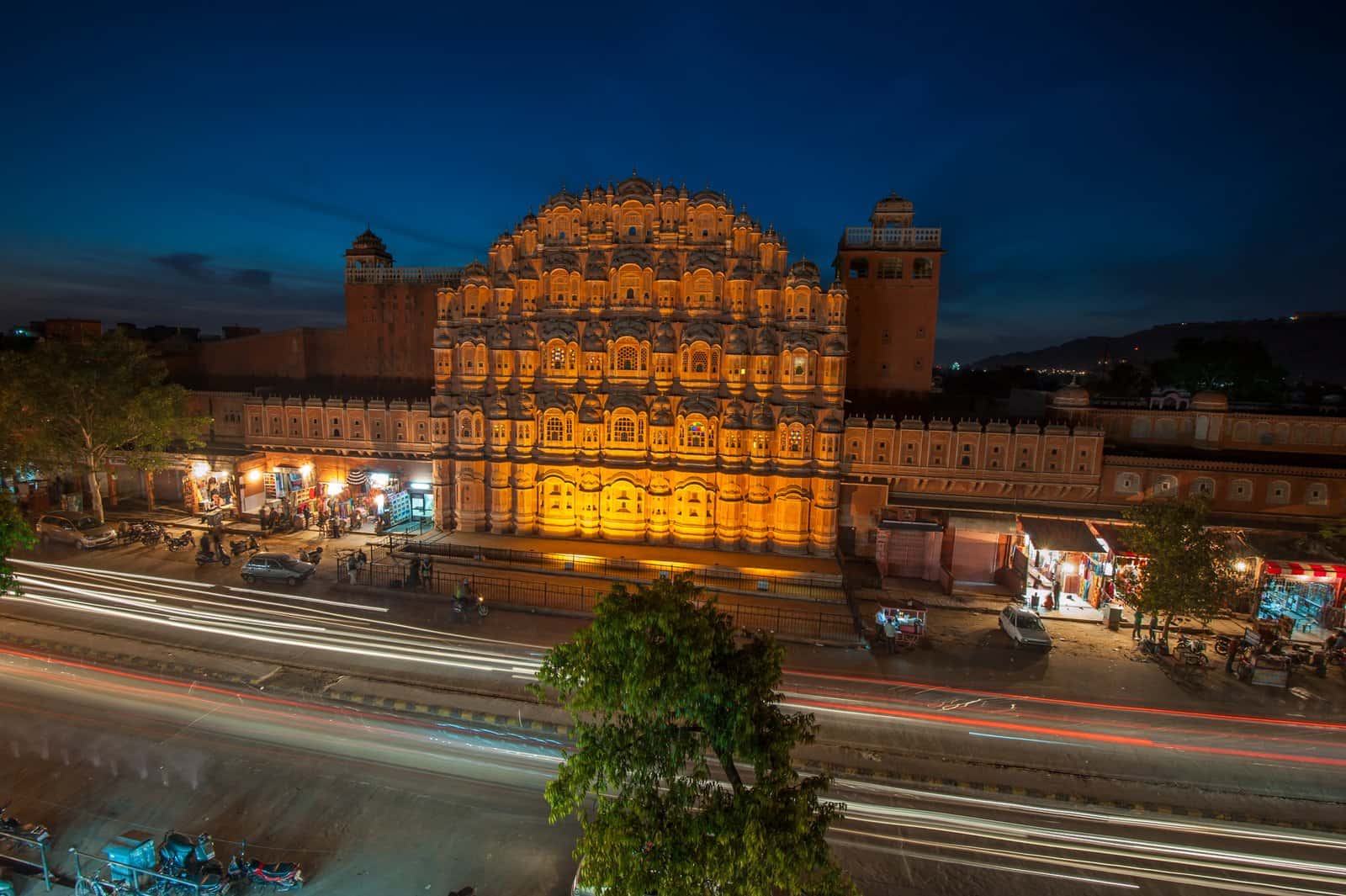
Jaipur Travel Guide
The best months are October to March , cool and clear and perfect for the open forts and the old city. The high summer of April to June is fierce, and the big set-pieces are the...
When to visit Jaipur, and the festivals to plan around
The best months are October to March, cool and clear and perfect for the open forts and the old city. The high summer of April to June is fierce, and the big set-pieces are the Literature Festival in January and Gangaur and Teej in spring and monsoon.
- November to February: the classic JaipurCool, dry and clear, dipping to around 8 degrees on winter mornings and pleasant by day. This is the most popular window, with the Jaipur Literature Festival in mid-January and the Kite Festival on Makar Sankranti, so book hotels well ahead and expect the forts to be busy.
- October and March: warm but rewardingComfortable for sightseeing with thinner crowds. Around mid-March the colourful Gangaur procession winds through the old city, one of Rajasthan's loveliest festivals, and the desert afternoons begin to warm up, so do the open forts early.
- July to September: the light monsoon and TeejJaipur gets only modest rain, so the city stays green and crowds ease. The Teej procession in the Sawan month, usually July or August, brings swings, green saris and elephants through the streets, a real treat if your dates fall right.
- Decide festival or quiet firstFestival season is a wonderful spectacle but rooms are scarce and dear, especially in Literature Festival week. A normal winter week is gentler and easier to plan. Choose the experience you want before you book, then lock in rooms early either way.
From April to June the afternoons reach about 40 to 45 degrees, hard work at open forts with little shade; if you must come in summer, see the sights early, rest at midday, and carry plenty of water. Festival dates move with the calendar: the Jaipur Literature Festival now runs at Hotel Clarks Amer rather than the old Diggi Palace venue and was held in mid-January in 2026, while Gangaur fell around 21 March 2026. Treat any specific date as expected and reconfirm on the official festival and Rajasthan Tourism sites before you book.
How to reach Jaipur and get around the city
Jaipur has its own airport and a busy junction, the expressway has shortened the Delhi drive, and the Pink Line metro now runs underground into the walled old city. Autos and app-cabs cover the rest.
- By airJaipur airport (Sanganer, code JAI) is about 13 km from the centre, with wide domestic links and direct international flights from the Gulf and Bangkok. A prepaid taxi into town takes about 25 to 30 minutes, and the airport is the practical arrival point for most overseas visitors via Delhi or a Gulf hub.
- By trainJaipur Junction is well connected, with fast daytime trains from Delhi in about 4.5 to 5 hours, including premium services, and good links from across Rajasthan and beyond. Book on IRCTC a little ahead in season. It is a comfortable, scenic way to arrive from the capital.
- By road from Delhi and AgraThe Delhi to Jaipur drive is about 280 km; with the expressway allow roughly 4 to 5 hours for real traffic rather than the optimistic 3-hour figure you often see. Jaipur to Agra is about 240 km and 4 to 4.5 hours, which is why the Golden Triangle flows so well. We can arrange a car with an experienced driver.
- Getting around: metro, autos and app-cabsThe Jaipur Metro Pink Line runs Mansarovar to Badi Chaupar with underground stations at Chandpole, Chhoti Chaupar and Badi Chaupar inside the walled city, the easy car-free way to the City Palace, Hawa Mahal and Johari Bazaar, at about 10 to 30 rupees and roughly 6 am to 10 pm. For everything else use Ola, Uber or a metered auto; agree the auto fare first, as quotes to visitors start high.
Jaipur has direct flights from Dubai, Sharjah and Muscat, which carry most of the city's overseas visitors, handy for Rajasthanis and NRIs in the Gulf. Reconfirm current routes, as airline schedules change seasonally.
There are direct flights from Bangkok, a useful gateway for travellers from Southeast Asia and onward from Australia. Otherwise connect through Delhi.
There are no nonstop flights to Jaipur. The easiest way is to fly into Delhi and drive or train down in a few hours, or connect through a Gulf hub such as Dubai. Most first-trip visitors land in Delhi and do the Golden Triangle.
The composite ticket, City Palace and the fees that confuse everyone
Jaipur's tickets trip up almost every first-timer. There is a government composite ticket, a separate royal-trust City Palace ticket, and a separate Amber Light show. Here is the whole map, current and hedged.
- The government composite ticketOne ticket, valid two consecutive days, covers the government-run sites, commonly Amber Fort, Jantar Mantar, Hawa Mahal, Nahargarh, Albert Hall, Isarlat and two gardens. Reported 2026 prices range from about 200 to 450 rupees for Indians and about 1,000 to 1,700 rupees for foreign nationals, so check the printed price at the counter. If you will see three or more of these, it is far better value than separate entries.
- City Palace is separate, and royal-runCity Palace is run by the royal family trust and is not in the government composite ticket. Museum entry is around 400 rupees for Indian adults (a higher foreign rate), open 9:30 am to 6:30 pm with last tickets by about 6 pm. It also sells its own composite of around 500 rupees that adds Jaigarh and the Royal Cenotaphs, so do not assume your government ticket gets you in.
- The Chandra Mahal Royal TourIf it is in budget, the Chandra Mahal Royal Tour walks you through the private royal floors, Sri Niwas, Chhavi Niwas and Pritam Niwas, with a personal guide and refreshments, at around 4,000 rupees a head. It is a treat, and tickets for it are sold only at the City Palace counter, not online.
- Standalone fees, if you skip the compositeBought singly, Hawa Mahal, Jantar Mantar and Nahargarh are each around 100 rupees for Indians and 600 rupees for foreign nationals, and Albert Hall around 50 and 300. Amber Fort alone is around 200 and 1,000. Add two or three of these and the composite ticket pays for itself.
Rajasthan revised monument fees from early 2026 and the figures above are approximate and move with government updates, so treat them as a planning guide and confirm at the counter on the day. At City Palace, the Textile Gallery in Mubarak Mahal closed from 27 March 2026 for restoration, and the Museum at Night slot has been temporarily suspended, so check the City Palace site before counting on either.
The forts, palaces and the UNESCO Pink City
Jaipur is Amber Fort on its hill, the City Palace and observatory in the walled town, and the painted Pink City around them. Here is how to see the big sights in the right order and the right light.
- Amber (Amer) FortThe grand hilltop fort-palace about 11 km out, with mirror halls and courtyards over Maota Lake, a UNESCO World Heritage Site open roughly 8 am to 5:30 pm. Go early to beat the heat and the crowds, and drive or take a jeep right up to the top, so there is no need to climb or take an elephant. The evening Light and Sound show is a separate ticket, covered below.
- City Palace and Jantar MantarIn the heart of the walled city, the living City Palace blends Rajput, Mughal and European styles around its courtyards, and the adjacent Jantar Mantar is a UNESCO-listed royal observatory of giant stone instruments built by Jai Singh II that still tell the time and track the stars. The two sit a short walk apart and make a natural morning.
- Hawa Mahal, the photo and the climbThe five-storey Palace of Winds with its 953 jharokha windows is best photographed from the cafe terraces directly across the street in the soft morning light. You enter from behind through the City Palace complex; the climb inside is gentle and the breeze and the street views are the reward.
- Nahargarh, Jaigarh and the city viewNahargarh Fort on the ridge is loveliest at sunset for the view over the whole city, and Jaigarh just above Amber holds one of the world's largest wheeled cannons. The Jal Mahal water palace, best seen from the lakeside causeway, is a classic photo stop on the way to Amber.
The walled old city, painted its famous pink, was added to the UNESCO World Heritage list in 2019 for its remarkable 1727 grid plan. Patrika Gate, the bazaars around the City Palace and the painted gates are the heart of it, and a delight to wander on foot in the cool of the morning before the traffic builds. The Pink Line metro drops you right inside the walls at Badi Chaupar.
Elephant rides at Amber: the welfare question, and your kinder options
The elephant ride up Amber's ramp is the one ethical decision most Jaipur visitors face. Here is the honest picture, the welfare concerns, the rules, and the gentler ways to enjoy elephants and reach the fort.
- The welfare concern, plainlyAnimal-welfare groups including PETA and World Animal Protection have long campaigned against the Amber rides, documenting bull-hook control, heavy saddles and long working hours on hard ramps. Many travellers now skip the ride for these reasons, and several major travel platforms have stopped selling elephant-ride tickets. We think this is a decision worth making with eyes open.
- If you are still weighing it upRides run only in the morning, roughly 7:30 to 11:30 am, each elephant is legally capped at about five trips a day, and the official rate is around 2,500 rupees per elephant for up to two people, paid at the counter. They often sell out by mid-morning in peak season. There is no genuine online booking, so ignore agents claiming otherwise.
- Reach the top without the rideYou can drive a car or take a jeep right up to the Jaleb Chowk courtyard, which is also the comfortable choice for seniors and anyone who cannot manage the cobbled climb. This is the simplest, kindest way up and costs far less than a ride.
- Meet elephants kindly insteadIf you want time with elephants, choose a no-rides experience such as Elefantastic, where you feed and walk with them, or visit Hathi Gaon, the elephant village on the city edge spread over about 30 hectares. Both are warmer experiences and easy on the conscience.
If the welfare question matters to you, and for many travellers it now does, simply drive or take a jeep to the top of Amber and spend your time and money on a guide, the Light and Sound show or a craft workshop instead. You lose nothing of the fort and gain a clear conscience, and a senior or anyone with limited mobility reaches the courtyards in comfort either way.
Signature experiences, bazaars and Rajasthani food
Beyond the forts, Jaipur is craft, colour and food. Here are the experiences people remember, the named bazaars and dishes, and how to do them well.
- A block-printing or blue-pottery workshopIn the Sanganer and Bagru villages you can learn hand block printing, carving and natural dyes and take home your own piece; blue-pottery studios offer the same hands-on afternoon. We can arrange a workshop with a working artisan rather than a showroom demo.
- Shop the named bazaarsJohari Bazaar for jewellery, Bapu Bazaar for textiles and the famous mojari and jutti slippers, Tripolia for lac bangles, and Chandpole and Nehru Bazaar for everyday colour. Browse happily, agree a price before you buy, and remember there is no pressure to.
- Eat the real Rajasthani plateTry dal baati churma, gatte ki sabzi, ker sangri and mirchi bada, the famous pyaaz kachori at Rawat Mishthan Bhandar opposite Sindhi Camp bus stand, and sweets like mawa kachori and the wheel-shaped ghewar. Sit-down classics include Niro's and Copper Chimney on MI Road and the Peacock Rooftop for a view.
- A hot-air balloon over Amber, or Chokhi DhaniOn clear mornings you can drift by balloon over the forts and lakes around Amber, a gentle, memorable way to see the landscape; book ahead as flights depend on weather. For an easy folk-village evening with music, puppets and a big thali, Chokhi Dhani on the edge of town is touristy but families and first-timers enjoy it.
If you do one thing slowly, make it a morning in the old city on foot: the painted gates, the bazaars waking up, a pyaaz kachori and chai, and the Hawa Mahal in the early light before the traffic. The forts are the headline, but the walled Pink City at dawn is the memory people carry home, and it costs nothing but an early start.
Where to stay in Jaipur, and how many nights
Stay in or near the walled old city to be among the sights, in leafy C-Scheme and Civil Lines for comfort and food, or in a heritage haveli for the storybook feel. Two nights is the sweet spot.
- Old city and around: in the thick of itIn and just outside the pink walls puts you walking distance from the City Palace, Hawa Mahal and Johari Bazaar, with the Pink Line metro at hand. Atmospheric and convenient, but busier and noisier, with more touts. Best for first-timers who want to step straight into the scene, and budget guesthouses and hostels cluster here.
- C-Scheme and Civil Lines: comfort and foodThe leafy planned districts west of the old city hold many of the comfortable mid-range and business hotels, the best cafes and restaurants, and easy access to MI Road. Quieter and greener, a short auto or metro hop from the sights, and the natural choice for families and longer stays.
- Heritage havelis and palace hotelsJaipur is the place to splurge on a converted haveli or a palace hotel for the full Rajput experience, from characterful mid-range havelis to the grand names. Many sit on the edges of town with courtyards and pools, so factor a short drive into the sights.
- How many nightsTwo full days and nights cover the highlights comfortably, one for the old city and one for the Amber circuit. Add a third night for craft workshops, a balloon, or a day trip to Ranthambore or Pushkar. A single rushed day only scratches the surface and means choosing between the old city and the forts.
During the Jaipur Literature Festival in January and the spring festivals, hotels fill months ahead at higher prices. If your dates fall on a festival, book well in advance, and consider C-Scheme or Civil Lines if the old-city heritage stays are full or pricey.
Jaipur costs and a realistic daily budget
Jaipur can be done cheaply or in palace-hotel style. Here is what the main things cost, so you can plan and avoid being overcharged.
- A rough daily budgetExcluding your room and long-distance transport, plan on about 1,500 to 2,500 rupees a day as a backpacker, about 4,000 to 7,000 rupees mid-range, and more for a comfortable day with a car, a guide and some shopping. The monuments and a meal out are the main fixed costs.
- The monument costs to budgetBudget around 200 to 450 rupees for the government composite ticket if Indian, more if foreign, plus around 400 rupees for City Palace, and around 295 rupees for the Amber Light and Sound show if you want it. A half-day guide is a worthwhile add-on at the bigger sites.
- The negotiable thingsAuto fares, bazaar goods and a guide's rate are all negotiable; agree them before you commit. App-cabs like Ola and Uber take the haggling out of getting around, and the metro is fixed-price into the old city. Settle prices first and the city's only real friction disappears.
- Cash, cards and UPICards and UPI work in hotels, cafes and bigger shops, but the bazaars, autos and small eateries run on cash, and the elephant counter and some monument windows are cash-friendly. Draw cash at ATMs in the main markets and keep small notes for autos and tips.
Almost everything in Jaipur outside the monuments is negotiable, so the single habit that saves money and stress is to agree the price before anything begins, whether that is an auto ride, a bazaar purchase or a guide. Quotes to visitors start high and come down without drama, and using app-cabs and the metro for the bulk of your movement removes the haggling entirely.
Practical logistics: heat, water, SIM and getting around
The small things that make a Jaipur day smooth, from the heat and water to ATMs, the metro and local transport.
- Beat the heat and the dustEven in the cool months the open forts get hot by midday and dust storms are common in spring. Carry water, a hat and sunscreen, see Amber and Nahargarh early, and keep the hot middle of the day for City Palace, a museum or a long lunch. Pack a light layer for genuinely cold winter mornings.
- Getting around townUse the Pink Line metro into the old city, app-cabs like Ola and Uber for door-to-door, and autos for short hops with the fare agreed first. The old city is best walked; the Amber circuit needs a car or cab for the day.
- Money, ATMs and waterATMs are plentiful in the markets and MI Road. Carry cash for the bazaar, autos and small eateries. Drink bottled or filtered water and take the usual care with very spicy street food if you are not used to it.
- SIM, signal and languagePick up an Indian tourist SIM or eSIM at the airport rather than hunting for one later; coverage in the city is good for maps, calls and ride-hailing. Hindi is the local language, but English is widely understood in the tourist and hotel trade, so communicating is easy.
Safety, the gem scam, and staying well
Jaipur is welcoming and broadly safe, but the gem and emporium commission scam catches many first-timers, and the heat is the real health risk. A little awareness keeps the visit happy.
- The gem, carpet and emporium scam, and how to handle itA friendly driver, hotel tout or stranger offers tea or a quick workshop visit that ends at a gem or carpet shop, often with a tale of buying stones to resell abroad at a big profit. The driver earns a large commission and the profit story is false. Buy only what you want for yourself, from a shop you chose, never carry goods for anyone, and a polite, firm no is always enough.
- Autos, touts and the airportAgree auto fares before you set off, or use Ola, Uber and the metro to sidestep haggling entirely. At the station and airport, prefer the prepaid taxi counter. Ignore anyone who tells you your hotel is closed or full and offers a better one; it is a standard commission ploy.
- Heat, water and healthThe heat is the real risk: drink bottled or filtered water, carry sun protection and water for the open forts, and rest at midday in the warmer months. Take the usual care with very spicy street food. Pharmacies are easy to find, and the bigger hotels can call a doctor.
- Solo female travellersMost solo women find Jaipur manageable with standard city precautions. The persistent friction is sales pressure and commission touts rather than violent crime; dress modestly, be firm with touts, use app-cabs after dark and keep to the busier lanes. Many solo travellers rate it one of the easier big Rajasthan cities.
Almost every Jaipur problem reported on traveller forums starts the same way: someone friendly offers to take you somewhere that earns them a commission, a shop, a hotel, an emporium. Keep your own plan, use app-cabs and the metro, choose your own shops, and decline the tea-and-uncle invitation, and the city is warm, colourful and easy.
Jaipur for every kind of traveller, and on access
Jaipur welcomes very different visitors in different ways. Here is what it offers you, the one tip that matters for each, and exactly how a senior reaches the top of Amber comfortably.
- Couples and honeymoonersRomantic to the core: palace and haveli hotels, candlelit rooftop dinners under the forts, and a dawn hot-air balloon over Amber. Choose a heritage stay and an evening at the Amber Light show for the full storybook feel.
- Families with childrenEasy and full of colour: the forts, the puppet and camel shows at Chokhi Dhani, the bazaars and the metro ride into the old city. Distances are short and there is plenty to keep children happy; skip the elephant ride and let them meet elephants kindly at Hathi Gaon instead.
- Senior travellers and on accessibilityVery doable with planning. At Amber Fort, drive or take a jeep right up to the Jaleb Chowk courtyard rather than the climb or an elephant; City Palace has wheelchair access at its main entrances and free wheelchairs and golf carts at around 150 rupees. Keep the open forts to the cool of the morning, rest at midday, and use the metro and app-cabs to limit walking.
- Backpackers and budget travellersReachable by cheap buses and trains from Delhi, with good hostels in and around the old city. The composite ticket, the metro, shared autos and street food keep costs low, and it is the natural Golden Triangle hub for onward travel.
- Solo female travellersGenerally manageable with standard city precautions; the friction is commission touts, not crime. Dress modestly, use app-cabs after dark, be firm with touts, and keep to busier lanes. One of the easier large Rajasthan cities to travel solo.
- Photographers and design loversA dream: Patrika Gate's painted arches, Hawa Mahal at dawn from the cafe terraces, the mirror halls of Amber, Nahargarh at sunset, and the block-print and jewellery bazaars. Early mornings give the best light and the emptiest frames; ask before photographing people.
A suggested two-day Jaipur itinerary
How to shape two unhurried days so you catch the old city and the Amber circuit each in the right light, with the heat handled and the tickets sorted.
- Day one, morning: the old cityStart early at the City Palace around its 9:30 am opening, then the adjacent Jantar Mantar, then walk to the Hawa Mahal and photograph it from the cafe terraces across the street. Buy the government composite ticket at your first stop. Break for a pyaaz kachori and chai in the bazaar.
- Day one, afternoon and eveningRest through the heat, then browse Johari and Bapu Bazaars in the late afternoon, and end with a rooftop dinner looking out to the Nahargarh hills, or a folk evening at Chokhi Dhani. The metro gets you in and out of the walls without traffic.
- Day two: the Amber circuitDrive out early to Amber Fort before the heat and crowds, going up by car or jeep, with the Jal Mahal photo stop on the way. Add Jaigarh just above, then Nahargarh for the late-afternoon city view and sunset. Return for the Amber Light and Sound show if your timing fits.
- A third day or a day tripWith more time, add a Sanganer or Bagru block-printing workshop, a balloon over Amber, or a day trip to Ranthambore for tigers, about 180 km by road, or Pushkar, about a 3 to 4 hour drive. This is where Jaipur becomes the hub of a wider Rajasthan or Golden Triangle trip.
The two things that break a tight Jaipur plan are the midday heat at the open forts and the staggered opening hours: Amber opens at 8 am, City Palace at 9:30 am, Hawa Mahal closes around 4:30 pm. Do the open forts and the photo stops early, keep the hot middle of the day for City Palace, a museum or lunch, and you will never find yourself baking on a fort wall or standing at a shut gate.
The real questions travellers ask about Jaipur
Straight answers to the questions that come up again and again on traveller forums, so you arrive already knowing the score.
- Is two days enough?Yes, two full days cover the highlights comfortably, one for the old city and one for the Amber circuit. A third day adds workshops, a balloon or a day trip. A single rushed day forces you to choose between the walled city and the forts, so try for two nights.
- Are the tickets really this confusing?Unfortunately yes. There is a government composite ticket for the state-run sites, a separate royal-trust ticket for City Palace at around 400 rupees, and a separate Amber Light show at around 295 rupees. Buy the composite at your first monument, and budget City Palace and the show on their own.
- Should I take the elephant ride at Amber?Many travellers now skip it on welfare grounds, with PETA and World Animal Protection campaigning against it and rides capped to mornings and a few trips a day. You can drive or jeep to the top instead, and meet elephants kindly at a no-rides experience. We would steer you to drive up.
- How do I avoid the gem scam?Decline the friendly offer of tea or a workshop that ends at a gem or carpet shop, and ignore the resale-profit story, which is false. Buy only for yourself from a shop you chose, never carry goods for anyone, and use app-cabs so no driver is steering you to a commission shop.
- Is the metro useful, and does it reach the old city?Yes. The Pink Line runs underground into the walled city with stations at Chandpole, Chhoti Chaupar and Badi Chaupar, the easy car-free way to the City Palace, Hawa Mahal and Johari Bazaar, at about 10 to 30 rupees and roughly 6 am to 10 pm.
- When is the Jaipur Literature Festival and where is it now?It runs in January and has moved from the old Diggi Palace to Hotel Clarks Amer; it was held in mid-January in 2026. Dates shift year to year, so confirm on the official festival site before you book, and reserve rooms early as the city fills that week.
Planning Jaipur from abroad and the Golden Triangle
Jaipur is the classic first-trip-to-India city, the colourful third corner of the Golden Triangle, and it suits families, couples and older travellers because it is grand but easy. A little preparation handles the tickets, the touts and the heat.
- Arrive through Delhi or the GulfMost overseas visitors fly into Delhi and reach Jaipur in about 4 to 5 hours by road on the expressway, or by train. From the Gulf there are direct flights into Jaipur itself, and from Bangkok too. There are no nonstops from the US, UK or Europe.
- Do the Golden TriangleJaipur joins Delhi and Agra, with the Taj Mahal, in the classic Golden Triangle, an easy 5 to 6 day loop and the most rewarding first taste of India. Add Ranthambore for tigers, or Pushkar and Udaipur for longer. We can arrange the whole loop with a driver.
- Be ready for the bazaars and the gem scamThe markets are wonderful, but agree prices before buying, and politely ignore anyone pushing gemstones or carpets to resell abroad, which is a long-running commission scam. Carry small notes and a card for the bigger shops, and use app-cabs so no driver steers you to a shop.
- Gentle and senior-friendlyThe sights are grand but not strenuous, and at Amber Fort you can drive to the top rather than climb or ride. With cool winter weather, short distances, the metro and wheelchair access at City Palace, Jaipur is a comfortable choice for parents and grandparents.
Money, connectivity and timing for foreign visitors
The practical basics an overseas traveller needs for Jaipur: cash and cards, a SIM, the ticket budget, and how many days to give it on a wider India trip.
- Carry cash, expect to bargainCards and UPI work in hotels, cafes and bigger shops, but the bazaars, autos and small eateries are cash places, and prices are negotiable. Draw cash at the main-market and MI Road ATMs and keep small notes for autos and tips. The monuments and the elephant counter are cash-friendly too.
- Get a SIM at the airportPick up an Indian tourist SIM or an eSIM when you land in Delhi or Jaipur rather than hunting for one in town. Coverage in the city is good for maps, calls and ride-hailing, which is how you sidestep the auto haggling and the commission touts.
- Budget the tickets in advanceAs a foreign visitor, budget for the government composite ticket, the separate City Palace ticket and, if you want it, the Amber Light show, which together are the main fixed costs of a Jaipur day. Foreign rates are higher than the Indian figures quoted on most pages, so plan on the higher end and confirm at the counter.
- How long to give it on a bigger tripOn a first India trip, two nights in Jaipur is the right weight between Delhi, Agra and the wider Rajasthan circuit: enough for the old city and the Amber forts without slowing the whole itinerary. Come October to March for comfort, and book festival weeks far ahead.
Jaipur is an unusually rewarding introduction to India: grand, colourful and walkable, with a metro into the old city, app-cabs to skip the haggling, and sights that are easy on older travellers if you drive up Amber. Slot it after Delhi and Agra, give it two nights, handle the gem touts with a firm no, and many overseas visitors say the Pink City is the part of the Golden Triangle they remember most fondly.
How an astronomer-king drew a city on a nine-square grid
Jaipur was not a city that grew by accident. In 1727 the warrior-astronomer Sawai Jai Singh II moved his capital down from the cramped hills of Amber to the plain and had it laid out from scratch, one of the earliest planned cities in India. His chief architect, the Bengali scholar Vidyadhar Bhattacharya, drew the plan from the ancient Shilpa Shastra and the Prastara grid of the Vastu Shastra: a nine-square mandala of wide straight streets crossing at right angles, the blocks said to echo the nine planets, with the royal palaces and the great Jantar Mantar observatory at the heart. Most of it was built in just a few years, from about 1727 to 1731. The famous pink wash came later, in 1876, when the city was painted to welcome the Prince of Wales, and the colour stuck. In 2019 UNESCO inscribed the walled city as a World Heritage Site, honouring exactly this: a rare surviving 18th-century grid city where an astronomer-king turned mathematics and the stars into streets you can still walk.
Planning a Jaipur trip?
Our Rajasthan travel experts plan your full journey for you: route, hotels, darshan timings and transport. You get a free day-by-day plan and an exact quote on WhatsApp, usually within a few hours. No payment is needed to get your plan.
Tour packages that visit Jaipur
Every journey below is private, hand-crafted and fully customizable. Tell us your dates and we tailor the itinerary, the pace and the priests or guides around you.
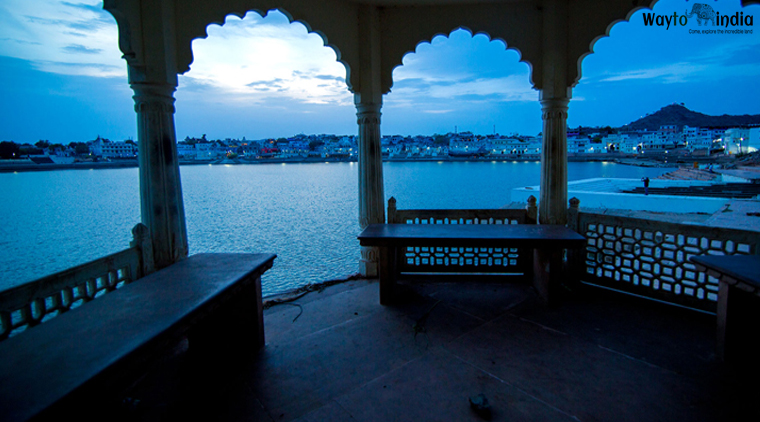 5D / 4N
5 Days Rajasthan Tour Package
- Jaipur
- Pushkar
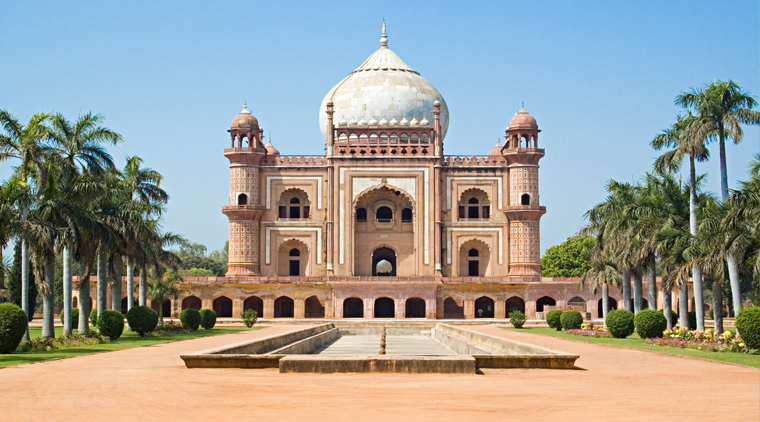 2D / 1N2.0
Agra Jaipur Tour
- Visit Taj Mahal
- Visit Fatehpur Sikri
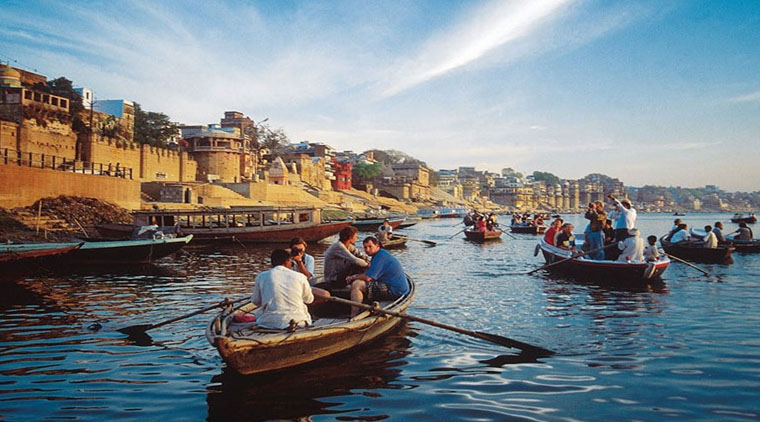 9D / 8N
Golden Triangle Tour With Varanasi
- Enjoy street food in Chandni Chowk
- Visit pink city of Jaipur
 6D / 5N
Golden Triangle Tour
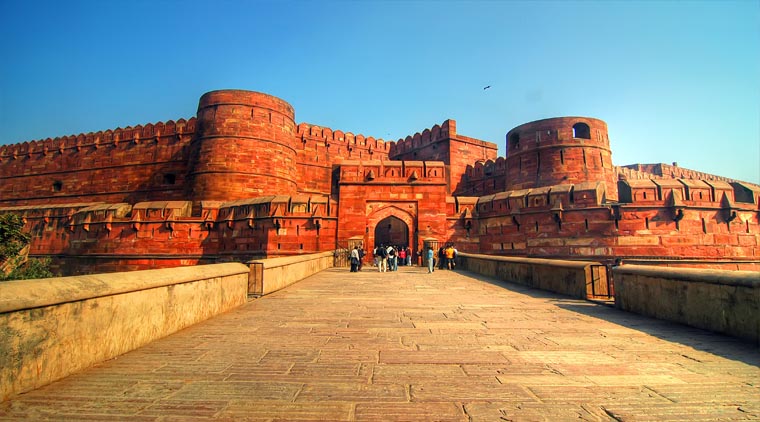
- Sunrise at the Taj Mahal, the white marble mausoleum Shah Jahan built for Mumtaz Mahal
- Amber Fort and its Sheesh Mahal mirror hall above Maota Lake in Jaipur
 10D / 9N
Classic India Tour
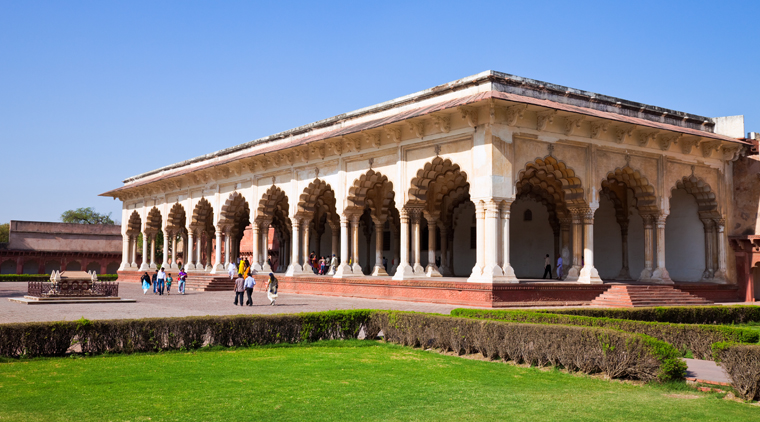
- Visit Qutub Minar & Humayun's Tomb
- Visit Hawa Mahal
 7D / 6N
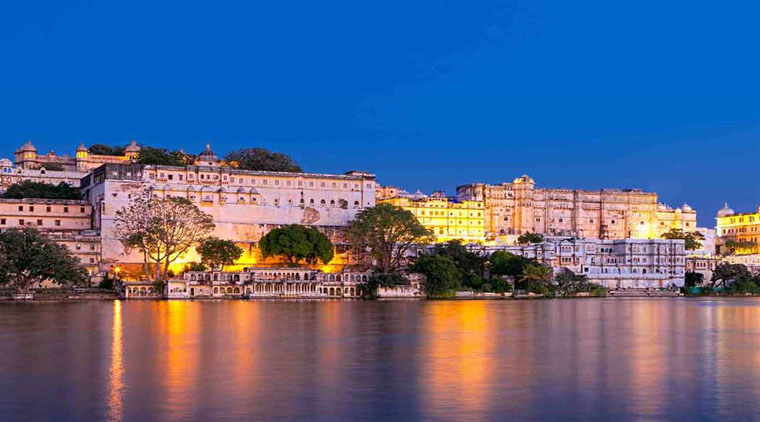
Golden Triangle Tour With Udaipur
- Sightseeing in Delhi
- Visit Taj Mahal & Agra Fort
 9D / 8N
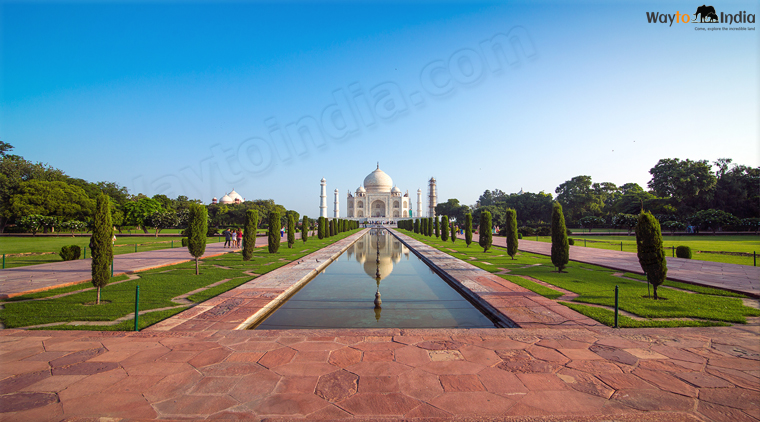
Golden Triangle & Khajuraho Dance Festival Tour
- Enjoy Khajuraho Festival
- Visit Taj Mahal
 11D / 10N
Golden Triangle Tour With Varanasi And Khajuraho
- Delhi
- Agra
 9D / 8N
Golden Triangle Tour With Khajuraho
- Visit Qutub Minar & Rajpath
- Visit Hawa Mahal