
Mandvi Travel Guide
The comfortable window is October to March , cool and breezy on the Kutch coast. Most travellers come in winter, often alongside the Rann of Kutch and its festival season.
When to visit Mandvi, and the season to plan around
The comfortable window is October to March, cool and breezy on the Kutch coast. Most travellers come in winter, often alongside the Rann of Kutch and its festival season.
- October to March: cool and clearThis is the season to come. Coastal days are pleasant, often around 10 to 25 degrees Celsius, and the evenings are breezy and good for a long sunset on the sand. It also overlaps with the Rann of Kutch winter season, so many travellers pair Mandvi with the White Rann on the same trip.
- Late March to June: hot and humidHigh summer on the Kutch coast is fierce, with strong heat and humidity that make the open beach and the palace grounds tiring by midday. If you must come then, keep the middle of the day for rest and shade and do the beach at sunset.
- July to September: the monsoonThe region gets its modest rainfall in these months. The sea is rougher, water sports are often suspended, and outdoor sights can be muddy, so this is the least rewarding window for a beach-focused visit.
- Plan around the Rann seasonBecause winter is also Rann Utsav time near the Great Rann of Kutch, Bhuj and the wider region get busy and rooms fill up. If your dates fall in the festival months, book your Bhuj or Mandvi stay and your transport early, and reconfirm the official festival dates before you commit.
If you want a single rule, come between October and March and aim to be on the beach in the late afternoon. The Kutch coast is at its gentlest then, the light over the windfarm turbines and the dhow yard is at its best near sunset, and you avoid both the summer heat and the rough monsoon sea. Winter weekends and the Rann festival weeks are the busiest, so if you want calm, pick a weekday outside the peak festival window.
How to reach Mandvi, and getting around
Mandvi has no airport or railway of its own. Almost everyone comes through Bhuj, about 60 km away, by share-jeep, bus or taxi.
- Bhuj is the gatewayMandvi has neither an airport nor a railhead. The nearest airport is Bhuj (BHJ) and the nearest railway station is Bhuj, both about 60 km away, roughly 1.5 hours by road. Plan your final leg as a Bhuj to Mandvi transfer, whichever way you arrive in Kutch.
- The Toofan share-jeep, the local wayThe cheapest and most common way from Bhuj is a shared jeep, called a Toofan locally, leaving frequently from the old bus stand area for about 150 rupees per person. It is crowded but quick and authentic, and the way most Kutchis make the trip.
- Bus or private taxiGSRTC and private buses run through the day between Bhuj and Mandvi from about 77 rupees, comfortable enough for a short hop. A private taxi for the drop is about 1,500 to 2,000 rupees, worth it for a family or if you are carrying luggage, but agree the fare before you start.
- Getting around MandviThe town core, the bridge, the bazaar and the shipyard, is walkable, and the beach is a short auto-rickshaw or taxi ride from town, about 10 to 15 minutes past the shipbuilding yard. Autos are easy to find; agree the fare first, as meters are rare.
Fly into Mumbai or Ahmedabad, then take a domestic flight or train to Bhuj, and drive the last 60 km to Mandvi. Bhuj airport is served mainly from Mumbai, with seasonal Delhi flights, so route through Mumbai if your dates are flexible.
Fly into Mumbai or Ahmedabad, connect onward to Bhuj by air or rail, then transfer by road. Mandvi sits easily on a Kutch loop with the Great Rann.
Take a train or flight to Bhuj from Mumbai, Ahmedabad or Delhi, then a Toofan share-jeep, bus or taxi over to Mandvi. Bhuj railway station, under Western Railway, is the simplest rail way in.
The palace, the beaches and the working shipyard
Mandvi is Vijay Vilas Palace, its two beaches, a living dhow shipyard, and the Kranti Teerth memorial. A couple of timing rules are worth knowing before you go.
- Vijay Vilas PalaceThe early-twentieth-century summer palace of the Jadeja rulers, a handsome blend of Rajput and coastal style set in gardens, and a favourite film location. Entry is about 20 rupees for Indian visitors and about 50 rupees for foreign visitors, with a camera charge of about 50 rupees. It is usually open about 9 am to 1 pm and 3 pm to 6 pm and is closed on Thursdays, so never plan a Thursday visit. The top residential floors are off limits as the family still uses them.
- The public beach and the palace beachMandvi has two beaches that travellers mix up. The public beach is lively and free, with camel rides, food stalls and water sports. The private beach beside Vijay Vilas Palace is cleaner and quieter and charges a small ticket, commonly around 20 rupees per person. Choose the public beach for activity and the palace beach for calm.
- The dhow shipbuilding yardOn the banks of the Rukmavati river, just south of the bridge, craftsmen of the Kharva community still build huge wooden ships by hand using techniques roughly 400 years old, for local and overseas buyers. It is a free walk-up sight and the most uncopyable thing in Mandvi, so give it half an hour and watch the builders at work.
- Kranti Teerth and the 72 JinalayaThe Shyamji Krishna Varma Memorial, or Kranti Teerth, honours the freedom fighter born here in 1857, with a replica of London's India House; per Gujarat Tourism it opens 10 am to 6 pm on weekdays, 10 am to 8 pm at weekends, and closes on Thursdays. The 72 Jinalaya, a large marble Jain temple complex at Koday about 10 km away, is free to visit and serene.
Both Vijay Vilas Palace and the Kranti Teerth memorial are closed on Thursdays. This is the single most common wasted trip in Mandvi, because most pages do not mention it. If your only window is a Thursday, build the day around the beaches, the shipyard and the 72 Jinalaya instead, which stay open, and save the palace and the memorial for another day.
Signature experiences in Mandvi
Beyond ticking off the sights, these are the experiences people remember, and how to arrange them without the tourist-trap version.
- Sunset on the windfarm beachThe signature free experience: the wide public beach with rows of wind turbines marching along the coast, best in the last hour before sunset when the light turns gold over the sea and the windmills. Walk away from the busiest stretch for the cleaner sand and the better photographs.
- Watch the dhow builders at workSpend half an hour at the Rukmavati riverbank shipyard watching craftsmen shape a wooden ocean-going dhow by hand. It is free, it is genuinely working, not a museum, and a single ship can take years to build, so you are seeing a craft that has survived 400 years on this exact riverbank.
- Beach water sports, in seasonIn the cool, dry months the public beach offers speed-boat rides, jet skis, banana boats and parasailing. A short speed-boat turn is commonly about 200 rupees and a jet-ski ride is often quoted from about 300 to 500 rupees, but prices and what is running vary by operator and day, so confirm the price and the duration before you climb on.
- A camel or horse ride on the sandA gentle classic on the public beach, especially at sunset. Rides can start as low as about 20 rupees per person, but are usually sold per pair and quoted higher to visitors, so agree the route and the price before you set off and there is no friction afterwards.
- Eat dabeli where it was inventedDabeli, the spiced potato bun with pomegranate and sev, was born in the Kutch region, and Mandvi is one of the best places to eat it. Find a busy stall near the windfarm beach or in the town bazaar, add a kachori and a glass of chaas, and you have eaten very well for very little.
- Buy Kutchi craft at the sourceMandvi and the villages around it make bandhani tie-and-dye, Ajrakh block printing, mud-and-mirror work, leather and copper bells. Buying directly from an artisan co-operative is better value and more ethical than a roadside stall, and you carry home something genuinely made in Kutch.
If you do only one thing in Mandvi, make it the shipyard at the riverbank followed by the windfarm beach at sunset. The two together are what make Mandvi different from any other Indian beach town: a 400-year wooden-shipbuilding craft still alive on the same bank, and a coast where the turbines and the sea catch the last light. Both are free, and both reward an unhurried hour rather than a quick photo stop.
Where to stay around Mandvi, and how many nights
Many travellers base in Bhuj and day-trip to Mandvi; others stay by the beach for the calm. One night by the sea is plenty for most.
- Base in Bhuj, day-trip to MandviThe most common plan: stay in Bhuj, the regional hub with the most hotels, transport and restaurants, and come to Mandvi for a half-day or full day. It suits travellers doing a wider Kutch loop with the White Rann and the craft villages, since Bhuj is the natural centre of the trip.
- Stay by the beach for the calmMandvi has beach resorts and heritage stays, including tented and cottage options near the sea, that let you catch sunset and sunrise without the Bhuj commute. Better for couples, families and anyone who wants to slow down on the coast rather than tick off sights.
- How many nightsMandvi itself is a relaxed half-day to full day: the beach, the palace, the shipyard and a meal. One night by the sea is plenty if you want both sunset and a quiet morning. Within a Kutch trip, give the region about 3 to 4 days to add Bhuj, the craft villages and the Great Rann of Kutch.
- Book ahead in festival seasonThrough the winter Rann Utsav months, Bhuj and the Kutch coast get busy and rooms fill up well in advance at higher prices. If your dates fall in the festival window, book your stay and your transport early, whether you base in Bhuj or on the beach.
If your trip is really about Kutch as a whole, base in Bhuj and treat Mandvi as a sunset day-trip, you will lose nothing and gain easier logistics. If your trip is really about the coast, slowing down, and watching the light over the sea and the turbines, stay a night by the beach. The mistake is doing neither well: a rushed midday dash to Mandvi from a distant base misses the late-afternoon magic that is the whole point.
Mandvi costs and a realistic budget
Mandvi is gentle on the wallet. Here is what the main things cost, so you can plan and avoid being overcharged on the negotiable extras.
- The fixed-price thingsVijay Vilas Palace is about 20 rupees for Indian visitors and about 50 rupees for foreign visitors, with a camera charge of about 50 rupees. The palace beach ticket is small, commonly around 20 rupees per person. The public beach, the shipyard and the 72 Jinalaya are free. These are your reliable anchor numbers.
- Getting there from BhujBudget about 150 rupees per person for the Toofan share-jeep, from about 77 rupees for a bus, or about 1,500 to 2,000 rupees for a private taxi drop. For a day-trip from Bhuj, a half-day taxi with waiting is the comfortable option for a family; reconfirm the rate before you set off.
- The negotiable thingsWater sports and rides are quoted high to visitors and vary by day. A speed-boat ride is commonly about 200 rupees and a jet ski about 300 to 500 rupees, while camel and horse rides can start around 20 rupees per person but are usually sold per pair. Agree the price and the duration first and the only friction in Mandvi disappears.
- Cash and cardsCafes and bigger shops in Mandvi and Bhuj take cards or UPI, but the beach vendors, the rides and small stalls run on cash. There are bank ATMs in Mandvi town, so carry enough cash for the day, especially for the beach and the bazaar.
Everything except the palace, the palace-beach ticket and the temples is negotiable, so the single habit that saves money here is to ask the price and agree it before anything begins, whether that is a camel ride, a jet ski or a taxi from Bhuj. Quotes to visitors start high and come down without drama, and a sum agreed in advance turns the town's only friction into a non-event.
Practical logistics: food, money, the dry-state rule and getting around
The small things that make a Mandvi day smooth, from Gujarat's dry-state rule to ATMs, walking and local transport.
- Gujarat is a dry stateThe sale and open consumption of alcohol is prohibited across Gujarat, including Mandvi, so do not plan on a drink. Foreign tourists and visitors can apply for a temporary liquor permit, but it is simplest to treat Mandvi and the whole state as alcohol-free and enjoy the excellent vegetarian food and chaas instead.
- Food: vegetarian and very goodMandvi and Kutch are a vegetarian-food stronghold. The Kutchi and Gujarati thali, the street dabeli and kachori, and the Jain bhojanalaya at the 72 Jinalaya are all worth seeking out. Eat at busy, freshly cooked stalls, drink bottled or filtered water, and you will eat well and safely.
- Money, ATMs and connectivityBank ATMs are in Mandvi town and plentiful in Bhuj. Carry cash for the beach, the rides and small eateries, as not everyone takes cards or UPI. Mobile coverage is generally fine in town and on the beach for calls, data and maps.
- Getting around and languageThe town is walkable and the beach is a short auto or taxi ride past the shipyard. Gujarati and Kutchi are the local languages, with Hindi widely understood and English common in the tourist trade, so communicating is easy. Agree auto and taxi fares before you ride.
Safety, the sea, and staying well
Mandvi is calm and welcoming, with little of the tout pressure of bigger tourist towns. The main care is the sea, the sun, and agreeing prices in advance.
- Respect the seaMandvi beach has gentle stretches but currents and depth change, and lifeguard cover is limited. Swim only where locals do and where it is shallow, keep a close eye on children, and do not go in after a water-sports ride if you are tired. The safest plan is to enjoy the sand and the rides and treat deep swimming with caution.
- Sun, heat and waterThe open beach and the palace gardens have little shade, so carry sun protection and water, especially from March onwards. Drink bottled or filtered water, take the usual care with street food by choosing busy, freshly cooked stalls, and you will avoid the common upsets.
- Agree prices to avoid the only frictionMandvi has very little aggressive touting compared with bigger destinations, but ride and water-sports vendors quote high to visitors. Agree the price and the duration before you start, whether it is a camel ride, a jet ski or a Bhuj taxi, and the experience stays friendly.
- Border zone awarenessKutch sits near the India-Pakistan border. Mandvi itself is an ordinary, relaxed town, but if you continue to the Great Rann you will pass checkposts and need a permit; carry photo ID at all times in the region and do not photograph military or border installations.
Mandvi is one of the gentler, lower-pressure stops in India to travel alone or with children. The friction reported by travellers is sales pressure on rides rather than anything threatening, so being firm on prices and using common-sense sea caution covers almost everything. Families especially like the quieter palace beach, where the calmer water and cleaner sand make it easier to relax with small children.
Mandvi for every kind of traveller, and on access
Mandvi suits different visitors in different ways. Here is what it offers you and the one tip that matters for each, including how a senior or a family visits comfortably.
- Families with childrenEasy and rewarding: camel rides, gentle water sports and a wide beach. Choose the quieter palace beach for small children, where the water is calmer and the sand cleaner, and keep deep swimming off the table in favour of paddling and the sand.
- CouplesSlow and scenic: a sunset on the windfarm beach, a meal of Kutchi food, and a heritage or beach stay. An overnight rather than a midday day-trip lets you catch both the sunset and a quiet morning by the sea.
- Senior travellers and on accessibilityVery doable with a little planning. The beach sand is soft and tiring to walk far on, so pick a spot near the access point; the palace has steps and the gardens are open and sunny, so visit in the cooler morning or late afternoon. A private taxi from Bhuj with waiting is the comfortable way to do Mandvi without the crowded share-jeep.
- PhotographersMandvi is unusually photogenic: the wooden dhows under construction, the wind turbines along the coast, the palace facade, and the fishing boats on the Rukmavati. The hour before sunset is the frame to wait for. Ask before photographing people at work in the shipyard.
- Solo travellersRelaxed and low-pressure, with little of the touting of bigger destinations. The Toofan share-jeep from Bhuj is an easy, cheap way in, and the town is small and walkable. Agree ride prices in advance and keep the usual sea caution and you will have a calm, easy visit.
- Pilgrims and heritage travellersThe 72 Jinalaya at Koday is a serene marble Jain complex with a welcoming bhojanalaya, and the Kranti Teerth memorial tells the story of a Mandvi-born freedom fighter. Together with the palace they give the trip a heritage and spiritual layer beyond the beach.
A suggested Mandvi itinerary
How to shape a half-day or full day in Mandvi so you catch the beach at its best light and avoid the Thursday closures.
- The half-day versionComing from Bhuj for an afternoon, arrive by about 3 pm, see Vijay Vilas Palace, walk the riverbank shipyard, then move to the public or palace beach for sunset and a plate of dabeli. This is the most popular way to do Mandvi and it works well, as long as it is not a Thursday.
- The full-day versionWith a whole day, start with the palace in the morning, add the Kranti Teerth memorial and the 72 Jinalaya at Koday, break for a Kutchi thali, then spend the late afternoon and sunset at the beach with the shipyard on the way. A relaxed, complete day without rushing.
- Stay a night for the slow versionAn overnight by the beach lets you catch sunset and a quiet sunrise, swim or paddle in the calm of the morning, and eat well without watching the clock for the last jeep to Bhuj. Best for couples and families who want the coast rather than a checklist.
- Mandvi within a Kutch tripOn a 3 to 4 day Kutch loop, give a day to Bhuj and its old town, a day or half-day to Mandvi and the coast, and a day to the Great Rann of Kutch and the craft villages. Mandvi is the gentle coastal chapter between the city and the desert.
Two things break a tight Mandvi plan: arriving on a Thursday, when Vijay Vilas Palace and the Kranti Teerth memorial are both shut, and arriving at midday, when the heat is high and the magic light is hours away. Build the day so the palace falls in the morning or before 6 pm on a non-Thursday, and so the beach falls in the last hour before sunset, and a half-day in Mandvi delivers everything it has to offer.
The real questions travellers ask about Mandvi
Straight answers to the questions that come up again and again on the TripAdvisor Mandvi forum, so you arrive already knowing the score.
- Is Mandvi worth a full day, or is half a day enough?For most travellers a half-day from mid-afternoon to sunset covers the headline sights and the beach comfortably. A full day or an overnight is worth it if you want the palace, the memorial, the 72 Jinalaya and a slow beach evening, or if you simply want to relax by the sea rather than tick boxes.
- How do I get there from Bhuj?Bhuj is the gateway, about 60 km and 1.5 hours away. Take the Toofan share-jeep from the old bus stand area for about 150 rupees per person, a bus from about 77 rupees, or a private taxi for about 1,500 to 2,000 rupees. There is no airport or railhead in Mandvi itself.
- Public beach or palace beach?The public beach is free and lively, with rides, vendors and water sports. The palace beach beside Vijay Vilas is quieter and cleaner and charges a small ticket, commonly around 20 rupees per person. Families and anyone wanting calm prefer the palace beach; the public beach is the place for activity.
- What are the palace timings and fee, and can I take photos?Vijay Vilas Palace is about 20 rupees for Indian visitors and about 50 rupees for foreign visitors, with a camera charge of about 50 rupees. It is usually open about 9 am to 1 pm and 3 pm to 6 pm and closed on Thursdays. Photography is allowed in the public areas with the camera ticket.
- Can I really watch the dhows being built, and is it free?Yes. The working shipyard on the Rukmavati riverbank, just south of the bridge, is a free walk-up sight where craftsmen still build wooden ocean-going ships by hand. It is genuinely active, not a museum, and watching the builders is one of the best things to do in town.
- Do I need a permit, and is alcohol available?You do not need a permit for Mandvi itself, but the Great Rann of Kutch is a border zone that needs a permit, about 100 rupees per person and about 50 rupees per car, with photo ID and, for foreign visitors, a passport. And Gujarat is a dry state, so do not plan on a drink in Mandvi.
Planning Mandvi from abroad
Mandvi is the gentle coastal chapter of a Kutch trip and pairs naturally with the White Rann. A little preparation makes the Bhuj gateway, the border permit and the dry-state rule easy to handle.
- Route through BhujThere is no airport or railhead in Mandvi, so route through Bhuj. From overseas, fly into Mumbai or Ahmedabad, then take a domestic flight or train to Bhuj, and drive the last 60 km. Bhuj airport is served mainly from Mumbai, with seasonal Delhi flights, so Mumbai is the most reliable connection.
- Know the border permit for the RannIf you continue from Mandvi to the Great Rann of Kutch, it is a restricted border zone and needs a permit, about 100 rupees per person and about 50 rupees per car. Carry your passport, as foreign visitors must show it, and keep photo ID on you throughout the region.
- Gujarat is a dry stateAlcohol is prohibited across Gujarat. Foreign tourists can apply for a temporary liquor permit, but it is simplest to treat the whole trip as alcohol-free and enjoy the vegetarian food and chaas. This surprises many first-time visitors, so plan for it.
- Pair Mandvi with the White RannMandvi is the soft coastal counterpoint to the stark White Rann. On a Kutch loop, give the region about 3 to 4 days: Bhuj and its old town, Mandvi and the coast, and the Great Rann and the craft villages. Mandvi is the place to slow down between the city and the desert.
Money, connectivity and timing for foreign visitors
The practical basics an overseas traveller needs for the Kutch coast: cash, cards, a SIM, and how many days to give Mandvi on a wider India trip.
- Carry cash, expect to bargainCards and UPI work in hotels and bigger shops in Mandvi and Bhuj, but the beach, the rides and small stalls are cash places, and ride prices are negotiable. Draw cash at the town ATMs and keep small notes for rides, tips and dabeli.
- Get a SIM at the airportPick up an Indian tourist SIM or an eSIM when you land in Mumbai or Ahmedabad rather than hunting for one in Kutch. Coverage in Mandvi and on the beach is fine for maps, calls and ride-hailing back to Bhuj.
- How long to give it on a bigger tripOn a Kutch trip, Mandvi is a half-day to a night within a 3 to 4 day regional loop. That is enough for the palace, the shipyard, the beach and a sunset, without slowing the rest of the itinerary around Bhuj and the Great Rann.
- Time your visit to your comfortOctober to March is the comfortable window on the coast, around 10 to 25 degrees Celsius by day. The winter Rann Utsav months are busiest and dearest, so if you want calm, come on a weekday outside the peak festival weeks and you will have the beach almost to yourself.
Mandvi is an unusually gentle introduction to coastal India: small, walkable, low on touts, and because Gujarat is dry and largely vegetarian, calmer than a big beach resort elsewhere. Slot it after Bhuj, give it a half-day or a night, and let it be the slow seaside chapter before or after the White Rann. Many overseas visitors say the working dhow shipyard ends up being the most memorable thing they saw in Kutch.
The 400-year shipyard where dhows are still built by hand
Mandvi was founded as a seaport in the late sixteenth century by the rulers of Kutch, and for centuries its sailors carried Kutchi trade across the Arabian Sea to the Gulf and East Africa. The most remarkable survival of that history sits on the banks of the Rukmavati river, just south of the bridge, where craftsmen of the seafaring Kharva community still build large wooden ocean-going dhows entirely by hand, using techniques passed down for roughly four hundred years. A single ship can take years to complete and last for decades at sea, and they are still ordered by buyers in India and overseas. No museum recreates this; it is a working yard you can walk up to and watch for free. Stand there a while and you understand what Mandvi really is: not just a beach, but the last living chapter of a maritime craft that built the wealth of the Kutch coast.
Planning a Mandvi trip?
Our Gujarat travel experts plan your full journey for you: route, hotels, darshan timings and transport. You get a free day-by-day plan and an exact quote on WhatsApp, usually within a few hours. No payment is needed to get your plan.
Tour packages that visit Mandvi
Every journey below is private, hand-crafted and fully customizable. Tell us your dates and we tailor the itinerary, the pace and the priests or guides around you.
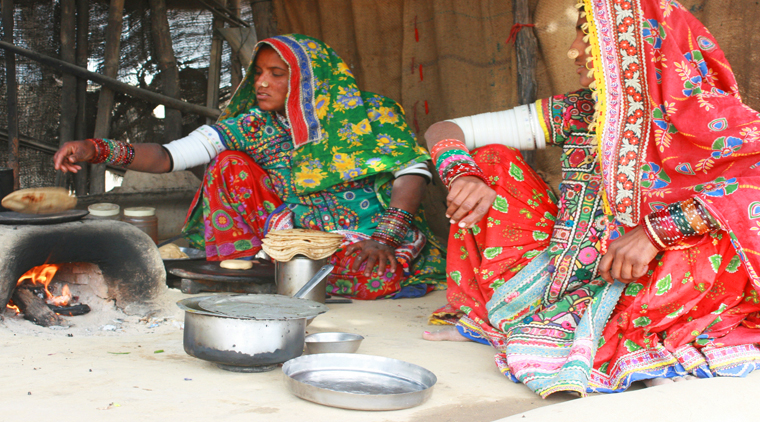 5D / 4N
Rann of Kutch Tour Package
- Visit Swaminarayan Temple & Aina Mahal Museum at Bhuj.
- Visit Great Rann of Kutch.
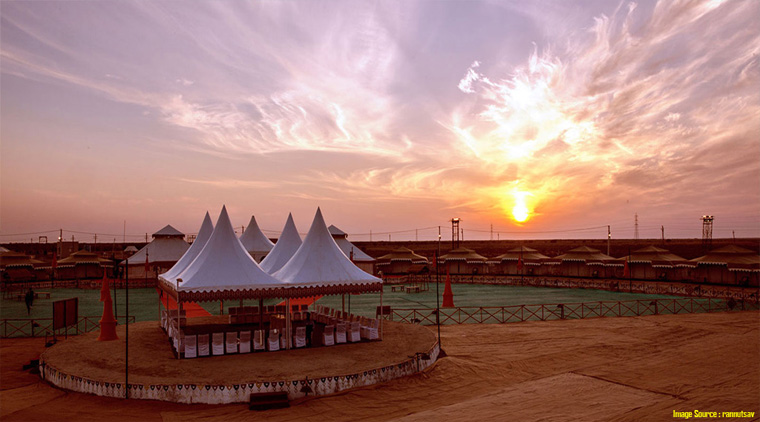 6D / 5N
Rann of Kutch Festival Packages
- Enjoy Jeep Safri along the Rann of Kutch.
- Visit Aina Mahal Museum at Bhuj.
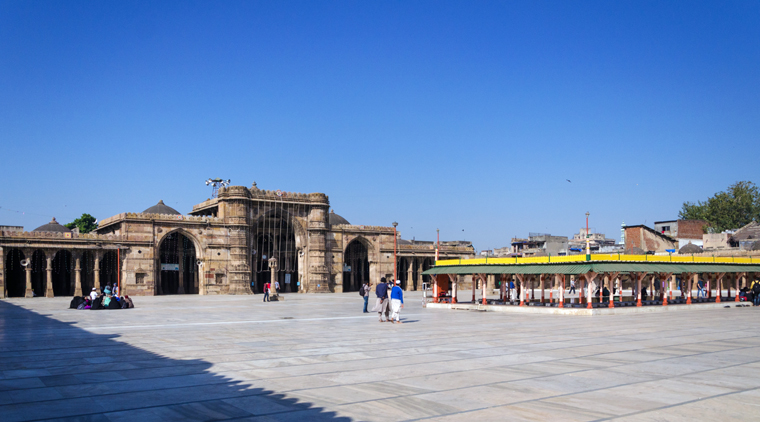 7D / 6N
Fascinating Gujarat Holiday Tour Package
- Visit Lakhota Lake & Lakhota Museum at Jamnagar.
- Visit Dwarkadeesh Temple & Nageshwar Jyotirlinga.