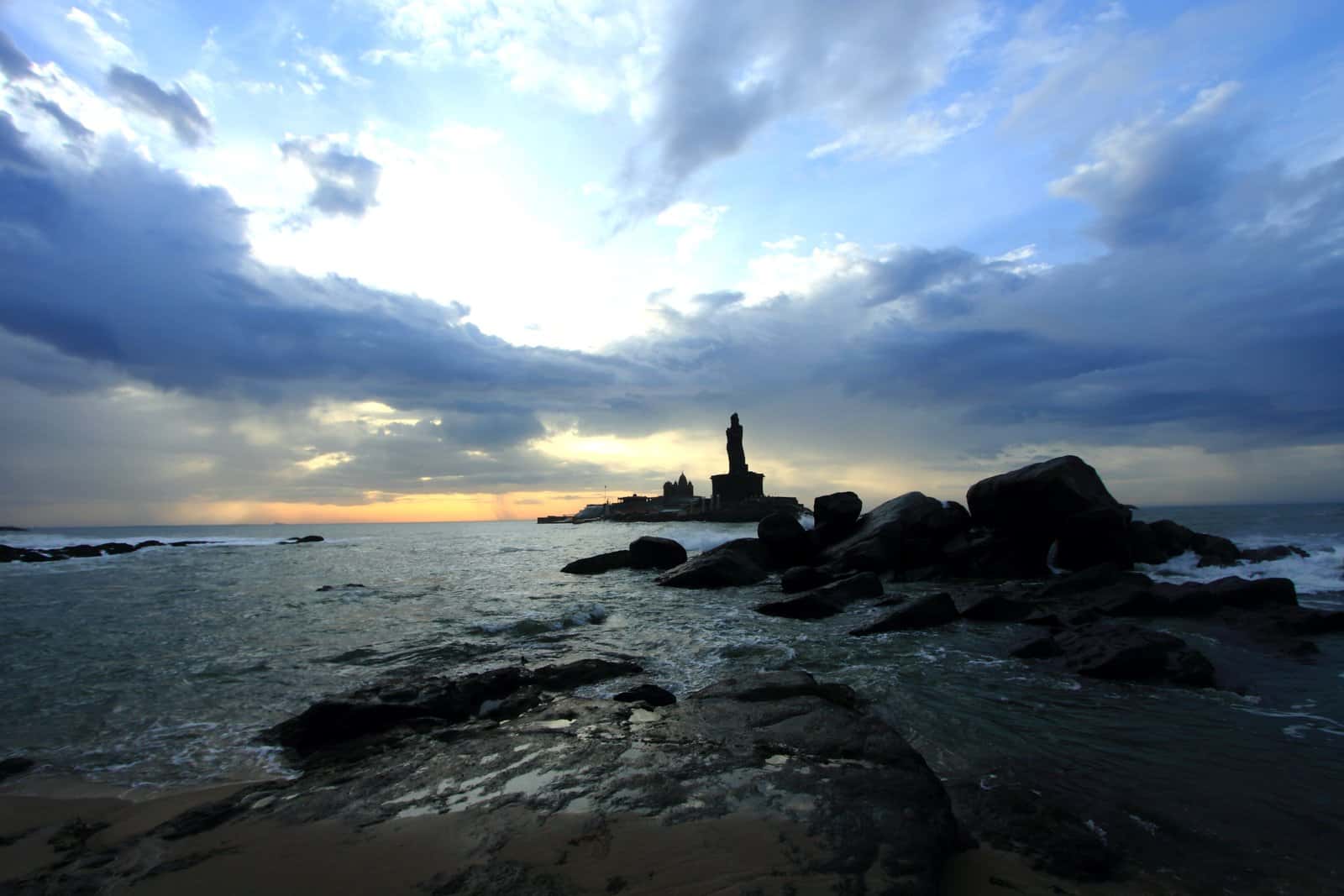
Kanyakumari Travel Guide
The best months are October to March , when the weather is pleasant, the skies are clearest for sunrise and sunset, and the sea is calm enough for the ferry. The one thing to...
When to visit Kanyakumari, and the ferry season
The best months are October to March, when the weather is pleasant, the skies are clearest for sunrise and sunset, and the sea is calm enough for the ferry. The one thing to plan around: in the monsoon the ferry to Vivekananda Rock often stops.
- October to March: pleasant and calmThe comfortable season at land's end. Days are warm rather than fierce, the winter skies are crisp and clear for both the sunrise and the sunset, and the sea is at its calmest, which means the ferry to the rocks runs most reliably. This is the window for an unhurried visit, and it is also the busiest, so book a sea-view room ahead.
- April to June: hot and humidSummer on the coast is sticky rather than scorching, tempered by the sea breeze, but the middle of the day is tiring. If you come then, do the sunrise and the ferry at dawn and rest through the heat. April also brings the Chitra Pournami full moon, when the sun sets and the moon rises over the sea at almost the same time, which can be worth timing a visit for.
- Mind the monsoon and the ferryFrom about June to September the southwest monsoon brings rough seas, and the government ferry to Vivekananda Rock is frequently suspended for safety; the Thiruvalluvar statue landing and the glass bridge may close too. The town is dramatic in the rain, but if the rock is the reason you are coming, travel in the calm season and go early in the day.
- Decide what you are coming forIf it is the sunrise and the rock, weight your plan to October to February and the early mornings. If it is the Chitra Pournami spectacle, plan around the April full moon and book far ahead, as that weekend fills. Knowing which you want before you book saves a wasted trip in a cloudy or rough-sea spell.
Almost everyone at the tip wants the Vivekananda Rock ferry, and the queue is shortest just after the boats start and longest once the tour buses arrive in mid-morning, when waits can reach about 1 to 2 hours. Go at opening (the memorial is open about 8 am to 4 pm, later to about 5 pm on Sundays) or pre-book online through the official Poompuhar portal at psckfs.tn.gov.in, and keep the visit flexible, because rough seas can stop the boats with little notice.
How to reach Kanyakumari, and getting around
Kanyakumari is the southernmost point of the country, reached most easily through Trivandrum airport in Kerala, and it has its own railway terminus right at the tip. The core is small and walkable once you arrive.
- By air via TrivandrumThe nearest airport is Trivandrum (Thiruvananthapuram) in Kerala, about 85 to 90 km away, roughly 2 to 2.5 hours by road, with frequent domestic flights and direct services from the Gulf. Madurai airport is the other gateway from the Tamil Nadu side, a longer drive. A taxi or pre-booked car covers the run down to the tip, and we can arrange one with an experienced driver.
- By train to land's endKanyakumari has India's southernmost railway terminus, with long-distance trains from across the country, including services up the Kerala coast and all the way to the far north. From Trivandrum the train takes a little over two hours. Book on IRCTC a little ahead in the October-to-March season, when the southern circuit is busy.
- By road and the temple loopIt is an easy drive from Trivandrum and Kovalam down the coast, or from Madurai and Rameshwaram on the classic temple loop. Nagercoil Junction, about 16 to 20 km away, is the nearest large town and an alternative railhead with wider connections than the tip's terminus.
- Getting around the tipOnce you are there, the temple, the ferry jetty, Sunrise Point, the Gandhi Mandapam and the markets all sit within about a kilometre of the front, so most visitors see the core on foot. Use an auto-rickshaw or a hired car for the forts and temples inland, such as Vattakottai and Suchindram, which are a short drive out.
Fly into Trivandrum (usually via a Gulf or Indian metro hub) or Chennai, then drive or take the train down to the tip. Kanyakumari closes the classic southern temple and beach loop, and pairs naturally with Kovalam and Madurai.
Trivandrum has frequent direct flights from the Gulf and is only about 2 to 2.5 hours from Kanyakumari, which makes land's end an easy add-on for diaspora travellers on a south India trip.
Direct long-distance trains reach the southernmost terminus from across the country, or fly to Trivandrum or Madurai and drive. The coastal road from Trivandrum and Kovalam is short and scenic.
The temple, the rocks and what you actually pay
Kanyakumari packs its sights into a small, walkable tip: the shore temple, the two offshore rocks now joined by a glass bridge, and the memorials along the front. A couple of rules and costs are worth knowing first.
- Kumari Amman (Bhagavathy Amman) templeThe shore temple of the virgin goddess Kanya Kumari, who gives the town its name. Men must enter bare-chested, removing shirt and vest with the upper body uncovered and a dhoti or trousers below, while women wear a saree, churidar or other Indian dress. Darshan is roughly 4:30 am to about 12:30 pm and again about 4 pm to 8 pm, so time your visit to one of those windows.
- Vivekananda Rock MemorialOn an offshore rock where Swami Vivekananda is said to have meditated, reached by the government Poompuhar ferry. The standard ferry ticket is about 100 rupees (a faster Express or VIP ferry about 300), with memorial entry about 30 rupees. It is open about 8 am to 4 pm. The meditation hall and the view back to the tip are the reward, so leave time to sit a while.
- Thiruvalluvar Statue and the glass bridgeThe 133-foot stone statue of the Tamil poet-saint stands on the next rock, reached by the same ferry. Since the end of 2024 a glass bridge, about 77 metres long and described as India's first over the sea, links the two rocks, so you can now walk between the memorial and the statue. Both can close when the sea is rough.
- Gandhi Mandapam and the frontThe memorial where Gandhi's ashes rested before immersion is built so the sun lights the spot at noon on his birthday, 2 October, and it has a fine sunset view over the water. The whole tip, with the beach, the markets and the memorials, is walkable, which makes it easy to cover in a focused day.
Two things shape a smooth first morning. Men entering the Kumari Amman temple must be bare-chested with the upper body uncovered, so plan the clothing rather than being turned away at the door, and aim for the morning or evening darshan window. For the rocks, go at opening or pre-book the ferry online to skip the worst of the queue. The next section is all about the sunrise, the sunset and the three seas.
Sunrise, sunset and the three seas, honestly
Kanyakumari's magic is the light over the water. It is one of very few places in India to watch both the sunrise and the sunset over the sea from the same shore, above what tradition calls the meeting of three seas.
- Sunrise from the beach and Sunrise PointBe at the beach or Sunrise Point for first light, roughly 5:35 am to 6:15 am depending on the season, with the sun coming up between the two offshore rocks. On a clear winter morning it rises straight out of the sea, the moment most people come for. Arrive 20 minutes early for a spot at the rail, as the front fills quickly.
- Sunset from the Sangam and Gandhi MandapamFor sunset, about 6:15 pm to 6:30 pm, the Sunset View Point, the Triveni Sangam and the Gandhi Mandapam give the cleanest western horizon, usually with fewer crowds than the main beach. The sky over the confluence is the loveliest end to the day, and clearest in the winter months.
- The three seas, told straightTradition holds that the Bay of Bengal, the Arabian Sea and the Indian Ocean meet just off the tip at the Triveni Sangam, and you really do see waves rolling in from different directions. Oceanographers treat these as one continuous ocean, so the three-seas meeting is a revered tradition rather than a line you can draw on the water, and Tamil Nadu Tourism describes it as the place where the seas meet in harmony. Honest or not, standing where the country ends is unforgettable.
- The Chitra Pournami full moonAround April, on the Chitra Pournami full moon, you can watch the sun set in the west and the full moon rise over the eastern sea at almost the same time, around 6 pm, best seen from the Triveni Sangam beach, Sunset Point and Murugan Kunram. It is one of the few places this is visible, and worth timing a visit for if your dates allow.
If you do only one thing slowly at land's end, make it a clear-sky sunrise from the front. Give yourself the unhurried half hour from before first light to the sun clearing the horizon between the rocks, then take the early ferry while the queue is short. The sunrise and the rock together are what people remember of Kanyakumari long after the markets and the day trips fade.
The rock, the forts and the temples around Kanyakumari
Beyond the front, a half-day inland and along the coast adds forts, temples and a curious aqueduct, so the tip never feels thin even on a second day.
- Do the rock early, and the glass bridgeTake the first ferry to Vivekananda Rock, sit a while in the quiet meditation hall, then cross the new glass bridge to the Thiruvalluvar statue and back. Going early beats both the queue and the midday heat, and on calm days you get the rocks almost to yourself before the buses arrive.
- Vattakottai Fort by the seaA small black-granite fort about 6 km up the coast, right on the shore, with the Western Ghats on one side and the sea on the other. It is breezy and uncrowded, a good hour for a sea view away from the busy front, and an easy auto or taxi hop from town.
- Suchindram and PadmanabhapuramThe Thanumalayan temple at Suchindram, about 10 to 13 km away with its famous musical pillars, and the vast wooden Padmanabhapuram Palace about 25 to 35 km away just across the Kerala border are both rewarding half-day trips with a car. Pair them for a full inland morning.
- The Mathur hanging aqueductA long trough-bridge carrying water high across a green valley, a quiet and unusual stop for those with a little more time, best in or just after the rains when the valley is greenest.
- Eat simple and freshLand's end is a small town of vegetarian meals halls and fresh South Indian tiffin, with seafood at a handful of places near the front. Drink bottled or filtered water, take the usual care with street food, and keep meals light around the early starts so the dawn does not catch you sluggish.
The smoothest plan most visitors land on is sunrise from the front, breakfast, then the ferry to the rocks while the queue is still short, leaving the forts and the inland temples for the warmer middle of the day when the rocks are crowded anyway. Keep the late afternoon free for the sunset, and you have seen the best of Kanyakumari without ever standing in the worst of the queue.
Where to stay in Kanyakumari, and how many nights
Stay near the Sunrise Point and the front to walk to everything and catch the dawn from your doorstep, or pick a sea-view resort on the edge for calm and space. One night is the usual stay, two if you want the day trips.
- Near Sunrise Point and the frontThe cluster of lodges and hotels around Sunrise Point and the ferry jetty puts you within a short walk of the dawn, the temple and the boats, which matters a lot when sunrise is before 6 am. It is the practical choice for first-timers and for anyone who wants to roll out of bed to the front, though the lanes are busy and some rooms are basic.
- Sea-view resorts on the edgeA few larger resorts on the outskirts offer pools, gardens and sea-view rooms with more comfort and calm, but you will need a short drive or auto into the core for the sunrise, the temple and the ferry. Better for couples, families and anyone happy to trade a five-minute drive for space and quiet.
- Room budgetsA simple budget lodge near the front runs roughly about 800 to 1,500 rupees, a comfortable mid-range hotel about 2,000 to 3,500 rupees, and the sea-view resorts from about 5,000 rupees and up. Prices climb over long weekends, holidays and the Chitra Pournami full moon, so book ahead in season.
- How many nightsOne full day and a night is enough for the essentials: a sunrise, the ferry to the rocks, the temple and a sunset. Add a second night if you want the day trips to Vattakottai, Suchindram and Padmanabhapuram Palace, or simply a slower pace. Many travellers see the core comfortably in a single well-planned day on the southern loop.
Kanyakumari costs and a realistic daily budget
Kanyakumari is gentle on the wallet, with the big sights either free or a few rupees. Here is what the main things cost so you can plan and avoid being overcharged at the front.
- The fixed-price thingsThe standard Poompuhar ferry to the rocks is about 100 rupees (a faster Express or VIP ferry about 300), with memorial entry about 30 rupees. The Kumari Amman temple, the sunrise, the sunset and the Gandhi Mandapam cost nothing. These ferry and entry numbers are the rare fixed prices in town, set by the government, so they make a useful anchor against any inflated quote.
- A rough daily budgetExcluding your room and long-distance transport, plan on roughly 800 to 1,500 rupees a day as a budget traveller, about 2,000 to 3,500 rupees for a comfortable day with a car for the day trips and sit-down meals, and more if you add a resort and guided touring. Land's end is one of the cheaper stops on a southern itinerary once you are there.
- Where to stay in the budgetRooms are the main cost: about 800 to 1,500 rupees for a simple lodge near the front, about 2,000 to 3,500 rupees mid-range, and from about 5,000 rupees for a sea-view resort. Over the Chitra Pournami weekend and long holidays these rise, so booking ahead saves both money and a scramble for a room.
- Cash, cards and small spendsBigger hotels and restaurants take cards or UPI, but the ferry counter, the small eateries, the markets and the autos run largely on cash. There are bank ATMs in town, so carry enough cash for the day, and agree any auto or taxi fare before you set off, as quotes to visitors at the front start high.
Three fixed numbers cover the only paid sights at the tip: about 100 rupees for the standard ferry, about 300 for the faster boat, and about 30 for memorial entry, all set by the government and the same for everyone. Everything else at the front, from the autos to the snack stalls and the boat-ride touts, is negotiable, so settle the price first and the town's only friction disappears.
Practical logistics: ferry booking, food, money and the heat
The small things that make a Kanyakumari day smooth, from booking the ferry online to handling the early start, the sun and the cash-only corners of the front.
- Book the ferry online if you canYou can pre-book the Vivekananda Rock ferry at the official Tamil Nadu portal psckfs.tn.gov.in, choosing a date and slot, which lets you skip the worst of the counter queue. If you buy at the counter instead, be there at opening, as the wait climbs to about 1 to 2 hours once the buses arrive mid-morning.
- Plan for an early start and the sunSunrise is before about 6 am for much of the year, so a Kanyakumari day starts early. Carry sun protection, a hat and water for the open front and the rocks, where there is little shade, and keep the hottest hours for a meal or a rest indoors. The sea breeze hides how strong the sun is.
- Food, water and the meals hallsThe town runs on vegetarian meals halls and South Indian tiffin, with seafood at a few places. Eat fresh and busy, drink bottled or filtered water, and keep a light breakfast before the early ferry. Cash is handy for the smaller eateries.
- Money, SIM and languageCarry cash for the ferry counter, the autos and the markets; ATMs are in town and cards or UPI work in bigger places. Mobile coverage is generally fine. Tamil is the local language, with Malayalam common given the Kerala border, and English and Hindi are understood in the tourist trade, so communicating is easy.
Safety, the sea, and staying well at land's end
Kanyakumari is a gentle, welcoming town with little crime, but the choppy sea, the strong sun and the ferry crowd are the real things to plan for. A little awareness keeps the visit happy.
- Do not swim at the confluenceThe sea where the waters meet is choppy and unpredictable, with strong currents and the occasional freak wave, and it is not a safe place to swim or to clamber on the wet rocks. Enjoy the view and the light from the shore, keep children well back from the edge, and treat any roped-off or warning area as a hard line.
- The ferry crowd and the stepsThe biggest physical challenge is the ferry: a long queue at busy times, then boarding and alighting by steps onto a rocking boat, and steps up around the rocks. Go early when it is calm and quiet, take the boarding slowly with help if you need it, and skip the rock if the sea is rough rather than risk a difficult landing.
- Sun, heat and hydrationThe open front and the rocks have almost no shade, and the sea breeze masks a strong sun. Carry water, a hat and sun protection, especially for the sunrise wait and the ferry, and pace the day around the cooler early morning and late afternoon.
- Touts and ordinary careKanyakumari is low on serious scams, but the front has stalls and touts pushing overpriced boat rides, viewpoints and trinkets near the temple and the beach. The real ferry, the public sunset points and the temple cost little or nothing, so a polite no is enough, and ordinary care with belongings in the crowds is all that is needed.
In the monsoon and on windy days the ferry can be suspended at short notice and the rock and statue closed, which catches out travellers who built the whole trip around them. Check the sea and the ferry status on the day, keep the rock loose in your plan, and remember the sunrise, the sunset, the temple, the Gandhi Mandapam and the forts are all on the mainland and unaffected, so a rough-sea day at the tip is still a full one.
Kanyakumari for every kind of traveller, and on access
Kanyakumari draws very different visitors. Here is what it offers you, and the one tip that matters for each, including how an older traveller manages the ferry and the early start comfortably.
- Devotees and pilgrimsThe Kumari Amman temple and the Vivekananda Rock are deeply meaningful, and the tip completes the southern temple journey from Madurai and Rameshwaram. Follow the bare-chested temple rule and the darshan hours, and take the first ferry for a quiet, unhurried hour at the rock before the crowds.
- Senior travellers and on accessibilityVery doable with care. The core is small and walkable, which helps, but the ferry is the sticking point: go at opening to beat the queue and the heat, take the boarding steps slowly with help, and choose the calmer Sangam and Gandhi Mandapam for the sunset. If the sea is rough, enjoy the mainland sights and skip the rock rather than risk a difficult landing.
- Families with childrenSunrise over the sea, the boat to the rock, the glass bridge and the giant statue are a real adventure for children. Keep them firmly back from the wet rocks and the choppy water at the confluence, plan around the early start, and carry water and sun protection for the open front.
- CouplesSunrise and sunset over the sea from the same shore make a romantic pair of moments, and the quieter Sunset View Point and Sangam at dusk are lovelier than the busy main beach. A sea-view room turns the dawn into something you watch from bed.
- PhotographersFirst light over the two rocks, the silhouette of the Thiruvalluvar statue, the new glass bridge, the three-seas horizon and the Chitra Pournami sun-and-moon. Early and late light and a clear winter day are everything, so weight the trip to October to February and shoot the front at both ends of the day.
- Budget travellersReach the southern terminus cheaply by train, stay in a simple lodge near the front, and eat at the vegetarian meals halls. The sunrise, the sunset, the temple and the Gandhi Mandapam cost nothing, and the ferry is only about 100 rupees, so land's end is one of the cheapest rewarding stops in the south.
A suggested Kanyakumari itinerary
How to shape one full day, or two unhurried ones, so you catch the sunrise and sunset, ride the ferry before the queue builds, and still have time for the temple and a fort.
- Day one, dawn and morningBe at the front before first light for the sunrise, then have breakfast and head to the ferry at opening, about 8 am, while the queue is short. Do Vivekananda Rock and the meditation hall, cross the glass bridge to the Thiruvalluvar statue, and return before the mid-morning crowds. Fit the Kumari Amman temple into the morning darshan window.
- Day one, afternoon and sunsetRest through the hot middle of the day or drive out to Vattakottai Fort, then come back for the Gandhi Mandapam and the Sunset View Point in the late afternoon. End at the Triveni Sangam for the sunset over the water, calmer and clearer than the main beach.
- Day two, if you have itUse a second day for the inland temples and palaces: Suchindram's Thanumalayan temple, the wooden Padmanabhapuram Palace just over in Kerala, and the Mathur aqueduct, a relaxed half-day with a car. Or simply repeat the sunrise on a clearer morning if the first was cloudy.
- The single-day versionOn the Madurai-Rameshwaram-Kanyakumari or the Kovalam loop, a well-planned single day covers the essentials: sunrise, the early ferry, the temple and a sunset, with a fort if the ferry queue is kind. It is the most common way to do the tip, and it works if you start at dawn.
The single thing that breaks a tight Kanyakumari plan is leaving the ferry for the middle of the day, when the queue can reach 1 to 2 hours and the heat is worst, or arriving at the temple between its morning and evening darshan windows. Anchor the day on the dawn sunrise and the post-opening ferry, slot the temple into a darshan window, keep the hot hours for a fort or a rest, and finish at the sunset, and the tight plan holds.
The real questions travellers ask about Kanyakumari
Straight answers to the questions that come up again and again on traveller forums, so you arrive already knowing the score on the ferry, the temple and the sea.
- Is one day enough?Yes for the essentials: a sunrise, the early ferry to the rocks, the temple and a sunset all fit into one well-planned day, which is how most travellers do the tip on the southern loop. Add a second day only if you want the inland temples and palaces or a slower pace.
- What if the ferry is suspended?In rough seas the ferry can stop and the rock and statue close, with little notice. Check the status on the day, keep the rock loose in your plan, and remember the sunrise, the sunset, the temple, the Gandhi Mandapam and the forts are all on the mainland and run regardless, so the day is still full.
- Do men really have to remove their shirt at the temple?Yes. At the Kumari Amman temple men enter bare-chested, with the upper body uncovered and a dhoti or trousers below, while women wear a saree, churidar or other Indian dress. Plan the clothing, and arrive in one of the darshan windows, roughly morning until about 12:30 pm or evening from about 4 pm.
- Sunrise or sunset, which is better?Both are over the sea from the same shore, which is the whole point, but if you can only catch one, the sunrise between the rocks is the signature moment and pairs naturally with the early ferry. The sunset is calmer and easier, and lovelier from the Sangam than the busy beach.
- Do three seas really meet, and can I swim?Tradition holds that the Bay of Bengal, the Arabian Sea and the Indian Ocean meet just offshore, and you do see waves from different directions, but oceanographers treat it as one ocean, so it is a revered tradition rather than a measurable boundary. The water is choppy and not safe to swim, so enjoy it from the shore.
- Can I walk the new glass bridge?Yes, since the end of 2024 a glass bridge, about 77 metres long and India's first over the sea, links Vivekananda Rock and the Thiruvalluvar statue, so you can walk between the two rocks. Access still depends on taking the ferry and on calm sea conditions.
Planning Kanyakumari from abroad
Standing at the very tip of India, where three seas are said to meet and you can watch the sun both rise and set over the sea, is a moment overseas visitors remember for life. A little planning around the ferry and the temple makes it smooth.
- Come through Trivandrum or ChennaiFly into Trivandrum (about 85 to 90 km, often via a Gulf hub) or Chennai, then drive or take the train to the tip. Kanyakumari closes the classic Madurai to Rameshwaram to Kanyakumari loop, or pairs with Kovalam down the Kerala coast, so it slots naturally onto a wider south India trip.
- Time the ferry and know the temple ruleTake the first government ferry (about 100 rupees, an Express or VIP boat about 300, memorial entry about 30 rupees) to beat the queue, or pre-book online at psckfs.tn.gov.in. At the Kumari Amman temple, men must enter bare-chested with the upper body uncovered, so plan the dress and aim for a darshan window.
- Catch both the sunrise and the sunsetIt is one of the only places to watch the sun rise and set over the sea from the same shore. Sunrise from the beach or Sunrise Point about 5:35 am to 6:15 am, sunset from the Triveni Sangam about 6:15 pm to 6:30 pm, with the three seas said to meet just offshore. If your dates hit the April Chitra Pournami, you can see the sunset and moonrise together.
- Gentle and senior-friendly with planningThe tip is small and walkable, the drives short and the sights close together. Go early for the ferry and the sunrise, take the boarding steps slowly, keep well back from the choppy water, and it is comfortable for parents and grandparents on a diaspora trip home.
Money, connectivity and timing for foreign visitors
The practical basics an overseas traveller needs for a small coastal pilgrimage town: cash, cards, a SIM, and how many days to give the tip on a wider south India trip.
- Carry cash, but cards work tooBigger hotels and restaurants take cards or UPI, but the ferry counter, the small eateries, the markets and the autos run on cash. Draw cash at the town ATMs, keep small notes for the ferry and tips, and agree any auto or taxi fare before you set off, as quotes to visitors start high.
- Get a SIM at the airportPick up an Indian tourist SIM or an eSIM when you land in Trivandrum or Chennai rather than hunting for one at the tip. Coverage in Kanyakumari is generally fine for maps, calls and booking the ferry online.
- How long to give it on a bigger tripOn a south India loop, one full day and a night at the tip is the right weight: enough for a sunrise, the ferry, the temple and a sunset, without slowing the wider itinerary. Add a second night only if you want the inland temples and palaces.
- Time your visit to the season and the seaOctober to March is the comfortable window, with clear skies and the calmest sea for the ferry. Avoid the monsoon if the rock matters to you, as the ferry is often suspended, and plan around the April Chitra Pournami if you want the sun-and-moon spectacle. Book a sea-view room ahead in season.
Kanyakumari is an unusually moving way to end a southern journey: the land simply runs out, and you stand where three seas are said to meet and watch the sun rise and set over the water from one shore. Slot it after the temples of Madurai and Rameshwaram or the beaches of Kovalam, give it a dawn and a dusk, and let land's end be the quiet, elemental full stop of the trip. Many overseas visitors say it is the moment they remember most.
Why the tip of India is named for Kanya Kumari
Kanyakumari takes its name from Kanya Kumari, the virgin goddess, an aspect of the Devi. In the tradition retold around the shore temple, the goddess took the form of a young maiden and performed severe penance on this rock at the very edge of the land, hoping to win the hand of Lord Shiva. The wedding was set for an auspicious hour before dawn, but the sage Narada, knowing the goddess was destined to remain a virgin so that her power could destroy a demon who could only be killed by an unmarried girl, caused the cock to crow early. Believing the hour had passed, Shiva turned back, and the goddess remained unwed at land's end, her power intact to slay the demon Banasura and guard the southern tip. To this day the Kumari Amman temple stands on the shore where she is said to have kept her vigil, facing the sea where three waters are traditionally said to meet. No single scriptural verse is reliably attributed to the local legend, which survives in the Sthala Purana and regional temple tradition rather than one fixed text.
Planning a Kanyakumari trip?
Our Tamil Nadu travel experts plan your full journey for you: route, hotels, darshan timings and transport. You get a free day-by-day plan and an exact quote on WhatsApp, usually within a few hours. No payment is needed to get your plan.
Tour packages that visit Kanyakumari
Every journey below is private, hand-crafted and fully customizable. Tell us your dates and we tailor the itinerary, the pace and the priests or guides around you.
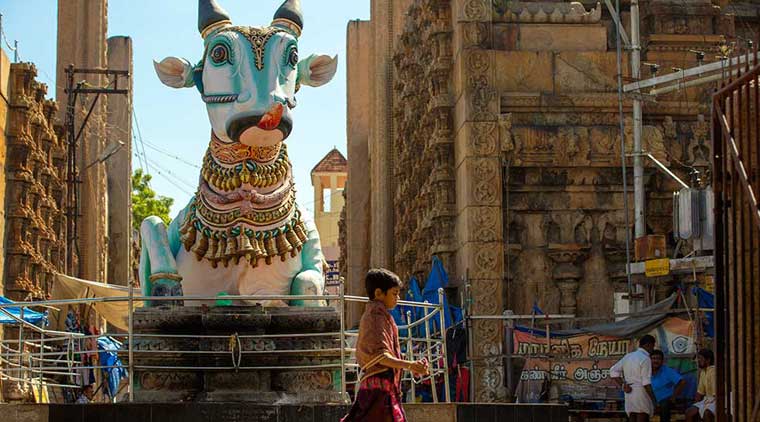 5D / 4N
Madurai Rameshwaram Kanyakumari Tour Package
- Visit Meenakshi Temple
- Visit Alagar Koil Temple
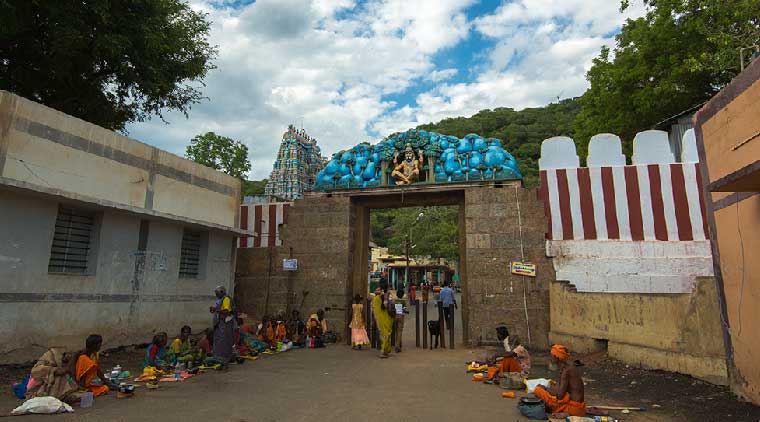 7D / 6N
Tirupati Madurai Rameshwaram Kanyakumari Tour Package
- Tirupati Balaji Temple
- Famous Annamalaiyar Temple
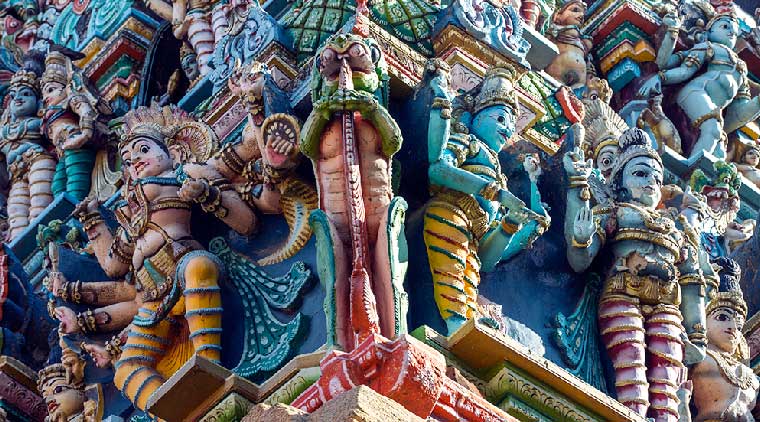 6D / 5N
South India Temple Tour
- Visit Uchchi Pillaiyar Koil
- Visit Siva Temple
 11D / 10N
Kerala Honeymoon Holidays
- Enjoy a boat safari in Periyar Tiger Reserve.
- Enjoy day trip to Kanyakumari.